


Country Club Membership Selling — 60-Min Training
Quality
Certified

Country Club Membership Selling — 60-Min Training is a one-hour session that teaches membership directors, club managers, and member-relations teams to sell high-ticket initiation-and-dues Membership through belonging and status, not amenities. The Training runs four disciplines: a written pre-tour prospect brief, a lifestyle-tour rule, a sponsorship-and-investment conversation, and a referral-and-retention close — turning Country club Selling into relationship-driven sales, not a facilities recitation.
The Outcome You Should Expect
Run this training well and the visible shift happens inside the first two weeks of tours, not the first quarter. Directors stop opening with "let me show you the 18th hole" and start opening with a question about what the prospect's family is actually looking for. That single change reorders everything downstream: the tour sequence, the language used at the fee conversation, and — most measurably — how many tours convert into signed membership agreements.
The realistic expectation is not that every tour closes. It's that the *quality* of "no" changes. Before the training, a prospect who doesn't join usually disappears with a brochure and a vague sense that the club was "nice." After the training, a prospect who doesn't join this month usually leaves having met two or three members, having been invited to a specific event tied to their interests, and having a named sponsor already in motion. That prospect converts later, or refers someone who does. The Training is designed to compound over a full membership year, not spike in a single week.

Expect three concrete behavior changes to show up on every tour within the first month: directors filling out the pre-tour prospect brief before every scheduled visit (not just the ones that feel important), directors introducing the prospect to at least one real member by name during the walk-through, and directors naming the sponsor out loud before the fee conversation instead of after. If any of those three habits aren't visible on a tour two weeks post-training, the session didn't take — that's the diagnostic, not a vague sense of "did it go well."
The financial outcome follows the behavioral one. A club running 40 qualified tours a year that lifts its tour-to-membership conversion by even a few percentage points is looking at multiple additional five-figure initiations annually, plus the compounding dues and minimum-spend revenue that follow a member for the length of their tenure — which at most private clubs runs into decades, not seasons. The bigger, harder-to-measure win is referral velocity: a member who was sold on belonging rather than talked into a facility tends to sponsor more freely, because they're proud of the community they joined rather than just satisfied with the amenities they bought.
It's also reasonable to expect resistance in the room during the training itself. Directors who have run amenity tours for years will initially treat "sell the lifestyle, not the amenities" as marketing language rather than a mechanical change to how they run a 90-minute walk-through. The facilitator's job is to make it mechanical — the prospect brief, the one-feeling rule, the never-say list — so the shift survives past the meeting and into the next real tour, under real time pressure, with a real family standing in the clubhouse.
What Drives That Outcome
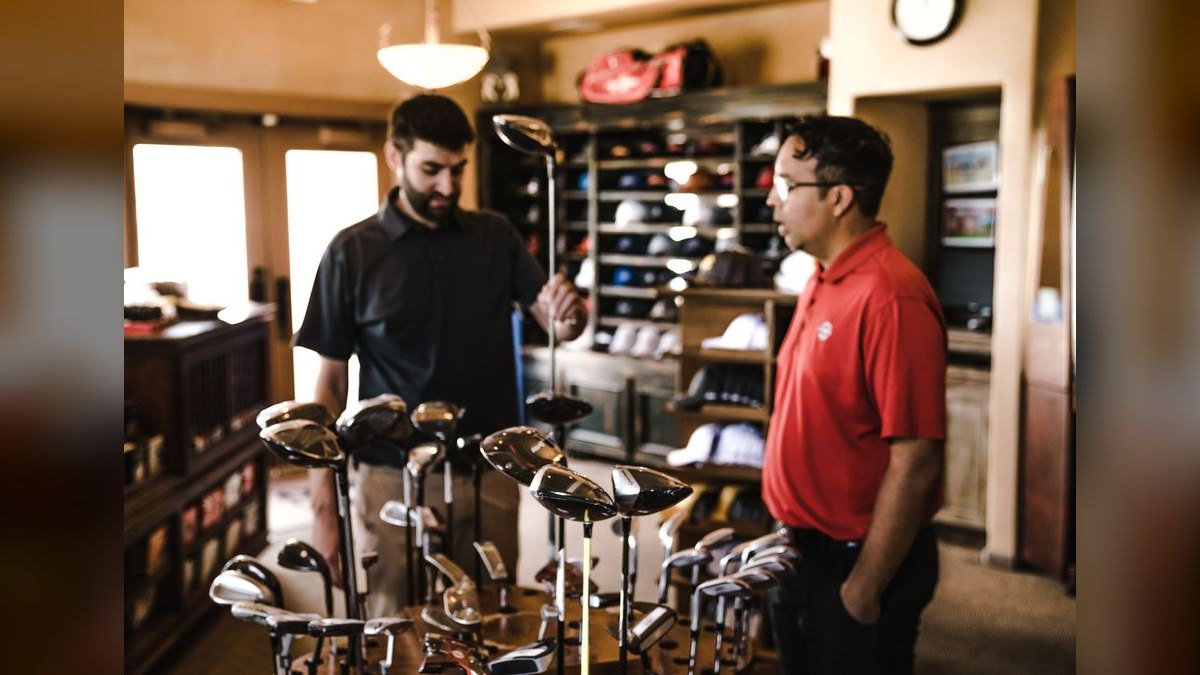
Three forces do the actual work, and understanding which one is failing tells you which part of the Training to reinforce.
The first driver is discovery before the tour. A director who walks into a tour without knowing what belonging means to that specific family is guessing, and guessing produces a generic amenity recitation because generic is the only thing that's safe to guess. The pre-tour prospect brief exists to remove the guess: profession, family composition, how they were referred, and — critically — the one feeling the tour needs to create. A relocating executive wants to feel like they already have a community. A multi-generation local wants to feel like they're extending a family tradition. A young family wants to see their kids already belonging to a junior program. Those are three different tours built from the same clubhouse.
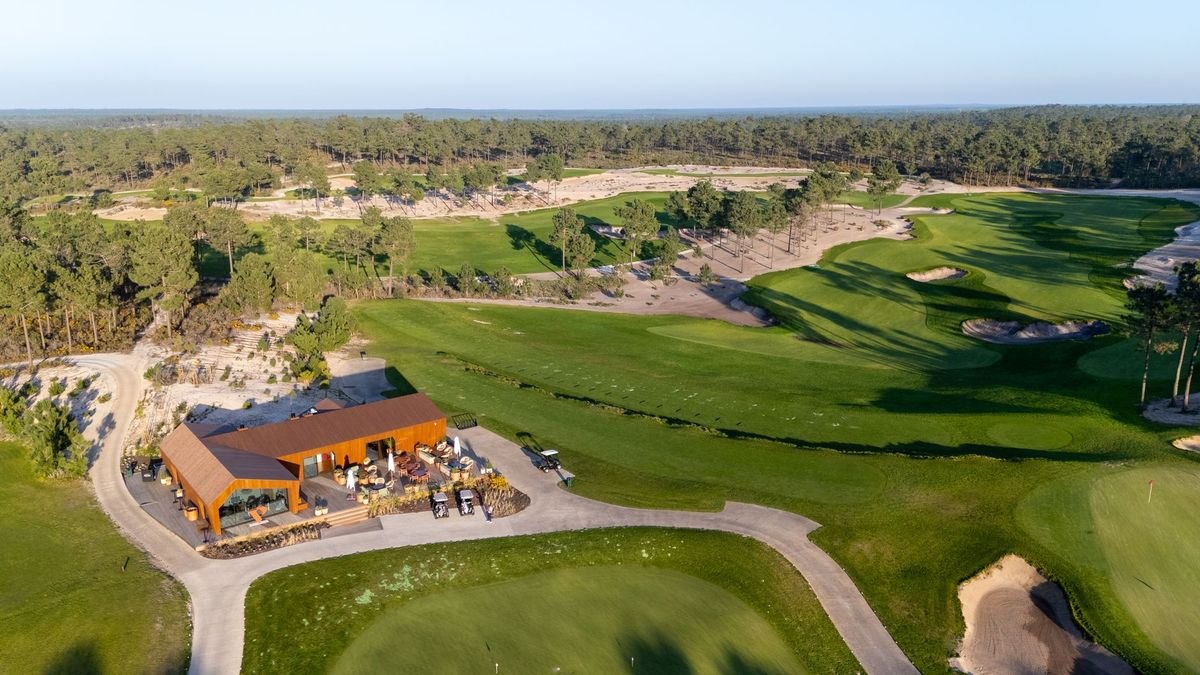
The second driver is the sponsor. Private-club sales carry a unique psychological hurdle that most high-ticket categories don't: the buyer isn't just worried about the money, they're worried about whether the existing members will actually welcome them. That fear is invisible on a facilities tour and fatal if left unaddressed. Naming the sponsor, and getting that sponsor into the room or onto a welcome-dinner invite before the fee conversation, converts an abstract social risk into a concrete, already-in-motion relationship. CMAA's professional standards frame the membership director explicitly as a steward of that transition — not a closer, a connector.
The third driver is confident, transparent pricing. Counterintuitively, evasiveness about a five-figure initiation and four-figure monthly dues erodes trust faster than the number itself. Prospects considering a high-ticket lifestyle purchase — the same psychology that governs private aviation memberships, elite fitness clubs, and boutique wealth-management retainers — read hesitation about price as a signal something is being hidden. Stating the initiation and dues plainly, then immediately reframing them ("the initiation buys into the community, the dues are the cost of the lifestyle") does more to close than any discount ever could.
Benchmarks and Realistic Ranges
Private clubs don't publish membership-sales conversion rates the way SaaS companies publish win rates, so directors should build their own baseline rather than chase an external number. Still, a few structural ranges are useful for calibrating the 60-minute session.

On the financial side, illustrative math grounds the training in real stakes. A club charging a $50,000 initiation with $1,000 monthly dues is looking at roughly $62,000 in first-year value per member and $12,000 annually thereafter in dues alone, before food, beverage, and event minimums are added. If a director closes even 20–30 new members in a year at that profile, that's well over a million dollars in initiation revenue plus a growing annuity of dues — which is why the difference between a generic amenity tour and a belonging-first tour is not a soft-skills nicety, it's the single highest-leverage lever most clubs have on annual revenue.
On the behavioral side, realistic tour composition matters. Most clubs run a mix of member-referred prospects and cold or relocation-driven inquiries. Member-referred prospects convert at a meaningfully higher rate because the sponsor relationship already exists — the training's job for that segment is mostly to avoid undermining the sponsor's credibility with a clumsy, generic tour. Cold and relocation inquiries are where the prospect brief and lifestyle-tour discipline do the most work, because there's no existing social proof to lean on; the director has to manufacture the feeling of belonging from a single visit.
Retention benchmarks matter as much as acquisition ones, and CMAA's operational guidance is consistent on this: engagement in the first 90 days predicts multi-year tenure far more reliably than the enthusiasm shown on the tour itself. A member who joins excited but never gets connected to a group, league, or social calendar within that first quarter is a resignation risk regardless of how well the sale itself went. Clubs that track 90-day engagement alongside sales numbers get an early warning system that pure initiation counts never provide.

A useful comparison point comes from adjacent high-ticket lifestyle categories — private aviation programs, boutique fitness memberships, and elite alumni or social clubs — where the pattern repeats: price transparency plus social proof (an existing member, a named community) consistently outperforms discounting or urgency tactics on closing five-figure-and-up recurring commitments. The mechanism is the same belonging psychology this training is built around; only the clubhouse changes.
Risks, Edge Cases, and Failure Modes
The most common failure mode is directors treating "sell the lifestyle" as permission to be vague about price. That's a misread of the training. The lifestyle-first sequencing exists to build context before the number lands, not to avoid the number. A director who dodges a direct question about dues, or who says "don't worry about the cost, focus on the lifestyle," triggers exactly the suspicion the training is designed to prevent. The rule is: never lead with price, never dodge it when asked.
A second failure mode is over-scripting the sponsor conversation to the point it feels manufactured. If a director name-drops a sponsor the prospect has never met and can't place, invoking the name does nothing — it needs to be a real, warm connection, ideally with the sponsor present or reachable within days. Clubs running this training at scale should audit whether "sponsor introduced" tours are genuinely warm or just a box-checking mention of a name on a form.

A third, more structural risk is manufactured scarcity. Lines like "the initiation is going up next month, so join now" or implying the prospect is lucky to be considered will actively repel exactly the kind of prospect a private club wants — someone secure enough not to need to be sold urgency. CMAA's code of ethics treats this kind of pressure tactic as a professional-standards violation, not just a bad sales habit, because it damages the club's reputation with the exact peer network that future referrals depend on.
Edge cases worth rehearsing separately: prospects who are clearly price-shopping across multiple clubs (answer transparently, differentiate on community rather than undercutting on price), prospects whose spouse is the actual decision-maker and wasn't on the tour (get the spouse to a standalone low-pressure event before pushing for a decision), and prospects who ask pointed questions about dues escalators, special assessments, or resale value of the membership (answer in full and in writing — hedging here is the single fastest way to lose trust on a high-ticket purchase where the buyer is already nervous about a multi-decade commitment).
Finally, watch for the training itself going stale. If directors treat the prospect brief as a one-time exercise from the session rather than a living habit attached to every scheduled tour, the whole discipline collapses back into amenity-tour defaults within a few weeks. Managers should spot-check a sample of completed briefs monthly, not just run the training once and assume it holds.
A Practical Rollout Plan

Rolling this out well takes more than the 60 minutes in the room. Treat the training session as the kickoff, not the whole initiative.
Before the session, pull two or three real, current prospects into the room — not hypothetical examples. Directors filling out a prospect brief for a family they're actually meeting next week retain the discipline far better than ones working through a generic template. Also print or project the never-say list (the arrogance lines, the manufactured-deadline lines, the presumptive-finances lines) so the room can react to real language rather than abstract advice.
During the session, run it in the five blocks the material naturally breaks into: open with the amenity-tour-versus-belonging-tour contrast to set the frame (5 minutes), drill the prospect brief on a live prospect (15 minutes), rehearse the lifestyle-tour rules including the never-say list read aloud (10 minutes), walk the verbatim investment-conversation script with the room role-playing both sides (10 minutes), and close with the sponsorship-and-referral math plus written commitments (15–20 minutes). Ending with each director naming two active prospects and a specific sponsor-and-welcome plan for each is what turns the session from a workshop into an operational change.
After the session, the rollout lives or dies on follow-through in the first 30 days. Post the three written commitments — brief every tour, sell lifestyle and introduce members, activate the sponsor before asking for a decision — somewhere visible in each director's workspace, not buried in a shared drive. Have the general manager or membership chair spot-check a handful of completed briefs and a handful of tour outcomes at the two-week mark, specifically checking whether a real member was introduced and whether a sponsor was named before the fee conversation. At 90 days, review new-member engagement (event attendance, junior program signups, dining minimums used) rather than just the initiation count — that's the number that predicts whether this year's new members become next year's referral sources.
Related questions

How long should a country club membership tour actually take?
Most belonging-first tours run 60–90 minutes, longer than a facilities-only walk-through, because time is spent on member introductions and conversation rather than moving quickly between amenities. Rushing the social spaces undercuts the entire premise.
Who should attend the 60-minute training besides membership directors?
Assistant membership managers, member-relations staff, and anyone who ever fields a prospect inquiry or gives an impromptu tour should attend — a warm handoff from the front desk that breaks the belonging frame undoes the director's work.
How is this different from training a real-estate agent to sell a luxury home?
Both are high-ticket, emotionally driven purchases, but a home sale is transactional and ends at closing. A club membership sale is the start of a multi-decade relationship, so the sponsor, onboarding, and retention pieces matter far more than in a one-time real-estate close.
Should the training be repeated for tenured directors, not just new hires?

Yes — tenured directors are the most likely to drift back into amenity-tour habits under time pressure, precisely because they're comfortable with the facilities. A quarterly refresh keeps the lifestyle-tour discipline from eroding.
What should replace the initiation-fee brochure most clubs still hand out?
A written fee schedule is still necessary for transparency, but it should be handed over after the lifestyle vision and sponsor conversation, framed as "here's everything in writing, no surprises," not as the opening move of the tour.
FAQ
Is this training only for traditional golf-and-country clubs, or does it apply to other private clubs? The framework applies to any membership-based lifestyle organization — yacht clubs, city social clubs, athletic clubs, even boutique fitness memberships — anywhere the purchase is really about belonging and status rather than access to a single facility. The specific amenities change; the belonging psychology and sponsor mechanics don't.
How do I know if a director is still running amenity tours after the training? Listen for the tour narration. If it's a list of specs ("the grill seats 120," "we have 27 holes") rather than stories about members and family life, the habit hasn't shifted. Spot-checking a live or recorded tour is more reliable than asking the director to self-report.

What if the club genuinely doesn't have strong social programming to sell? Then the training surfaces a real operational gap before a bad hire or a bad quarter does — belonging has to be real to sell authentically. In that case, pair the sales training with a review of the club's actual event calendar and junior/family programming.
Does the prospect brief slow down tour scheduling? It adds a few minutes of prep, not meaningful delay, and that prep time is what prevents the wasted 90 minutes of a generic tour that never had a chance of converting. Clubs that skip it tend to compensate with more tours per lost prospect, which costs more time overall.
How does member retention connect back to this sales training? Members sold on belonging rather than amenities tend to integrate faster and sponsor more willingly, which is why the training explicitly includes the first-90-days engagement habit rather than stopping at the signed agreement. Retention and sales are the same pipeline, just at different stages.
Can this training be adapted for phone or video prospect conversations instead of an in-person tour? Yes — the prospect brief, the one-feeling rule, and the pricing script all transfer to a video call; only the physical "walk the social spaces last" tactic needs substituting with a virtual member-story segment or a follow-up in-person visit scheduled specifically for that purpose.
Sources
- Club Management Association of America (CMAA), *Professional Standards, Code of Ethics, and Certified Club Manager Program*, cmaa.org.
- National Club Association (NCA), *Private Club Governance and Membership Best Practices*, nationalclub.org.
- Club Benchmarking, *Private Club Financial and Membership Performance Data*, clubbenchmarking.com.
- McMahon Group, *Private Club Strategic Planning and Membership Research*, mcmahongroup.com.
- BoardRoom Magazine, *Private Club Membership and Hospitality Leadership*, boardroommag.com.
- Harvard Business Review, *Research on Relationship Selling and High-Ticket Purchase Behavior*, hbr.org.
- Gallup, *Research on Belonging, Engagement, and Community Membership*, gallup.com.
Related on PULSE
- Yoga and Pilates Studio Membership Selling — 60-Min Training
- Auto Detailing Package and Membership Selling — 60-Min Training
- The Sandler Selling System: Ready-to-Run Mini-Training for New Hires
- Selling with Stories: Narrative Structure Template for a 45-Minute Sales Workshop
- Leveraging Social Selling: Hands-On Activity Template for a Remote Team Session
- The Consultative Selling Blueprint: Facilitator's Guide for a 45-Minute Workshop
This page will be disappearing soon. Save it to your device for $1 — or read it free while it is here.
@Kory-White- · if Venmo asks, the last 4 of my number are 2012
This page is gone.
This one is off the shelf now. $1 keeps it on your phone for good — the whole page, pictures and diagrams included.
 sales-trainingJewelry and Luxury Watch Clienteling — 60-Min Training
 sales-trainingAuto Detailing Package and Membership Selling — 60-Min Training
 sales-trainingCorporate Event and Meeting Sales — 60-Min Training
 sales-trainingEvent Catering Sales — 60-Min Training
 sales-trainingPersonal Training Package Selling — 60-Min Training
 sales-trainingYoga and Pilates Studio Membership Selling — 60-Min Training
 sales-trainingHow do you run a sales training on mid-market account mapping in 2027?
 sales-trainingWhat does a mid-market sales training program cost to build in 2027?
 sales-trainingHow do you train a sales team in Cleaning & Facilities in 2027?
 sales-trainingTop 10 sales training budget line items for a 60-minute workshop in 2027