


Florist Event-Florals Selling — 60-Min Training
Quality
Certified

A Florist running the Vision-to-Signed-Florals Method in a 60-minute Training — same-day reply, a vision consultation that sells the feeling of the event, a three-tier proposal anchored on the Signature package, and a live deposit close — should expect a 45-50% consultation-to-booking close rate within 60-90 days, up from the 20-25% baseline typical of price-sheet Selling.
The outcome you should expect
A florist who completes this Training and treats it as a recurring discipline rather than a one-time workshop sees three measurable shifts inside a single booking season, and the order they arrive in matters. Speed to response moves first, because it is the easiest habit to change: same-day replies that capture date, venue, and the couple or planner's stated vision move from an average 30-40 hour lag down to under four hours. That speed protects the studio's share of the three-to-five florists a couple typically contacts in the same week, and it does the same job for corporate event planners comparing vendors for a gala or product launch, where the decision window is often even tighter because the date is fixed by a venue contract rather than personal preference.
The second shift is average order value, and it shows up more slowly because it depends on the vision consultation actually landing. Studios that anchor the proposal on the Signature tier by name, rather than opening with the Essentials price, report average floral spend climbing 15-25% within two to three months. The mechanism is straightforward: the couple is comparing a full vision against a full vision, not negotiating down from the cheapest line item on a menu. This same anchoring logic transfers directly to corporate and social event work — a gala committee shown a full room transformation first will evaluate a scaled-back version against that image, rather than building up from a bare-minimum centerpiece order.
The third shift, and the one that most directly predicts whether a calendar fills for peak season, is deposit velocity — the percentage of consultations that end with a signed agreement and a deposit collected the same day rather than "I'll send a proposal next week." A proposal sent and not signed within 48 hours has a meaningfully lower close rate than one signed live, because the couple's attention scatters back across a Pinterest board of other vendors, a planner's spreadsheet of quotes, or a lower bid from a competitor willing to undercut on price.
None of this compounds from a single run-through of the Training. Each of the four steps — reply, consultation, tiered proposal, live close — removes one specific leak point in the funnel, and closing one leak while leaving the others open still lets revenue drain out elsewhere. A florist who replies fast but still recites a bare price list on the phone loses the booking to whoever walked the couple through a vision instead. A florist who nails the vision consultation but sends a proposal "whenever I get to it" loses momentum to a competitor who closes while the mood board is still fresh. The Training treats these four steps as one connected system, which is also why it is delivered as a single 60-minute session rather than four separate modules a florist could pick and choose from.
What drives that outcome (mermaid)
The mechanism underneath the numbers is a chain of momentum, not four unrelated tactics, and the chain runs on emotional energy rather than logistics. Every stage either preserves the excitement the couple or planner walked in with or lets it decay. A same-day reply preserves urgency because the inquirer is still actively comparing vendors and has not yet emotionally committed elsewhere — the same dynamic that makes photographers and day-of coordinators obsess over response time, because in date-locked event work, speed is itself a form of Selling. A vision consultation that opens with feeling-based questions — "when you close your eyes and picture walking in, what do you see?" — builds a shared mental image that a price list can never create, and that shared image is what the client is actually paying to protect.
The three-tier proposal then gives that image a concrete shape with an anchor point, using the same contrast principle that makes a mid-tier hotel room or a mid-tier wine list the most-chosen option on any list of three. Presenting Essentials, Signature, and Premier together — with Signature described first and in the most vivid language — reframes the decision from "how little can I spend" to "which version of this vision do I want." And the live deposit close converts the emotional commitment into a financial one before the client leaves the room, before a lower quote arrives from a competitor, and before wedding-planning fatigue sets in and the decision gets postponed indefinitely.
The florist's job during the Training session is to make every participant feel exactly where their own funnel currently breaks, using a real inquiry worked live rather than a hypothetical script. Most florists overestimate their own reply speed and underestimate how often nervousness about seeming pushy pushes them to lead with price. Naming that gap out loud, in the room, on an actual message sitting in the studio's inbox, is what makes the mechanism stick instead of becoming one more script that gets forgotten by the next inquiry that comes in at 9 p.m. on a Friday.
Benchmarks and realistic ranges

Realistic ranges matter more than a single target number, because a solo studio in a secondary market and a six-designer studio in a wedding-heavy metro will land in different places on the same funnel, and a corporate-events-focused florist will see a different shape entirely than one who is purely wedding-driven. A reasonable inbound volume for a small-to-mid studio during peak season runs 20-30 inquiries per month. Of those, a studio running same-day replies with a genuine vision hook in the first message should expect 55-65% to convert to a booked consultation — below 50% typically signals the reply itself is too generic or too slow, while above 70% is achievable but usually means the studio is pre-qualifying hard on budget language in the initial outreach, which trades volume for efficiency.
From consultation to signed booking, a well-run Signature-anchored proposal should close in the 40-50% range; studios still quoting bare price lists during the consultation itself commonly sit closer to 20-25%, which is the exact gap this Training is built to close. On dollars, a Signature-tier average of $5,500-$8,500 is a realistic band for most regional markets running full-service wedding florals (personal flowers, ceremony focal piece, centerpieces, one statement installation), with major-metro studios running meaningfully higher and rural or secondary markets running lower. Corporate and gala work often prices differently — per-guest or per-table minimums rather than a flat package — but the same three-tier anchoring structure still applies to a committee choosing between a base, elevated, and signature room transformation.
Floral cost of goods typically runs 30-35% of sell price when sourcing is disciplined and substitution clauses protect against seasonal price swings; studios that quote by specific stem rather than by color and feeling often see COGS creep toward 40-45% during volatile seasons, which erodes the 65-70% gross margin the tier pricing is designed to protect. Deposit percentage benchmarks cluster around 25-30% of contract value, collected at signing, with the balance due 30 days out — tighter deposit terms of 50% are increasingly common in markets with high cancellation rates, and studios should treat that as a local-market decision rather than a universal rule.
It is worth benchmarking against adjacent service categories that sell a similarly emotional, date-locked product: photographers, wedding planners, and venue coordinators all run some version of this same reply-vision-tier-deposit sequence, and florists who study how those adjacent vendors structure their own proposals often find upgrade language and tier framing they can adapt directly into their own sales materials. A florist who partners closely with a day-of coordinator, for instance, can use that relationship to get warm introductions earlier in the couple's planning timeline, which raises the same-day-reply advantage even further because the florist is no longer competing purely on inbound speed — they are arriving pre-vetted.
Risks, edge cases, and failure modes
The most common failure mode is treating the deposit close as an optional add-on rather than the step that actually locks revenue. A florist who runs a beautiful vision consultation and sends a gorgeous proposal but never asks for the deposit live is, functionally, still running the slow-florist playbook — they have just made the price list prettier. The Training has to spend real time on the discomfort of asking for money face to face, because that discomfort, not a lack of design skill, is the actual bottleneck for most florists, and it is the section of the session most likely to get rushed if time runs short.
A second failure mode is misusing scarcity language. The date-hold close depends entirely on it being true — if a studio genuinely takes one wedding per date, saying so is honest urgency; inventing a phantom competing couple to manufacture pressure is both an ethics problem and a reputational risk in tight-knit wedding-vendor communities where couples compare notes and vendors refer each other constantly. A florist caught bluffing on availability loses far more in referral trust than a single booking is worth, and that trust loss extends to the photographers, planners, and venues who send business back and forth.
A third risk sits on the sourcing side. Perishable product means a florist who discounts the deposit or waives it to win a nervous couple is carrying real financial exposure if that couple cancels close to the date — bulk stem orders are often placed weeks out and cannot be resold or repurposed for another event on short notice. Studios should treat deposit discipline as risk management, not just a sales tactic, and should build a clear cancellation and refund policy into the written agreement rather than leaving it as a verbal understanding that gets disputed later.
A fourth edge case is the client whose stated budget sits below even the Essentials tier. Gutting the Signature design to fit an unrealistic number trains that market segment to expect underpriced work and erodes margin across every future booking in that same friend group or venue network — it is often better to offer a narrower personal-flowers-only package, a smaller corporate arrangement tier, or a warm referral to a florist better suited to that budget band. Finally, seasonal bloom volatility is a structural risk outside any florist's control: a studio that quotes by specific named stem rather than by color story and feeling is exposed every time a hard freeze or supply disruption spikes prices on that flower, which is why a substitution clause belongs in every signed agreement regardless of how well the consultation went.
A practical rollout plan (mermaid)

Rolling this out works best as a staged sequence rather than a single 60-minute session that is delivered once and never revisited. Week one is the Training session itself — walk every florist through the vision intake live on a real current inquiry, drill the "sell the feeling before the price" rule, and have each person write out their own version of the deposit close script in their own voice rather than reciting it robotically from a shared document. Week two adds a shadow-and-review cycle: each florist runs one live consultation with a manager or senior designer silently observing, then debriefs immediately on where the reply, the vision framing, the tier presentation, or the close felt weak. Weeks three and four shift to independent execution with a light weekly check-in, tracking the same four numbers every time — reply speed, consultation-booked rate, tier presented and booked, deposit-collected-live rate — so the studio can see exactly which stage of the funnel needs more coaching rather than guessing.
Beyond the four-week ramp, the highest-leverage long-term habit is a monthly refresh of the Training itself, using the studio's own recent inquiries as case material instead of hypothetical scripts. Florists who revisit the deposit close script every few months, updating it with current pricing and season-specific talking points, keep the language sounding natural rather than memorized. Pairing this with a shared template for the vision intake — filled out live during every consultation, not reconstructed from memory afterward — keeps the whole team's approach to Florals sales consistent even as new designers join the studio, and it gives an owner a paper trail to diagnose exactly where a slow month went wrong.
Related questions
How long should a floral vision consultation run?
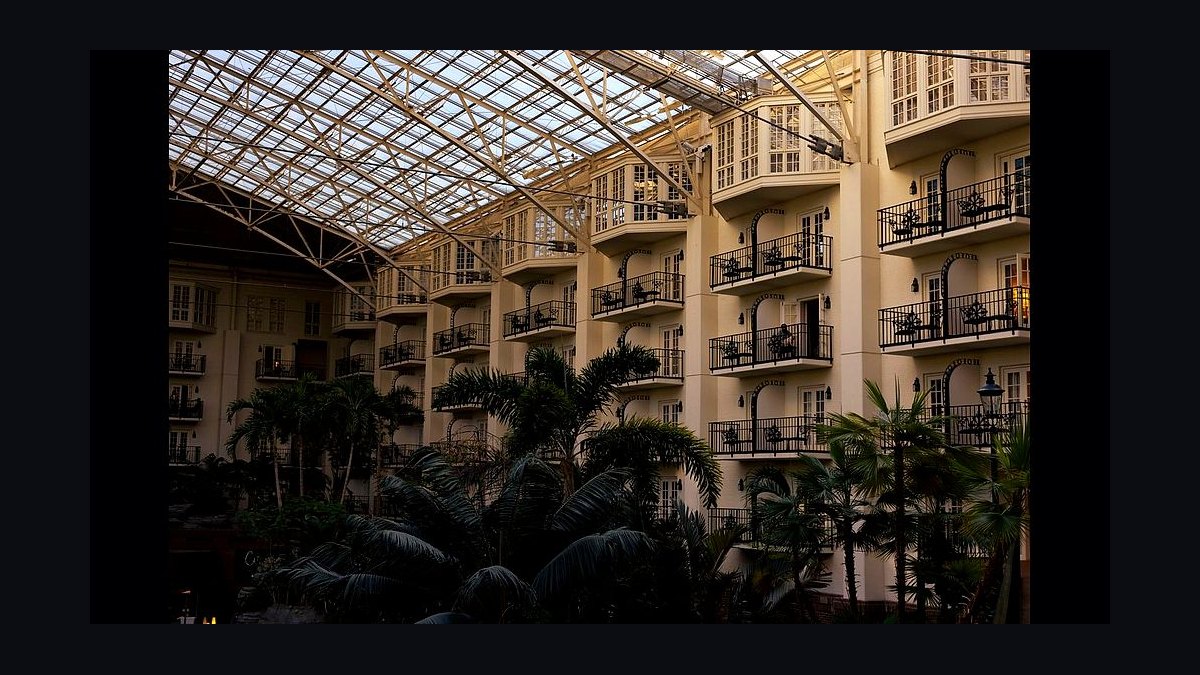
20-30 minutes is the realistic window — long enough to build a shared image of the event and gather color story, budget signal, and decision-makers, short enough to keep momentum for a same-session or same-week proposal.
Should florists ever quote prices over email before a consultation?
A realistic "starting at" range can filter unqualified leads, but full tiered proposals belong in the consultation, where the florist can frame the design before the client sees a number in isolation.
What's the single easiest upgrade to build into a Signature package?
A statement installation — arch, hanging piece, or aisle meadow — because it's the most-photographed moment of the event, carries strong margin, and is an easy emotional yes once the client has already bought into the room's feeling.
How is this different from general consultative sales training?
It applies the same feeling-first, anchor-and-close structure used in broader consultative sales methodology, but adapts every script and example specifically to perishable-product, date-locked event work rather than generic B2B deals.
Does the same funnel work for recurring corporate floral accounts?
Yes, with a shift in emphasis — the vision consultation focuses on brand feel and guest experience rather than personal sentiment, and the "deposit" often becomes a signed recurring contract rather than a one-time payment.
FAQ

Is the date-scarcity close manipulative? Only if it's false. A studio that genuinely books one wedding or event per date is stating a real constraint, not manufacturing pressure — the line becomes a problem only when a florist invents a phantom competing client that doesn't exist.
What if a florist is more designer than salesperson by temperament? The Training reframes the work as guiding, not pitching — the Florist asks more questions about the client's vision than they make statements about flowers, which suits a design-oriented personality better than a hard-sell script would.
How do florists protect margin against seasonal bloom price swings? Build a designer's-choice substitution clause into every signed agreement and quote by color story and feeling rather than by specific stem, so a supply disruption on one flower doesn't blow up the contracted price.
Does this training apply to non-wedding event florals, like corporate galas? Yes — the same reply-vision-tier-deposit sequence applies to any date-locked, higher-ticket event floral booking; the vision intake questions shift from ceremony details to event branding and guest experience, but the underlying Selling structure holds.
What's a reasonable deposit percentage to require? 25-30% of contract value at signing is a common baseline, with some markets moving toward 50% where cancellation risk is higher; the deposit should reflect real exposure to pre-ordered perishable product, not just serve as a formality.
How often should a studio revisit this training with the team? Monthly is realistic for most studios — refreshing the script with current pricing and recent real inquiries keeps the language from sounding rehearsed and gives newer designers a chance to practice before peak season hits.
Sources
- Society of American Florists (SAF), business and design education resources, safnow.org.
- American Institute of Floral Designers (AIFD), floral design standards and education, aifd.org.
- Neil Rackham, *SPIN Selling*, McGraw-Hill, 1988.
- Robert Cialdini, *Influence: The Psychology of Persuasion*, Harper Business, revised edition.
- The Knot Worldwide, *Real Weddings Study*, theknot.com/content/real-weddings-study.
- Floranext, event-floral studio resources and benchmarking guides, floranext.com.
- Donald Miller, *Building a StoryBrand*, HarperCollins Leadership, 2017.
- Small Business Administration, guidance on service-business deposits and contracts, sba.gov.
Related on PULSE
- The Sandler Selling System: Ready-to-Run Mini-Training for New Hires
- Selling with Stories: Narrative Structure Template for a 45-Minute Sales Workshop
- Leveraging Social Selling: Hands-On Activity Template for a Remote Team Session
- The Consultative Selling Blueprint: Facilitator's Guide for a 45-Minute Workshop
- Trust-Based Selling Exercises: Facilitator Guide for a 60-Minute Team Workshop
- Top 10 ready-to-run sales training templates for consultative selling
This page will be disappearing soon. Save it to your device for $1 — or read it free while it is here.
@Kory-White- · if Venmo asks, the last 4 of my number are 2012
This page is gone.
This one is off the shelf now. $1 keeps it on your phone for good — the whole page, pictures and diagrams included.
 sales-trainingWedding Photography Booking Selling — 60-Min Training
 sales-trainingEvent Catering Sales — 60-Min Training
 sales-trainingLuxury Travel Agency Concierge Booking Selling — 60-Min Training
 sales-trainingCorporate Event and Meeting Sales — 60-Min Training
 sales-trainingHow do you train a sales team in Physical Therapy & Chiropractic in 2027?
 sales-trainingHow do you train a sales team in Pest Control in 2027?
 sales-trainingTop 10 sales training budget line items for a 60-minute workshop in 2027
 sales-training60-Min Sales Training: Using Social Proof in the Late Stage
 sales-trainingHow do you run a sales training on mid-market account mapping in 2027?
 sales-trainingWhat does a mid-market sales training program cost to build in 2027?