


Flooring and Carpet In-Home Sales — 60-Min Training
Quality
Certified
Flooring and Carpet In-Home Sales — 60-Min Training builds a repeatable in-home selling arc: measure and diagnose the room, lay the actual sample where it will live, present a good-better-best installed quote, and close a deposit or financing before the rep leaves. Grounded in WFCA retail standards and CFI measurement discipline, it replaces a bare per-foot number with a demonstrated, financed, same-visit close on a $3,000–$9,000 project.
The two options compared: Showroom-Led vs. In-Home-Led Selling
Every flooring and carpet retailer runs two selling motions in parallel, and this Training exists because reps default to the weaker one out of habit. Showroom-led selling starts when a walk-in picks up samples under fluorescent store lighting, gets a rough per-square-foot range, and leaves to "think about it." In-home-led selling starts with a scheduled measure appointment and runs the full discovery-demonstration-quote-close sequence inside the customer's actual house, ending with a signed deposit or a financing application before the rep's truck pulls out of the driveway.
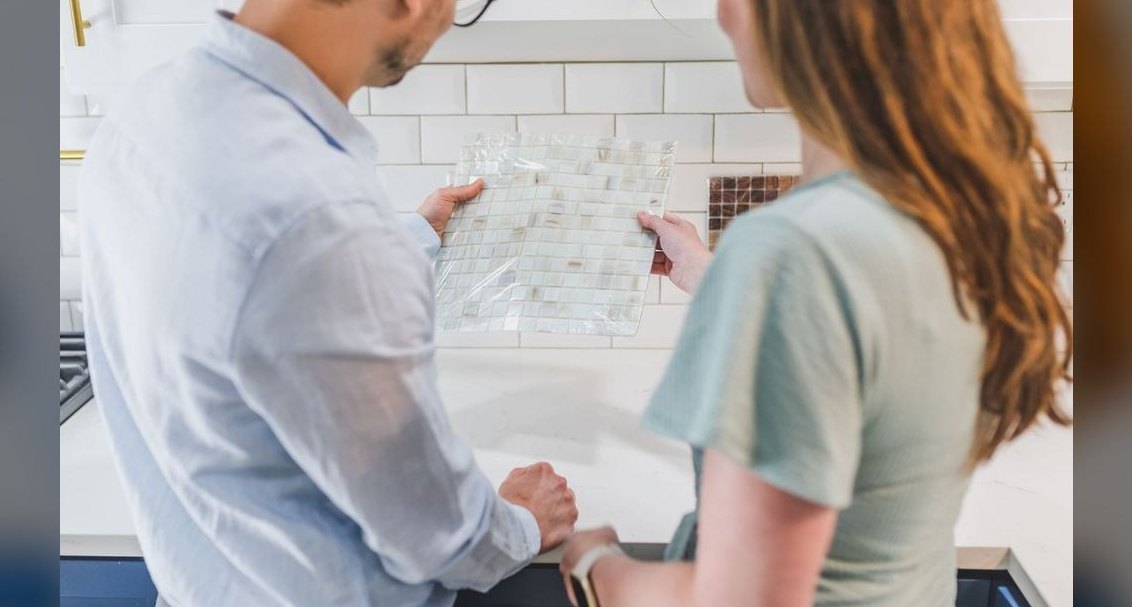
The showroom motion feels efficient because it moves fast and touches more foot traffic in an hour than an in-home visit touches in a day. But it structurally loses the close. A customer holding a carpet swatch under showroom light has no way to judge how a warm gray nylon will read against their oak trim, or how a wide-plank LVP will sit next to their kitchen cabinets and window light. Every showroom quote stays provisional in the customer's head — "let me see how it looks at home" — and that gap is exactly where a big-box aisle or an online wholesaler steps in with a lower number and zero relationship. Retailers who let the sale end at the showroom door lose the job to price comparison about as often as they win it, because nothing about a swatch under artificial light resolves the customer's real uncertainty.
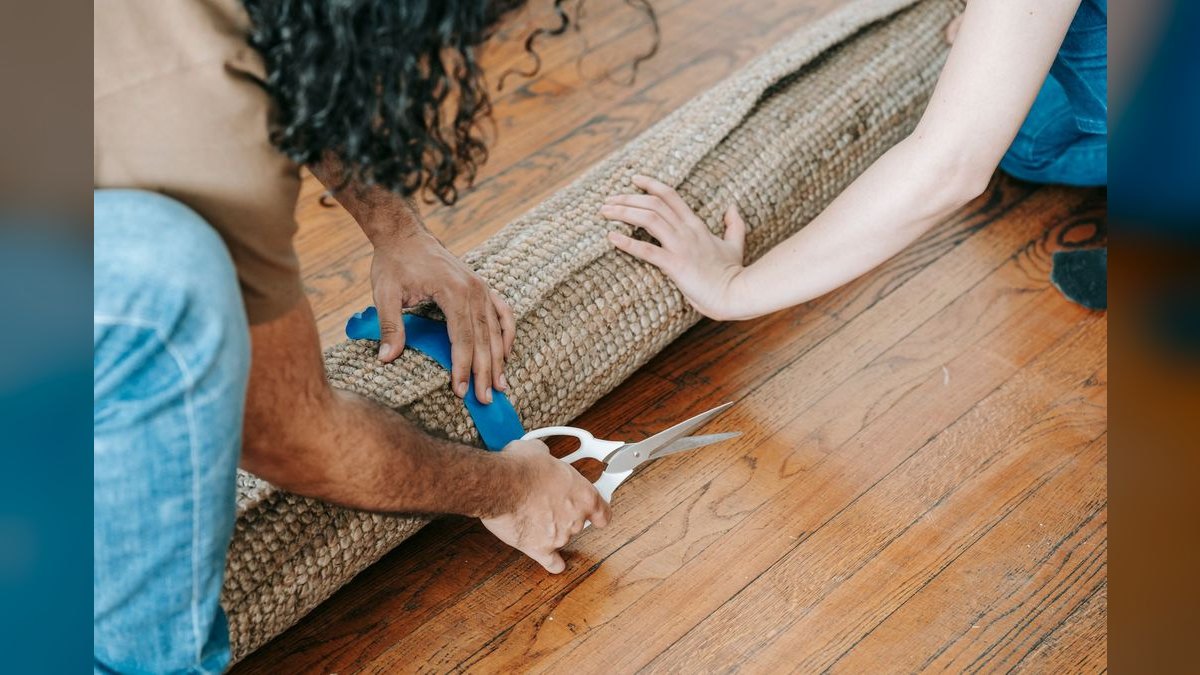
The in-home motion runs slower per appointment — a measure-and-sell visit takes 45 to 90 minutes against a 10-minute showroom interaction — but it converts at a materially higher rate because the objections that kill a showroom deal get resolved on the spot: does the color actually match, is the installed price real, can the crew hit the customer's timeline. A rep standing in the room with a sample and a tape measure answers those questions in real time instead of over an email three days later. Sales leaders should not treat showroom and in-home as competing channels to pick between — they are sequential. Showroom traffic is the top of a funnel that feeds the in-home appointment, and the in-home visit is where the Training's methodology — the diagnostic walkthrough, the sample demonstration, the bundled tiered quote, the same-day close — actually gets executed. A rep who tries to run the in-home close script inside the showroom, with no real room and no real light, will undersell every time. A rep who lets an in-home visit degrade into "I'll email you a quote" throws away the one structural advantage an independent flooring and carpet retailer holds over a national chain: the ability to close in the customer's own space.
It is worth widening the lens here, because this two-track pattern is not unique to flooring. Kitchen and bath remodelers, replacement-window dealers, and gutter contractors all run the identical showroom-versus-in-home split, and in every one of those adjacent trades the retailers who win consistently are the ones that treat the storefront or the phone call as qualification and the home visit as the only place the deal actually gets signed. A flooring rep who has sold windows or done any outside-sales work before will recognize the pattern immediately; the discipline of never letting the in-home visit end soft transfers directly.

How to decide between them
The decision of which motion to lean into is not a strategic choice made once a quarter — it is a diagnostic the rep runs on every single lead inside the first 90 seconds of contact. Phone or web leads who are still comparing brands, colors, or budget ranges belong in the showroom funnel first, because a Best-tier purchase in the $3,000–$9,000 range is a considered decision that will not close cold off one call. Leads who already know which rooms they are redoing, have a concrete trigger — a move-in date, a flood, new pets, a resale deadline, a newborn — and are ready to commit to a measure appointment should be routed straight into an in-home visit, because every extra touchpoint inserted before the in-home close adds days for the customer to comparison-shop online.
The rule every manager should drill into the team during this Training: a showroom conversation is allowed to end with "let's get you scheduled," but an in-home visit is never allowed to end with "I'll follow up." The moment a rep is standing in the customer's living room with a tape measure and a sample bag, the in-home close sequence becomes mandatory — there is no partial-credit version where the rep measures the room and mails a quote afterward. That single habit, more than any script line, is what separates flooring and carpet retailers who consistently beat the big-box store on close rate from retailers who lose the job to a lower online number three days after an in-home visit that felt great in the moment. The same logic extends to how a rep should treat a same-day competing bid: if the customer mentions they have another company coming Thursday, that is itself a trigger to compress the timeline and close today rather than "let them decide between us," because a side-by-side comparison almost always regresses to price.
Concrete numbers behind each option
The financial case for prioritizing the in-home close is not abstract — it shows up directly in average ticket size and pad-and-upgrade attach rate. A job sold on a bare per-square-foot number in the showroom (say $3.29 per square foot for LVP with no pad or install specified) tends to close, when it closes at all, at or near the cheapest package the customer can find, because the customer has no context for what "installed" actually includes. The identical job, sold inside the home with the sample demonstrated and a bundled quote presented across three tiers, routinely lands in the Better or Best tier because the customer is comparing finished-floor experiences rather than commodity price per foot.
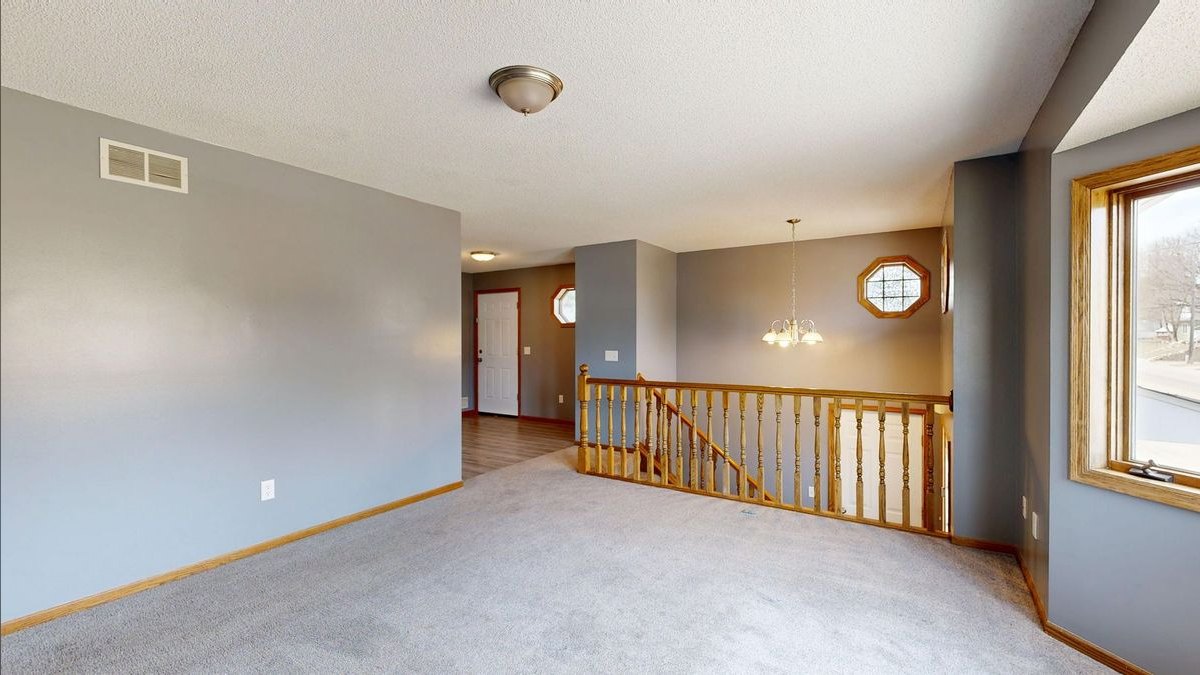
Run real numbers on a 1,200 square foot main-floor LVP job: at $5.50 per square foot installed — material, pad, labor, tear-out, and haul-away bundled into a single number — the total project comes to $6,600. Financed over 12 months at no interest, that becomes $550 a month, a figure the rep reframes against the cost of replacing cheap carpet again in five years rather than against a competitor's material-only number. Layering in a premium pad upgrade at $0.85 per square foot adds $1,020 to the ticket at close to pure margin, and it is the single easiest upsell in the category because the customer can feel the difference standing barefoot on both pads side by side during the walkthrough — this is exactly why the Training carves out dedicated time for the pad-comparison moment instead of burying pad as a line item in the printed quote.
Waste factors matter to the bottom line as much as the sale price does. The measure-twice standard from WFCA and CFI calls for adding 10% waste on carpet and 7–10% on LVP and hardwood to cover cuts, seams, and pattern matching; a rep who shortcuts the measure and comes in under that margin either eats the reorder cost personally or burns the customer's trust with a mid-install shortage. Across a full book of business, a rep who runs accurate measures and presents bundled installed quotes consistently outperforms a rep who quotes bare material prices, on both average ticket and gross margin per job, because pad attach, upgrade-tier selection, and financing approval all move together once the customer has seen and felt the product inside their own space rather than under showroom lights.
The same math generalizes usefully to adjacent home-improvement categories. A window-replacement rep or a kitchen-remodel rep who understands why bundled installed pricing outperforms line-item pricing in flooring will recognize the identical mechanism in their own trade — the customer is always better sold on the finished outcome than on the component cost, and financing reframed as a monthly number against a multi-year alternative (replacing cheap flooring again, running higher energy bills through old windows) is the lever that turns a "let me think about it" into a same-visit signature across nearly every considered-purchase home trade.
Implementation details and sequencing

Rolling this Training out to a full team is itself a sequencing problem, and managers who skip steps get inconsistent adoption six weeks later. Start with the verbatim discovery template — rooms in scope, the trigger behind the purchase, traffic patterns and household composition, the look the customer pointed at online or in a magazine, timeline, and a soft budget check — and have every rep fill it out live against a real upcoming appointment during the session itself, never a hypothetical scenario. Reps internalize a script by running it against a real lead within 24 hours of Training, not by reciting it back in a role-play with a coworker playing customer.
Sequence the rest of the 60 minutes around the four moments that make or break an in-home visit. First, the measure-and-discover walkthrough, roughly 15 minutes: this is where the trigger question gets asked and re-asked until the rep finds the real driver behind the purchase, because a customer who says "we just want new carpet" almost always has a more specific reason — a pet accident, a resale deadline, a new baby on the way — that should shape which tier gets recommended and how urgently financing gets raised. Second, the sample-in-the-room demonstration, 10 minutes: the sample is never described, it is placed on the actual floor, in the actual light, and the pad comparison happens barefoot, side by side. Third, the good-better-best quote presentation, 10 minutes: three printed, fully bundled numbers laid on the table simultaneously, cheapest on the left, with the rep going silent after asking which floor feels like the one they want to live on — silence is the mechanism here, not a script line, so coach reps explicitly to count to five in their head before speaking again. Fourth, financing and the same-day close, 15 minutes: the application runs on a tablet inside the home immediately after the customer points at a package, because the drop-off between an in-home verbal commitment and a next-day follow-up call is steep enough that most soft "yeses" erode within 24 hours if the deposit or financing is not locked before the rep's truck leaves the curb.
Close every session identically: each rep writes down three commitments — lay a sample in the actual room on every visit, quote installed pricing in three tiers with pad and labor bundled in, and ask for the deposit or financing before leaving the house — and tapes the card to the inside of their sample bag where they see it before every appointment. Managers should review outcomes weekly against those three specific commitments — which tier sold, whether pad was attached, whether the close happened same-visit — rather than reviewing a generic close-rate number, because the three commitments are the leading indicators that predict the lagging close-rate outcome two or three weeks later. New hires onboarding into a flooring and carpet Sales role should be measured against those same three commitments for their first month rather than against raw close-rate targets, since a new rep who nails the fundamentals early will outgrow a raw-numbers scoreboard naturally, while a rep chasing a close-rate number without the fundamentals usually reverts to quoting bare price per foot the first time a customer pushes back.
Related questions
What if the customer only wants a phone quote and won't book an in-home visit?
Offer a rough range by phone, then explain that an accurate number requires a measure because subfloor condition and room shape vary house to house. Frame the free measure appointment as protecting the customer from being quoted wrong, never as a sales tactic.
How aggressively should a rep push the pad upgrade?
Hard, but through demonstration rather than a pitch — have the customer step on both pads barefoot, side by side. It is the easiest high-margin attach in flooring and carpet Sales and should never get buried as a line item in the printed quote.
What happens if a rep measures wrong and the job needs a reorder?
The retailer eats the margin and risks the customer's trust in the middle of an install. This is exactly why the measure-twice standard with proper waste percentages — 10% on carpet, 7–10% on LVP and hardwood — is treated as non-negotiable rather than a suggestion.
Should showroom reps and in-home reps use different scripts?
The closing arc — demonstrate, present three installed tiers, finance the same visit — stays identical across both settings. Showroom Sales differs only in that the rep controls lighting and product access instead of the customer's real room and real subfloor.
How does this Training change onboarding for a brand-new flooring rep?
New reps should shadow two full in-home visits before running one solo, then get reviewed against the three written commitments — sample in the room, tiered installed quote, same-visit ask — for their entire first month rather than against a raw close-rate target.
FAQ

Should a rep ever lead with the cheapest package? No. Leading with price-per-foot or the bottom tier trains the customer to wait for a discount and anchors the whole conversation on cost instead of the finished room. Present all three installed tiers together and let the customer choose which one, never whether to buy at all.
Is it acceptable to badmouth a big-box competitor's pricing? No — it makes the retailer look small and defensive rather than confident. Reframe instead: the competitor is quoting material only, while the in-home quote bundles tear-out, pad, install, and a real local crew into one installed number the customer can hold onto.
What if both decision-makers aren't present at the in-home appointment? Push to schedule the visit for when both are home whenever possible, since a "let me talk to my spouse" objection is far harder to close on a follow-up call than in the room together. If only one is present, answer every open question thoroughly enough that the absent partner has nothing left to raise later.
How long should the discovery walkthrough actually take on a real job, not just in Training? Roughly 15 to 20 minutes for a typical three-to-four-room job — long enough to measure every room twice and keep asking the trigger question until the real driver surfaces, but not so long that it delays reaching the sample demonstration while the customer's attention is still fresh.
Does financing need to be offered on every single job, even small ones? Yes — offering it costs nothing and removes the most common reason a customer delays a decision. Even customers who intend to pay cash sometimes choose financing once the monthly number is reframed against the cost of replacing cheap flooring again in a few years.
How is this different from a generic in-home Sales training used in other trades? The mechanics — discovery, demonstration, tiered quote, same-visit close — generalize across gutters, windows, and remodel Sales, but flooring and carpet has unique levers of its own: the physical sample-in-the-room moment, the barefoot pad comparison, and precise waste-factor math that a generic script never addresses and that this Training builds the entire session around.
Sources
- World Floor Covering Association (WFCA), retail selling standards and consumer-education resources, wfca.org.
- Certified Flooring Installers (CFI), installation-quality and measurement standards, cficertified.com.
- Tom Hopkins, *How to Master the Art of Selling*, Grand Central Publishing, 2005 edition.
- National Wood Flooring Association (NWFA), hardwood installation and product guidelines, nwfa.org.
- Floor Covering Weekly, retail and residential flooring market reporting, floorcoveringweekly.com.
- The Carpet and Rug Institute (CRI), carpet and cushion performance standards, carpet-rug.org.
- Tile Council of North America (TCNA), hard-surface installation reference, tcnatile.com.
- FCNews (Floor Covering News), independent-retailer business reporting, fcnews.net.
Related on PULSE
- Gutter and Gutter-Guard In-Home Sales — 60-Min Training
- Water Treatment and Softener In-Home Sales — 60-Min Training
- Replacement Window In-Home Sales — 60-Min Training
- Kitchen and Bath Remodel In-Home Sales — 60-Min Training
- Sales Forecasting Accuracy: Template for a Team Meeting Focused on Data Hygiene
- Selling with Stories: Narrative Structure Template for a 45-Minute Sales Workshop
This page will be disappearing soon. Save it to your device for $1 — or read it free while it is here.
@Kory-White- · if Venmo asks, the last 4 of my number are 2012
This page is gone.
This one is off the shelf now. $1 keeps it on your phone for good — the whole page, pictures and diagrams included.
 sales-trainingGarage Door Installation Sales — 60-Min Training
 sales-trainingHome Standby Generator Sales — 60-Min Training
 sales-trainingPool and Spa Installation Sales — 60-Min Training
 sales-trainingWater Treatment and Softener In-Home Sales — 60-Min Training
 sales-trainingConcrete and Foundation Repair Sales — 60-Min Training
 sales-trainingGutter and Gutter-Guard In-Home Sales — 60-Min Training
 sales-trainingPatio and Hardscape Design Sales — 60-Min Training
 sales-trainingResidential Painting Estimate-to-Close — 60-Min Training
 sales-trainingReplacement Window In-Home Sales — 60-Min Training
 sales-trainingKitchen and Bath Remodel In-Home Sales — 60-Min Training