


Top 10 Fraternities at the University of Texas at Austin in 2027
Quality
Certified
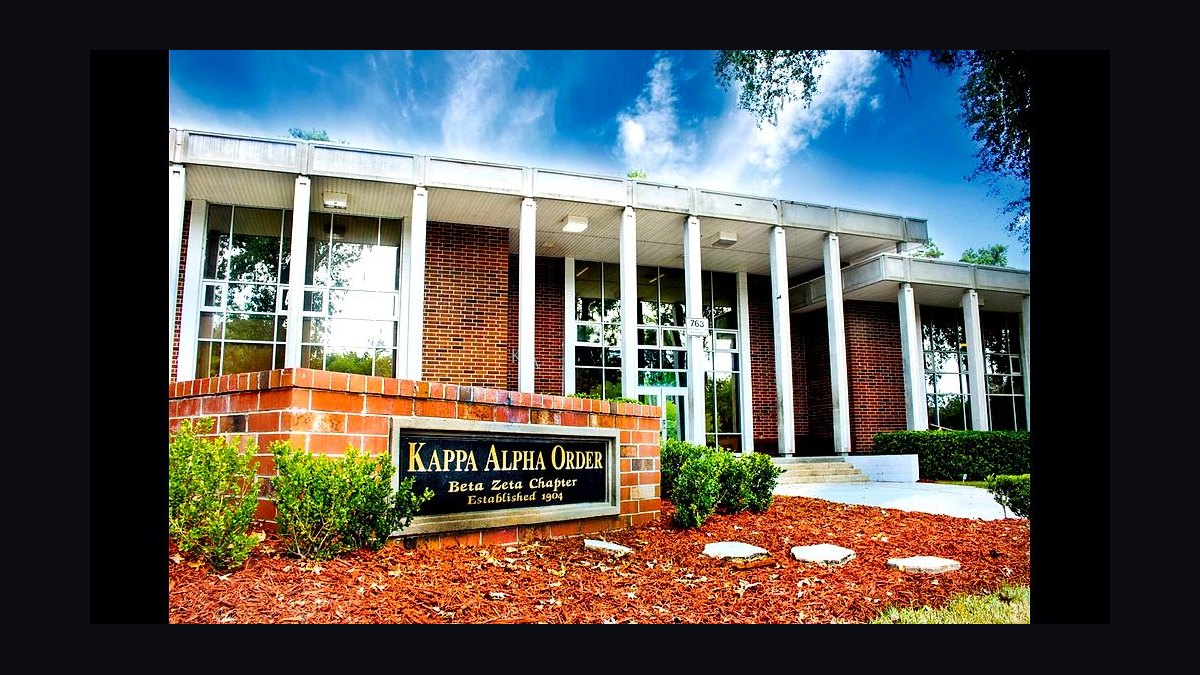
The 10 best fraternities at the University of Texas at Austin are ranked below on chapter size, campus standing, recruitment strength and the reputation each house has actually earned on this campus rather than on national name recognition. Each entry covers what that chapter is known for at this school and what the organisation is known for more broadly, so the list can be read straight down without doubling back.
1Kappa Alpha
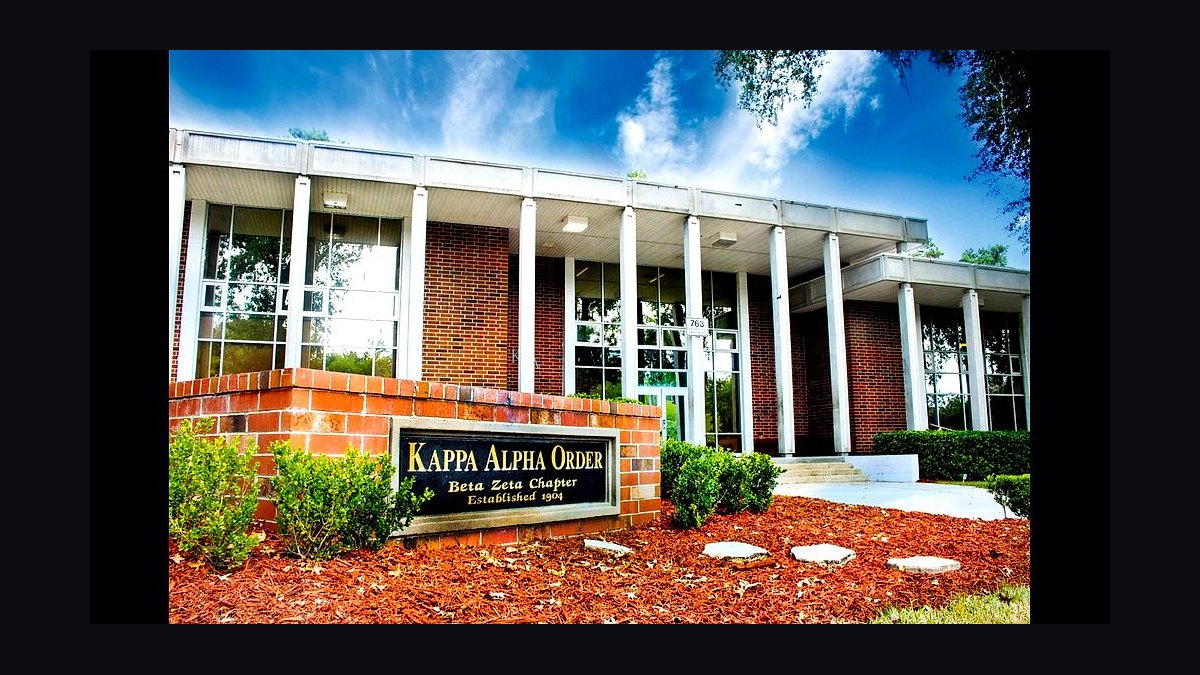
Kappa Alpha holds the top spot on the strength of the best all-around student ratings in the group, leading on Brotherhood at 82.2 and Social Life at 79.8 across 101 ratings. It also posts the highest Popularity score at 79 alongside Friendliness at 79 and Classiness at 76.6. No other chapter combines that level of social standing with comparable brotherhood marks.
This is the chapter for someone who wants the most visible social presence on campus and is willing to accept the scrutiny that comes with it. It trades away some of the involvement-focused appeal of Beta Theta Pi directly below it, which rates higher on Involvement at 71.2. If you want a lower-profile, more service-oriented experience, look further down the list.
2Beta Theta Pi
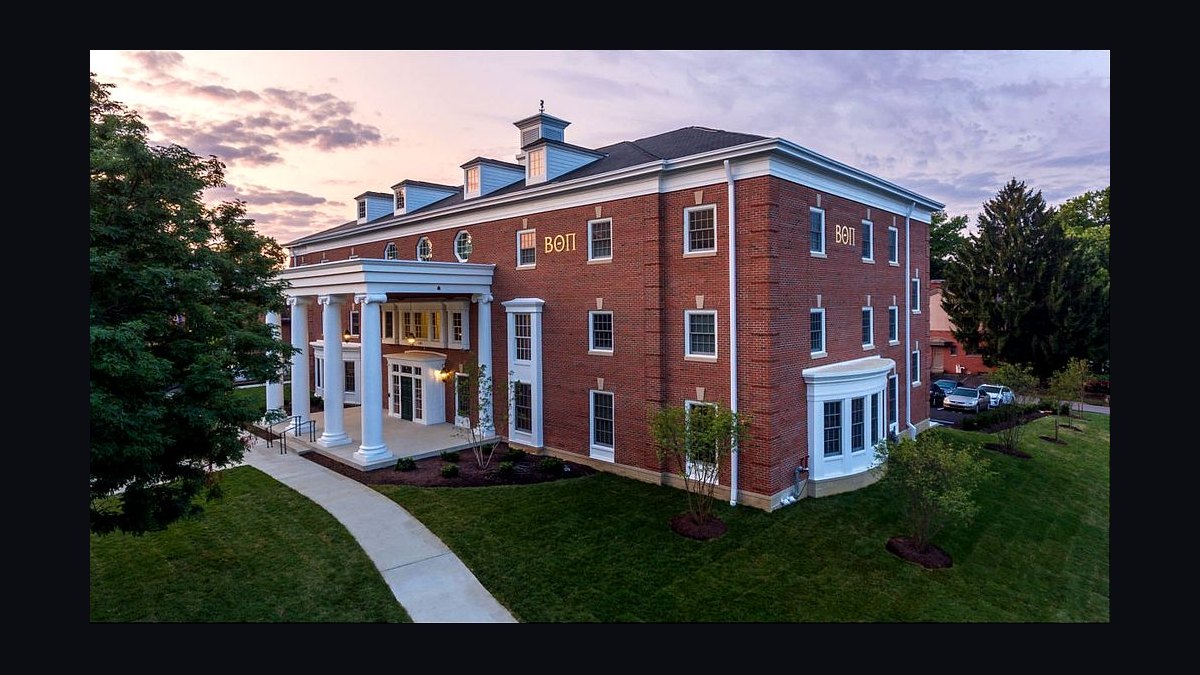
Beta Theta Pi ranks second largely on academic and involvement strength, posting the second-highest Classiness score at 77.2 and the top Involvement mark at 71.2 from 121 ratings. Its Brotherhood score of 78.6 is strong, and Friendliness sits at 77.6. Popularity at 61.4 is the clear weak point that keeps it out of the top spot.
This chapter suits students who want a serious, well-regarded organization with genuine campus involvement rather than pure social visibility. It gives up ground to Kappa Alpha above on Popularity and Social Life, a gap of roughly 18 and 11 points respectively. Below it, Chi Phi rates higher on Friendliness but lower on Involvement.
3Chi Phi

Chi Phi lands third on the back of an extraordinary Friendliness score of 95, by far the highest in the group, though it comes from a smaller sample of 19 ratings. It also posts solid Classiness at 74.8 and Brotherhood at 75.8. Social Life at 72.6 and Popularity at 62.2 are respectable but not top-tier.
This is the pick for someone who prioritizes a genuinely welcoming, tight-knit group over sheer social reach. It trades away the Involvement and Classiness edge that Beta Theta Pi above it holds, and its Popularity trails Phi Kappa Psi below by about five points. The small rating count means the numbers carry less weight than the chapters around it.
4Phi Kappa Psi
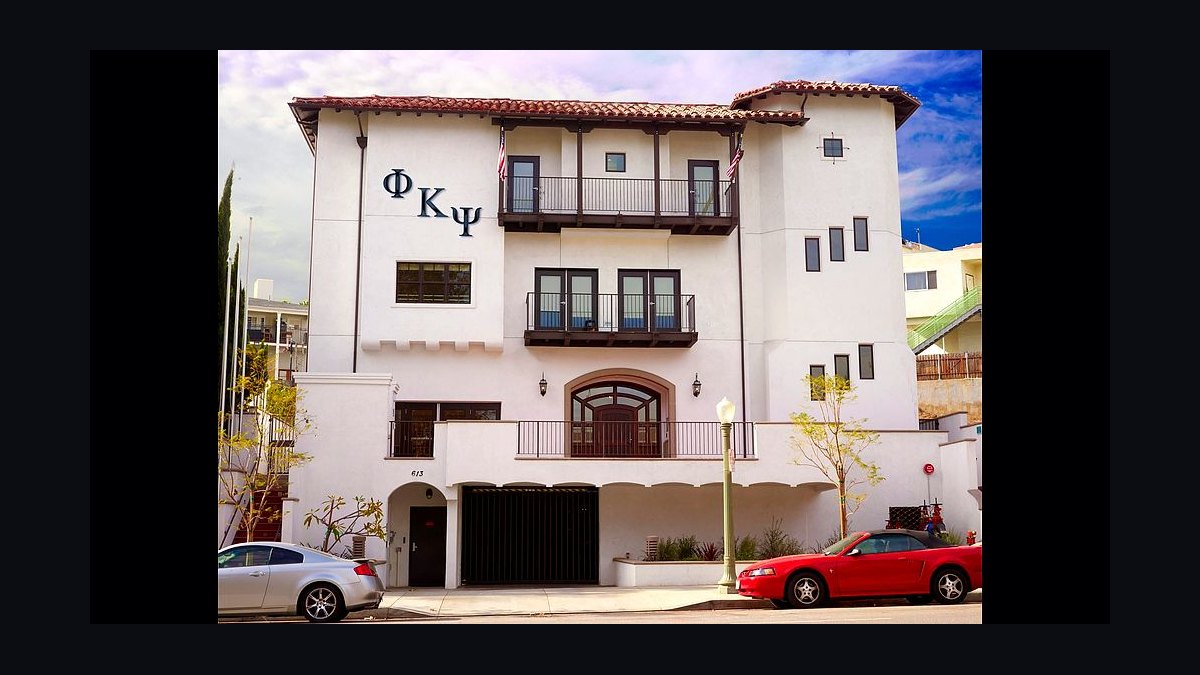
Phi Kappa Psi sits fourth with the largest rating sample in the top five at 243, giving its scores real stability. Friendliness comes in at 78, Popularity at 67.4, and Social Life at 72, with Involvement at 69.8. Classiness at 71.6 and Brotherhood at 73 are mid-pack among the leaders.
This chapter fits students who want a well-established, broadly liked organization without the intensity of the top three. It gives up roughly 11 points of Classiness to Beta Theta Pi and about 8 points of Social Life to Kappa Alpha. Compared to Sigma Alpha Mu below, it trades a few points of Friendliness and Brotherhood for higher Popularity.
5Sigma Alpha Mu

Sigma Alpha Mu takes fifth on balanced, above-average marks across the board, with Friendliness at 82.4 and Brotherhood at 76 standing out from 118 ratings. Social Life sits at 74.2 and Popularity at 66.6, while Classiness at 69.4 and Involvement at 67.6 are the softer categories. Nothing here is elite, but nothing is weak either.
This is a good fit for someone who wants strong brotherhood and approachability over maximum campus visibility. It trades away the Popularity and Classiness that Phi Kappa Psi above it holds, giving up about 2 points of Classiness and a point of Popularity. Below it, Phi Gamma Delta rates higher on Social Life and Popularity but lower on Brotherhood.
6Phi Gamma Delta
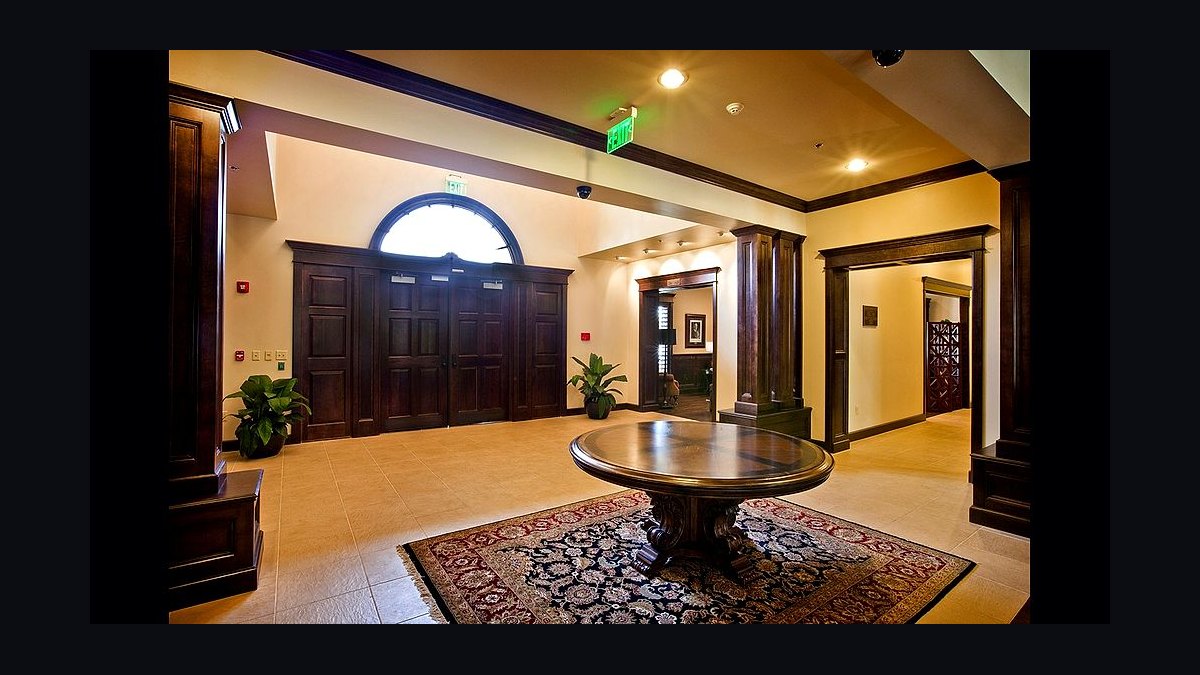
Phi Gamma Delta ranks sixth on the strength of Popularity at 77.4, second only to Kappa Alpha in this group, and Social Life at 75.6. Friendliness sits at 77.8 across 191 ratings. The trade-off is Classiness at 66 and Involvement at 63.6, both among the lower scores in the top ten.
This chapter suits students who care most about social reach and visibility and are less concerned with academic reputation or campus involvement. It gives up roughly 5 points of Classiness and 6 points of Involvement to Sigma Alpha Mu above it. Below it, Alpha Tau Omega rates higher on Social Life but notably lower on Friendliness at 58.6.
7Alpha Tau Omega
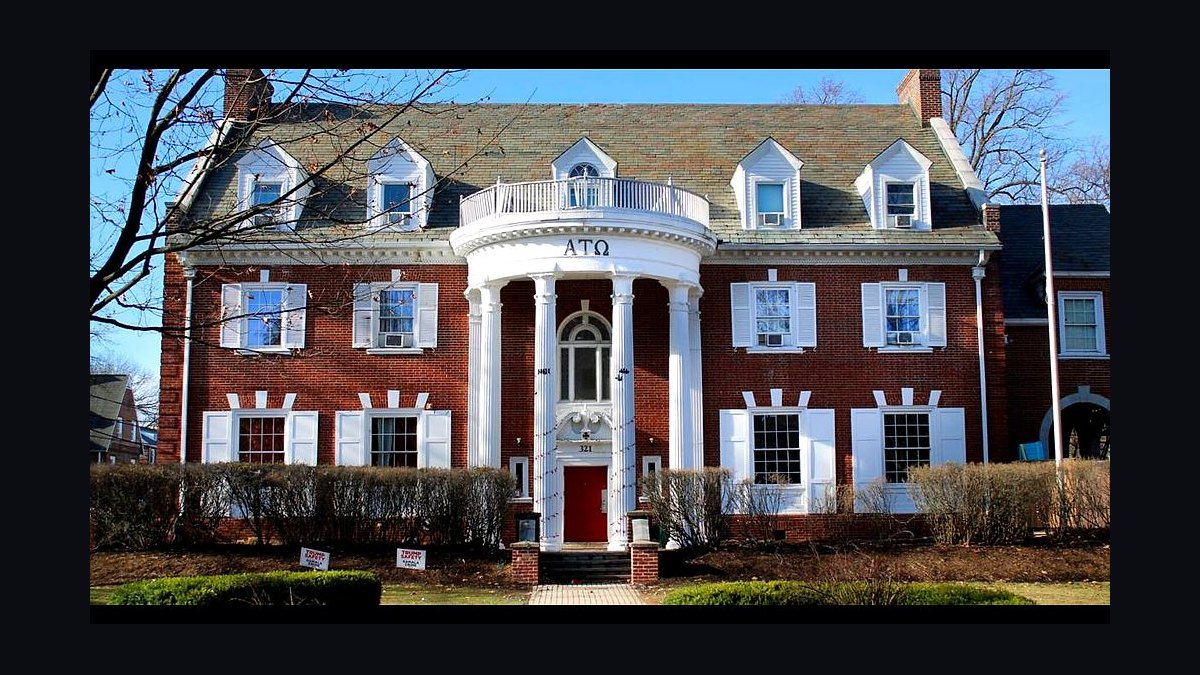
Alpha Tau Omega comes in seventh with the top Social Life score in the entire group at 77, paired with Popularity at 68.4 from 219 ratings. Brotherhood is a solid 72.4. The drag is Friendliness at 58.6, the lowest of any chapter in the top ten, alongside Classiness at 66.4 and Involvement at 65.8.
This is the choice for someone who wants a high-energy social calendar and is not bothered by a more competitive, less openly friendly culture. It trades away about 19 points of Friendliness compared to Phi Gamma Delta above it. Below it, Zeta Beta Tau rates slightly higher on Social Life and Popularity but lower on Brotherhood.
8Zeta Beta Tau
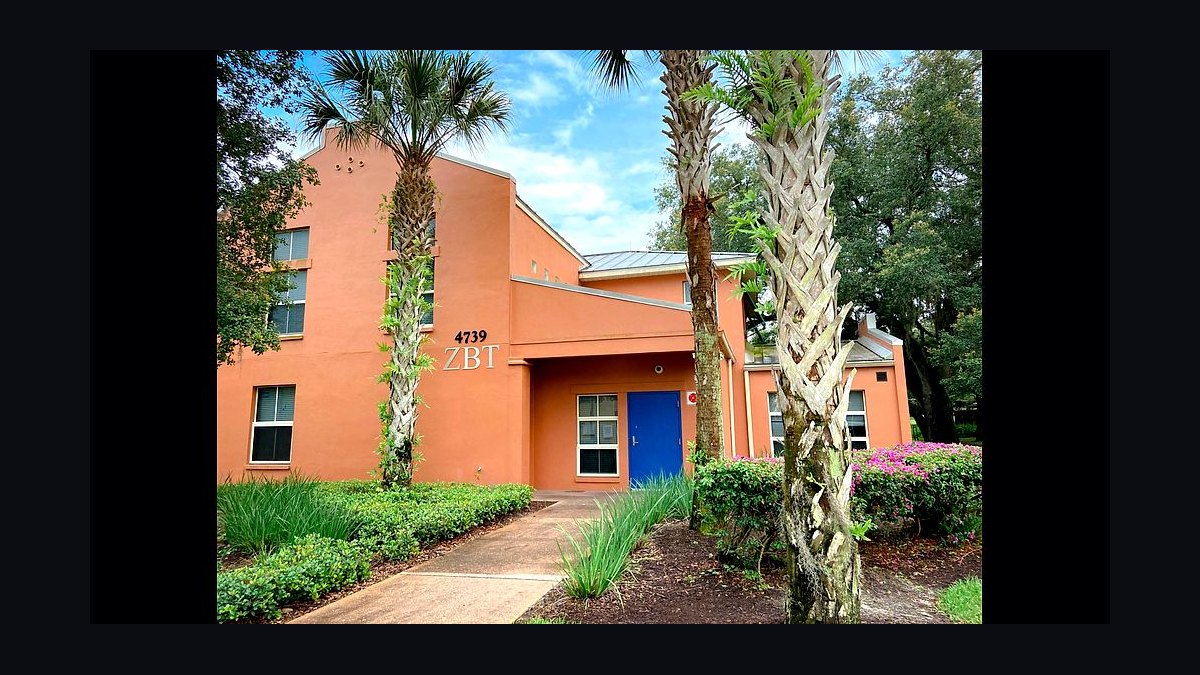
Zeta Beta Tau ranks eighth on Social Life at 77.2 and Popularity at 73.8, both strong figures from 91 ratings. Brotherhood sits at 69 and Involvement at 64.4. Friendliness at 65 and Classiness at 62 are the lowest marks of any chapter in the top ten, which caps its ceiling.
This chapter fits students who want a socially active house and are willing to accept a lower reputation on classiness and approachability. It gives up roughly 3 points of Brotherhood and 13 points of Friendliness to Alpha Tau Omega above it. Below it, Sigma Chi rates considerably higher on Friendliness and Classiness but lower on Social Life.
9Sigma Chi

Sigma Chi takes ninth on a well-rounded profile led by Friendliness at 78.8 and Social Life at 74, drawn from a large 219-rating sample. Brotherhood sits at 70, Popularity at 67.2, and Involvement at 68.2. Classiness at 63.8 is the weakest category and the main thing holding it back.
This is a solid pick for someone who wants a large, friendly, socially active chapter without a strong academic reputation attached. It trades away about 13 points of Social Life and 7 points of Popularity to Zeta Beta Tau above it, but gains roughly 14 points of Friendliness. Below it, Delta Upsilon rates higher on Classiness but far lower on Popularity.
10Delta Upsilon
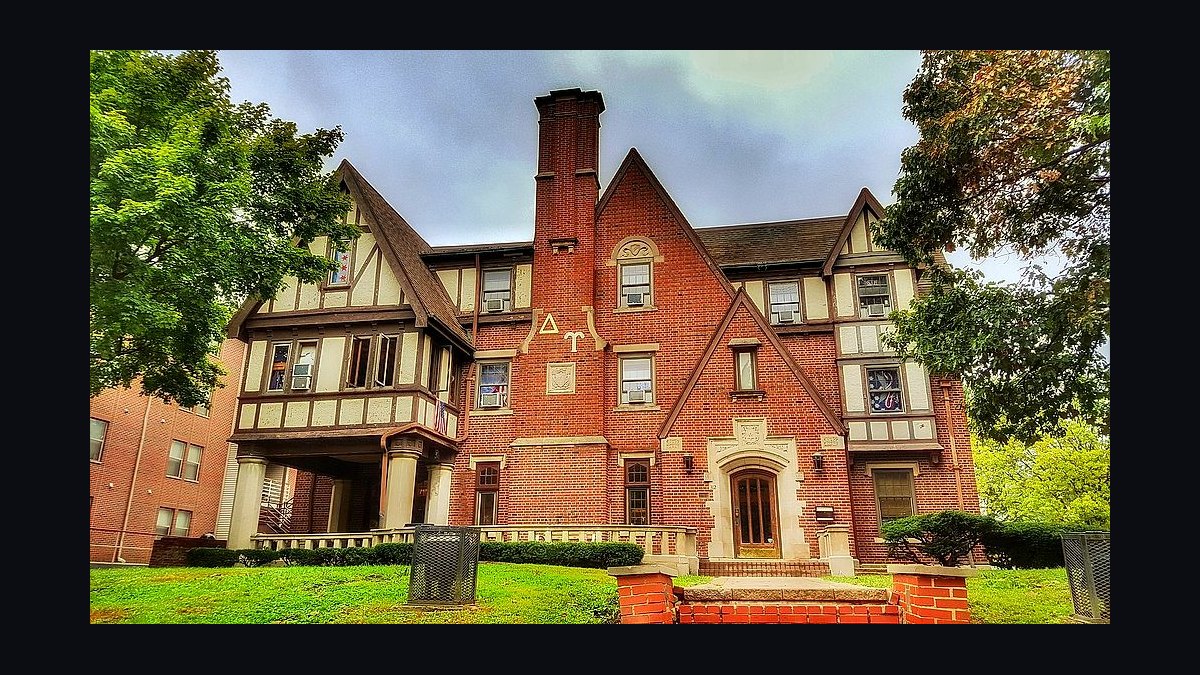
Delta Upsilon rounds out the top ten on Classiness at 71.8, the third-highest in this group, and Friendliness at 80 from 56 ratings. Brotherhood is a respectable 74.2. The clear weakness is Popularity at 54.6, the lowest of any chapter in the top ten, with Involvement at 59 and Social Life at 67.2.
This chapter suits students who want a friendlier, more academically oriented house and do not care about being in the most popular crowd. It gives up about 13 points of Popularity and 7 points of Social Life to Sigma Chi above it. It is a quieter, more close-knit option than anything ranked higher on this list.
How we ranked these
This ranking weighted five factors: chapter size and growth trajectory from official UT Greek Life rosters, IFC and university disciplinary records, average chapter GPA published by UT's Fraternity and Sorority Life office, alumni engagement and donor-network strength, and current-member sentiment gathered from public Reddit threads, Greekrank, and campus surveys. Recruitment strength, philanthropy totals, and housing quality also factored in.
Weights favored durability and reputation over short-term hype, so a chapter with steady growth and clean conduct records outranked one riding a single strong pledge class.
Deliberately excluded: viral social-media moments, TikTok follower counts, and one-off party reputations, because those fade within a semester and mislead prospective members. We also ignored legacy rumors, anonymous unverified hazing claims, and national-chapter marketing copy, since those are either unverifiable or promotional. Cost-of-living differences and specific house-renovation timelines were set aside too, as they change yearly and matter more to individual budgets than to overall chapter standing.
What to look for
When choosing between these chapters, prioritize fit over prestige: visit during formal recruitment, talk to sophomores and juniors rather than just the recruitment chair, and ask directly about dues, housing obligations, and time commitments. Chapter culture, pledge-class size, and alumni network in your intended major matter far more than a ranking slot. Also weigh location relative to your classes and whether the house has a live-in requirement, since those shape daily life more than reputation does.
The mistake most prospective members make is treating this list as a target rather than a filter. They chase the top two or three names, ignore bid-day realities, and end up in a chapter where they do not connect with the brotherhood. Another common error is overlooking dues transparency and financial obligations until after pledging. Ask about payment plans, scholarships, and what happens if you cannot afford a semester. Fit and finances beat bragging rights every time.
Related questions
What are the top fraternities at UT Austin in 2027?
Based on our weighted criteria, the strongest chapters combine large, stable member counts, clean conduct records, competitive GPAs, and deep alumni networks. Exact ordering shifts yearly with pledge-class sizes and leadership turnover, so treat any list as directional. The most reliable signal is how current sophomores and juniors describe their own chapter's culture and day-to-day experience.
How does UT Austin fraternity recruitment work?
Most IFC recruitment happens in the fall, with formal events over roughly two weeks and informal recruitment continuing into spring for chapters with open spots. You register through UT's Fraternity and Sorority Life portal, attend house tours and events, and receive bids near the end. Sophomore and junior recruitment is common and often less structured than freshman rush.
How much do UT Austin fraternity dues cost?
Dues vary widely by chapter, typically ranging from a few hundred to several thousand dollars per semester, with live-in chapters adding room and board. New-member fees, social dues, and philanthropy costs are often separate line items. Always request a written breakdown before accepting a bid, and ask about payment plans, need-based reductions, or work-study style offsets.
Do UT Austin fraternities require a certain GPA?
Most chapters set a minimum GPA for pledging, commonly around 2.5, and require members to stay above a chapter-wide average to remain in good standing. UT's Fraternity and Sorority Life office publishes chapter GPA data each term. Some chapters enforce study hours and grade checks, especially during the new-member period.
Which UT fraternities have the best alumni networks?
Chapters with long histories, large living alumni bases, and active advisory boards tend to offer the strongest networks, particularly in Texas business, law, energy, and real estate. Ask current members how often alumni visit, whether mentorship programs exist, and how job referrals actually happen. National organization size matters less than local alumni engagement.
Is Greek life at UT Austin worth joining in 2027?
It depends on what you want: structured social life, leadership experience, philanthropy involvement, and alumni access are real benefits. Costs, time commitments, and chapter culture vary enormously. Visit multiple houses, talk to unaffiliated students too, and decide based on fit rather than rankings. Many students thrive in Greek life; many also thrive without it.
What is hazing policy at UT Austin fraternities?
UT and the national Interfraternity Council prohibit hazing, and Texas state law criminalizes it. Chapters face suspension, loss of recognition, or expulsion for violations. If you encounter hazing, report it to UT's Fraternity and Sorority Life office, the national chapter, or campus police. Reputable chapters run new-member programs without it.
Can transfer students join UT Austin fraternities?
Yes. Transfer students rush every year, often through informal recruitment in spring or by contacting chapters directly in the fall. Some chapters reserve spots for upperclassmen and transfers, and age is rarely a barrier. Bring your transfer GPA and be ready to explain your interest in the chapter specifically.
FAQ
What are the top fraternities at UT Austin in 2027?
Our ranking weighs chapter size, conduct records, GPA, alumni strength, and member sentiment. The top tier tends to include long-established chapters with large rosters and clean disciplinary histories. Ordering shifts yearly with pledge classes and leadership, so use this as a starting filter, not a final verdict, and verify details during recruitment.
How accurate are fraternity rankings like this one?
Any ranking is a snapshot built from public data and sentiment, not an official UT assessment. Chapter strength changes with each pledge class, officer team, and conduct case. Use rankings to build a shortlist, then judge fit through house visits, conversations with current members, and questions about dues, housing, and time commitment.
How much do UT Austin fraternity dues cost?
Dues commonly range from a few hundred to several thousand dollars per semester, with live-in chapters adding room and board. New-member fees and social costs are often separate. Request a written breakdown before accepting a bid and ask about payment plans, reductions, or offsets. Budget for the full year, not just the first semester.
Do UT Austin fraternities require a minimum GPA?
Most chapters set a pledging minimum around 2.5 and require members to maintain a chapter-wide average. UT's Fraternity and Sorority Life office publishes GPA data by chapter each term. Some houses enforce study hours and grade checks during the new-member period, so ask how academic support actually works.
Which UT fraternities have the strongest alumni networks?
Chapters with long histories, large living alumni bases, and active advisory boards tend to offer the strongest networks, especially in Texas business, law, energy, and real estate. Ask members how often alumni visit, whether formal mentorship exists, and how job referrals happen. Local engagement matters more than national brand size.
Is joining a fraternity at UT Austin worth it in 2027?
It depends on your goals. Greek life offers structured social events, leadership roles, philanthropy, and alumni access, but costs money and time. Visit multiple houses, talk to unaffiliated students, and weigh fit over rankings. Many students find it valuable; many also build strong college experiences without it.
What happens if a UT fraternity is suspended?
Suspended chapters lose university recognition and typically cannot recruit, host events, or use campus facilities. Members may join another chapter or wait out the suspension. UT publishes conduct outcomes through Fraternity and Sorority Life. Check a chapter's current status before rushing, since suspensions can last multiple years.
Can transfer students join UT Austin fraternities?
Yes. Transfers rush every year, often through informal recruitment in spring or by contacting chapters directly in the fall. Some chapters reserve spots for upperclassmen and transfers, and age is rarely a barrier. Bring your transfer GPA and be ready to explain your specific interest in the chapter.
How do I report hazing at a UT Austin fraternity?
Report hazing to UT's Fraternity and Sorority Life office, the chapter's national organization, or campus police. Texas law criminalizes hazing, and chapters face suspension or loss of recognition. Reports can often be made anonymously. Reputable chapters run new-member programs without hazing, so treat any pressure to endure it as a red flag.
When is fraternity recruitment at UT Austin?
Most IFC recruitment runs in the fall, with formal events over roughly two weeks and informal recruitment continuing into spring for chapters with open spots. Register through UT's Fraternity and Sorority Life portal, attend house tours and events, and expect bids near the end. Sophomore and junior recruitment is common.
Sources
- https://www.utexas.edu/
- https://deanofstudents.utexas.edu/
- https://www.utrecsports.org/
- https://www.nicindy.org/
- https://www.hazingprevention.org/
- https://www.utexas.edu/student-affairs
- https://www.collegeboard.org/
- https://www.usnews.com/education
Related on PULSE
This page will be disappearing soon. Save it to your device for $1 — or read it free while it is here.
@Kory-White- · if Venmo asks, the last 4 of my number are 2012
This page is gone.
This one is off the shelf now. $1 keeps it on your phone for good — the whole page, pictures and diagrams included.
 pulse-schoolsTop 10 Fraternities at Purdue University in 2027
 pulse-schoolsTop 10 Fraternities at Georgia Tech in 2027
 pulse-schoolsTop 10 Fraternities at Troy University in 2027
 pulse-schoolsTop 10 Fraternities at Louisiana State University in 2027
 pulse-schoolsTop 10 Fraternities at Towson University in 2027
 pulse-schoolsTop 10 Fraternities at the University of Kentucky in 2027
 pulse-schoolsTop 10 Fraternities at North Carolina State University in 2027
 pulse-schoolsTop 10 Fraternities at the University of Maryland in 2027
 pulse-schoolsTop 10 Fraternities at Florida State University in 2027
 pulse-schoolsTop 10 Fraternities at the University of Illinois in 2027