
Skill Drill: Upselling and Cross-Selling for Promotional Products
 Curated byKory White · Fractional CRO · Maryland
 PULSEKNOWLEDGE LIBRARY
This skill drill trains promotional products reps to turn a single-item request—"I need 500 pens"—into a coordinated branded program of pens, lanyards, totes, drinkware, and apparel tied to the buyer's event. A manager runs it with 4–12 reps in about 30 minutes, rehearsing a discovery bridge, a kit reframe, and a deadline-anchored cross-sell to lift average order value.
The "just 500 pens" scenario every promo rep faces
Picture a marketing coordinator who emails on a Tuesday afternoon: "Can you quote 500 pens with our logo? We need them by the 18th." The untrained rep quotes the pens, books a $340 order, and moves to the next email. The trained rep reads the same message and sees three tells stacked together—a specific quantity, a hard deadline, and a logo—and recognizes that this pen request is the visible edge of a much larger, entirely unscoped program.
That coordinator is not a pen buyer. She is planning a 400-person user conference, and pens are simply the first line item that came to mind when she opened her laptop. Behind the pens sit lanyards for badges she is already printing, tote bags for the swag table, branded water bottles for the sponsor lounge, and staff polos for the dozen people working registration. She has scoped none of it, because no vendor has ever asked her about the event—they just quote what she names and go quiet.

This is the structural reality the drill is built to exploit: promotional products sell against events, not catalogs. Conferences, onboarding cohorts, trade shows, and client-gift campaigns each imply a bundle of five to eight coordinated items, yet buyers almost always open with exactly one. Reps who answer the literal question instead of the underlying one routinely leave 60–80% of the natural order untouched. Every role-play in this drill starts from the identical "just the pens" opening so reps rehearse one reflex until it is automatic: widen the frame before you ever quote a price. The competency is narrow and repeatable—hear one item, surface the whole event, and let the buyer trim the program rather than force the rep to guess what to add.
How the three-move mechanism actually works
The drill runs on three sequential moves, each a distinct micro-skill with a verbatim script reps rehearse until it becomes the automatic first response to any single-item request. The order is fixed, because each move depends on information the previous one surfaces.
Move one — the discovery bridge. Instead of pitching a second product, the rep asks about the occasion. The scripted openers are: "What's the name and theme of the conference so I can match the style?" and "Who else will be there besides attendees—sponsors, speakers, VIPs?" These two questions naturally surface lanyards, bags, drinkware, and apparel the buyer never mentioned, and they convert a transactional quote request into a consultative program-design conversation. The coaching rule here is absolute and non-negotiable: no rep may name a second SKU until the buyer has described the event out loud.

Move two — the kit reframe. Once the event is on the table, the rep proposes a *named bundle*, never a shopping list. "Here's what I'd do instead of just pens—we build a Conference Kit with pens, lanyards for the badges you're already printing, and totes so attendees carry your brand all day." A "Conference Kit" reads as a complete solution; "pens, lanyards, and totes" reads as Upselling. A one-page kit menu groups products into ready bundles—Event Kit, Onboarding Kit, VIP Gift Kit—so reps propose in seconds instead of assembling on the fly. The rep then prices the kit alongside the pens-only number so the buyer sees value, not pressure.
Move three — the deadline-anchored cross-sell. The rep uses real production lead times to create honest urgency: "The pens and totes we can run late. The apparel is now-or-never for this event. Want me to split the quote so you see must-decide-now items separately from the flexible ones?" This reframes budget resistance as timeline reality—the buyer is no longer arguing about money, they are deciding what they can still physically receive in time.
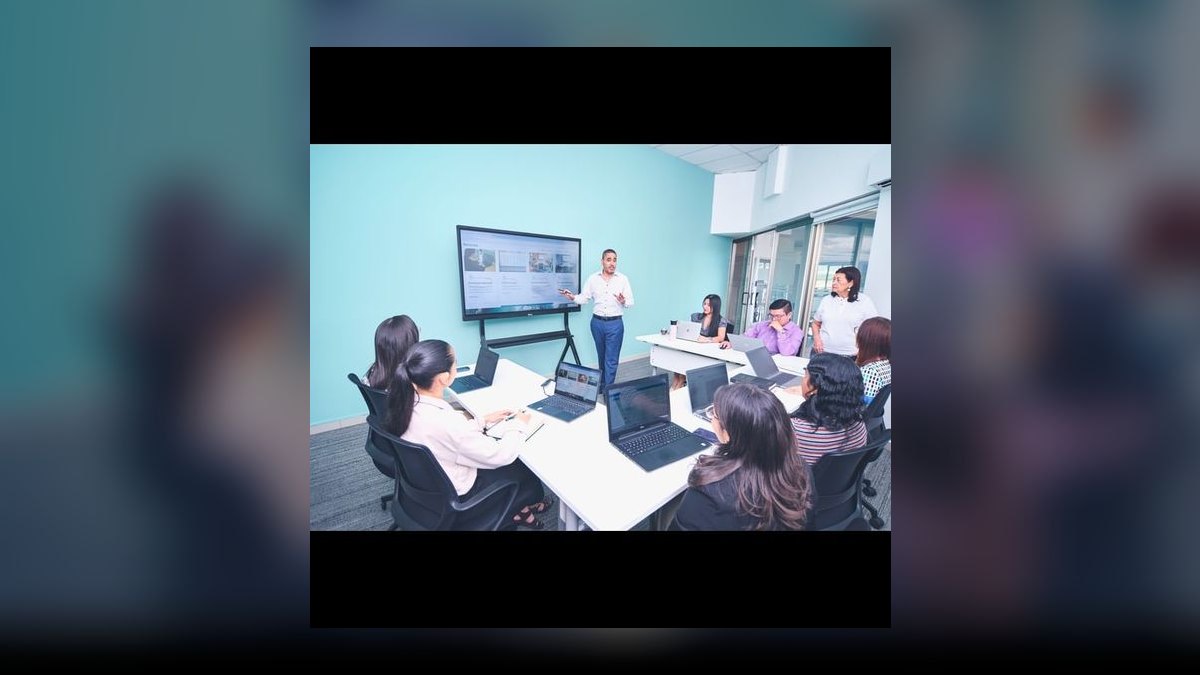
Each round of the 30-minute session isolates a single move. Round 1 is the bridge only, Round 2 adds the kit reframe, Round 3 introduces a resistant buyer so reps practice the deadline anchor under pressure, and Round 4 is the debrief. Reps work in pairs while the leader floats between them, so every person cycles through both the buyer and the seller role and feels the tactic from both sides.
Real numbers, lead times, and the benchmarks that matter
The drill lives or dies on concrete figures, so the prep materials include a lead-time chart reps keep visible mid-role-play. Screen printing on hard goods—pens, totes, bottles—can turn in a matter of days. Embroidered apparel needs roughly three weeks because of digitizing and production queues. That gap is the entire engine of move three: a buyer who says "maybe next time" on polos usually has no idea that "next time" means missing this event's window completely.

Measure two outcomes in the 30 days after the session. First, the expansion ratio: of every single-item request a rep closes, what share now include at least one additional product category? Target 40% or higher within a month. A ratio stuck near 10% is a clear signal that reps are skipping the bridge on live calls and reverting to order-taking. Second, the average order value lift: compare each rep's AOV in the 30 days before the drill to the 30 days after. A realistic gain is 15–30% for reps who consistently run all three moves, in line with cross-selling research documenting comparable double-digit order-value gains when sellers ask program-level discovery questions before quoting.
The order-size math is straightforward and it is where the revenue actually appears. A pens-only ticket might land at $300–$400. The same conversation reframed as a Conference Kit—pens, 400 lanyards, 250 totes, 150 bottles, and a dozen staff polos—routinely reaches $2,500–$4,000, a 6–10x expansion driven entirely by items the buyer needed but had not thought to scope. Even a partial win—pens plus totes and lanyards—roughly triples the ticket. The point of tracking the math per rep is that it makes the payoff of the bridge question undeniable in the debrief.
Treat the drill as deliberate practice rather than a one-time event, because skills decay without repetition. As a rule of thumb, a rep needs about three reps of a new behavior in different contexts before it sticks, so re-run the full 30-minute drill monthly, fire the 5-minute version any week inbound quote volume spikes, and review recorded role-play or real call audio in weekly coaching to catch backsliding into "just pens" thinking before it hardens into habit.
Trade-offs: adapting the drill without breaking it
The drill flexes across three variables—team size, experience level, and available time—but each adjustment carries a trade-off the leader should choose deliberately rather than stumble into.
Team size. For 2–4 reps, the leader plays the buyer and runs one pair at a time while the rest observe. The gain is deep, detailed coaching on every exchange; the cost is idle observers and slower cycles. For 5–12 reps, run parallel pairs and debrief together—faster reps-per-hour, but the leader cannot watch every pair, so the shared debrief has to actively surface what went wrong. Above 12, split into pods of 4–6 with a pod leader each, then reconvene so every pod contributes its single best bridge question.
Experience level. New reps read the scripts verbatim and skip Round 3's pressure test until the basic flow is comfortable; the trade-off is a less realistic drill in exchange for confidence and clean reps. Veterans improvise the buyer character and add a CFO budget gatekeeper to raise difficulty—more realistic, but harder to keep reps anchored on the three named moves rather than freelancing their way through.
Time. The 5-minute version runs Round 2 only—one rep delivers the bridge and kit reframe live in front of the room, ideal for a Monday huddle but too thin to build the deadline-anchor muscle. The 30-minute version runs all four rounds and is the recommended default. The 60-minute version adds a Round 5 where each rep pulls a real, currently single-item open quote from their own pipeline, builds the kit they should have proposed, and drafts the bridge question to reopen it—maximum transfer to live revenue, at the cost of the most session time.

The buyer cards swap without changing the moves. An onboarding-kit card cross-sells apparel, drinkware, and notebooks; a client-gift card cross-sells tiered VIP kits and custom packaging. The bridge, the kit reframe, and the deadline anchor stay identical—only the event and the kit menu on the card change, which is what lets one drill cover a whole catalog of buying occasions.
Common pitfalls and how to avoid them
The Round 4 debrief targets six recurring mistakes, each paired with a corrective cue reps practice on the spot rather than absorb as generic advice.

Adding products before discovery. A rep hears "pens" and immediately fires "how about a tote?"—the add feels random and triggers reflexive resistance. Cue: never name a second SKU until the buyer has described the event. This is the single most common failure and the reason every round opens with the bridge.
Quoting line items instead of a kit. A pile of unrelated SKUs still reads as Upselling; a coordinated, color-matched Conference Kit reads as a solution. Cue: always reframe into a named bundle before you attach any pricing.

Ignoring lead times. Apparel and embroidery are the natural cross-sell precisely because they are time-sensitive. A rep who forgets the three-week window loses the deadline lever entirely and has nothing to counter "maybe later." Cue: keep the lead-time chart visible and lead the resistance moment with it.
Arguing with the budget. When a buyer says "I only budgeted for pens," the rep who fights the number loses the room. Cue: separate must-decide-now items from flexible ones and let the buyer choose what to trim—this is Selling with facts, not pressure, and it protects the relationship for the next event.
Pitching value the buyer never asked about. Every payoff claim must tie back to a detail the buyer volunteered—their event, their attendee experience, their internal story. Cue: no benefit statement without a buyer-supplied hook behind it.
Stopping at one add. A conference is pens, lanyards, totes, apparel, *and* follow-up mailers. Reps who stop after the first cross-sell still leave revenue on the table. Cue: map the full event, propose the whole program, then let the buyer cut—trimming down beats guessing up every time.
The debrief names which of these six each rep committed and hands them the exact corrective script, so the practice is diagnostic rather than a vague "do better." Remote teams run the identical structure in Zoom or Teams breakout rooms, with the leader floating between rooms and a shared Miro or MURAL board standing in for the whiteboard. The through-line across every pitfall is the same: discovery before the add is what keeps promotional Products cross-selling consultative instead of pushy, and it is the specific behavior that actually moves revenue.
Related questions
How does this drill differ from general sales role-plays?
It is specific to promotional products, built on real industry constraints—decoration lead times, minimum order quantities, and event-driven buying cycles. It supplies verbatim scripts for the discovery bridge, kit reframe, and deadline-anchored cross-sell, so it transfers directly to promo reps rather than teaching abstract technique they have to translate themselves.
Can this drill work for other industries like telecom or distribution?
Yes. The three moves—discovery bridge, kit reframe, deadline anchor—apply to any B2B context where a buyer requests one item that belongs to a larger program. Swap the kit menu and the lead-time chart for your own products and production timelines, and the flow holds without modification.
What if my team has more than 12 reps?
Split into pods of 4–6, each with a pod leader running the buyer role. All pods run simultaneously, then reconvene for a shared debrief where every pod contributes the single best bridge question its members heard during the parallel rounds, so scale adds coverage instead of chaos.
How do I handle a rep who refuses to role-play?
Frame it as a low-stakes game, not a test. Let the resistant rep observe Round 1, then ask them to coach a peer on their bridge question. Participation usually follows once they see the drill builds skill without exposing anyone in front of the room.
Is this drill suitable for remote teams?
Yes. Use Zoom or Teams breakout rooms for the pairs, have the leader float between rooms, and run the debrief on a shared digital whiteboard like Miro or MURAL. The structure and scripts are identical to the in-person version—only the venue changes.
FAQ
How is this different from just pushing more product?
The rule is that every add must map to a detail the buyer gave you about their event. Pushing product means stacking SKUs the buyer doesn't need; this drill surfaces the program the buyer already needs but hasn't scoped. Discovery before the add is exactly what keeps it consultative instead of pushy.
What if the buyer genuinely only wants the one item?
Then you quote the one item—after you've asked the bridge question. Sometimes the honest answer really is just pens. But you don't know that until you've asked about the event, and reps who skip the question forfeit every order where the buyer would have happily said yes to more.
Why is the deadline the cross-sell trigger?
Because in promotional products, lead time is real and varies sharply by item. Embroidered apparel needs roughly three weeks; pens run in days. The deadline turns "maybe next time" into "now or never for this event"—honest urgency grounded in production reality, not manufactured pressure.
How often should we run this?
Monthly for the full 30-minute version. Fire the 5-minute version any week inbound quote requests are landing hard, since that's where the AOV lift actually shows up. New reps should run it within their first two weeks so the bridge becomes their default reflex before bad habits form.
Can I use this for an onboarding or client-gift order instead of a conference?
Yes—that's why there are three buyer cards. Onboarding kits cross-sell apparel, drinkware, and notebooks; client-gift campaigns cross-sell tiered VIP kits and packaging. The three moves stay identical; only the event and the kit menu on the card change.
What if the buyer pushes back on price after the kit is proposed?
Separate the must-decide-now items from the flexible ones. Use the lead-time chart to show that delaying apparel means missing the event entirely, and quote the kit next to the pens-only number so the buyer sees the incremental value and chooses what to keep.
Sources
- SPIN Selling — Huthwaite International
- Sandler Training
- PPAI — Promotional Products Association International
- ASI — Advertising Specialty Institute
- RAIN Group — Cross-Selling and Upselling
- Harvard Business Review — Cross-Selling Can Help or Hurt
- HubSpot Sales Blog — Upselling and Cross-Selling
- Salesforce — What Is Cross-Selling?
Related on PULSE
- [Skill Drill: Upselling and Cross-Selling for B2B Distribution](/knowledge/sk0012)
- [Skill Drill: Upselling and Cross-Selling for Telecom](/knowledge/sk0046)
- [Skill Drill: Building Rapport for Promotional Products](/knowledge/sk0051)
- [Skill Drill: Creating Urgency for Promotional Products](/knowledge/sk0022)
- [Skill Drill: Relationship Selling for Industrial Equipment](/knowledge/sk0069)
- [Skill Drill: Consultative Selling for Furniture Manufacturing](/knowledge/sk0089)
@Kory-White- · if Venmo asks, the last 4 of my number are 2012
 pulse-skillsSkill Drill: Handling Price Increase Conversations for Waste and Recycling Services in 2027
 pulse-skillsSkill Drill: Active Listening for Automotive Dealerships
 pulse-skillsSkill Drill: Cold Calling for Commercial Real Estate
 pulse-skillsSkill Drill: Discovery Questions for Medical Device Sales
 pulse-skillsSkill Drill: Relationship Selling for Furniture Manufacturing
 pulse-skillsSkill Drill: Product Demos for HVAC
 pulse-skillsSkill Drill: Handling Rejection for Pharmaceutical Sales
 pulse-skillsSkill Drill: Delegation for SaaS Sales
 pulse-skillsSkill Drill: Storytelling for Building Materials
 pulse-skillsSkill Drill: Discovery Questions for Logistics and Freight