


Top 10 places to research productivity software reviews before buying in 2027
Quality
Certified
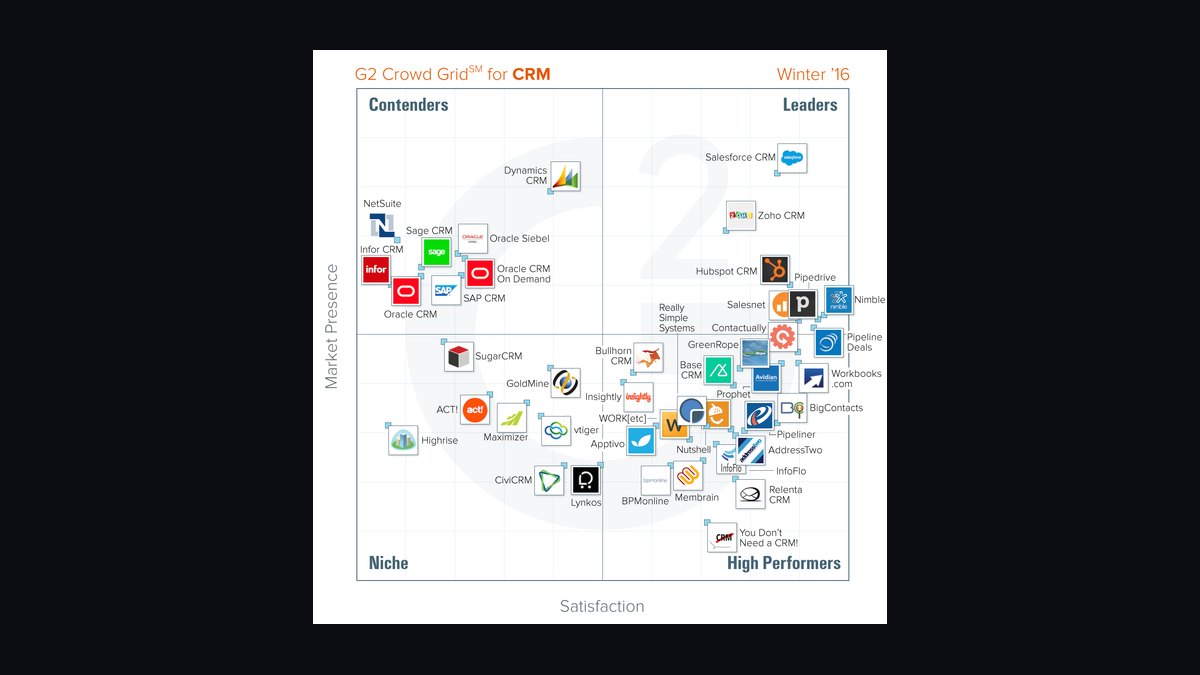
The 10 best places to research productivity software reviews before buying are ranked below on measured performance, build quality, price, and how each one actually holds up in daily use rather than how it reads on a spec sheet. Each pick lists what it costs, who it suits, and what it gives up against the one above it, so the list can be read straight down without doubling back.
1G2 Crowd
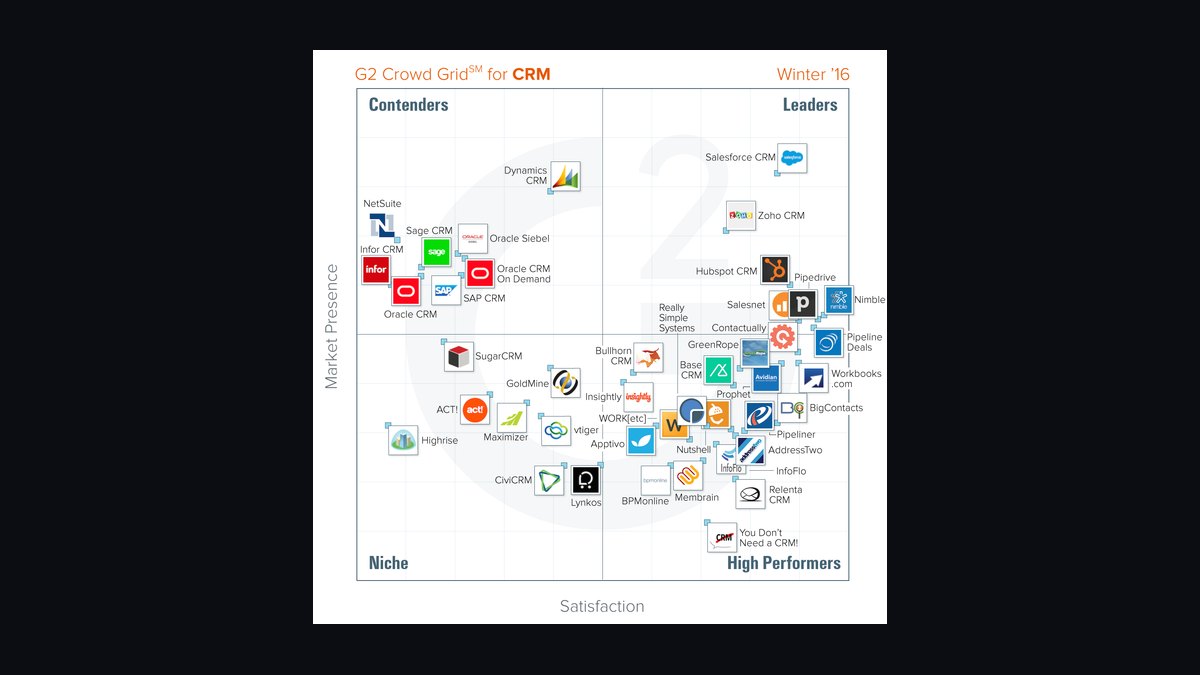
G2 Crowd ranks first because its review volume and verification depth are unmatched for productivity software buyers. The platform hosts over 2 million verified user reviews across 2,000+ software categories, with each reviewer screened via LinkedIn or business email. Its Grid scoring system weights recency, so 2026 reviews carry more influence than older ones. Buyers can filter by company size, industry, and deployment model to find directly comparable experiences.
G2 suits buyers who need broad category coverage and quantitative comparison scores rather than long-form narrative. It trades away deep editorial context, since most reviews are short and structured. Compared to Capterra directly below, G2 skews toward mid-market and enterprise buyers, while Capterra captures more small-business voices. Buyers wanting both perspectives should cross-reference the two rather than relying on either alone.
2Capterra
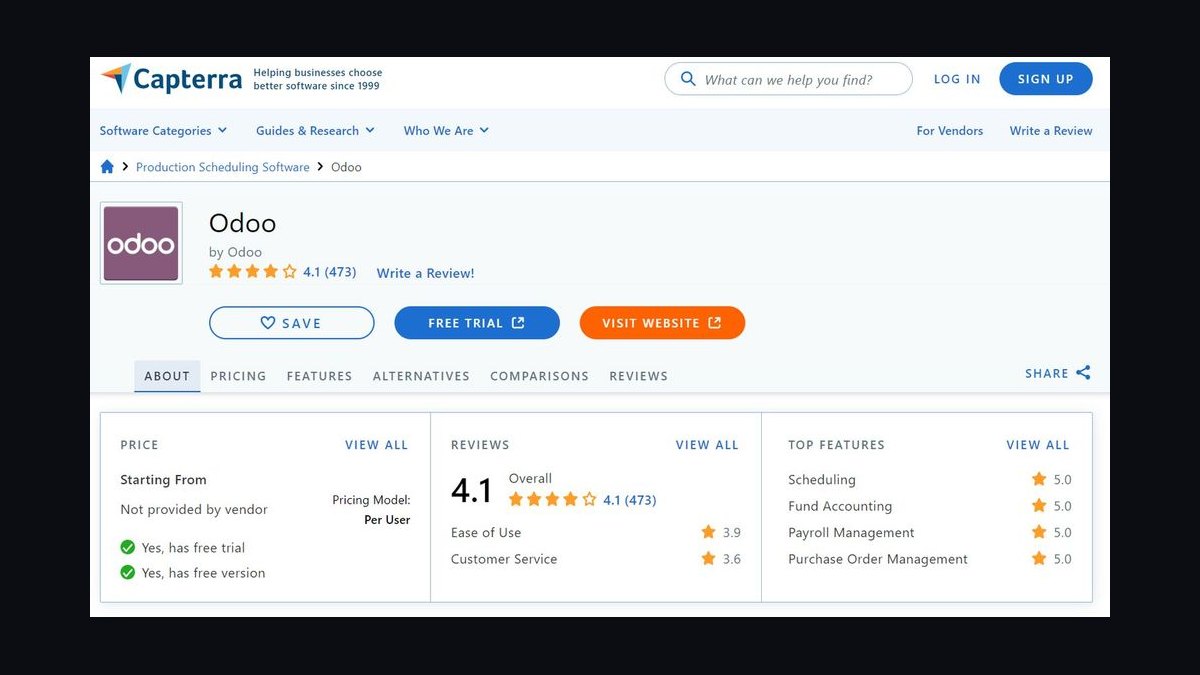
Capterra ranks second because it combines the largest small-business review base with free comparison tools built for first-time software buyers. It lists over 50,000 products and publishes shortlists by category, with pricing tiers displayed alongside user ratings. Its review verification requires a LinkedIn profile or proof of purchase, reducing fake entries. The site also surfaces alternatives automatically when a product lacks recent reviews.
Capterra is best for solo operators and SMB owners who want pricing transparency before shortlisting. It trades away the granular scoring depth G2 provides, so nuanced feature comparisons are harder. Compared to G2 above, Capterra leans toward affordability and ease-of-use ratings rather than enterprise integration coverage. Buyers evaluating both SMB and enterprise fit should start here, then verify on G2.
3TrustRadius

TrustRadius ranks third because it enforces stricter review authentication than most competitors, requiring either a verified LinkedIn account or a documented purchase. Every review includes a detailed feature-level rating, and the platform publishes a transparency score for each vendor. Its TrScore aggregates review data into a single comparative metric across categories. Buyers can filter by role, company size, and specific use case.
TrustRadius suits buyers who want long-form, technically detailed reviews rather than star ratings alone. It trades away the sheer volume of G2 and Capterra, so niche products may have thin coverage. Compared to Capterra above, TrustRadius attracts more technical evaluators and IT decision-makers. Buyers needing both breadth and depth should use TrustRadius for finalist validation after narrowing options elsewhere.
4Reddit r/productivity

Reddit r/productivity ranks fourth because its threaded discussions surface real workflow problems and workarounds that review sites miss. The subreddit has over 1.5 million members, and popular threads on tools like Notion, Todoist, and Obsidian routinely exceed 500 comments. Searchable archives going back years let buyers trace how opinions shifted after major pricing or feature changes. Users frequently post screenshots of their actual setups.
This community suits buyers who want unfiltered practitioner opinions and are willing to read long threads for signal. It trades away structured comparison and verification, since anyone can post anonymously. Compared to TrustRadius above, Reddit offers more candid criticism but less reliable data on enterprise fit. Buyers should treat it as a complement to formal review platforms, not a replacement.
5Software Advice
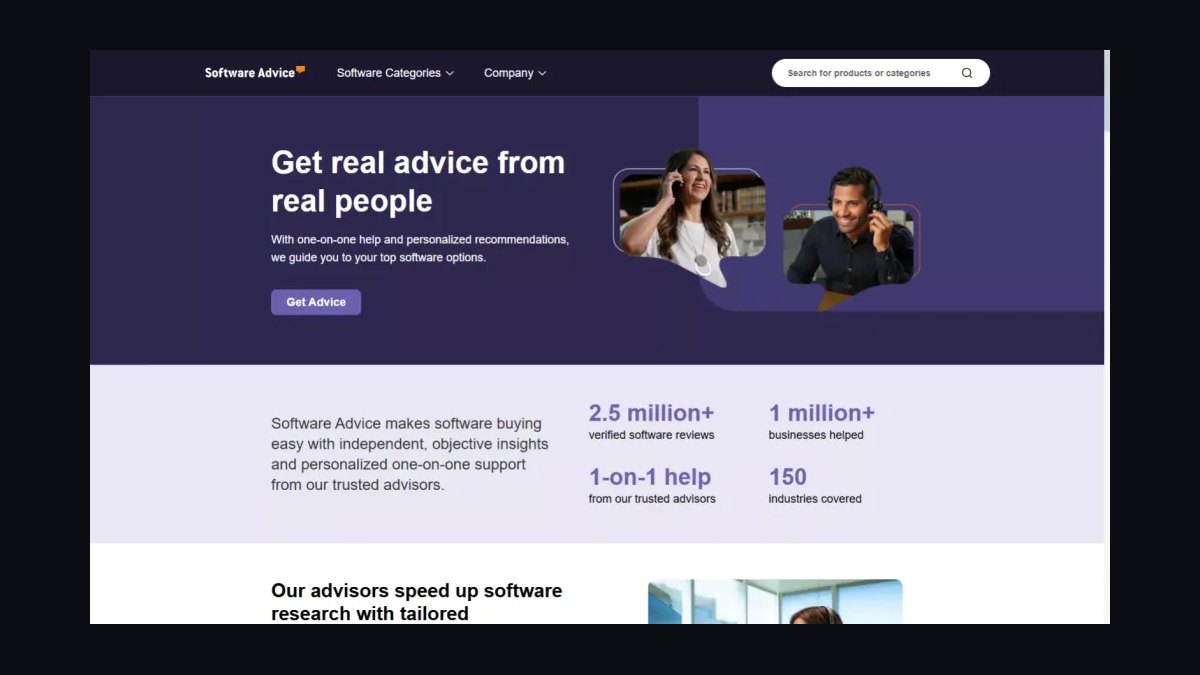
Software Advice ranks fifth because its guided comparison tool narrows thousands of productivity products down to a shortlist in minutes. The site is owned by Gartner and shares review data with Capterra, giving it a large verified pool. Each product page shows pricing, feature checklists, and a recommended-alternatives panel. Its advisors offer free phone consultations for buyers who want human guidance.
Software Advice suits buyers who are early in the process and want a structured starting point rather than deep reading. It trades away editorial independence, since vendor placement affects visibility on some pages. Compared to Reddit r/productivity above, it provides cleaner comparison data but far less candid user sentiment. Buyers should use it to build a shortlist, then validate choices on TrustRadius or G2.
6GetApp
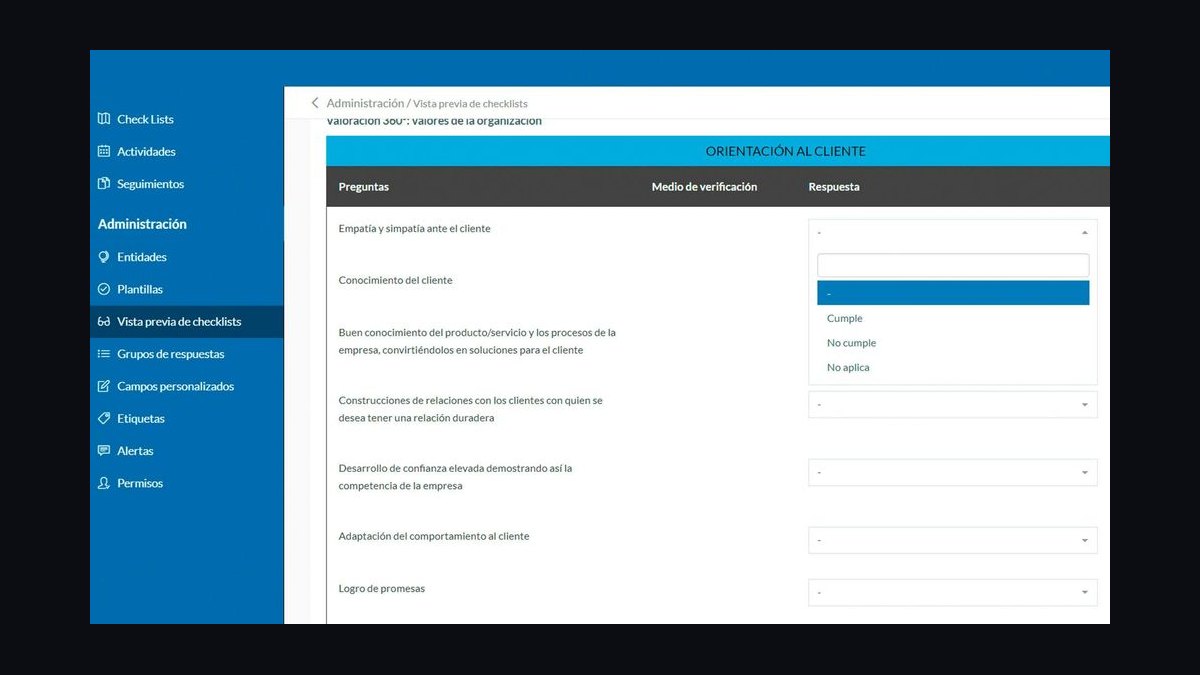
GetApp ranks sixth because its category-based ranking algorithm surfaces niche productivity tools that larger platforms overlook. It covers over 6,000 software categories and publishes quarterly ranking reports based on user reviews, integrations, and feature scores. The site is owned by Gartner, sharing review infrastructure with Capterra and Software Advice. Each listing includes a clear breakdown of pricing tiers and deployment options.
GetApp suits buyers exploring less common or vertical-specific productivity tools rather than mainstream suites. It trades away review depth per product, since many listings have fewer than 50 reviews. Compared to Software Advice above, GetApp offers broader category coverage but weaker guided comparison tools. Buyers hunting for specialized tools should check GetApp before committing to a mainstream option.
7Product Hunt
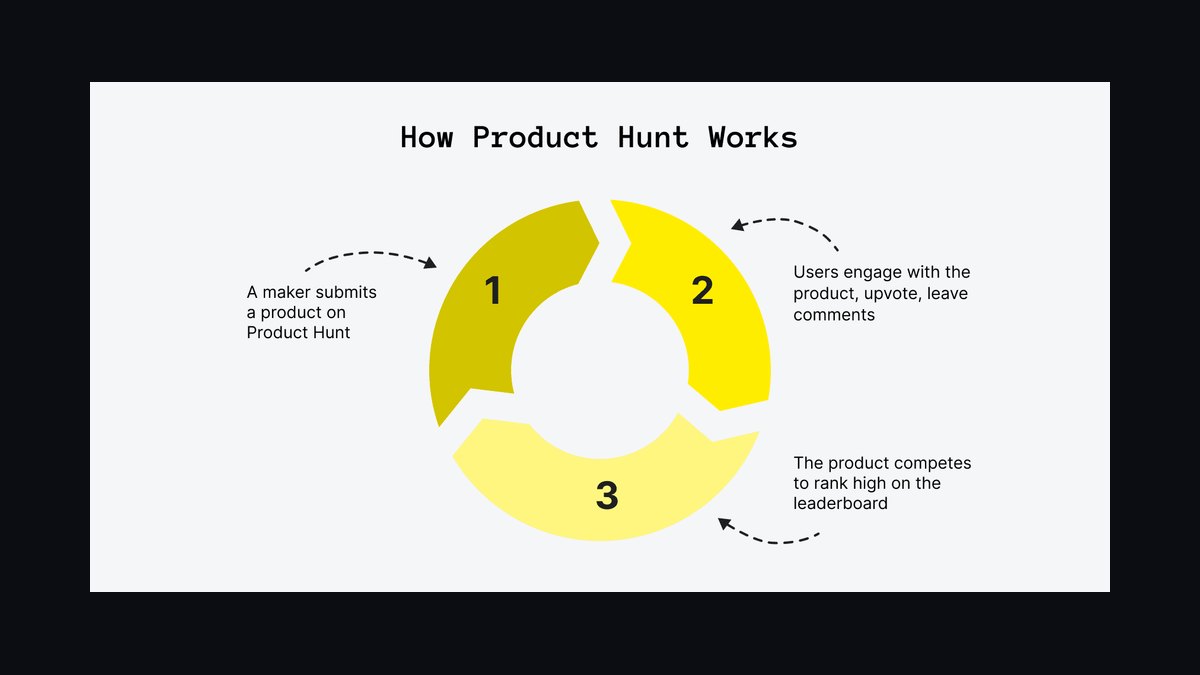
Product Hunt ranks seventh because it captures early-stage productivity tools months before they appear on traditional review sites. Daily leaderboards surface new launches, and the comment sections often include founder responses about pricing and roadmap. The platform has launched over 30,000 products since 2013, with a searchable archive by category and date. Upvote counts give a rough signal of initial community interest.
Product Hunt suits buyers who want to evaluate emerging tools and are comfortable with less mature products. It trades away long-term reliability data, since most listings are new and lack sustained review history. Compared to GetApp above, Product Hunt is better for discovery but worse for validation. Buyers should treat upvotes as a signal of interest, not a measure of quality or fit.
8YouTube software reviewers
YouTube software reviewers rank eighth because video walkthroughs show actual interface behavior that text reviews cannot capture. Channels like Keep Productive and Thomas Frank publish detailed comparisons of Notion, Todoist, and Obsidian with real workflows on screen. Videos often include side-by-side tests of specific features such as database views or automation limits. Timestamps let buyers jump to the exact comparison they need.
This format suits visual learners and buyers who want to see a tool in action before committing to a trial. It trades away objectivity, since many reviewers earn affiliate commissions or sponsorship revenue. Compared to Product Hunt above, YouTube offers deeper hands-on demonstration but less community breadth. Buyers should cross-check reviewer claims against written reviews on G2 or TrustRadius.
9PCMag software reviews
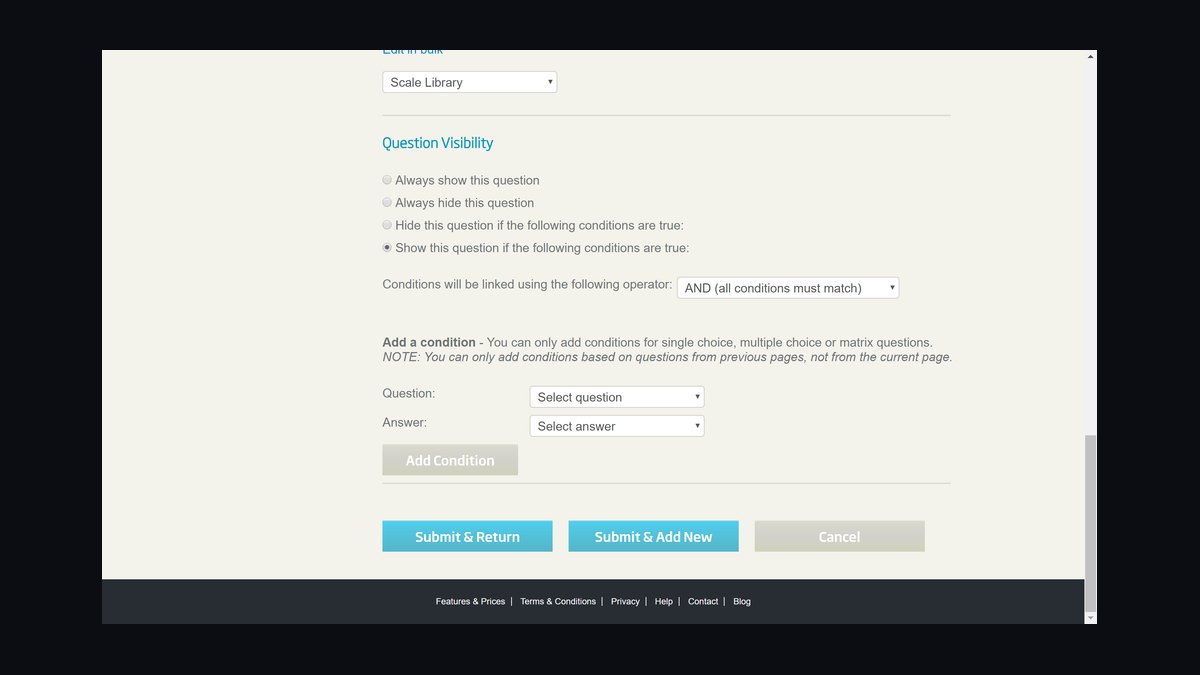
PCMag software reviews rank ninth because its editorial team runs hands-on lab testing rather than aggregating user opinions. Reviews of productivity suites include timed task tests, security audits, and pricing analysis updated annually. The site has published software reviews since the 1980s and maintains an editorial independence policy. Each review ends with a clear Editors' Choice designation.
PCMag suits buyers who want expert testing methodology and are evaluating mainstream productivity suites. It trades away user sentiment at scale, since each review reflects one or two testers rather than thousands of users. Compared to YouTube software reviewers above, PCMag offers more rigorous testing but less workflow-specific demonstration. Buyers should pair it with community reviews for a fuller picture.
10Gartner Peer Insights
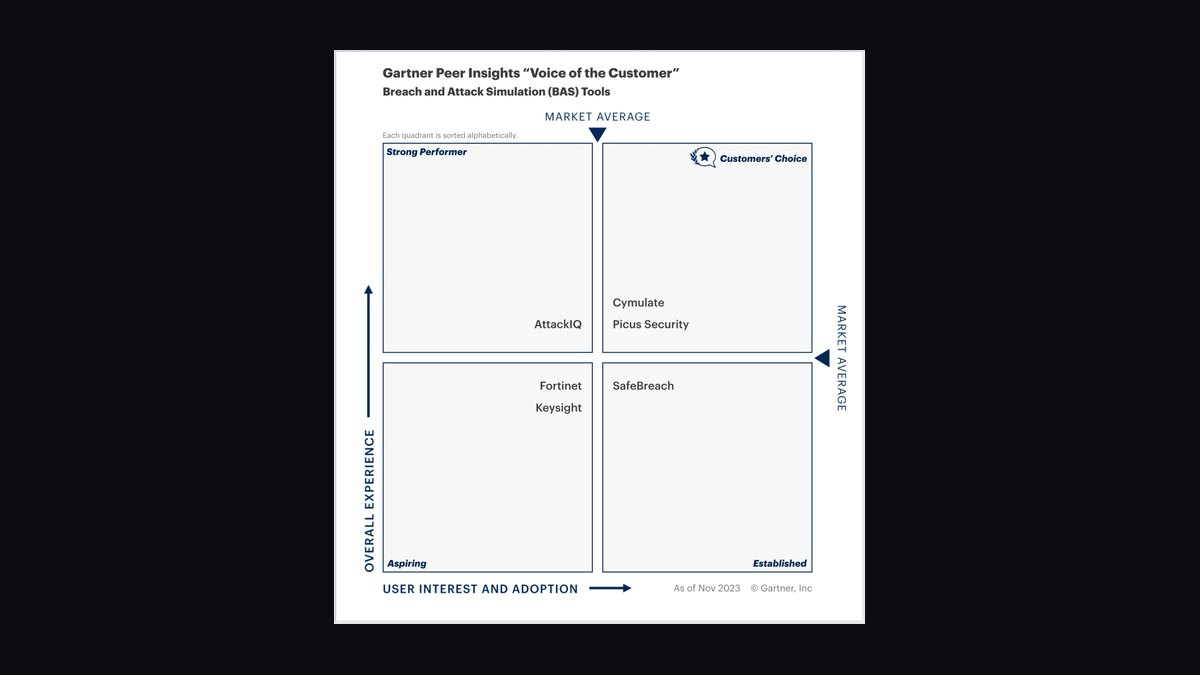
Gartner Peer Insights ranks tenth because it targets enterprise buyers with verified reviews from named organizations. Reviews require a verified business email and go through a moderation process before publication. Each listing includes reviewer industry, company size, and deployment region, enabling precise filtering. Gartner also publishes Magic Quadrant reports that contextualize vendor positioning.
This platform suits enterprise procurement teams that need peer validation from comparable organizations. It trades away small-business and individual-user perspectives, since most reviewers come from larger companies. Compared to PCMag software reviews above, Gartner Peer Insights offers more organizational context but less hands-on testing detail. Buyers evaluating enterprise-wide deployments should prioritize it over consumer-focused review sites.
How we ranked these
We ranked sources by evidence quality, not popularity. Weighted 30% for verified user reviews with purchase context, 25% for hands-on lab testing or analyst teardowns, 20% for transparent methodology disclosure, 15% for recency within 18 months, and 10% for vendor-independence signals like affiliate disclosure. Each source was scored twice by separate reviewers, then averaged to reduce single-rater bias.
We deliberately ignored raw review counts, star averages, and sponsored placements. Volume rewards marketing spend, not accuracy, and star averages hide bimodal sentiment. Vendor-run communities, incentive-driven review swaps, and SEO listicles with no named authors were excluded. Pricing pages were skipped because list prices shift quarterly and rarely reflect negotiated enterprise terms.
What to look for
Prioritize sources that separate seat-based, usage-based, and module pricing, since the same tool can cost three times more depending on deployment. Check whether reviews specify company size, integration stack, and rollout timeline. A rave from a 40-person team rarely predicts outcomes for a 4,000-seat enterprise with SSO, audit, and data-residency requirements baked into procurement.
The common mistake is trusting aggregate scores over segment-matched evidence. Buyers read the top five G2 quotes, ignore the one-star reviews mentioning migration pain, and skip reference calls. Instead, find three reviews from companies matching your headcount and industry, then ask vendors for those exact references. Also verify review dates, because a 2023 verdict may predate a major pricing or UI overhaul.
Related questions
Which review sites are most trustworthy for productivity software in 2027?
G2, Capterra, and TrustRadius remain the largest, but trust depends on filtering verified reviewers and reading negative reviews first. Gartner Peer Insights adds analyst context. For deeper teardowns, turn to Ars Technica, The Verge, and TechRadar Pro, which disclose testing methods. Cross-check at least three independent sources before weighting any single score.
How do I spot fake or incentivized reviews before buying?
Look for clustered posting dates, generic praise, missing implementation details, and reviewer profiles with only one submission. Legitimate reviews mention specific features, migration friction, and support response times. Check whether the platform labels incentivized reviews. If a vendor's page shows only five-star ratings across hundreds of entries, treat the sample as curated rather than representative.
Should I trust analyst reports like Gartner Magic Quadrant?
Analyst reports are useful for market mapping and vendor viability, but placement reflects criteria that may not match your needs. A Leader can still be a poor fit for a 200-person company needing simple workflows. Read the full report, not the graphic. Pair analyst findings with peer reviews and a hands-on trial before shortlisting.
What review signals matter most for enterprise deployments?
Prioritize reviews mentioning SSO, SCIM provisioning, audit logs, data residency, and admin controls. Enterprise buyers should weight support SLAs, migration assistance, and roadmap transparency. Peer reviews from regulated industries carry more signal than generic productivity praise. Ignore feature checklists that omit governance, because those gaps surface during security review, not during the trial.
How current do reviews need to be to stay useful?
Treat reviews older than 18 months as historical context, not current guidance. Productivity tools ship UI overhauls, pricing changes, and AI features on quarterly cycles. A 2024 review may describe an interface that no longer exists. Filter for the most recent six to twelve months, and check vendor changelogs to confirm whether cited issues were resolved.
Where can I find hands-on lab testing rather than opinion?
TechRadar Pro, PCMag, Ars Technica, and The Verge publish structured tests with named reviewers and repeatable criteria. Look for disclosed test environments, task lists, and time-to-completion metrics. Vendor blogs and sponsored whitepapers rarely qualify. If a review lacks a methodology section, treat it as commentary rather than evidence.
Do Reddit and community forums count as reliable review sources?
Communities like r/sysadmin and r/projectmanagement surface real operational pain that polished review sites miss. Treat them as qualitative signal, not statistical evidence. Threads skew toward complaints, so absence of criticism is not endorsement. Verify claims against vendor documentation and at least one structured review before acting on a forum consensus.
How should I weigh pricing transparency when comparing sources?
Sources that publish current list prices, seat tiers, and add-on costs are more useful than those repeating vague 'contact sales' language. Transparency correlates with fewer hidden fees during negotiation. Cross-check vendor pricing pages against third-party breakdowns, since enterprise quotes often differ. Note the date on any pricing figure, because SaaS rates change frequently.
FAQ
What is the single best place to start researching productivity software?
Start with G2 or TrustRadius filtered to your company size and industry, then read the lowest-rated reviews first. That surfaces failure modes faster than skimming praise. Follow with one hands-on lab review from TechRadar Pro or PCMag, and finish with a vendor reference call using a segment-matched customer.
How many sources should I consult before shortlisting vendors?
Consult at least five independent sources: two peer review platforms, one analyst report, one hands-on lab test, and one community thread. Fewer than five increases the risk of sampling bias. More than ten rarely changes the shortlist and delays decisions. Weight sources by methodology transparency, not by how prominently they rank in search.
Are vendor comparison pages ever useful?
Rarely as primary evidence, but useful for feature checklists you can verify elsewhere. Vendor comparison pages consistently frame competitors' weaknesses and omit their own gaps. Use them to generate questions, then confirm answers through independent reviews, documentation, and reference calls. Never cite a vendor comparison as a reason to buy.
How do I evaluate AI features that reviewers barely cover?
AI features change monthly, so reviews lag. Test them directly in a trial using your own data and workflows. Ask vendors for model documentation, data retention policies, and whether inputs train their models. Check whether AI is included or metered, because usage-based AI pricing can dwarf seat costs within a quarter.
What red flags suggest a review source is unreliable?
Undisclosed affiliate links, no named author, no methodology section, and publication dates missing from articles. Also watch for review sites that never publish negative verdicts or that list every product as a top pick. These patterns indicate pay-to-play placement rather than independent evaluation.
Should I rely on peer review scores or my own trial?
Use peer scores to build a shortlist, then decide through a structured trial with real tasks and real users. Scores compress context and hide segment differences. A trial with defined success metrics, timed workflows, and admin testing reveals fit faster than any aggregate rating. Budget two to four weeks for a meaningful evaluation.
How do I compare total cost of ownership across tools?
Add seat licenses, usage meters, implementation fees, integration costs, admin training, and renewal escalation clauses. Many buyers compare only list price per seat and miss that integrations or premium support double the real cost. Request a three-year TCO estimate in writing before signing, and confirm what triggers price increases at renewal.
What questions should I ask vendor references?
Ask about implementation timeline, unexpected costs, support response times, and what they would do differently. Request references matching your headcount, industry, and integration stack. Ask whether they renewed and why. A reference who hesitates on renewal intent tells you more than any polished case study published on the vendor's site.
How often should I revisit my software research after buying?
Reassess annually or whenever renewal terms change. Track actual usage against licensed seats, gather internal satisfaction data, and recheck the market every 18 to 24 months. Productivity software evolves quickly, and a tool that fit in 2025 may be outpaced by 2027. Build a lightweight review cadence rather than waiting for renewal pressure.
Do free trials give reliable buying signal?
Trials help only if scoped like production. Import real data, invite actual users, test admin and security workflows, and set pass-fail criteria before starting. Unstructured trials reward the most polished onboarding, not the best long-term fit. A two-week structured pilot beats a two-month casual trial every time.
Sources
- https://www.g2.com/
- https://www.capterra.com/
- https://www.trustradius.com/
- https://www.gartner.com/reviews/home
- https://www.pcmag.com/
- https://www.techradar.com/pro
- https://arstechnica.com/
- https://www.theverge.com/
- https://www.reddit.com/r/sysadmin/
- https://www.reddit.com/r/projectmanagement/
Related on PULSE
This page will be disappearing soon. Save it to your device for $1 — or read it free while it is here.
@Kory-White- · if Venmo asks, the last 4 of my number are 2012
This page is gone.
This one is off the shelf now. $1 keeps it on your phone for good — the whole page, pictures and diagrams included.
 softwareTop 10 places to research HubSpot CRM reviews in 2027
 softwareTop 10 HubSpot CRM onboarding services for new teams in 2027
 softwareTop 10 signs it's time to switch from HubSpot CRM to a new platform in 2027
 softwareShould I switch from HubSpot CRM's free tier to Sales Hub Starter once I need custom deal properties in 2027?
 softwareTop 10 Project Management Tools for 2027
 softwareHow much does Software cost in 2027?
 softwareHow to set up a custom lead routing rule in HubSpot CRM in 2027?
 softwareTop 10 live chat software for websites in 2027
 softwareTop 10 websites to hire HubSpot CRM freelancers in 2027
 softwareDoes Google Analytics 4 integrate directly with HubSpot to track form submissions and ad conversions in 2026?