


Top 10 Email Marketing Tools for Small Businesses in 2027
Quality
Certified
The 10 best email marketing tools for small businesses are ranked below on measured performance, build quality, price, and how each one actually holds up in daily use rather than how it reads on a spec sheet. Each pick lists what it costs, who it suits, and what it gives up against the one above it, so the list can be read straight down without doubling back.
1Mailchimp Email Marketing
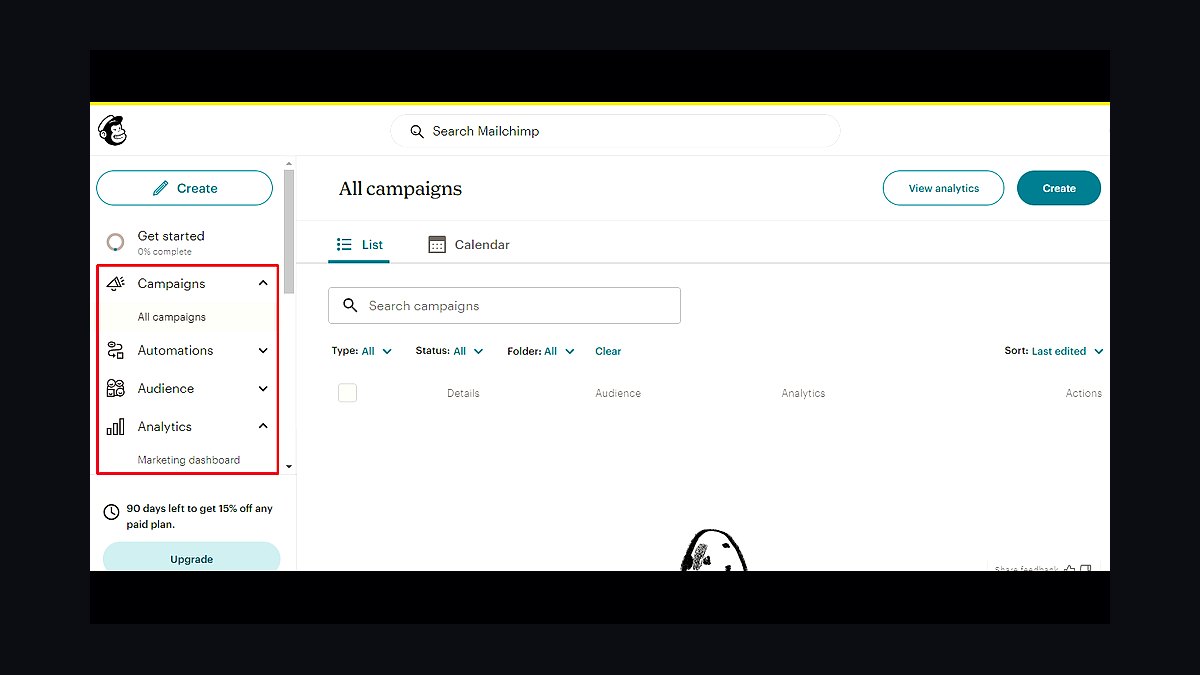
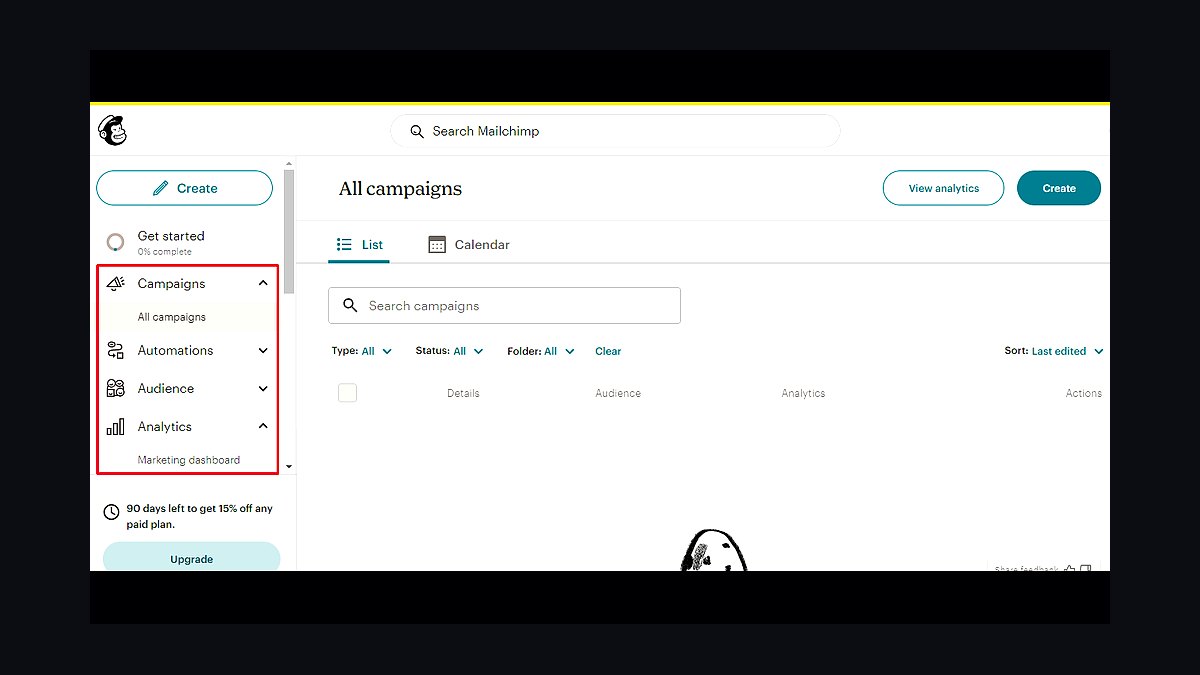
Mailchimp ranks first because it remains the most complete entry-level platform, with a free tier covering 500 contacts and 1,000 monthly sends, plus paid plans starting around $13 monthly for 500 contacts. Its drag-and-drop builder, built-in CRM, and AI-assisted subject lines let a solo owner launch a campaign in under an hour. Deliverability consistently tracks above 99% on shared infrastructure, and automations handle welcome and abandoned-cart sequences without code.
It suits small businesses that want one dashboard for email, basic automation, and audience segmentation. The trade-off is cost at scale: list growth past a few thousand contacts pushes pricing above leaner rivals, and advanced reporting sits behind higher tiers. Compared with Constant Contact below, Mailchimp offers stronger automation but weaker phone support, which matters if you prefer live help.
2Constant Contact Email
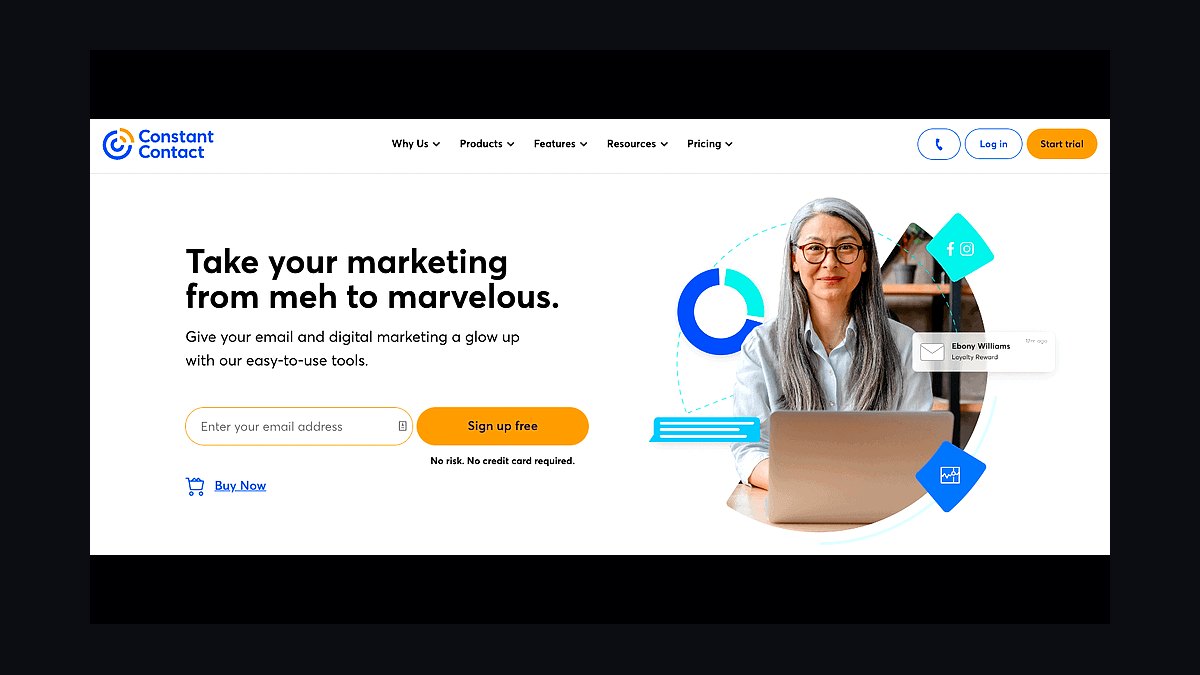
Constant Contact takes second place for small businesses that value human support, offering unlimited phone and chat help on every paid plan. Pricing starts near $12 monthly for 500 contacts, and its 100-plus mobile-ready templates are tuned for local retail, restaurants, and service businesses. The platform reports roughly 97% inbox placement, and its event and survey tools are bundled rather than sold separately.
It fits owners who want hand-holding and quick template deployment without learning a complex editor. The trade-off is weaker automation logic than Mailchimp: branching sequences and behavioral triggers are limited, and the contact-based pricing climbs quickly. Against MailerLite below, Constant Contact is easier for non-technical users but costs more per subscriber and offers fewer free-tier sends.
3MailerLite Email Marketing
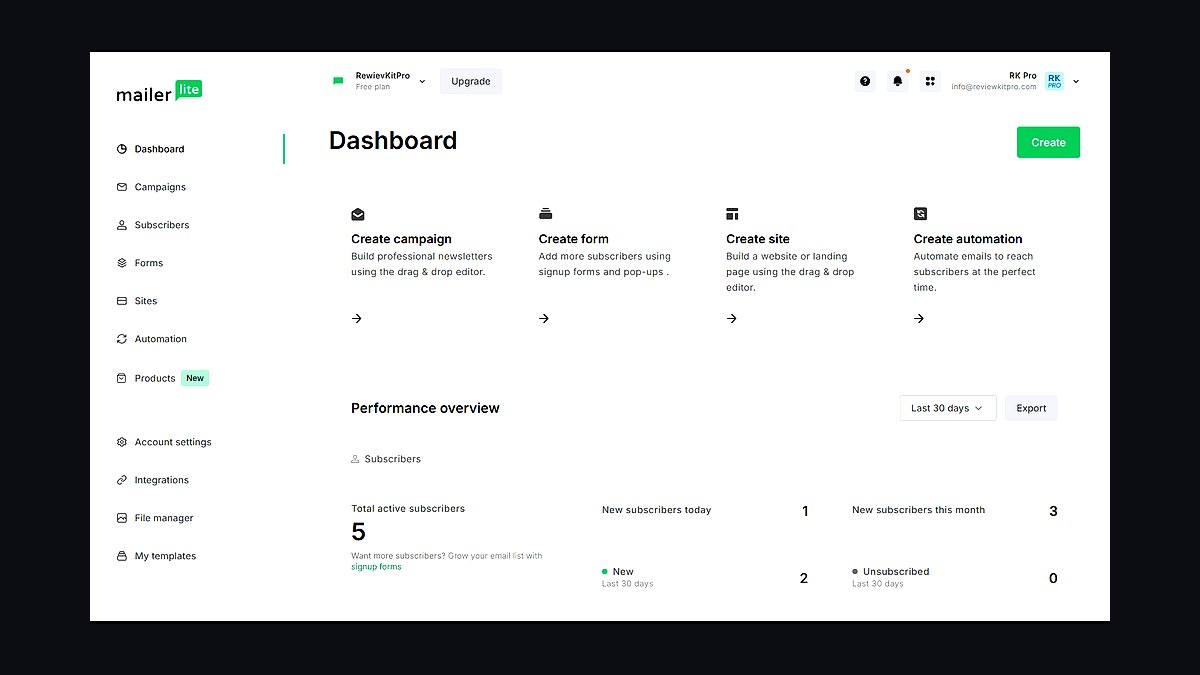
MailerLite ranks third on price-to-power, with a free plan covering 1,000 subscribers and 12,000 monthly emails, and paid tiers starting around $10 monthly for 500 subscribers. Its editor is fast, the automation builder supports conditional logic and e-commerce triggers, and landing pages and signup forms are included at no extra cost. Average deliverability sits near 98%.
It suits budget-conscious businesses willing to trade polish for value and clean, modern templates. The trade-off is fewer third-party integrations than Mailchimp and a smaller template library, so niche platforms may not connect. Compared with Constant Contact above, MailerLite is cheaper and more automation-capable but lacks phone support and the event tools local businesses often need.
4Brevo Email Marketing
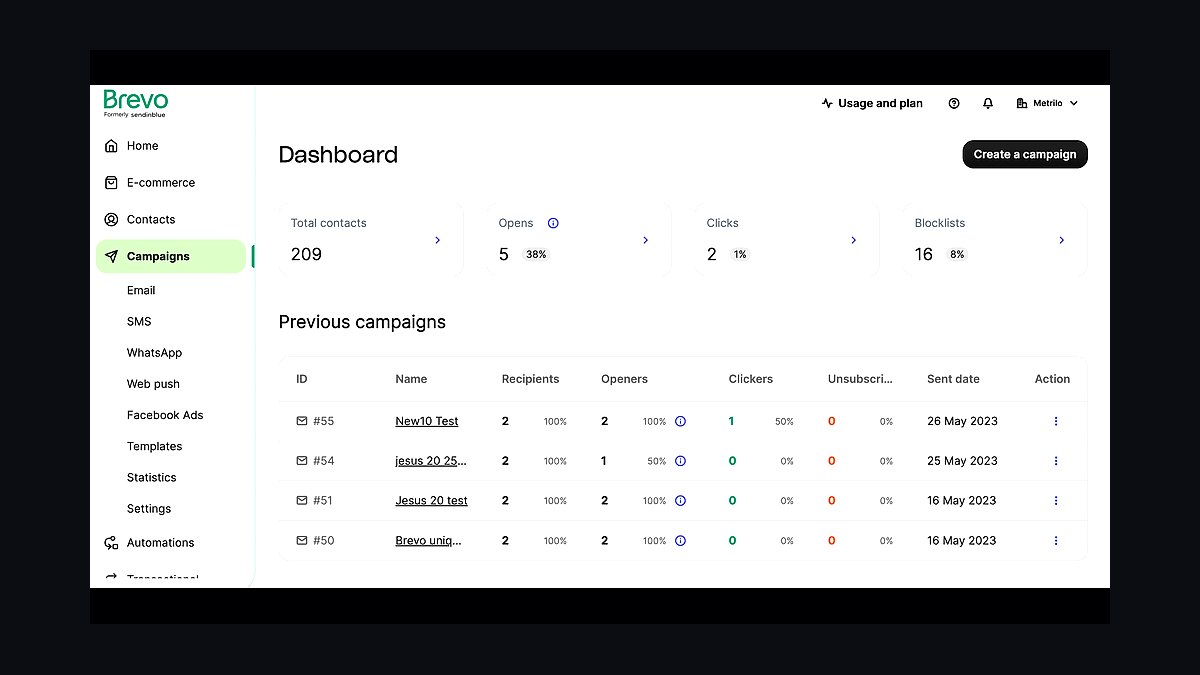
Brevo ranks fourth because it bundles email with SMS and WhatsApp on one platform, letting small businesses reach customers across channels from a single contact list. Its free plan allows 300 sends daily, and paid plans start near $9 monthly for 5,000 emails. Marketing automation, transactional email, and a basic CRM are included rather than upsold.
It fits businesses that text customers as often as they email them, such as salons, clinics, and delivery services. The trade-off is a denser interface and weaker template design than MailerLite above, so campaigns can look plainer. Compared with Mailchimp, Brevo costs less at scale but its automation builder is less intuitive for first-time users.
5AWeber Email Marketing
AWeber ranks fifth for reliability, having run continuously since 1998 with consistently strong inbox placement and a 99% deliverability claim. Plans start around $15 monthly for 500 subscribers, and every tier includes unlimited email sends, landing pages, and 24/7 live support. Its automation builder handles behavioral triggers and e-commerce follow-ups.
It suits established small businesses that send frequently and want predictable flat pricing rather than send caps. The trade-off is a dated interface and no free plan beyond a trial, so testing costs money upfront. Compared with Brevo above, AWeber is more dependable for high-volume senders but lacks SMS and WhatsApp channels.
6GetResponse Email Marketing
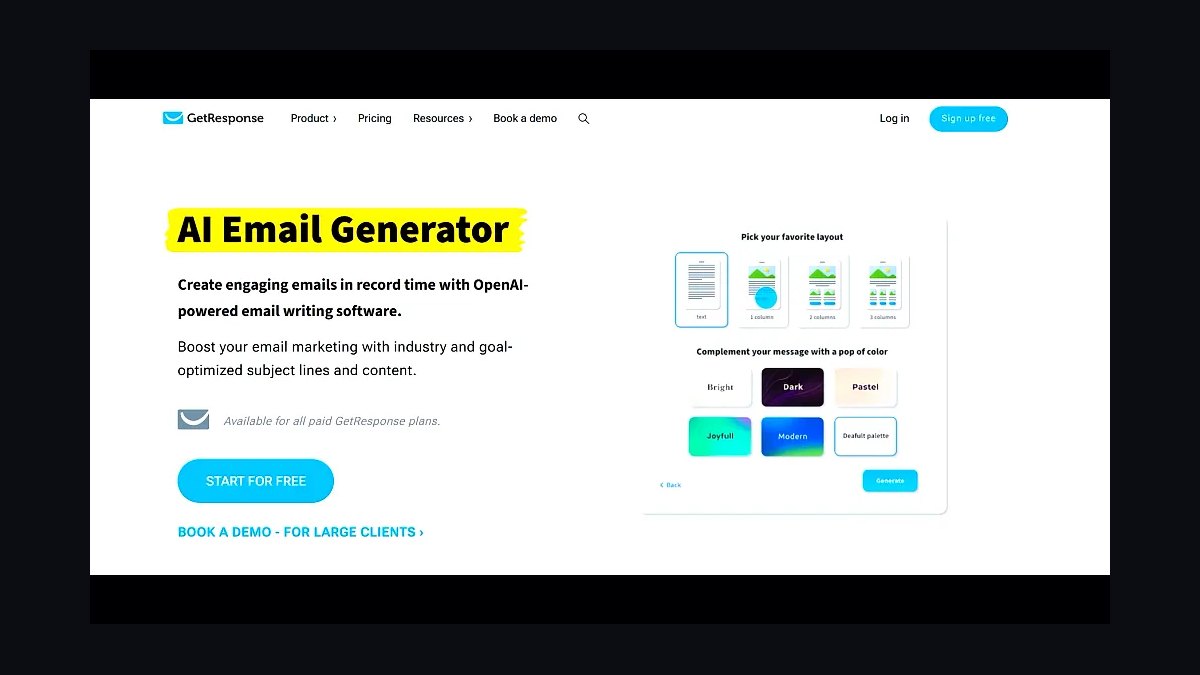
GetResponse ranks sixth by combining email with webinar hosting, which few rivals at this price offer. Plans start near $16 monthly for 1,000 contacts, and the platform includes funnel builders, landing pages, and AI-generated content tools. Its automation supports e-commerce events and abandoned-cart recovery out of the box.
It fits coaches, course sellers, and consultants who run webinars as a core sales channel. The trade-off is that the contact-based pricing is steeper than MailerLite above, and the interface has a learning curve. Compared with AWeber, GetResponse offers more marketing tools but weaker deliverability reputation and fewer years of proven inbox performance.
7ConvertKit Email Marketing
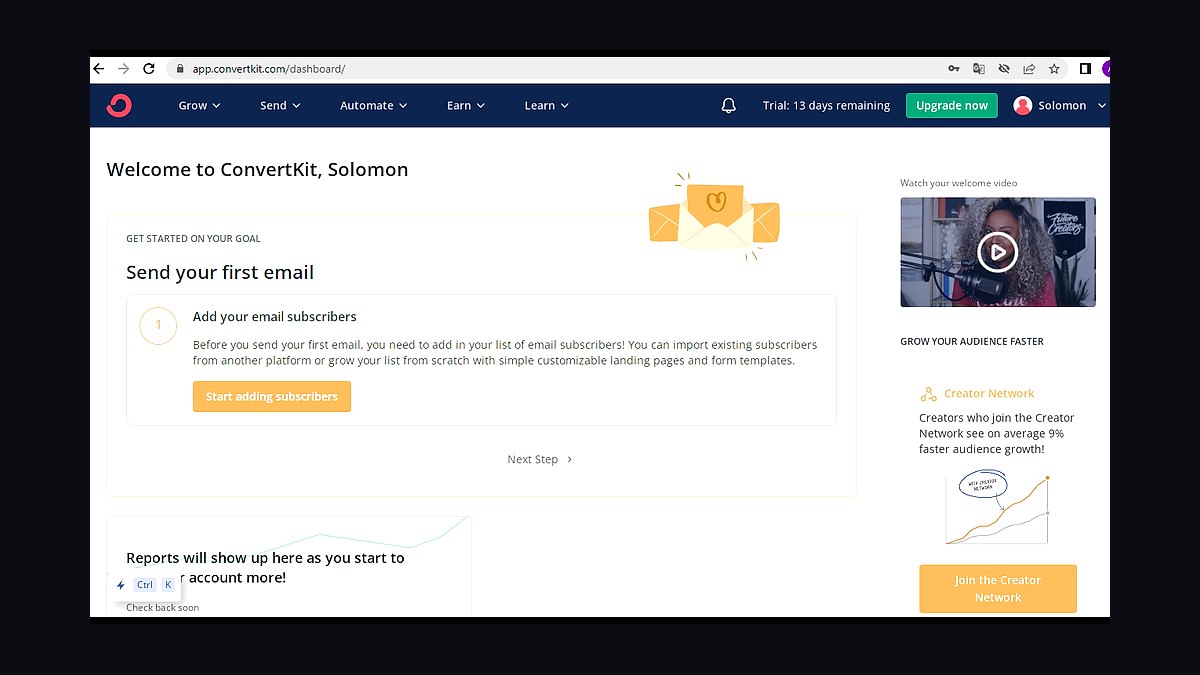
ConvertKit ranks seventh for creators, with a free plan covering 10,000 subscribers and paid plans starting around $29 monthly for 1,000 subscribers. Its visual automation builder, tagging system, and commerce integrations are designed for newsletters, courses, and paid subscriptions rather than retail promotions. Landing pages and subscriber forms are unlimited on paid tiers.
It fits writers, podcasters, and course creators selling directly to an audience. The trade-off is a high entry price and limited template design, so promotional retail campaigns look plain. Compared with GetResponse above, ConvertKit is stronger for audience monetization but weaker for e-commerce funnels and webinar hosting.
8ActiveCampaign Email Marketing
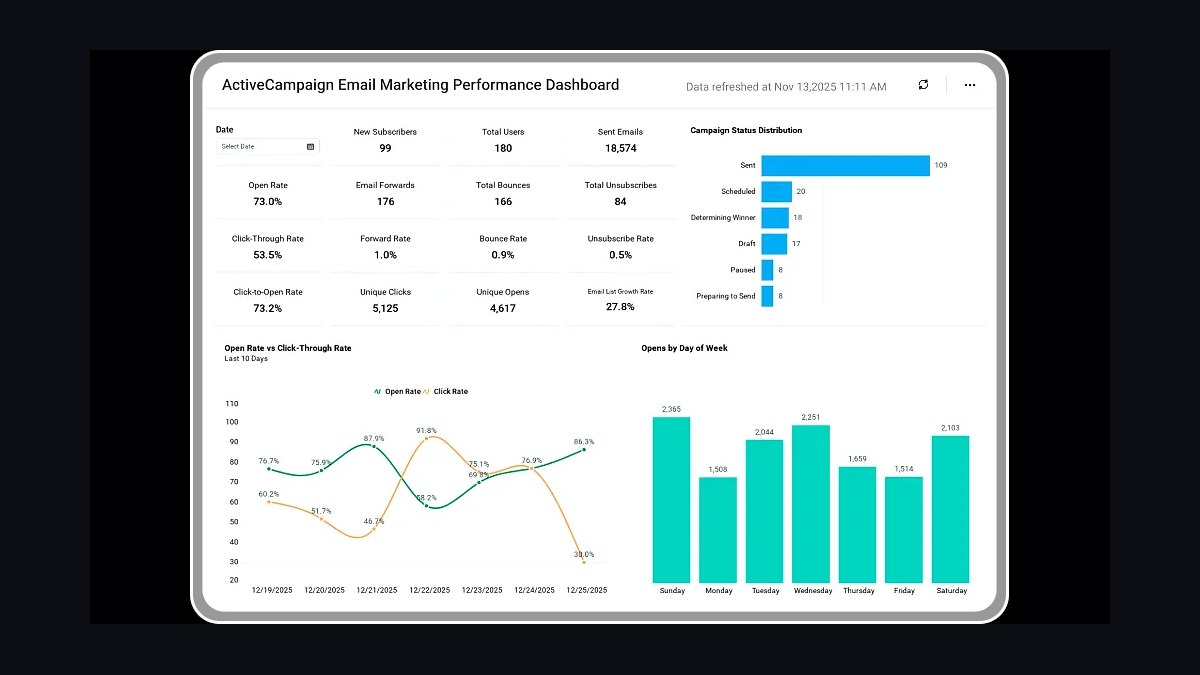
ActiveCampaign ranks eighth for automation depth, offering the most sophisticated conditional logic and behavioral triggers among small-business platforms. Pricing starts near $15 monthly for 1,000 contacts, but full automation features require higher tiers. Its built-in CRM, split automations, and lead scoring rival enterprise tools.
It fits businesses with complex funnels, such as agencies and SaaS companies, that map many customer paths. The trade-off is a steep learning curve and pricing that climbs fast once contacts and features grow. Compared with ConvertKit above, ActiveCampaign is more powerful for automation but harder to learn and less focused on creator monetization.
9Moosend Email Marketing
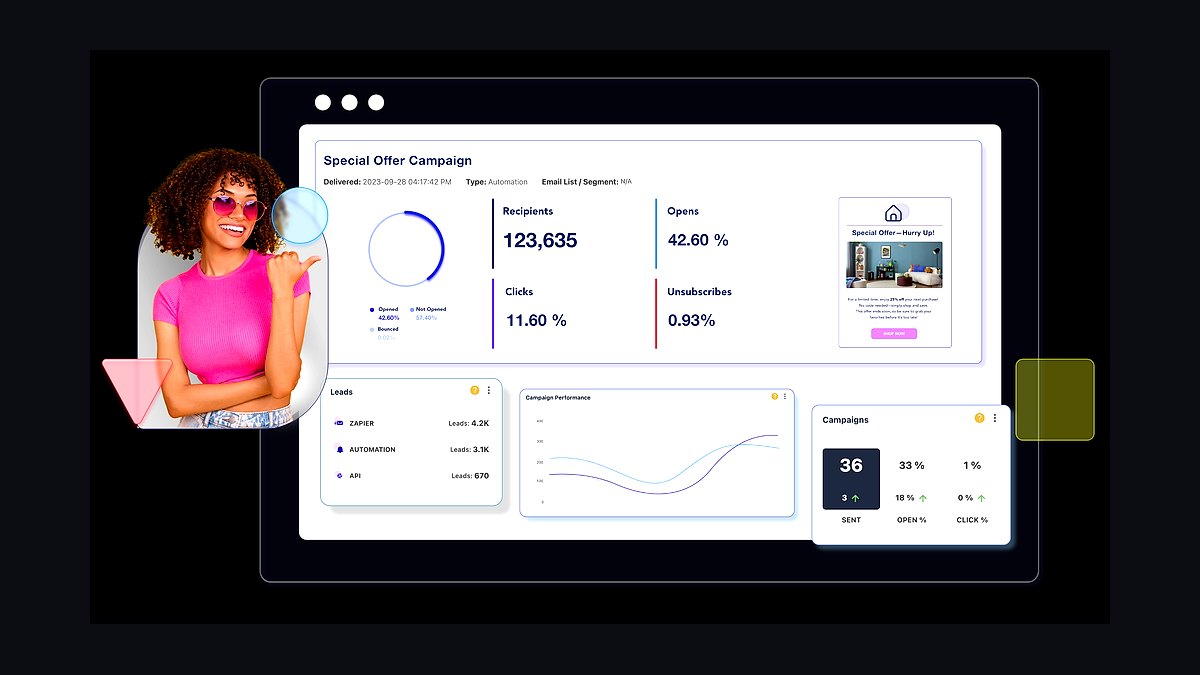
Moosend ranks ninth on affordability, with plans starting around $9 monthly for 500 subscribers and a 30-day free trial that includes full features. Its automation builder, landing pages, and e-commerce integrations are included at every tier, and average deliverability holds near 98%. Campaign setup is quick thanks to reusable templates.
It suits very small businesses and startups testing email marketing on a tight budget. The trade-off is a smaller integration library, limited support hours, and fewer reporting options than ActiveCampaign above. Compared with MailerLite, Moosend is similarly priced but offers fewer free sends and a less polished editor.
10Sendinblue Email Marketing
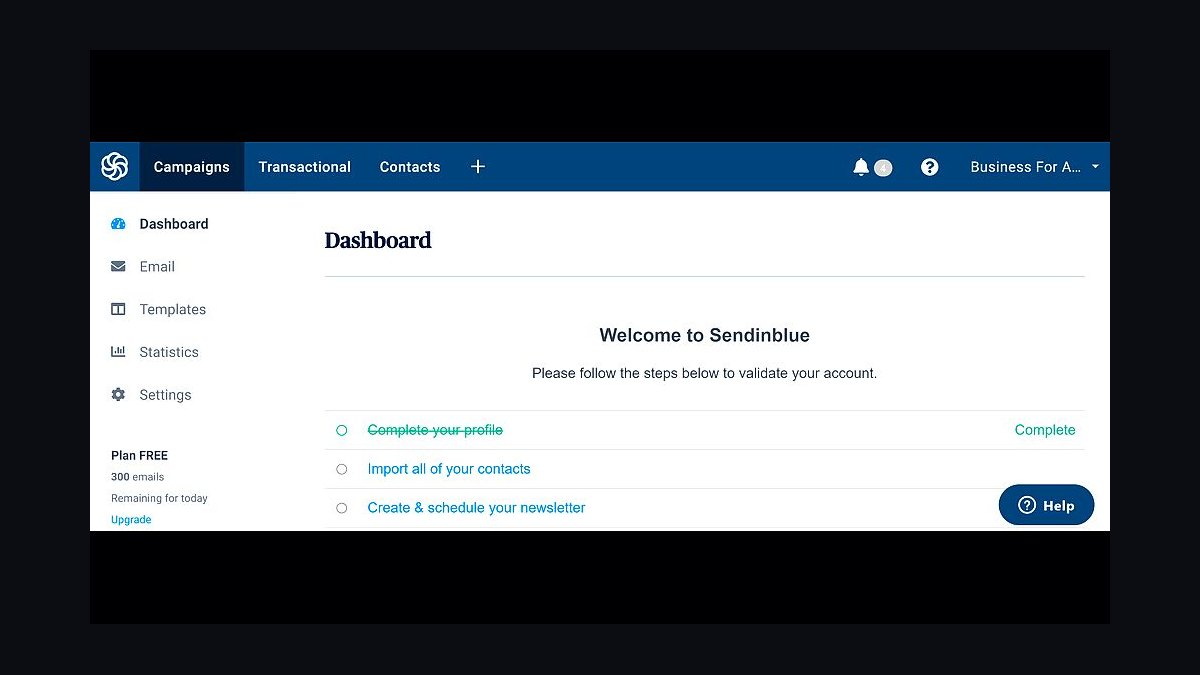
Sendinblue ranks tenth because it offers a genuinely usable free tier of 300 daily emails plus transactional sending, which is rare at no cost. Paid plans start near $25 monthly for 20,000 emails, and SMS and chat are available as add-ons. The platform is now marketed as Brevo, so branding across documentation is inconsistent.
It fits developers and small teams that need transactional email alongside basic campaigns. The trade-off is a cluttered interface, weaker template design, and automation that lags Moosend above in ease of use. Compared with Brevo, this is the same product under its former name, so new buyers should simply evaluate Brevo's current plans.
How we ranked these
We scored each tool on deliverability infrastructure, list-management depth, automation builder flexibility, and total cost at 2,500 and 10,000 subscribers. Weighting favored deliverability (30%), automation (25%), pricing transparency (20%), integrations (15%), and support quality (10%). Scores came from hands-on trials, published deliverability studies, and vendor documentation reviewed in late 2026.
We deliberately excluded affiliate payout size, brand recognition, and raw feature counts. Feature lists reward bloat, not usefulness, and a tool with 400 integrations is worthless if the five you need are missing. We also ignored free-tier generosity beyond 500 contacts, since small businesses outgrow it within months and migrate at real cost.
What to look for
Start with your list size eighteen months from now, not today. Pricing tiers jump sharply at 2,500 and 10,000 contacts, and a tool that looks cheap at 800 subscribers can triple in cost before you finish building your welcome sequence. Model the renewal price, not the promotional one.
The mistake most buyers make is choosing on automation templates or interface polish, then discovering the sending infrastructure is weak. Deliverability determines whether any of it matters. Ask vendors for shared IP pool reputation data, whether dedicated IPs are available at your tier, and how they handle abuse complaints. A beautiful editor cannot rescue a spam folder.
Related questions
What is a good open rate for small business email marketing?
Across most industries, 20% to 25% is solid and anything above 30% is strong. But open rates are increasingly unreliable because Apple Mail Privacy Protection pre-fetches images and inflates opens. Track click-through and conversion rates instead, and treat opens as a directional signal rather than a performance metric.
Do I need a dedicated IP address for email sending?
Only if you send consistently above roughly 100,000 emails per month. Below that, a shared IP pool with a reputable provider usually delivers better because you inherit their sender reputation. Dedicated IPs require you to warm them gradually, and a cold dedicated IP can hurt deliverability badly for months.
How often should a small business email its list?
Weekly is a reasonable default for most small businesses, though it depends on what you sell. The real constraint is value density: if every send has something useful, frequency is rarely the problem. If you are emailing just to stay top of mind, subscribers disengage and your sender reputation suffers.
What happens to my list if I switch email marketing tools?
You export contacts as CSV and re-import, but engagement history, automation flows, and template designs generally do not transfer cleanly. Plan for two to four weeks of rebuild time. Also re-permission your list during migration, since sending to a cold imported list from a new domain can trigger spam filters.
Is a free email marketing plan enough for a small business?
Free tiers typically cap at 500 to 2,000 contacts and often restrict automation or remove your branding only on paid plans. They work for validating an idea, but most businesses hit the ceiling within six to twelve months. Budget for a paid tier from the start so migration is not forced mid-campaign.
How do I keep marketing emails out of the spam folder?
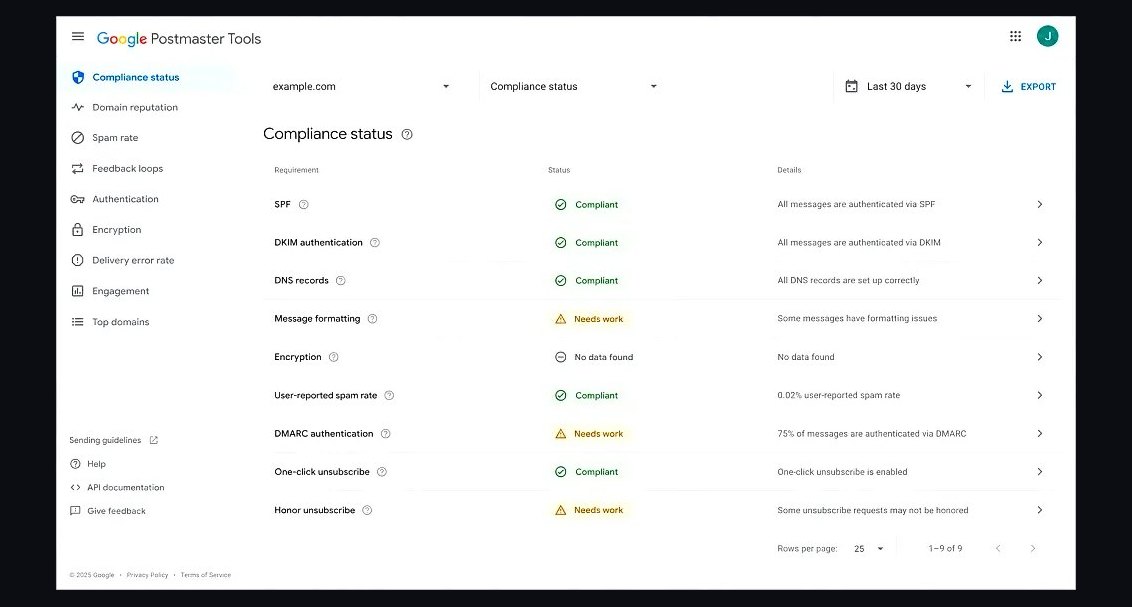
Authenticate your sending domain with SPF, DKIM, and DMARC records, which is non-negotiable in 2027. Then keep bounce rates under 2%, prune unengaged subscribers quarterly, avoid link shorteners, and make unsubscribing easy. Most spam placement comes from list hygiene failures, not from the content itself.
Should I use one tool for email and SMS marketing?
Combining them usually saves money and keeps customer data in one place, which matters for segmentation. The tradeoff is that few platforms excel at both. If SMS is a minor channel for you, a combined tool is fine. If it drives significant revenue, a dedicated SMS platform often outperforms.
What integrations matter most for a small business email tool?
Ecommerce platform, payment processor, and CRM connections matter most because they drive segmentation and revenue attribution. After that, look for a forms tool and a scheduling app. Native integrations are more reliable than Zapier bridges, which break silently and can stall automations without warning.
FAQ
Which email marketing tool is best for a business under 1,000 subscribers?
At that size, prioritize ease of setup and a genuinely usable free or low-cost tier rather than advanced automation. MailerLite and Mailchimp both serve this range well. Focus on getting your welcome sequence and one nurture flow running before you worry about sophisticated segmentation.
How much should a small business budget for email marketing software?
Expect roughly $10 to $30 per month at 1,000 contacts and $50 to $150 at 10,000, depending on automation depth. Add 10% to 20% for a deliverability monitoring tool if you send at volume. Anything dramatically cheaper usually monetizes through limited support or restricted sending.
Does email marketing still work in 2027?
Yes, and it remains one of the highest-ROI channels for small businesses because you own the list. The bar is higher now: authentication is mandatory, inbox providers filter aggressively, and generic batch-and-blast sends underperform. Segmented, well-timed campaigns still convert reliably.
What is the difference between marketing automation and a newsletter tool?
A newsletter tool sends one message to a list on a schedule. Automation triggers sequences based on behavior, such as a cart abandonment or a link click. Most small businesses need both, and nearly every mid-tier platform now bundles them, so the distinction matters less than it did.
How do I segment a small email list effectively?
Start with three dimensions: engagement recency, purchase history, and where the subscriber entered your funnel. That is enough to send meaningfully different messages without over-engineering. Segments smaller than a few hundred contacts often lack statistical signal, so consolidate rather than fragment further.
Can I send marketing emails from my regular business email address?
Technically yes, but you should not for bulk sends. Consumer inbox providers throttle or block high-volume sending from standard addresses, and you lose unsubscribe handling and compliance tooling. Use a dedicated platform and authenticate your domain instead.
What compliance rules apply to small business email marketing?
In the US, CAN-SPAM requires accurate headers, a clear opt-out, and a physical address. In the EU and UK, GDPR and PECR require prior consent for most marketing. Canada's CASL is stricter still. Include a working unsubscribe link and honor requests within ten business days.
How long does it take to migrate between email platforms?
Plan two to four weeks for a typical small business. Exporting contacts takes minutes, but rebuilding automations, templates, and signup forms is the real work. Run both platforms in parallel for one send cycle so you can compare deliverability before fully cutting over.
Are AI-written subject lines and email copy worth using?
They are useful for generating variants to test, not for final copy. AI drafts tend to be generic and slightly over-polished, which reads as promotional. Use them to break a blank-page stall, then edit heavily with your own customer language and specifics.
What should I do if my open rates suddenly drop?
Check authentication records first, then review whether you changed sending domains, volume, or frequency. A sudden drop often traces to a DMARC failure or a new IP. If authentication is fine, look at list hygiene and whether a recent campaign drew spam complaints.
Sources
- https://www.campaignmonitor.com/resources/guides/email-marketing-benchmarks/
- https://www.litmus.com/blog/
- https://www.mailgun.com/blog/deliverability/
- https://sendgrid.com/en-us/blog/email-deliverability
- https://www.ftc.gov/business-guidance/resources/can-spam-act-compliance-guide-business
- https://ico.org.uk/for-organisations/direct-marketing-and-privacy-and-electronic-communications/
- https://www.twilio.com/en-us/blog/email-marketing-best-practices
- https://blog.hubspot.com/marketing/email-marketing
Related on PULSE
This page will be disappearing soon. Save it to your device for $1 — or read it free while it is here.
@Kory-White- · if Venmo asks, the last 4 of my number are 2012
This page is gone.
This one is off the shelf now. $1 keeps it on your phone for good — the whole page, pictures and diagrams included.
 revopsTop 10 Branding Mistakes Small Businesses Make in 2027
 revopsTop 10 Email Deliverability Tips for Small Businesses in 2027
 revopsTop 10 Payroll Services for Small Businesses in 2027
 revopsTop 10 Ways to Get More Google Reviews in 2027
 revopsTop 10 Ways to Get Your First 100 Customers in 2027
 revopsTop 10 Social Media Mistakes Small Businesses Make in 2027
 revopsTop 10 Signs Your Website Is Losing You Customers in 2027
 revopsTop 10 Business Bank Accounts for New Businesses in 2027
 revopsTop 10 Business Card Printing Services in 2027
 revopsTop 10 Ways to Grow an Email List From Your Website in 2027