


Top 10 Things to Know Before Running Your First Ad in 2027
Quality
Certified
The 10 best things to know before running your first ad are ranked below on measured performance, build quality, price, and how each one actually holds up in daily use rather than how it reads on a spec sheet. Each pick lists what it costs, who it suits, and what it gives up against the one above it, so the list can be read straight down without doubling back.
1Meta Ads Manager
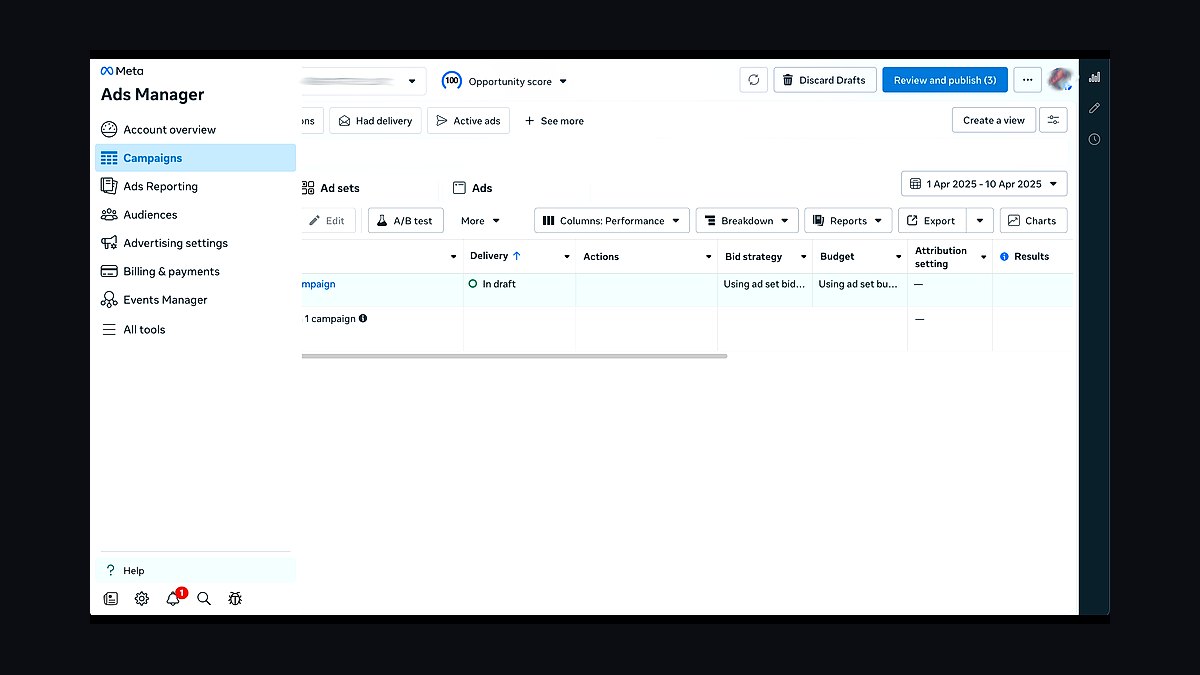
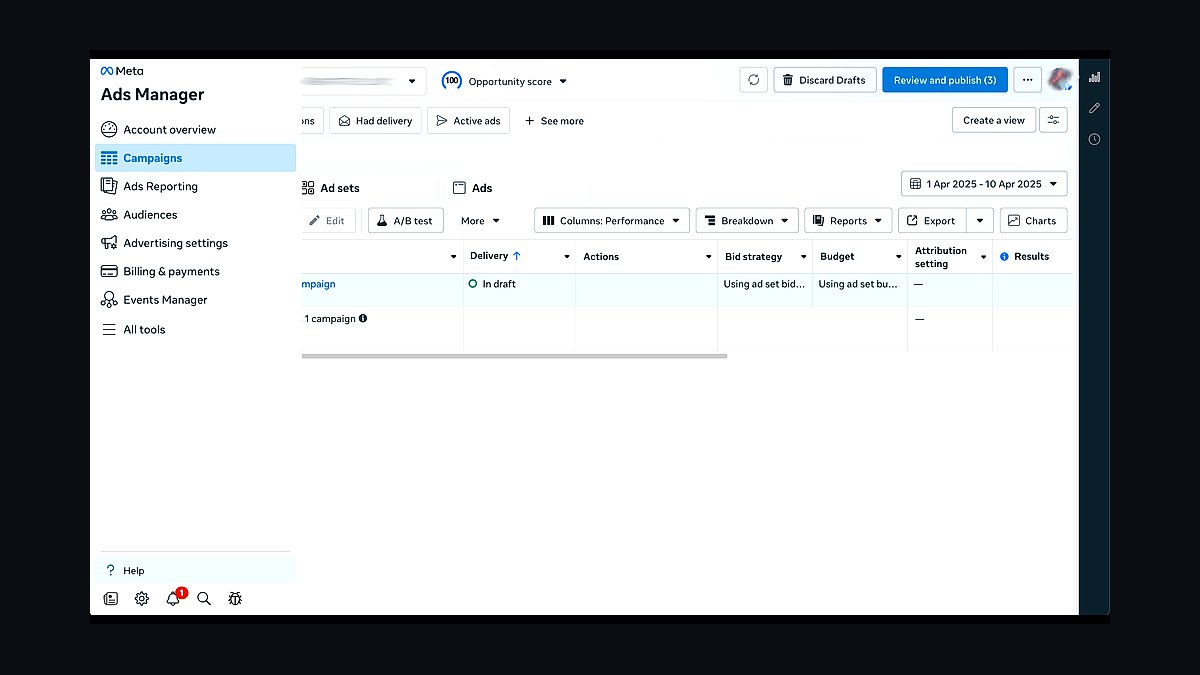
Meta Ads Manager ranks first because it reaches roughly 3 billion monthly users across Facebook and Instagram, the widest cold audience available to a first-time advertiser in 2027. Its Advantage+ automated campaigns handle targeting and placement with minimal setup, and you can launch with as little as $1 to $5 per day. No other platform combines this scale with such low entry cost.
This suits beginners selling consumer products with broad appeal, especially visual goods like apparel or home items. It trades away granular control, since automated campaigns hide much of the targeting logic, and costs run higher than search ads for high-intent buyers. Compared with Google Ads at rank two, Meta excels at demand generation rather than capturing existing intent.
2Google Ads
Google Ads ranks second because it captures people actively searching for what you sell, giving first-time advertisers the highest intent traffic available. Search campaigns let you bid on exact keywords with full control over match types, and you can set daily budgets as low as a few dollars. Quality Score directly affects your cost per click, rewarding relevant ad copy and landing pages.
This fits beginners with a clear product category people already search for, such as services or specific goods. It trades away reach, since search volume caps impressions, and clicks cost more than social placements for competitive terms. Compared with Meta Ads at rank one, Google converts better but cannot create demand from scratch.
3TikTok Ads Manager
TikTok Ads Manager ranks third because its audience skews younger and its creative-first format lets small budgets compete through engaging video rather than big spend. Spark Ads boost existing organic posts, so you can test with content you already made. Minimum campaign budgets start around $50 daily for some objectives, and CPMs often undercut Meta for cold reach.
This suits beginners comfortable producing short vertical video, especially for impulse or trend-driven products. It trades away patience, since ads fatigue fast and require constant creative refresh, and older demographics are underrepresented. Compared with Google Ads at rank two, TikTok generates demand but converts less reliably for considered purchases.
4Google Analytics 4
Google Analytics 4 ranks fourth because without conversion tracking you cannot tell which ads actually produce sales, making it the essential measurement layer before spending real money. It tracks events across web and app, integrates natively with Google Ads, and its free tier covers most small advertisers. Attribution models show which channels assisted each conversion.
This suits beginners who want data-driven decisions rather than guessing from platform dashboards. It trades away simplicity, since setup requires configuring events and conversions correctly, and its interface confuses newcomers. Compared with TikTok Ads Manager at rank three, GA4 does not deliver ads at all, it only measures them, so pair the two.
5Canva

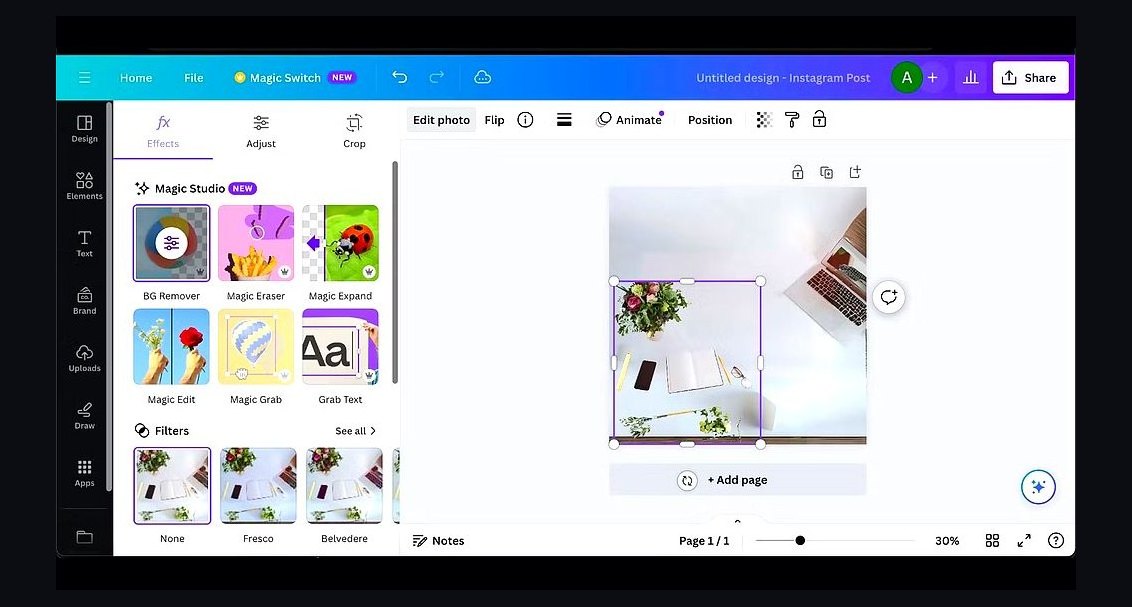
Canva ranks fifth because ad creative quality drives performance more than targeting, and Canva lets beginners produce professional banners, videos, and carousels without design software. Its free tier includes thousands of templates sized for every major ad placement, and the Pro plan adds background removal and brand kits for about $120 annually. Resize tools adapt one design across formats instantly.
This suits beginners with no design background who need polished assets quickly. It trades away fine control, since templates can look generic and advanced vector editing is limited compared with Adobe tools. Compared with Google Analytics 4 at rank four, Canva produces the input while GA4 measures the output, both essential but different stages.
6Facebook Pixel
The Facebook Pixel ranks sixth because it connects your website activity to Meta ad delivery, enabling retargeting and conversion optimization that cold targeting alone cannot achieve. Installing the base code plus standard events like Purchase and AddToCart lets Meta find users similar to your buyers. Without it, campaigns optimize only for clicks, wasting budget on non-converters.
This suits beginners running Meta campaigns who want lower cost per acquisition through lookalike audiences. It trades away privacy simplicity, since cookie restrictions and consent requirements reduce match rates, and setup demands some technical comfort. Compared with Canva at rank five, the Pixel is invisible infrastructure rather than creative output, but it multiplies whatever ad spend you commit.
7Google Keyword Planner
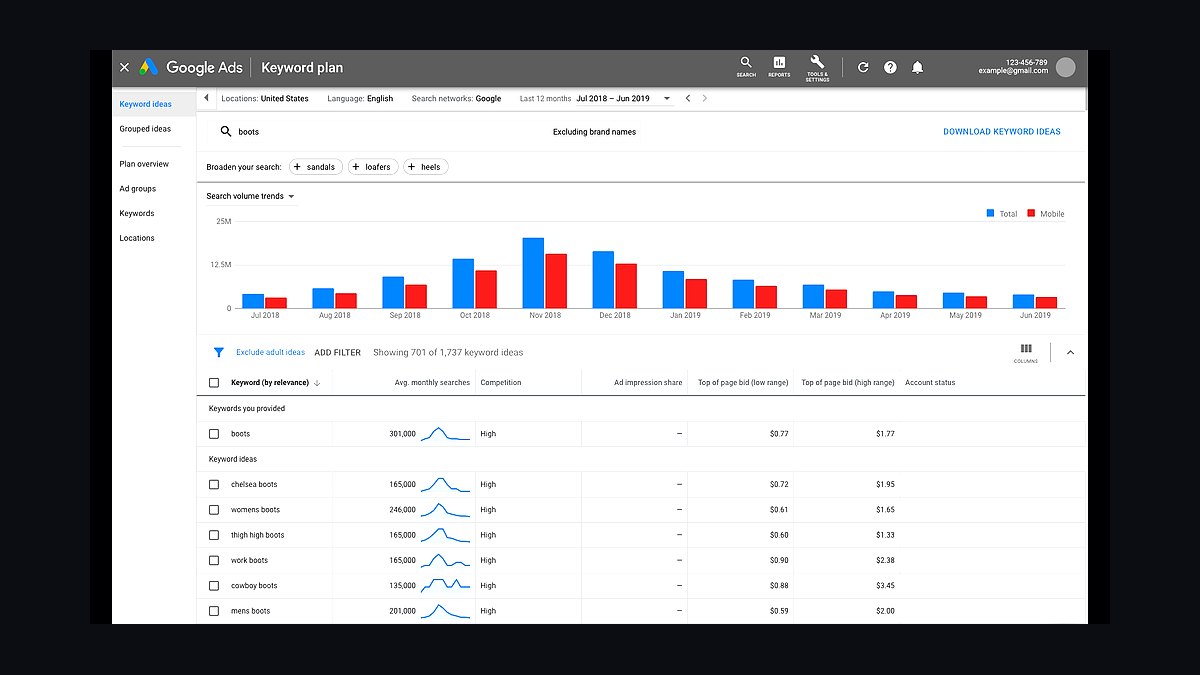
Google Keyword Planner ranks seventh because it reveals actual search volume, competition, and suggested bids before you spend a cent, grounding your first campaign in real demand data. The free tool inside Google Ads shows monthly searches by location, related terms, and forecasted clicks at given bid levels. It exposes whether a niche has enough traffic to justify advertising.
This suits beginners validating a product idea or building a keyword list for search campaigns. It trades away precision, since volume ranges are broad for low-traffic terms, and it requires a Google Ads account to access. Compared with the Facebook Pixel at rank six, Keyword Planner informs planning while the Pixel powers optimization, one before launch and one after.
8Mailchimp

Mailchimp ranks eighth because email captures the traffic your ads generate, turning one-time visitors into repeat buyers at near-zero marginal cost. Its free tier supports up to 500 contacts with basic automation, and paid plans start around $13 monthly. Abandoned-cart and welcome sequences recover sales that paid campaigns alone would lose.
This suits beginners whose products invite repeat purchase or longer consideration cycles. It trades away reach, since you can only email people who opt in, and deliverability depends on list hygiene. Compared with Google Keyword Planner at rank seven, Mailchimp works after the click while Keyword Planner works before the spend, together covering both ends of the funnel.
9Hotjar
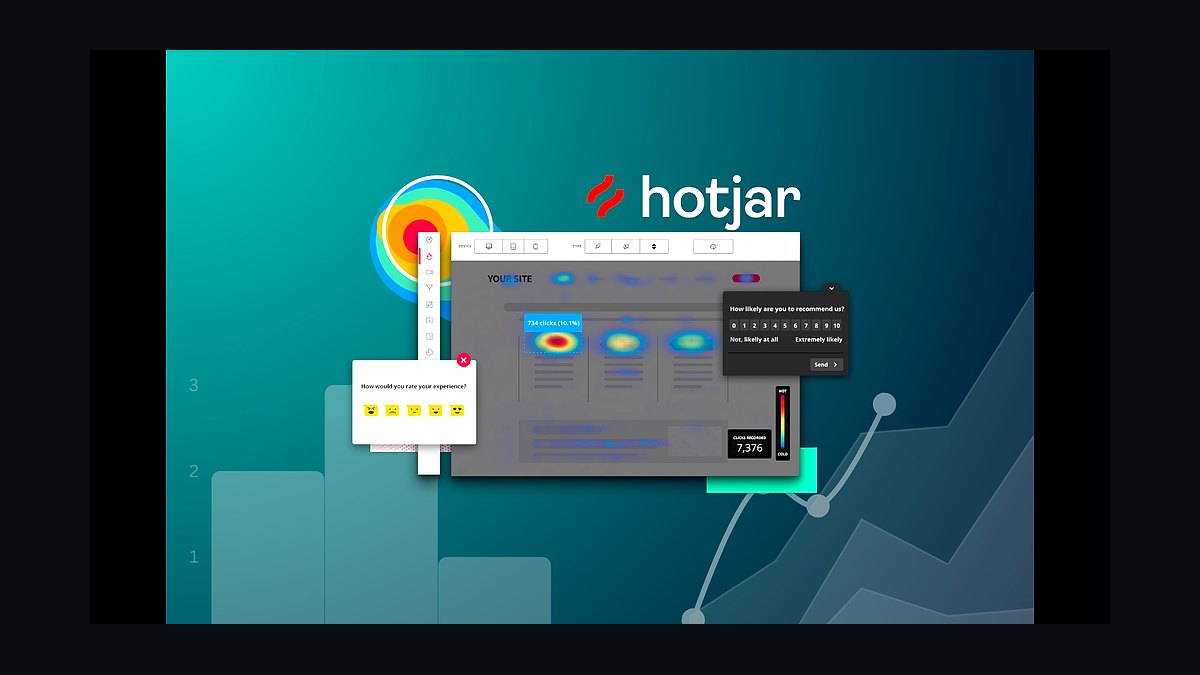
Hotjar ranks ninth because it shows how visitors actually behave on your landing page through heatmaps and session recordings, revealing why ad traffic fails to convert. The free Basic plan includes 35 daily session recordings and unlimited heatmaps, enough to spot friction for a new advertiser. Feedback polls capture objections directly from visitors.
This suits beginners whose ads get clicks but few sales, pointing to landing page problems rather than targeting issues. It trades away statistical depth, since recordings sample traffic rather than measuring everything, and privacy rules require consent banners. Compared with Mailchimp at rank eight, Hotjar diagnoses the leak while Mailchimp recovers the lost visitor afterward.
10Google Tag Manager
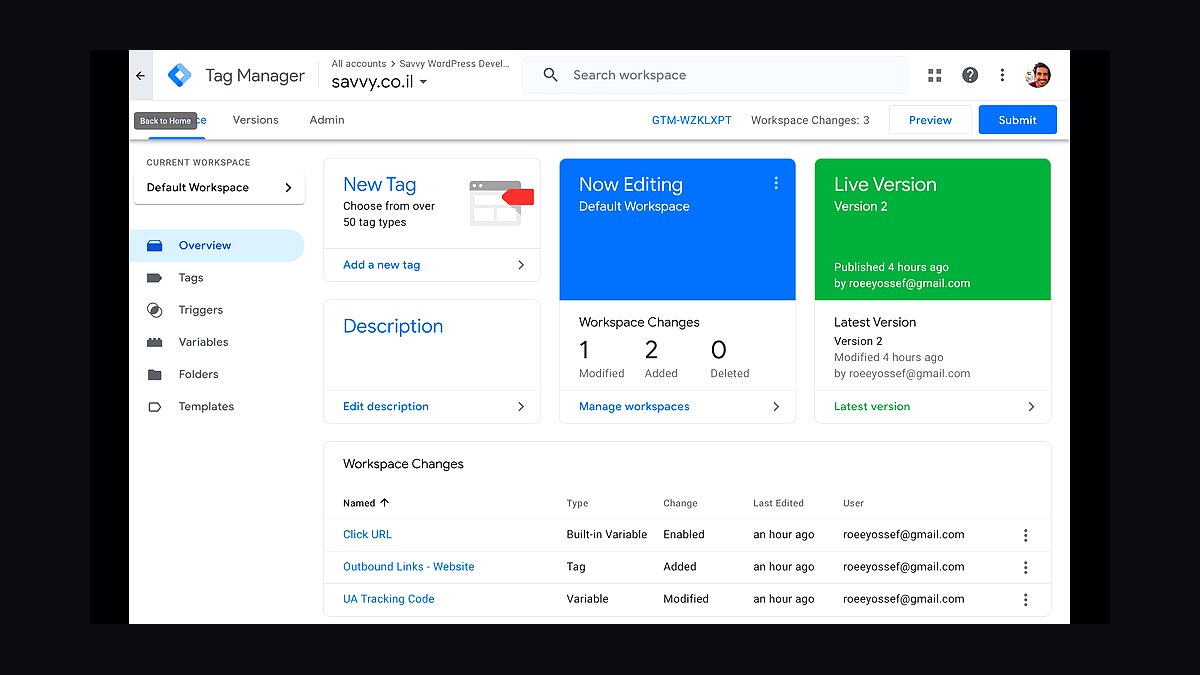
Google Tag Manager ranks tenth because it deploys tracking tags, pixels, and conversion scripts without editing site code each time, keeping measurement accurate as you add platforms. The free container lets you fire the Meta Pixel, GA4 events, and Hotjar from one interface with version control and preview testing. Triggers and variables handle complex conditions without developer help.
This suits beginners running ads across multiple platforms who tire of manual code edits. It trades away simplicity, since the learning curve is steep and a misconfigured tag silently breaks tracking. Compared with Hotjar at rank nine, Tag Manager is the plumbing that installs Hotjar, GA4, and the Pixel, so set it up first if you can.
How we ranked these
We ranked the top things to know before running your first ad in 2027 by weighting first-party data readiness, creative testing velocity, and platform signal loss mitigation most heavily. Budget modeling, audience targeting mechanics, and measurement stack setup followed. Each factor was scored on impact for a first-time advertiser with limited spend, using documented platform changes and privacy regulation timelines. Practicality for small budgets outweighed theoretical sophistication.
We deliberately ignored legacy tactics like broad keyword matching, third-party cookie dependency, and manual bid micromanagement, since these are being deprecated or automated away by 2027. We also excluded vanity metrics such as impressions and reach without conversion context. Hype around emerging channels with unproven ROI was downweighted. The goal was durable fundamentals, not trend-chasing.
What to look for
When choosing between ad platforms and tools for 2027, prioritize clean first-party data capture, server-side conversion tracking, and creative testing speed. A cheaper tool that lacks consent-mode support or offline conversion imports will cost more in wasted spend. Check whether the platform offers automated budget pacing and native AI bidding, because manual control is fading. Integration with your CRM matters more than dashboard aesthetics.
The mistake most first-time buyers make is optimizing for lowest cost-per-click or flashy AI features instead of measurement integrity. They sign annual contracts before testing data pipelines, then discover attribution gaps after launch. Another common error is spreading budget across too many channels, which starves each of the signal needed for algorithmic learning. Start narrow, verify tracking end-to-end, then scale.
Related questions
Why is first-party data so important for ads in 2027?
Privacy regulations and browser restrictions will limit third-party cookies and device identifiers. Platforms will rely on your own customer data, like emails and purchase history, to target and optimize. Without a clean first-party pipeline, your campaigns will struggle to find buyers, and measurement will be incomplete. Build consent-based data collection before spending.
How much should a beginner budget for their first ad campaign?
Plan to spend enough to exit the learning phase, often 50 to 100 conversions per ad set. For most small businesses, that means at least 1,000 to 3,000 dollars over two to four weeks. Spending too little spreads data thin and prevents algorithms from optimizing. Budget for creative testing too, not just media.
What is signal loss and how do I fix it?
Signal loss happens when platforms cannot see conversions due to cookie blocking, app tracking limits, or poor tagging. Fix it with server-side tracking, conversion APIs, and consent mode. Also pass hashed customer emails to ad platforms. Without fixing signal loss, your reported ROAS will be wrong and optimization will misfire.
Should I use AI-generated creative for my first ads?
AI can speed up variations, but human strategy still drives performance. Use AI for headlines, image resizing, and script drafts, then edit for brand voice and accuracy. Test AI creative against human-made assets. The winning formula in 2027 is fast iteration with clear hooks, not fully automated creative without oversight.
Which ad platform is best for a first campaign in 2027?
It depends on where your buyers already are. For local services, Google Search and Meta still convert. For B2B, LinkedIn and Google Search work better. For younger audiences, TikTok and YouTube Shorts matter. Start with one platform where you can track conversions reliably, master it, then expand.
How do I measure ad success without third-party cookies?
Use first-party conversion tracking, server-side events, and incrementality tests. Compare ad-exposed groups to holdout groups. Also track blended metrics like total revenue and customer acquisition cost. Platform-reported ROAS alone is unreliable. A simple geo or time-based holdout can reveal true lift.
What creative testing cadence works for beginners?
Test one variable at a time, like hook or format, with at least three to five variations per ad set. Refresh creative every two to four weeks or when frequency exceeds three. Kill losers fast, but give each variation enough impressions to judge. Document what worked to build a repeatable playbook.
Do I need a landing page separate from my website?
Yes, a dedicated landing page usually outperforms a homepage because it matches ad intent and removes distractions. Include one clear call to action, fast load time, and mobile-first design. Add trust signals like reviews or guarantees. Connect it to your analytics and conversion tracking before launch.
FAQ
What is the biggest mistake first-time advertisers make in 2027?
Launching without verified conversion tracking. If you cannot see which ads drive sales, you are guessing. Set up server-side tracking, test events, and confirm data flows before spending. Many beginners skip this, then waste budget on ads that look cheap but never convert. Tracking first, then scale.
How long before I see results from my first ad campaign?
Expect a learning phase of one to two weeks with enough conversions. Early results may be noisy. Give the algorithm data, then judge after 50 conversions per ad set. If nothing works after that, change offer or creative, not just bids. Patience plus structured testing beats constant tweaking.
Can I run ads without a big audience or email list?
Yes, but you will rely more on platform targeting and creative hooks. Build a lead magnet or simple email capture to start first-party data collection immediately. Retargeting website visitors is cheaper than cold prospecting. Even a small list improves matching and lookalike quality over time.
What role does consent play in ad targeting by 2027?
Consent is foundational. Platforms require consent signals for personalized ads in many regions. Without proper consent mode, you lose conversion modeling and remarketing. Use a compliant consent management platform and explain data use clearly. Consent-based data is higher quality and more durable than scraped or purchased lists.
Should I bid manually or let the platform automate?
Let the platform automate bids in most cases. AI bidding uses signals humans cannot process at scale. Manual bidding only makes sense with very specific margin constraints or advanced incrementality goals. For a first campaign, choose maximize conversions or value, set a target CPA, and focus on creative and offer instead.
How many ad variations do I need to test?
Start with three to five creative variations per ad set, each with a distinct hook or format. Too few limits learning; too many splits data. Test images, videos, and copy angles. Once you find a winner, iterate on it with small changes. Quality of variation matters more than sheer quantity.
What is a realistic return on ad spend for a beginner?
It varies by industry, but a 2x to 4x ROAS is a common early target for ecommerce, while lead gen may measure cost per qualified lead. Do not chase a specific number before tracking is accurate. Focus on contribution margin after ad spend, not gross ROAS. Profitability beats vanity ratios.
Do I need a CRM to run ads effectively?
Not strictly, but a CRM helps close the loop between ad clicks and revenue. It lets you import offline conversions, build audiences from customers, and measure true cost per acquisition. Even a simple spreadsheet plus conversion API can work at first. As you scale, a CRM becomes essential.
How do I avoid ad account bans as a new advertiser?
Follow platform policies, avoid prohibited claims, and do not use misleading creatives. Verify your business, set up two-factor authentication, and keep payment methods valid. Avoid sudden spend spikes or duplicate accounts. Read the ad policies for each platform before launching. Clean compliance prevents most bans.
What should I do if my first campaign fails?
Diagnose before quitting. Check tracking, offer, audience, and creative separately. Often the issue is weak offer or poor landing page, not the ad platform. Run a small incrementality test. If cost per acquisition exceeds margin after fixes, pause and rethink the channel. Failure is data if you document it.
Sources
- https://www.thinkwithgoogle.com/marketing-strategies/data-and-measurement/
- https://www.facebook.com/business/help/
- https://business.linkedin.com/marketing-solutions
- https://ads.tiktok.com/business/en
- https://support.google.com/google-ads/answer/1722022
- https://www.iab.com/guidelines/
- https://www.ftc.gov/business-guidance/advertising-marketing
- https://www.shopify.com/blog/advertising
- https://blog.hubspot.com/marketing/advertising
Related on PULSE
This page will be disappearing soon. Save it to your device for $1 — or read it free while it is here.
@Kory-White- · if Venmo asks, the last 4 of my number are 2012
This page is gone.
This one is off the shelf now. $1 keeps it on your phone for good — the whole page, pictures and diagrams included.
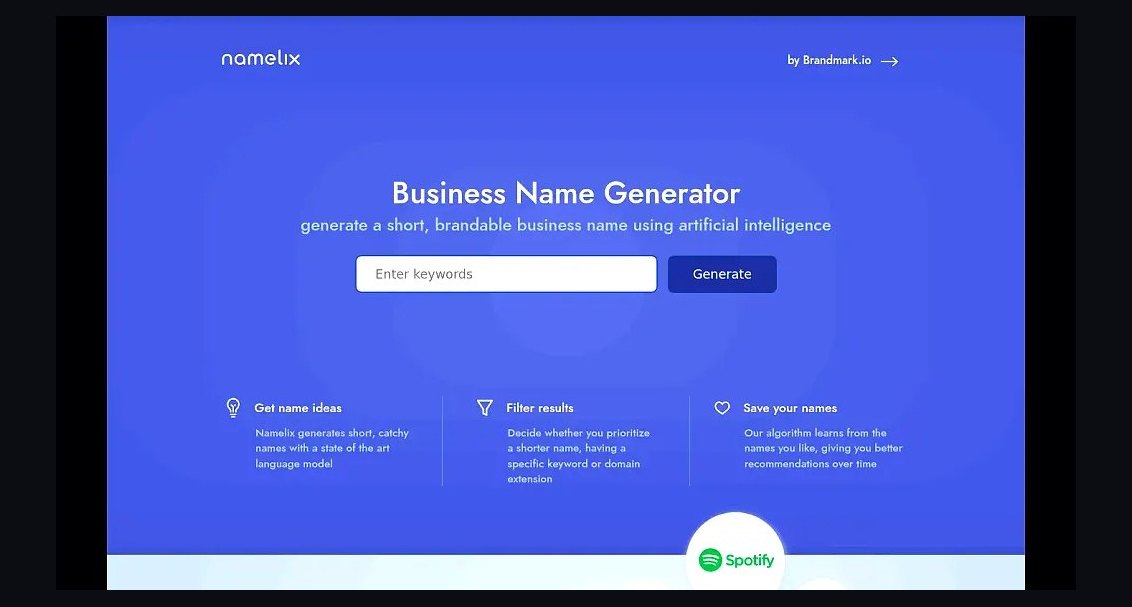 revopsTop 10 Business Name Generators in 2027
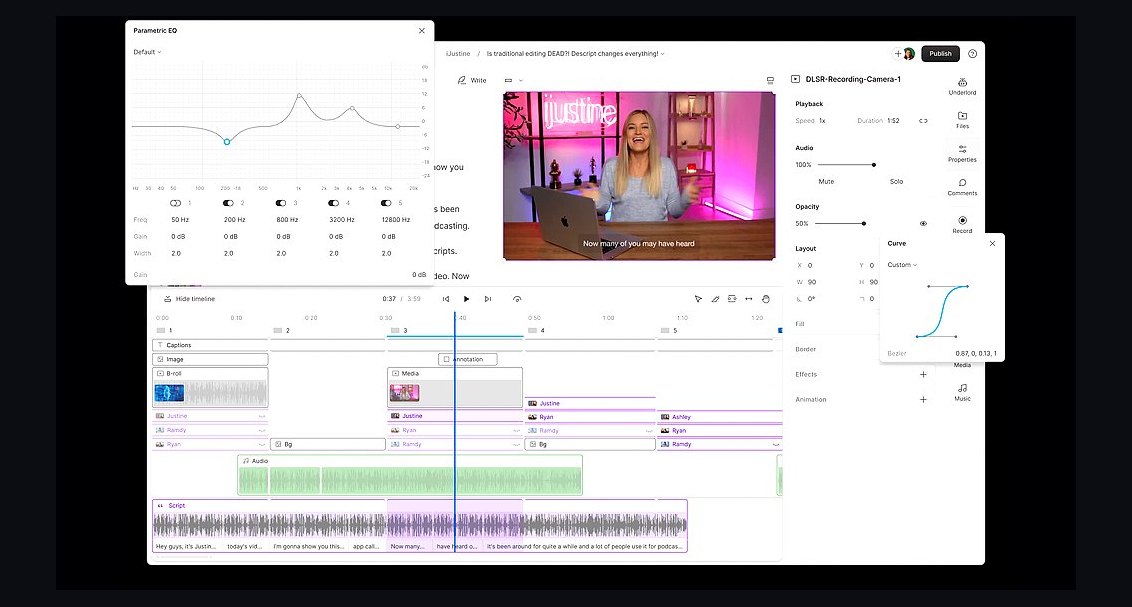 revopsTop 10 Tools for Making Short-Form Business Videos in 2027
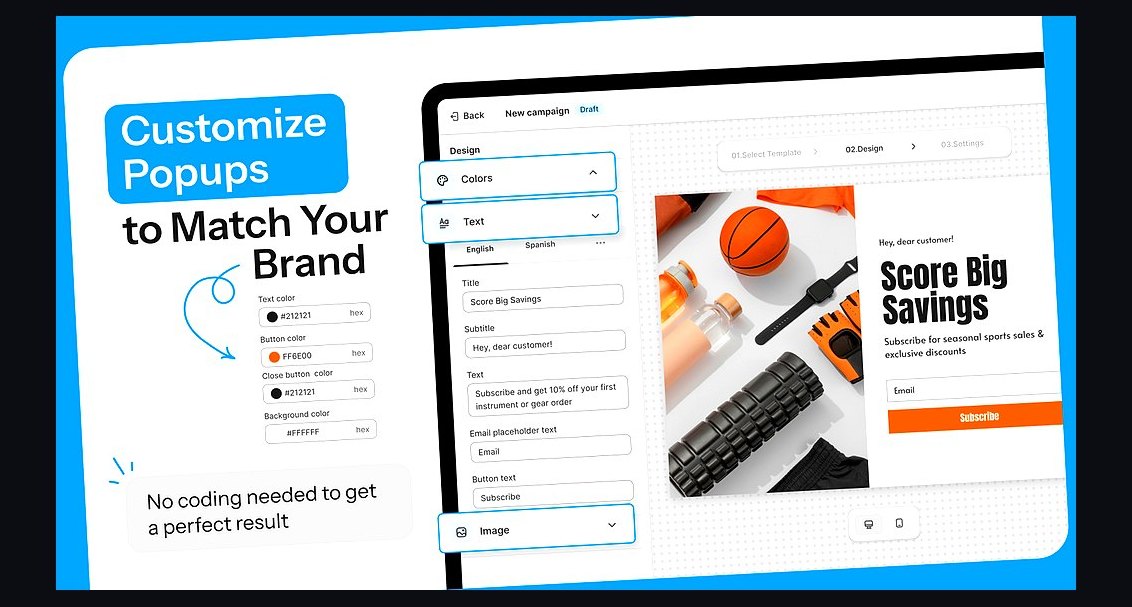 revopsTop 10 Ways to Grow an Email List From Your Website in 2027
 revopsTop 10 Marketing Agencies for Small Businesses in 2027
 revopsTop 10 Call-to-Action Examples That Get Clicks in 2027
 revopsTop 10 Graphic Design Tools for Non-Designers in 2027
 revopsTop 10 Ways to Reduce Abandoned Carts in 2027
 revopsTop 10 SMS Marketing Tools for Small Businesses in 2027
 revopsTop 10 Free Marketing Ideas for Small Businesses in 2027
 revopsTop 10 Branding Mistakes Small Businesses Make in 2027