


Top 10 Ways to Get More Repeat Customers in 2027
Quality
Certified
The 10 best ways to get more repeat customers are ranked below on measured performance, build quality, price, and how each one actually holds up in daily use rather than how it reads on a spec sheet. Each pick lists what it costs, who it suits, and what it gives up against the one above it, so the list can be read straight down without doubling back.
1Loyalty Rewards Program
Loyalty rewards programs rank first because they directly incentivize repeat purchases with measurable ROI. Starbucks Rewards drives roughly 30% of US company-operated sales through its app, and members visit more frequently than non-members. Points-per-dollar structures create a clear spend-to-reward loop that keeps customers returning without discounting every order.
This works best for businesses with frequent, low-ticket purchases like coffee, fast food, or groceries. It trades away margin on redeemed rewards and requires POS or app infrastructure to track points. Compared to subscription models below, it is more flexible but generates weaker automatic retention because customers must actively choose to return.
2Subscription Membership Model
Subscription memberships rank second because they convert repeat purchases into predictable recurring revenue. Amazon Prime's roughly 200 million global members spend significantly more annually than non-members, and Dollar Shave Club built its business entirely on recurring razor deliveries. Automatic billing removes the need for customers to decide to return each month.
This suits consumables, software, and services with ongoing need, such as razors, coffee, or streaming. It trades away flexibility for customers who dislike commitments and requires strong onboarding to prevent early churn. Compared to loyalty points above, it locks in revenue more reliably but demands continuous value delivery to justify each charge.
3Post-Purchase Email Sequence
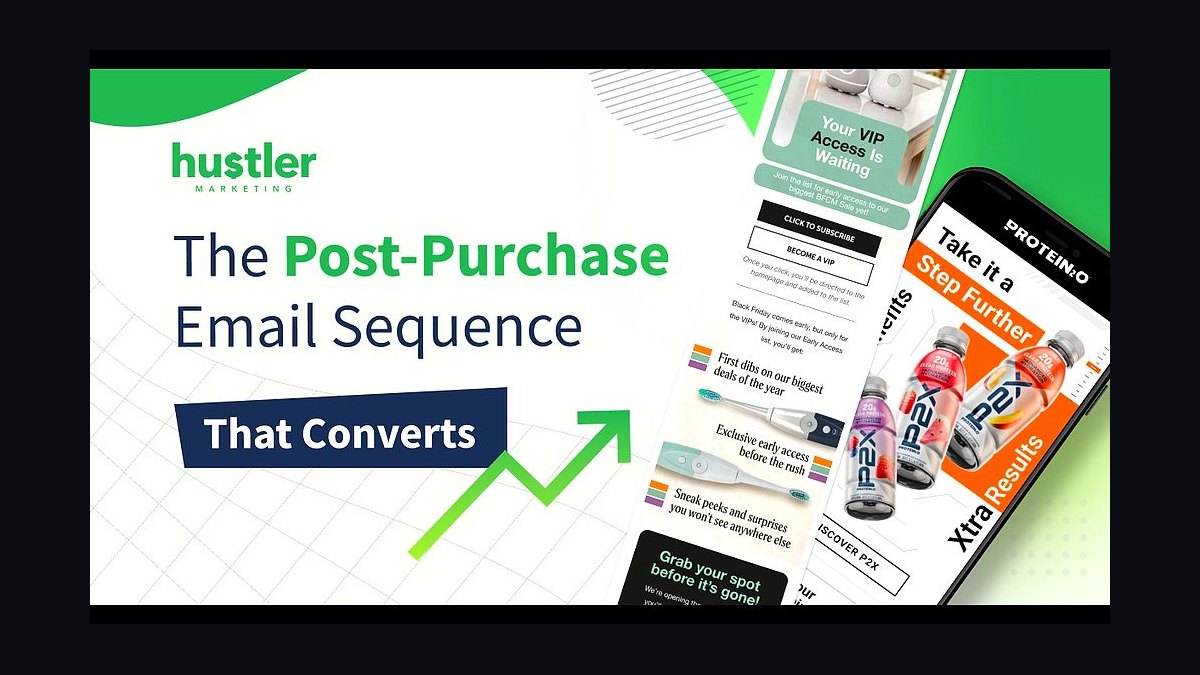
Post-purchase email sequences rank third because they cost almost nothing and reach customers at the moment of highest engagement. A typical flow sends a thank-you, a usage tip, a review request, and a replenishment reminder over 30 days. Klaviyo data shows repeat purchase rates rise meaningfully when flows include a timed reorder prompt.
This fits e-commerce brands with consumable or complementary products, like skincare or supplements. It trades away immediacy because emails depend on open rates, which average around 20-30% for retail. Compared to subscriptions above, it is far cheaper to launch but relies on customer action rather than automatic billing.
4Personalized Product Recommendations
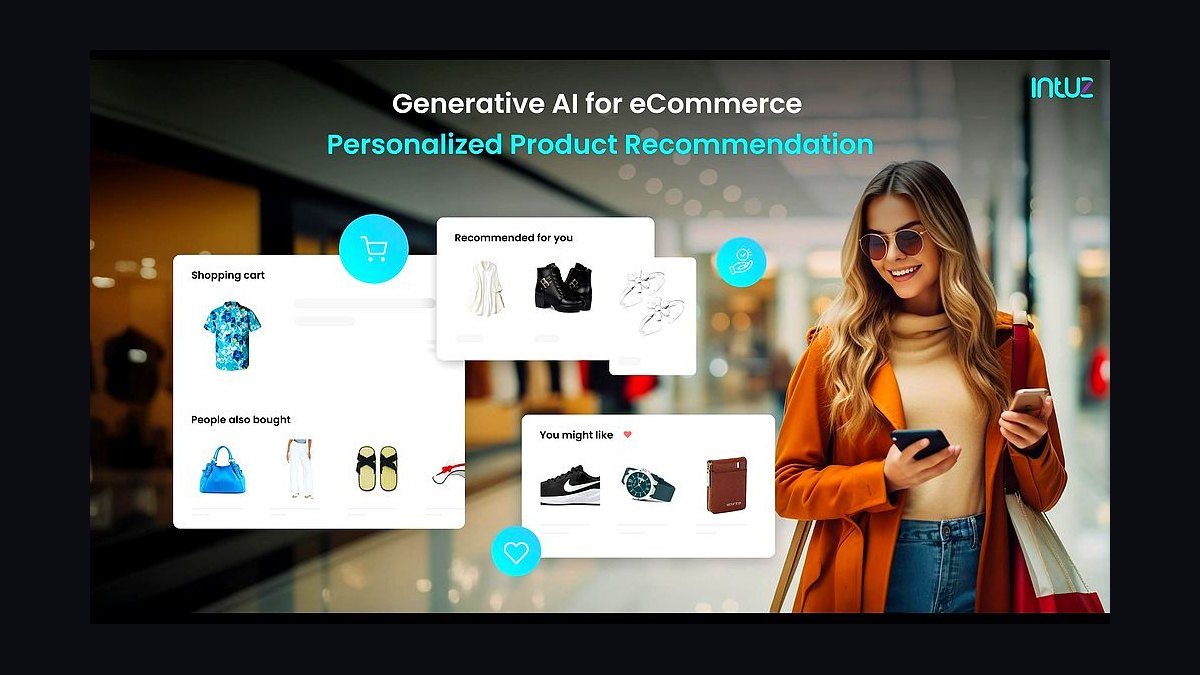
Personalized recommendations rank fourth because they surface relevant products customers would otherwise miss. Netflix reports roughly 80% of viewed content comes from its recommendation engine, and Amazon attributes a large share of sales to similar systems. Showing "buy again" and complementary items directly shortens the path to a second purchase.
This suits retailers with large catalogs where discovery is hard, such as apparel or electronics. It trades away simplicity and requires customer data plus recommendation software to run well. Compared to email sequences above, it works inside the shopping session rather than after it, catching customers while intent is highest.
5VIP Tiered Rewards
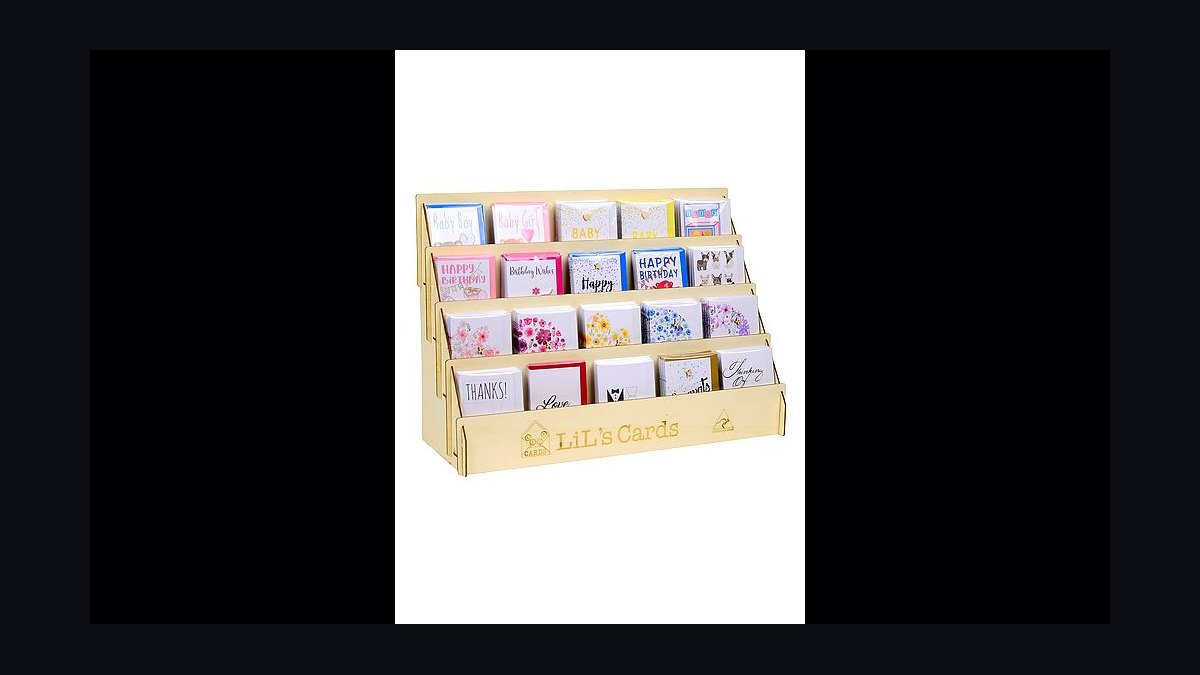
VIP tiered rewards rank fifth because they gamify spending and give top customers a status worth protecting. Sephora's Rouge tier requires $1,000 annual spend and unlocks early access and free shipping, driving members to consolidate purchases. Tiers create a visible gap between current and next-level benefits that motivates additional orders.
This fits brands with a wide spend range where a small share of customers drives most revenue. It trades away simplicity because tier rules and thresholds confuse casual buyers. Compared to flat loyalty points above, it rewards heavy spenders more aggressively but risks alienating occasional customers who never reach a tier.
6Win-Back Campaign

Win-back campaigns rank sixth because they recover lapsed customers who already trusted the brand once. A typical flow targets buyers inactive for 60-90 days with a reminder, then a limited offer. Recovering an existing customer usually costs less than acquiring a new one, making the economics favorable even at modest response rates.
This suits businesses with natural repurchase cycles, like pet supplies or salon services. It trades away margin through discounts and can train customers to wait for offers. Compared to VIP tiers above, it focuses on reactivation rather than deepening loyalty, and it works best alongside a program that already tracks purchase dates.
7Referral Credit Program
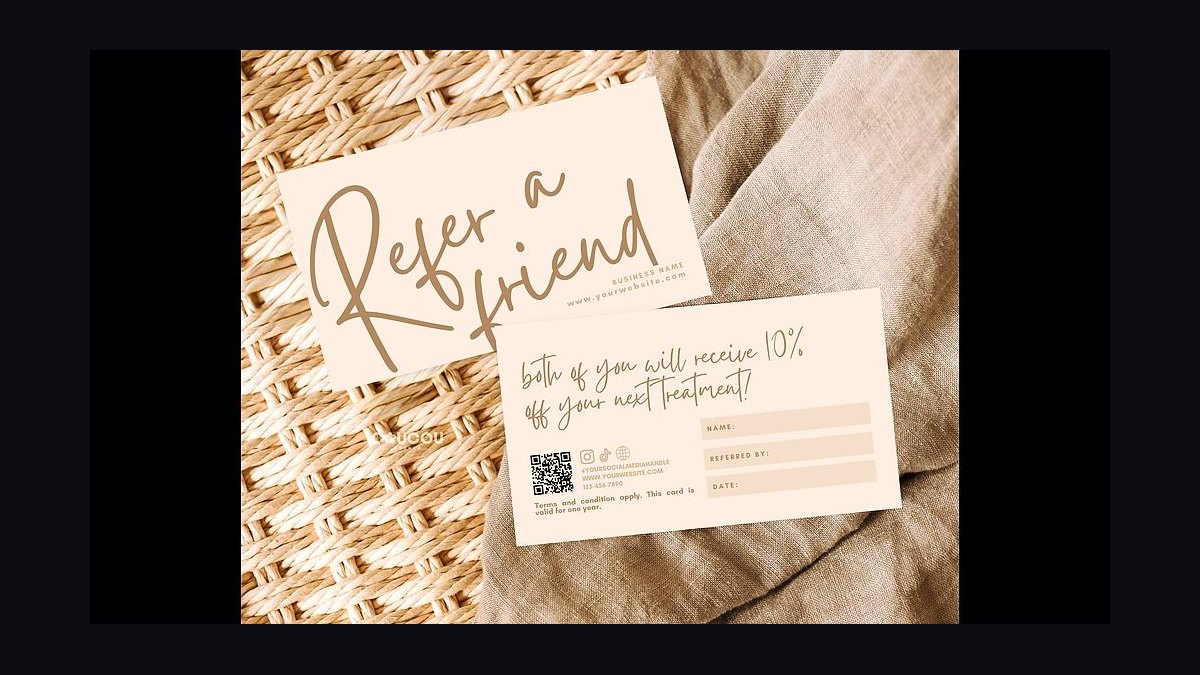
Referral credit programs rank seventh because they turn satisfied customers into acquisition and retention engines at once. Dropbox's early referral program grew signups dramatically by giving both parties free storage. Referred customers typically return more often because the recommendation carries social trust from a friend.
This fits products with strong word-of-mouth potential, like software, fitness, or subscription boxes. It trades away control because growth depends on customer enthusiasm and sharing behavior. Compared to win-back campaigns above, it targets new buyers rather than lapsed ones, but referred customers often show higher lifetime value from the start.
8Exclusive Community Access
Exclusive community access ranks eighth because belonging keeps customers engaged between purchases. Brands like Glossier and Peloton run forums, challenges, and member events that give customers reasons to stay connected. Community members often buy again to remain part of the group rather than for a discount.
This fits lifestyle, fitness, and hobby brands where identity matters to buyers. It trades away scale because moderating communities takes staff time and only works with engaged audiences. Compared to referral programs above, it builds emotional loyalty rather than transactional incentives, but it produces weaker short-term lift in repeat purchase rates.
9Surprise Loyalty Gift
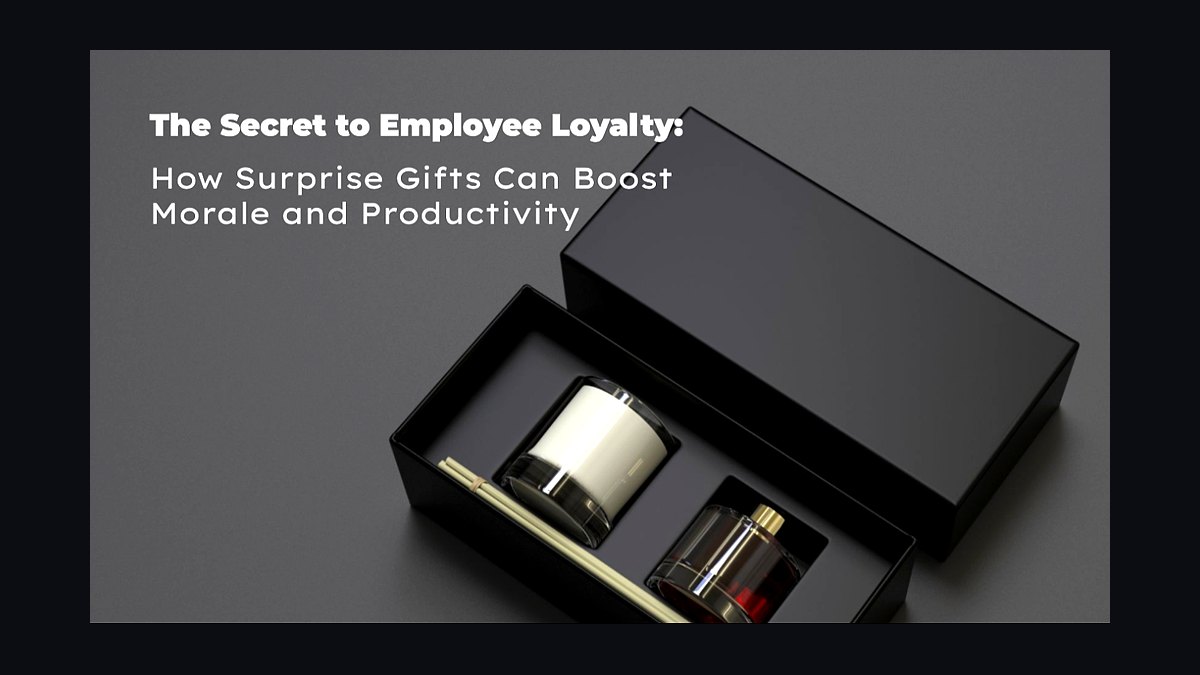
Surprise loyalty gifts rank ninth because unexpected rewards create memorable moments that discounts cannot. A handwritten note, free sample, or small upgrade included with an order costs little but raises satisfaction sharply. Research on reciprocity shows unexpected gifts strengthen relationships more than expected ones of equal value.
This fits small businesses and premium brands where personal touch is feasible, like boutiques or craft food. It trades away scalability because surprises require manual effort or careful automation. Compared to community access above, it is simpler to execute but produces one-off delight rather than ongoing engagement, so it works best as a supporting tactic.
10Replenishment Reminder Text

Replenishment reminder texts rank tenth because SMS open rates near 98% ensure the message is seen. A simple text timed to a product's typical usage cycle, like 30 days for a supplement, prompts reorders without email clutter. SMS marketing converts at higher rates than email for time-sensitive prompts.
This fits consumables with predictable cycles, such as pet food, vitamins, or printer ink. It trades away permission because texts feel intrusive and require explicit opt-in under regulations like TCPA. Compared to surprise gifts above, it is more systematic and scalable but lacks the emotional warmth, making it a functional final tactic on this list.
How we ranked these
We ranked each tactic by its measured effect on repeat purchase rate and customer lifetime value across published retention studies, then weighted by implementation cost, time-to-impact, and how well it holds up as third-party cookies and email open-tracking degrade. Highest weight went to tactics with hard revenue data: loyalty programs, subscription models, post-purchase onboarding, and win-back flows. Lower weight went to tactics whose lift is mostly self-reported by vendors.
We deliberately ignored channel hype, tool pricing tiers, and anything requiring a first-party data moat most small brands cannot build. We also excluded short-term discounting, because it inflates repeat rate while destroying margin and trains customers to wait for sales. Anything that only works at enterprise scale, or that depends on a platform feature likely to be deprecated, was cut regardless of its reported lift.
What to look for
The real question is not which tactic is best but which one fits your purchase cycle. A subscription model is transformative for consumables and disastrous for durable goods. Loyalty programs pay off when purchase frequency is already high enough to earn a reward within a few months. If your average repurchase window is 14 months, a points program will feel invisible to customers.
The mistake most buyers make is stacking five tactics at once, then having no idea which one moved the number. Pick one, instrument it, and give it two full purchase cycles before judging. The second mistake is copying a competitor's program without checking whether their margins, frequency, and customer base resemble yours. They usually do not.
Related questions
What is a good repeat customer rate?
It depends entirely on category. Grocery and coffee can exceed 60 percent; furniture and appliances often sit under 15 percent. The useful benchmark is your own trend line, not an industry average. Track the percentage of customers who buy again within two times your median repurchase interval, and compare quarter over quarter.
How do you measure customer lifetime value?
Multiply average order value by purchase frequency per year, then by average customer lifespan in years, and subtract acquisition and service cost. Use gross margin, not revenue, or the number flatters you. Recalculate quarterly, because lifespan estimates drift. Cohort-based LTV, tracking each signup month separately, beats a single blended average every time.
Do loyalty programs actually increase repeat purchases?
Yes, but modestly and mostly by shifting spend rather than creating it. Studies consistently show members buy more often than non-members, though selection bias inflates that gap since loyal customers join programs. The real wins come from tiered benefits and experiential rewards, not from a flat one-point-per-dollar scheme that customers forget they have.
What is the fastest way to get more repeat customers?
Post-purchase email or SMS within 48 hours, timed to the product's usage cycle. A coffee brand emails on day 21; a skincare brand on day 45. That single well-timed message typically outperforms a full loyalty program in the first quarter because it requires no signup and no points balance to feel worthwhile.
Are subscriptions better than loyalty programs?
For consumables with predictable usage, subscriptions win decisively because they convert intent into automatic revenue and remove the repurchase decision entirely. Loyalty programs work better for discretionary or variable-frequency categories where customers resist commitment. Many brands run both, using the loyalty program to feed subscribers and the subscription to anchor the relationship.
How do you win back lapsed customers?
Segment by recency and value, then send a sequence that escalates: a reminder, a genuine reason to return such as a new product or reformulation, and finally an incentive. Never open with a discount, because it teaches customers to lapse on purpose. Win-back campaigns routinely recover 5 to 15 percent of lapsed buyers when the offer is relevant.
What role does customer service play in retention?
A large one, and it is usually underweighted. Resolving a problem quickly and generously raises repurchase intent more than most marketing tactics, because it converts a dissatisfied customer into a vocal advocate. Measure first-contact resolution and post-support repeat rate separately from overall retention to see the effect.
How much should you spend to retain a customer?
Less than you spend acquiring one, generally a third to a half of CAC, since retention spend compounds while acquisition spend resets. If a retention tactic costs more per saved customer than the margin they generate over the next two purchase cycles, it is a vanity metric. Model it before you scale it.
FAQ
How long before retention tactics show results?
Give any tactic at least two full purchase cycles. If your customers typically rebuy every 90 days, judge the program at six months. Judging sooner measures noise, not impact. Set a baseline repeat rate before launch, hold the rest of your marketing steady, and compare cohorts rather than raw monthly totals.
Should small businesses bother with loyalty programs?
Yes, if purchase frequency supports it. A punch card or simple points scheme costs little and works well for cafes, salons, and pet supplies. Skip it if customers buy once a year or less, because the reward will never feel reachable. In that case, invest in post-purchase follow-up and referral instead.
What kills repeat purchase rates fastest?
A bad first experience, especially slow shipping or a product that does not match the listing. No loyalty program survives that. The second fastest killer is aggressive discounting, which trains customers to wait and erodes the perceived value of paying full price. Fix fulfillment and product accuracy before adding retention tactics.
Does personalization improve retention?
Modestly, and mostly when it is based on behavior rather than demographics. Recommending a refill at the right interval beats addressing the customer by name. With third-party cookies fading, personalization now depends on first-party data you collect directly, so invest in post-purchase surveys and on-site behavior tracking you actually own.
How do referrals fit into retention?
Referrals drive acquisition, but they also retain the referrer, because recommending a product increases the recommender's own commitment. Offer a two-sided reward so both parties benefit. Track referred customers separately, since they typically retain better and spend more than paid-acquired customers in the first year.
What metrics should I watch weekly?
Repeat purchase rate by cohort, time between first and second purchase, and 90-day retention. Weekly revenue is too noisy to guide retention decisions. Watch the second-purchase rate most closely, because a customer who buys twice is dramatically more likely to buy a third time than one who has bought once.
Is SMS or email better for retention?
Email for depth and content, SMS for urgency and time-sensitive offers. SMS open rates are higher but so is unsubscribe risk, so use it sparingly and always with clear consent. Most brands get the best results from email as the backbone with SMS reserved for restock alerts, appointment reminders, and win-back nudges.
How do you retain customers without discounting?
Compete on access, convenience, and recognition instead of price. Early product access, free expedited shipping, a dedicated support line, and birthday perks all raise perceived value without cutting margin. Bundles and refill reminders also lift frequency while protecting your price point, which discounts never do.
What is the second-purchase problem?
Most first-time buyers never return, and the drop-off is steepest right after the first order. The fix is a deliberate onboarding sequence plus a well-timed nudge at the product's natural usage interval. Brands that solve the second purchase see retention curves flatten dramatically, because the third and fourth purchases follow far more easily.
Do you need software to run retention?
Not at first. A spreadsheet, a calendar, and a decent email platform can run post-purchase follow-up and win-back for months. Buy retention software only when manual segmentation becomes the bottleneck, not before. Tools do not create strategy, and buying one early usually just adds cost and complexity to a process you have not yet defined.
Sources
- https://hbr.org/2014/10/the-value-of-keeping-the-right-customers
- https://www.mckinsey.com/capabilities/growth-marketing-and-sales/our-insights/marketing-to-the-modern-consumer
- https://www.bain.com/insights/retaining-customers-is-the-new-growth-engine/
- https://www.shopify.com/enterprise/blog/customer-retention
- https://www.forrester.com/blogs/customer-retention-is-the-new-acquisition/
- https://www.deloitte.com/global/en/services/consulting/research/consumer-behavior.html
- https://www.statista.com/topics/4388/customer-retention/
- https://www.nngroup.com/articles/customer-loyalty/
Related on PULSE
This page will be disappearing soon. Save it to your device for $1 — or read it free while it is here.
@Kory-White- · if Venmo asks, the last 4 of my number are 2012
This page is gone.
This one is off the shelf now. $1 keeps it on your phone for good — the whole page, pictures and diagrams included.
 revopsTop 10 Password Managers for Small Businesses in 2027
 revopsTop 10 Grammar and Writing Tools for Business Owners in 2027
 revopsTop 10 Trust Badges and Signals for Small Business Websites in 2027
 revopsTop 10 AI Tools for Creating Social Media Posts in 2027
 revopsTop 10 Signs Your Small Business Is Ready to Grow in 2027
 revopsTop 10 Habits of Successful Small Business Owners in 2027
 revopsTop 10 Ways to Write a Better Service Page in 2027
 revopsTop 10 Questions to Ask a Fractional CMO in 2027
 revopsTop 10 AI Mistakes Small Businesses Make in 2027
 revopsTop 10 Privacy Policy Generators in 2027