
A Wedding Speech for a Wedding Rehearsal Dinner
 Curated byKory White · Fractional CRO · Maryland
 PULSEKNOWLEDGE LIBRARY
Quality
Certified
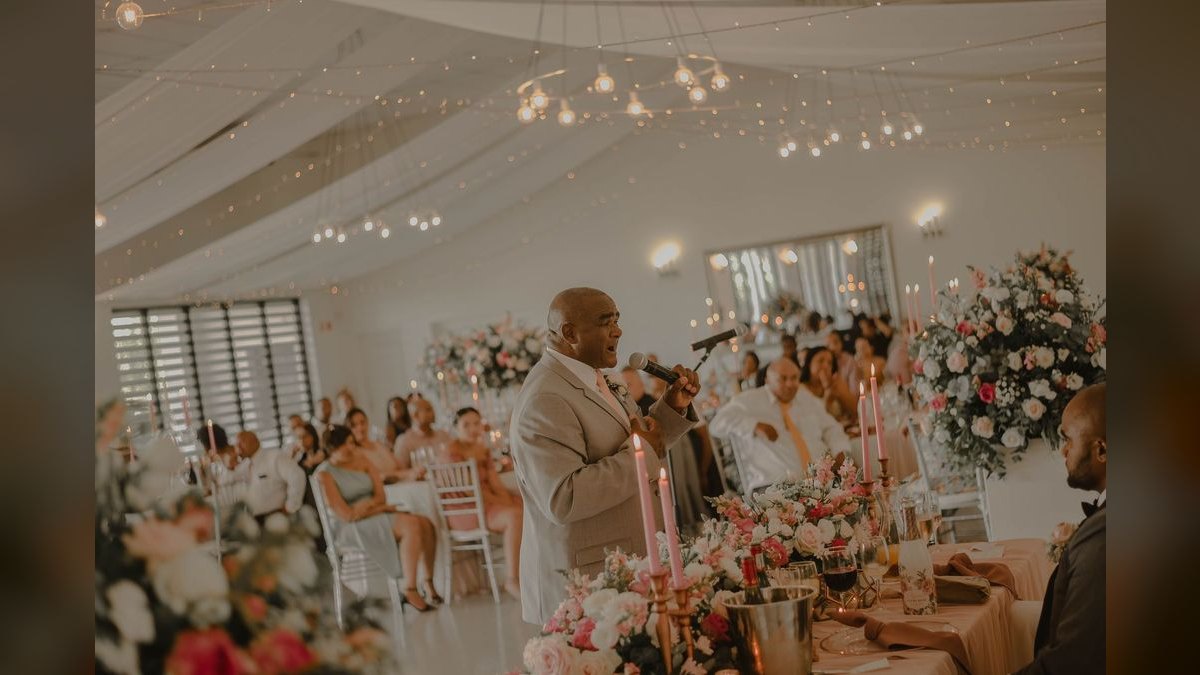
A wedding rehearsal dinner speech is a short, warm toast typically given by a parent, close friend, or member of the wedding party to honor the couple and thank guests for attending the rehearsal. Unlike the main wedding reception speech, it is more relaxed and intimate, often focusing on personal stories, humor, and gratitude. The tone should be heartfelt but light, lasting roughly 2 to 5 minutes. The best rehearsal dinner speeches balance genuine emotion with natural humor, creating a moment that feels authentic to the speaker and meaningful to the couple.
The rehearsal dinner speech serves as the emotional prelude to the wedding day, offering a unique opportunity to speak directly to the couple in an intimate setting before the formality of the ceremony. This guide provides everything you need to craft and deliver a memorable toast, from structural frameworks to delivery techniques, ensuring you honor the couple while keeping the room engaged.
What Is the Ideal Structure for a Rehearsal Dinner Speech?
A well-structured rehearsal dinner speech follows a clear, conversational arc that guides the audience through a meaningful journey. The most effective framework is the “Three-Act Mini-Story” structure, which balances personal connection with universal appeal.
Act I: The Hook (30–45 seconds). Begin with a brief, warm acknowledgment of the setting. Thank the hosts (often the groom’s parents) and the guests for traveling to be there. Then, immediately pivot to a single, specific memory of the couple or the person you’re toasting. Avoid generic openers like “I’ve known [Name] for years.” Instead, try: *“I first met Sarah when she accidentally set off the fire alarm in our dorm at 2 a.m. trying to make popcorn. I knew right then she’d always keep life interesting.”* This specific detail immediately grounds your speech in authenticity.
Act II: The Connection (60–90 seconds). This is the heart of your speech. Share one or two short anecdotes that illustrate why the couple works. Focus on a quality you admire in each person, or a moment you saw them truly support each other. For a parent or sibling, this could be a story from childhood that shows their character. For a friend, a moment of loyalty or humor. Keep it positive and specific—avoid inside jokes that exclude the majority of the room. The goal is to make every guest feel like they’ve learned something true about the couple.
Act III: The Toast (15–20 seconds). End with a sincere, forward-looking wish for the couple’s marriage. Then, raise your glass and invite everyone to join you. A simple closing works best: *“Please join me in raising your glasses to [Bride] and [Groom]—may your life together be as full of laughter and love as this weekend already is. Cheers!”* This structure keeps you on track, prevents rambling, and ensures your speech feels complete—even if you’re nervous.
How Should You Tailor Your Speech to the Rehearsal Dinner Audience?
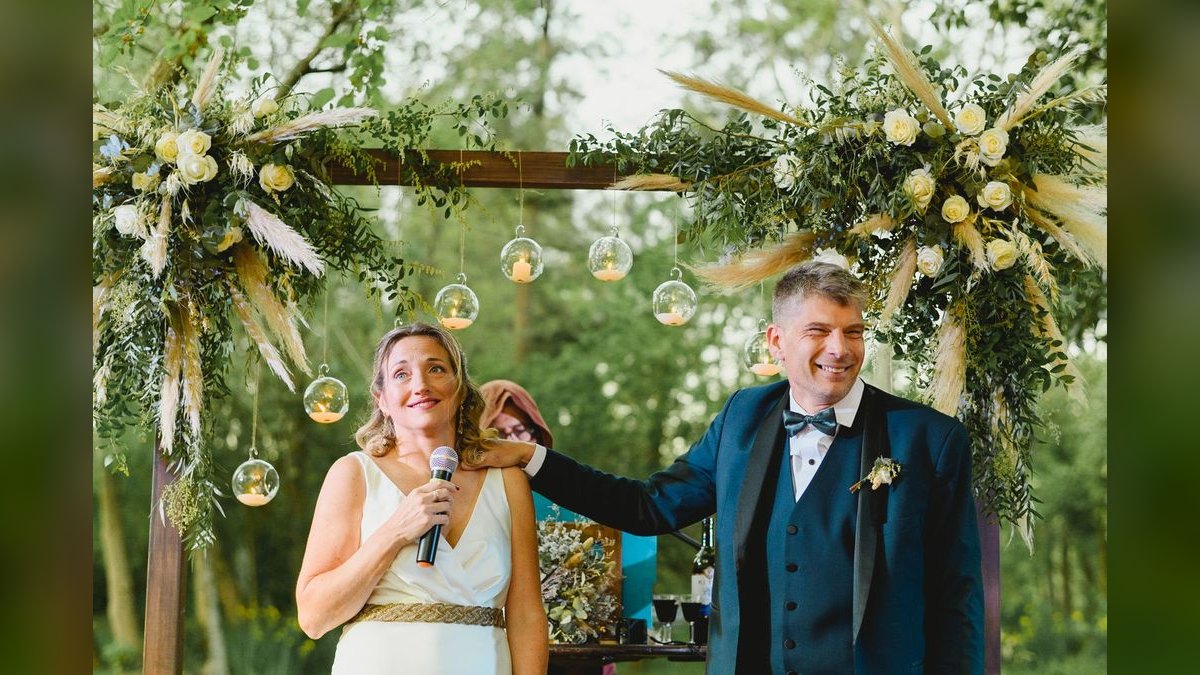
The rehearsal dinner is distinct from the wedding reception. It’s typically smaller, more intimate, and often more relaxed—but the audience is a mix of close family, the wedding party, and out-of-town guests. Your tone should strike a balance between heartfelt and lighthearted, leaning slightly more toward warmth than comedy.
Aim for 2–3 minutes (250–400 words). This is the sweet spot. Any shorter feels rushed; any longer risks losing the room, especially after dinner and drinks. Time yourself during practice runs. For more guidance on timing, see our guide to speech length and pacing.
Know your audience. If the dinner includes children, grandparents, or conservative relatives, keep humor clean and avoid any references to alcohol, past relationships, or “wild” stories. If the crowd is mostly the couple’s peers, a bit of playful teasing is fine—but always end on a sincere note. The rehearsal dinner is not the place for edgy comedy or controversial topics.
Avoid these common pitfalls:
- The “I remember when you were born” speech (for parents/siblings): Keep it brief and focused on the couple’s relationship, not just your own nostalgia.
- Inside jokes that exclude half the room. If only three people will laugh, cut it.
- Reading directly from your phone or paper. It’s okay to have notes, but maintain eye contact. Practice until you know the flow by heart.
- Drinking before you speak. A clear head ensures you don’t stumble or say something you’ll regret.
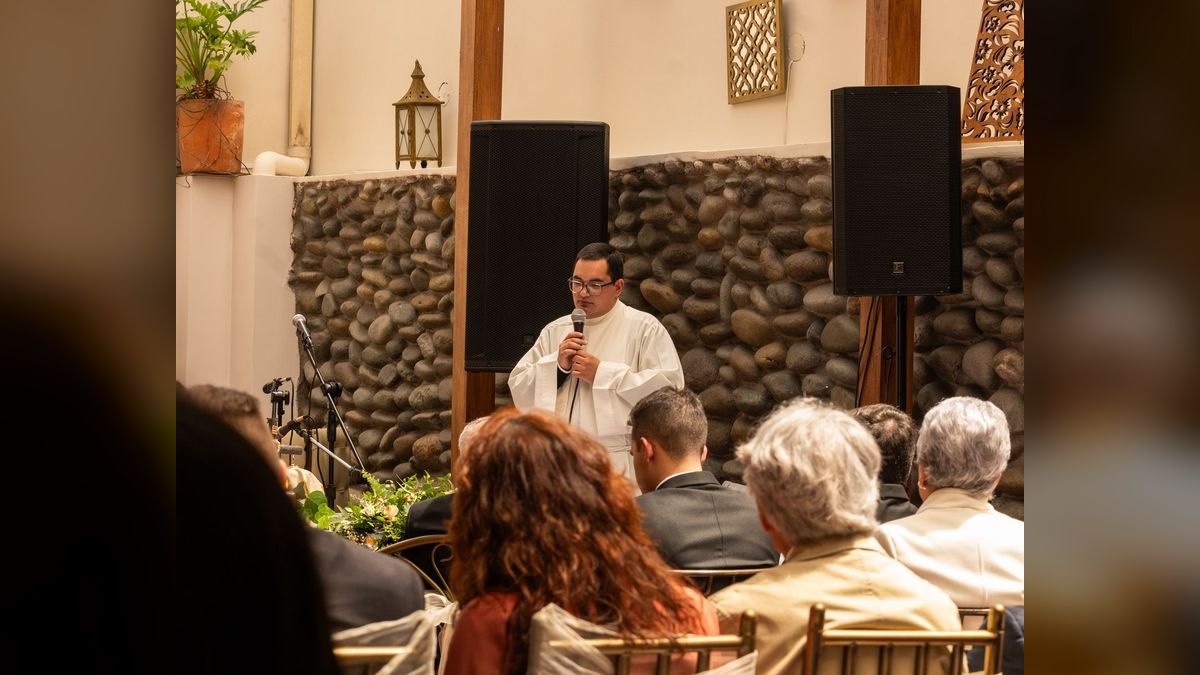
If you’re unsure about a joke or story, run it by a trusted friend or the couple beforehand. They’ll give you honest feedback and help you avoid any unintentional awkwardness.
What Are the Best Techniques for Writing a Personal and Memorable Speech?
Writing a rehearsal dinner speech that feels personal and memorable requires specific techniques that transform generic sentiments into authentic moments. The key is specificity—vague speeches feel hired; specific ones feel loved.
Replace every bracket with a real detail. Instead of “I remember a funny story,” commit to one specific moment only you witnessed: the first text about them, a road trip, a kitchen conversation at 1 a.m. For example, *“I’ll never forget the night you called me from the airport, giddy as a kid, because you’d just met someone who made you forget your own name.”* That level of detail creates an emotional anchor for the entire room.
Use prompts to spark specifics. Ask yourself: When did you realize this was the one? What changed in the couple after they met? What small habit of theirs do you love? These questions will surface the most authentic material. If you’re struggling to find the right story, think about a moment that made you laugh, cry, or feel proud—those are the ones worth sharing.
Build toward a universal truth. Your personal story should illustrate something every guest can appreciate: the couple’s kindness, their humor, their resilience. For instance, a story about how they handled a crisis together (a flat tire, a lost reservation, a family emergency) shows their partnership in action. This transforms your speech from a personal memory into a shared celebration.
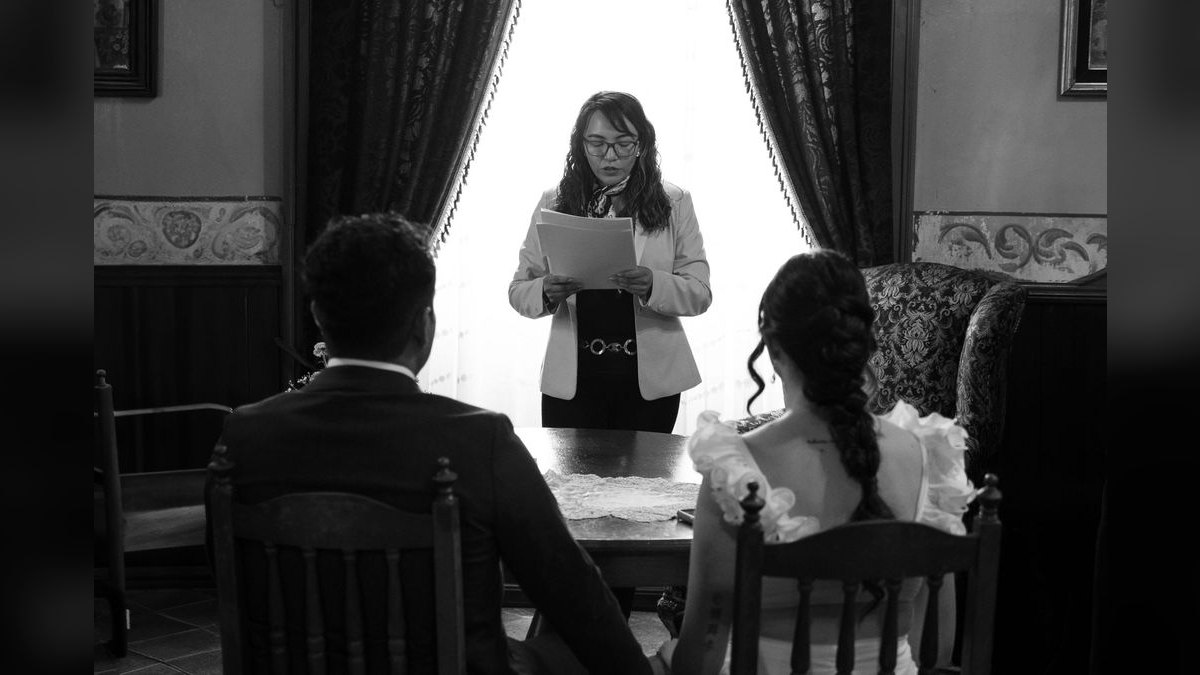
End with a toast that mirrors your opening. If you opened with humor, your toast can be warm but still light. If you opened with emotion, your toast should carry that same sincerity. Consistency in tone makes your speech feel cohesive and intentional.
How Do You Handle Nerves and Unexpected Moments During Delivery?
Even seasoned speakers get nervous before a rehearsal dinner toast. The key is to channel that energy into warmth, not panic. Here are practical strategies to stay calm and adapt if things go off-script.
Breathe and pause. Before you start, take a slow breath and look around the room. This signals confidence and gives you a moment to center yourself. If you lose your place, a simple pause feels much longer to you than it does to the audience. They won’t notice a 3-second silence.
Have a backup for dry mouth or a shaky voice. Keep a glass of water nearby. If your voice cracks, smile and say, *“I’m just so happy for them—bear with me.”* The audience will root for you, not judge you. Emotion is the point, not a failure.

What if you forget a key part of your speech? Don’t panic. Skip to the next point you remember. The audience doesn’t know what you planned to say. If you completely blank, pivot to your closing toast—it’s better to end early and strong than to fumble. For more delivery tips, check out our guide to handling stage fright.
What if you get emotional? It’s completely natural to tear up, especially for parents or siblings. Let the emotion show—it’s genuine and touching. If you need a moment, pause, take a sip of water, or simply say, *“Sorry, I’m just so proud of them.”* The room will be with you.
Deal with interruptions gracefully. If a waiter drops a tray or someone’s phone rings, pause, smile, and wait for the distraction to pass. You can even make a light joke: *“Even the universe wants to get in on this toast.”* Then continue from where you left off.
Remember, the rehearsal dinner is a celebration—not a performance. Your goal isn’t perfection; it’s to express genuine love and support for the couple. If you do that, your speech will be a success, no matter what happens.
What Variations Exist for Different Roles and Scenarios?
Every speaker brings a unique perspective, and your role in the couple’s life should shape your speech. Whether you’re a parent, a sibling, a best friend, or the host, there are specific strategies to make your toast feel authentic and appropriate.
For parents: Focus on the journey of watching your child grow and find their partner. Share a memory from childhood that reveals their character, then connect it to how they’ve become a better person with their partner. Keep the nostalgia brief—the speech is about the couple, not just your memories. A parent’s speech often carries the most emotional weight, so lean into sincerity.
For siblings: You have the unique advantage of shared history and inside jokes. Use humor to highlight your sibling’s quirks, but balance it with genuine admiration. A great sibling speech might open with a funny childhood story, then pivot to how their partner brings out the best in them. End with a toast that welcomes their partner into the family.
For best friends: Your role is to celebrate the couple’s love story from an outsider’s perspective. Share a moment when you saw them truly happy together—perhaps the first time you met their partner, or a trip where you witnessed their chemistry. Keep the humor light and inclusive, and avoid stories that might embarrass the couple.
For the host: If you’re not a family member or close friend, your speech should focus on gratitude and celebration. Thank guests for traveling, acknowledge the couple’s love, and keep the tone warm but brief. A host speech of 1–2 minutes is ideal—you’re setting the stage, not stealing the spotlight.
How Do You Adapt a Rehearsal Dinner Speech for Time Constraints?
Not every rehearsal dinner allows for a full 3-minute speech. When the schedule is tight or toasts are stacking up, you need a shorter version that still feels complete and heartfelt. Here are adaptations for different time limits.
A 30-second version works when the night is packed and the host has asked everyone to keep it brief: *“To [Couple Name One] and [Couple Name Two] — tonight is the calm before the joy. We’ve watched you become better people side by side, and tomorrow you just make it official. We love you, we’re proud of you, and we can’t wait. Cheers.”* This version skips stories and focuses entirely on a warm, forward-looking toast.
A 1-minute version allows for one short anecdote: *“I remember the first time [Couple Name One] told me about [Couple Name Two]. They had this look on their face—like they’d just found something they didn’t know they were looking for. Seeing you two together now, I understand that look. Please join me in raising your glasses to a love that’s just beginning.”* This version includes a single, specific detail that grounds the toast in authenticity.
For a longer version (3–5 minutes), add a second story and a welcome to the families. For a more formal tone, include a quote or a reading. For a lighter tone, open with a gentle joke about how long it took them to get together. The key is to maintain the same structure—hook, connection, toast—regardless of length.
If you’re unsure which version to use, prepare a full version and a short version. Listen to the flow of the evening and adapt accordingly. The couple will appreciate your flexibility.
Related Questions
What is the difference between a rehearsal dinner speech and a wedding toast?
A rehearsal dinner speech is longer, more personal, and delivered in an intimate setting before the wedding day. A wedding toast is shorter, more formal, and typically ends with a raised glass during the reception.
Who traditionally gives the first speech at a rehearsal dinner?
The hosts (often the groom’s parents) typically give the first speech, welcoming guests and setting a warm tone. The couple, best man, maid of honor, and close friends may follow.
How do you start a rehearsal dinner speech without being awkward?
Start by thanking the hosts and guests for being there, then immediately move to a specific, warm memory of the couple. Avoid generic openers like “I’ve known them for years.”
Should you practice a rehearsal dinner speech out loud?
Yes, practice out loud at least three times to get comfortable with the flow and timing. Rehearse in front of a mirror or record yourself to check your pace and tone.
Can you use notes during a rehearsal dinner speech?
Yes, using a small note card with three to four bullet keywords is perfectly fine. Reading every word from a script can feel stiff, but brief prompts help you stay on track.
FAQ
How long should a rehearsal dinner speech be? Aim for 2 to 3 minutes (250–400 words). This is long enough to share a heartfelt story or toast but short enough to keep guests engaged before the main event.
Who typically gives a speech at the rehearsal dinner? The hosts (often parents of the couple) usually kick things off, followed by the couple themselves, the best man, maid of honor, or close friends. It’s flexible—anyone with a meaningful connection can speak.
What’s the difference between a rehearsal dinner speech and a wedding toast? Rehearsal dinner speeches are more casual and personal, often focusing on the couple’s journey or funny anecdotes. Wedding toasts are shorter, more formal, and typically end with a raised glass.
Should I include humor in a rehearsal dinner speech? Yes, but keep it light and inclusive. A few gentle, loving jokes about the couple’s quirks or shared memories work well—avoid inside jokes that exclude most guests.
Do I need to memorize the speech, or can I read it? Reading from notes is perfectly fine—most people do. Just practice enough to maintain eye contact and a natural tone. Memorizing risks forgetting under pressure.
What if I get emotional during the speech? That’s completely normal and even endearing. Pause, take a breath, and have a sip of water. Guests will appreciate your sincerity—tearing up shows how much the moment means to you.
How do I handle a long pause or forgetting my place? Pause naturally, take a breath, and look at the couple. The audience will wait for you. If you completely blank, skip to your closing toast—it’s better to end early than to fumble.
Can I use a phone to read my speech? It’s better to use a small note card. Phones can be distracting, and looking down at a screen can break eye contact with the audience. A card feels more personal and intentional.
What if the couple has divorced parents or blended families? Acknowledge everyone warmly without singling anyone out. Focus on the couple’s love and the joy of the gathering, avoiding any family dynamics or tensions.
How do I end a rehearsal dinner speech gracefully? Raise your glass, look at the couple, and say a sincere toast. A simple “To [Couple Name]—cheers” works perfectly. Then smile, sit down, and let the room applaud.
Sources
- Toastmasters International — Public Speaking Tips for Toasts
- The Emily Post Institute — Wedding Speech Etiquette
- The Knot — Rehearsal Dinner Speech Advice
- Brides Magazine — Wedding Speech Examples
- Martha Stewart Weddings — Event Planning and Speech Structure
- WeddingWire — Expert Advice on Wedding Speeches
- A Practical Wedding — Speech Writing Guide
Related on PULSE
- A Wedding Speech for a Destination Wedding
- A Wedding Speech for a Bridesmaid
- A Speech for a Board Dinner
- A Wedding Speech for the Groom
- A Wedding Speech for a Small Backyard Wedding
- A Wedding Welcome Speech From the Couple
Recently Added — Related
This page will be disappearing soon. Save it to your device for $1 — or read it free while it is here.
@Kory-White- · if Venmo asks, the last 4 of my number are 2012
This page is gone.
This one is off the shelf now. $1 keeps it on your phone for good — the whole page, pictures and diagrams included.
 pulse-speechesA Speech for a Company 10th Anniversary
 pulse-speechesA Toast for a Baby Shower
 pulse-speechesWhat Makes Reagan's "Tear Down This Wall" a Great Speech in 2027
 pulse-speechesA Speech for a Little League Opening Day
 pulse-speechesA Speech for a Company All-Hands
 pulse-speechesA Wedding Speech for a Surprise Wedding
 pulse-speechesWhat Makes David Foster Wallace’s “This Is Water” a Great Speech in 2027
 pulse-speechesA Speech for a Layoff Announcement with Compassion
 pulse-speechesA Toast for a Housewarming
 pulse-speechesHow to Keep a Wedding Toast Under Three Minutes in 2027