
A Eulogy for a Sibling
 Curated byKory White · Fractional CRO · Maryland
 PULSEKNOWLEDGE LIBRARY
Quality
Certified
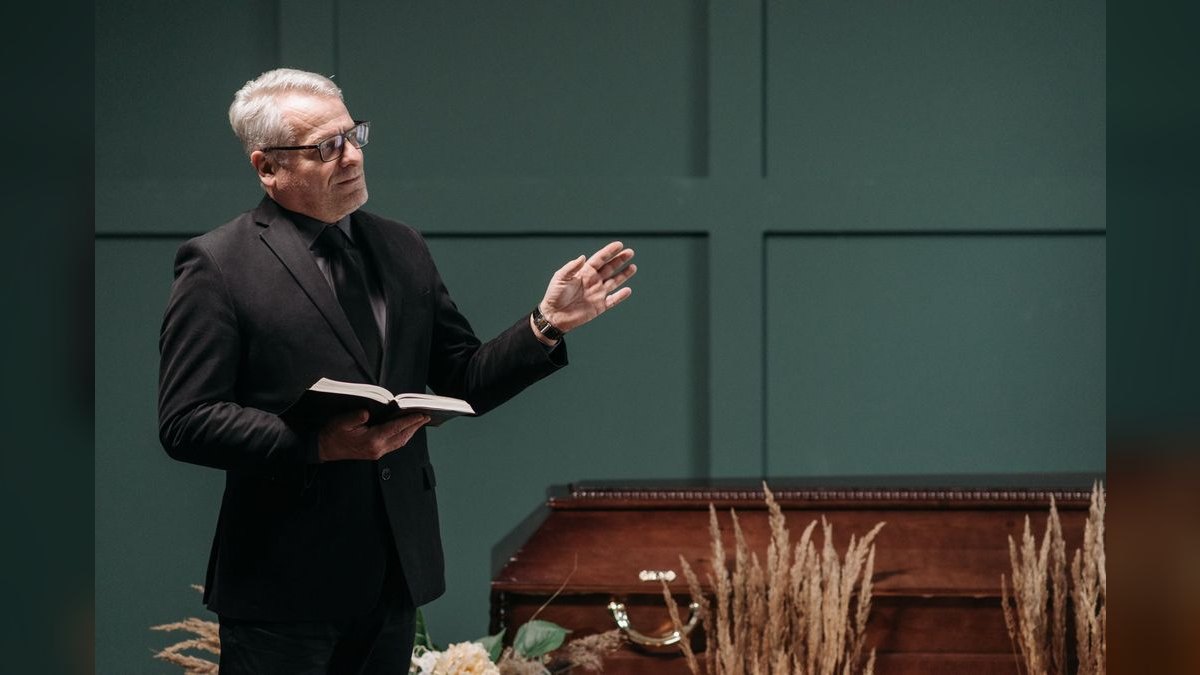
A eulogy for a sibling is a personal tribute that honors the unique bond of shared childhood, memories, and family history. It typically balances grief with gratitude, acknowledging the loss while celebrating the individual's life, personality, and impact on those who loved them. The tone can range from heartfelt and tender to lighthearted, depending on the sibling's character and the speaker's relationship with them. Writing and delivering a eulogy for a brother or sister is one of the most difficult yet meaningful tasks you may ever face, and this guide provides both the emotional framework and practical tools to help you honor your sibling authentically.
How Do You Start Writing a Eulogy for a Sibling When You're Overwhelmed with Grief?
Beginning to write a eulogy while grieving is daunting, but the most important step is simply starting with a single, honest memory. Instead of trying to capture your sibling's entire life, focus on one moment that feels true to who they were—a shared laugh, a quiet conversation, or a favorite story only you remember. This approach anchors your speech in authenticity rather than perfection. Many people find it helpful to free-write for ten minutes without editing, letting memories flow onto the page without judgment. You can then select the strongest material to shape into your eulogy. If you're struggling to begin, try answering these prompts: What did your sibling teach you? What is the first memory that comes to mind when you think of them? What phrase or joke still echoes in your head in their voice? These questions can unlock the specific, personal stories that will resonate most deeply with everyone in the room. Remember that your grief is not a weakness in your writing; it is the very thing that will make your words powerful and real.
What Should You Include in a Eulogy for a Brother or Sister?
A strong sibling eulogy typically includes three core elements: a specific memory from childhood, a reflection on the person they became as an adult, and a message of gratitude for the bond you shared. The childhood memory grounds the speech in shared history and often brings a smile to the audience—think of a summer adventure, a mischievous act you both kept secret, or a tradition that defined your family. The reflection on adulthood shows how your sibling grew and evolved, highlighting qualities like their kindness, humor, or resilience. Finally, the message of gratitude closes the eulogy with warmth, thanking your sibling for the lessons they taught you and the love they gave. Avoid the temptation to list every accomplishment or virtue; instead, let one or two vivid stories carry the emotional weight. For example, rather than saying "they were generous," describe the time they gave you their last twenty dollars without hesitation. This specificity makes the tribute feel personal and unforgettable.
How Do You Deliver a Eulogy for a Sibling Without Breaking Down?
Delivering a eulogy while grieving is emotionally intense, but preparation can help you stay grounded. Practice reading the eulogy aloud several times before the service, preferably to a trusted friend or family member who can offer support. Speak slower than feels natural—grief often speeds up your speech, and a deliberate pace helps both you and the audience absorb the words. Choose two or three faces in the room that you know love you unconditionally, and return your gaze to them if you feel your voice wavering. It is completely acceptable to bring printed notes in a large font; no one expects you to memorize the speech. If you reach a line you cannot get through, pause, take a breath, and either continue or simply nod, fold the paper, and say "thank you." Tears are not a failure of your delivery; they are a testament to your love. The audience is not judging your performance; they are grieving alongside you and will appreciate your courage.
Can You Include Humor in a Eulogy for a Sibling?
Yes, humor can be a beautiful and fitting element in a eulogy for a sibling, as long as it reflects their genuine personality and the relationship you shared. A well-placed funny story—like a childhood prank, a ridiculous argument, or a running joke—can bring warmth and relief to a somber room. Siblings often share laughter as much as tears, and honoring that lightness is a way of celebrating the fullness of their life. The key is to keep the humor respectful and avoid anything that might feel dismissive of the loss or hurtful to other mourners. For example, a story about your sibling's terrible cooking or their stubborn refusal to ask for directions can be endearing if framed with love. If you're unsure, test the joke on a close friend or family member beforehand. A moment of shared laughter in a funeral service can be healing, reminding everyone that joy and grief can coexist.
What Are the Different Ways to Structure a Sibling Eulogy?
There are several effective structures for a sibling eulogy, each suited to different relationships and service formats. The chronological structure moves from childhood through adulthood, showing how your sibling grew and changed over time. The thematic structure organizes the speech around key qualities or memories, such as "the year we learned to drive" or "the way they always showed up." The story-focused structure centers on a single, powerful anecdote that encapsulates your sibling's spirit, building the entire eulogy around that moment. For a shorter eulogy, a simple three-part structure works well: a greeting and introduction, one or two specific memories, and a closing reflection on their legacy. For a longer service, you might expand with a second memory from a different life stage, a brief thank-you to caregivers or friends, and a closing reading or song lyric they loved. The structure you choose should feel natural to you and true to your sibling—there is no single "right" way to honor someone you love.
How Do You Handle the Emotional Aftermath of Giving a Eulogy for a Sibling?
The emotional intensity of delivering a eulogy does not end when you step away from the podium. In the days and weeks following the service, you may experience a mix of relief, exhaustion, and renewed waves of grief. It is important to give yourself permission to rest and to seek support from trusted friends, family, or a grief counselor. Many people find it helpful to write down additional memories as they surface, creating a journal or memory box dedicated to their sibling. Consider establishing a small ritual to honor your sibling's memory on significant dates, such as their birthday or the anniversary of their passing—light a candle, visit a place they loved, or cook their favorite meal. Be aware that sibling grief often intensifies during life milestones: when you get married, have a child, or reach an age they never got to see. Anticipating these moments can help you prepare emotionally. If guilt or regret surfaces, know that this is a nearly universal experience among grieving siblings; therapy or a support group specifically for sibling loss can be transformative.
What Should You Avoid When Writing a Eulogy for a Sibling?
While there are many ways to write a beautiful eulogy, there are also common pitfalls to avoid. Do not try to cover every aspect of your sibling's life; a laundry list of facts and accomplishments can feel impersonal and overwhelming. Avoid vague praise like "they were a good person" without specific stories to back it up. Do not focus on the cause of death unless the family has agreed it is appropriate; the eulogy is about celebrating their life, not their passing. Avoid comparing your sibling to others or making the speech about your own grief rather than their life. Do not use overly formal or religious language if that does not reflect your sibling's personality or your family's beliefs. Finally, avoid trying to be perfect—your authentic voice, with its imperfections and emotion, is far more powerful than a polished script that does not sound like you.
How Do You Adapt a Sibling Eulogy for Different Service Formats?
A sibling eulogy can be adapted to fit various service formats, from a traditional funeral to a celebration of life. For a traditional religious service, you may need to keep the eulogy shorter and more reverent, perhaps incorporating a prayer or scripture reading. For a celebration of life, you can lean into humor, storytelling, and even multimedia elements like a photo slideshow. For a small, intimate gathering, a longer, more conversational tone may feel natural, allowing you to share multiple memories and invite others to contribute. For a virtual service, consider recording your eulogy ahead of time to ensure smooth delivery, and be mindful of the emotional distance created by screens. No matter the format, the core advice remains the same: be specific, be honest, and let your love guide your words.
Related questions
How long should a eulogy for a sibling be?
A typical eulogy for a sibling runs between 3 and 8 minutes when spoken, which is roughly 400 to 1,000 words. It is better to aim for the shorter end if you are emotional or speaking in front of a large group.
Can I write a eulogy for a sibling I wasn't close to?
Yes, focus on honest, respectful memories that acknowledge the relationship as it was, without forcing sentiment. A brief, dignified tribute can still honor their life and your shared family history.
Should I include other family members in the eulogy?
Yes, mentioning parents, other siblings, or children can show the breadth of your sibling’s impact and create a sense of collective grief and support among the audience.
How do I end a eulogy for a sibling?
End with a personal closing message, such as "Rest easy, I love you, and I've got it from here," or a meaningful quote, song lyric, or poem that reflects their spirit and your bond.
What if I can't speak without crying?
It is completely acceptable to ask a family member or friend to read the eulogy for you, or to record it ahead of time. Even a few heartfelt sentences can be powerful.
FAQ
How long should a eulogy for a sibling be? A typical eulogy runs between 3 and 8 minutes when spoken, which is roughly 400 to 1,000 words. It’s better to aim for the shorter end if you’re emotional or speaking in front of a large group.
What should I include in a eulogy for a sibling? Focus on specific, honest memories that capture their personality—inside jokes, shared childhood moments, or a defining trait. Avoid vague praise; instead, use one or two concrete stories that show who they were.
Is it okay to show emotion while delivering the eulogy? Yes, absolutely. Pausing to collect yourself or even crying briefly is natural and often appreciated by the audience. If you’re worried about breaking down, practice with a trusted friend or keep a written copy nearby.
Should I mention how my sibling died? Only if you feel it’s essential to the story or if the family has agreed it’s appropriate. In most cases, focusing on their life rather than the cause of death is more comforting for mourners.
Can I include humor in a eulogy for a sibling? Yes, light humor that reflects their personality can be very fitting—like a funny habit or a shared laugh. Just keep it respectful and avoid anything that might feel dismissive of the loss.
How do I handle speaking if I’m very close to the sibling and overwhelmed? It’s fine to ask a family member or friend to read it for you, or to record it ahead of time. You can also keep it brief—even a few heartfelt sentences can be powerful.
What if I forget part of the eulogy during delivery? Simply pause, glance at your notes, and continue. The audience understands the emotional weight of the moment and will not judge you for a brief pause or a stumble.
Should I practice the eulogy before the service? Yes, practicing aloud several times helps you become familiar with the flow and identify emotional trouble spots. Reading it to a trusted friend can also provide comfort and feedback.
Can I use a poem or song lyrics in the eulogy? Yes, incorporating a poem, song lyric, or quote your sibling loved can add depth and personal meaning. Just ensure it aligns with the tone of the service and your family's traditions.
How do I handle a blended family in the eulogy? Mention step-siblings or half-siblings by name if appropriate, acknowledging the full family constellation. Focus on the bond you shared, regardless of blood relation.
Sources
- National Funeral Directors Association — guidance on eulogy writing and grief support for sibling loss
- American Psychological Association — research on sibling bereavement and coping strategies
- GriefShare — resources for writing and delivering a eulogy for a sibling
- The New York Times Well Section — articles on personal grief and memorial traditions
- Hospice Foundation of America — educational materials on sibling loss and funeral planning
- Verywell Health — overview of emotional aspects and practical tips for eulogizing a sibling
- The Compassionate Friends — support resources specifically for sibling loss
- Psychology Today — articles on disenfranchised grief and sibling bereavement
Related on PULSE
- What is the least obvious yet most reliable behavioral marker indicating a person is covertly experiencing spiritual awakening rather than psychiatric decompensation, and how can a clinician distinguish between the two in a single initial interview without relying on self-report?
- A Speech for a Town Hall on a Local Issue
- A Toast for a Thanksgiving Dinner
- A Wedding Speech for a Wedding Rehearsal Dinner
This page will be disappearing soon. Save it to your device for $1 — or read it free while it is here.
@Kory-White- · if Venmo asks, the last 4 of my number are 2012
This page is gone.
This one is off the shelf now. $1 keeps it on your phone for good — the whole page, pictures and diagrams included.
 pulse-speechesWhat Makes Susan B. Anthony's "On Women's Right to Vote" a Great Speech in 2027
 pulse-speechesA Speech for an Employee of the Year
 pulse-speechesA Retirement Speech for a Police Officer
 pulse-speechesA Speech for a Mentor Recognition
 pulse-speechesA Speech for a Veterans Day Tribute
 pulse-speechesA Graduation Speech for a Kindergarten Graduation
 pulse-speechesA Speech for an IPO Celebration
 pulse-speechesA Speech for a Company 10th Anniversary
 pulse-speechesA Toast for a Baby Shower
 pulse-speechesHow to Structure a Best Man Speech in 2027