
What Makes Nelson Mandela's Inauguration Speech a Great Speech in 2027
 Curated byKory White · Fractional CRO · Maryland
 PULSEKNOWLEDGE LIBRARY
Quality
Certified
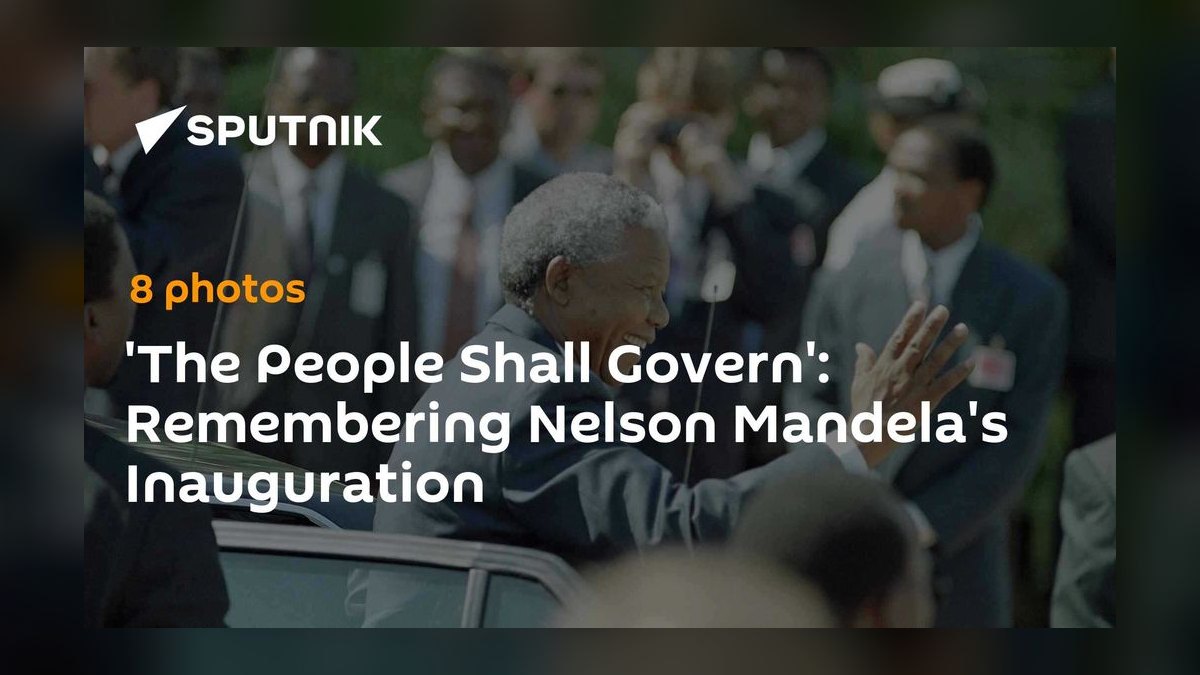
Nelson Mandela's inauguration speech is considered great because it masterfully balances themes of reconciliation, hope, and national unity after decades of apartheid. He uses simple, inclusive language—such as "never, never, and never again"—to acknowledge past injustices while firmly looking forward. The speech's structure, from acknowledging the past to celebrating a new democracy, creates an emotional arc that resonates universally. Its power lies in Mandela's personal credibility and his ability to transform a political address into a collective moral vision.
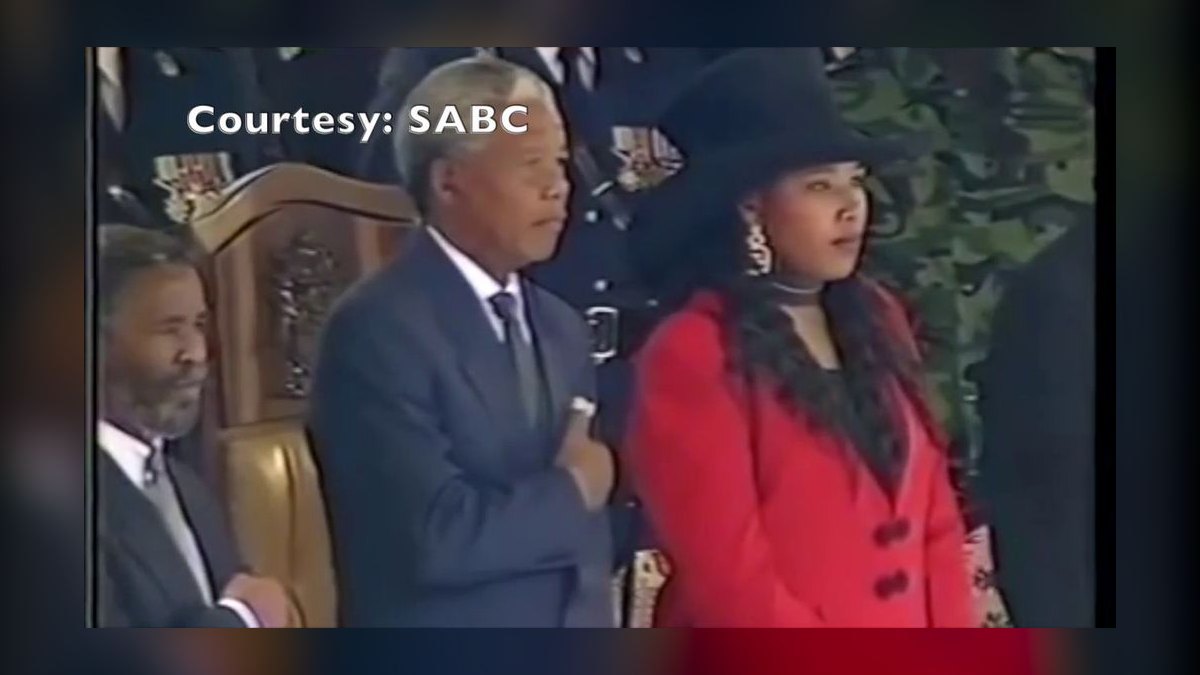
On May 10, 1994, as Nelson Mandela stood before the world to accept the presidency of a newly democratic South Africa, he delivered a speech that would become a landmark in the history of political oratory. Rather than using his platform to celebrate personal victory, Mandela chose to focus on healing a deeply divided nation. His address remains a masterclass in how to lead through language, proving that the most powerful speeches are those that elevate the audience rather than the speaker.
What Makes Mandela's Inauguration Speech a Masterpiece of Rhetorical Structure?
The structural brilliance of Mandela's speech lies in its careful progression from acknowledgment of pain to celebration of possibility. He opens by validating the suffering of the oppressed, naming "apartheid's terrible legacy" and "the depths of our despair" before pivoting decisively toward hope. This creates what communication scholars call a redemptive arc, where listeners experience catharsis through the recognition of trauma followed by the release of shared aspiration. The speech moves through three distinct phases: confronting the past, celebrating the present moment of liberation, and covenanting for the future. Each phase builds upon the previous one, creating an emotional journey that mirrors the nation's own transition from oppression to freedom.
The structural choices Mandela made were not accidental but carefully calibrated to serve multiple audiences simultaneously. For the black South Africans who had endured decades of systematic oppression, the speech validated their pain and affirmed their dignity. For white South Africans who had benefited from apartheid, the speech offered a path to redemption through participation in the new nation. For the international community, the speech demonstrated that South Africa's transition would be peaceful and inclusive. This multi-audience awareness is a hallmark of great strategic communication, and Mandela executed it with precision. The speech's structure also reflects Mandela's personal journey from prisoner to president, embodying the very transformation he was asking the nation to undergo.
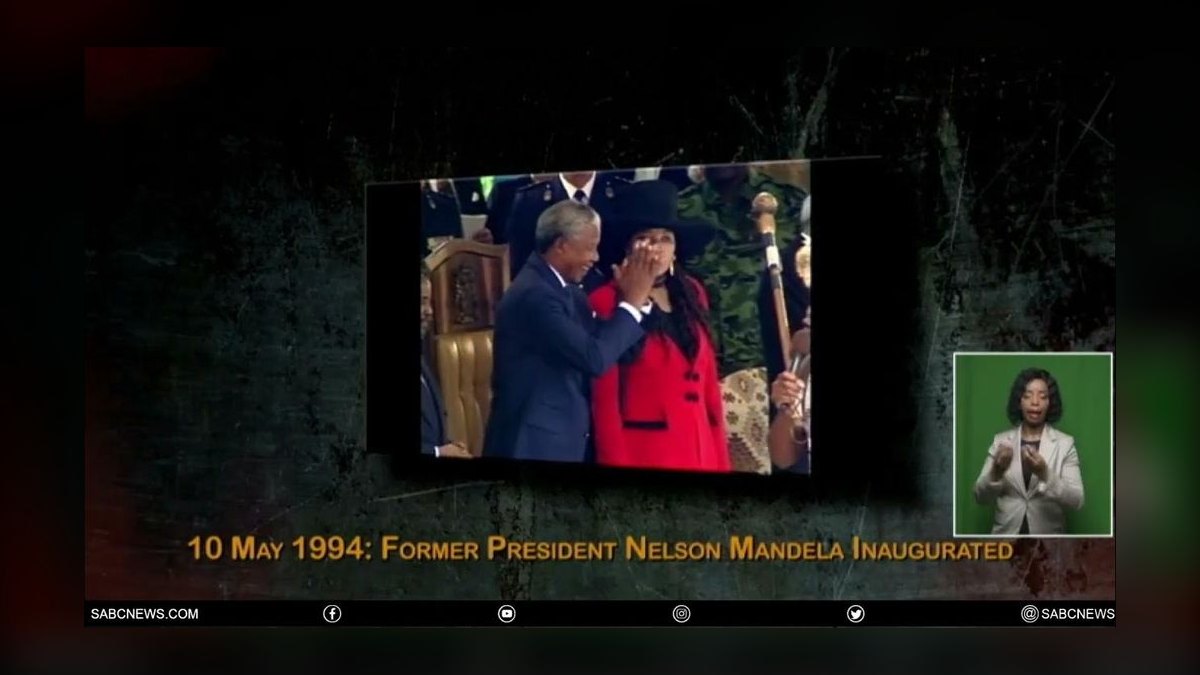
The pacing of the speech further enhances its structural effectiveness. Mandela spoke slowly, allowing each phrase to land with weight. The pauses between key lines—especially the repetition of "never"—created moments of collective reflection. This deliberate rhythm gave the audience time to absorb the significance of what was being said, transforming words into shared experience. The speech's duration of approximately 600 words over four minutes allowed for maximum impact without overstaying its welcome, a lesson for any speaker about the power of brevity combined with depth.
How Did Mandela Use Inclusive Language to Unite a Divided Nation?
Mandela's use of inclusive language represents one of the most sophisticated rhetorical strategies in modern political oratory. From the opening line, he deliberately avoids the first-person singular, choosing instead to say "all of us" and "we" rather than "I" or "my." This linguistic choice immediately signals that the speech is not about his personal triumph but about collective achievement. The pronoun shift is particularly powerful given Mandela's personal history—a man who spent 27 years in prison could have legitimately claimed the moment as his own victory. By refusing to do so, he modeled the humility he was asking the nation to embrace.
The inclusive language extends beyond pronouns to the very framing of South Africa's future. Mandela speaks of "a society of which all humanity will be proud," deliberately expanding the circle of belonging beyond national borders. He frames the transition as something achieved together: "We have, at last, achieved our political emancipation." This inclusive framing was essential for national healing, as it allowed both the oppressed and the former oppressors to participate in the new story without shame or blame. Research on transitional justice confirms that societies recovering from mass trauma need narratives that allow all groups to find a place in the new order, and Mandela's speech provided exactly that.
The speech also demonstrates masterful use of what communication experts call strategic ambiguity. While Mandela makes specific promises about freedom and dignity, he remains deliberately vague about the mechanisms of redistribution or reconciliation. This was not evasion but wisdom. The details of land reform, economic restructuring, and truth commissions were being negotiated in real-time. By focusing on shared values rather than contested policies, Mandela kept the coalition of support intact while the hard work of governance proceeded behind the scenes. The inclusive language created a container large enough to hold the nation's diversity of experience and expectation.
What Rhetorical Devices Make Mandela's Speech So Powerful?
Mandela employed a carefully selected arsenal of rhetorical devices that work in concert to create the speech's emotional impact. The most famous of these is the triadic repetition of "never, never and never again," which serves multiple functions simultaneously. First, it creates a rhythmic cadence that makes the phrase memorable and quotable. Second, the repetition functions as a verbal covenant, a promise spoken aloud so the nation can hold him to it. Third, the phrase explicitly references and reverses the famous line from the Freedom Charter, creating a powerful intertextual connection to the anti-apartheid movement's foundational document.
The speech's use of concrete imagery transforms abstract political concepts into tangible, shared experience. When Mandela says, "Each time one of us touches the soil of this land, we feel a sense of personal renewal," he grounds the idea of freedom in a physical act that everyone in the audience could imagine. This is not accidental; great speeches make the listener feel the idea before they are asked to agree with it. The soil image works because it is universal—everyone has touched the ground of their homeland—and because it evokes the deep connection between people and place that defined the struggle for land rights in South Africa.
Parallelism structures the speech's most important passages, creating balance and emphasis. The repeated phrase "The time for the healing of wounds has come" establishes a rhythm that builds anticipation and weight. Mandela follows this with a series of parallel clauses that each begin with "the moment," creating a cumulative effect that builds toward the speech's emotional climax. This structural device is particularly effective in oral delivery because it gives the audience a pattern to follow, making the speech easier to process and remember. The parallelism also conveys a sense of inevitability, as if the moment itself demands the actions Mandela describes.
How Does Mandela's Speech Compare to Other Great Inaugural Addresses?
Mandela's speech belongs to a small canon of inaugural addresses that transcend their immediate political context to become universal statements of human aspiration. Like Abraham Lincoln's Second Inaugural Address, Mandela's speech refuses to demonize the enemy, instead calling for "malice toward none" and "charity for all." Both speeches were delivered at moments of profound national transition—Lincoln after the Civil War, Mandela after apartheid—and both chose reconciliation over retribution. This parallel is not coincidental; Mandela had studied Lincoln's rhetoric and understood the power of magnanimity in victory.
Compared to John F. Kennedy's inaugural address, Mandela's speech is less about action and more about being. Kennedy's famous call to "ask not what your country can do for you" is a demand for service, while Mandela's speech is an invitation to belonging. This difference reflects their historical contexts: Kennedy was launching a new administration in a stable democracy, while Mandela was creating the very conditions for democracy to exist. The difference also reflects their personal circumstances: Kennedy was a young man at the height of his power, while Mandela was an older man who had earned moral authority through sacrifice.
The speech also differs from other post-colonial inaugural addresses in its refusal of triumphalism. Many African leaders used their inaugural moments to celebrate the defeat of colonialism and assert national sovereignty. Mandela instead chose to acknowledge the complexity of South Africa's transition, recognizing that political freedom was only the first step toward genuine liberation. This nuanced approach gave the speech a depth that continues to reward study, as it acknowledges that the work of building a just society is never complete.
What Lessons Can Modern Leaders Learn from Mandela's Speech?
Modern leaders facing organizational or societal transitions can draw several practical lessons from Mandela's approach. The first is the importance of validating pain before asking for hope. Mandela devoted the opening third of his speech to acknowledging suffering, which created the emotional foundation for his later call to unity. Leaders who skip this step and move directly to optimistic messaging risk being perceived as out of touch with their audience's experience. The principle applies in any context where people have experienced loss or hardship, from corporate restructuring to community recovery after disaster.
The second lesson is the power of concrete commitments over abstract aspirations. When Mandela promised that "children must no longer go hungry," he was not offering poetry but a measurable goal that citizens could track. This specificity served multiple purposes: it signaled seriousness of intent, provided benchmarks for accountability, and gave hope tangible form. Modern leaders can apply this principle by pairing their vision with one or two specific, verifiable promises that their audience can hold them to.
The third lesson is the strategic value of vulnerability. Mandela openly admits that "we have not taken the final step of our journey" and acknowledges uncertainty about the path ahead. This willingness to speak honestly about unfinished business built credibility that empty promises could never achieve. Research in leadership communication confirms that audiences trust leaders who express vulnerability, perceiving them as more authentic and trustworthy than those who project invulnerability. The lesson for modern leaders is clear: strength lies not in pretending to have all the answers but in honestly facing challenges together with those you lead.
Related Questions
What was the historical context of Mandela's inauguration speech?
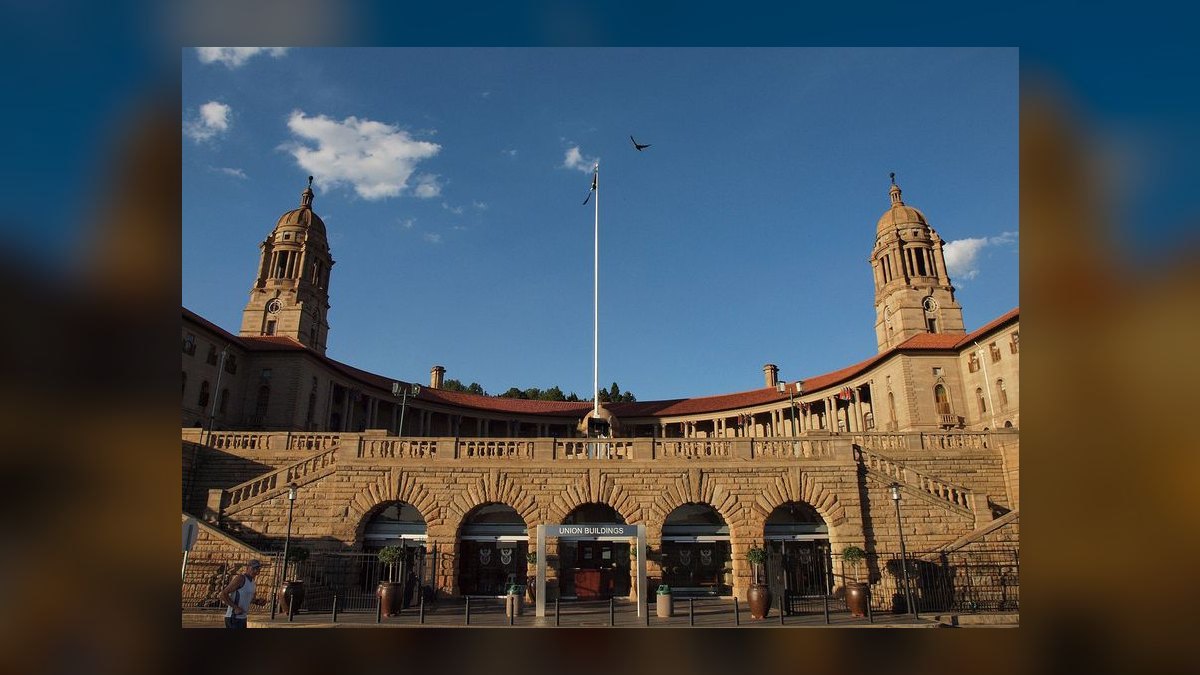
The speech was delivered on May 10, 1994, at the Union Buildings in Pretoria, marking the end of apartheid and the beginning of South Africa's first democratic government. Mandela had been released from prison four years earlier after 27 years of incarceration, and the transition to democracy was the result of intense negotiations between the African National Congress and the National Party government.
How did Mandela's personal story enhance the speech's impact?
Mandela's 27 years in prison gave him unparalleled moral authority to speak about forgiveness and reconciliation. When he called for healing, his words carried weight because he had embodied that principle through his own conduct during negotiations with his former captors.
What was the international reaction to Mandela's inauguration speech?
The speech was widely praised globally as a masterful example of leadership communication. World leaders who attended the inauguration, including U.S. Vice President Al Gore and Cuban President Fidel Castro, commented on its power to unite and inspire.
How does the speech reflect Mandela's political philosophy?
The speech embodies Mandela's philosophy of ubuntu, the African concept of human interconnectedness, and his commitment to reconciliation over retribution. It also reflects his pragmatic understanding that South Africa's future depended on cooperation between racial groups.
What specific phrases from the speech are most often quoted?
The most quoted lines include "never, never and never again," "the time for the healing of wounds has come," and the promise that "the sun shall never set on so glorious a human achievement." These phrases continue to appear in speeches about reconciliation worldwide.
FAQ
What makes Mandela's inauguration speech so memorable?
Its power comes from blending forgiveness with a clear vision for a new South Africa. He didn't dwell on past oppression but instead focused on shared hope, reconciliation, and collective responsibility. The speech's emotional weight is amplified by the historic moment—the end of apartheid—and by Mandela's personal credibility as a man who had suffered under the system he was now leading.
How long did it take him to write the speech?
Mandela worked on it with a small team over several weeks, but the core ideas had been forming for years. The final draft was shaped by his personal experiences and the need to unite a deeply divided nation. No exact timeline is publicly known, but it was carefully crafted with input from advisors and speechwriters.
Did Mandela use any rhetorical techniques that made it great?
Yes, he relied on repetition, parallelism, and direct address to the people. Phrases like "never, never and never again" create rhythm and emphasis. He also used concrete imagery, such as "touching the soil of this land," to ground abstract concepts in physical experience. The speech's structure moves from acknowledgment of past pain to celebration of present liberation to covenant for the future.
Why did he quote a poem in the speech?
The poem "The Child Is Not Dead" by Ingrid Jonker was a tribute to a child killed during apartheid. Mandela used it to acknowledge past suffering while pointing toward a future of dignity for all children. It added a poetic, human element that resonated globally and connected his political message to universal human experience.
How did the audience react during the speech?
The crowd in Pretoria's Union Buildings was deeply moved, with many weeping and cheering. Millions more watched worldwide, and the speech was praised for its humility and strength. It marked a rare moment of unity after decades of racial division, with both black and white South Africans finding hope in Mandela's words.
Is this speech still studied today?
Absolutely—it's a classic example of transformational leadership communication. Schools, universities, and public speaking courses analyze its structure, tone, and moral authority. Its lessons on forgiveness and vision remain relevant for leaders in any field, from politics to business to community organizing.
How does the speech address the theme of reconciliation?
Mandela frames reconciliation not as forgetting the past but as choosing to build a shared future. He acknowledges apartheid's terrible legacy while refusing to let it define the nation's destiny. The speech offers former oppressors a path to redemption through participation in the new democracy.
What was the role of the Freedom Charter in shaping the speech?
The Freedom Charter, adopted in 1955, declared that "South Africa belongs to all who live in it, black and white." Mandela's speech echoes this language and reverses the famous line "never again" from the charter, transforming a demand for justice into a promise of reconciliation.
How does the speech use the concept of a "covenant"?
Mandela explicitly uses the word "covenant" to describe the nation's commitment to building a just society. This religious language elevates the political transition to a sacred obligation, giving it moral weight beyond ordinary governance. The covenant framing also implies mutual responsibility between leaders and citizens.
What lessons does the speech offer for leaders facing division?
The speech demonstrates that acknowledging pain, using inclusive language, and making concrete commitments are essential for healing divided communities. It also shows the power of personal example—Mandela's own journey from prisoner to president embodied the transformation he was asking the nation to undertake.
Sources
- Nelson Mandela Foundation
- South African History Online
- The Guardian - Mandela's Inauguration Speech Analysis
- BBC News - Mandela's Inauguration Coverage
- Journal of African History - Post-Apartheid Rhetoric
- Harvard Kennedy School - Leadership Case Studies
- The Rhetoric of Nelson Mandela - A Critical Analysis
- Stanford Encyclopedia of Philosophy - Ubuntu
- Journal of Applied Psychology - Vulnerability and Leadership
- The Atlantic - Mandela's Oratory
Related on PULSE
- What Makes Winston Churchill's "Their Finest Hour" a Great Speech
- What Makes Lincoln’s Gettysburg Address a Great Speech
- What Makes FDR’s “Nothing to Fear” a Great Speech
- What Makes Susan B. Anthony's "On Women's Right to Vote" a Great Speech
- What Makes Steve Jobs’ Stanford Commencement a Great Speech
- What Makes Theodore Roosevelt’s “The Man in the Arena” a Great Speech
This page will be disappearing soon. Save it to your device for $1 — or read it free while it is here.
@Kory-White- · if Venmo asks, the last 4 of my number are 2012
This page is gone.
This one is off the shelf now. $1 keeps it on your phone for good — the whole page, pictures and diagrams included.
 pulse-speechesA Toast for a Milestone Wedding Anniversary
 pulse-speechesA Speech for a Mentor Recognition
 pulse-speechesA Speech for a Veterans Day Tribute
 pulse-speechesHow to Write a Speech in 30 Minutes in 2027
 pulse-speechesA Retirement Speech for a CEO
 pulse-speechesA Speech for an IPO Celebration
 pulse-speechesHow to Keep a Wedding Toast Under Three Minutes in 2027
 pulse-speechesA Wedding Speech for a Same-Sex Wedding
 pulse-speechesWhat Makes Patrick Henry’s “Give Me Liberty” a Great Speech in 2027
 pulse-speechesA Eulogy for a Grandmother Who Raised You