

What to Wear to a Beach Wedding in 2027
 Curated byKory White · Fractional CRO · Maryland
Quality
Certified

For a 2027 beach wedding, wear lightweight natural fibers — linen, cotton, silk, Tencel — in soft neutrals or muted tropical tones, cut in a relaxed but tailored silhouette. Men: unstructured linen jacket or shirt with tailored trousers. Women: a fluid midi, jumpsuit, or separates. Choose flat or block-heeled footwear that will not sink into sand.
The outcome you should expect
The right beach wedding outfit produces a specific, measurable result: you stay comfortable for six to eight hours across three distinct micro-climates — a sun-exposed ceremony on open sand, a shaded cocktail hour, and an evening reception where the temperature can drop ten to twenty degrees Fahrenheit once the sun goes down — while still photographing as though you dressed deliberately. That is the whole outcome. If you are tugging at a waistband by the third toast, adjusting a hem every time the wind picks up, or holding your shoes in one hand and a drink in the other while you cross forty feet of soft sand, the outfit failed, regardless of how it looked in the mirror at the hotel.
Expect to feel slightly underdressed compared to a ballroom wedding and completely correct compared to the room you are actually in. That gap is intentional and it is where most guests get it wrong in the anxious direction. Beach ceremonies compress formality by roughly one full notch: what would be black-tie inland becomes a light suit without a tie; what would be cocktail becomes an elevated sundress or a linen jumpsuit. A guest who arrives in a heavy wool three-piece is not "safely formal," they are visibly uncomfortable within twenty minutes and they read as someone who did not check the venue.

Expect also that fabric does more work than cut. A poorly cut linen shirt in genuine 100% linen will outperform a beautifully cut polyester blend on a humid ninety-degree afternoon, every single time, because breathability determines whether sweat evaporates or pools. Natural fibers wick and release moisture; most synthetics trap it against the skin and produce visible dark patches under the arms and along the spine in photographs that will exist forever. If you optimize one variable, optimize fiber content — check the care label, not the marketing copy.
Finally, expect to make one deliberate compromise. Linen wrinkles. That is not a defect to be engineered away; it is the visual signature of the fabric and it reads as relaxed and expensive rather than sloppy, provided the garment fits and is clean. Fighting the wrinkle with a synthetic blend trades a cosmetic issue for a thermal one. Accept the creases. The photographs will look better for it, and so will you at hour six.
What drives that outcome
Four variables drive almost all of the result, and they cascade in a fixed order: venue conditions set the dress code, dress code sets the silhouette, silhouette sets the fabric weight, and fabric weight sets the footwear and accessory choices that survive sand and salt.

Venue conditions come first. A private beach club with a boardwalk, a tented deck, and a hard floor for dancing is a fundamentally different problem from a public stretch of open sand where the ceremony chairs sit directly on the beach. Ask two questions before you buy anything: is the ceremony on sand or on a hard surface, and is the reception indoors, tented, or open-air? Those two answers eliminate roughly half of the wrong choices immediately. Sand ceremony plus open-air reception means flats or wedges, no exceptions, and a layer for after dark. Boardwalk ceremony plus indoor reception means you can wear a block heel and a slightly heavier fabric.
Time of day is the second driver, and it is routinely underweighted. A 4 PM ceremony puts the sun low and directly in guests' eyes, which raises the value of a brim and polarized lenses. A 6 PM ceremony means you will be seated in golden light for photographs and then in real darkness two hours later, which raises the value of a wrap or an unlined jacket you can actually put on. A late-morning ceremony means peak UV during the vows — sun protection stops being an accessory decision and becomes a health one.
Geography adjusts the baseline. A beach wedding in the Caribbean or on the Pacific coast of Mexico typically runs more casual than one in the Hamptons, Nantucket, or Malibu, where "resort formal" carries real weight and guests dress closer to a garden-party standard. Northern European and Pacific Northwest coastal weddings introduce a wind and temperature problem that tropical venues do not have; a linen shift that works in Tulum will leave you cold on the Oregon coast in September.
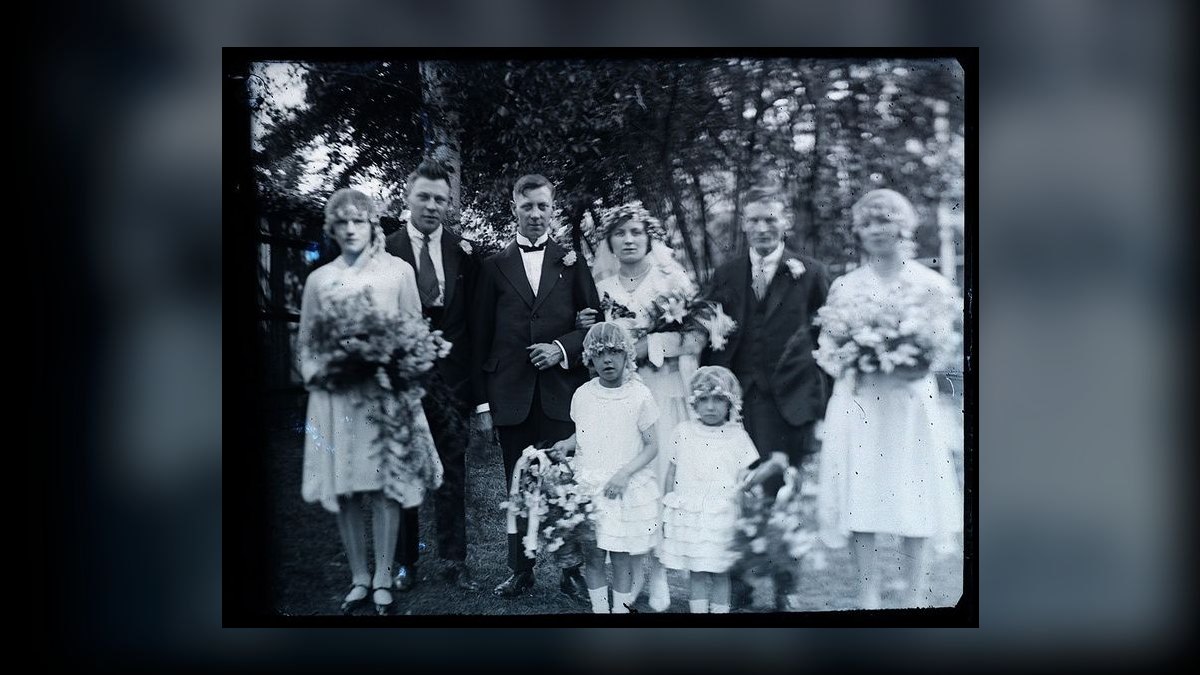
Fabric weight and construction do the physical work. Unlined and half-lined jackets breathe; fully canvassed and fused constructions do not. A linen or linen-cotton blend in a lighter weight will move air; a heavier weight holds shape better but traps heat. Silk and silk-blend slips drape beautifully and handle heat well but show water spots, which matters more than people expect near surf and sweating glasses. Cotton voile, seersucker, and Tencel sit in a useful middle: breathable, forgiving, and less prone to water-marking than silk.
The cascade matters because guests usually run it backwards. They start with a garment they already own or already love, then try to reverse-engineer the venue into justifying it. Run it forward instead: conditions, then code, then silhouette, then fabric, then shoes. Every step narrows the field, and by the time you reach footwear there are usually only two or three defensible options left, which makes the decision fast rather than agonizing.
Benchmarks and realistic ranges
Useful ranges, stated honestly, because precise numbers here would be invented and the honest version is more actionable anyway.
Budget. A complete, respectable beach wedding guest outfit assembled new sits in the low-to-mid hundreds of dollars for most people — one primary garment, one pair of shoes, and one or two accessories. You can go substantially lower by rebuilding around pieces you own and buying only the missing anchor item, and substantially higher if you want a tailored linen suit or a designer dress. The marginal return above the mid-range is mostly fabric quality and fit, both of which are real but neither of which any other guest will consciously register. The highest-return spend, dollar for dollar, is tailoring: hemming trousers to break correctly, taking in a jacket at the waist, or shortening a dress by an inch typically costs a small fraction of the garment price and does more for how you look than the next tier of brand.

Garment count. Plan on three to five pieces for the core outfit and two to four accessories. More than that and you are over-styling for a setting whose entire aesthetic logic is restraint.
Layers. One layer for the temperature drop. Not two. A single unlined jacket, a lightweight cardigan, a pashmina, or a silk-cotton wrap covers the evening swing at nearly every coastal venue. Guests who bring a second backup layer end up carrying it all night.
Heel height. If you want a heel and the ceremony touches sand, cap it around two inches and insist on a block, wedge, or espadrille sole with real surface area. Thin heels concentrate your entire body weight onto a few square millimeters, which is exactly the geometry that sinks. A wedge distributes the same weight across the full footprint. This is not a style opinion; it is load per unit area.
Color palette. Sandy beige, ecru, oatmeal, blush, pale blue, sage, olive, terracotta, and shell-white all photograph well against sand and water and reflect rather than absorb heat. Black absorbs solar radiation and reads somber in a setting built around light. Deep navy is the one dark color that consistently works — it holds up in photographs and reads formal without the funeral association.
The white rule. Avoid white, ivory, cream, and champagne as a guest unless the couple explicitly requests them, which some beach couples do. This convention has softened in recent years but it has not disappeared, and the downside of getting it wrong is high while the downside of choosing sage instead is zero. When a couple asks for an all-white or all-neutral guest palette, they will say so on the invitation or the wedding website — believe them, and follow it.
Timing. Order or buy at least three weeks out if alterations are involved, and try the full outfit on together, shoes included, at least once before travel. The most common failure is not a bad garment; it is two good garments that do not work together, discovered in a hotel room the morning of.
Adjusting by age and role. The underlying rules do not change across decades, but the emphasis shifts. Younger guests can take more risk on hemline, crop, and statement accessories. In midlife the highest return is on fit and fabric quality — a well-cut linen blazer or a structured jumpsuit outperforms anything trendy. Older guests generally do best with full coordination: a light suit or matched separates in ecru, sand, or navy, finished with a pocket square or pearl studs. Wedding party members and immediate family should assume they are in every photograph and dress one small step above the general guest standard.
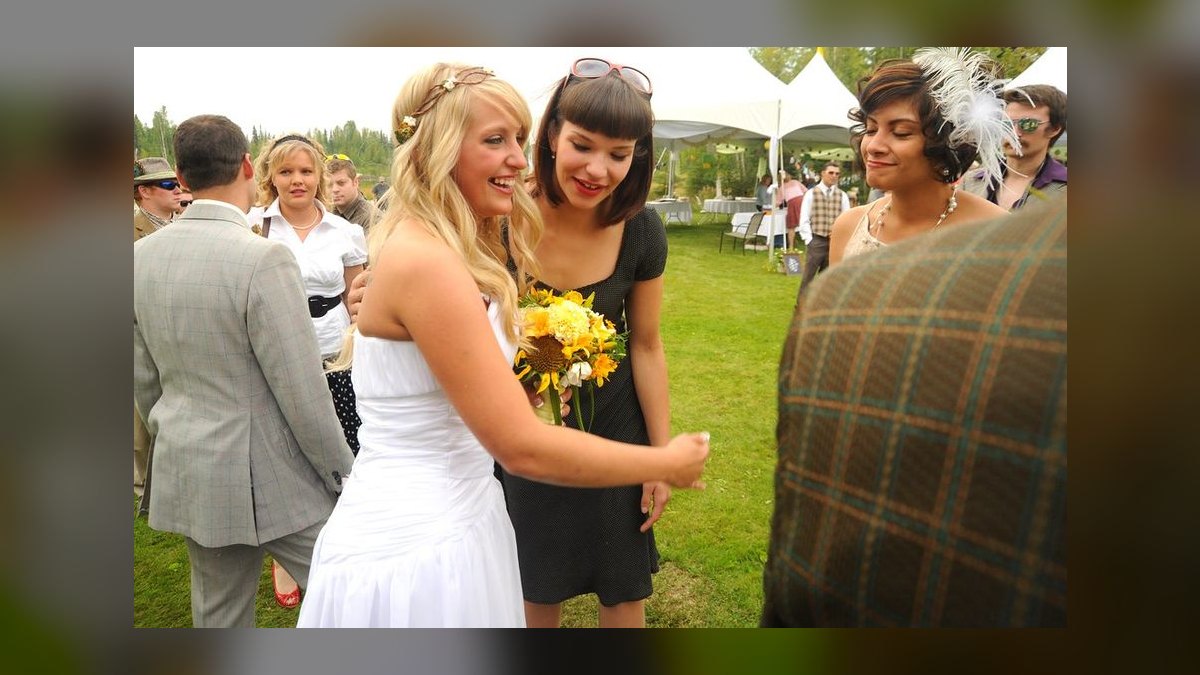
Risks, edge cases, and failure modes
Wind is the most underestimated variable. Coastal wind is not a breeze, it is a persistent force that will lift an unweighted hem repeatedly through a ceremony you cannot walk out of. Mitigations, in order of effectiveness: choose a fabric with some weight or a slip lining, choose a wrap or midi rather than a full circle skirt, add a discreet weight or a longer lining, and pick a hat that fits snugly or skip the hat. A wide brim in a stiff onshore wind becomes a frisbee. If you want sun protection in genuine wind, a fitted panama or a scarf tied at the nape beats a floppy straw brim every time.
Sand destroys thin heels and delicate hardware. Fine sand works into buckles, zippers, and chain links, and salt air accelerates tarnish on plated jewelry. Wear pieces you can rinse. Solid gold, sterling, shell, raffia, wood, and leather all survive a beach day; costume plating and delicate filigree do not. Leave the heirloom piece in the safe.
Sunburn during the ceremony is a real risk and it is asymmetric. Twenty minutes of unprotected shoulders under midday sun produces a burn that will hurt through the reception and show in every photo for a week. Apply reef-safe mineral sunscreen fifteen to twenty minutes before you leave, reapply on the schedule the label specifies, and be aware that mineral formulas can leave a white cast or transfer onto light fabric — apply well before dressing, and let it absorb fully.

Sweat and fabric interaction. Silk shows sweat marks readily and permanently water-spots. Light linen shows less but does show. If you run warm, favor cotton, linen, or Tencel in a pattern or a mid-tone over a flat pale silk, and consider an undershirt in a thin, moisture-managing knit. Antiperspirant applied the night before is meaningfully more effective than morning-of application, which is a small, free, and widely overlooked intervention.
The unclear dress code. If the invitation says something ambiguous, ask. Text the couple, or better, text the wedding planner or a member of the wedding party so you are not adding to the couple's decision load in their final week. This is not a burden; planners field this question constantly and would rather answer it than have a guest show up wrong.
Destination logistics. Linen arrives creased from a suitcase. Roll rather than fold, pack the outfit on top, hang it in a steamy bathroom on arrival, and confirm your accommodation has an iron or a steamer before you rely on one. For a garment that genuinely cannot wrinkle, a tropical-weight wool or a high-twist cotton travels far better than linen — this is the one scenario where a slightly less breathable fabric can be the right call.
Cultural and religious overlays. Some ceremonies carry shoulder-covering or knee-covering requirements that override beach casualness entirely, and a beach setting does not suspend them. If the ceremony includes a religious component, ask about coverage expectations specifically. A light shawl solves this without compromising the rest of the outfit.
The barefoot moment. Many beach couples invite guests to remove shoes for the ceremony. Assume it might happen: skip hosiery, and give your feet the same attention as the rest of the outfit. Nothing undermines a considered look faster than being caught out on this.
Adjacent scenarios worth planning for. The same logic transfers cleanly to a welcome dinner the night before, a morning-after brunch, and a rehearsal on the sand — three events that many destination weddings now include and that most guests pack for badly. Build one outfit for the wedding itself and one flexible set of pieces that recombines across the other events: a linen shirt that works over swim shorts at brunch and under a jacket at the welcome dinner, a wrap dress that changes character with different sandals. That is how you keep a destination wedding to a carry-on. The broader principle — dress for the physical environment first and the social code second — is the same one that governs vineyard weddings, rooftop ceremonies, and desert venues, all of which punish the same mistakes: heavy fabric, thin heels, and no plan for the temperature drop.
A practical rollout plan
Work backward from the ceremony date on a four-week runway. The plan below assumes you are starting from an empty closet; compress it freely if you already own the anchor piece.
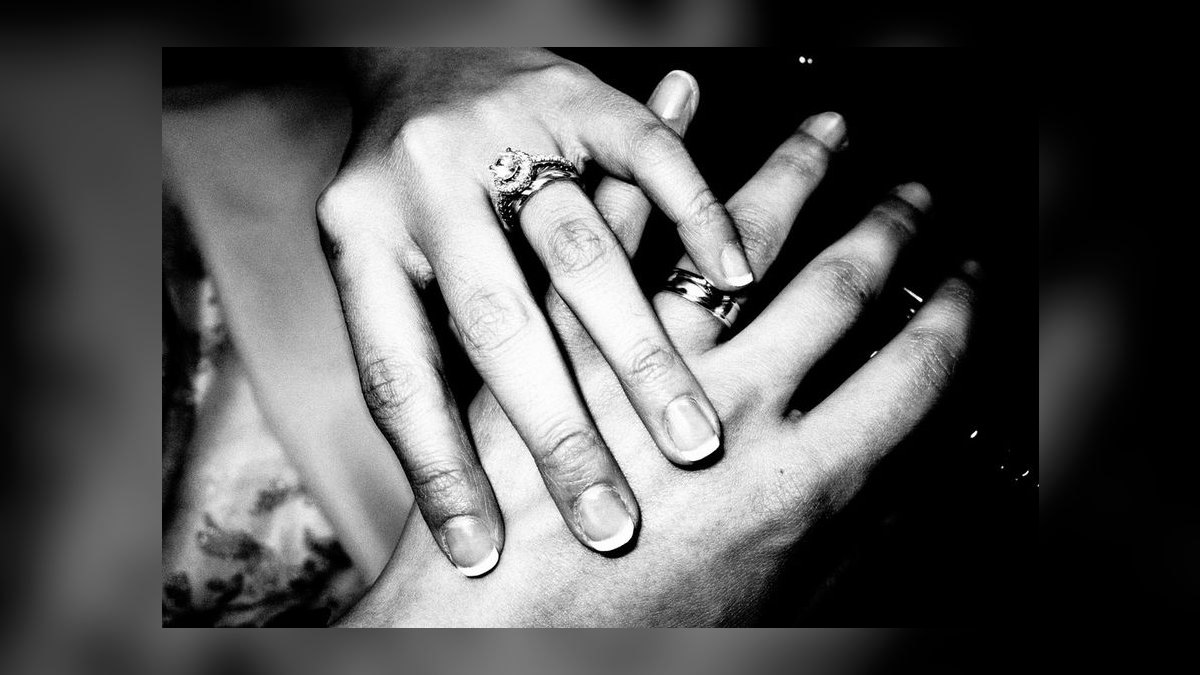
Four weeks out — gather constraints. Re-read the invitation and the wedding website. Note the stated dress code verbatim, the ceremony start time, the reception location and whether it is covered, and any requested color palette. Look up the venue on a map to confirm sand versus boardwalk. Check historical weather for that location and week — not the forecast, which is meaningless a month out, but the typical range, which tells you whether to plan for a ten-degree evening drop or a twenty-five-degree one.
Three weeks out — choose the anchor garment. Pick the one piece the outfit is built around: the dress, the jumpsuit, the suit, or the shirt-and-trouser pairing. Verify fiber content on the label. Order in two sizes if you are buying online and the return window allows it; fit on a beach outfit matters more than usual because you will be moving, sitting on uneven ground, and photographed from angles you did not plan for.
Two weeks out — footwear and layer. Buy shoes second, not first, so they answer to the garment rather than the reverse. Confirm the sole geometry against the sand question. Buy or pull the single evening layer. Break the shoes in over several days of ordinary wear — a blister at hour two ends your night.
One week out — tailoring and the full dress rehearsal. Get anything hemmed or taken in now. Then put the entire outfit on at once, shoes and accessories included, and walk around your home for twenty minutes. Sit down. Raise your arms. Take a photo in daylight. This single step catches the majority of failures: the hem that is an inch too long over flats, the jacket that gaps when you reach, the necklace that competes with the neckline.
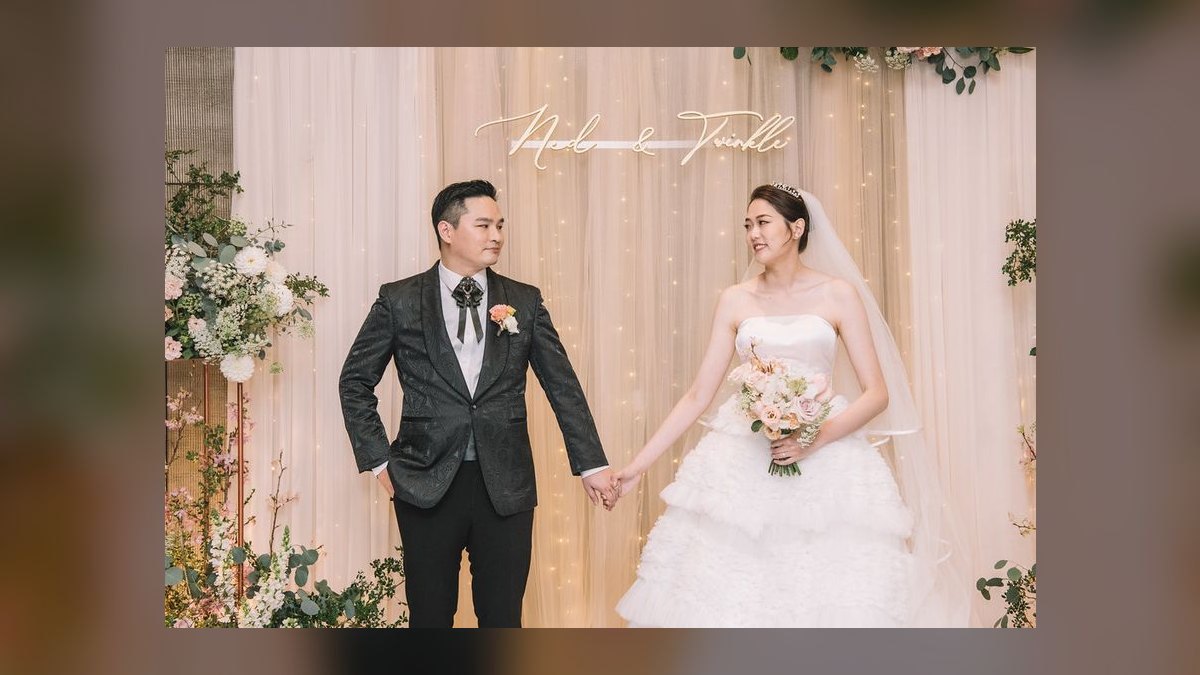
Travel days — pack and protect. Roll linen, pack the outfit on top, carry it on if the ceremony is within a day of arrival. Bring reef-safe sunscreen, a small brush or lint roller, and a stain pen. Hang everything on arrival.
Ceremony day — sequence and margin. Apply sunscreen twenty minutes before dressing. Dress with an hour of margin. Carry the evening layer rather than wearing it. Bring flats in a bag if you are wearing anything with a heel. Then stop managing the outfit and go to the wedding — the point of doing the work in advance is that you get to forget about it entirely once you arrive.
One adjacent note on why this planning discipline transfers: the same backward-planning method — fix the immovable date, identify the long-lead item, rehearse before it counts — is the standard approach to any deadline-driven preparation, from a conference keynote to a quarterly revenue close. The specific outputs differ; the sequencing logic does not. Guests who apply it to a wedding outfit tend to be the ones who show up unbothered.
Related questions
Can I wear shorts to a beach wedding?
Only if the dress code explicitly says casual or barefoot chic, and only tailored linen or cotton shorts with a flat front and an above-the-knee cut — never cargo or athletic styles. Pair them with a linen button-down or camp-collar shirt and leather sandals.
Do I have to wear a tie?
Rarely. Most beach ceremonies read fine without one, particularly before 5 PM. If the code says resort formal and the ceremony is in the evening, a lightweight linen or knit tie is a reasonable addition. Never a heavy silk tie with a linen suit.
What should I do about a heavy or structured handbag?
Leave it. Choose a small crossbody in raffia or leather so your hands stay free on uneven ground, or a compact clutch for the reception. Anything with a rigid frame or long chain becomes a liability in sand and wind.
Is a maxi dress too casual?
Not inherently. A maxi in silk, crepe, or a substantial cotton with a considered neckline reads as appropriately dressed. A jersey maxi in a loud print reads as vacation wear. The fabric and the finish decide it, not the length.
What if the wedding moves indoors for weather?
Your outfit still works — a light-fabric look is never wrong indoors, only slightly warm. This is the argument for the single evening layer doing double duty: it upgrades the formality of the same outfit if the setting suddenly becomes a room instead of a beach.
FAQ
Can I wear a suit to a beach wedding?
Yes, and for resort formal codes you probably should. Choose linen, cotton, or a linen blend in a light color — beige, sand, pale blue, light grey, or navy. Look for unstructured or half-lined construction so it breathes. Skip the tie for daytime ceremonies and consider going jacket-off during the reception. Avoid heavy wool and avoid black.
What shoes are best for walking on sand?
Flat leather sandals, espadrilles, wedges, and block heels with real sole surface area. Anything that concentrates weight on a narrow point will sink. Men do well in leather loafers with a rubber sole or a well-made espadrille. Be prepared to go barefoot for the ceremony itself — many beach couples encourage it — and to put shoes back on for the reception.
Is it okay to wear white as a guest?
Default to no. White, ivory, cream, and champagne remain the couple's territory unless they specifically invite guests to wear them, which some beach couples do. Soft neutrals like sand, oatmeal, sage, or blush give you the same light, coastal feeling with none of the risk.
What should men wear if it is extremely hot?
Drop the jacket entirely. A linen button-down or camp-collar shirt with tailored linen or cotton trousers, a leather belt, and leather sandals or loafers is fully appropriate at most beach ceremonies. Keep the shirt clean-fitting rather than oversized, and choose genuine linen over a blend — the fiber content is what determines whether you stay cool.
Are sundresses acceptable for women?
Yes, provided the fabric and cut are refined. A silk, linen, or good cotton midi with a wrap, slip, or structured cut reads as dressed. A thin jersey sundress in a beach print does not. Length in the midi-to-maxi range generally photographs better than very short hemlines in a wedding context.
How do I handle windy conditions?
Choose fabrics with some weight or a slip lining, favor wrap and midi silhouettes over full circle skirts, and secure or skip the hat. A snug panama or a scarf tied at the nape holds where a wide floppy brim will not. Men should skip a loose tie or secure it with a clip, and everyone should assume hair will move — style for texture rather than for a set shape.
Sources
- https://www.theknot.com/content/wedding-guest-attire-guide
- https://www.brides.com/beach-wedding-guest-attire-5088292
- https://www.vogue.com/article/what-to-wear-to-a-wedding
- https://www.gq.com/story/what-to-wear-to-a-wedding
- https://www.harpersbazaar.com/fashion/trends/
- https://www.marthastewart.com/7913371/wedding-dress-codes-explained
- https://www.weather.gov/safety/heat
- https://www.fda.gov/consumers/consumer-updates/sunscreen-how-help-protect-your-skin-sun
Related on PULSE
This page will be disappearing soon. Save it to your device for $1 — or read it free while it is here.
@Kory-White- · if Venmo asks, the last 4 of my number are 2012
This page is gone.
This one is off the shelf now. $1 keeps it on your phone for good — the whole page, pictures and diagrams included.
 pulse-styleWhat to Wear to a Factory Tour in 2027
 pulse-styleHow to Wear Slate Blue with Linen Pants in 2027
 pulse-styleHow to Wear Cream with a Turtleneck in 2027
 pulse-styleWhat are the most common mistakes in Style in 2027?
 pulse-styleHow to Style a Midi Skirt for a First Date in 2027
 pulse-styleHow to Wear Forest Green in Summer in 2027
 pulse-styleWhat to Wear to a Real Estate Job Interview in 2027
 pulse-styleHow to Style a Wrap Dress for a Graduation in 2027
 pulse-styleHow to Wear Olive Green in Fall in 2027
 pulse-styleHow to Wear Cream with Cargo Pants in 2027