

What to Wear to a Beach Vacation in 2027
 Curated byKory White · Fractional CRO · Maryland
Quality
Certified
For a 2027 beach vacation, pack a seven-to-nine-piece capsule in linen, organic cotton, and recycled performance knits, held to a sand-terracotta-ocean-blue palette. Bring one swimsuit per two days, one linen shirt that doubles as cover-up and dinner layer, rinseable molded sandals, a wide-brim hat, and polarized sunglasses.
The outcome you should expect
The measurable result of packing this way is a smaller bag that produces more outfits. A disciplined capsule of seven to nine garments — three tops, two bottoms, one or two swim pieces, one cover-up layer — cross-combines into roughly ten to fourteen distinct looks across a week, because every piece is chosen to work with every other piece. That is the whole mechanism: a shared palette means nothing clashes, so combinatorics does the work instead of volume.
The second outcome is weight. A week of beach clothing built from linen and recycled knits typically lands in the range of a carry-on rather than a checked bag, which removes the checked-bag fee, the carousel wait, and the risk of your swimwear spending the first two days of the trip in another city. Travelers who overpack usually do it in the two heaviest categories — denim and shoes — and both are the wrong call on sand anyway.

The third outcome is comfort you actually notice by day three. Breathable natural fibers and quick-dry synthetics mean you are not sitting in a damp waistband through a two-hour lunch. Sun-protective long sleeves mean you reapply sunscreen half as often. Molded rubber sandals mean you can walk from the water to a boardwalk restaurant without a blister forming on the strap line.
Finally, expect a cost outcome. A capsule concentrates spend into fewer, better pieces rather than spreading it across a dozen items you wear once. Practically, that means the linen shirt and the sunglasses justify real money, while the third tank top does not. If you are the kind of person who tracks this, the honest frame is the same one a business applies to revenue per unit: you want maximum output — outfits, wears, trip-days covered — per dollar and per gram of luggage, not maximum inventory sitting unused in a hotel drawer.
A useful benchmark for "did this work": count how many pieces came home unworn. Zero to one is an excellent pack. Two or three is normal. Four or more means you packed for a fantasy version of the trip — the formal dinner that never happened, the hike you never took — rather than the trip you actually booked.
What drives that outcome
Four variables drive whether a beach wardrobe works: fabric behavior, palette discipline, garment dual-use, and footwear suited to sand. Everything else is decoration.
Fabric behavior is the largest lever. Linen and open-weave cotton move air and dry fast; they wrinkle, but on a beach vacation wrinkles read as intentional. Recycled performance blends — regenerated nylon such as ECONYL, or recycled polyester such as Repreve — dry fastest of all and hold shape through saltwater, which is why swimwear and rash guards use them. Denim is the failure case: heavy dry, far heavier wet, slow to dry, abrasive against sunburn. Silk and cashmere fail for a different reason — they demand care you will not give them on vacation, and sunscreen stains them permanently.
Palette discipline is what converts a pile of clothes into a system. Pick one neutral base — sand, cream, khaki, or white — and one or two supporting tones — terracotta, sage, deep navy, ocean blue — then allow exactly one accent, such as coral or mustard. Every top must work with every bottom. This is why the capsule multiplies instead of adds. Mid-tone earth colors also hide sand and sunscreen better than either pure white or true black, which is a practical argument, not an aesthetic one.

Dual-use is the third driver. Every piece should answer two questions. A linen button-down is a swim cover-up at noon and a dinner shirt at eight. A sarong is a skirt, a towel, a beach blanket, and a shoulder wrap in an aggressively air-conditioned restaurant. Tailored swim trunks in a solid neutral pass as shorts once dry; baggy cargo-style trunks never do. Judge each candidate garment by its second job, and the ones that only have one job stay home.
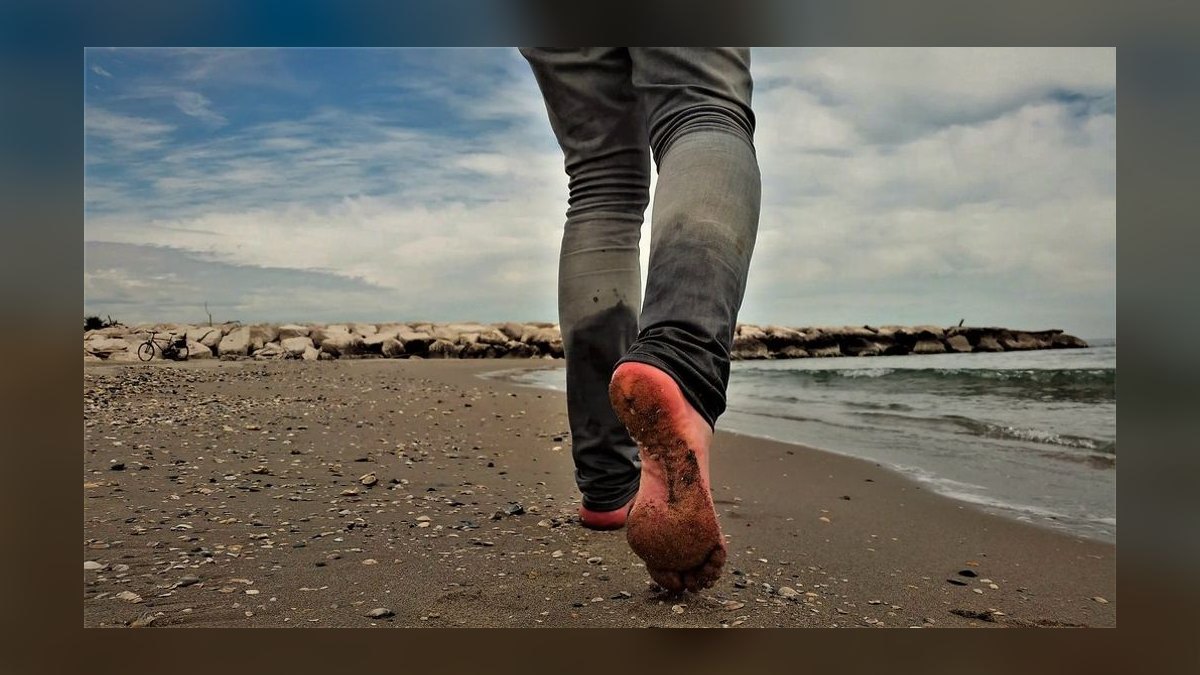
Footwear is where most packing lists go wrong. Sand defeats stiff soles, thin straps, and anything suede or unlined leather. A molded rubber or EVA sandal can be rinsed under a hose and worn wet, which is the single most useful shoe property on this trip. Add one dry-only evening option — an espadrille or a leather sandal — and stop there. Two pairs, occasionally three if you plan real walking or reef-adjacent swimming and need a closed water shoe.
Benchmarks and realistic ranges
Concrete numbers make packing decisions faster, so here are the ranges that hold up for a standard five-to-eight-day warm-weather beach trip.

Piece counts. Three to four tops, two bottoms, one cover-up layer, one to two swim pieces, and one evening layer. That is seven to nine garments plus underwear and sleepwear. For trips beyond ten days, do not scale the capsule linearly — add one top and plan one laundry cycle instead. Hotel sinks and quick-dry fabric make this trivial; a linen shirt washed at night is wearable by morning.
Swimwear count. Two is the working number. One dries while the other is worn. Three only makes sense if you are in the water more than twice a day or traveling with kids, where the calculus changes entirely.
Inseams and cuts. Swim trunks in the five-to-seven-inch range cover most body types and age preferences — shorter reads younger and more athletic, longer reads more tailored. Chino or linen shorts around nine inches sit comfortably for anyone who wants more coverage without looking dated. For women, a high-waisted bikini bottom or a moderate-cut one-piece stays put during actual swimming, while low-rise string ties are better suited to lounging than to bodysurfing.

Sun protection specs. Look for UPF 50+ on rash guards and sun shirts — that rating blocks the large majority of UV transmission through the fabric and is a published textile standard, not marketing language. A hat brim of roughly three inches or more meaningfully shades the face, ears, and neck; anything narrower is styling, not protection. Sunglasses should be marked UV400, and polarization is worth paying for near water specifically because it kills surface glare.
Weight targets. A week's beach capsule in linen and recycled knits generally fits a carry-on with room left for a hat and a book. If you are approaching a checked-bag weight, the excess is almost certainly shoes, denim, or a fourth swimsuit.
Budget ranges. A functional capsule can be assembled at several price tiers. An entry build — one linen shirt, one swimsuit, one pair of shorts, rubber sandals, hat, sunglasses — runs in the low-to-mid hundreds. A mid-tier build with better linen, recycled swimwear, and polarized glass-lens sunglasses lands in the mid-to-high hundreds. Above that you are buying longevity and finish rather than function. Spend concentrates well on three things: the sunglasses, the one shirt you will wear every evening, and the sandals. It concentrates badly on trend pieces.
Replacement cycles. Chlorine and saltwater degrade elastane. A swimsuit worn hard on consecutive vacations typically loses shape within a couple of seasons; rinsing in fresh water after every wear roughly doubles that. Linen, by contrast, improves — it softens for years, which is why it is the highest-return purchase in the entire kit.
Risks, edge cases, and failure modes
The white-linen-and-sunscreen problem. Chemical sunscreens containing avobenzone can leave stubborn yellow-orange marks on white and cream fabric, and they often set permanently after a hot wash or a day in direct sun. Mitigation: apply sunscreen and let it absorb for ten to fifteen minutes before dressing, favor mineral formulas around your best pieces, and rinse any contact spot in cold water immediately rather than at the end of the trip.
Air conditioning and evening wind. Tropical destinations routinely run interiors far colder than the outdoor air, and coastal wind after sunset can drop the felt temperature sharply. Travelers who pack only for daytime heat end up buying an overpriced resort sweatshirt. One unstructured linen-blend blazer, one open-weave cardigan, or one lightweight windbreaker solves this and weighs almost nothing.

Resort and cultural dress codes. Many beach restaurants enforce a covered-up rule after dark — no bare chests, no wet swimwear, sometimes closed shoes. Destinations with conservative local norms may expect shoulders and knees covered away from the beach itself. Check the property's stated dress code and local convention before you pack, because the fix — one shirt, one longer bottom, one wrap — is trivial in advance and expensive on arrival.
Reef and rock hazards. Barefoot swimming over coral, urchins, or volcanic rock is a genuine injury risk, not a comfort preference. If your destination has a rocky or reef-fronted shore, a closed water shoe with a rubber sole is not optional. This is also where reef-safe sunscreen matters — several jurisdictions restrict certain UV-filter chemicals for reef protection, and some will confiscate non-compliant bottles at the airport.
Microfiber shedding. Synthetic swim and performance fabrics shed microplastic fibers in the wash. Recycled inputs reduce virgin plastic demand but do not eliminate shedding. A filter bag for the wash cycle, cold washing, and simply washing swimwear less often — a fresh-water rinse is usually sufficient between wears — are the practical mitigations.
Overpacking for a trip you did not book. The single most common failure. People pack a formal outfit for a dinner that never gets reserved, hiking shoes for a hike they will not take, and a third swimsuit for a fantasy of continuous swimming. Pack for the itinerary you actually have; if plans expand, most beach destinations sell exactly the thing you would need.
Barefoot running injuries. Sand running loads the calf and Achilles differently than pavement, and a sudden mile of barefoot beach jogging is a reliable way to spend the rest of the trip limping. Build up gradually, or wear a minimalist sandal or water-friendly shoe with a thin sole.
Baggage and weather variance. Delayed bags happen. Keep one swimsuit, one shirt, and your sunglasses in the personal item so day one is salvageable regardless. Similarly, shoulder-season beach trips carry real weather variance — a destination that averages warm can still deliver a windy, overcast stretch, so one long-sleeve layer earns its space.
A practical rollout plan
Treat packing as a short sequence rather than a night-before scramble, and it takes about forty minutes total.

Two weeks out: audit and gap-fill. Lay out what you already own in the target palette. Identify the actual gaps — usually it is a cover-up layer or footwear, rarely another swimsuit. Order only those, leaving return-window time. Check the destination's climate norms and the property's dress code in the same sitting.
One week out: build the grid. Physically arrange candidate tops and bottoms and confirm every top works with every bottom. Anything that pairs with only one item is cut or replaced. Confirm the evening layer works over both a swimsuit and a shirt. This is where the outfit count is actually determined, and it takes ten minutes.
Three days out: test the shoes. Wear the sandals around the house. New molded sandals occasionally rub at the toe post; you want to discover that at home, not on day one of the trip. Confirm the hat packs without crushing — packable Panama and raffia styles are made for this.

Night before: the three-bag system. Main carry-on holds rolled clothes in packing cubes, ideally split by category: swim and cover-ups in one, tops in another, bottoms and evening layer in a third. A separate small dry bag holds wet swimwear on the return leg and doubles as the phone-and-keys bag at the beach. The personal item holds the day-one kit: one swimsuit, one shirt, sunglasses, sunscreen, medication.
On the ground: the daily loop. Rinse swimwear in fresh water each evening and hang it — this is the single highest-return maintenance habit. Shake sand out of sandals before they go back in the bag. Wash the linen shirt mid-trip if it takes a hit. Nothing here takes more than two minutes.
After the trip: the audit. Note which pieces never left the bag and which you wore repeatedly. That list is your packing template for the next trip, and it improves faster than any generic list because it reflects how you actually vacation.
Related questions
How many swimsuits should I actually pack for a week?
Two for most travelers — one dries while the other is worn. Add a third only if you swim more than twice daily or are traveling with children, where wet-suit turnover is constant and drying time never keeps up with demand.
Can I wear the same clothes to the beach and to dinner?
Yes, if you choose for it. Tailored swim trunks in a solid neutral read as shorts once dry, and a linen button-down works open over swimwear at noon and buttoned at dinner. Swap to dry, sand-free shoes and you are done.
Is denim ever acceptable on a beach trip?
Rarely worth the weight. It is heavy dry, much heavier wet, slow to dry, and rough against sunburn. If you want a structured bottom for evenings, linen or cotton chino shorts do the same job at a fraction of the weight.
What is the best way to keep sand out of my luggage?
Use a dedicated dry bag for wet and sandy items, shake sandals out before repacking, and keep clean clothes in sealed packing cubes. A small brush or baby powder helps sand release from skin before you get dressed.
Do I need a rash guard if I already use sunscreen?
If you spend hours in the water, yes. A UPF 50+ long-sleeve top gives continuous coverage that does not wash off, wear off, or get missed on your back, and it cuts sunscreen reapplication substantially over a full swim day.
FAQ
What fabrics work best for a beach vacation in 2027?
Linen and open-weave organic cotton for anything worn dry — they breathe, dry quickly, and get softer with age. Recycled performance blends such as regenerated nylon or recycled polyester for swimwear and rash guards, because they hold shape in saltwater and dry fastest. Avoid denim, heavy polyester tops, silk, and anything requiring dry cleaning.
How do I transition from the sand to a restaurant without changing completely?
Keep one elevated layer in your bag. A linen shirt worn open over a tee, or a caftan thrown over a swimsuit, upgrades the look instantly. Change out of wet swimwear — most beach properties have a changing cabana or outdoor shower — and swap to dry, sand-free shoes. That is the whole transition.
What color palette should I build around?
One neutral base — sand, cream, khaki, or white — with two supporting tones such as terracotta, sage, or ocean blue, plus a single accent like coral. Mid-tone earth colors are the practical choice because they hide sand and sunscreen marks better than either pure white or true black.
What footwear should I bring?
Two pairs. One rinseable molded rubber or EVA sandal that can be worn wet, and one dry-only evening option such as an espadrille or leather sandal. Add a closed water shoe only if your destination has reef, rock, or urchin hazards, where it stops being a comfort choice and becomes a safety one.
How do I make a beach wardrobe more sustainable without overthinking it?
Buy fewer, better pieces and wear them for years — that is the largest single factor. Choose recycled-content swimwear and natural fibers like linen and organic cotton, wash synthetics cold and less often, use a microfiber filter bag, and rinse swimwear in fresh water after each wear to extend its life.
What accessories are genuinely essential?
A wide-brim hat with roughly three inches of brim or more, UV400 polarized sunglasses, a rinseable tote or dry bag, and reef-safe sunscreen. Everything else — jewelry, scarves, extra bags — is optional. If your destination restricts certain sunscreen chemicals, buy compliant product before you fly rather than at the resort shop.
Sources
- https://www.epa.gov/sunsafety — UV exposure guidance and sun-protective clothing recommendations
- https://www.skincancer.org/skin-cancer-prevention/sun-protection/ — sun protection standards including UPF-rated fabrics and hat brim guidance
- https://www.noaa.gov/ — coastal climate, sea surface temperature, and seasonal weather data for beach destinations
- https://oceanservice.noaa.gov/ — reef conditions and coastal hazard information
- https://www.cdc.gov/travel — destination-specific travel health guidance including sun and water safety
- https://www.astm.org/ — textile performance standards, including UPF test methods for sun-protective fabrics
- https://www.tsa.gov/travel/security-screening/whatcanibring — carry-on rules relevant to sunscreen and liquid packing
- https://www.cntraveler.com/ — destination packing guides and dress-code norms by region
- https://www.nps.gov/subjects/oceans/index.htm — U.S. coastal park guidance on beach safety and footwear hazards
Related on PULSE
This page will be disappearing soon. Save it to your device for $1 — or read it free while it is here.
@Kory-White- · if Venmo asks, the last 4 of my number are 2012
This page is gone.
This one is off the shelf now. $1 keeps it on your phone for good — the whole page, pictures and diagrams included.
 pulse-styleWhat to Wear to a Real Estate Job Interview in 2027
 pulse-styleHow to Style a Pleated Skirt for a Job Interview in 2027
 pulse-styleHow to Wear Sage Green in Winter in 2027
 pulse-styleWhat to Wear to a Wedding if You Have Broad Shoulders in 2027
 pulse-styleHow to Style Ankle Boots for a Job Interview in 2027
 pulse-styleTop 10 Affordable Work Dress Brands in 2027
 pulse-styleWhat to Wear to a Factory Tour in 2027
 pulse-styleHow to Style Combat Boots for a Graduation in 2027
 pulse-styleWhat to Wear to a Volunteer Work Day in 2027
 pulse-styleHow to Style Wide-Leg Pants in Spring in 2027