

What to Wear to a Black-Tie Wedding in 2027
 Curated byKory White · Fractional CRO · Maryland
Quality
Certified

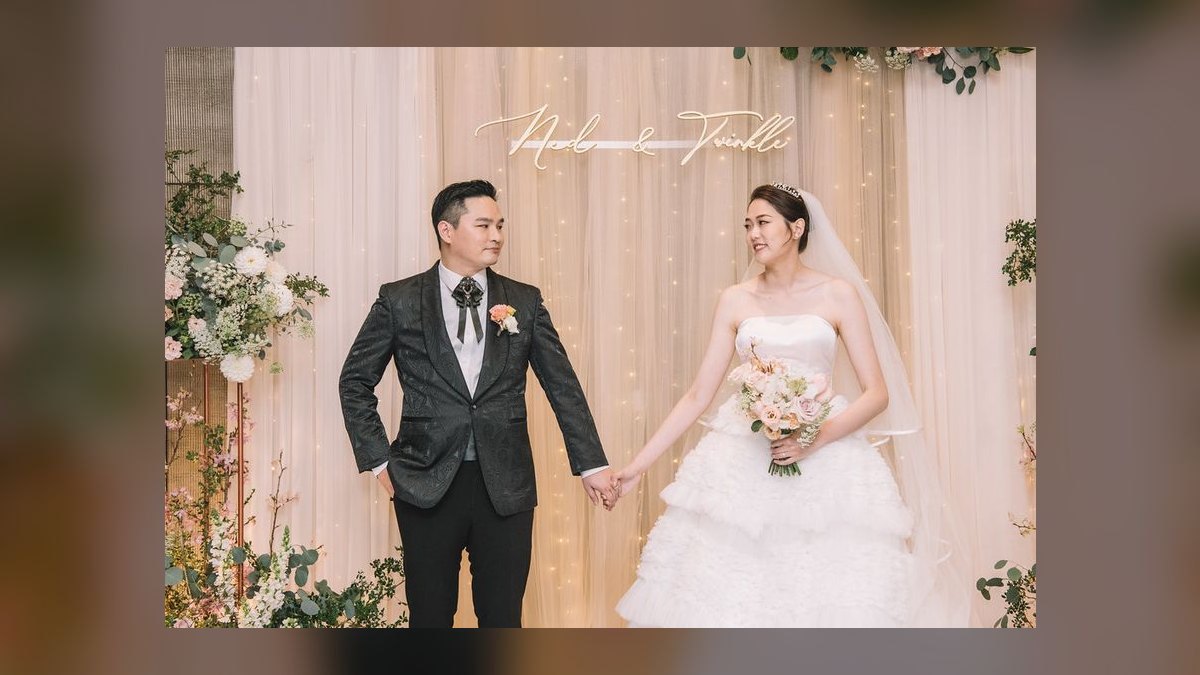
For a black-tie wedding in 2027, wear a tuxedo with satin or grosgrain lapels, a white pleated or bib-front shirt, a self-tie black bow tie, and polished patent leather shoes — or a floor-length gown in silk, velvet, or crepe. Deep jewel tones and metallics read modern; fit and fabric matter more than price.
The invitation lands and the clock starts
Picture the envelope arriving eleven weeks before the date: heavy cardstock, letterpress, and in the lower right corner two words that change everything — *black tie*. Not "black tie optional," not "formal attire," not "cocktail." Black tie. That distinction is the entire brief, and most guests misread it because the modern dress-code vocabulary has been diluted by hosts who use the phrases interchangeably.
Here is what the words actually mean in practice. Black tie means a dinner jacket — a tuxedo — with silk-faced lapels, matching trousers with a braid or satin stripe down the outer seam, and no necktie. It also means a floor-length gown or an equivalently formal ensemble. Black tie optional means the host will not turn you away in a dark suit, but the room will skew tuxedo and you will be the underdressed one in photographs. Creative black tie is an invitation to keep the silhouette and play with color, texture, or a velvet jacket. White tie — rare, maybe one wedding in three hundred — means tailcoat, white piqué waistcoat, white bow tie, and a full-length gown with gloves. If the invitation says black tie, you are in the first category and there is no wiggle room worth exploiting.

The clock matters as much as the code. Eleven weeks is comfortable; three weeks is tight; five days is a crisis. Tailoring is the bottleneck, not shopping. A tuxedo bought off the rack needs sleeve length, trouser hem, and usually a waist suppression — that is a two-to-three-week turnaround at most alteration shops during peak season, and peak season for weddings runs May through October with a second bump in December. A gown that needs a hem, bust adjustment, or strap shortening is the same story, sometimes worse, because gown alterations are slower and pricier per operation.
So the first thing you do when the invitation lands is not browse. It is count backward. Wedding date minus one week is your final fitting. Minus three weeks is your first fitting. Minus four to five weeks is when the garment needs to be in your hands, which means ordered or rented by week six or seven if anything is shipping. Everything after that is accessories and grooming, which are genuinely last-minute-able.
Two other details from the invitation shape the outfit before you have chosen a single item. Venue: a ballroom with marble floors and climate control is a different physical problem than a tented garden reception on grass, where stiletto heels sink and a floor-length hem drags through dew. Start time: a 6:30 PM ceremony means you will be outdoors during the golden hour and indoors by nine, so a wrap or a lightweight overcoat is not optional in shoulder season. Read the invitation for both, then choose.
How the black-tie code actually works
Black tie is a system, not a checklist, and understanding the system is what lets you make substitutions without falling out of code. Every element exists because of a rule about contrast, sheen, and silhouette.
Start with sheen. The defining visual signature of a tuxedo is that the lapels, the buttons, the trouser stripe, and the bow tie share a lustrous facing — satin or grosgrain — that contrasts against a matte wool body. That is the whole trick. A black suit and a black tuxedo can be cut identically and the tuxedo still reads formal from thirty feet because light catches the lapel. This is also why a black suit with a bow tie does not solve the problem: no sheen, no signal.
Next, contrast. Black tie is fundamentally a high-contrast outfit: black or midnight-blue body against a stark white shirt. Midnight blue is not a compromise or a trend — it is the older tradition, and under warm incandescent or candlelight it reads *blacker than black*, because true black absorbs so much light it can look dusty or greenish in photographs. If you own one tuxedo, midnight blue is arguably the better buy for wedding use specifically.
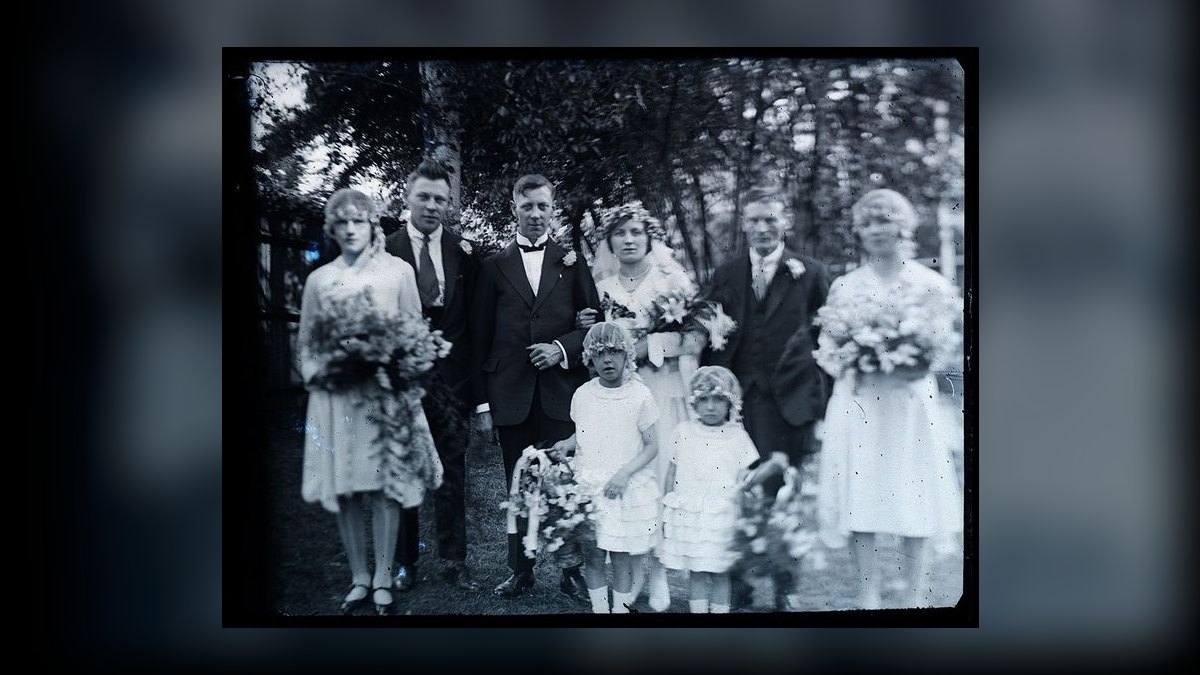
Then silhouette. For the gown side, the code asks for floor-length or the visual equivalent. Column, A-line, mermaid, and ballgown all satisfy it. A formal jumpsuit in silk or crepe with a wide leg satisfies it because the leg reads as a column. A tea-length dress in duchess satin can satisfy it at a less rigid wedding. A knee-length cocktail dress does not, however expensive the fabric.
The shirt deserves its own note because it is where most men lose the look. A black-tie shirt has a turndown or wing collar, a pleated bib or a piqué front, and French cuffs fastened with cuff links. Studs replace buttons on the placket in the most traditional version. An ordinary business shirt with a spread collar and barrel cuffs under a tuxedo jacket is the single most common tell that someone rented the jacket and improvised the rest.
The last structural piece is the waist covering. Traditional black tie hides the shirt-to-trouser transition with a cummerbund (pleats facing up) or a low-cut waistcoat. In 2027 this is widely treated as optional, particularly with a shawl-collar jacket worn buttoned all evening. If you plan to remove your jacket at any point — and at a dance-heavy reception you might — the covered waist is what keeps the look intact. If you never unbutton, you can skip it.
Women's accessories follow a parallel logic. The gown does the formality work; accessories should support, not compete. One statement piece is the rule: a bold necklace with quiet earrings, or dramatic drop earrings with a bare neckline, but not both. A small structured clutch — envelope, box, or minaudière — replaces any bag with a shoulder strap. Metallic, satin, or suede heels are the default, and closed-toe skews slightly more formal than open, though this is a preference rather than a rule.

Real numbers: what this actually costs and how long it takes
Budgets vary enormously, so the useful thing is the shape of the ranges rather than a single number.
Renting. A complete men's tuxedo rental — jacket, trousers, shirt, bow tie, and shoes — generally lands in the low-to-mid hundreds, with the major online services clustering under $200 and traditional formalwear shops sometimes lower for basic packages. Most online rentals ship a backup size at no extra cost, which is the single best feature of the model, and they want the order placed roughly two weeks out. Designer gown rentals typically run a similar or slightly higher range for a four-to-eight-day window, with the deepest inventory in standard sizes and the thinnest at the extremes. Rental math flips in favor of buying at roughly the third or fourth wearing.
Buying. Entry-level tuxedos from mall-tier and direct-to-consumer brands start low but often use polyester or high-polyester blends that pill, shine wrong, and photograph flat. The meaningful jump is to all-wool — typically a Super 100s to Super 130s worsted — which is where fabric stops being a liability. Half-canvassed construction is the sweet spot for a garment worn a handful of times a year; full-canvas is beautiful and rarely justified at wedding-guest frequency. On the gown side, price tracks fabric and construction far more than label: silk crepe, silk charmeuse, duchess satin, velvet, and good triple-crepe all drape in ways that polyester chiffon simply cannot.
Alterations. Budget for these separately, because they are not optional and they are what separates a good outfit from an expensive-looking one. On a men's jacket, sleeve length and trouser hem are cheap and fast. Waist suppression is moderate. Shoulder adjustment is expensive, slow, and the reason the fitting rule is *buy for the shoulders, alter everything else*. On a gown, a hem with a lining is a real operation, bust and strap adjustments are moderate, and taking in a beaded or sequined bodice is the expensive one because every bead in the seam allowance has to come off and go back on by hand.
Timeline, concretely. Seven-plus weeks out: decide buy versus rent and start looking. Six weeks: garment ordered. Four to five weeks: garment in hand, try it on immediately in good light. Three weeks: first fitting with the actual shoes you will wear, because trouser and hem length are set by heel height. Two weeks: rental order placed if you went that route. One week: final fitting, haircut, shoes broken in over several evenings at home. Day before: steam or press, lay everything out including undergarments and cuff links, and pack the small emergency kit — sewing kit with matching thread, safety pins, blister bandages, a static spray for silk or synthetic linings, and a portable charger, since black-tie receptions routinely run four to six hours.
Gifting, since it is part of the same budget conversation. Wedding gift amounts scale with relationship and locale far more than with dress code; the honest guidance is to give what your relationship and finances support, send it to the couple's home before the event rather than carrying a box to a black-tie reception, and put cash or a check in a card if the couple has not explicitly named a digital option. Attending a formal wedding already carries real costs — travel, lodging, attire — and no host worth the invitation expects you to overextend on top of that.
Trade-offs: rent, buy, borrow, or build a capsule
There is no universally correct answer here, only a decision that depends on how often you will be in this situation.
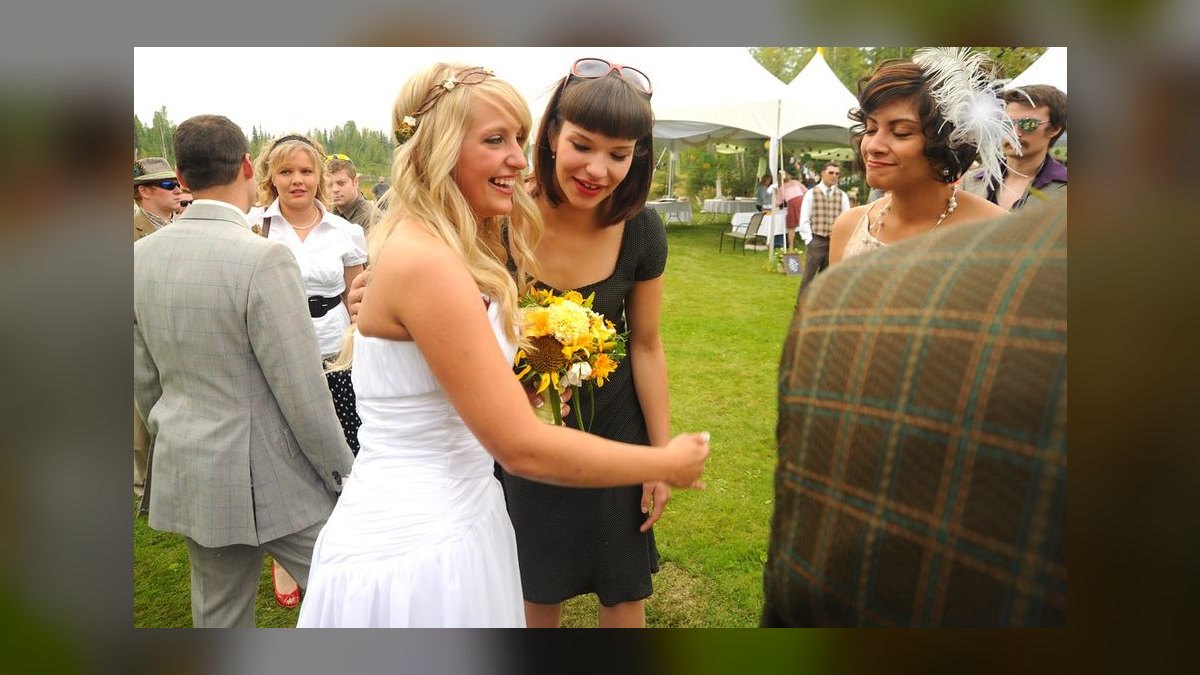
Rent when this is a one-off, when you are flying to the wedding, or when your size is stable and standard. The advantages are real: no storage, no long-term care, no capital outlay, and the backup-size safety net. The disadvantages are equally real — fit is approximate because rentals are altered for a range rather than for you, inventory thins during peak wedding months, and there is a genuine failure mode where the package arrives late or wrong and you are improvising two days out. Mitigate by ordering early and opening the box the day it lands, not the morning of.
Buy when you expect three or more formal events over the next few years, when your proportions are far enough from standard that rental fit will always disappoint, or when you simply want the garment to be yours. A well-chosen tuxedo has an unusually long service life because the design barely changes; lapel widths drift a centimeter or two per decade and that is the extent of the churn. Buy midnight blue or black, notch-free (peak or shawl lapel), single-breasted, one-button, with side vents or no vents.
Borrow — from a sibling, a friend, a parent's closet — is underrated and costs the price of dry cleaning plus minor alterations. The constraint is that alterations to a borrowed garment need to be reversible, so hems get let down rather than cut.
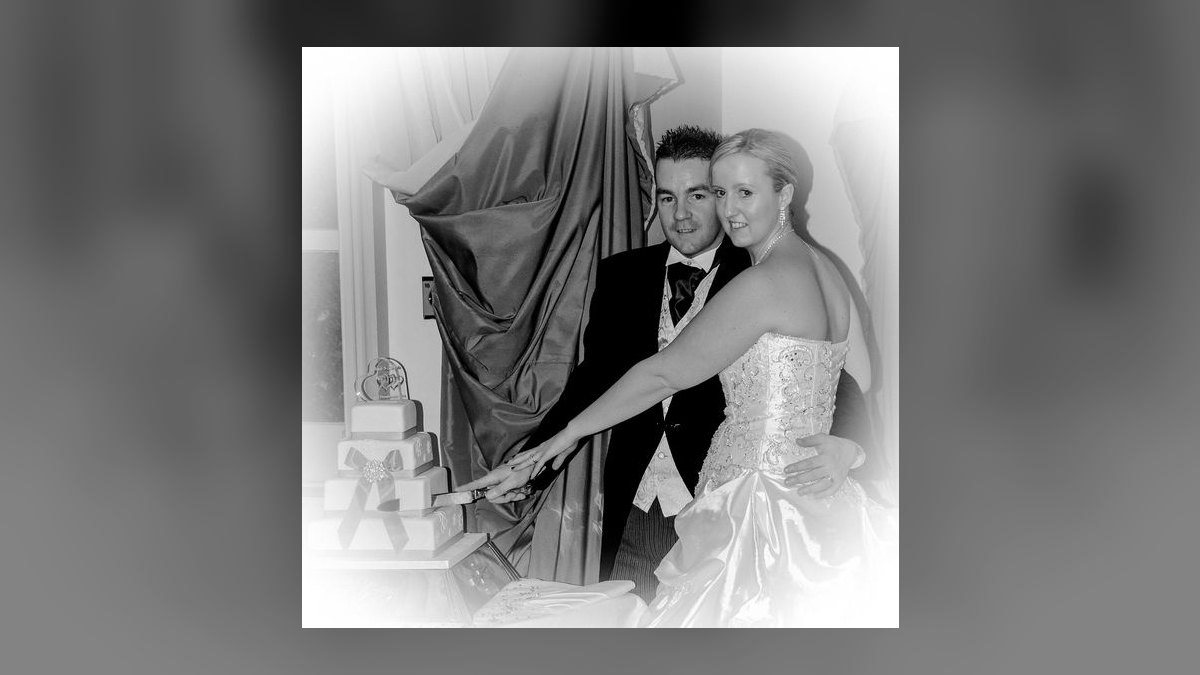
Secondhand and vintage occupy a middle ground with the best value per dollar and the worst convenience. Consignment platforms carry serious formalwear at a substantial discount to retail, and older tuxedos frequently have details — shawl collars, double-breasted fronts, heavier cloth — that cost a fortune new. Inspect the lining, the underarms, and the seat, check that the seam allowances are generous enough to let out if needed, and budget for cleaning and tailoring on top of purchase price.
The capsule approach is the answer for people who attend several formal events a year. For men, one midnight-blue or black wool tuxedo plus an ivory or off-white dinner jacket covers essentially every occasion, since the ivory jacket pairs with the same black trousers for warm-weather and destination events. For women, separates do the same work: a floor-length skirt in a heavy crepe or satin recombines with a velvet blazer, a silk camisole, or a beaded top to produce visibly different outfits from the same base, which matters when the same social circle appears in the same photographs repeatedly.
There is a sustainability dimension worth naming without overstating it. Formalwear is close to a textbook case for the rental and resale model: garments worn a handful of times, constructed to last decades, in silhouettes that barely date. Every additional wearing of an existing garment — rented, borrowed, thrifted, or your own from four years ago — beats manufacturing a new one. If a fresh look matters to you, change the accessories, not the base. A different bow tie, a different pocket square, a different clutch and earring pairing will read as a different outfit to everyone but you.
Care is the quiet lever on longevity. Store formalwear in breathable cotton garment bags rather than the plastic sleeves the cleaner uses, because plastic traps moisture and yellows silk over time. Dry-clean sparingly — solvent is hard on wool and brutal on velvet's pile — and spot-clean or air out between wearings instead. Hang jackets on wide wooden hangers that support the shoulder, hang gowns by their interior ribbon loops rather than by the straps, and lay heavily beaded pieces flat if you have the space, since their own weight will distort the shoulder seams over a year on a hanger.
Pitfalls that ruin an otherwise correct outfit
Wearing a black suit and calling it a tuxedo. The most common error and the most visible one. No lapel facing, no trouser stripe, no sheen — it reads as business attire in every photograph. If a tuxedo is genuinely out of reach, a very dark charcoal or midnight suit with a black bow tie and a formal shirt is a defensible near-miss; a black suit with a long tie is not.
Buying for the wrong measurement. Chest and shoulders are structural; waist, sleeve, and hem are adjustable. People routinely buy a jacket that fits in the waist and hangs off the shoulders, which no tailor can economically fix. The shoulder seam should sit at the edge of your shoulder bone with the sleeve head clean and unrumpled. Shirt cuff should show about a quarter to half an inch below the jacket sleeve.
Getting the hem length wrong because of shoes. Trousers and gowns are hemmed to the shoe. Bring the exact pair to the fitting. A gown hemmed for four-inch heels and worn with two-inch block heels will drag, catch, and trip you on a staircase, and every step of that reception involves stairs, thresholds, and dance floors.
New shoes on the day. Patent leather is stiff, unforgiving, and famous for blisters. Wear them at home for a few evenings with thick socks first. Bring blister bandages regardless.
Wearing white, ivory, or cream. Still the one hard color prohibition, and it extends to a mostly-white print or a white jumpsuit. The exception is the men's ivory dinner jacket, which is a recognized black-tie variant and is read as such — it is not competing with a wedding dress. When in doubt, ask a member of the wedding party rather than guessing.
Over-accessorizing. One focal point. A statement necklace *or* dramatic earrings. Cuff links *or* a visible watch, and traditionally a dress watch is left at home entirely for black tie. A pocket square in white linen with a straight or puff fold is nearly always correct and costs almost nothing.
Ignoring the physical demands of the evening. You will stand through a cocktail hour of roughly an hour to ninety minutes, sit through a plated dinner of two to three hours, and likely spend time on a dance floor. A jacket that binds when you raise your arms, a gown that bunches when seated, or a bodice that requires constant adjustment will occupy your entire attention. Sit down in the fitting room. Raise your arms. Walk up a flight of stairs.
Under-planning for temperature. Ballrooms run cold, tented receptions run hot at seven and cold at ten, and an outdoor ceremony in April or October is a different garment problem than the reception that follows. A pashmina, a fine-knit wrap, or an evening coat solves it. Shivering through the ceremony photographs is a preventable outcome.
Treating the dress code as a stand-alone problem. The outfit sits inside an etiquette envelope: arrive fifteen to twenty minutes before the stated ceremony time, silence the phone entirely rather than setting it to vibrate, and respect unplugged-ceremony signage. Wait for the host or emcee before starting a course. Loosen nothing until the couple does. These behaviors cost nothing and they are what the formality is actually in service of.
Forgetting that a dress code is a courtesy, not a competition. The point of black tie at a wedding is that everyone in the room agrees to look like they belong to the same evening. Matching that agreement well — clean fit, correct silhouette, quiet accessories — matters more than the price tag, and it is why a carefully tailored rental beats a badly fitted designer purchase every time.
Related questions
Is "black tie optional" really different from black tie?
Yes. Black tie optional means the host will accept a dark suit with a conservative tie, but the room's center of gravity will still be tuxedos and gowns. Dressing up is never the error at a wedding; dressing down is.
Can I wear a tuxedo regardless of gender?
Absolutely. A well-tailored tuxedo in black or midnight blue with a formal shirt or silk blouse is fully within code for any guest. Fit and finish carry the formality, not the gendered category the garment was sold under.
Does a formal jumpsuit count as black-tie appropriate?
Generally yes, if it is floor-length with a wide or column leg, cut from silk, crepe, or velvet, and finished with formal heels and a small clutch. The wide leg is what makes it read as a gown-equivalent silhouette rather than separates.
What if the wedding is outdoors on grass?
Choose a block heel or a wedge and consider heel protectors. Hem to the shoe you will actually wear, favor a fabric that resists creasing when you sit on garden chairs, and bring a wrap for the temperature drop after sunset.
How dark is too dark for a summer black-tie wedding?
Black works year-round indoors. For a hot outdoor evening, an ivory dinner jacket with black trousers, or a gown in a lighter jewel tone or metallic, keeps the formality while easing the visual and thermal weight of full black.
FAQ
Can I wear a black dress to a black-tie wedding?
Yes, and it is one of the safest choices available. A black floor-length gown is a classic that never reads as a mistake. To keep it from looking severe or funereal, choose a fabric with dimension — velvet, crepe with a matte-to-lustrous contrast, or a subtly textured jacquard — and lift it with metallic or jewel-toned accessories rather than more black.
Do men have to wear a bow tie, or is a long tie acceptable?
The bow tie is the defining element of black tie and it is the safe answer every time. A slim black formal necktie appears at some contemporary weddings and is unlikely to draw comment, but it is a departure from the code rather than an equal option. Self-tie beats pre-tied: the slight asymmetry of a hand-tied bow is the detail that signals you own the outfit.
What shoes are correct with a tuxedo?
Patent leather oxfords or highly polished black calfskin, plain-toe or cap-toe, laced. Formal velvet or patent slippers are a legitimate traditional alternative. Avoid loafers, brogues, anything with visible broguing or a chunky sole, and anything brown. The shoe should read as smooth and dark from across the room.
Are there colors I should avoid besides white?
White, ivory, cream, and blush-adjacent near-whites are the real prohibitions, since they encroach on the couple. Beyond that, neon and pale casual pastels tend to fight the room. Deep jewel tones — emerald, sapphire, burgundy, plum — plus metallics and classic darks are the reliable palette. If the couple has published a color story, avoid matching the bridal party exactly.
How far in advance should I book alterations?
Three weeks minimum, and more during May-through-October wedding season when tailors are booked solid. Bring the actual shoes and the actual undergarments to the fitting. If you are within a week of the event and something does not fit, a rental with a backup size is a more reliable rescue than a rushed alteration.
Is renting formalwear looked down on?
No. Renting is standard practice across the entire formalwear category, from wedding parties to award ceremonies, and no one at the reception can tell. The only visible difference between rented and owned is fit, which is why you open the box the day it arrives and leave yourself time to swap sizes or make a quick alteration.
Sources
- https://www.theknot.com/content/wedding-guest-attire-cheat-sheet
- https://www.brides.com/wedding-guest-attire-guide-5069425
- https://www.gq.com/story/black-tie-dress-code-guide
- https://www.vogue.com/article/wedding-guest-dresses
- https://emilypost.com/advice/attire-guide-dress-codes-from-casual-to-white-tie
- https://www.harpersbazaar.com/fashion/trends/g26/wedding-guest-dresses/
- https://www.esquire.com/style/mens-fashion/a26127/black-tie-dress-code/
- https://www.townandcountrymag.com/style/fashion-trends/a26076/black-tie-dress-code/
Related on PULSE
- What to Wear as a Groomsman to a Destination Wedding in 2027
- What to Wear as a Officiant to a Backyard Wedding in 2027
- What to Wear as a Maid of Honor to a Courthouse Wedding in 2027
- What to Wear to a Winter Country Club Wedding in 2027
- What to Wear to a Summer Church Wedding in 2027
- What to Wear as a Officiant to a Destination Wedding in 2027
This page will be disappearing soon. Save it to your device for $1 — or read it free while it is here.
@Kory-White- · if Venmo asks, the last 4 of my number are 2012
This page is gone.
This one is off the shelf now. $1 keeps it on your phone for good — the whole page, pictures and diagrams included.
 pulse-styleWhat to Wear to a Concert in 2027
 pulse-styleWhat to Wear to Yoga Class in 2027
 pulse-styleTop 10 Affordable Work Dress Brands in 2027
 pulse-styleHow to Wear Olive Green in Summer in 2027
 pulse-styleHow to Wear Cream with a Turtleneck in 2027
 pulse-styleHow to Style a Pencil Skirt for a Job Interview in 2027
 pulse-styleWhat to Wear to a Summer Garden Wedding in 2027
 pulse-styleHow to Wear Slate Blue with Linen Pants in 2027
 pulse-styleHow to Style a Knit Vest for a Theater Show in 2027
 pulse-styleWhat to Wear to a Second-Round Finance Job Interview in 2027