

What to Wear to a Tropical Resort in 2027
 Curated byKory White · Fractional CRO · Maryland
Quality
Certified

Pack breathable natural fibers — linen, organic cotton, Tencel lyocell — in a tight palette of cream, khaki, and navy, with one or two saturated accents for evening. Build around five to seven tops, three or four bottoms, two dresses, one light layer, and three pairs of shoes. Swap footwear and jewelry to move from pool to dinner.
The suitcase that fails on day two
Picture the scenario that repeats at every tropical property from Bali to Barbados. A traveler lands after a nine-hour flight, opens a checked bag, and finds a wardrobe assembled by category rather than by scenario: four cotton T-shirts, two pairs of jeans, one pair of leather sneakers, a black dress that photographs beautifully in a showroom and turns into a heat trap at two in the afternoon, and a single swimsuit. By the second morning the swimsuit is still damp. By the third the jeans have been worn once and abandoned. The leather sneakers have absorbed enough humidity to smell. Roughly two-thirds of the bag is dead weight, and the traveler is now buying an overpriced resort-boutique cover-up at four times its retail value.
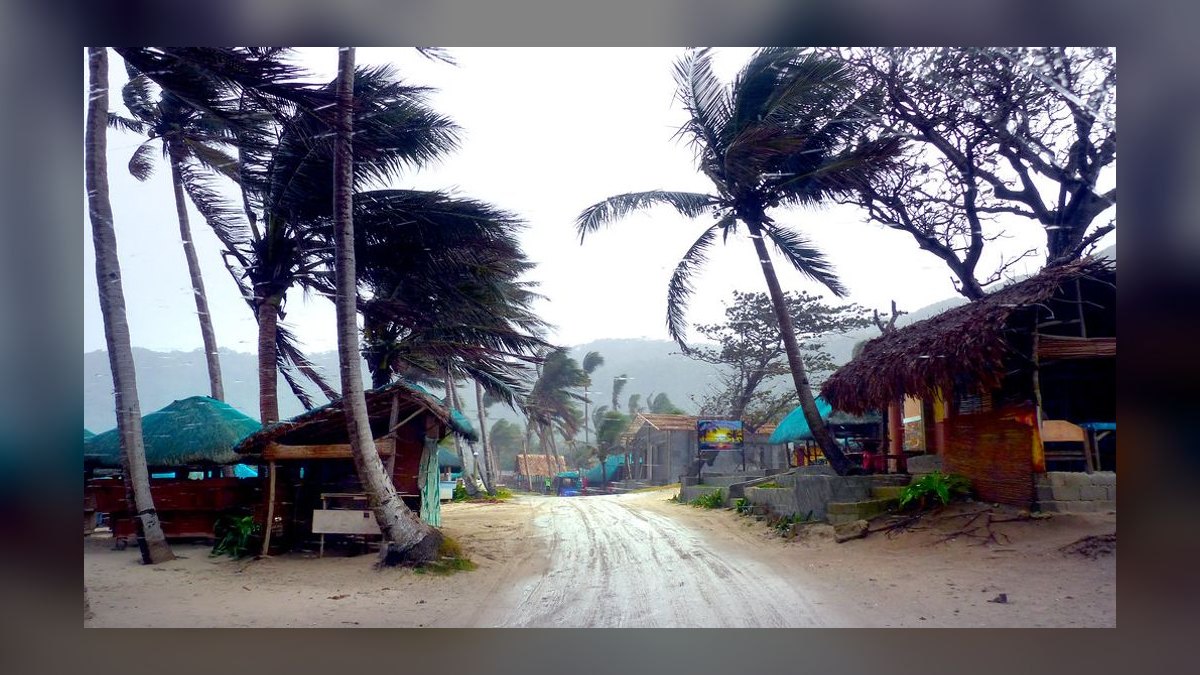
The failure isn't taste. It's that most people pack by counting garments instead of counting *occasions*. A tropical resort day has a predictable rhythm and each beat has different requirements. Morning, roughly 7 to 10 a.m., is the coolest and least humid window — this is when a long-sleeve linen shirt or a light knit over a tank actually feels good, and when most excursions depart. Midday, 11 a.m. to 3 p.m., is the sun-intensity peak; this is loose, light-colored, covered-skin territory, or you're in the water. Late afternoon, 4 to 6 p.m., is the transition — you're rinsing off salt, changing, and moving toward a bar or a terrace. Evening is air-conditioned interiors and a coastal breeze, which is why almost everyone underpacks a layer and shivers through dinner.
Map those four beats across seven days and you get twenty-eight dressing moments. If you pack twenty-eight garments you've built a logistics problem. If you pack roughly fifteen pieces that recombine, you've built a wardrobe. The difference between the two suitcases is not money — it's whether the pieces share a color family and a fabric weight, so that nearly any top works with nearly any bottom.
This is the same logic hotel operations teams use when they plan linen inventory, and the same logic a retailer's merchandising group uses when it builds a capsule collection: constrain the variables, multiply the outputs. A resort's own boutique revenue depends on guests arriving underprepared — the impulse cover-up, the forgotten hat, the pair of flip-flops bought at 300% markup near the pool deck. Packing deliberately is, among other things, a way of not funding that particular line item.
There's an upstream version of this problem too. The traveler who packs badly for a resort usually packs badly for the *flight* — heavy shoes worn onto the plane because they wouldn't fit in the bag, a jacket carried in the arms through three terminals. Solving the resort wardrobe tends to solve the transit wardrobe as a side effect, because the same lightweight, wrinkle-tolerant, layerable pieces are exactly what you want in a pressurized cabin at 4°C of vent draft.
How fabric, humidity, and the pool-to-dinner swap actually work
The mechanism underneath every tropical packing rule is moisture transport. In a climate running 75–95°F with humidity above 80%, sweat does not evaporate efficiently — the surrounding air is already close to saturated. Your clothing is therefore doing one of two jobs: absorbing moisture and holding it against the skin, or moving it outward to a surface where at least some evaporation can happen.
Linen and cotton are absorbent. Linen's advantage is its stiff, hollow fiber structure and loose weave: it holds the fabric slightly off the skin, so air moves through it. Cotton absorbs comparably but clings when wet, which is why a soaked cotton T-shirt feels miserable and a damp linen shirt mostly doesn't. Tencel lyocell and bamboo viscose sit in a different category — they're regenerated cellulose fibers engineered to wick moisture along the fiber surface and release it faster, which is why they dry in a fraction of the time linen needs. Conventional polyester and nylon repel moisture entirely, which is excellent in technical activewear with mesh panels and awful in a woven shirt with no ventilation, because the sweat has nowhere to go and you get chafing plus odor from bacterial growth.
The practical rule that falls out: natural or regenerated cellulose for anything worn against the skin all day; performance synthetics only where they were engineered to perform — swimwear, rash guards, a packable rain shell, technical sandal straps.

The second mechanism is the outfit swap. Resort dress codes are almost never written down, but they're real: a property that is entirely relaxed at noon will expect covered shoulders and closed-toe or dressy footwear at its signature restaurant. The efficient solution is not two wardrobes. It's one wardrobe with two *finishes*. The same linen trousers that were rolled at the ankle over slides at lunch get worn full-length with a leather sandal or loafer at eight. The same slip dress that was a swim cover-up with a straw tote becomes a dinner dress with a metal-toned earring and a wrap. You are changing three touchpoints — feet, jewelry, layer — not eleven.
The third mechanism is sun load. UV exposure at tropical latitudes is materially higher than most travelers' home baseline, and a standard white cotton T-shirt provides roughly UPF 5–7 when dry and less when wet — meaningfully less protection than people assume. Purpose-made UPF 50+ garments block the overwhelming majority of UV, and they solve a problem sunscreen can't: they don't wash off in the water, don't need reapplication every two hours, and don't sting when they run into your eyes. This is why the rash guard has quietly moved from a surfer's item to a standard adult resort garment, and why brimmed hats — real ones with a brim in the three-to-four-inch range, not a baseball cap — have become the single highest-leverage accessory in the bag.
The numbers: counts, budgets, and what things actually weigh
Concrete targets make packing decisions fast. For a seven-day stay, the working formula is 5–7 tops, 3–4 bottoms, 2 dresses or jumpsuits, 1 light layer, 3 pairs of shoes, and 3 swimsuits. Three swimsuits is not vanity — it's a drying-cycle requirement. One is on you, one is drying, one is clean and dry. In 80%+ humidity a swimsuit that would dry in three hours at home may still be damp at bedtime, and putting on a wet suit two mornings running is how people end up with skin irritation.

Apply the 3-3-3 constraint to make those pieces combinatorially useful: three colors, three fabrics, three silhouettes. Cream, khaki, and navy is the most forgiving color trio because all three read as neutral, all three pair with each other, and all three take a saturated accent — coral, sage, ocean blue — without fighting it. The three fabrics: linen, organic cotton, Tencel lyocell. The three silhouettes: one loose top, one tailored bottom, one flowing dress or tunic. Fifteen pieces built this way yield roughly a dozen genuinely distinct outfits; fifteen pieces bought individually across four color stories yield about four.
Price ranges you can plan against, based on where these categories generally sit at mainstream and mid-tier retail:
- Linen shirts and trousers: roughly $60–$150 at mass and mid-market retailers; $150–$300 for GOTS-certified organic linen from a specialist label. The certified pieces are genuinely heavier-gauge and last longer, but a $70 linen shirt worn ten days a year is not a bad purchase.
- Tencel dresses and pants: roughly $50–$140 depending on brand positioning. Tencel's price has compressed considerably as supply has scaled.
- Swimwear: roughly $50–$150; recycled-nylon suits from sustainability-focused labels sit toward the top of that band.
- UPF 50+ rash guards and sun shirts: roughly $40–$90.
- Brimmed straw hats: $30–$60 for a serviceable packable version; $150–$300 for a hand-woven Panama that will survive a decade.
- Resort footwear: molded EVA sandals around $45–$60, leather slides and thong sandals $80–$180, espadrilles and canvas-and-jute wedges $60–$140, breathable wool or knit sneakers $95–$135.
- Packable rain shell: $80–$150, weighing well under half a pound and compressing into its own pocket.
Weight and volume matter more than most people plan for. Airline carry-on allowances commonly cap around 7–10 kg on international and low-cost carriers, and a tropical capsule genuinely fits inside that — linen and Tencel are light, and shoes are the only real mass. Three pairs of shoes is the ceiling for a carry-on; wear the bulkiest pair in transit and pack the two lighter ones sole-to-sole in a shoe bag along the spine of the case.
Budget the whole kit rather than piece by piece. A complete seven-day tropical wardrobe assembled new at mid-market prices lands somewhere around $600–$1,200 for one person, and most of that is reusable across every warm-weather trip for the next several years. Buying secondhand through resale platforms typically cuts 50–70% off retail on comparable pieces, and resort wear is unusually well suited to resale because it's worn a handful of days a year and arrives on the secondary market barely used.
One more number worth internalizing: the marginal cost of a forgotten item purchased on property. Resort boutiques operate on captive-audience pricing. A hat you'd pay $40 for at home is routinely $90–$130 in a lobby shop; sunscreen at $12 becomes $30. The wardrobe planning above pays for a meaningful fraction of itself purely by eliminating those purchases — a small but real line of resort revenue you simply decline to contribute to.

Trade-offs: linen versus Tencel, buy versus rent versus resale
Every choice here has a cost on the other side, and pretending otherwise produces bad advice.
Linen versus Tencel. Linen breathes better and looks better — the texture is the whole point, and the drape improves with age. It also wrinkles the moment you sit down, dries slowly relative to Tencel, and creases in the suitcase no matter how carefully you roll it. Tencel resists wrinkling, dries fast, and feels silky against the skin, but it drapes closer to the body, which reads less "resort" and more "office," and it's less forgiving of heat because it hangs rather than standing off the skin. The practical resolution: linen for the pieces that are seen and photographed — the camp-collar shirt, the wide trousers, the tunic — and Tencel for the pieces doing hard work in heat, like travel-day layers and anything worn under something else.
Buy versus rent versus resale. Buying new gets you exact fit and a piece you own for years; it's also the most capital up front and the highest environmental cost. Rental services solve the "I need three evening looks for one week a year" problem elegantly and cost a fraction of purchase, but availability and fit are a gamble and you're on the hook for damage — sunscreen and self-tanner destroy light fabrics, and tropical trips are exactly where that happens. Resale splits the difference: substantially cheaper, often better quality per dollar, but you're shopping inventory rather than a catalog, sizing is inconsistent across vintages, and returns are limited. For a first tropical wardrobe, buy the foundation pieces new — they'll be worn for years — and fill in the statement evening pieces via resale or rental.
Neutral capsule versus print-forward. A tight neutral palette maximizes outfit combinations and photographs cleanly against sand and water. It also produces seven days of photographs that look like one day. Print-forward packing is more fun and more memorable, but every print is effectively a single-use garment — it doesn't recombine, and you notice it in the photos twice. The middle path most experienced travelers land on: neutral foundation, one or two prints deployed at dinner, and accessories carrying the color.
Checked versus carry-on. Carry-on means no lost luggage, no baggage fee, and a fast exit — genuinely valuable when your resort transfer is a scheduled boat or a shared shuttle. It costs you liquid volume (sunscreen in travel sizes gets expensive fast) and forces the three-shoe discipline. Checking a bag buys you full-size toiletries and a spare pair of shoes at the cost of the single most common trip-ruining failure mode: a bag that arrives two days late at a destination with no shops. If you check, put a full day's outfit and a swimsuit in your personal item.
Sustainability versus cost. Certified organic linen, recycled-nylon swimwear, and B Corp labels cost more per piece — often 40–80% more than the mass-market equivalent. The counterargument that actually holds up is durability: higher-gauge natural fibers survive more wash cycles, resist odor better in humidity, and hold resale value. If budget forces a choice, spend on the pieces that get the most wear and the most abuse — swimwear and footwear — and economize on the linen shirt you'll wear four times a year.

Where this goes wrong, and how to prevent it
Packing denim. Jeans are the single most common mistake. They're heavy in the bag, they're hot on the body, and once damp they take the better part of a day to dry in humidity. If you want the silhouette, a lightweight cotton chino or a linen-cotton blend trouser gets you there at a fraction of the thermal load.
Building an all-black wardrobe. Dark colors absorb solar radiation and re-radiate it toward you. There's a legitimate counterpoint — very loose black robes are traditional in some hot climates precisely because the heated air rises and drives convection — but that only works with genuine looseness and full coverage. A fitted black dress in direct tropical sun is just a heat sink. Default to white, cream, sand, and pastels for daytime; save black for air-conditioned evenings.
Underpacking the layer. People pack for the outdoor climate and forget that resort interiors, buses, and boats run aggressive air conditioning. One lightweight wrap, cardigan, or unstructured linen blazer converts a shivering dinner into a comfortable one, and it doubles as a shoulder cover for any restaurant with a dress code or any temple or church you visit on an excursion day.
Ignoring local dress norms. This one carries more consequence than comfort. Resorts sit inside communities, and many tropical destinations have real expectations about covered shoulders and knees off the property — at markets, in villages, at religious sites. A packable sarong or a long linen shirt solves this in one item. Look up the norms for your specific destination before you go rather than after you've been turned away at a temple entrance.
Bringing stiff leather shoes. Formal oxfords and structured heels are wrong on sand, wrong on wet stone pool decks, and prone to mildew in humidity. Espadrilles, leather thong sandals, and minimalist breathable sneakers cover essentially every resort scenario. If you bring one leather item, treat it with a water-repellent spray beforehand and let it dry fully between wears.
One swimsuit. Covered above, but it bears repeating because it's so common. Three, minimum, for a week.
Skipping sun protection because you "tan easily." UV load at low latitudes is not the same exposure your skin is calibrated to. A brimmed hat, polarized sunglasses, and a UPF 50+ layer for long water days prevent the burn that ruins days three through five of a seven-day trip.

Over-accessorizing. Heavy jewelry stains and tangles in a bag, and salt water and chlorine are hard on plated metal. One statement piece per look is the ceiling — a straw hat, or a necklace, or a scarf, not all three.
Forgetting the recovery kit. A travel steamer or a wrinkle-release spray rescues linen after a day compressed in a suitcase. Rolling rather than folding helps, packing cubes help more, and hanging a linen shirt in a steamy bathroom for ten minutes is a free substitute if you didn't bring either.
Neglecting care in-destination. Rinse swimwear in fresh water immediately after every use and lay it flat — chlorine and salt degrade elastane fast, and wringing destroys the shape. Plastic-free laundry strips weigh nothing and make a mid-trip sink wash trivial, which is what actually lets a fifteen-piece capsule cover a ten-day trip.
Related questions
Does this capsule approach work for a cruise instead of a resort?
Mostly yes, with two adjustments. Cruises have stricter and more explicitly published evening dress codes, so add one genuinely formal option. And ports vary in climate, so bring the layer even if the itinerary looks uniformly warm.
What changes for a tropical destination in its rainy season?
Add a packable rain shell and a compact umbrella, shift the shoe mix toward quick-dry sandals over anything absorbent, and expect to launder mid-trip. Rainy-season humidity pushes drying times up, so favor Tencel and swim-fabric pieces over heavy cotton.
How does a business-travel or work-retreat version differ?
Swap one dress or pair of shorts for tailored linen trousers and add a second unstructured blazer. The palette discipline stays identical — a neutral capsule reads professional and resort-appropriate simultaneously, which is exactly why it works for offsite meetings held at warm-weather properties.
Is it worth buying resort wear at the destination instead?
Rarely for the core capsule — on-property retail carries a steep captive-audience markup. Local markets outside the resort are a different story, and a sarong, a woven bag, or a straw hat bought locally is usually cheaper and better than the equivalent at home.
How much of this transfers to a desert or Mediterranean trip?
Most of it. The neutral palette, the linen foundation, and the layer all transfer directly. What changes is the moisture math: dry heat rewards more coverage and fewer quick-dry pieces, and the day-to-night temperature swing is far larger, so the light layer becomes a warm one.
FAQ
Can I wear jeans to a tropical resort in 2027?
Not comfortably. Denim is heavy, hot, and slow to dry in high humidity, and it stays damp long enough to be genuinely unpleasant. Lightweight cotton chinos or linen trousers deliver the same coverage and structure with a fraction of the thermal load, and they pack far smaller.
How many swimsuits should I pack for a week?
Three. One worn, one drying, one clean and dry. Humidity above 80% dramatically extends drying time, and a suit that would be dry in three hours at home can still be damp twelve hours later. Rinse each in fresh water immediately after use and lay flat rather than wringing.
What footwear actually works on sand and wet pool decks?
Molded EVA or rubber-soled slides, leather thong sandals with a textured sole, and jute-soled espadrilles for evening. Avoid stiff leather dress shoes and any heel narrow enough to sink. A breathable knit or wool sneaker covers excursions and travel days.
Do I really need UPF clothing, or is sunscreen enough?
Sunscreen works if you reapply it correctly every two hours and after every swim, which almost nobody does. UPF 50+ fabric doesn't wash off, doesn't need reapplication, and doesn't run into your eyes. For long water days and boat excursions, a rash guard is meaningfully more reliable than lotion alone.
Should I bring a blazer for evening dinners?
An unstructured, unlined linen blazer in cream, stone, or navy is one of the highest-value items in the bag. It satisfies smart-casual restaurant expectations, blocks aggressive air conditioning, and packs flat. Skip anything with shoulder padding or a canvas front — the structure adds weight and traps heat.
What's the single most overlooked item?
A packable tote or day bag. It carries a towel, sunscreen, water, and a book to the beach, doubles as a market bag on excursion days, and folds into a pouch that weighs a few ounces. Add a quick-dry travel towel if the property doesn't supply pool towels.
Sources
- https://www.cntraveler.com — Condé Nast Traveler, packing and warm-weather travel style guides
- https://www.vogue.com — Vogue, resort and seasonal collection coverage
- https://www.rei.com/learn/expert-advice — REI Expert Advice, sun-protective and travel apparel guidance
- https://www.epa.gov/sunsafety — U.S. EPA sun safety and UV index guidance
- https://www.cancer.org/cancer/risk-prevention/sun-and-uv.html — American Cancer Society, UV exposure and protective clothing
- https://www.oeko-tex.com — OEKO-TEX, textile chemical-safety certification standards
- https://global-standard.org — Global Organic Textile Standard (GOTS) certification criteria
- https://www.tsa.gov/travel/security-screening/whatcanibring — TSA liquid and carry-on rules
- https://www.noaa.gov — NOAA, tropical climate and seasonal weather data
- https://travel.state.gov — U.S. State Department destination information, including local customs
Related on PULSE
This page will be disappearing soon. Save it to your device for $1 — or read it free while it is here.
@Kory-White- · if Venmo asks, the last 4 of my number are 2012
This page is gone.
This one is off the shelf now. $1 keeps it on your phone for good — the whole page, pictures and diagrams included.
 pulse-styleHow to Style a Knit Vest for a Theater Show in 2027
 pulse-styleWhat to Wear to a Graduation if You Have a Long Torso in 2027
 pulse-styleHow to Style a Pleated Skirt for a Job Interview in 2027
 pulse-styleHow to Style a Midi Skirt for a First Date in 2027
 pulse-styleHow to Wear Forest Green in Spring in 2027
 pulse-styleHow to Style Ankle Boots for a Job Interview in 2027
 pulse-styleHow to Wear Cream in Summer in 2027
 pulse-styleWhat to Wear to a Site Inspection in 2027
 pulse-styleHow to Wear Forest Green in Summer in 2027
 pulse-styleHow to Style Loafers for a Holiday Party in 2027