

What to Wear to a Destination Wedding in 2027
 Curated byKory White · Fractional CRO · Maryland
Quality
Certified

For a 2027 destination wedding, wear one packable anchor outfit — a linen or cotton-silk suit, or a crepe midi dress — in a climate-matched palette, then re-accessorize it across events. Prioritize breathable fabric, broken-in shoes with grip, and a light evening layer. Read the invitation's dress code literally before you buy anything.
The Friday-night text that starts every packing crisis
Picture the situation that actually happens. It is nine weeks out. The couple has sent a shared itinerary link, and it lists five things: a Thursday welcome cocktail on a rooftop, a Friday morning boat trip, a Friday night rehearsal dinner at a restaurant with a stone terrace, the Saturday ceremony on grass at 4:30 p.m. with a reception under a tent, and a Sunday farewell brunch. The invitation says "beach formal." The forecast app says 88°F with 74% humidity and a 30% chance of an afternoon squall. Your flight allows one carry-on at 7 kg and one personal item, and the connecting leg is on a regional jet with a gate-check policy you do not trust.
That is the real problem. It is not "what looks good" — it is a constraint-satisfaction problem with five events, one weight limit, two weather states, and a dress code phrase that does not have a legal definition. Most guests solve it by brute force: they pack an outfit per event, blow the weight limit, check a bag, and then spend Thursday night in a hotel bathroom steaming a wool-blend blazer that was never going to work in that humidity anyway.

The better solve starts by inverting the order of decisions. Do not start with the ceremony outfit. Start with the hardest environmental constraint on the itinerary — usually the terrain and the temperature swing — and pick footwear and fabric that survive it. Then build the ceremony look on top of that foundation. In the scenario above, "grass at 4:30 p.m." is the hard constraint: it rules out stilettos and any suede, and it argues for a block heel with a rubber sole or a leather loafer. "Squall risk" adds a second: nothing that water-spots visibly, which quietly eliminates most silk and a lot of pale satin.
The second inversion is about the dress code. "Beach formal" and "resort formal" are not softer versions of formal — they are a specific instruction to keep the *formality level* while dropping the *fabric weight*. A linen suit in sand or stone reads correctly. A charcoal worsted three-piece reads like you did not read the invitation. A floor-length dress in a fluid lightweight fabric reads correctly; a structured ball gown reads like a different wedding. When the wording is ambiguous — and phrases like "island chic," "garden festive," or "elevated casual" are genuinely ambiguous — the move is not to guess. Text one member of the wedding party and ask what they are wearing. That single message is worth more than an hour of scrolling.
There is a third constraint people forget entirely: what happens between events. Destination weddings have long gaps. You will be in that outfit from 3 p.m. until midnight, walking on uneven ground, standing in the sun during a cocktail hour, then sitting in an air-conditioned tent. An outfit that only works at one temperature is an outfit that fails for six of the nine hours you are wearing it.

How the outfit system actually works
Once you stop thinking in outfits and start thinking in a system, the packing problem collapses. The mechanism is a 3-1-1 core: three tops, one bottom, one anchor piece. Every top pairs with the bottom. The anchor — a suit or a dress — handles the ceremony and reception. That gives you four distinct looks from five garments, which covers a welcome dinner, a daytime activity, the wedding, and a brunch.
Concretely, for a warm-climate wedding, a men's core might be: a white linen camp-collar or spread-collar shirt, a sage or pale-blue knit polo, a cream cotton-linen button-down, one pair of pleated stone or navy trousers, and a light unstructured suit whose jacket doubles as an evening layer over any of the three tops. A women's core might be: a cream silk-blend camisole, a terracotta linen blouse, a navy fine-knit shell, one midi skirt or wide-leg trouser in a wrinkle-resistant crepe, and a crepe or satin midi dress as the anchor.
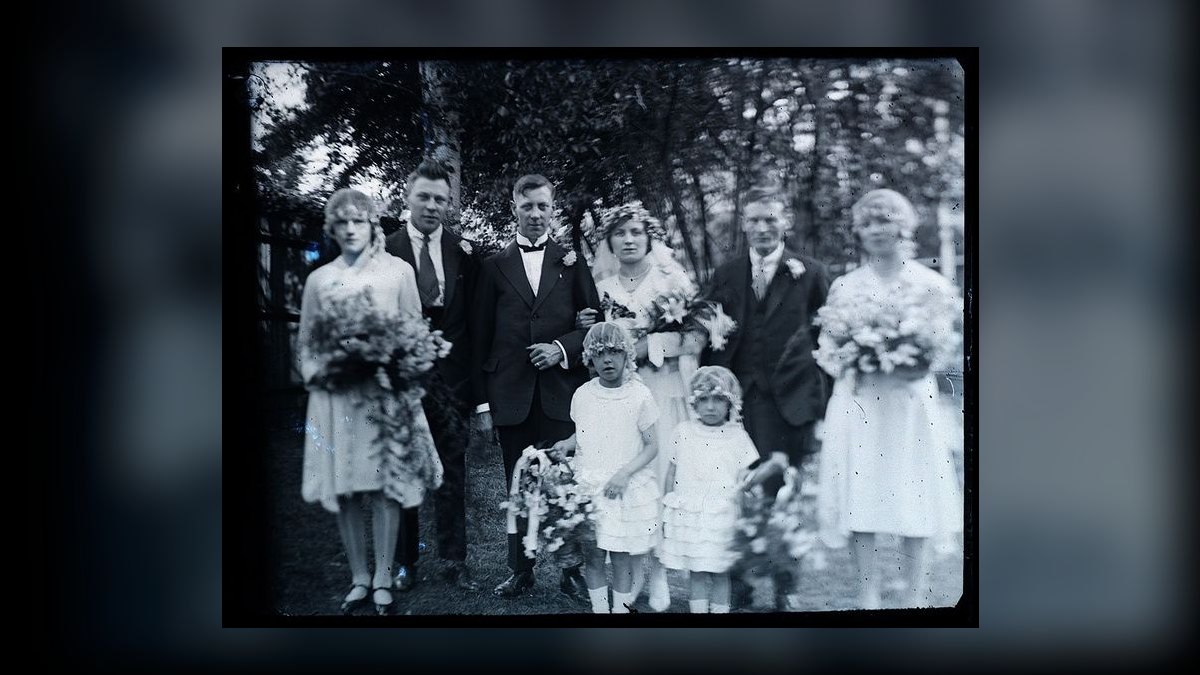
The reason this works is that formality in menswear and womenswear is carried mostly by the *outer* layer and the *shoes*, not by the base garment. The same trouser reads as brunch-casual with a knit polo and leather sandals, and reads as rehearsal-dinner-appropriate with a silk-blend top, a jacket, and a loafer. You are changing the signal, not the whole wardrobe.
The last node matters more than it looks. Re-accessorizing is the whole trick. A pocket square, a knit tie, or a swapped belt changes a men's look meaningfully. A statement earring, a different clutch, or a wrap does the same on the women's side. Accessories weigh almost nothing and pack flat, which means the variety you need is available at near-zero luggage cost. This is the same logic a sales team uses when it standardizes a demo deck and varies only the last three slides per prospect — one durable core, cheap situational surface. The variable layer is where the differentiation lives; the core is where the reliability lives.
One more mechanism worth naming: wear your heaviest items on the plane. Shoes and any jacket go on your body, not in the bag. On a 7 kg carry-on limit, that single habit typically buys back 1.5 to 2 kg, which is the difference between fitting and gate-checking.

Real numbers: weights, budgets, temperatures, and timelines
Vague advice is useless when you are standing over an open suitcase. Here are the numbers that actually govern the decisions.
Carry-on weight. Most international carriers cluster around a 7–10 kg carry-on allowance, with several European and Asian budget airlines at the strict end and enforcing it at the gate. A 3-1-1 core in linen and cotton lands roughly 3–4 kg for the clothing itself. Two pairs of shoes add 0.8–1.4 kg depending on whether one is a leather dress shoe. Toiletries, a travel steamer, and a charger block add another 1–1.5 kg. That totals 5–7 kg, which fits — but only if you did not pack a fourth pair of shoes. Shoes are almost always what breaks the budget.
Temperature swings. Coastal evenings commonly drop 10–15°F after sunset, and desert swings are far larger — a 30–40°F drop between a 4 p.m. ceremony and a 10 p.m. reception is normal in high-desert locations. Mountain venues can swing similarly. This is why the "one light layer" line is not filler: in three of the four climate categories, the layer is functionally mandatory, not optional. A pashmina or fine-knit wrap weighs under 200 grams and packs to the size of a paperback.
Fabric weights. Suiting fabric is measured in grams per square meter. Roughly: 150–180 gsm is genuinely warm-weather (tropical wool, high-twist), 200–260 gsm is three-season, and 300+ gsm is cold-weather territory. If a jacket does not state its weight, hold it to a light — you should see the outline of your hand through a true warm-weather cloth. Linen behaves differently: it wrinkles regardless of weight, so a linen-cotton or linen-Tencel blend buys you noticeably better crease recovery at a small cost in breathability.
Budget ranges. For a guest building from scratch, a realistic warm-climate anchor outfit runs about $200–$400 at the accessible end (fast-fashion and mall-tier brands), $400–$900 in the mid tier where the fabric quality and the cut visibly improve, and $900–$1,500+ once you are into better-constructed suiting or a designer dress. The steepest marginal return is in the $400–$900 band — that is where you stop buying polyester posing as silk. Shoes follow the same curve: $120–$250 is the band where a leather sole or a properly built block heel becomes available, and comfort improves faster than looks do.
Timeline. Work backward from the date. At 8–10 weeks out, confirm the dress code and buy the anchor piece — this leaves room for a return if it arrives wrong. At 4–6 weeks, book any tailoring; a jacket sleeve or a hem takes 1–2 weeks at a normal shop and longer in wedding season. At 2–3 weeks, break in the shoes: wear them 30–60 minutes a day indoors, which is roughly the exposure needed before leather stops fighting back. At 1 week, lay out every combination, photograph each on your phone, and cut anything that only appears in one photo. At 48 hours, pack. On arrival, hang everything immediately and run a hot shower with the bathroom door closed for 10–15 minutes; that releases most travel creases without a steamer.
Sizing note on humidity. In 74%+ humidity, a slim-cut shirt that fits in a dry showroom will cling. Size up or choose a relaxed cut for tropical destinations. This is the single most common fit mistake and it is entirely predictable in advance.
Trade-offs: linen versus blends, buy versus rent, carry-on versus checked
Every choice here has a real cost on the other side. Naming both sides is what lets you choose deliberately instead of by default.
Linen versus a linen blend. Pure linen is the most breathable option and looks correct in every warm-weather setting, but it creases within an hour of sitting down and never fully recovers without steam. A linen-cotton or linen-Tencel blend resists creasing far better and still breathes acceptably, at the cost of running slightly warmer and reading marginally less "resort." If your itinerary includes a long car or boat transfer before the ceremony, take the blend. If you are dressing at the venue and walking twenty yards, take the pure linen.
Buy versus rent. Renting an anchor piece is genuinely rational for a formal dress code you will not repeat — you get a tier of garment you would not otherwise buy, and you skip storage. The costs are real though: return deadlines are unforgiving when you are abroad, sizing is a gamble without a try-on, and shipping to a foreign hotel introduces a failure mode with no recovery path. The rule of thumb: rent only if the garment ships to your home address before you fly, never to the destination.
Carry-on versus checked. Checking a bag removes the weight anxiety and lets you bring a garment bag that keeps a suit genuinely uncreased. It also introduces the possibility that your entire wedding outfit spends the weekend in a different country. If you check, the non-negotiable mitigation is to carry the anchor piece — the suit or the dress — plus one pair of shoes in your cabin bag. Everything else is replaceable at a destination shop; the anchor is not.
New versus proven. A new outfit is exciting and untested. A proven outfit is boring and reliable. The compromise most people should take: new anchor piece, proven shoes. Footwear is where the failure is painful and unfixable mid-event, and it is the one category where "I have worn these for eight hours before" is worth more than any other attribute.
There is an adjacent trade-off worth flagging because it decides the others: whether you are also attending as part of the wedding party. A guest optimizes for comfort and packability. A groomsman, bridesmaid, officiant, or parent of the couple is optimizing for coordination with a group palette, and their freedom to swap fabric or color drops sharply. If you are in the party, the sequence reverses — the couple's palette is fixed input, and your job is to find the most climate-appropriate garment *within* it, which usually means arguing early for a lighter fabric in the specified color rather than a different color entirely. Bring that conversation up at the 10-week mark, not the 2-week mark, because group orders have lead times.
Similarly, if you are the one *hosting* — the couple, a parent, or a planner — the calculus shifts again toward vendor logistics. Attire decisions cascade into the venue budget: an outdoor grass ceremony that requires guests in block heels also requires a flooring or aisle-runner line item, and a midday desert ceremony that pushes guests toward long sleeves and sun cover implies a shade rental. Planners price these as separate line items, and skipping them shows up as guest discomfort in every photograph. The attire question and the event-budget question are the same question viewed from two ends; the couple's revenue-per-guest math on a destination event tends to be tighter than a hometown wedding precisely because these environmental line items are easy to underestimate.
Pitfalls that ruin otherwise good outfits
Wearing new shoes. This is the number one preventable failure. Leather needs 5–10 hours of wear before it stops creating hot spots. Break shoes in at home over two to three weeks. If you cannot, pack blister patches and a pair of flat sandals for the dance floor.
Ignoring the ground surface. Grass, sand, gravel, and cobblestone each defeat a different shoe. Stilettos sink in grass and sand. Smooth leather soles slide on wet stone. Suede is destroyed by both humidity and damp grass. Ask the couple or check venue photos for what the ceremony surface actually is, then pick a rubber or crepe sole for anything outdoors.
Misreading "black-tie optional" and its cousins. "Optional" means the host would prefer black-tie and will accept a dark suit. It does not mean anything goes. "Cocktail" means a suit or a knee-to-midi dress. "Beach formal" means formal silhouettes in light fabric. When in doubt, dress one notch up rather than one notch down — being slightly overdressed at a wedding is invisible; being underdressed is not.
Wearing white, or near-white, without clearance. Avoid white and off-white unless the invitation explicitly requests it. Cream and ivory are risky enough that they warrant a direct ask. The cost of asking is one text; the cost of getting it wrong is a photo album you are in for the wrong reason.
Underestimating sweat and sun. Light colors hide sweat; mid-tone blues and grays show it worst. Pack an undershirt for men in humid climates — it reads as more polished, not less, because it prevents the shirt from going translucent. Sunscreen transfers onto collars, so apply it 20 minutes before dressing, not after.
Packing an outfit per event. The itinerary grows; your bag should not. Every additional dedicated outfit adds roughly 0.5–0.8 kg and buys one look. Every additional accessory adds under 0.1 kg and buys one look. The ratio is not close.
Skipping the repair kit. A stain wipe, safety pins, double-sided fashion tape, a mini sewing kit, and blister patches together weigh under 150 grams and solve the five most common in-event failures. At a destination venue, the nearest replacement store may be an hour away and closed.
Forgetting local norms. Some venues — particularly religious sites in conservative regions — require covered shoulders and knees regardless of the couple's stated dress code. A wrap or a light scarf solves this and doubles as your evening layer. Check before you fly, not at the door.
Related questions
How formal is "beach formal" really?
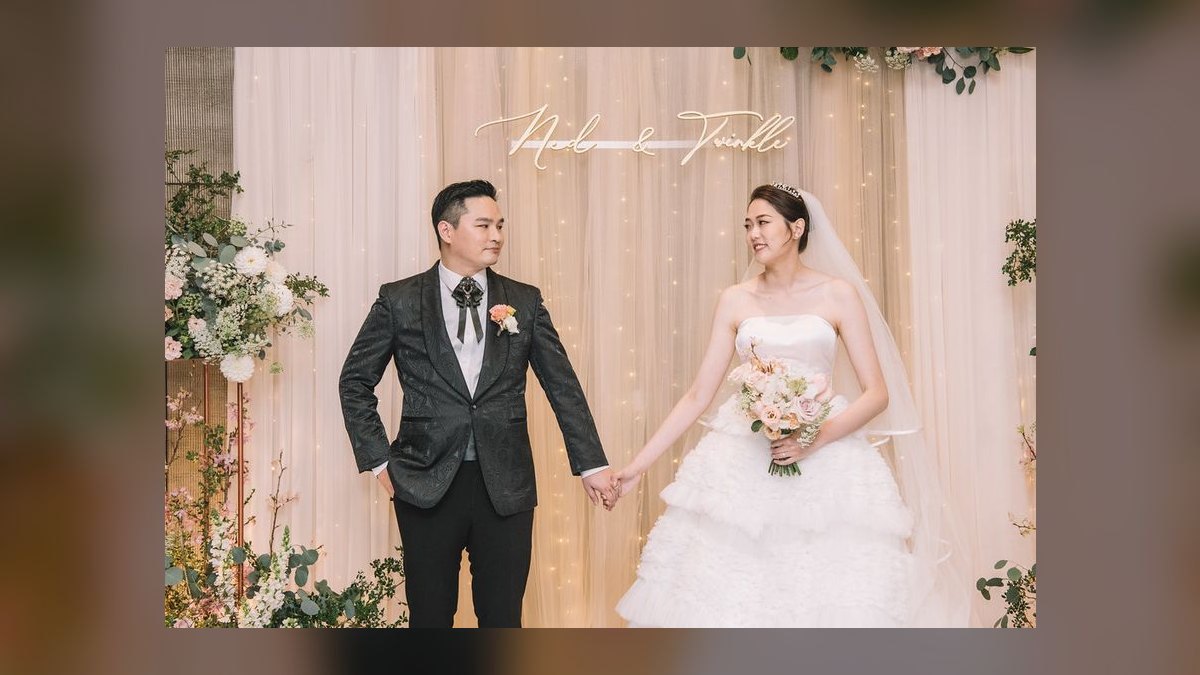
Formal silhouettes in lightweight fabric. For men: a linen or cotton-silk suit, shirt, optional knit tie, loafers or leather sandals. For women: a floor-length or midi dress in a fluid fabric with a block heel or dressy flat. Not shorts, not a ball gown.
Can I wear the same outfit to two events?
Yes, and you should. Change the accessories and the shoes, and photographs will read them as different looks. Avoid repeating the ceremony anchor at a pre-wedding event, since that outfit will appear in the most photos.
What if my luggage is lost?
Carry the anchor piece and one pair of shoes in your cabin bag. Everything else — a shirt, a top, toiletries — can be replaced near most destination venues. Photograph your packed contents before you fly to speed up any airline claim.
Should I rent instead of buy?
Rent only for a one-off formal dress code, and only if the garment ships to your home address before you travel. Shipping a rental to a destination hotel creates a failure with no recovery path and unforgiving return deadlines abroad.
How early should I book tailoring?
Four to six weeks out. A hem or sleeve adjustment takes one to two weeks at a normal shop, and turnaround stretches during peak wedding season. Anything closer than three weeks risks arriving with an unaltered garment.
FAQ
Can I wear white to a destination wedding?
Only if the invitation explicitly says "white attire" or "all white," which some tropical and resort weddings do request. Otherwise avoid white and off-white entirely. Cream and ivory sit in a gray zone — ask the couple directly rather than assuming, because in photographs the difference between ivory and the dress is smaller than it looks in person.
What shoes work for a beach or grass ceremony?
Block heels, wedges, espadrilles, or flat leather sandals with a rubber sole. The rule is surface area plus grip: a wide base does not sink, and rubber does not slide on damp stone or wet grass. Stilettos fail on both counts. Bring a flat pair for the dance floor regardless of what you wear to the ceremony.
How do I pack a suit without wrinkles?
Fold the jacket inside out — turn one shoulder into the other so the lining faces out — and lay it flat over the trousers inside a garment bag or the top layer of your case. On arrival, hang it immediately in the bathroom and run a hot shower with the door closed for 10 to 15 minutes. A compact travel steamer handles anything the steam does not.
What color tie works with a light linen suit?
A knit or textured tie in navy, burgundy, or a muted earth tone. Texture is what keeps it from clashing — a high-shine silk tie reads too formal against linen's matte, casual surface. Many warm-weather dress codes also read perfectly well with no tie at all and an open collar, provided the jacket fits well.
Is a jumpsuit acceptable for a formal destination wedding?
Yes, in a substantial fabric like crepe or satin with wide legs and considered accessories. A linen jumpsuit reads semi-formal rather than formal. For an explicit black-tie dress code, a floor-length gown is the safer read, though a formal wide-leg jumpsuit in a dark fluid fabric is increasingly accepted.
How many outfits do I actually need for a full wedding weekend?
Five garments — three tops, one bottom, one anchor — plus two pairs of shoes and a light layer will cover a four-event weekend. That is roughly 5 to 7 kg packed, which fits most carry-on limits. Anything beyond that is buying variety at a poor weight-to-look ratio.
Sources
- https://www.theknot.com/content/wedding-guest-attire-guide
- https://www.brides.com/wedding-guest-attire-dress-code-guide-5069440
- https://www.vogue.com/article/wedding-guest-dresses
- https://www.harpersbazaar.com/wedding/planning/
- https://www.marthastewart.com/weddings
- https://www.travelandleisure.com/style/
- https://www.gq.com/about/style
- https://www.cntraveler.com/story/carry-on-luggage-size-guide
Related on PULSE
- What to Wear as a Groomsman to a Destination Wedding in 2027
- What to Wear as an Officiant to a Destination Wedding in 2027
- What to Wear as a Maid of Honor to a Destination Wedding in 2027
- What to Wear as a Best Man to a Destination Wedding in 2027
- What to Wear as a Bridesmaid to a Destination Wedding in 2027
- What to Wear as a Father of the Groom to a Destination Wedding in 2027
This page will be disappearing soon. Save it to your device for $1 — or read it free while it is here.
@Kory-White- · if Venmo asks, the last 4 of my number are 2012
This page is gone.
This one is off the shelf now. $1 keeps it on your phone for good — the whole page, pictures and diagrams included.
 pulse-styleWhat to Wear to a Summer Garden Wedding in 2027
 pulse-styleHow to Style a Wrap Dress for a First Date in 2027
 pulse-styleHow to Wear Dusty Rose with a Bomber Jacket in 2027
 pulse-styleHow to Wear Maroon with Combat Boots in 2027
 pulse-styleWhat to Wear to Yoga Class in 2027
 pulse-styleWhat to Wear to a Karaoke Night in 2027
 pulse-styleHow to Wear Maroon with a Slip Dress in 2027
 pulse-styleHow to Style a Wrap Dress for a Graduation in 2027
 pulse-styleHow to Wear Lavender in Summer in 2027
 pulse-styleHow to Style a Midi Skirt for a Job Interview in 2027