

What to Wear to a Catholic Funeral in 2027
 Curated byKory White · Fractional CRO · Maryland
Quality
Certified
Wear dark, conservative, fully covering clothes: a charcoal, navy, or black suit with a white shirt and muted tie for men; a knee-length or longer dark dress, skirt suit, or tailored trousers with a covered neckline for women. Closed-toe leather shoes, minimal jewelry, no denim, no bright colors, no logos.
The outcome you should expect when you dress correctly
The measurable outcome of dressing correctly for a Catholic funeral is simple: nobody remembers what you wore. That is the whole target. A funeral Mass runs roughly 45 to 90 minutes depending on whether there is a full Requiem Mass with Communion, a vigil the night before, or a graveside committal afterward — and across that entire window your clothing should function as visual silence. If a single person can describe your outfit afterward, something was slightly too loud.
Practically, expect three phases and dress for all of them at once. The vigil or wake (often the evening before, sometimes at a funeral home rather than the church) is the least formal of the three; dark business attire is standard, and a blazer without a tie is usually tolerated. The funeral Mass itself is the most formal — this is a liturgy inside a consecrated space, with kneeling, standing, processing, and possibly Communion. The committal at the graveside is outdoors, frequently on grass or gravel, sometimes in wind or rain, and often the coldest 20 minutes of the day. One outfit has to survive all three. That means: shoes you can stand in for an hour and walk on turf in, an overcoat that layers cleanly over a jacket, and fabrics that do not wrinkle catastrophically after a 40-minute drive.
Expect a lot of kneeling. Catholic funeral rites involve kneeling during the Eucharistic Prayer and often during the final commendation. A skirt that rides up when you kneel, or trousers cut so slim that kneeling strains the seat, will fail in a way you cannot fix mid-Mass. Test this at home: kneel on a hard floor, stand back up, and check the mirror. Same for the sit-stand-kneel-stand cycle repeated a dozen times.
Expect to be seen from the back. Church seating means most attendees look at the back of your head and shoulders for an hour. That elevates things people usually ignore — a bra strap visible through a thin blouse, a shirt collar riding up, a hem that has come loose, lint on a black wool jacket, a smartwatch face glowing during a homily. Lint-roll everything. Turn off notifications entirely, not to vibrate; a buzzing phone in a stone church is genuinely audible three rows away.
Expect the family to notice, even if they cannot articulate it. Grieving people do not consciously audit outfits, but they register effort. A pressed shirt and polished shoes read as "this person rearranged their day for us." That is the actual deliverable.
What drives that outcome
Four inputs drive whether an outfit lands: color depth, coverage, fabric formality, and noise level (both literal and visual). Get all four right and the specific garments barely matter — a $180 suit that hits all four outperforms a $1,400 suit that misses one.
Color depth. The safe band is black, charcoal, navy, and deep brown, with white or pale blue reserved for shirts and blouses. Deep burgundy and forest green sit at the edge — acceptable in many parishes, especially on a woman's dress or a man's tie, but never the safest choice. Purple and violet carry liturgical meaning in Catholic practice (associated with penance, and used in some funeral vestments), so a dark plum accent is generally read as fitting rather than odd. What fails is anything with saturation and lightness together: pastels, brights, and high-contrast prints.
Coverage. The working standard is shoulders, knees, and chest covered. That means no sleeveless dress without a jacket or shawl, no hemline above the knee when seated, no plunging neckline. Sheer sleeves count as covered in most parishes; spaghetti straps do not. Men rarely have a coverage problem, but short-sleeve dress shirts under a jacket read as institutional rather than formal — long sleeves, always.
Fabric formality. Wool, wool blends, cotton poplin, crepe, silk, and matte polyester blends all read formal. Denim, jersey, linen (too rumpled), technical athletic fabric, leather outerwear, and anything with visible sheen (satin, sequins, patent finishes beyond a shoe) read casual or celebratory. A matte finish is doing more work than the fiber content.
Noise level. Heels above about 2.5 inches click loudly on stone or tile floors and are audible during silences. Chunky jewelry rattles. Nylon shell jackets rustle when you kneel. Strong fragrance in a closed, incense-heavy church is genuinely disruptive — Catholic funerals often use incense during the final commendation, and layering cologne on top of that is unpleasant for people in a small radius.
Benchmarks and realistic ranges
Cost is the question people are too embarrassed to ask, so here are honest ranges. These are typical U.S. retail bands, not quotes, and they move with sales and season.
Men, entry tier (roughly $200–$450 total). A charcoal or navy suit from a mall-tier or outlet label runs about $150–$300 on sale. Add a white cotton dress shirt at $30–$60, a solid dark tie at $20–$40, black leather cap-toe oxfords at $80–$150, and a black leather belt at $25–$40. Tailoring is the highest-leverage $40–$80 you will ever spend: hemming trousers and taking in the jacket waist turns an off-the-rack suit into something that looks deliberate.
Men, mid tier (roughly $500–$1,100). Full-canvas or half-canvas construction, wool in the 100s–120s range, better shoulder shaping. Shoes step up to $200–$400 for Goodyear-welted oxfords or derbies that can be resoled. A wool overcoat lands around $200–$500.
Men, upper tier ($1,200+). Bespoke or made-to-measure, English or Italian shoemakers, mother-of-pearl buttons. This buys longevity and fit, not appropriateness — nobody at the funeral can tell, and that is fine.
Women, entry tier (roughly $150–$350). A black or navy midi dress with sleeves runs $50–$120 at fast-to-mid retail. A cardigan or blazer to cover shoulders adds $40–$100. Black flats or a low block heel run $50–$120. Small stud earrings and a structured dark bag round it out.
Women, mid tier (roughly $400–$800). Wool-blend skirt suit or a crepe sheath with a tailored jacket, silk shell, leather pumps with a 2-inch heel, a single strand of pearls. Crepe is the workhorse fabric here — it does not wrinkle in the car and holds shape through kneeling.
Women, upper tier ($900+). Better wool and silk, structured tailoring, leather goods that last a decade.
The zero-budget answer. If you own nothing suitable, the honest minimum is: darkest trousers or skirt you own, a solid dark long-sleeve top with a covered neckline, and the least casual closed-toe dark shoes in the closet. Borrow a jacket. Thrift stores routinely carry black wool suits and dark dresses for $15–$40, and secondhand formalwear is now common enough that nobody assumes anything from it. Attending in imperfect clothes is dramatically better than not attending.
Timing benchmarks. Arrive 15–20 minutes before the stated Mass time; funeral processions and family seating happen right before the start and walking in late is far more disruptive than at a wedding. Budget 20 minutes for the graveside if there is one. Reception or luncheon afterward is usually the same outfit — occasionally the jacket comes off.
Risks, edge cases, and failure modes
The "celebration of life" instruction. Some families now request bright colors, a sports team jersey, or the deceased's favorite shade. If the obituary or the family says this explicitly, honor it — but calibrate. A colorful tie, blouse, or pocket square inside an otherwise dark outfit satisfies the request without making you the brightest object at a Mass. Note that the family's wish and the parish's norms can differ; the church is still a liturgical space, and modesty rules do not relax just because the palette did.
Being a non-Catholic guest. You are entirely welcome to attend. Dress by the same rules. During the service you may stand and sit with everyone else; kneeling is optional for non-Catholics, and it is standard practice for non-Catholics not to receive Communion — many people go up with arms crossed over the chest for a blessing instead, or simply stay seated. None of this reflects on your clothing, but it removes the anxiety that makes people overthink the outfit. On religious jewelry: wearing a cross when you are not Christian is better skipped. No jewelry is always a safe answer.
Head coverings. Chapel veils and hats for women are traditional but not required in most parishes today; you will see them at Traditional Latin Mass communities and in some cultural contexts. If you want to wear one, keep it small and black. Men remove hats indoors.
Weather and outdoor committals. Cemeteries are unforgiving. Stiletto heels sink into turf — a block heel or flat is the practical call. Rain means a dark umbrella and an overcoat, not a bright rain shell. Cold means thermal layers under the suit rather than a bulky puffer over it; a puffer over a suit is the single most common way a good outfit collapses in January.
Body-type and comfort edge cases. Pregnancy: a dark stretch-crepe midi or a wrap dress with a jacket works and is far more comfortable than trying to fit a pre-pregnancy suit. Mobility limits: a low block heel or a polished dark loafer is entirely appropriate; nobody expects heels. Sensory sensitivity: incense, organ volume, and crowding are real — an aisle seat near the back is a reasonable accommodation, and a plain dark scarf can be pressed to the face discreetly.
Kids. Children get real latitude. Dark trousers and a collared shirt for boys, a dark dress or dark skirt and top for girls. Sneakers on a six-year-old are not the problem anyone imagines. Comfort matters more than formality because a restless child in stiff clothes is louder than a slightly casual one.
Coming from work. Scrubs, a uniform, or a work polo is understandable if you came straight from a shift and would otherwise miss the service. Keep a dark jacket in the car if you can. Presence beats presentation.
Regional and cultural variance. Italian, Spanish, Portuguese, and Filipino Catholic communities often skew more formally black. Irish and Irish-American wakes can be markedly less formal and more social, particularly at the vigil. Latin American services frequently feature bright flowers and imagery while attendees still dress dark. Northern European parishes increasingly accept charcoal and navy over strict black. When you genuinely do not know, ask whoever invited you — one text saves an hour of anxiety.
The most common failure modes, in rough order of frequency: shoes that were never polished; a jacket that has not been worn since the last funeral and still has lint or a dry-cleaner tag; trousers an inch too long; a phone on loud; heavy cologne; a hemline that works standing and fails seated; a bright phone case or smartwatch band peeking out from a dark sleeve.
A practical rollout plan
Treat this like any short-notice operational task with a fixed deadline. Funerals are typically announced 2 to 5 days ahead, which is enough time to fix almost anything except a full tailoring job.
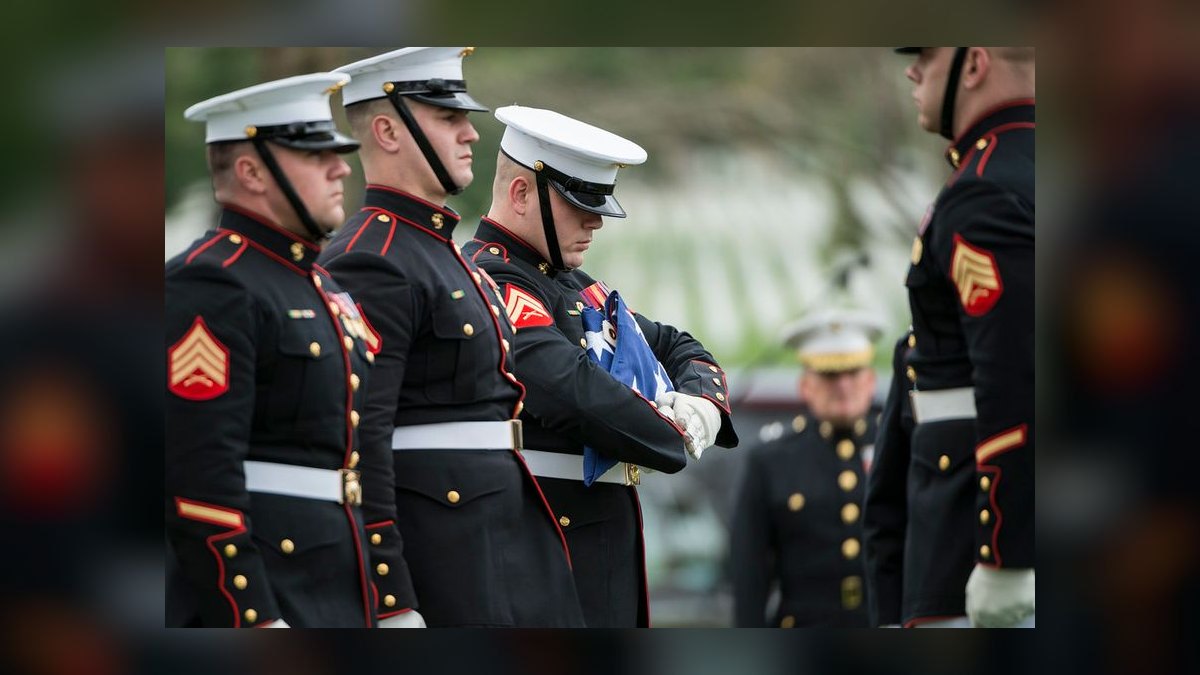
Day of notice (30 minutes). Read the obituary or notice carefully — it will state the parish, the Mass time, whether there is a vigil, whether there is a graveside, and any family requests such as "in lieu of flowers" or a color. Text the family contact if anything is ambiguous. Then open the closet and lay out the candidate outfit on the bed. This surfaces the missing piece — a tie, hosiery, a belt — while there is still time to buy it.
Same day (20 minutes). Run the physical checks. Kneel test. Sit test. Raise your arms. Walk in the shoes on hard flooring. Check the hem against the floor and the sleeve against the wrist bone. Look at your back in a mirror using your phone camera.
Next day (errands). Anything needing a cleaner goes in immediately — standard turnaround is 2 to 3 days, and rush service is usually available for a surcharge. Shoes get polished; a proper cream-then-wax polish takes 15 minutes and lasts. Buy the missing piece. If trousers need hemming, most tailors and many dry cleaners do a same-day or next-day hem for roughly $15–$30.
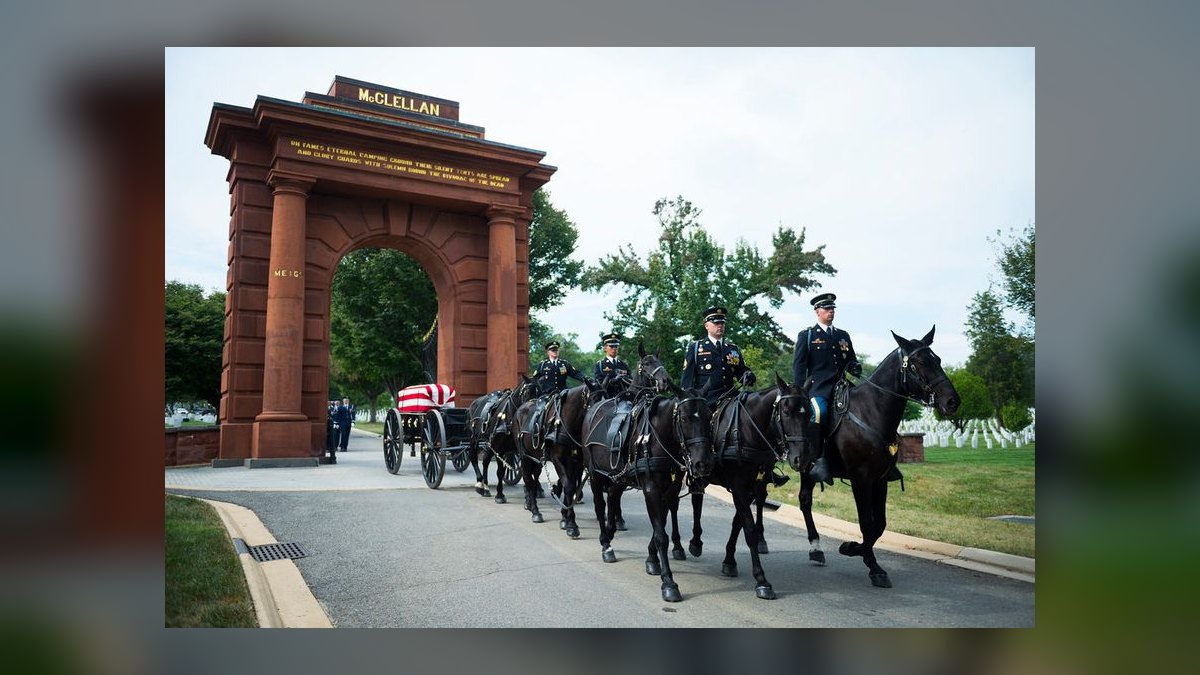
Night before (10 minutes). Everything hangs on a door: suit or dress, shirt or blouse, tie, belt, shoes, socks or hosiery, coat, umbrella. Lint roller on top of the pile. Wallet, keys, a pack of tissues, and a Mass card or sympathy envelope if you are bringing one. Charge the phone and set it to silent — not vibrate.
Morning of (leave a buffer). Dress, then sit for five minutes before leaving. Wrinkles that appear after five minutes of sitting will be there all day. Leave early enough to park; parish lots fill fast for funerals and street parking near an urban church can add ten minutes.
Where the same dress logic shows up elsewhere
The reasoning here generalizes further than most people expect, which is why it is worth internalizing rather than memorizing. Any event where the correct outcome is "you are unremarkable" runs on the same four inputs — color depth, coverage, fabric formality, noise level.
Other religious funerals. Jewish funerals share the dark-and-modest baseline; men are typically offered a kippah at the entrance and should wear it, and at some services a mourner's garment is torn. Muslim janazah prayers add stricter coverage expectations — long sleeves and long hemlines for everyone, a headscarf for women, and shoes removed at the prayer hall. Protestant services are generally the least prescriptive. Hindu ceremonies frequently call for white rather than black, which is the clearest example that "wear dark" is a Catholic and Western convention rather than a universal one. When the tradition is unfamiliar, the reliable move is the same one as here: ask the family, and default to covered and muted.
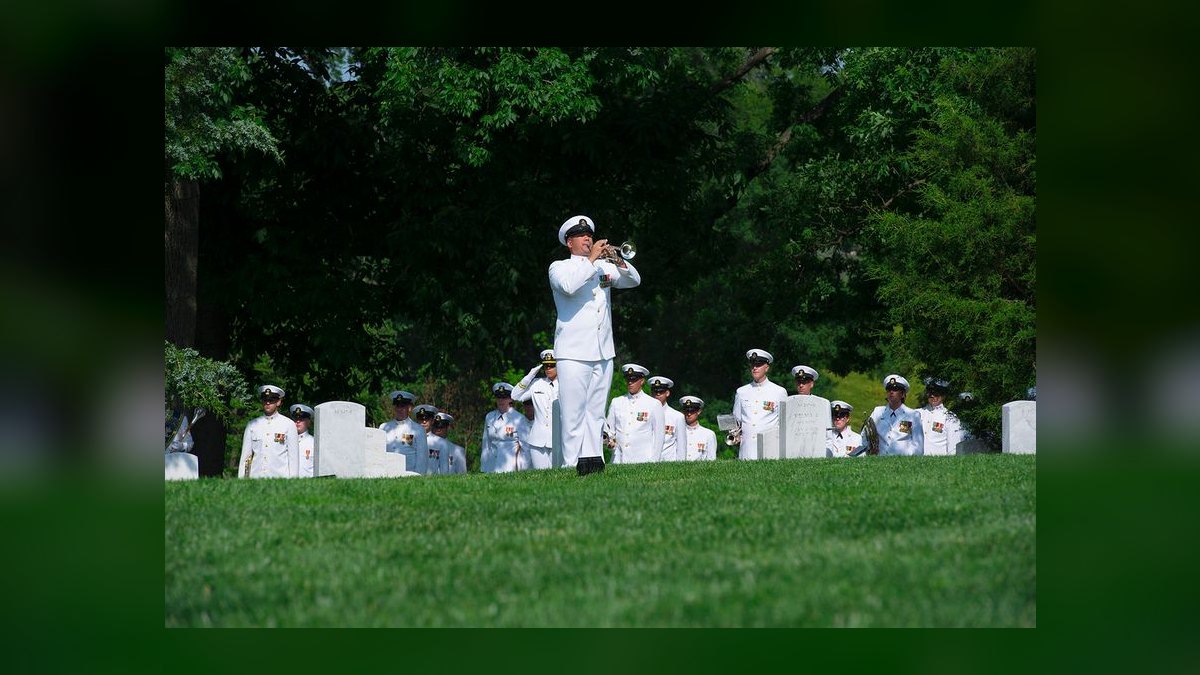
Adjacent life events. A baptism, confirmation, or wedding in the same church inverts the color rule but keeps the coverage rule intact — a Catholic sanctuary expects shoulders and knees covered regardless of occasion. Memorial services held weeks later at a restaurant or home skew a notch more casual; dark business attire without a tie is the norm. A courthouse appearance, a formal condolence visit, or a hospital chaplaincy visit all draw from the same wardrobe.
Professional settings where the same instinct applies. The people who handle funerals professionally — funeral directors, celebrants, cemetery staff — dress this way daily for the same reason. So do people in client-facing roles at pivotal moments: a lawyer at sentencing, a doctor delivering bad news, a revenue leader walking into a board meeting where a number has to be explained rather than celebrated. In each case the clothing's job is to remove itself from the conversation so the substance lands. Anyone who has run a quarterly business review knows the version of this instinct: you dress so the deck is what gets discussed. Same mechanism, different room.
The wardrobe economics. One dark suit or one dark dress, properly tailored and maintained, covers funerals, interviews, court dates, and formal dinners for a decade. It is the single highest-utility garment most people own and the one most likely to be bought in a panic at 9pm the night before. Buying it on a calm Saturday, having it tailored, and hanging it in a garment bag is a genuinely useful piece of adult infrastructure. Rotate it out of the bag twice a year, check the shoulders for dust, and replace shoe polish before it dries out.
Maintenance specifics. Dark wool shows lint, so keep a roller with the garment bag. Dry-clean a suit only two or three times a season — over-cleaning wears wool down — and brush and air it between wearings instead. Store shoes with cedar trees. Replace a tie once it develops a permanent knot crease. None of this is expensive; all of it is the difference between "he owns a suit" and "he was ready."
Related questions
Is it ever acceptable to wear white to a Catholic funeral?
Rarely for guests. White is worn by clergy in some funeral liturgies and by close family in a few cultural traditions, notably parts of the Philippines and Latin America, where it signals resurrection. As a guest, keep white to shirts and blouses only.
Do I need to wear a tie?
Strongly recommended for the Mass itself, more flexible at a vigil or a graveside-only service. If you own no tie, a dark suit or blazer with a buttoned collared shirt is acceptable. A polo, a t-shirt under a jacket, or an open shirt with two buttons undone is not.
What should I wear if the funeral is in summer heat?
Choose lightweight wool or a cotton-blend suit in navy or charcoal rather than abandoning the jacket. Women can wear a dark short-sleeve midi dress with a light shawl for the church. Churches are often cooler than outside — dress for the graveside, then layer down.
Can I wear black sneakers?
Only in genuinely casual contexts, and only if they are solid black leather with no visible logo, bright sole, or athletic silhouette. A polished dark loafer costs little more and reads correctly everywhere. Trainers with mesh panels or contrast stitching do not.
What do pallbearers need to consider?
Pallbearers should prioritize grip and stability: leather-soled shoes are slippery on marble and wet grass, so a rubber sole is smarter. A suit jacket that allows shoulder movement matters, and gloves are sometimes provided by the funeral home. Confirm expectations with the director in advance.
FAQ
Is black strictly required, or will navy and charcoal do?
Navy and charcoal are fully acceptable at nearly every Catholic funeral in North America and most of Europe. Black remains the most traditional and the safest in Southern European and Filipino communities. If the deceased's family is strongly traditional, black is the lower-risk choice; otherwise treat all three as equivalent.
Do women have to wear a skirt or dress?
No. Tailored dark trousers with a blouse and jacket, or a dark pantsuit, are completely appropriate and have been for decades. The rule that matters is coverage and formality, not silhouette. Choose whichever version you can sit, stand, and kneel in comfortably for an hour.
What if I only own one dark outfit and I wore it to the last funeral?
Wear it again. Nobody tracks this, and repeating a funeral outfit is expected — that is precisely what the garment exists for. Vary a tie, scarf, or blouse if it bothers you. Spending money you do not have to avoid a repeat is a solution to a problem that does not exist.
Is a leather jacket or leather trousers ever okay?
No for trousers; almost never for a jacket. Leather outerwear reads casual and, in some parishes, faintly rebellious. A wool overcoat, a dark trench, or a plain dark car coat all cost less and read correctly. If leather is genuinely the only coat you own, remove it at the door.
Should I bring anything besides clothing?
Tissues, a Mass card or sympathy envelope if that is the local custom, a dark umbrella if rain is possible, and a phone that is fully silenced. Some parishes provide printed programs; others do not. Cash for a donation basket is occasionally relevant but not expected.
How formal should I be if the service is a graveside-only committal with no Mass?
One notch less formal is acceptable — dark business attire without a tie, or a dark dress without a jacket if the weather is warm. Prioritize practical shoes, because you will be standing on grass. Coverage expectations relax slightly outdoors, but dark and muted still holds.
Sources
- https://www.usccb.org/prayer-and-worship/bereavement-and-funerals
- https://www.vatican.va/archive/ENG0015/_INDEX.HTM
- https://emilypost.com/advice/funeral-etiquette
- https://www.nfda.org/consumer-resources
- https://www.gq.com/story/what-to-wear-to-a-funeral
- https://www.britannica.com/topic/funeral-rite
- https://www.bbc.co.uk/religion/religions/christianity/ritesrituals/funerals.shtml
- https://www.catholicnewsagency.com/
Related on PULSE
- What to Wear to a Funeral if You Have an Athletic Build in 2027
- What to Wear to a Funeral in Your 40s in 2027
- What to Wear to a Funeral if You're Curvy in 2027
- How to Style a Cardigan for a Funeral in 2027
- How to Style Tailored Shorts for a Funeral in 2027
- How to Style a Wrap Dress for a Funeral in 2027
This page will be disappearing soon. Save it to your device for $1 — or read it free while it is here.
@Kory-White- · if Venmo asks, the last 4 of my number are 2012
This page is gone.
This one is off the shelf now. $1 keeps it on your phone for good — the whole page, pictures and diagrams included.
 pulse-styleWhat to Wear to a Company Offsite in 2027
 pulse-styleHow to Wear Dusty Rose with a Bomber Jacket in 2027
 pulse-styleHow to Style White Sneakers for a Job Interview in 2027
 pulse-styleWhat to Wear to a Tennis Match in 2027
 pulse-styleWhat to Wear to a Bowling Night in 2027
 pulse-styleWhat to Wear to a Work Awards Gala in 2027
 pulse-styleWhat to Wear to March Madness Watch Party in 2027
 pulse-styleWhat to Wear to a Brunch Spot in Fall in 2027
 pulse-styleHow to Wear Cream with a Turtleneck in 2027
 pulse-styleHow to Wear Forest Green in Summer in 2027