

What to Wear to a Holiday Office Party in 2027
 Curated byKory White · Fractional CRO · Maryland
Quality
Certified

Wear one polished anchor piece — a tailored blazer, midi dress, or velvet jacket — in a jewel tone like burgundy, emerald, or navy, over quality fabrics you already own. Add a single festive accent (metallic accessory, satin blouse, patterned pocket square) and comfortable closed-toe shoes. Match the invitation's stated dress code, never exceed it.
The outcome you should expect
A well-chosen holiday office party outfit does not make you the most memorable person in the room, and that is precisely the point. The realistic outcome is that nobody comments on your clothes at all, and you spend the evening in conversations rather than in adjustments. That silence is the win condition. The failure mode is not "underdressed" or "overdressed" in the abstract — it is that your clothing becomes a topic. Someone asks if you came from another event. Someone asks whether you knew it was casual. Either question means the outfit spent social capital you would rather have kept.
The second outcome you should expect is physical: you will be standing for two to four hours on a hard floor, holding a drink in one hand, and moving between conversation clusters. Most holiday party discomfort traces back to three decisions made in front of a mirror where you were sitting or standing still. Shoes that felt fine for the eight steps from closet to mirror are a different proposition at hour three. A waistband that fits standing may not fit after a buffet plate. A collar that looks sharp in a cool bedroom becomes a problem in a crowded room running ten degrees warmer than the thermostat says.

The third outcome — the one people underweight — is that a holiday party is a low-stakes venue with unusually high-value adjacency. You will stand near people you email but never see: the VP two levels up, the finance lead who approves your budget, the counterpart from the team whose handoff keeps breaking. Nothing you wear will win you anything there. But a distracting outfit can cost you the twenty seconds of unearned goodwill that a neutral, competent appearance buys for free. Treat the outfit as a floor-raiser, not a ceiling-raiser. You are removing a possible negative, not manufacturing a positive.
There is a fourth outcome worth naming honestly: for a meaningful number of people, the holiday party is genuinely stressful, and the outfit decision is where that stress lands because it is the only variable they control. If that describes you, the useful reframe is that a repeatable uniform eliminates the decision permanently. Pick the combination once, confirm it works, and wear it to this event every year with a rotated accent. The people who look effortless at these things are almost never improvising.
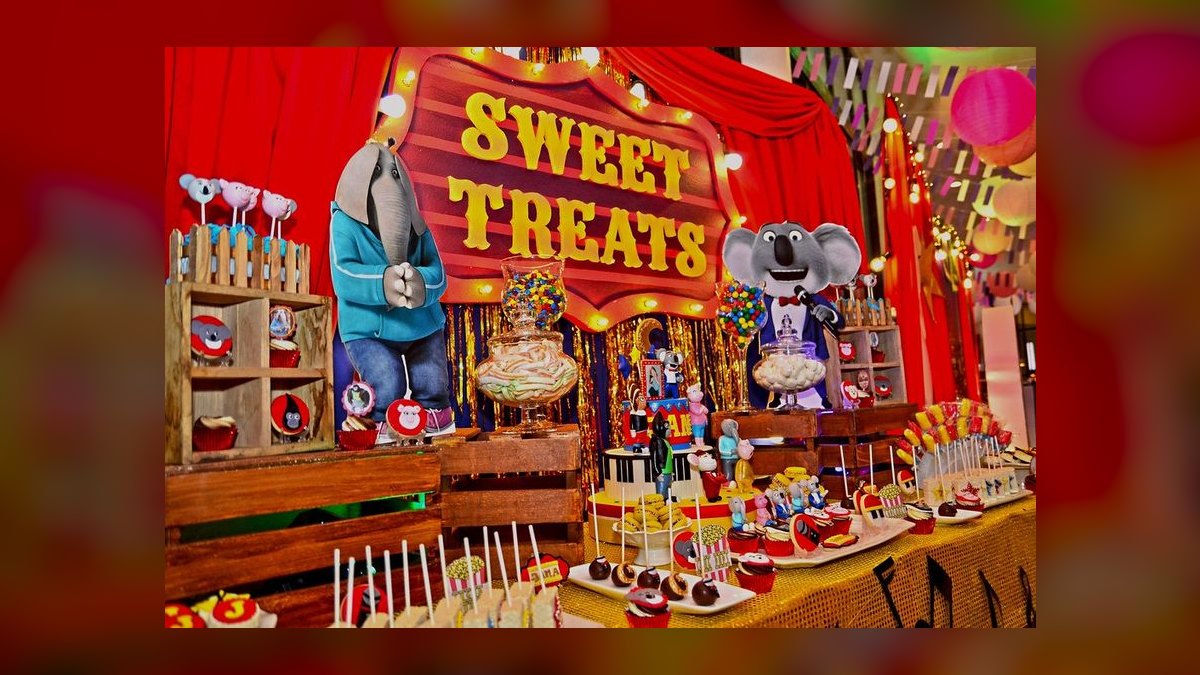
What drives that outcome
Four inputs determine whether an outfit lands, and they are not equally weighted. Fit dominates. A well-fitted $90 blazer photographs better and reads more expensive than a poorly-fitted $600 one, because the eye registers shoulder line and sleeve length long before it registers fabric quality. If you own one good jacket and it does not fit, spending $25 to $60 on a tailor to take in the waist and shorten the sleeves to show a quarter-inch of shirt cuff is the highest-return move available to you. Nothing else on this page returns as much per dollar.
Fabric ranks second. Wool, silk, cashmere, velvet, and heavier crepe hang correctly, hold a shape through a long evening, and catch light in a way that reads as intentional. Thin polyester in a party context does the opposite — it clings, wrinkles across the lap after sitting, and shines under overhead lighting in a way that photographs poorly. This is where the seasonal texture advice actually earns its keep: velvet and satin are not festive because of some rule, but because their surfaces interact with low, warm party lighting rather than flattening under it.

Color is third, and its job is mostly to be unremarkable-but-not-drab. Deep burgundy, forest and emerald green, navy, charcoal, plum, and black all work; so do cream and camel. Metallics work as accents — a buckle, a clutch, an earring, a knit tie — and stop working as full garments in most workplaces. The reason jewel tones dominate every holiday guide is not fashion-industry conspiracy: saturated deep colors hold their identity under dim warm light, while pastels and neons either wash out or vibrate.
The fourth input is context, and it is the one people skip. The same navy blazer is correct at a hotel ballroom dinner, slightly formal at a brewery buyout, and actively wrong at a bowling alley team night. Read the venue before you read the trend list.
Benchmarks and realistic ranges
Useful budget bands, assuming you are buying rather than shopping your closet. A complete outfit assembled from pieces you already own plus one new accent runs $0 to $75 — and this is the correct answer for most people most years. A single new anchor piece in the accessible-mainstream tier (a wool-blend blazer, a crepe midi dress, a good knit) generally lands in the $80 to $200 range at retail, and materially less during the November-December promotional window when nearly every mall-tier brand discounts. A genuine step up in fabric and construction — full wool, silk, real velvet — typically starts around $250 and runs to $600. Above that you are paying for brand and finishing details that will not register across a crowded room.

Rental is worth a line here because it changes the math for anyone who attends one formal event a year. Rental services generally price a four-to-eight-day designer rental at a fraction of retail, which is rational for a piece you will wear once and would not choose again. Secondhand — consignment platforms, local resale, and the increasingly common brand-run resale programs — is the other high-leverage channel, particularly for velvet and sequins, which are worn rarely and therefore appear in resale in near-new condition. If a garment's only likely outing is this party, buying it new at full price is the weakest option available.
Time benchmarks matter as much as money. Order anything new at least ten days out, because the thing that ruins holiday party dressing is a delivery that arrives the afternoon of. Tailoring needs a week minimum in December and often two, since every alterations shop in the country is at peak load. Try the full assembled outfit on at least three days before — shoes included, for at least fifteen minutes of standing and walking — so there is time to solve a problem that only reveals itself in motion.

Formality calibration, expressed as a range: if you plot the room from most casual to most formal, aim to land somewhere between the 55th and 75th percentile. Below the median, you look like you forgot. Above the 80th, you look like you misread the event or are trying to signal something. That band is wide enough to accommodate personal style and narrow enough to be genuinely useful. One reliable way to locate it: think about what the most senior person likely to attend wears on a normal Tuesday, then add one level.
Risks, edge cases, and failure modes
The most common failure is the temperature miss. Party rooms run hot — bodies, catering equipment, and lighting all add heat, and HVAC systems set for daytime occupancy do not keep up. Anyone in a heavy sweater plus a jacket is uncomfortable within forty minutes and visibly so within ninety. Build in a removable layer, and make sure whatever is underneath is presentable on its own. A blazer over a good silk or fine-knit top solves this; a blazer over a stained undershirt does not.
Second failure: the alcohol-adjacent wardrobe risk. Light-colored and delicate fabrics at an event with red wine and passed appetizers is a bet with bad odds. This is a real argument for darker anchors beyond aesthetics. Related — anything requiring both hands to manage (a wrap that slips, a clutch with no strap, a garment needing constant adjustment) becomes a genuine nuisance when you are holding a drink and shaking hands.

Third: the photo problem. Holiday parties generate photographs that end up on internal channels and, increasingly, on public social accounts. Fine stripes, small checks, and high-contrast tight patterns can moiré on camera. Heavily reflective sequins blow out under direct flash. If your workplace posts party photos publicly, assume anything you wear may be seen by clients and candidates, and dress at the level you would want attached to your name in a search result a year from now.
Fourth, and least discussed: the seniority asymmetry. The more junior you are, the more a bold outfit reads as youthful enthusiasm and the less it costs you. The more senior you are, the more it reads as a signal — of a message you probably did not intend to send. Managers get watched at these events. If you lead a team, the safest read is restraint plus one confident detail.

Edge cases that break the standard advice entirely: client-facing parties, where the standard is whatever your client-meeting standard is, full stop. Multi-faith workplaces, where explicitly Christmas-coded garments — reindeer knits, Santa motifs, red-and-green head to toe — exclude colleagues who observe Hanukkah, Diwali, Kwanzaa, or nothing; neutral festive tones (gold, silver, deep green, cream) sidestep this cleanly. Venue-specific rules, including offices that ask guests to remove shoes, which makes sock and hosiery choice suddenly visible. Hybrid parties with a livestream component, where busy patterns distort on camera and you are judged from the sternum up. And the culturally significant garment question: wearing another culture's ceremonial dress as a costume is the one mistake here that damages relationships rather than just impressions.
One more: the outfit that requires a story. If you find yourself planning how you will explain the piece, that is a signal it is doing too much work.
A practical rollout plan
Run this as a two-week sequence, not a same-day scramble.

Days 14 to 10 — gather intelligence. Reread the invitation for the exact dress-code phrase; the wording is the single strongest signal available and most people skim past it. If it is absent, ask the organizer directly — this is a normal question and asking it costs nothing. Establish the venue type, whether there is a seated dinner (which changes what fits comfortably for three hours), whether photos will be taken, and whether there is any activity component. A party at a bowling alley or an axe-throwing venue is a completely different garment problem than a hotel dinner, and every year someone discovers this in a pencil skirt.
Days 10 to 7 — inventory before you buy. Lay out what you already own that clears the fabric and fit bar. Most people discover they are one accent piece away from a complete outfit, not a full purchase away. Identify the anchor. Order only what is genuinely missing, and order early enough to return it. If tailoring is needed, this is the deadline — December alterations queues are long and non-negotiable.
Days 7 to 3 — full dress rehearsal. Put on the complete outfit including shoes and any layer. Stand for fifteen minutes. Walk. Sit down and stand back up. Raise your arms as if reaching for a drink from a passed tray. Take a photo in the lighting you have — a phone photo catches fit problems that a mirror hides, because the mirror lets you unconsciously pose. Check the back and the seated silhouette, which is what most of the room actually sees. Fix what fails now, while there is still time.

Days 3 to 1 — logistics. Steam or press. Confirm the shoes are clean and the heels are not worn through. Pre-position the small things: transit card, keys, phone, and anything you need in a pocket or bag you have actually tested. Check the weather; a great outfit with no plan for a coat is a cold walk from the parking lot.
Day of. Eat something beforehand. Apply fragrance lightly if at all — a crowded indoor room amplifies scent, and colleague sensitivities are real. Give yourself a full-length mirror check, then stop thinking about the outfit. The entire point of the preceding two weeks is that the last hour requires no decisions.

How adjacent events change the same rules
The framework above transfers to the neighboring occasions on a December calendar, with predictable adjustments. A client-facing holiday dinner raises the floor: dress at your client-meeting standard or one notch above, and drop the festive accent to something nearly invisible. A team dinner for eight is warmer and less scrutinized than a two-hundred-person ballroom event — the same blazer works, the velvet probably does not. A vendor or partner reception sits between the two; treat it as a light networking event where you may meet people who later evaluate you.
Conference and trade-show evening receptions in December follow their own logic. Those are working events wearing party clothes, and the correct read is business attire with one seasonal signal. The same is true of end-of-quarter or end-of-year celebrations that a company schedules alongside the holidays — a sales team hitting its number and marking it at a rented venue is a revenue milestone dressed as a holiday party, and the room reads accordingly: slightly more formal, more senior leadership present, more photographs.
Two structural notes about the season. First, the December calendar frequently stacks — a company party, a team dinner, a client event, and something personal inside three weeks. This is the strongest argument for building one flexible anchor with rotating accents rather than four distinct outfits. A navy or charcoal blazer, one dark trouser, and one good dress cover almost the entire month with accessory swaps. Second, the same instinct that keeps a hiring manager's outfit neutral in an interview applies here for the same reason: you want the other person's attention on what you are saying.
Related questions
Is it safe to wear all black to a holiday office party?
Yes. All black is never wrong at an evening event and reads as deliberate rather than drab when the fabrics carry texture — velvet, satin, wool, or fine knit rather than flat cotton. Add one metallic or jewel-tone accent if you want visible seasonal signal.
Can I wear jeans?
Only if the invitation says casual or your workplace is genuinely denim-normal. Then: dark, unfaded, unripped, well-fitted, worn with a blazer or structured knit and real shoes. Light washes and distressing read as not having bothered.
What if I do not drink and want to leave early?
Dress the same. Neither is an outfit question. Plan a visible arrival, an hour of real conversation including one senior person, and a quiet exit. Comfortable shoes make that hour better regardless of how long you stay.
How do I dress if the party is during the workday?
Drop one level of formality from the evening version. Wear the same outfit you would wear to work, in a jewel tone rather than a neutral, with one festive accent added. Skip heavy sequins and dramatic metallics — daylight is unforgiving to both.
Does gender-neutral dressing work at these events?
Yes, and it is increasingly common. A well-fitted suit, a tailored jumpsuit, a tuxedo jacket over trousers, or a knit with a midi skirt all read as correct at an evening work event. Fit and fabric quality carry the look; the silhouette category does not.
FAQ
Are sequins appropriate for an office party?
In moderation, yes. One sequined piece — a top, a jacket, a clutch — balanced against matte, solid pieces reads festive. Head-to-toe sequins reads as a different event. Sequins also blow out under camera flash, so factor that in if your workplace photographs the party.
Is velvet still a good choice?
Velvet is one of the most reliable holiday fabrics because it holds shape, drapes well, and interacts with low warm lighting instead of flattening under it. A velvet blazer over dark trousers, or a velvet midi dress, works across most dress codes. Dark colors — navy, burgundy, forest — are the most versatile.
How dressed up is too dressed up?
Floor-length gowns and black tie are too much unless the invitation explicitly says so. The practical ceiling is cocktail attire. If you would wear it to a wedding as a guest, it is probably one notch above what an office party needs — but you can usually dial it back by swapping heels for flats or removing a jacket.
Should I wear heels or flats?
Whichever you can stand in for three hours. Party floors are hard, and there are rarely enough chairs. Block heels under three inches, loafers, and structured flats all work. If you want heel height for the photos, carry flats and change once the room fills — plenty of people do.
What should I do about fragrance?
Apply less than you think, or none. Indoor rooms at capacity concentrate scent, and colleague sensitivities are common enough that a light hand is the courteous default. One spray on a pulse point, applied twenty minutes before leaving home, is sufficient.
Can I re-wear the same outfit every year?
Yes, and it is the best strategy available. Once you know an outfit works — fits, is comfortable, photographs well — the marginal return on a new one is near zero. Rotate the accent piece: a different scarf, tie, earring, or shoe changes the read enough, and nobody is keeping records.
Sources
- https://www.gq.com/
- https://www.vogue.com/
- https://www.instyle.com/
- https://www.realsimple.com/
- https://www.thecut.com/
- https://hbr.org/
- https://www.wsj.com/style
- https://www.nrf.com/
Related on PULSE
- What to Wear to an Office Holiday Party in Fall in 2027
- What to Wear to an Office Holiday Party in 2027
- What to Wear to a Holiday Party if You're Curvy in 2027
- What to Wear to a Holiday Party if You're Hourglass-Shaped in 2027
- What to Wear to a Holiday Party in Your 70s in 2027
- How to Style a Cardigan for a Holiday Party in 2027
This page will be disappearing soon. Save it to your device for $1 — or read it free while it is here.
@Kory-White- · if Venmo asks, the last 4 of my number are 2012
This page is gone.
This one is off the shelf now. $1 keeps it on your phone for good — the whole page, pictures and diagrams included.
 pulse-styleWhat to Wear to a Real Estate Job Interview in 2027
 pulse-styleWhat to Wear to a Graduation if You Have a Long Torso in 2027
 pulse-styleWhat to Wear to a Wedding if You Have Broad Shoulders in 2027
 pulse-styleHow to Style a Knit Vest for a Theater Show in 2027
 pulse-styleHow to Wear Forest Green in Summer in 2027
 pulse-styleWhat to Wear to an Outdoor Concert Date in 2027
 pulse-styleWhat to Wear to a Video Startup Job Interview in 2027
 pulse-styleHow to Wear Cream with Cargo Pants in 2027
 pulse-styleWhat to Wear to a Spring Lakeside Wedding in 2027
 pulse-styleWhat to Wear to a Volunteer Work Day in 2027