

What to Wear to Lunar New Year in 2027
 Curated byKory White · Fractional CRO · Maryland
Quality
Certified

For Lunar New Year 2027, wear red or gold in a polished silhouette: men in a structured blazer or silk bomber over tailored trousers with leather loafers; women in a cheongsam-inspired dress or high-neck top with wide-leg pants. Skip all-white and all-black, avoid scuffed sneakers, and carry crisp red envelopes.
What the dress code actually signals and why it matters
Lunar New Year 2027 falls in February, which means most Northern Hemisphere celebrations happen in cold weather with a lot of indoor-outdoor movement. That single logistical fact drives more outfit decisions than any trend forecast. You will be walking between a car and a restaurant, standing in a temple courtyard, sitting for a three-hour meal, and posing for photographs under warm indoor light. Anything that only works in one of those settings is the wrong choice.
The symbolic layer is just as practical once you understand it. Red is the color of luck and warding off misfortune, and it carries the strongest positive association across Chinese, Vietnamese, and Korean New Year traditions. Gold reads as prosperity. Jade green signals purity and protection, and it photographs beautifully against warm skin tones under incandescent restaurant lighting. Black is acceptable as a grounding neutral — a black trouser, a black heel, a black overcoat — but an all-black outfit reads as mourning to older relatives, and white in full is the color of funerals across most East Asian traditions. This is not superstition you can quietly ignore; it is closer to wearing jeans to a funeral in a Western context. The people who notice are exactly the people whose opinion you are dressing for.

There is a status dimension too, and it is worth naming plainly. Lunar New Year is one of the few occasions where multiple generations of a family are in the same room simultaneously, often including people who only see each other once a year. Elders read your outfit as a proxy for how you are doing — whether you are taken care of, whether you are prospering, whether you respect the gathering enough to try. A clean, well-fitting outfit in a festive color communicates all of that without you having to say a word. A wrinkled shirt communicates the opposite, fairly or not.
The adjacent scenario worth planning for: many people now attend a workplace or community Lunar New Year event in addition to a family one. Corporate celebrations, cultural association galas, and school festivals all run in the same two-week window. Those events have different formality expectations than a home reunion dinner, and building a small capsule that flexes across all three saves you from buying three separate outfits. One festive top, two bottoms, one blazer, and two pairs of shoes will cover nearly every invitation you receive.
Building the outfit, step by step
Work outward from the event type rather than inward from a piece you already like. The sequence below is the one that produces the fewest regrets, and it takes about twenty minutes if you do it a week ahead instead of the morning of.
Step one — confirm the event type and host expectations. Text the host and ask directly: "Is this dressy or casual?" This is not awkward; it is the single highest-leverage thing you can do. Families vary enormously. Some expect a suit and a dress. Others will be in sweaters. Guessing wrong in either direction is uncomfortable for a full evening.
Step two — check the forecast and the venue. February in the northern half of the world means layers. Confirm whether the venue has coat check, whether you will be outdoors for a lion dance or fireworks, and whether a temple visit is on the itinerary — temples typically require covered shoulders and knees and removing shoes, which rules out complicated footwear and anything that needs constant adjustment.
Step three — pick your anchor color. Red is the safest and most traditional. Gold works well as an accent and reads more sophisticated in larger doses than most people expect. Jade green is the underrated third option, especially for anyone who finds bright red overwhelming against their coloring. Pick one dominant color and let the others appear only in accessories.
Step four — choose the silhouette to match your role. If you are hosting, you will be up and down from the table constantly; pick something that moves. If you are a guest, you have more freedom to lean formal. If you are the one giving out red envelopes, you need a pocket or bag that holds a stack of them flat without creasing.
Step five — layer for the temperature swing. A wool coat, a satin bomber, or a cashmere wrap all solve the same problem. If the coat is neutral, let the festive layer show underneath when you unbutton indoors. If the coat itself is red, keep the base simple.

Step six — finish with metals and one focal accessory. Gold and jade are the traditional choices. One statement piece is enough; three competing ones read as costume.
Step seven — prep the night before. Steam or press the outfit, polish the leather, clean the sneakers, and put the red envelopes with fresh bills into the bag. Morning-of scrambling is how people end up in the scuffed shoes.
Costs, timelines, and what things actually run
Budgets vary wildly depending on whether you are assembling from an existing wardrobe or starting fresh. The ranges below reflect typical mainstream retail pricing rather than luxury or fast-fashion extremes, and they assume you are buying pieces you will wear again rather than one-time costume items.

A refresh using what you own — roughly $100 to $300. This is the most common and most sensible path. You already have trousers, a coat, and shoes. What you are buying is one festive piece: a red sweater, a gold silk blouse, a red pocket square, or a jade pendant. A single new anchor piece transforms a neutral base into a celebration outfit, and it is the highest return per dollar in this entire category.
A complete family-dinner outfit — roughly $150 to $400 excluding shoes. A red silk or satin midi dress, or a button-down plus blazer plus chinos. Mid-tier mall and contemporary brands land squarely in this band. Two to three weeks of lead time is comfortable for ordering and any needed tailoring.
A formal banquet or gala ensemble — roughly $400 to $1,200 and up. Floor-length gowns, cheongsam-style dresses in real silk, and full suits sit here. If you attend formal events once a year, renting is genuinely the better financial decision — rental services carry festive options and the cost of a single rental is a fraction of ownership. Order four to six weeks out if you want real selection rather than leftovers.
Footwear — roughly $80 to $400. Clean white leather sneakers run at the lower end and are acceptable for casual family dinners and street festivals. Leather loafers and block-heel pumps sit in the middle. Patent oxfords and satin kitten heels for formal events sit at the top. Shoes are the piece most worth buying well because they carry across every event on the calendar.
Jewelry — $15 to $500-plus. A delicate gold chain in 14k or 18k, or gold hoops, cover most needs. Genuine jade varies enormously by quality and provenance, and the market has a lot of misrepresentation in it, so buy from a seller who will state the treatment grade in writing. Green aventurine or serpentine give you the color at a fraction of the price without pretending to be something they aren't.
Red envelopes — $5 to $15 per pack. Available at Asian grocery stores and online. Buy more than you think you need. Fresh, uncreased bills matter; many people go to the bank specifically for new notes in the week before. Even amounts are customary, and the number four is avoided in many Chinese-speaking communities because it sounds like the word for death.
Timeline, working backward from the day: four to six weeks out for gown or suit rental and any alterations; two to three weeks for online ordering with return buffer; one week for tailoring a hem or sleeve; three days for shoe polish supplies and dry cleaning; one day for pressing, envelope stuffing, and a full try-on. The try-on matters more than people expect — a garment that fit last February may not fit this one, and discovering that at 6pm is a bad evening.

Where people get it wrong
Treating black as neutral in full. Black trousers under a red top are fine. A head-to-toe black outfit at a reunion dinner will get noticed by the oldest person in the room, and not favorably. The same applies to all-white. Both are strongly funerary associations. Break them up with a red, gold, or jade element and the problem disappears entirely.
Underestimating the footwear. In many households you will remove your shoes at the door, which means your socks are part of the outfit. This catches people off guard every year. Wear intact socks without holes, in a color that isn't distracting, and check for thinning heels before you leave. Separately, shoes with visible scuffs, holes, or worn soles carry a poverty connotation that runs against the whole prosperity theme of the holiday.
Dressing for the photos instead of the evening. Lunar New Year gatherings are long. Four hours at a table is normal. Stiletto heels on uneven restaurant flooring, a waistband that only works standing up, or a collar that chafes will make you miserable by hour two and it will show in the photos anyway.

Over-accessorizing with low-quality metals. Gold and jade carry meaning. Costume pieces that oxidize, flake, or turn skin green undercut that. One good piece beats four cheap ones every time, and this is a case where an obviously modest real item outperforms an obviously fake expensive-looking one.
Forgetting the red envelope logistics. If you are married or an elder, you are expected to give hongbao to children and unmarried adults. That means carrying a stack of envelopes that need to stay flat and uncreased, and knowing roughly who will be there. A small structured clutch or an inside blazer pocket handles this. A crowded tote does not.
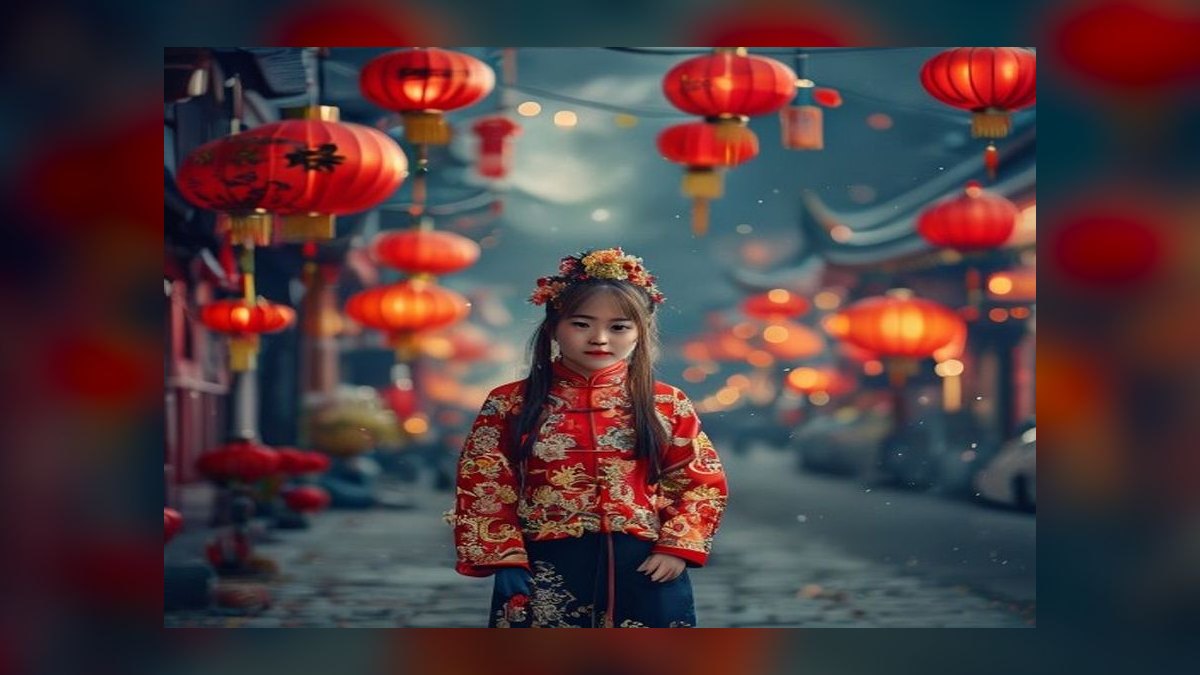
Wearing a cheongsam or hanbok as a costume rather than a garment. If you are not from the culture and you want to wear traditional dress, the line is respect and fit. A well-tailored piece from a legitimate maker, worn the way it is meant to be worn, is generally welcomed. A cheap, overtly sexualized version bought from a costume retailer is not. When in doubt, ask your host — the same question that solved the formality problem solves this one.
Ignoring the temple dress code. Covered shoulders, covered knees, no hats or sunglasses inside, shoes off at the threshold. This trips up people who planned only for the dinner and then got invited along to the temple in the morning. If a temple visit is even possible, build the outfit so a wrap or a longer layer can solve it.
Buying for the occasion instead of the wardrobe. The most common regret is a bright, heavily branded, single-use piece that never leaves the closet again. Applied to any recurring annual event, the same logic holds: the pieces that earn their keep are the ones that work in three contexts, not one. Think of the outfit budget the way a business thinks about revenue per unit — cost per wear is the real number, and a $300 blazer worn twenty times is far cheaper than a $60 novelty top worn once.
Choosing between the options
The decision tree below resolves most of the ambiguity in about thirty seconds. Start from the event, branch on your role in it, then let the weather and the venue set the outer layer.

The general principle underneath it: formality scales with the size and publicness of the gathering, and traditional detail scales with the age of the audience. A gala with two hundred people at a hotel calls for evening wear regardless of your age. A dinner with eight family members calls for smart casual to semi-formal, weighted toward whatever the eldest person present would consider respectful. A street festival calls for warm, comfortable, and clean.
Age shifts the silhouette more than the color palette. In your twenties you can play with shorter hemlines, a satin bomber, a modern cropped cheongsam, and more visible hardware. In your forties, structure does the work — a well-cut blazer, a high-neck silk blouse, a floor-length trouser, a modest heel. In your sixties and beyond, fabric quality carries the outfit: cashmere, real silk, jade, and timeless shapes like a knee-length qipao or a fine-gauge cardigan over a pressed shirt. None of these are rules so much as center-of-gravity defaults, and plenty of people successfully ignore them.
One more branch worth naming: whether you are guest or host. Hosts should dress slightly below the most formal guest, not above — you are moving, serving, and greeting, and you want to be comfortable and approachable rather than the most dressed-up person in the room. Guests should dress slightly above their instinct. Being marginally overdressed at a Lunar New Year gathering reads as respect. Being underdressed reads as indifference, and there is no recovering from it once you are through the door.
Related questions
What colors should I avoid entirely?
Avoid head-to-toe white, which is the color of mourning across most East Asian traditions, and avoid all-black for the same reason. Both are fine as components. Break either up with red, gold, or jade and the association disappears.
Do I need to wear traditional clothing?
No. Modern Western clothing in auspicious colors is completely standard at most Lunar New Year gatherings, including formal ones. Traditional dress is welcome but never required, and a well-fitting contemporary outfit in red always beats an ill-fitting traditional one.
What if I'm attending a work Lunar New Year event?
Treat it as business-festive: your normal office baseline plus one auspicious element. A red blouse under a blazer, a gold tie, or a jade pendant. Corporate events skew more conservative than family dinners, so keep hemlines and necklines office-appropriate.
How do I dress for outdoor lion dances or parades?
Warm, layered, and flat-shoed. Parades involve standing on pavement in February and lion dance performances often include firecrackers and confetti, so avoid delicate fabrics. A red coat over a simple base is the workhorse here.
Can children wear the same colors?
Yes, and red is especially traditional for children, who are also the primary recipients of red envelopes. Prioritize comfort and washability. New clothes for children on New Year's Day is itself a long-standing custom in many families.
FAQ
What are the most auspicious colors for Lunar New Year 2027?
Red is the strongest and safest choice, symbolizing luck and protection from misfortune. Gold signals prosperity and works beautifully as either a full color or an accent. Jade green represents purity and protection. Any of these three as your dominant color will read as appropriate and respectful, with the other two appearing in accessories.
Is a blazer or suit appropriate?
Yes, and it is one of the most reliable choices for men at any age. A navy or charcoal blazer over a red or white shirt, with a gold or red pocket square, works for nearly every event short of a black-tie gala. Women can wear a structured blazer over a silk top and wide-leg trousers to the same effect.
Can I wear a cheongsam if I'm not Chinese?
Generally yes, if done respectfully. Buy from a legitimate maker rather than a costume shop, choose a well-tailored piece with a modest cut, and pair it with restrained accessories. If you are attending a specific family's celebration, asking your host is both easy and appreciated — it turns a potential misstep into a compliment.
What shoes should I avoid?
Anything with holes, tears, visible scuffing, or worn soles, since worn-out footwear carries a poverty connotation that clashes with the holiday's prosperity theme. Skip flip-flops entirely. Stilettos are risky on uneven restaurant flooring during a long evening. Polished loafers, block-heel pumps, oxfords, or clean leather sneakers all work depending on formality.
How formal should I be for a family dinner?
Smart casual to semi-formal is the sweet spot. Men can wear a blazer without a tie; women can wear a midi dress or a silk top with tailored trousers. Skip jeans, T-shirts, and athletic wear unless the host has explicitly said the evening is casual. When uncertain, dress slightly up rather than slightly down.
Are patterns and prints acceptable?
Yes, particularly traditional motifs like florals, cloud patterns, brocade, or subtle geometric designs in red, gold, or jade. Avoid animal prints, large visible logos, and busy graphics that fight the festive palette. Embroidered detail on an otherwise simple garment is one of the easiest ways to look considered rather than costumed.
Sources
- https://www.vogue.com/ — fashion trend coverage and cultural dress etiquette for festive occasions
- https://www.si.edu/ — Smithsonian Institution resources on Lunar New Year history and traditional attire
- https://www.harpersbazaar.com/ — seasonal styling guidance and formalwear coverage
- https://www.nationalgeographic.com/ — cultural traditions and the symbolism of colors and garments
- https://www.nytimes.com/ — lifestyle reporting on holiday fashion and cultural practice
- https://www.britannica.com/topic/Lunar-New-Year — background on the holiday's history, dates, and regional variation
- https://www.metmuseum.org/ — Metropolitan Museum of Art collections and essays on Chinese dress and textiles
- https://www.bbc.com/ — reporting on Lunar New Year celebrations and customs worldwide
Related on PULSE
This page will be disappearing soon. Save it to your device for $1 — or read it free while it is here.
@Kory-White- · if Venmo asks, the last 4 of my number are 2012
This page is gone.
This one is off the shelf now. $1 keeps it on your phone for good — the whole page, pictures and diagrams included.
 pulse-styleWhat to Wear to a Bowling Night in 2027
 pulse-styleWhat to Wear to a Spring Lakeside Wedding in 2027
 pulse-styleHow to Wear Slate Blue with Chelsea Boots in 2027
 pulse-styleHow to Wear Olive Green in Fall in 2027
 pulse-styleWhat to Wear to a Site Inspection in 2027
 pulse-styleWhat to Wear to a Graduation if You’re Plus-Size in 2027
 pulse-styleWhat to Wear to a Work Awards Gala in 2027
 pulse-styleHow to Style White Sneakers for a Job Interview in 2027
 pulse-styleHow to Wear Slate Blue with Linen Pants in 2027
 pulse-styleHow to Style Wide-Leg Pants in Spring in 2027