

What to Wear to a Trip to Paris in 2027
 Curated byKory White · Fractional CRO · Maryland
Quality
Certified
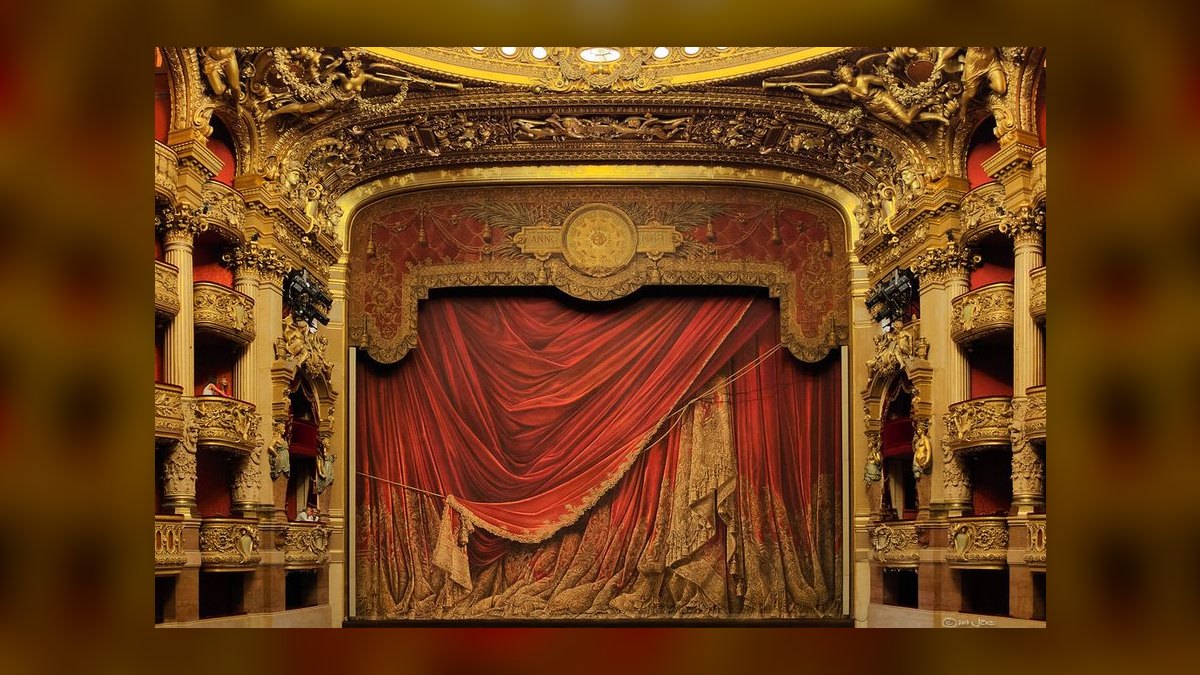
Pack a neutral capsule: a trench or unstructured blazer, two bottoms in charcoal wool and dark indigo denim, three fine-knit or cotton tops, and broken-in leather sneakers plus low-heeled ankle boots. Add a large scarf and a crossbody bag. Paris rewards quiet, well-fitted quality over logos, athletic wear, or anything brand-new on cobblestones.
What Paris dressing actually is, and why it matters more than a packing list
The phrase "what to wear to a trip to Paris" gets answered badly because most guides treat it as a shopping list. It isn't. It's a constraint problem with four inputs: weather volatility, walking distance, venue formality, and luggage weight. Solve those four and the clothing falls out of the math almost automatically.
Start with volatility. Paris sits in an oceanic climate zone where a single day in April or October can swing 10–12°C between the 7 a.m. walk to a boulangerie and the 3 p.m. sun on a café terrace, then drop another 6–8°C after sundown. Spring highs average around 16°C (61°F) in April and near 20°C (68°F) in May, with overnight lows that can still touch 6°C (43°F). Rain lands on roughly a third of spring days, usually as short showers rather than all-day downpours. That pattern — mild, wet, swingy — is why layering beats insulation. A single heavy coat is wrong twice a day. Three thin layers are right all day.
Then walking. A normal tourist day in Paris runs 8–12 km (5–7 miles) on foot, and a large share of that is on pavé, the uneven granite setts that cover Montmartre, chunks of the Marais, and the courtyards of half the museums. Setts punish thin soles, narrow heels, and unbroken-in leather. This is the single most common trip-ruining mistake, and it's a footwear decision made weeks before departure, not a packing decision made the night before.
Venue formality is subtler than travelers expect. Paris is not formal in the necktie sense — the city is far more casual now than the postcard suggests — but it is consistently put-together. The unwritten baseline is smart-casual from about 10 a.m. onward. Gym clothes outside a gym, logo tracksuits, cargo shorts, and flip-flops read as visibly out of place, not because anyone will say something, but because you'll be the only person dressed that way in the room. Restaurants above the bistro tier, opera and theater, and certain hotel bars will expect a collar or a jacket for men and an equivalent step-up for women; almost nothing will demand a tie.
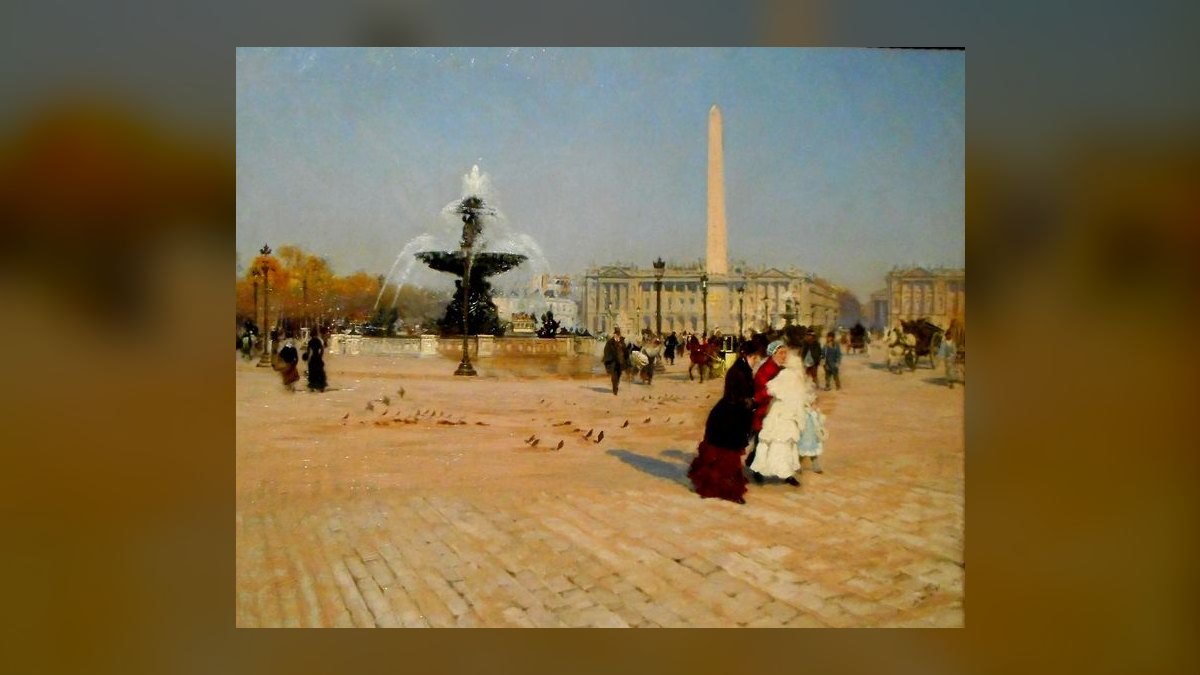
Luggage weight is the constraint people forget until they're carrying a suitcase up five flights in a Haussmannian building with no lift, or navigating a Métro station whose only exit is a staircase. Elevators are the exception, not the rule, in older buildings and older stations. Every kilogram you pack is a kilogram you personally lift.
Why does this matter beyond comfort? Because clothing is the cheapest lever you have on trip quality. A blister on day two costs you a neighborhood. A soaked wool coat costs you an evening. Underpacking a scarf costs you nothing; overpacking three pairs of shoes costs you an entire suitcase compartment and the flexibility to buy anything while you're there. Travelers who plan the wardrobe as a system rather than a pile consistently report walking further, eating in better places, and spending less on emergency purchases.
There's a downstream angle worth naming. The whole travel-retail category — luggage, capsule wardrobes, packing cubes, resale — runs on this exact anxiety, and the revenue models built around it (subscription rental, try-before-you-buy, destination-specific curation boxes) exist because most people genuinely don't know how to solve the four-input problem themselves. Understanding the constraints yourself is what lets you ignore the upsell.
The step-by-step process: building the capsule from forecast to suitcase
Work in order. Each step depends on the one before it, and skipping ahead is how people end up with six tops and no rain layer.
Step 1 — Pull the forecast at T-10 days and again at T-2. Ten days out gives you the pattern (wet week vs. dry week, mild vs. cold snap). Two days out gives you the actual numbers. Don't pack from seasonal averages alone; a May heatwave above 25°C and a May cold snap near 5°C both happen, and they demand different bags.
Step 2 — Fix the shoes first. Two pairs, both broken in over at least two weeks of real walking before departure. Pair one: minimalist low-profile leather sneakers in white, cream, or pale grey, with a rubber sole and a removable insole so you can swap in an orthotic or a cushioned replacement. Pair two: a leather ankle boot with a 2–4 cm heel and a grippy rubber sole for wet setts. Optional third if you have room and are museum-heavy: loafers or leather flats with a real sole, not a paper-thin one.
Step 3 — Choose one palette and refuse to leave it. Charcoal, navy, cream, beige, olive, black. Accents in burgundy, mustard, or dusty rose if you want them. The palette is not an aesthetic preference; it's a combinatorics trick. When everything shares a neutral base, every top works with every bottom, and 12 garments generate 18+ distinct outfits instead of six.
Step 4 — Lock the bottoms at two. One pair of high-waisted straight-leg trousers in charcoal wool or heavy cotton twill. One pair of dark indigo straight-leg jeans, no rips, no heavy fading. Both should work with both shoe pairs. A third bottom is where suitcases start to bloat.
Step 5 — Add three tops. A fine-gauge merino turtleneck or crewneck in black or charcoal, a crisp white button-down in oxford or poplin, and one lighter top — silk-blend camisole, simple cotton tee — in cream or olive. Merino is the workhorse here because it resists odor and can be worn three or four times between washes.
Step 6 — Add exactly two outer layers. A mid-length trench in beige or olive, and an unstructured, unlined blazer in navy or charcoal. The trench handles rain and cold; the blazer handles mild days and dinner. They're rarely both needed at once, which is exactly the point — one is always in the bag as backup.
Step 7 — Accessories carry the variety. A large wool or cashmere scarf in a neutral tone does more work than any other single item: neck warmth at 8°C, a wrap on a windy bridge, a shoulder cover in a church, a shape change to the same coat on day four. A leather crossbody big enough for phone, wallet, and a compact umbrella. One thin leather belt.
Step 8 — One optional dress or one extra knit. A midi slip dress in silk or viscose gives three looks: alone with boots, layered over the turtleneck, or under the blazer. If a dress isn't your thing, substitute a second merino sweater and a pair of olive or stone chinos.
Step 9 — Plan a mid-trip wash instead of packing for every day. Laundromats (*laveries*) are common in residential arrondissements, and hotel or apartment pressing services typically run in the €15–€25 range per load. Packing seven days of clothing for a seven-day trip is an amateur move.
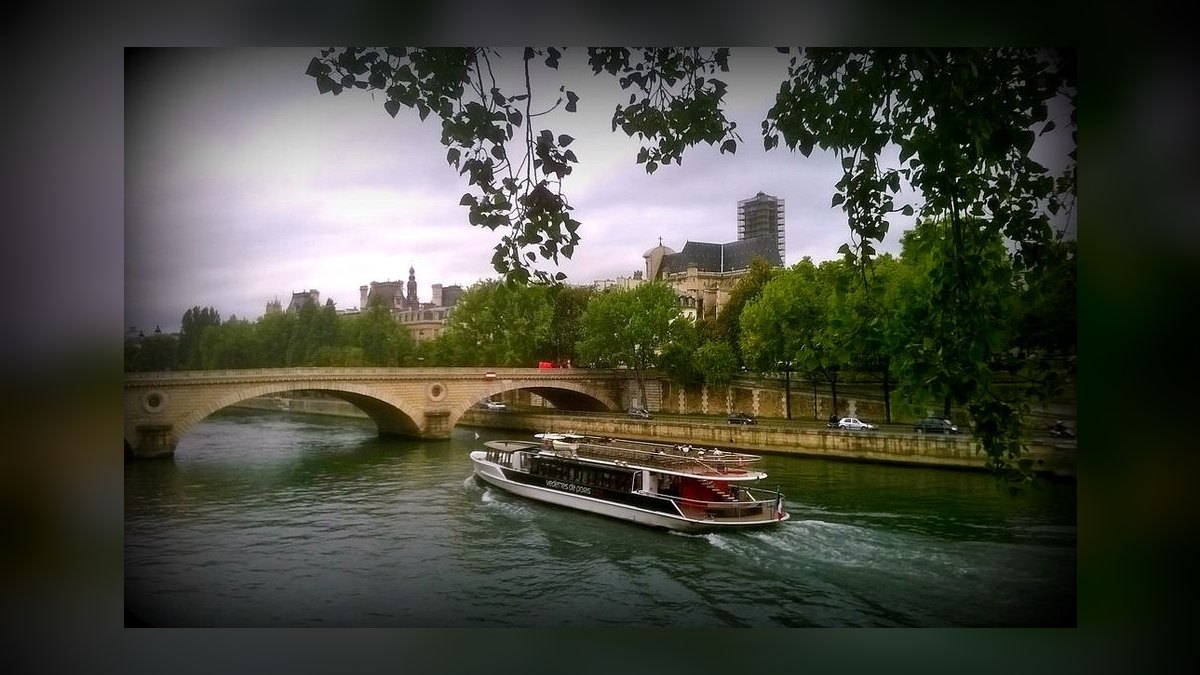
Step 10 — Waterproof and steam before you go. Spray all leather footwear with a treatment product a full day before departure so it cures. If you're bringing a blazer, a compact handheld steamer earns its space in the first ten minutes of unpacking.
Costs, timelines, and typical ranges
Budget honestly and the wardrobe stops feeling like a luxury purchase. The ranges below reflect broad market tiers rather than any single retailer, and prices move — treat them as planning brackets, not quotes.
Footwear is where money is best spent, because it's the item that fails hardest when it's cheap. Minimalist leather sneakers land in roughly three tiers: entry at €80–€150, mid at €150–€300, and premium above €300. The functional difference above the mid tier is mostly materials and resoleability, not comfort. Leather ankle boots follow a similar curve, with capable options under €150 from mainstream high-street brands and welted, resoleable pairs starting around €250–€400. Resoleability matters if you travel often: a €350 boot that gets resoled twice outlasts four €120 pairs.
Outerwear spans wildly. A serviceable trench sits around €100–€250 at high-street level; the heritage versions run into four figures and buy you construction and a name, not weather performance. An unstructured blazer in linen or wool blend runs €150–€400 in the mid tier. A packable water-resistant shell in a matte neutral typically lands in the €100–€200 band. Parisian department stores stock stylish raincoats in the €80–€150 range if you'd rather buy on arrival than pack one.
Knits and shirting. Fine-gauge merino from mass-market technical lines starts near €50–€80; better-gauge merino and cashmere blends climb to €120–€250. An oxford button-down runs €40–€120. Silk camisoles and blouses sit around €80–€200. The rule of thumb: spend on the merino because you'll wear it four days out of seven, and economize on the tee you'll wear twice.
Small items that punch above their price. A compact wind-resistant umbrella is €20–€40. Waterproofing spray is under €15. Two pairs of thin merino hiking socks run €30–€50 and prevent the blisters that would otherwise cost you a museum day. Packing cubes are €25–€50 and are the difference between a tidy carry-on and archaeology.
Total capsule cost for someone starting from zero: roughly €700–€1,200 at the value end, €1,200–€2,500 at the mid tier, and open-ended above that. But most travelers already own six of the twelve items; the realistic incremental spend is usually the shoes, the outer layer, and one good knit — call it €300–€700.
Timelines matter as much as money. Order shoes at T-6 weeks so there's time to exchange for size and still break them in. Begin breaking in at T-4 weeks, wearing each pair on at least three walks of an hour or more. Tailoring — hemming trousers, taking in a blazer — needs T-3 weeks, since a two-week turnaround is normal and a rush fee is real money. Waterproofing at T-2 days. Test-pack the whole capsule at T-4 days, wear each planned outfit for ten minutes in the mirror, and cut anything you hesitate on. Hesitation at home becomes dead weight abroad.
One adjacent note on where the money actually goes: the travel-wardrobe economy has quietly reorganized around rental and resale, and the revenue in that segment increasingly comes from repeat rentals and platform fees rather than one-time sales. Practically, that means renting a single statement coat for a week can cost less than buying one, and secondhand platforms are a genuinely strong source for trenches and wool blazers — classic cuts don't date, and a five-year-old trench in good condition performs identically to a new one.

Where travelers get it wrong
Bringing new shoes. This is the number-one trip-degrading error, and it's entirely preventable. New leather plus 10 km of setts equals blisters by lunch on day two. The fix is calendar discipline, not product selection.
Packing for the average instead of the range. Travelers see "April average 16°C" and pack for 16°C. They then meet 7°C at 8 a.m. and 21°C at 3 p.m. and are wrong at both ends. Pack for the range, which is what layering does.
Over-indexing on "looking French." The anxiety around this produces caricature — a striped top, a beret, a red lipstick, all deployed at once. Actual Parisian dressing is defined by restraint and fit, not by signifiers. Well-fitted, unremarkable, neutral clothing in good condition is the target. If an outfit is doing a lot of work to announce itself, it's over-designed.
Athletic wear as day wear. Leggings, running shoes, gym shorts, and technical fleeces are the clearest visual tell. This isn't a rule anyone enforces; it's simply that you'll notice you're the only one. If you want comfort at that level, elevated versions work — dark leggings under a long knit cardigan with clean leather sneakers reads fine.
Loud logos and bright neons. The prevailing register is quiet. Visible branding across the chest of a garment is the fastest way to look like you're advertising rather than dressing.
Skipping the rain layer because the forecast looked clear. Paris showers arrive fast and leave fast. A packable shell weighs almost nothing and prevents the specific misery of a soaked wool coat that won't dry before dinner.
Overdressing before evening. A blazer at noon is fine. A full suit or a cocktail dress at 2 p.m. is not. Formality in Paris scales with the hour more than with the venue.
Underestimating stairs. Overpacked luggage plus a fifth-floor walk-up plus a Métro station with no lift is a genuinely bad first hour. Weigh the bag before you leave.
Ignoring the bag itself. A backpack worn on both shoulders in a crowded Métro car is both an inconvenience and a pickpocketing liability. A crossbody worn in front, with a zip, solves both. This is one of the few places where a specific style choice is also a security choice.
Wearing the same shoes two days running. Leather needs a day to dry out. Alternating pairs extends their life and prevents odor — which is exactly why the two-pair minimum isn't negotiable.
Decision framework: choosing what to wear on the actual morning
The capsule's payoff is that the daily decision collapses into three questions: what's the temperature now, what's the temperature tonight, and will it rain? Everything else is downstream.
Below 12°C (54°F). Merino turtleneck as base, trench over it, trousers, boots. Scarf wrapped twice. Add a thin quilted vest *under* the trench if you run cold — it adds warmth without the bulk or the visual mismatch of a puffer. Skip heavy parkas; they look wrong in a café and are too warm indoors.
12–18°C (54–64°F). This is blazer weather, the sweet spot. Blazer over a tee or camisole, jeans or trousers, sneakers. Sleeves pushed up. If rain is threatened, swap the blazer for the trench and put the umbrella in the crossbody.
Above 18°C (64°F). No jacket. Linen or cotton button-down with sleeves rolled, high-waisted trousers or a midi skirt, or chinos. Straw hat outdoors if the sun is direct — removed indoors, always. Shorts remain the outlier: they're normal in parks and rare in the city center, and if you wear them, tailored, dark, and paired with a collar and loafers keeps them from reading as beachwear.
Evenings after 8 p.m. (typically 8–14°C). Add the layer back. Boots replace sneakers. The slip dress over a turtleneck with boots is a complete dinner look. For a masculine equivalent, a lightweight wool crewneck over the button-down with dark denim and boots covers nearly every restaurant in the city.

Rain in the forecast. Water-resistant shell in a matte neutral over whatever you'd otherwise wear, plus the compact umbrella, plus the boots rather than the sneakers. Sneaker canvas or mesh is exactly wrong on a wet day; leather sheds water and dries.
Heatwave above 25°C (77°F). Swap one pair of trousers for linen trousers or a lightweight cotton dress before you leave. Air conditioning is far from universal in older buildings and smaller restaurants, so breathable natural fibers matter more than they would in a comparably hot American city.
The same framework transfers cleanly to adjacent trips. London is the closest analogue — near-identical layering logic, marginally more rain, slightly more tolerance for casual footwear. Amsterdam demands the same rain-readiness plus a bike-friendly bottom. Rome and Barcelona shift warmer and add a real consideration most travelers miss: shoulders and knees covered for church and basilica entry, which is precisely what the large scarf handles without a second garment. Berlin runs colder and considerably more casual, where the same capsule works with the formality dial turned down. New York is closest in walking distance and swings but tolerates athletic sneakers in a way Paris doesn't. Build the Paris capsule properly once and you own a template for most temperate-city travel.
Adjacent angles: the bag, the laundry, and buying while you're there
Three things sit just outside "what to wear" but determine whether the plan survives contact with the city.

The bag you carry all day. Volume matters less than closure and position. A zipped crossbody worn across the body and rotated to the front in crowds handles the Métro, the queue at a major museum, and the tightly packed streets around Sacré-Cœur. A tote is comfortable and terrible at security. A backpack is the reverse of a crossbody: great for the day's weight, poor for awareness. If you need a backpack for a day trip, use one that zips at the back panel against your spine.
The laundry plan. Deciding in advance where and when you'll wash converts a seven-day trip into a four-day packing problem. Self-service *laveries* are common outside the tourist core and generally cost a few euros per machine cycle. Apartment rentals frequently include a washer — almost never a dryer, so plan an evening where things hang. Hotels charge substantially more for the convenience. Merino helps enormously here: it can go three or four wears without smelling, which is the entire reason it dominates travel-clothing recommendations.
Buying while you're there. Leaving 20% of your suitcase empty is the single best packing decision you can make, and it changes the character of the trip. Paris shopping splits usefully into tiers: the big department stores for one-stop breadth, neighborhood boutiques in the Marais and around Saint-Germain for smaller labels, and the *dépôt-vente* consignment shops for genuinely good secondhand — a category Paris does unusually well, since the city's supply of well-kept classic outerwear is deep. *Braderies* and *vide-greniers* — neighborhood sales and flea markets — are seasonal and worth checking against your dates.
Two practical notes for shoppers. First, sizing runs on the European system, and shoe sizing in particular is not consistent across brands, so try before you buy rather than trusting a conversion chart. Second, if you're a non-EU resident, VAT refund schemes exist for purchases above a threshold at participating retailers, but they require paperwork completed at the point of sale and validated before departure. Ask at the till; retailers accustomed to tourists will know the process. It's worth doing on a single large purchase and rarely worth the queue on a small one.
One last framing. The reason a trip to Paris generates so much wardrobe anxiety is that it's one of the few destinations where people believe they'll be judged on what they wear. In practice, nobody is watching. What actually changes your experience is whether your feet hurt at hour six, whether you're cold on the walk back across the river, and whether your one good jacket is dry. Solve those and the style takes care of itself, because clothing that's genuinely appropriate to conditions almost always looks right.
Related questions
How many outfits do I actually need for a week in Paris?
Four to five distinct combinations, rotated. Twelve to fifteen garments in a shared neutral palette generate 18+ workable outfits. Plan one mid-trip wash rather than packing a fresh set for each day — it halves the suitcase and costs a couple of hours.
Can I wear jeans to dinner?
Yes, in the vast majority of restaurants. Choose dark, well-fitted denim without rips or heavy fading, and lift the rest of the outfit — a silk blouse, an unstructured blazer, leather shoes rather than sneakers. Only the most formal rooms will object.
Are sneakers acceptable in Paris?
Minimalist leather sneakers are worn everywhere, all day, by locals. Bulky athletic runners and mesh trainers are the ones that read as tourist. The distinction is material and profile, not the word "sneaker."
What should I wear to visit a church or cathedral?
Shoulders and knees covered. A large scarf handles this instantly over a sleeveless top, which is one more argument for making the scarf your first accessory rather than an afterthought. Some sites enforce this at the door.
Does the advice change for winter?
The structure holds; the weights change. Swap the trench for an insulated wool coat, add thermal base layers, switch to lined waterproof boots, and add gloves and a hat. The two-shoe, one-palette, layered logic is identical.
FAQ
Is there a dress code in Paris?
No formal code applies to daily life, but a strong informal norm does. The baseline is smart-casual: fitted, neutral, unbranded, in good condition. Athletic clothing outside a gym and beachwear outside a beach are the two clearest violations. Some upscale restaurants, the opera, and certain hotel bars request a jacket for men, but ties are rare now.
What one item do most people forget?
A large neutral scarf. It handles cold mornings, wind on the bridges, shoulder coverage in churches, and visual variety on repeated outfits, at almost no weight or volume cost. Two is better than one if you have space.
How do I keep leather shoes usable in the rain?
Treat them with a waterproofing spray a day before you travel so it fully cures, alternate pairs so each gets a full day to dry, and stuff wet shoes with newspaper rather than putting them near a radiator, which cracks the leather. Rubber lug soles grip wet setts far better than smooth leather ones.
Is a carry-on realistic for a week?
Yes, if you commit to one palette and two pairs of shoes and plan a mid-trip wash. The capsule described here fits a standard carry-on with room left over. The failure mode is always shoes — a third and fourth pair consume the space that made it possible.
Should I buy clothes in Paris instead of packing them?
Partly. Leave roughly 20% of the bag empty. Outerwear and accessories are the best things to buy there, especially secondhand from consignment shops, because classic cuts don't date. Don't plan to arrive with nothing and buy a full wardrobe — sizing takes time you'd rather spend elsewhere.
Does any of this change by season?
The framework doesn't; the specific garments do. Spring and autumn are the layering seasons and the ones this guide is calibrated to. Summer shifts toward linen, cotton, and breathability, with air conditioning far from guaranteed. Winter shifts to insulation and waterproof footwear. The two-shoe, one-palette rule survives all four.
Sources
- https://en.parisinfo.com/ — Paris Convention and Visitors Bureau, official visitor information
- https://www.france.fr/en — France.fr, the official French tourism portal
- https://meteofrance.com/ — Météo-France, the national meteorological service
- https://www.lonelyplanet.com/france/paris — Lonely Planet's Paris destination guide
- https://www.cntraveler.com/destinations/paris — Condé Nast Traveler Paris coverage
- https://www.nytimes.com/section/travel — The New York Times Travel section
- https://www.ratp.fr/en — RATP, operator of the Paris Métro and bus network
- https://www.vogue.com/ — Vogue, fashion and style reporting
Related on PULSE
This page will be disappearing soon. Save it to your device for $1 — or read it free while it is here.
@Kory-White- · if Venmo asks, the last 4 of my number are 2012
This page is gone.
This one is off the shelf now. $1 keeps it on your phone for good — the whole page, pictures and diagrams included.
 pulse-styleHow to Wear Terracotta with White Sneakers in 2027
 pulse-styleWhat to Wear to a Volunteer Work Day in 2027
 pulse-styleHow to Style Combat Boots for a Graduation in 2027
 pulse-styleHow to Wear Maroon with Combat Boots in 2027
 pulse-styleHow to Wear Dusty Rose with a Bomber Jacket in 2027
 pulse-styleHow to Style a Pleated Skirt for a Job Interview in 2027
 pulse-styleWhat to Wear to a Tennis Match in 2027
 pulse-styleWhat to Wear to a Bowling Night in 2027
 pulse-styleWhat to Wear to a Work Awards Gala in 2027
 pulse-styleHow to Style a Blazer in Fall in 2027