

What to Wear to a Trip to Tokyo in 2027
 Curated byKory White · Fractional CRO · Maryland
Quality
Certified
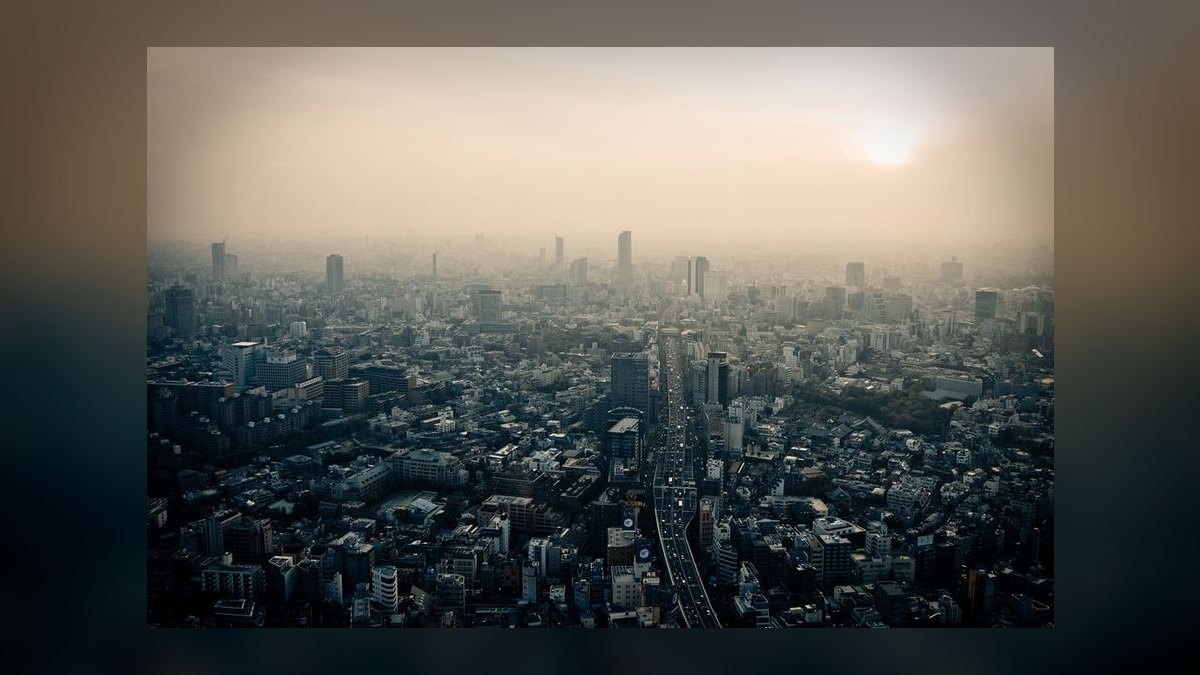
Pack a layered, neutral wardrobe for Tokyo in 2027: black, charcoal, cream, and olive pieces in breathable natural fibers, plus one broken-in pair of walking shoes. Temperatures swing from 2°C in winter to 35°C in summer, so layers beat bulk. Cover shoulders and knees at temples, and keep a packable rain shell handy.
The outcome you should expect
A well-planned Tokyo wardrobe produces a specific, measurable result: you walk 15,000–20,000 steps a day without blisters, you never once feel conspicuously out of place, and you carry one bag instead of two. That is the outcome. It is not a fashion outcome — it is a logistics outcome that happens to look good.
Here is what "well-planned" actually delivers on the ground. You will spend a meaningful share of each day underground. Tokyo's subway and JR platforms sit at a different temperature than the street above them, and department stores, convenience stores, and restaurants run their climate control hard in both directions — aggressive air conditioning in August, aggressive heating in January. A wardrobe built on a base layer plus one mid layer plus one shell means you adapt in the ten seconds it takes to walk down a staircase. A wardrobe built on a single heavy coat means you are either sweating or freezing for most of the day.
The second expected outcome is that you stop making decisions. If you pack five tops, two bottoms, and one outer layer, all in a coordinated neutral palette, every combination works. That eliminates the morning bottleneck that eats twenty minutes of daylight in a city where the good hours are finite and the trains are punctual to the minute. Travelers who overpack report the opposite: more clothes, more deliberation, more time lost.
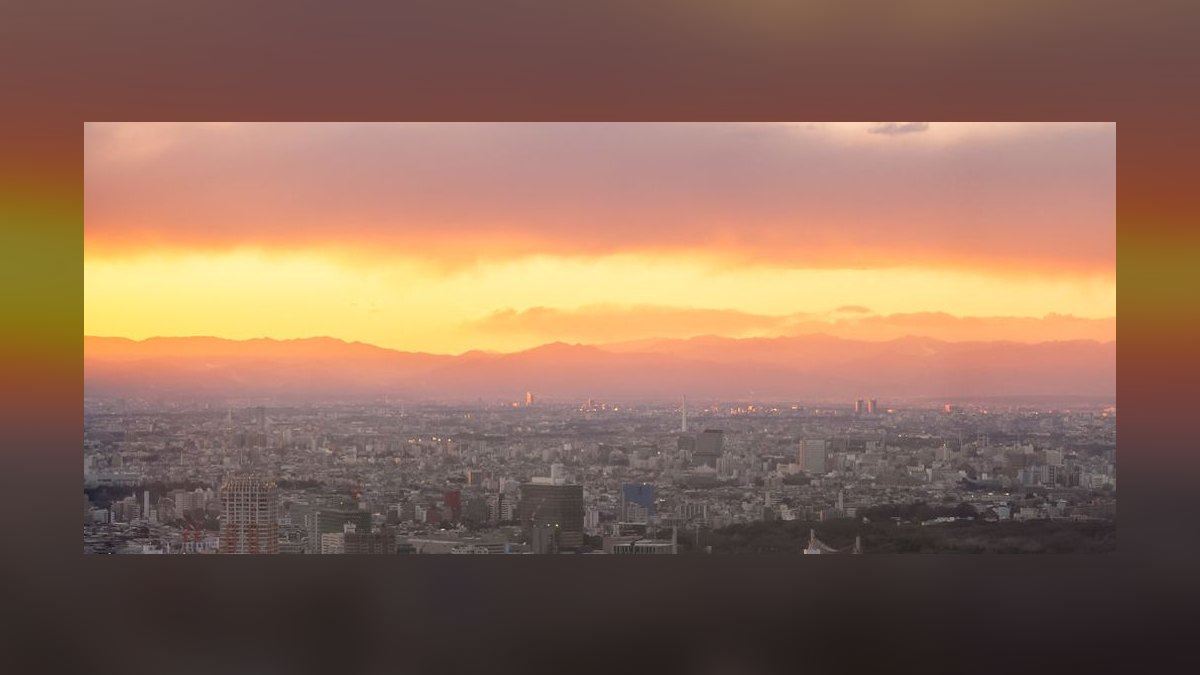
Third, you avoid the two failure states that actually ruin trips. One is footwear failure — blisters on day two of a seven-day trip cut your effective itinerary roughly in half. The other is a dress-code collision: arriving at Meiji Jingu or a kaiseki reservation in gym shorts and a tank top, and either being turned away or spending the visit self-conscious. Both are entirely preventable with about thirty minutes of planning before you leave.
Fourth, and this matters more than people expect: laundry cadence. Most Tokyo hotels and nearly all short-term rentals have coin laundry within a short walk, and many business hotels have machines on-site. Planning for one wash mid-trip lets you cut your packed volume by roughly a third. That single decision is usually the difference between a carry-on and a checked bag, which in turn is the difference between comfortably navigating a Shinjuku transfer at rush hour and dragging a suitcase up stairs behind a wall of commuters.
What drives that outcome
Four variables drive everything: season, indoor-outdoor cycling, walking volume, and venue formality. Get those four right and the specific garments almost choose themselves.
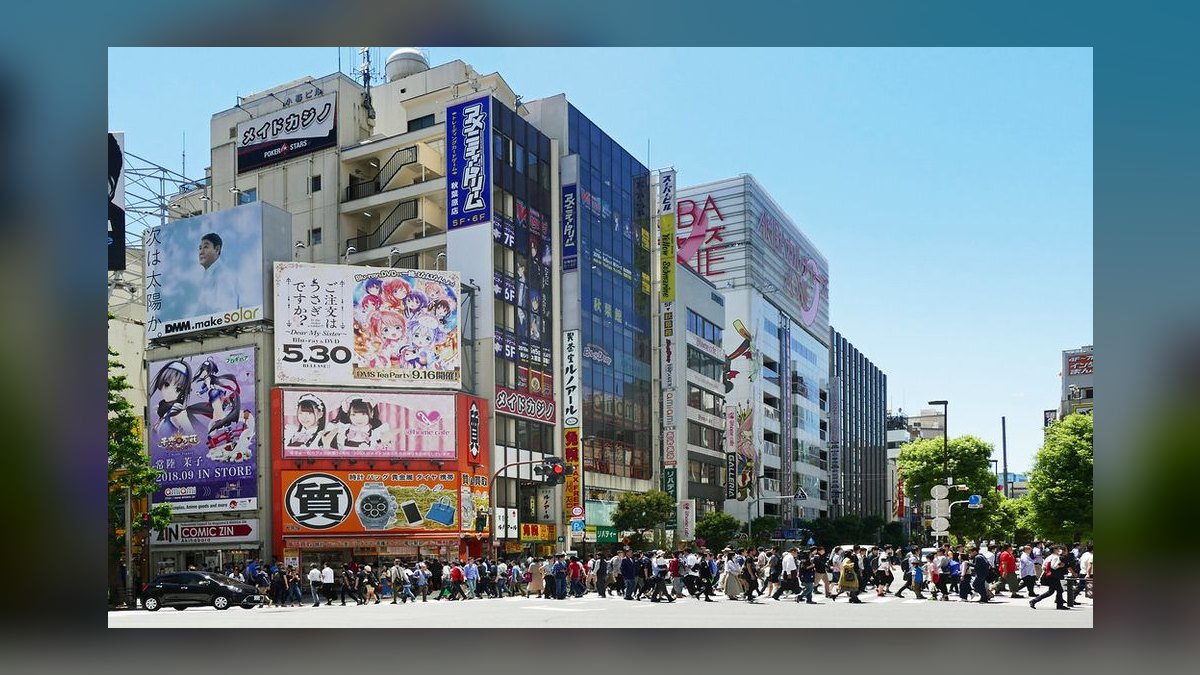
Season sets your fabric floor. Spring (March–May) runs roughly 8°C to 22°C with genuinely unpredictable swings and frequent rain during cherry blossom weeks. Summer (June–August) is the hard case: temperatures near 35°C with humidity often above 80%, plus the June–July rainy season and typhoon risk from August into September. Autumn (September–November) is the most forgiving, sliding from about 20°C down to 10°C. Winter (December–February) sits between roughly 2°C and 10°C — cold but dry, and much milder than most North American or Northern European visitors expect.
Indoor-outdoor cycling is the variable most packing lists ignore. You are not outdoors for eight hours; you are outdoors for forty minutes at a stretch, punctuated by heated or cooled interiors. This is why a thin thermal base layer plus a mid-weight knit plus a wool coat outperforms one thick parka at the same total warmth. You can shed two of three layers. You cannot shed half a parka.
Walking volume is the constraint that overrides style preferences. Concrete, station stairs, and long transfer corridors are unforgiving. Any shoe you bring must already be broken in — a new leather shoe, however well-made, is a liability, not an asset.
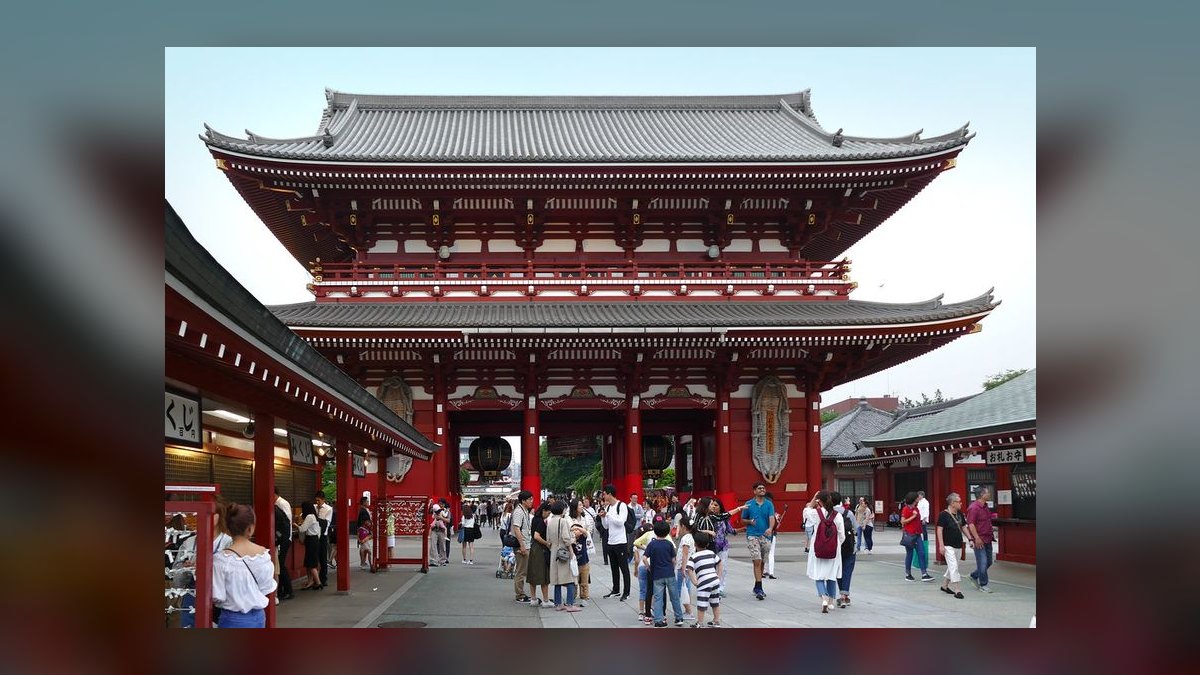
Venue formality is a narrower band than most travelers assume but is not zero. Tokyo skews smart-casual: dark denim, a clean knit, and leather sneakers clear the bar almost everywhere. The exceptions are real but few — a handful of high-end restaurants, some hotel bars, certain theater performances, and traditional venues with their own norms.
Benchmarks and realistic ranges
Concrete targets, so you can check your bag against something.
Volume benchmark for a 7–10 day trip. Five tops, two to three bottoms, one mid layer, one outer layer, one pair of primary walking shoes, one secondary pair (sandals in summer, boots in winter), seven days of underwear and socks, one packable rain layer, one scarf or wrap. That fits a carry-on with room for purchases — and you will make purchases, because Tokyo retail is genuinely good and the exchange dynamics of any given year may or may not favor you.
Palette benchmark. Three neutrals plus one accent. Black, charcoal, and cream, plus olive or navy, gives you roughly twenty workable combinations from eight garments. Add a second accent color and you gain maybe two combinations while adding a garment. The math stops working quickly.
Price ranges for the staples, based on typical mainstream retail. Basic tees and thermal base layers from mass-market Japanese retailers run roughly $15–$30. A merino or merino-blend knit sits around $60–$150 depending on gauge and brand tier. A packable water-resistant shell is commonly $80–$200; a wool overcoat, $200–$500. Leather sneakers in the comfortable-but-presentable category typically land $100–$200. A well-made canvas or nylon daypack runs $60–$150. You can go far above these — Tokyo has no ceiling — but this band covers a complete, competent trip wardrobe.
Walking benchmark. Plan for 12,000–20,000 steps daily if you are sightseeing seriously. That is roughly 6–10 miles, most of it on hard surfaces with stair intervals. Any shoe that is comfortable for two hours at home should be tested for five hours before it earns a spot in the bag.
Layer-count benchmark by temperature. Above 28°C: one layer, natural fiber, loose. 20–28°C: one layer plus something to carry for air-conditioned interiors. 12–20°C: two layers with a light third in reserve. 5–12°C: three layers including a real coat. Below 5°C: three layers plus accessories — hat, gloves, scarf. These are guidelines, not laws, but they keep you from the classic error of packing for the forecast high and freezing at 9pm.
Laundry benchmark. Coin laundry in Tokyo typically runs a few hundred yen per wash cycle with dryers charged separately by time. Budget one visit per week of travel. Merino knits and treated synthetics stretch further between washes than cotton — a merino base layer commonly goes several wears without odor, which is exactly why it earns its price premium on a trip where luggage volume has real revenue implications for baggage fees and taxi choices.
Umbrella benchmark. Do not pack one. Clear plastic umbrellas are sold at every convenience store for a very low price, and buying one on arrival costs less in luggage space than carrying one costs in the bag. Do pack the rain jacket, because a shell handles wind and typhoon-season sideways rain that an umbrella simply cannot.
Risks, edge cases, and failure modes
The summer humidity failure. This is the single most common miscalculation. Visitors read "35°C" and pack for a dry heat. Tokyo in August is not dry heat. Synthetic fabrics — standard polyester, nylon blends — trap moisture against skin and become genuinely miserable within an hour of walking. The mitigation is loose-cut natural fibers: linen, cotton, bamboo viscose, or a technical fabric explicitly engineered for moisture management, not a generic athletic synthetic. Bring more tops than you think you need in August, because you will change mid-day.
The tattoo edge case. Traditional onsen, some sento, certain gyms, and some pools maintain no-tattoo policies. Attitudes have relaxed in tourist-facing establishments, and tattoo-friendly and private-bath options exist, but this is not universal. If you plan to bathe, check the specific facility's policy in advance and consider carrying cover patches. The same caution applies loosely to some traditional venues.
The shoe-removal edge case. You will remove your shoes more often than you expect: temple interiors, traditional restaurants with raised tatami floors, some accommodations, fitting rooms in certain shops. Two implications. First, wear shoes you can remove without sitting down and untying — this is a real argument for slip-ons or loafers on temple-heavy days. Second, your socks are public-facing. Holes, mismatches, and gym socks with dress trousers all become visible. Pack socks accordingly.
The bulky-coat failure. Winter visitors from cold climates routinely overpack outerwear. Tokyo winter is cold but dry, and the sun is often out. A heavy expedition parka is uncomfortable indoors, occupies enormous luggage volume, and reads as visibly out of place. A wool overcoat over a thermal base, or a slim matte-finish down jacket, covers the entire winter range.
The formality collision. Booked an omakase counter, a hotel bar with a view, or a kabuki performance? Some of these have expectations. The mitigation is cheap: one collared shirt, one pair of non-denim trousers or a simple dress, and one pair of shoes that are not sneakers. That kit weighs almost nothing and removes an entire category of risk.
The overpacking-purchases failure. Tokyo shopping is a genuine trip highlight, and people consistently underestimate what they will buy. Arriving with a full bag means either buying a second bag, paying overweight fees, or shipping home. Leave roughly 20–25% of your luggage volume empty on the outbound leg. If you shop heavily, note that many department stores handle international shipping.
The scent edge case. Strong fragrance is generally discouraged on crowded trains and in enclosed spaces. This is a low-cost adjustment: go light or skip it.
The rainy-season underestimate. June through mid-July is the actual rainy season, and late summer into September carries typhoon risk. Rain here is not a light drizzle — it can be sustained and heavy. Waterproof footwear or a quick-drying alternative matters more in these windows than any other packing decision, because walking a full day in soaked shoes ends the day.
A practical rollout plan
Treat this as a short project with a defined sequence rather than a night-before scramble. The approach mirrors how you would roll out any process change: check the inputs, build the core, test it, then adjust.
Four weeks out — check the season data. Pull historical monthly averages for your travel window rather than relying on a general impression of the season. March and May are both "spring" and require materially different packing. Note the rain probability for your specific weeks.
Three weeks out — audit what you own. Lay out candidate garments and sort into the four-variable framework: does this work for the season, does it layer, can I walk in it, does it clear the formality bar anywhere I have a reservation? Anything failing two of four does not go. This step usually eliminates half of the initial pile.
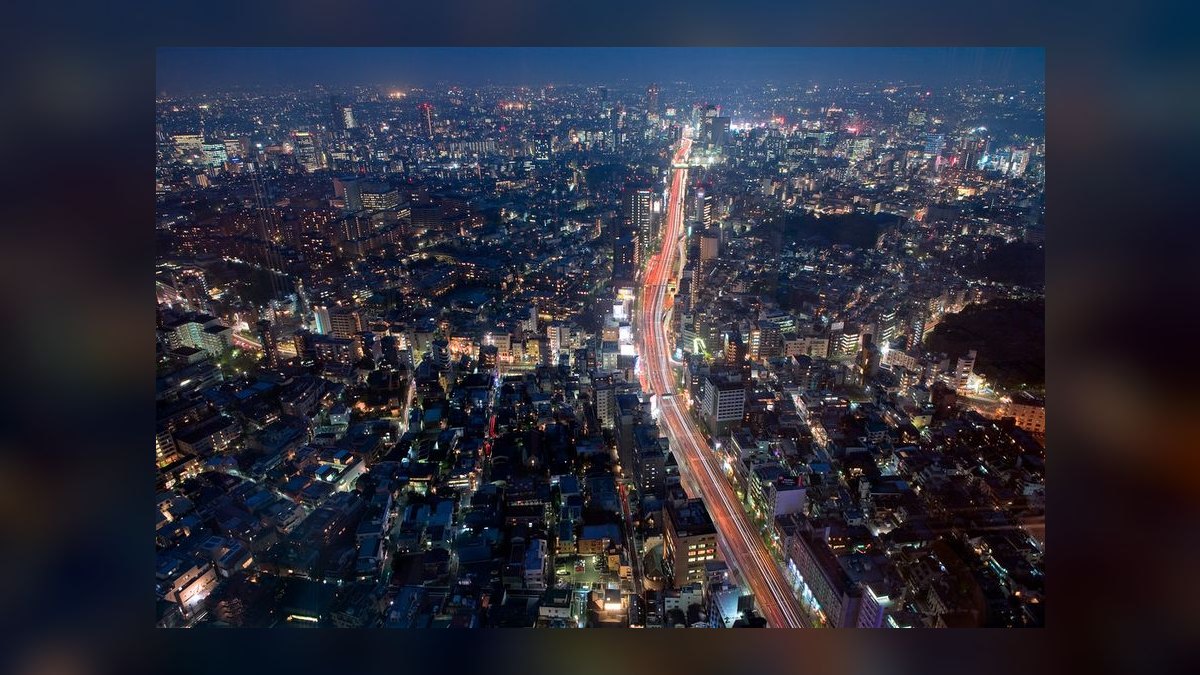
Two weeks out — fill the gaps and break in the shoes. Buy only what the audit exposed as missing. Then start wearing your primary walking shoes for real distances — a few hours at a time, building up. If a hot spot appears at hour three, you have found a problem while it is still cheap to solve. This is the highest-return step in the entire plan.
One week out — build outfits, not piles. Assemble complete looks, including socks and outer layer, and photograph each. This forces you to notice the shirt with no matching bottom and the jacket that works with nothing. Aim for each top to pair with at least two bottoms.
Three days out — do a weight-and-volume test. Pack the bag, weigh it, and carry it up and down a flight of stairs. If that is unpleasant at home, it will be considerably worse in a station at rush hour. Cut until it is manageable, remembering to leave that 20–25% headroom.
Day of departure — travel in your bulkiest layer. Wear the coat and the heavier shoes on the plane. It costs you nothing in comfort with a decent seat and reclaims significant luggage volume.
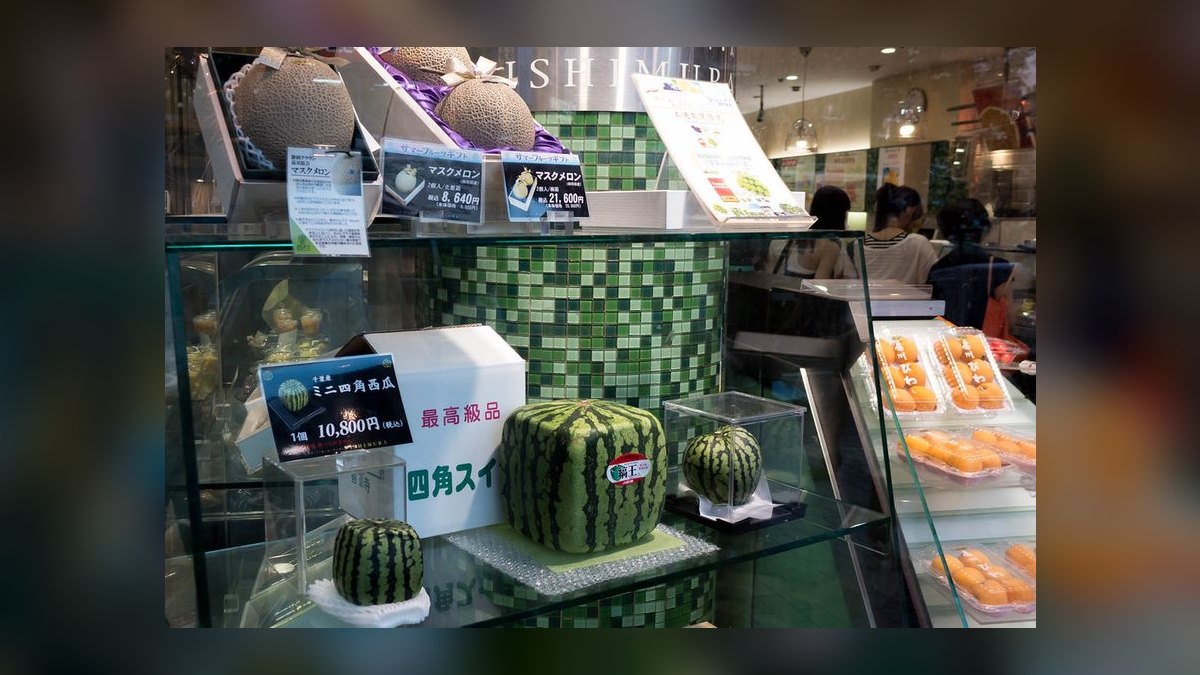
On arrival — adjust in the first 48 hours. You are in one of the world's best retail cities. If you got the layer weight wrong, correct it locally in an afternoon. Base layers, socks, and a compact umbrella are all trivially available. This is a real advantage over most destinations: your packing does not have to be perfect, only close.
Adjacent scenarios this framework also covers
The same four-variable model transfers cleanly to neighboring trips, which is useful if Tokyo is one leg of a longer itinerary.
Adding Kyoto or Osaka. Kyoto runs slightly hotter in summer and slightly colder in winter than Tokyo, sits in a basin that holds humidity, and involves substantially more temple visiting — which means more shoe removal and a higher share of days where covered shoulders and knees matter. Add one more pair of easy-off shoes and one more modest layer. Osaka is close enough to Tokyo climatically that no change is needed.
Business travel to Tokyo. The formality bar rises meaningfully. Japanese business dress skews conservative: dark suit, white or pale shirt, understated tie for men; conservative dress or suit for women. The layering logic still applies — you will still cycle between an overheated meeting room and a cold platform — but the palette narrows and the shoe must be a real dress shoe. Build one polished core kit and add the walking shoes for evenings and weekends.
Multi-country Asia itineraries. If Tokyo is paired with Southeast Asia, the summer wardrobe mostly transfers — loose natural fibers, sun protection, quick-dry — but you will need to add more conservative coverage for temple visits in several countries, and the humidity ceiling is higher. If paired with Seoul or northern China in winter, add a genuinely warm layer, because those winters are significantly colder and windier than Tokyo's.
Shoulder-season hedging. Late March and late November are the two windows where a single trip can span a 15-degree range. The hedge is a packable insulated vest — it adds real warmth under a coat, weighs almost nothing, and compresses to the size of a water bottle. It is the single highest-utility item for uncertain-forecast trips.
Longer stays. Past about three weeks, the calculus inverts. Pack lighter than feels comfortable and buy locally. Japanese sizing runs smaller than US sizing, particularly in shoes and in shoulders and sleeve length for taller visitors, so verify fit before committing to a shopping-heavy strategy — but for most items, local purchase beats hauling.
Traveling with kids. The layering principle holds, but the volume changes: children need more changes per day, and the shoe-comfort rule becomes absolute. A stroller adds a constraint, since many stations have stairs and elevators are not always conveniently located — soft carriers often outperform wheels in older stations.
Related questions
How many pairs of shoes should I bring to Tokyo?
Two. One broken-in primary walking pair you can wear five to six hours daily, and one situational second pair — sandals in summer, waterproof boots in winter, or a slip-on for temple-heavy days. A third pair rarely earns its luggage volume.
Is Tokyo street style really that different from Western cities?
It skews more neutral, more fitted or deliberately oversized rather than accidentally in-between, and generally more put-together for everyday errands. You will not be judged for dressing differently, but muted tones and clean silhouettes help you feel less conspicuous.
What should I wear on the plane to Tokyo?
Your bulkiest items — coat, heavier shoes — plus comfortable layers you can adjust during a long flight. Compression socks help on flights over ten hours. Avoid anything restrictive at the waist, since you will be seated for most of the journey.
Do I need different clothes for Tokyo nightlife?
Usually no. Smart casual clears most bars and izakaya. A handful of upscale hotel bars and clubs enforce a stricter dress code — no shorts, no sandals, no athletic wear. Check the specific venue if you have a reservation.
Can I buy clothes in Tokyo if I underpack?
Easily, and it is often the better strategy. Basics, base layers, socks, and umbrellas are widely available and inexpensive. Note that Japanese sizing runs smaller than US sizing, especially in shoes and in sleeve and shoulder fit.
FAQ
Do I need to dress formally in Tokyo?
Not for general sightseeing. Tokyo is stylish but not formal in daily life — dark denim, a clean knit, and leather sneakers work for the vast majority of restaurants and attractions. The exceptions are specific: certain high-end dining rooms, some hotel bars, and traditional theater venues where a jacket or equivalent is expected. If you have made that kind of reservation, pack one dressier outfit; otherwise, smart casual is sufficient everywhere.
What shoes are best for walking all day in Tokyo?
Broken-in cushioned sneakers or walking shoes with breathable uppers. You are walking on concrete with frequent stair intervals, often for six or more hours. Whatever you choose must already be tested at distance before the trip — a brand-new shoe, even an expensive one, is the most common cause of a ruined second day. In summer, prioritize breathability; in the rainy season, prioritize water resistance and quick drying.
Can I wear shorts in Tokyo?
Yes, particularly in summer, though they are less common among adult locals in the city center than in many Western capitals. If you wear them, choose tailored knee-length shorts in a neutral color rather than athletic or cargo styles. Bring a pair of trousers or a long skirt for temple and shrine visits, where covered knees are expected.
Is it okay to wear bright colors or patterns?
Completely fine. Tokyo street style simply leans toward muted and monochrome, so a single bright accent — a scarf, a bag, a jacket — reads as intentional, while a head-to-toe loud pattern reads as visitor. Neither is a problem. This is an aesthetic observation, not a rule.
Do I need to bring a raincoat or umbrella?
Bring a packable rain jacket; skip the umbrella. The rainy season runs June into mid-July, and typhoon season extends from August into September, so a shell that handles wind and heavy sideways rain earns its space. Clear plastic umbrellas are sold cheaply at any convenience store, making them better bought on arrival than carried across an ocean.
What should I avoid wearing in Tokyo?
Visibly worn-out or sloppy items, gym wear outside of actual exercise, and beach footwear in the city. Go light on fragrance, since strong scents are discouraged in crowded trains and enclosed spaces. If you plan to visit a traditional onsen, check the facility's tattoo policy in advance — many still restrict visible tattoos, though tourist-facing and private-bath options exist.
Sources
- https://www.japan.travel/en/ — Japan National Tourism Organization: official seasonal weather guidance, regional travel information, and visitor etiquette.
- https://www.jma.go.jp/jma/indexe.html — Japan Meteorological Agency: authoritative monthly temperature, humidity, and precipitation data for Tokyo.
- https://www.lonelyplanet.com/japan/tokyo — Lonely Planet: destination guide with practical packing and seasonal clothing recommendations.
- https://www.japantimes.co.jp/ — The Japan Times: English-language coverage of Tokyo culture, climate, and social norms.
- https://www.gotokyo.org/en/ — Tokyo Metropolitan Government official tourism site: neighborhood guides, seasonal events, and visitor practicalities.
- https://www.jnto.go.jp/ — JNTO corporate site: statistics and official guidance for inbound travelers to Japan.
- https://www.nytimes.com/section/travel — The New York Times Travel: reported features on Japanese travel, seasons, and city life.
- https://www.cntraveler.com/ — Condé Nast Traveler: destination reporting and packing guidance for major world cities.
Related on PULSE
This page will be disappearing soon. Save it to your device for $1 — or read it free while it is here.
@Kory-White- · if Venmo asks, the last 4 of my number are 2012
This page is gone.
This one is off the shelf now. $1 keeps it on your phone for good — the whole page, pictures and diagrams included.
 pulse-styleHow to Style White Sneakers for a Theater Show in 2027
 pulse-styleHow to Wear Maroon with Combat Boots in 2027
 pulse-styleWhat to Wear to a Karaoke Night in 2027
 pulse-styleWhat to Wear to a Site Inspection in 2027
 pulse-styleWhat to Wear to a Summer Garden Wedding in 2027
 pulse-styleWhat to Wear to a Cruise in 2027
 pulse-styleHow to Wear Forest Green in Summer in 2027
 pulse-styleHow to Wear Slate Blue with Chelsea Boots in 2027
 pulse-styleWhat to Wear to a Concert in 2027
 pulse-styleHow to Wear Terracotta with White Sneakers in 2027