

What to Wear for Transitional Fall Weather in 2027
 Curated byKory White · Fractional CRO · Maryland
Quality
Certified
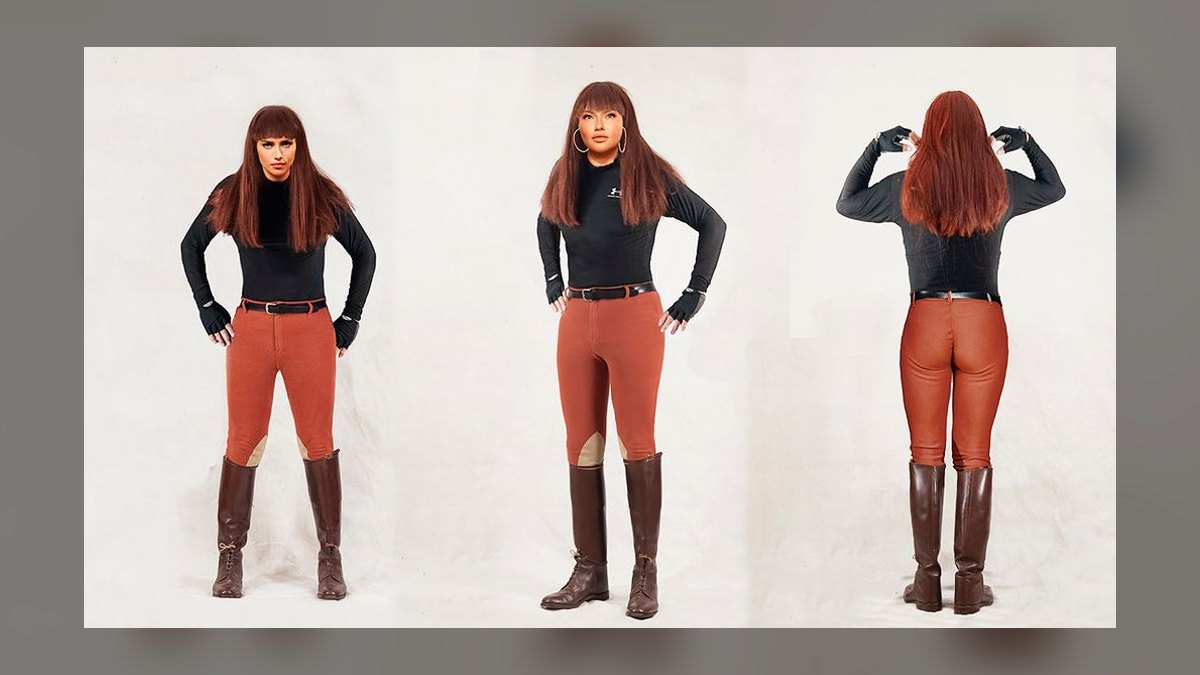
Layer for the day's range, not its peak. Build transitional fall outfits around a breathable base, a midweight merino or cashmere-blend knit, and a water-resistant shell you can shed by noon. Anchor the palette in olive, camel, charcoal, and cream with rust or burgundy accents, and choose rubber-soled leather shoes.
Two competing approaches: the layering system versus the single midweight piece
Almost every transitional-fall wardrobe decision collapses into one of two philosophies, and the reason people flounder in October is that they never consciously pick one.
Approach A — the three-piece layering system. You dress for the coldest hour of your day and peel down as the sun climbs. A merino or Tencel-cotton base, a midweight knit, and a light shell. The 55°F walk to the train is handled by all three; the 72°F afternoon is handled by the base alone. Everything you remove has to go somewhere, which is the hidden cost: a packable shell that compresses to fist size and a knit that folds into a tote are non-negotiable, or you spend the afternoon carrying an armful of clothes.
Approach B — the single midweight garment. One piece rated for the middle of the range, worn all day, no adjustments. A 12-gauge cashmere-blend crewneck over a tee. An unstructured blazer over a henley. A quilted overshirt. You are slightly cold at 8 a.m. and slightly warm at 3 p.m., and you accept both in exchange for never carrying anything.
The trade-off is legible once you name it. Approach A wins on comfort across a wide range and loses on logistics — more pieces to own, more to keep track of, more decisions each morning. Approach B wins on simplicity and on looking composed in photographs (a layered outfit half-shed reads as disheveled), and loses badly the moment the day's swing exceeds about 15°F.
Here is the practical threshold most people converge on after a season of trial and error: a swing under 12–15°F favors the single midweight piece; a swing over 15–18°F favors the layering system. Humidity shifts that line. Wet 60°F feels colder than dry 55°F, so the Pacific Northwest pushes toward layering even on narrow-swing days, while dry Denver tolerates a single piece across a surprisingly wide range.
There is a third position worth naming because so many people are actually in it without realizing: the accessory-modulated single piece. One midweight garment plus a scarf that comes on and off. A lightweight wool-blend scarf carries roughly the thermal weight of a thin extra layer around the neck — where a large share of perceived warmth lives — and stuffs into a bag in two seconds. If you want Approach B's simplicity but face Approach A's temperature range, this is the compromise, and it costs one $40–$90 accessory rather than a second jacket.
The same fork shows up in adjacent wardrobe problems, which is useful because you can transfer the reasoning. Packing for a multi-city trip is Approach A by force — you cannot pack for a single temperature when the itinerary spans climates. Dressing for an all-day conference in an over-air-conditioned hotel is Approach A with the swing inverted: the building is the cold part and the sidewalk is the warm part, so the shed layer goes on indoors rather than off. Recognize the pattern and the specific outfit answers itself.

How to decide between them
Run the decision in a fixed order, because the failure mode is picking an outfit you like and then rationalizing the temperature.
Start with the actual range, not the headline number. Weather apps display the high; the high is the least useful figure for getting dressed, because you will spend most of the morning nowhere near it. Pull the hourly view and note the temperature at the two hours you will actually be outdoors — typically your commute out and your commute back. The difference between those two numbers is your working swing.
Second, ask whether you will have somewhere to put a shed layer. An office with a chair back, a car, or a tote bag makes Approach A viable. A day of back-to-back errands on foot with your hands full does not, and forcing layering into that day is how people end up sweating in a jacket they cannot take off because they are already carrying two bags.

Third, weigh precipitation separately from temperature. Rain does not make you want more insulation; it makes you want a shell. These are different garments and conflating them is the classic error — reaching for a puffer because it is raining, then overheating at 63°F. Water resistance and warmth are independent axes.
Fourth, consider the formality ceiling of your day. A layering system has to look intentional at every stage of undress. If your 2 p.m. is a client meeting, the base layer needs to be presentable on its own; a thin cotton undershirt is not. This single constraint eliminates a lot of otherwise sensible layering plans and pushes people toward Approach B on formal days.
One more decision input that people underweight: how much you personally run hot or cold. Thermal comfort varies enough between individuals that the same 58°F morning genuinely calls for different outfits. If you consistently arrive places slightly overheated, subtract a layer from whatever the flowchart tells you and add a scarf instead. The framework gives you a starting point, not a verdict.
The concrete numbers behind each option
Vague advice about "midweight fabrics" is useless without specifications. Here is what the numbers actually look like.
Base layers. Merino in the 150–180 gsm range is the workhorse for transitional weather. Below 150 gsm you get a summer-weight tee that adds almost nothing thermally; above 200 gsm you are into winter base layers that will cook you at 70°F. Expect $50–$90 for a quality 150 gsm merino tee from an established outdoor brand, with a realistic life of two to three seasons of regular wear. The alternative — a Tencel-cotton blend at similar weight — costs less, drapes better, and handles moisture worse. Choose merino if you walk or bike; choose the blend if your day is mostly sedentary.
Mid layers. A 12-gauge knit is the transitional sweet spot. Gauge counts needles per inch, so higher gauge means finer knit: a 12-gauge cashmere-blend crewneck runs roughly $80–$200 depending on cashmere percentage and works comfortably from about 50°F to 65°F worn over a base. A 7-gauge chunky knit is a winter garment mislabeled as a fall one — it looks like autumn and performs like January. Cashmere blends in the 10–30% range give you the hand-feel without the price or the fragility of pure cashmere.
The useful thermal unit here is the clo, a standardized measure of insulation where 1.0 clo is roughly a business suit. A midweight knit contributes about 0.8–1.2 clo, which in practice lowers the temperature at which you are comfortable by something like 10–15°F relative to the base alone. That is the number that makes the layering math work: base alone is comfortable at 68°F, base plus mid at roughly 55°F, base plus mid plus shell at roughly 45°F.

Outer layers. Weight is the shorthand. A 10–12 oz insulated shell in the Nano Puff / Atom LT class provides roughly 1.5–2.0 clo and packs down to about fist size — that packability is what makes Approach A logistically survivable. A 6–8 oz uninsulated windbreaker blocks gusts, adds minimal warmth, and is the right call above roughly 60°F. Insulated jackets above 50°F on a sunny day are a mistake most people make once per season.
For rain, the distinction is DWR versus membrane. A durable water repellent finish sheds drizzle for a while and wets out in sustained rain; it needs reapplication roughly annually with regular wear. A waterproof-breathable membrane (Gore-Tex Paclite, H2No, and equivalents) handles real rain and costs $200–$400 for a shell. If you live somewhere with drizzle rather than downpours, DWR is genuinely sufficient and half the price.
Bottoms. Stretch chinos and wool trousers both work; the difference shows up when wet. Cotton twill absorbs water, gains noticeable weight, and stays cold against the leg for the rest of the day. Wool sheds light rain, dries faster, and holds a crease. Wool-poly blends around 70/30 keep shape and resist wrinkling at the knee — worth it if you sit for long stretches.
Footwear. The single highest-leverage specification is the outsole. Rubber, not leather, and preferably lugged if wet leaves are in your forecast — slick soles on leaf litter are a genuine injury risk, not a style note. Leather and suede uppers breathe and handle light moisture; mesh-upper trail sneakers dry fast but let cold wind through. Pair either with a merino sock, which extends the comfortable range of any given shoe by a meaningful margin.
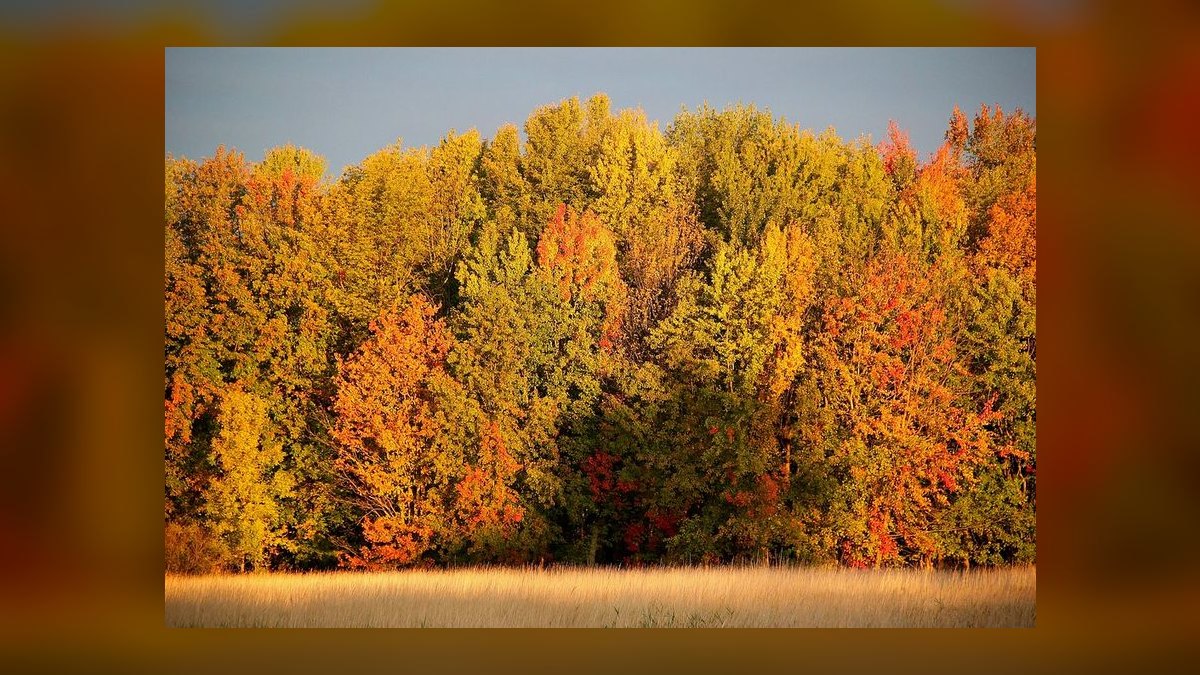
Palette specifics. Olive (#6B8E23), camel (#C19A6B), charcoal (#36454F), and cream (#F5F5DC) form a core where every piece combines with every other — that is the actual reason to use a restricted palette, not aesthetics. Rust (#B7410E) and burgundy (#800020) function as accents that read as seasonal without dominating. All-dark outfits go flat in low autumn light; a cream or camel piece against charcoal restores the contrast a photograph or a video call will otherwise lose.
Total capital. A functioning transitional capsule of 12–15 pieces runs roughly $600–$1,200 depending on fiber quality. The spread is almost entirely merino and cashmere versus cotton and acrylic. If budget is constrained, spend on the mid layer and the outsole; economize on the base and the accessories.
Building and sequencing the wardrobe
Do not buy a capsule in one transaction. Sequence the purchases so each addition is validated by wear before the next one arrives.

Phase one — the shell. Buy the outer layer first, because it is the piece that determines whether the whole system works and it is the piece you cannot improvise. Pick based on your region's dominant failure mode: sustained rain means a membrane shell, wind means a tight-weave windbreaker, cold-and-dry means light insulation. One purchase, $150–$400, and it should last five-plus seasons.
Phase two — two mid layers. A crewneck and a cardigan or overshirt in different colors from the core palette. Two is the right number: one in the wash, one in rotation. Resist buying four sweaters before you own a shell.
Phase three — bottoms and footwear. Two bottoms that both work with both mid layers, and two pairs of shoes — one casual, one that clears your formality ceiling. This is where the palette discipline pays off, because four tops times two bottoms times two shoes is sixteen distinct outfits from six garments.
Phase four — base layers and accessories. Three or four base pieces and the scarf. Cheapest phase, largest apparent variety gain. Rotating a rust scarf, a camel scarf, and a burgundy scarf across the same six garments makes a small wardrobe read as a large one.

A sample week shows the recombination working. Monday, 55°F rising to 68°F: cream merino crewneck over a tee, olive chinos, low-profile leather sneakers, scarf and light jacket for the commute, both gone by lunch. Wednesday, 52°F to 65°F: burgundy V-neck over a white button-down, olive trousers, water-resistant sneakers, packable shell for the morning drizzle. Friday, 56°F to 70°F: charcoal merino turtleneck, rust corduroys, Chelsea boots with rubber soles, no outer layer needed after 10 a.m. Sunday, 50°F to 62°F: camel crewneck over a cream oxford, dark straight-leg jeans, brown chukkas, overcoat for the cold start. Same seven or eight garments, four distinctly different looks.
Age shifts emphasis rather than structure. Twenties: looser silhouettes, canvas and denim outer layers, lower price points, more accessory churn. Forties: tailored fits and performance fabrics — water-resistant shells, wrinkle-resistant wool — because the outfit has to survive a workday. Sixties and beyond: luxury textures and classic cuts, cardigans and pleated trousers, comfort without losing polish. The layering logic is identical at every age; only the fabric budget and the cut change.
Region changes the shell choice more than anything else. Pacific Northwest days sit in the high 40s to low 60s with persistent damp, so a waterproof shell and non-absorbent bottoms matter more than insulation. The Northeast runs crisp and dry with a wide swing, favoring a wool overcoat over a knit. The Southeast's milder, humider range calls for lighter knits and breathable button-downs. The Midwest adds wind chill, which a light vest under a wind-resistant shell handles better than a single heavy coat. The Southwest swings hardest of all — 50s to 80s in a day — and wants sun protection plus a canvas or suede jacket for the evening drop.

For travel across those zones, pack a transitional core of five or six pieces — merino base, cashmere-blend crewneck, packable windbreaker, wool trousers, leather sneakers — and add one regional item on arrival rather than trying to pack for every climate. That keeps a bag light and pushes the region-specific spend to the one place it is actually needed.
The mistakes worth naming explicitly, because they recur: reaching for one heavy coat instead of layers and overheating by noon; building all-cotton outfits that soak through and stay cold; smooth soles on wet leaves; a bulky scarf that cannot be removed discreetly; and an all-dark palette that reads flat in autumn light.
Where the wardrobe question meets the business question
The apparel side of this has a commercial mirror worth understanding, because it explains why the advice you encounter in fall is shaped the way it is.
Transitional seasons are the hardest weeks of the retail calendar. A retailer's revenue in September and October depends on selling garments for weather that has not arrived yet, against customers who buy reactively when the first genuinely cold morning lands. That mismatch produces the pattern every shopper notices: heavy coats on the floor in August, and the actually-useful midweight pieces sold out by the time you want one in mid-October.
The practical consequence for you is a timing rule. Midweight knits, packable shells, and rubber-soled boots are the narrowest inventory window of the year — they are stocked shallow because they sell in a compressed period. Buy the transitional pieces early, in late summer, when the selection is complete. Buy the deep-winter pieces late, in January, when they are discounted and still available. Inverting that order is how people end up paying full price for a compromised fit.
The same logic governs the secondhand market, which has become a genuinely good channel for exactly these garments. Wool and cashmere hold up across owners in a way that fast-fashion synthetics do not, so a five-year-old merino sweater is often functionally equivalent to a new one at a third of the price. Inspect for pilling at the underarm and cuff, check that the ribbing still has recovery, and skip anything with a repaired seam through the body.
The upstream effect on your own planning: the transitional wardrobe is the highest-utilization part of a closet, because the weeks it serves recur twice a year — once in fall and once in spring, running in reverse. A piece that works for a 55°F-to-72°F October morning works for a 55°F-to-72°F April one. That doubles the effective return on every dollar spent there and is the strongest argument for putting your budget into the midweight layer rather than the statement coat you will wear eleven days a year.
Related questions
How many pieces does a functional transitional capsule actually need?
Twelve to fifteen. Roughly three tops, two bottoms, two outer layers, two pairs of shoes, and three accessories, all in one palette. Fewer than ten and you repeat visibly within a week; more than eighteen and pieces stop earning their space.
Can I wear shorts in transitional fall weather?
On the warm end, yes — tailored shorts in olive or charcoal with a long-sleeve knit and a jacket you can remove reads intentional. Below about 60°F in the evening it stops working, so it is a midday-anchored day only.
What is the single best first purchase?
A packable water-resistant shell matched to your region's dominant weather. It is the piece you cannot improvise from what you already own, and it determines whether every other layer combination is viable in rain or wind.
Does the same wardrobe work for spring?
Almost entirely. Spring runs the identical temperature range in reverse, so the layering logic and the garment specs transfer directly. The main adjustment is palette — the olive-and-rust register reads autumnal, and lighter neutrals feel more natural in April.
How do I keep merino from wearing out in one season?
Wash cold on a gentle cycle, lay flat to dry, and never machine dry. Give each piece a day of rest between wears so the fibers recover. Handled that way, a 150 gsm merino tee reliably lasts two to three seasons of regular rotation.
FAQ
What fabrics work best for a 55°F to 72°F swing?
Merino wool, cotton-linen blends, and lightweight cashmere blends. All three breathe when the afternoon warms and insulate when it drops. Avoid heavy wool and pure synthetics — the first traps heat you cannot shed and the second holds odor and manages temperature poorly. A midweight knit over a breathable base gives the widest usable range from the fewest pieces.
How do I layer without overheating by midday?
Dress for the coldest hour, but make every removed layer packable. A thin base, a midweight knit, and a shell that compresses to fist size means you shed the jacket at 10 a.m. and roll the sweater sleeves at noon without carrying a bundle. The failure mode is a bulky fleece or hoodie with nowhere to go.
What shoes transition best from a morning chill to a warm afternoon?
Low-profile leather sneakers or loafers with rubber outsoles and no insulation. Leather uppers breathe enough for a 72°F afternoon and block enough wind for a 55°F morning. Add a merino sock rather than a warmer shoe — it is easier to adjust and extends the range of a single pair.
How do I dress for rain without looking bulky?
Use a slim water-resistant shell rather than an insulated coat, and treat warmth and waterproofing as separate problems. A treated nylon or waxed cotton layer with sealed seams keeps you dry at a fraction of a rain jacket's volume. A wool-blend scarf covers the neck gap that most shells leave open.
Which colors should I avoid?
Neons and pastels fight the muted olive-camel-charcoal-cream core and reduce the number of combinations that work. Head-to-toe black is the more common problem — it reads flat under low autumn light and against fall foliage. Keep rust and burgundy as the accents that carry the seasonal signal.
Is it worth buying merino and cashmere over cotton and acrylic?
For the mid layer, yes — it is the piece doing the thermal work and the one you will wear most. For base layers and accessories, the premium is harder to justify unless you are active enough to care about moisture management. Spend on the sweater and the outsole; economize everywhere else.
Sources
- https://www.weather.gov — National Weather Service hourly forecasts and regional climate normals
- https://www.noaa.gov — NOAA historical temperature data and seasonal outlooks
- https://www.patagonia.com — manufacturer layering guides and fabric membrane specifications
- https://www.gore-tex.com — waterproof-breathable membrane technology and care documentation
- https://www.woolmark.com — merino wool fiber properties, gsm ranges, and garment care standards
- https://www.gq.com — men's transitional and seasonal wardrobe coverage
- https://www.vogue.com — seasonal style reporting and fabric trend analysis
- https://www.nytimes.com/section/style — practical dressing and consumer wardrobe reporting
- https://www.consumerreports.org — apparel durability and care testing
Related on PULSE
This page will be disappearing soon. Save it to your device for $1 — or read it free while it is here.
@Kory-White- · if Venmo asks, the last 4 of my number are 2012
This page is gone.
This one is off the shelf now. $1 keeps it on your phone for good — the whole page, pictures and diagrams included.
 pulse-styleWhat to Wear to a Wedding if You Have Broad Shoulders in 2027
 pulse-styleWhat to Wear to March Madness Watch Party in 2027
 pulse-styleWhat to Wear to a Work Awards Gala in 2027
 pulse-styleHow to Wear Slate Blue with Chelsea Boots in 2027
 pulse-styleHow to Style a Pleated Skirt for a Gala in 2027
 pulse-styleHow to Wear Lavender in Summer in 2027
 pulse-styleWhat to Wear to a Graduation if You’re Plus-Size in 2027
 pulse-styleWhat to Wear to a Site Inspection in 2027
 pulse-styleHow to Style a Midi Skirt for a Job Interview in 2027
 pulse-styleHow to Wear Olive Green in Fall in 2027