

What to Wear for a Short-Waisted Frame in 2027
 Curated byKory White · Fractional CRO · Maryland
Quality
Certified

A short-waisted frame has a shorter distance between the underbust and the natural waist, so the fix is optical: raise the visual waistline with high-rise bottoms, keep tops tucked or cropped, run one unbroken color from shoulder to hem, and use thin tonal belts. Vertical seams and open long-line layers finish the elongation.
What a short-waisted frame actually is, and why the fix is optical
Short-waisted is not about height and it is not about weight. It describes proportion: the vertical distance from the bottom of your ribcage to your natural waist is shorter than average relative to your leg length. Two people at the same height can wear the same size and look completely different in the same shirt, because one carries most of her length in the torso and the other in the legs. If you are short-waisted, your legs are usually proportionally long — which is the whole reason this is such a workable frame to dress. You are not trying to hide anything. You are moving a line.
The self-test takes thirty seconds. Stand in front of a mirror, bend sideways at the middle, and note where the crease forms — that is your natural waist, and it sits higher than the seam placement most ready-to-wear assumes. Then measure two spans with a soft tape: underbust to natural waist, and natural waist to floor. If the underbust-to-waist span is roughly 7 inches or less on a woman of average height, or under about 8 inches on a man, most off-the-rack garments were cut for a longer torso than yours. A second check: place a hand flat, fingers together, between the bottom of your bra band or ribcage and your waist crease. If it fits with room to spare, you are long-waisted. If it barely fits or the space is tight, short-waisted is the working assumption.
Why this matters more than most body-shape advice is that mass-market patterns are graded on one torso length per size run. A size 8 and a size 16 dress from the same brand often use nearly the same bodice length, scaled only slightly. So a short-waisted wearer of any size hits the same three problems: the waist seam of a fit-and-flare dress lands two inches below the actual waist and reads as a droop; a "regular rise" trouser sits at the low hip and visually chops the torso even shorter; a belted jacket cinches at the widest part of the ribcage instead of the narrowest part of the middle.
The core principle is that the eye reads the *lowest continuous vertical break* as the waistline. It does not measure bone. So a high-rise trouser in the same value as the top does not just cover more of the torso — it convinces the eye that the torso continues down to the trouser's top edge. That is the entire game. Every tactic below is a variation on either raising that perceived break or deleting it altogether.
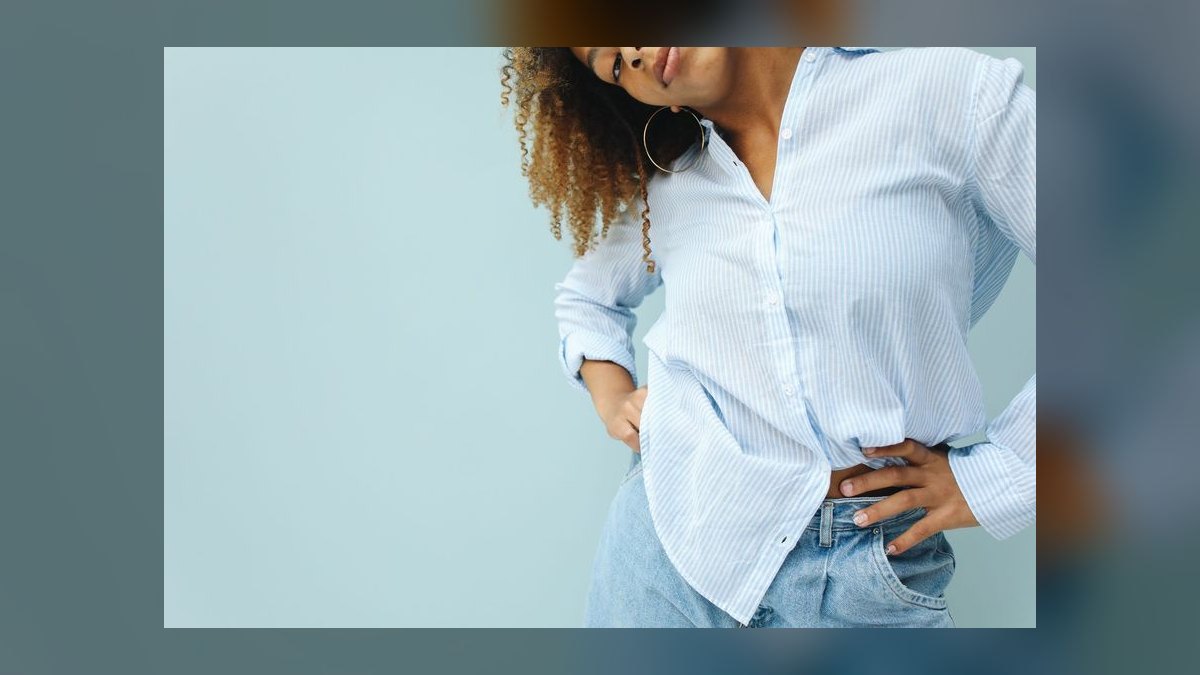
This also explains the counterintuitive part: what most people reach for first — a wide contrast belt at the "natural waist," because that is the advice given to every other frame — is the single worst move here. A three-inch belt in a color that fights the outfit places a hard horizontal band exactly where you have the least room, and it shortens the shortest section of your body. The advice is not wrong in general. It is wrong for this frame.
Adjacent frames are worth knowing because the tactics invert cleanly. A long-waisted person does the opposite: mid- or low-rise bottoms, wider belts, longer tops worn untucked, and contrast at the waist to break up a long torso. Petite framing is a separate axis entirely — it concerns total scale, and a petite person can be short- *or* long-waisted. Plus-size framing is also a separate axis. Confusing proportion with scale is the most common reason someone follows body-type advice for a year and never sees the difference. Sort the axes first: total height, total scale, then torso-to-leg proportion. Only the third one is what this page is about.
The step-by-step process for building an outfit that works
Work the outfit from the waistline outward, not from the top down. The sequence below is the order that fails least often, because each decision constrains the next.
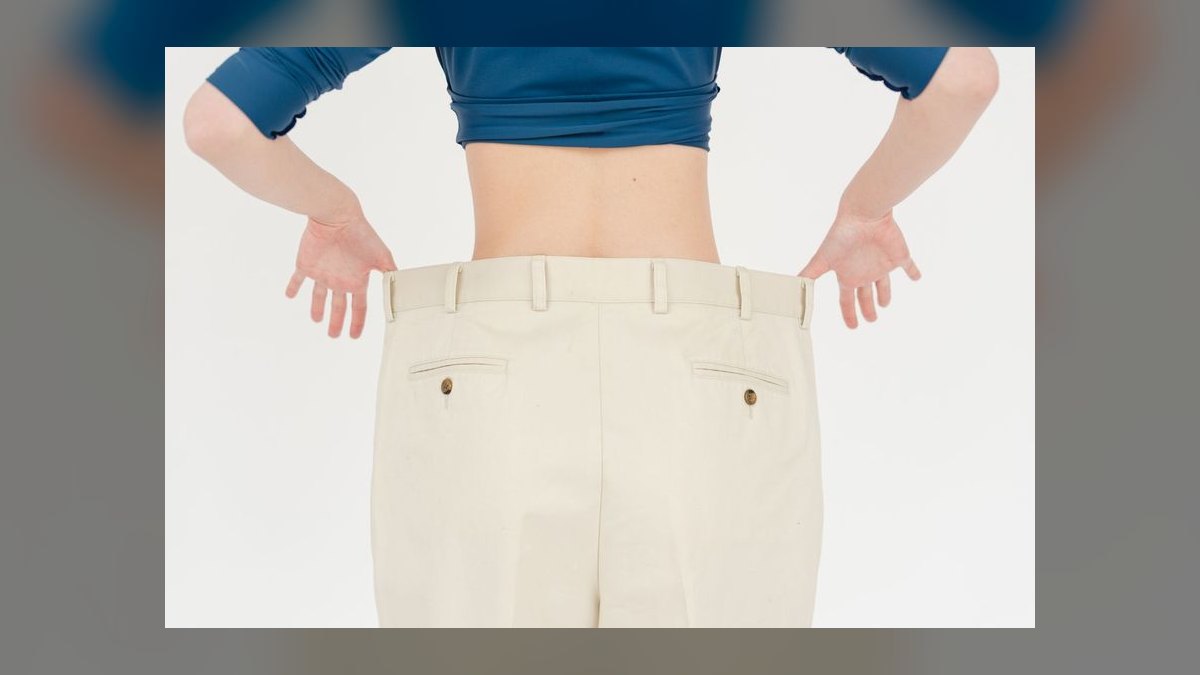
Step one: set the rise first. Choose the bottom before anything else, and choose it by rise, not by style. For a short-waisted frame the target is a rise that sits at or just above the natural waist crease you found in the mirror test — usually a 10 to 12 inch front rise in women's denim, and roughly 11 to 13 inches in men's trousers depending on inseam. Brands label this inconsistently: "high rise" from one label is another's mid. Ignore the label and read the measurement in the size chart, which most retailers now publish. Ribcage-style and pleated-front trousers are engineered around exactly this placement.
Step two: decide tuck, crop, or delete. There are only three valid relationships between top and bottom. *Full tuck* — the top disappears entirely under the waistband, with a slight blouson pulled out so it does not read as stiff. *Crop* — the top ends above the waistband with a one to two inch gap of nothing, which the eye reads as a shorter bodice on purpose rather than a mistake. *Delete* — the top and bottom are the same color, and the transition vanishes. Half-tucks are the fourth option and they are a trap here: an asymmetric hem creates a diagonal break right where you least want attention, and it drops one side well below the real waist.
Step three: run the color. Match the value of the top and bottom, not necessarily the exact hue. Navy with charcoal reads as continuous; navy with white does not. If you want color, put it above the collarbone or below the ankle — a scarf, earrings, a shoe — where it does not interrupt the vertical run.
Step four: layer long and open. An unbuttoned cardigan, an open blazer, or a long vest creates two uninterrupted vertical stripes down the sides of the body that override almost every horizontal break underneath. This is the highest-leverage single move available. The layer should be long-line — hitting mid-thigh or lower — and left open. A cropped jacket also works, but only if it ends *above* the natural waist, never at or just below it.
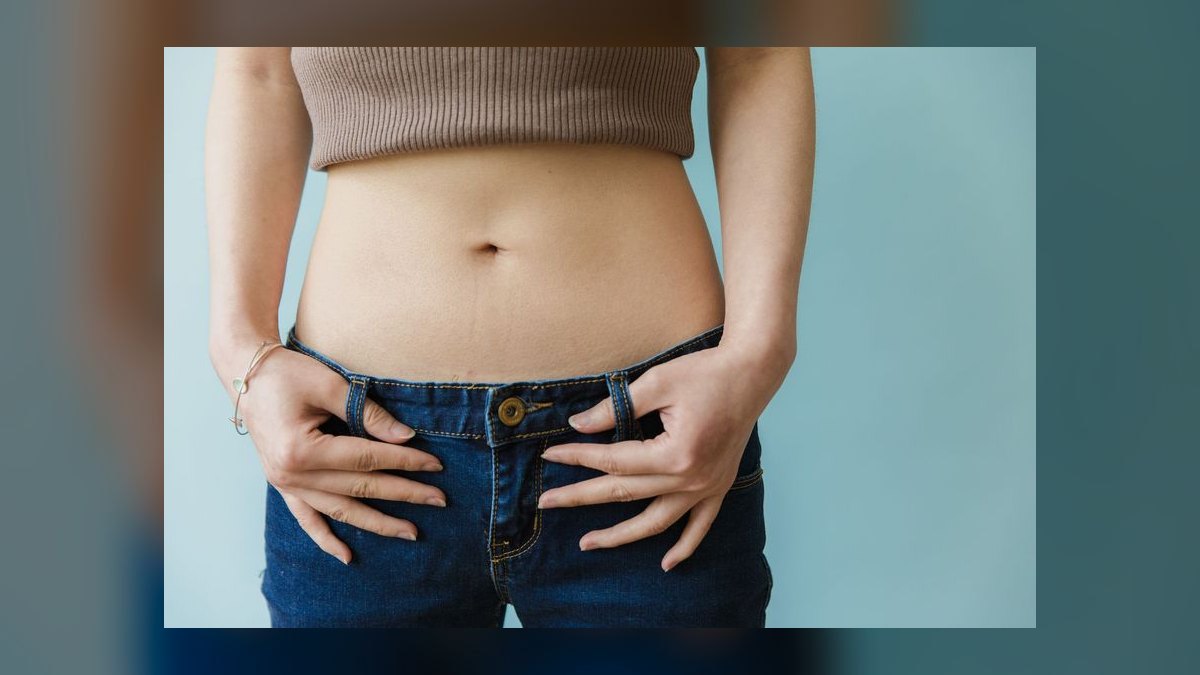
Step five: check the leg line. Because a short-waisted frame usually pairs with proportionally long legs, keep that advantage. Shoes close to the hem color or the skin tone extend the line; ankle straps and contrast-heavy sneakers cut it. Full-length or slightly cropped-at-the-ankle hems both work; the mid-calf hem is the one to be careful with.
Step six: photograph it. Take one full-length photo, then look at it as a shape rather than as clothes. Squint. If the outfit divides into two roughly equal blocks, it is fighting you. If the upper block is clearly the smaller one and the lower runs long, it is working.
The same sequence holds across contexts, with the emphasis shifting. In a casual outfit, the rise does most of the work and the open layer is optional. In a business context, the layer does most of the work and the rise is the supporting move, because a suit jacket already supplies two long vertical fronts. In eveningwear, the delete strategy dominates: a single-color column dress with vertical draping is the least fussy solution any short-waisted person owns.
Costs, alteration timelines, and what to expect at each budget
The honest cost picture for this frame is that a large share of the money goes to fit correction rather than to acquisition. Off-the-rack garments are cut for an average torso, and a short-waisted wearer is by definition not average on that dimension. Budget accordingly.
Alterations are the highest-return spend. In most metropolitan areas in the United States, hemming trousers runs somewhere in the range of $15 to $30, taking in a waist runs roughly $20 to $40, and shortening a jacket sleeve typically falls between $25 and $50. Prices vary substantially by city and by shop, and a high-end tailor or a garment with a lining will sit at or above the top of any range. The two alterations that specifically matter here are less common and cost more: *raising a waist seam* on a dress, which involves detaching and reattaching the bodice and can run well over the cost of a simple hem, and *shortening a jacket from the shoulder* to correct overall length, which is expensive enough that it is usually cheaper to buy a different jacket. Ask for a quote before agreeing to either.
Timelines. A basic hem is often same-week; some shops do it in a day. Waist-seam relocation on a lined dress is a multi-day job and should be booked one to two weeks out, longer during wedding season and the December holidays. Made-to-measure trousers, where you can specify the rise directly, generally quote four to eight weeks. Full bespoke tailoring runs longer and involves multiple fittings. If you have an event, work backward from the date and add a buffer for a second fitting, because the first one rarely lands perfectly on a proportion correction.
Where the money actually goes, by tier. At the entry level, the highest-value purchases are two or three pairs of genuinely high-rise bottoms in neutral colors, plus a tape measure. High-street and fast-fashion labels now carry high-rise cuts widely, and ribcage-style denim from mainstream denim brands is specifically built at the rise this frame needs. At the middle tier, spend on the open long-line layer — a well-cut open cardigan or unstructured blazer in a drapey fabric earns more wear than any other single garment here, because it works over almost everything already in the closet. At the top tier, the money goes to made-to-measure trousers and to a tailored jacket whose button stance was set for your torso rather than a pattern average.
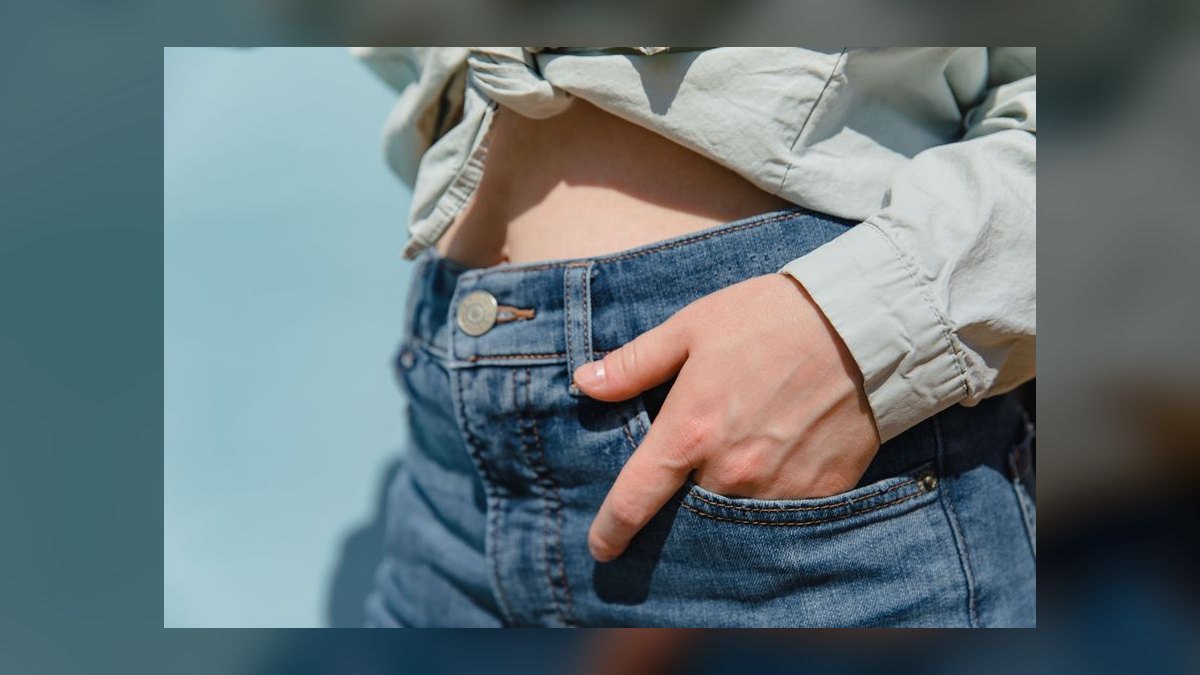
A realistic capsule. Five to seven pieces will cover most of a week: two high-rise bottoms in different weights, two tops that tuck cleanly without bulk at the waistband, one cropped or short-hem top, one open long-line layer, and one column dress or monochrome pairing for anything dressier. That is a smaller wardrobe than most people expect, and it works because the pieces are chosen against a single geometric constraint rather than against trend.
Fabric spend is not vanity. Bulk at the waistband is the enemy of a clean tuck, and thin, drapey materials tuck flat where a heavy poplin bunches. Lightweight knits, silk or silk-blend shells, Tencel, and linen-cotton blends all drape rather than stack. A stiff shirt that bunches at the waistband adds visual volume precisely where the frame has the least vertical room to spare, which is why the cheap version of the tuck sometimes looks worse than no tuck at all.
The false economy to avoid. Buying a garment because it is on sale and planning to "have it taken in" only works for width, not for length. Width is easy and cheap. Vertical proportion — bodice length, rise, jacket length — is either right off the rack or expensive to fix. Check the rise measurement and the shoulder-to-waist-seam measurement before you buy, not after.
Where people get this wrong
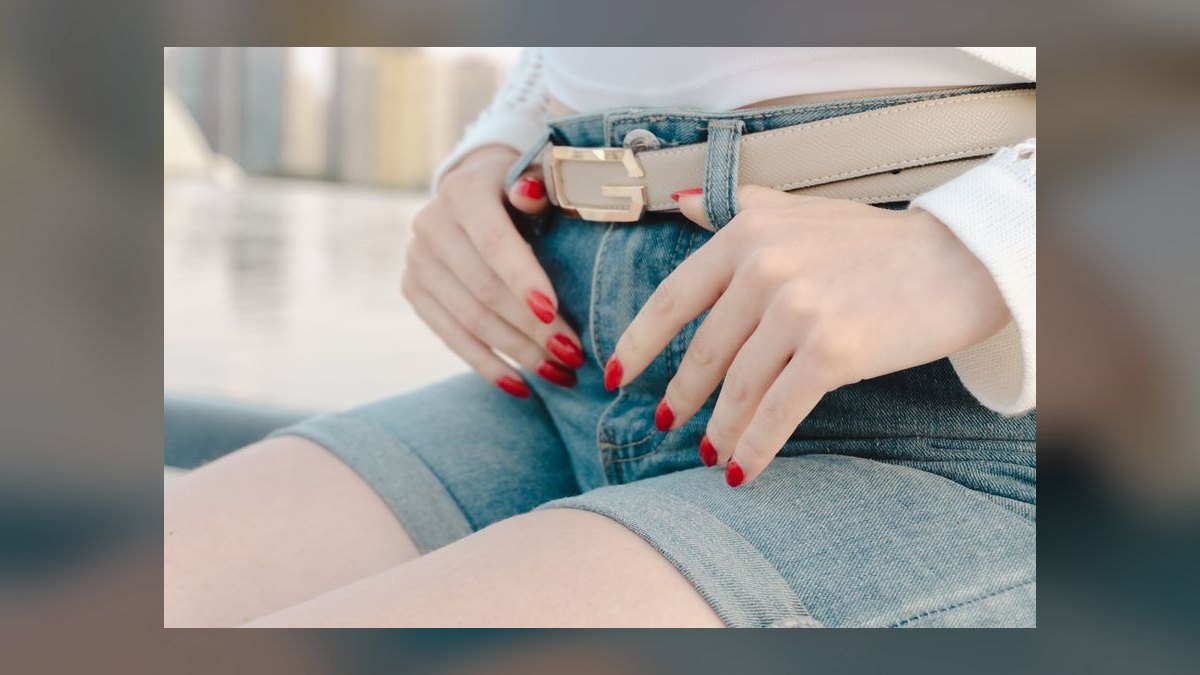
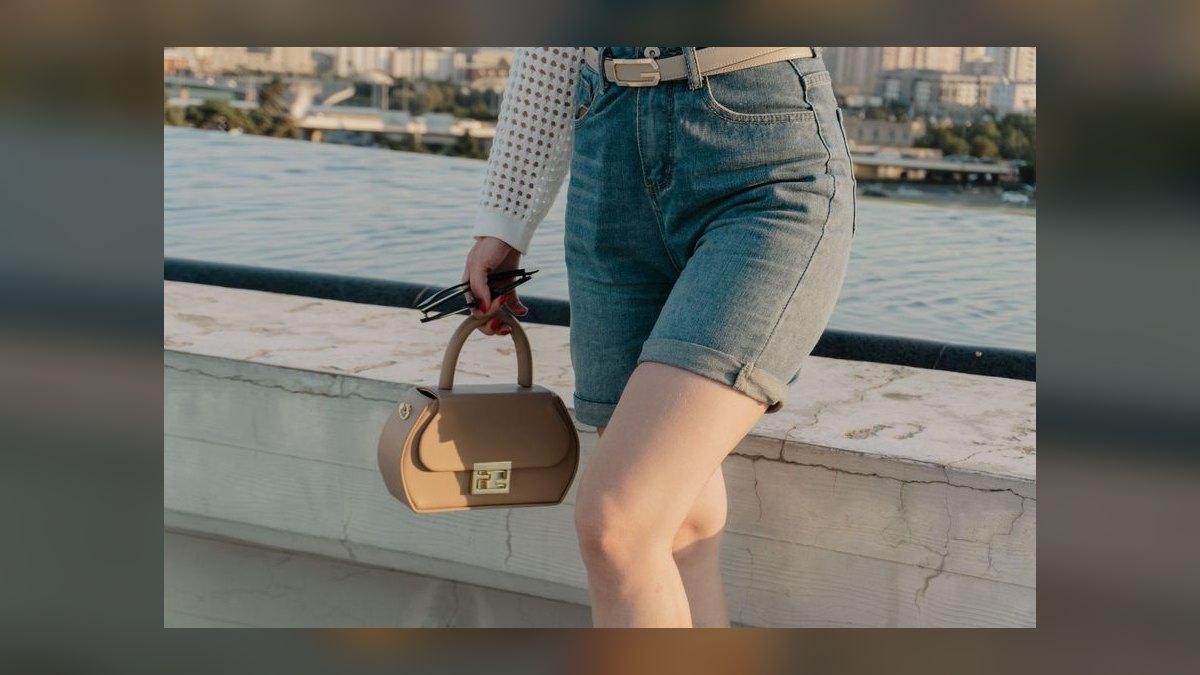
Belting at the natural waist with a wide contrasting belt. This is the single most common error, and it comes from applying generic advice to a specific frame. A three-inch belt in a color that contrasts with both the top and the bottom places a hard horizontal band across the shortest section of the body. The fix is not to abandon belts — it is to make them disappear. A belt three quarters of an inch to an inch wide, in the same color family as the bottom, with a small low-shine buckle, holds the trouser without registering as a line.
Buying by size label instead of by rise measurement. Rise is not standardized. One brand's "high rise" measures 9.5 inches in the front; another's measures 12. On a short-waisted frame that two-and-a-half-inch difference is the entire effect. Read the size chart, and once you find a rise that works, write the number down and shop by that number.
The half-tuck. It is everywhere, and it actively hurts this frame. The asymmetric hem makes a diagonal, and diagonals draw the eye across rather than down. Worse, the untucked side hangs below the real waist, which is exactly the placement being corrected.
Waist-seam dresses bought without checking the seam. Fit-and-flare and empire dresses live or die on where that horizontal seam lands. Hold the dress up against your body in the store and find the seam. If it sits below your waist crease, it will read as a droop no amount of styling fixes. Empire seams — which sit just under the bust — often work well here precisely because they are placed *above* the problem zone rather than at it.
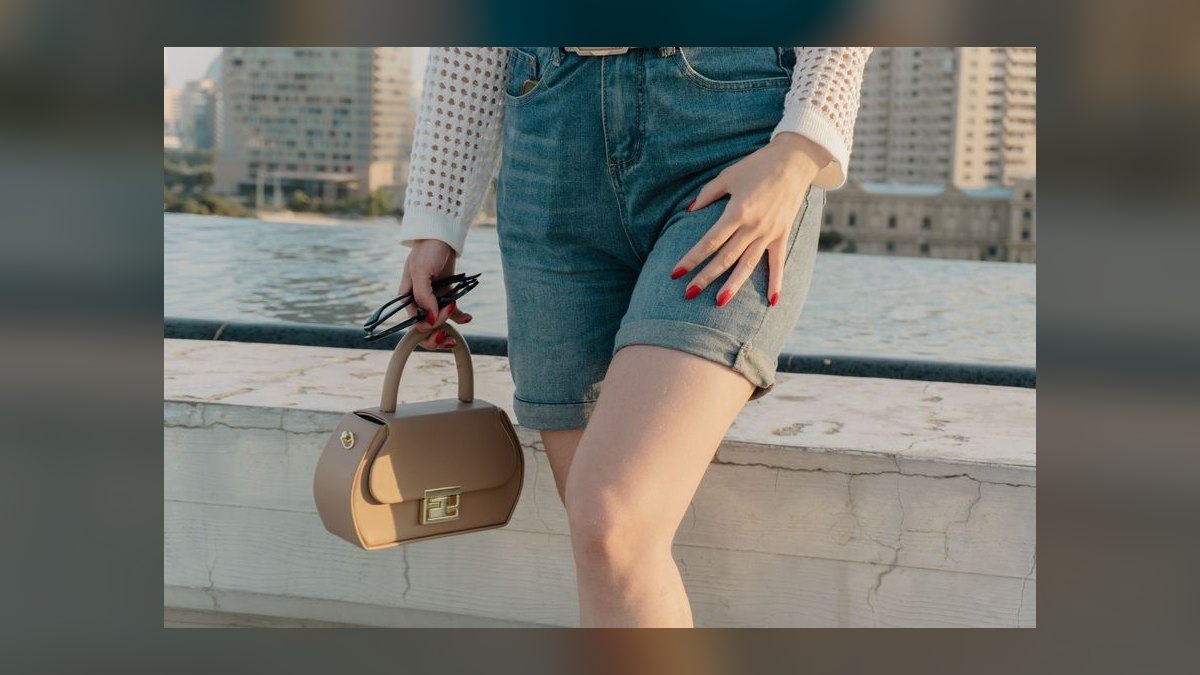
Cropped jackets that end at the waist rather than above it. A cropped jacket is a good tool, but the useful version stops above the natural waist and leaves the high-rise waistband visible. One that ends exactly at the waist creates a break at the worst possible point, and one that ends slightly below it is worse than a long jacket.
Tucking too tightly. A tuck pulled flat and taut reads as stiff and emphasizes the compression. Pull about half an inch to an inch of fabric back out over the waistband so there is a soft blouson, then let go. The garment should look like it settled there, not like it was stuffed.
Horizontal detail across the middle. Stripes get blamed for this, but the real culprits are hardware and trim: patch pockets at the waist, contrast waistband stitching, a wide elastic band, a peplum that flares from the wrong height. A vertically striped shirt is fine. A horizontal band of contrast piping across the ribcage is not.

Long jackets that hit the widest part of the thigh. Because the leg line is the asset on this frame, a jacket that stops at mid-thigh in a contrasting color cuts it in half. Either go longer, so the layer reads as a vertical column, or go shorter than the natural waist. The middle length is the least useful.
Treating this as a women's-only problem. It is not. Men with short torsos face the same geometry, and the mainstream shift toward higher-rise and pleated trousers is genuinely useful here. A men's trouser at a proper rise, worn with a tucked shirt and a jacket whose button stance sits slightly higher, solves the same problem with the same logic.
Over-correcting into all-black forever. Monochrome is a tool, not a uniform. Tonal dressing — three shades of the same family, or two neutrals of similar value — achieves the same continuity with far more visual interest. Camel over cream, charcoal over navy, two greens a shade apart: the eye reads these as continuous because the *value* matches, even when the hue does not.
Decision framework: choosing the right move for the situation
There are only four core strategies, and picking between them is fast once you know what constrains the outfit.

Strategy A — Column. Same value top to bottom, no waist emphasis at all. Use it when the occasion is formal, when you want the least effort, or when you cannot control the tops available (travel, a hotel closet, a borrowed outfit). It is the most reliable and the least interesting.
Strategy B — High rise plus tuck. Contrast is allowed, and the raised waistband carries the correction. Use it for everyday and office wear, when you own bottoms with a verified rise. Requires a top thin enough to tuck flat.
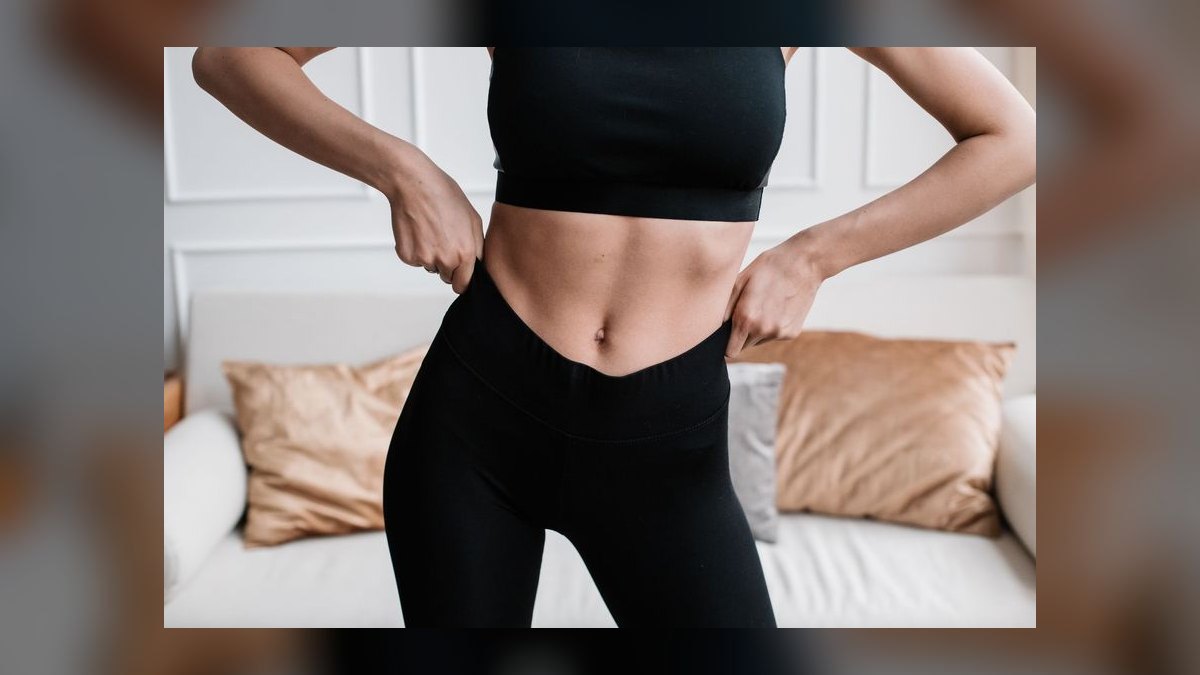
Strategy C — Crop plus high rise. The top ends above the waistband with a deliberate gap. Use it in casual and warm-weather contexts, and when the top is too bulky to tuck. It reads younger and more current, and it is genuinely a proportion tool rather than a trend.
Strategy D — Open long layer. A vertical column of fabric down each side that overrides whatever is underneath. Use it when you cannot change the base layers — over a dress with a bad seam, over a work uniform, over anything already bought. This is the rescue strategy.
The choice usually resolves on two questions: can you control the bottom, and can you control the top? If both, use B or C. If only the bottom, use A. If neither, use D — the open layer is the only strategy that works over clothes you did not choose.
Context shifts the default. For an office with a conservative dress code, Strategy B with a tonal palette is the workhorse. For business travel, pack for Strategy A — a single-value capsule packs smaller and eliminates decisions in a hotel room. For a wedding or a formal event, the column dress with vertical draping or a wrap front is the safest formal answer, and a jumpsuit works well if the waist seam sits at or above your natural crease rather than below it. For hot weather, Strategy C with a linen-cotton crop and a high-rise wide-leg trouser breathes better than any tucked option.
Age changes the fabric and the cut, not the geometry. Younger wearers tend toward crop-plus-high-rise with a long-line layer thrown over. In middle career the emphasis shifts to tailored high-rise trousers and structured blazers that end above the natural waist. Later, soft draping in linen and silk achieves the same elongation with more comfort and no reliance on structure. The underlying rule — raise the break or delete it — does not change at any age.
Related questions
How do I tell if I am short-waisted or just petite?
They are different axes. Petite describes total height and overall scale; short-waisted describes torso-to-leg proportion. Measure underbust to waist against waist to floor. A tall person can be short-waisted and a petite person can be long-waisted. Sort proportion separately from scale.
Do the same rules apply to men?
Yes. The geometry is identical — raise the perceived waistline, keep verticals unbroken. In practice that means a higher trouser rise, a tucked shirt, a jacket with a slightly higher button stance, and a belt that matches the trouser rather than contrasting with it.
Can I wear a jumpsuit with a short-waisted frame?
Yes, if the waist seam sits at or slightly above your natural crease rather than below it. Check the seam in the mirror before buying. Monochrome jumpsuits with vertical seaming or a wrap front work best; a dropped-waist jumpsuit is the one to skip.
What is the fastest fix if I have nothing suitable?
Add an open long-line layer over what you are already wearing. A cardigan, blazer, or long vest left unbuttoned creates two vertical lines down the body and overrides most horizontal breaks underneath. It is the one move that works over clothes you did not choose.
Should I avoid belts entirely?
No — make them disappear. A thin belt, under an inch wide, in the same color family as the bottom with a small matte buckle, functions without registering as a horizontal line. The problem is contrast and width, not the belt itself.
FAQ
What is the best neckline for a short-waisted frame?
V-necks, scoop necks, and open collars work best because they extend the visual line of the torso downward before any garment break occurs. A deep V is effectively free torso length. High crewnecks and turtlenecks compress the upper body and push the visual starting point higher, which shortens what is already the short section. If you want a turtleneck, wear it in the same color as the bottom so the whole column reads as one piece.
How high does the rise actually need to be?
Aim for a front rise that lands at or just above your natural waist crease — commonly 10 to 12 inches in women's denim and roughly 11 to 13 inches in men's trousers, varying with your height and inseam. Do not trust the label; brands use "high rise" inconsistently. Find the measurement in the retailer's size chart, try it against your own crease, then record the number and shop by it.
Are crop tops the only option if I do not want to tuck?
No. There are three alternatives. Match the top's color to the bottom so the transition disappears. Add an open long-line layer that overrides the break. Or choose a top with a hem that ends above the natural waist without being a true crop — a boxy short-hem tee or a shrunken knit does the same job with more coverage.
Which dress silhouettes are safest?
Column and sheath dresses are the most reliable because they have no waist seam to misplace. Empire-waist dresses often work well because the seam sits just under the bust, above the problem zone. Wrap dresses can work if the crossover point falls at or above your natural waist. Drop-waist and basque-waist styles are the hardest, because they deliberately place the break low.
Do vertical stripes actually help, or is that a myth?
They help modestly, and the mechanism matters more than the pattern. What works is unbroken vertical continuity: a seam line, a placket, an open cardigan's front edges, a pleat, a trouser crease. A printed vertical stripe contributes to that effect but is weaker than an actual structural line, and it stops helping the moment a horizontal element crosses it.
What should I do about shoes?
Keep the leg line uninterrupted. Shoes close to your skin tone or to the hem color extend it; a hard color break at the ankle shortens it. Pointed toes add a little apparent length. Ankle straps and high-contrast chunky soles cut the line, though a chunky sole in the same color as the trouser is much less disruptive than one in a contrasting color.
Sources
- https://www.vogue.com/
- https://www.gq.com/
- https://www.harpersbazaar.com/
- https://www.elle.com/
- https://www.whowhatwear.com/
- https://www.instyle.com/
- https://www.realmenrealstyle.com/
- https://www.thecut.com/
- https://www.refinery29.com/
- https://www.esquire.com/
Related on PULSE
This page will be disappearing soon. Save it to your device for $1 — or read it free while it is here.
@Kory-White- · if Venmo asks, the last 4 of my number are 2012
This page is gone.
This one is off the shelf now. $1 keeps it on your phone for good — the whole page, pictures and diagrams included.
 pulse-styleHow to Wear Olive Green in Summer in 2027
 pulse-styleWhat to Wear to a Company Offsite in 2027
 pulse-styleHow to Style Ankle Boots for a Job Interview in 2027
 pulse-styleWhat to Wear to a Tennis Match in 2027
 pulse-styleHow to Wear Forest Green in Summer in 2027
 pulse-styleWhat to Wear to a Volunteer Work Day in 2027
 pulse-styleWhat to Wear to a Cruise in 2027
 pulse-styleHow to Style a Midi Skirt for a Job Interview in 2027
 pulse-styleWhat to Wear to a Wedding if You Have Broad Shoulders in 2027
 pulse-styleWhat to Wear to a Tech Startup Interview in 2027