

What to Wear to a Boxing or UFC Watch Party in 2027
 Curated byKory White · Fractional CRO · Maryland
Quality
Certified
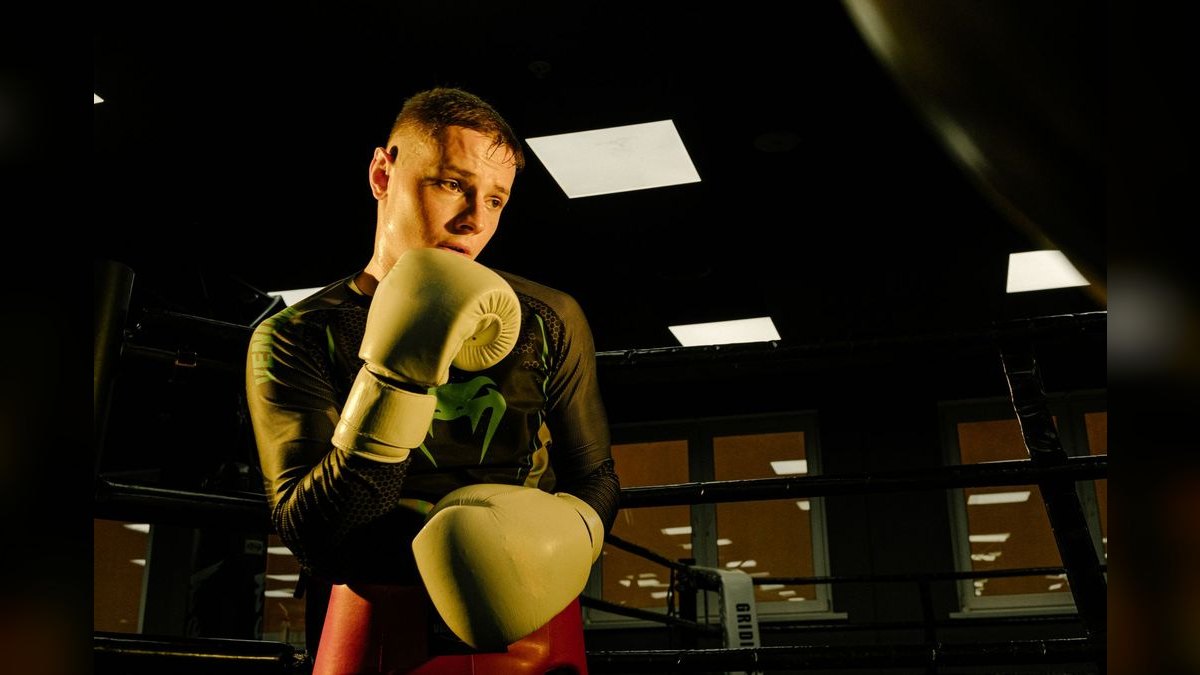
Wear dark, athletic-leaning layers you can stand and shout in for four hours: black or charcoal denim or tech joggers, a quality tee or henley, and a bomber, moto, or field jacket over it. Finish with clean low-profile sneakers and one accessory. Skip full fan gear and stiff new shoes.
The outcome you should expect
The realistic goal for a boxing or UFC watch party outfit is not to be the best-dressed person in the room. It is to be the person nobody notices for the wrong reason, who is still comfortable at 1:40 a.m. when the main event finally walks out. That is a lower bar than a wedding and a higher bar than a Tuesday, and most people miss it in one of two directions.
Understand the shape of the night before you pick a single garment. A pay-per-view fight card is not a two-hour event. Prelims typically start around 6 or 7 p.m. local time, the main card follows, and walkouts for the headline bout land somewhere between 11 p.m. and 1 a.m. depending on the promotion and the broadcast window. Championship boxing has run later still when undercards go the distance. That means you are dressing for a five- to seven-hour block, most of it standing, sitting on floors, leaning on counters, and moving between rooms. Any garment that is merely "fine for an hour" will be a problem by round eight of the co-main.
Expect three physical conditions across that window. Early, the room is cool and under-occupied, so you want your outer layer on. Mid-evening, twenty to forty bodies plus a television and a kitchen push the ambient temperature up noticeably — a packed living room routinely runs 5 to 10°F warmer than the thermostat reads. Late, if you drift onto a patio or a smoking area or walk to a car, it drops again. A single-layer outfit fails at least one of those three phases. This is why layering is the whole answer rather than a style preference: it is a thermal requirement disguised as a look.
Expect mess. Wings, nachos, chili, beer, and a room full of people throwing their hands up at a knockdown is a stain-generating environment. Dark neutrals are not just a 2027 aesthetic default — they are risk management. A charcoal tee absorbs a buffalo-sauce splash invisibly; an ivory linen shirt records it permanently. If you own one pale piece you love, this is not its night.
Expect noise and physicality. People jump. People grab shoulders. Someone will mime a takedown on the carpet. Loose, drapey, delicate fabrics catch and snag. Anything with a long hanging tie, a fragile pendant chain, or an oversized sleeve that dips into a bowl of queso is a liability.
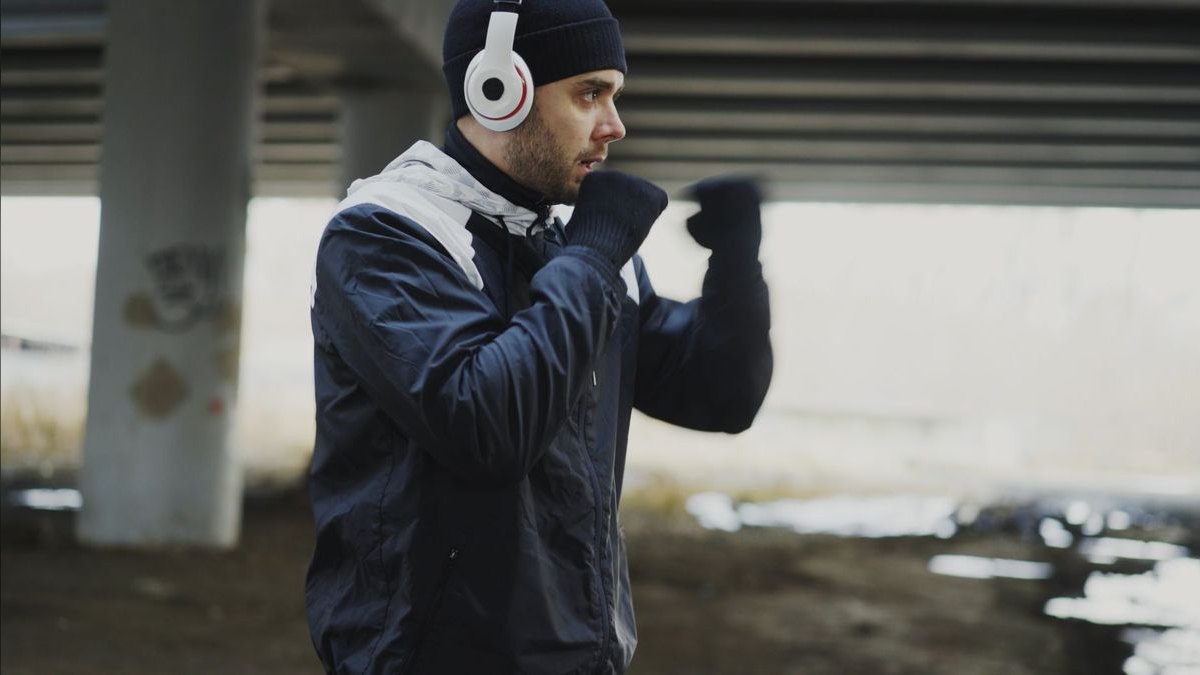
The outcome, then, is a look that reads deliberate — someone chose these clothes — while functioning as durable, temperature-flexible, stain-forgiving loungewear. That combination has a name in menswear and womenswear circles: elevated casual. Dark palette, one structured piece, one point of interest, footwear you would happily wear on a two-mile walk. If you get those four things right, you are done, and you can spend the rest of your attention on the actual card.
One more expectation to set: nobody at the party is grading your outfit against a runway. They are grading it against the three archetypes they have seen at every watch party of their lives — the guy in a stretched-out promotional tee and slides, the guy in a full replica walkout kit with the fighter's name across his back, and the guy who overcorrected into a blazer and dress shoes. Land outside all three and you have won the room without anyone consciously registering why.
What drives that outcome
Four variables do almost all the work, and they compound. Get them in the right order and the specific brands barely matter.
Venue sets the ceiling. A friend's apartment with eight people is the most forgiving version — a hoodie is genuinely correct there. A house party with thirty is a half-step up: keep the hoodie but make it a zip in a solid neutral without a chest logo. A sports bar or a rented venue with a cover charge shifts the whole outfit up a notch, because you are now in public, potentially photographed, and possibly subject to a door policy. Many bars enforce a no-athletic-shorts, no-tank, no-sports-jersey rule on fight nights specifically because it doubles as a de-escalation tool. Call ahead or ask the host if there is any door policy at all; two minutes of asking beats being the one person turned away.
Duration sets the comfort floor. If the card starts at 7 and the main event is at midnight, everything you wear must survive five hours of continuous wear. This kills three categories immediately: brand-new footwear that has not been broken in, anything with a rigid waistband that only works standing, and anything you have to consciously adjust. A useful test — put the outfit on at home and do a full hour of normal activity before you commit. Sit, stand, reach for a high shelf, walk a block. If you fidget with anything more than twice, replace that piece.
Temperature swing sets the layer count. Two layers minimum on top, three if the venue has any outdoor component. The standard stack is a base (tee, henley, mock-neck, or fine-gauge knit), a mid or outer (bomber, moto, field jacket, zip hoodie, or open cardigan), and a removable option you can drape or tie. Critically, the base layer has to be good enough to stand alone, because you will take the outer layer off around hour two and not put it back on. Most outfit failures happen here: a great jacket over a thin, misshapen undershirt looks fine at the door and looks careless for the remaining four hours.
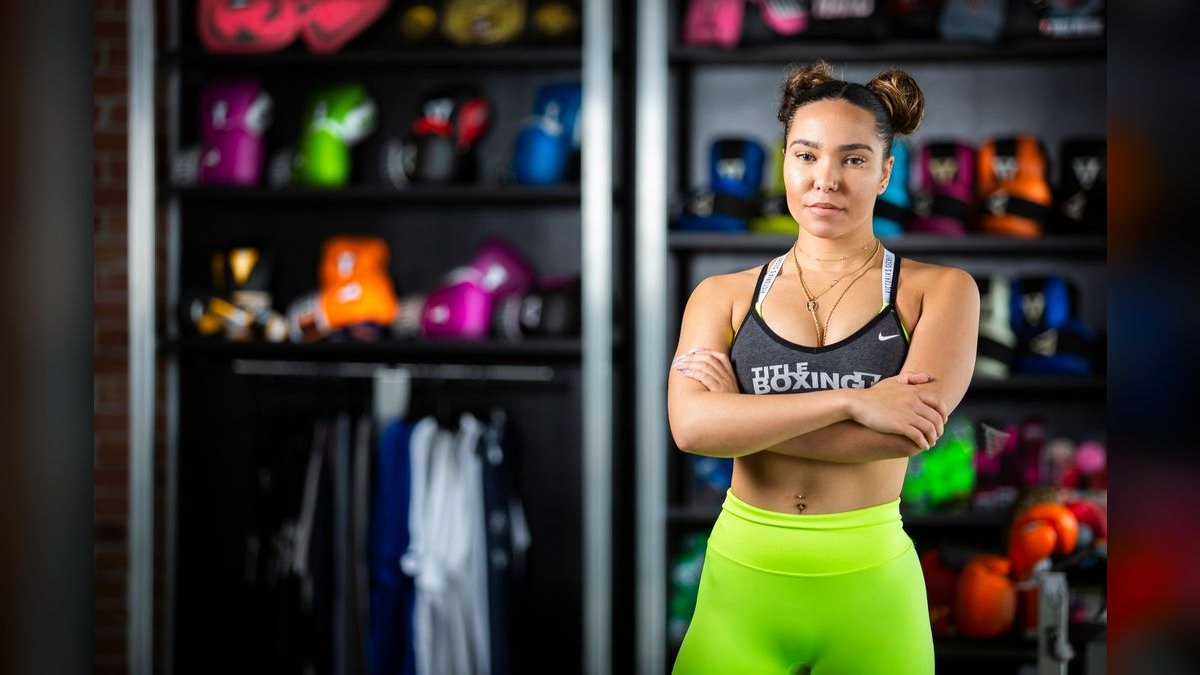
Signal level sets the fan-gear budget. There is a single-piece rule that works across every age and gender: exactly one item may reference the sport, a fighter, a promotion, or a brand. One graphic tee, or one cap, or one jacket patch — never two, never three. Head-to-toe fan kit reads as costume; zero reference reads as indifferent if the whole party is themed. One is the number.
The order matters. Venue first, because it can veto a hoodie entirely. Duration second, because it vetoes footwear. Temperature third, because it sets layer count. Fan-gear signal last, because it is the only purely decorative decision in the chain and it should never override the other three.
Benchmarks and realistic ranges
Concrete targets, so you are not guessing.
Palette. Build from black, charcoal, navy, olive, and dark brown. Aim for roughly 80 percent of the outfit in those neutrals and 20 percent as your one point of interest — a burgundy scarf, a gold hoop, a tan boot, a fighter tee with a bold print. Two accent colors is one too many. If you cannot decide which accent survives, keep the one closest to your face, since that is where people look.
Layer count. Two on top for an indoor party, three if there is a patio, a walk, or a late-season chill. One is not enough in a room whose temperature will swing double digits over an evening.
Footwear. Low-profile leather sneakers, chunky-sole trainers, suede chukkas, derbies with a rubber sole, or loafers with a low block heel. The single hard requirement is that the pair already has at least 10 to 15 hours of wear on it. New shoes and a five-hour card is how you end the night barefoot on someone's kitchen tile. Avoid stilettos, open-toe heels, pristine white canvas, and slides. White leather sneakers are fine and forgiving because they wipe clean; white canvas is not, because it stains permanently the moment someone's drink tips.
Budget bands. A complete, genuinely good watch-party outfit runs roughly $150 to $300 if you are building from accessible basics, $300 to $500 for a mid-tier version with better fabric and one real outer layer, and $400 to $700 if you are buying leather, cashmere, merino, or selvedge denim. Above that band you are paying for brand, not for performance on this specific night. Most people already own 70 percent of the outfit and need one piece — usually the jacket or the shoes.
Fit targets by decade. In your 20s the silhouette runs oversized and streetwear-forward: a boxy graphic tee, tapered tech joggers or wide-leg cargos, a nylon bomber or an oversized varsity jacket, chunky platform or high-top sneakers. In your 40s the same shapes tighten: a heavyweight long-sleeve henley or a ribbed mock-neck replaces the graphic tee, straight-leg dark or selvedge denim replaces the joggers, a waxed field jacket or a matte leather moto replaces the bomber, and footwear moves to suede chukkas or minimal leather sneakers. In your 60s texture does the work synthetics did earlier: fine-gauge merino crewneck, silk-blend tee, flat-front chinos or pleated wide-leg trousers, a cashmere-blend zip hoodie or an open wrap cardigan, and leather derbies or penny loafers. Note that the palette and the athletic underpinning never change across those three decades — only the fabric quality and the closeness of the fit.
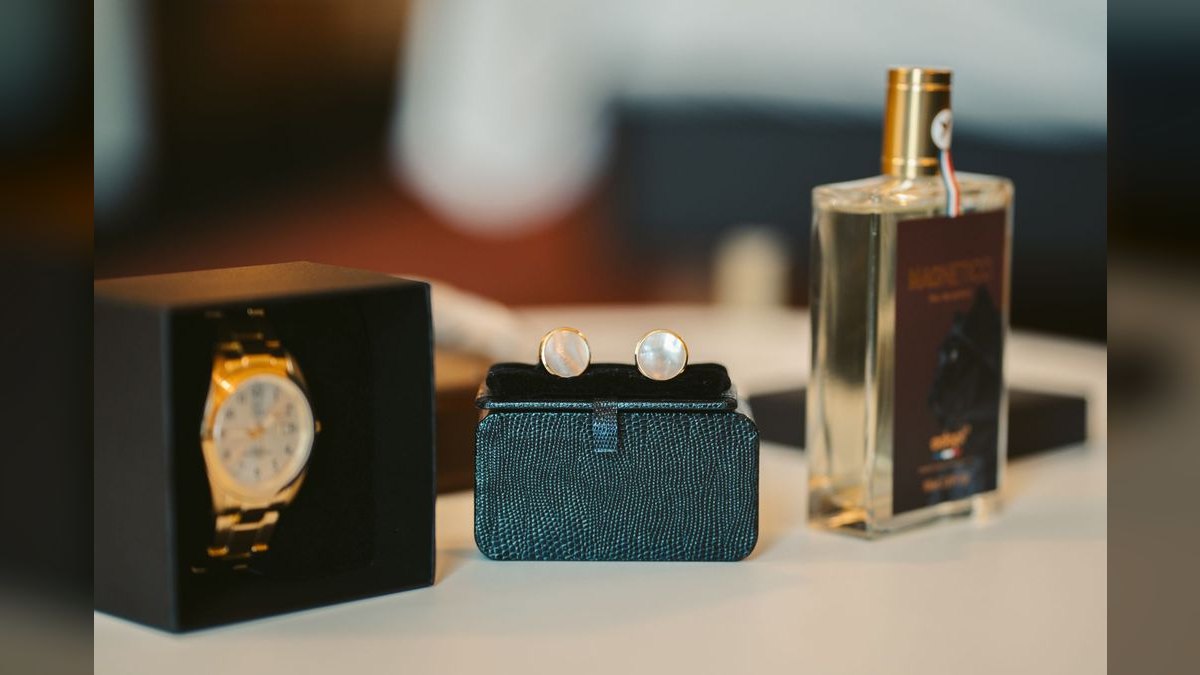
Accessory ceiling. One or two, total. A watch and a bag. A watch and a pair of hoops. A cap and nothing else. The failure mode is stacking a chain, a cap, two rings, a bracelet, and a bag, which is the visual equivalent of shouting.
Bag rules. A slim nylon crossbody or a small chain-strap mini works because it stays on your body while you stand and gesture. Anything you have to set down will get sat on, spilled on, or lost. Keys, phone, card, and one backup layer if it will fit — that is the whole packing list.
Risks, edge cases, and failure modes
The gym-clothes failure. Sweatpants with a drawstring hanging out, a stretched tank, and running shoes reads as "did not think about it." The fix is small: swap the sweats for tapered joggers in charcoal or black without visible branding, and swap the runners for a leather or suede sneaker. Same comfort, entirely different signal. Note this is the single most common failure and it is also the cheapest to correct.
The overcorrection. A blazer with dress shoes at a house party reads as if you came from a different event and are waiting to leave. A textured wool or linen blazer over a plain tee can work for an older, calmer version of the look, but a shiny suit-separate blazer never does. If you are unsure, the field jacket or the moto is doing the same structural job with none of the formality risk.
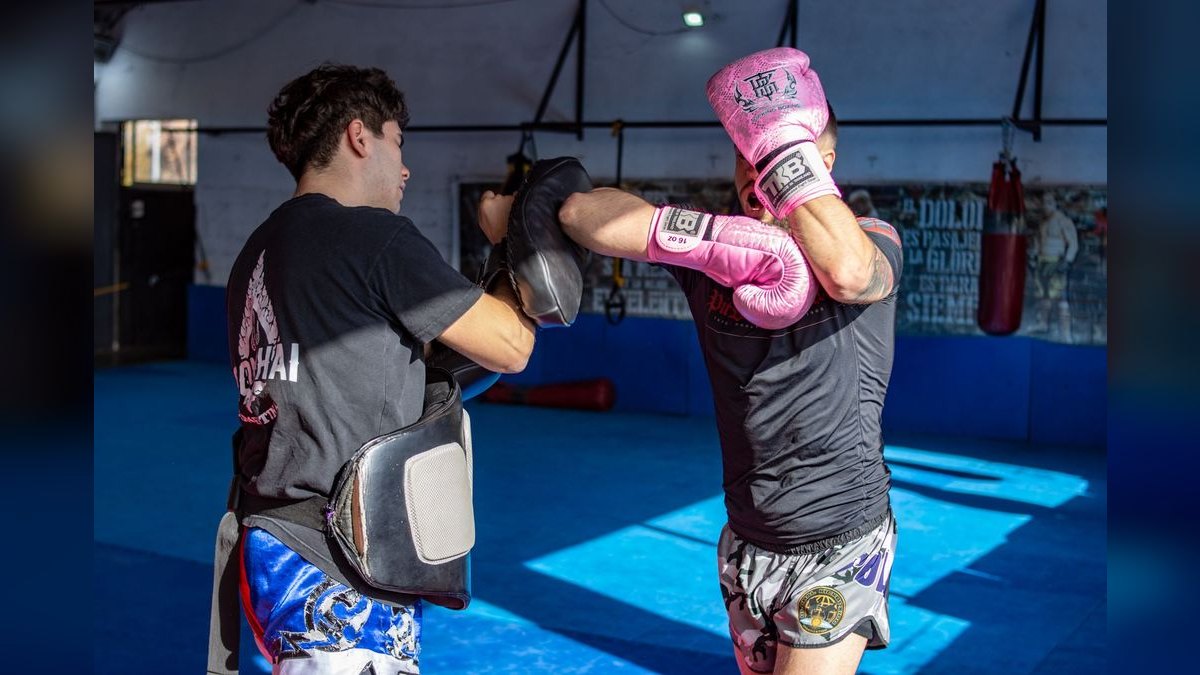
Full fan kit. Head-to-toe replica gear — walkout tee, matching shorts, a cap with the same logo, the fighter's name across your back — is the costume trap. It also ages badly: if that fighter loses in the first round, you are wearing it for the next four hours. One piece maximum, and prefer a brand or promotion piece over a specific fighter piece if you want insurance against a bad result.
The unbroken-in shoe. Five hours standing in shoes with fewer than a dozen hours on them produces heel blisters roughly every time. There is no styling fix; there is only the prevention, which is wearing them for two or three ordinary days first.
Delicate fabrics in a contact environment. Silk, fine knits with loose gauge, anything sheer, and unlined light-colored linen all fail predictably in a room where people bump into each other and food is passed overhead. If you want silk, put it where nothing touches it — a scarf at the neck under an outer layer, not a loose blouse in the middle of a crowd.
Ignoring the door policy. Bars hosting fight nights often ban athletic shorts, tanks, and sports jerseys, sometimes specifically enforced only on those nights. Showing up in a jersey to a venue with that rule means either going home to change or watching from the sidewalk. Ask first.
The forgotten base layer. You will remove the jacket. Whatever is underneath is your actual outfit for most of the night. Treat the tee or knit as the primary garment and the jacket as the accent, not the reverse.
Weather as a hidden constraint. Fight cards run year-round, and a December card in a cold climate means you are also solving for the walk from the car and the crowd at the door. The outer layer you wear outside should be one you are willing to hand to a host or drape over a chair — a nice coat that you will spend the night worrying about is a coat that ruins the night.

The overheating spiral. A heavy hoodie in a room of thirty people with the oven running is a genuinely uncomfortable evening. If your only outer option is heavy, make sure the base underneath is something you are happy being seen in for four hours, because you will end up in it.
Hosting versus attending. If it is your party, add a practical constraint: you will be carrying trays, opening bottles, and wiping counters. Roll-friendly sleeves, no dangling accessories, and darker colors than you would otherwise pick. A host in a pale sweater ends the night in a stained pale sweater.
A practical rollout plan
Work backward from the walkout time and you will never scramble.
Five to seven days out. Confirm the venue type and ask the host directly whether it is a house thing or a bar thing, and whether there is any dress rule. Check the card time and the projected main-event walkout so you know your duration. Check the forecast for the evening, not the afternoon — the temperature at midnight is the one that matters if you will be outside at any point.
Three to four days out. Pull the full outfit and lay it out. Check three specific things: the base layer looks intentional on its own without the jacket, the shoes have real wear on them, and every piece is actually clean and unwrinkled. This is when you discover the henley has a stain on the cuff, which is a solvable problem on Wednesday and an unsolvable one on Saturday at 6 p.m.
Two days out. Wear the shoes for a full day if they are anywhere near new. Break them in on your own time. If they still pinch after a day, choose a different pair — do not gamble on them loosening up.
Day of, two hours before. Get dressed and do the movement test: sit on a low couch, stand up fast, raise both arms overhead like a knockdown just happened, reach across a table. If anything rides up, gaps, pulls, or has to be tugged back into place, change that piece now. Also run the mirror check from six feet away rather than up close — that is the distance people will actually see you from.
Day of, one hour before. Pack the small stuff. Phone, keys, card, and the removable layer. Decide your one accessory and take the rest off. If you are bringing food or drink, factor in that you will be carrying it in.
On arrival. Keep the outer layer on for the first twenty minutes while you read the room, then take it off once the temperature climbs. Where you put it matters — a jacket you can hang or drape on your own chair stays with you; a jacket tossed on a pile of coats in a bedroom is a jacket you will hunt for at 1 a.m.
Mid-card. This is when the room peaks in heat and noise. If you are still in the outer layer and sweating, that is the outfit telling you the base was too thin or the outer too heavy. Note it for next time.
After. Do the honest post-mortem while it is fresh. Which piece did you take off first and why? What did you keep adjusting? What got stained? Those three answers rewrite the outfit for the next card better than any amount of pre-planning, and fight cards recur often enough that the feedback loop is genuinely fast — a serious fan gets six to twelve of these a year.
The whole plan costs maybe thirty minutes spread across a week, and it eliminates every failure mode listed above except stains, which are unavoidable and are exactly why you wore dark neutrals in the first place.
Related questions
Can I wear shorts to a fight night?
At a house party in summer, tailored or twill shorts with a knit polo work. Athletic shorts do not, and many bars ban them outright on fight nights. If there is any chance the venue is public, wear trousers.
What if the party is themed around one fighter?
Wear the single-piece version — a tee or a cap referencing that fighter, everything else neutral. You match the theme without wearing a costume, and you are not stranded in head-to-toe gear if the fight ends badly.
How do I dress if I am hosting?
Darker, simpler, and more mobile than a guest. You will carry trays and wipe counters all night. Skip dangling accessories, pick sleeves you can push up, and avoid pale fabrics entirely.
Is a jersey ever appropriate?
At a small home party, a single jersey over a plain tee is fine. At a bar, check first — sports jerseys are among the most commonly restricted items on fight nights, alongside tanks and athletic shorts.
What about outdoor or rooftop watch parties?
Add a real outer layer and switch to closed footwear with grip. Rooftops and patios run 10 to 15°F colder than they feel at sunset, and the temperature drop lands right around the main event.
FAQ
Can I wear a dress to a UFC watch party?
Yes. A sports dress or a sweater dress with sneakers works well, ideally knee-length or above so you are not managing hem length while sitting on a floor or a low couch. Skip anything delicate, sheer, or strapless — you want something you can move in and that will not register a spill. Add a moto or a denim jacket over it and you have the same two-layer structure everyone else is running.
Are joggers acceptable for men over 40?
Yes, with conditions. Tech-stretch joggers in charcoal or black with a tapered leg, a clean waistband, and no cargo pockets read as intentional. Pair them with a heavyweight henley and a field jacket and the outfit is decidedly not gym clothes. Fleece sweatpants with a visible drawstring do not clear the bar at any age.
Can I wear a hoodie?
Yes, and at a small house party it is arguably the correct answer. Choose a fitted zip hoodie in black, navy, or heather gray without a large chest logo. Zip is better than pullover because you can vent it as the room heats up, and it functions as your removable layer. A cashmere-blend version costs more and instantly reads as a deliberate choice rather than a default.
Is a blazer too formal?
Usually, yes, at a house party. A textured wool or linen blazer over a plain tee can work if you are going for a calmer, older version of the look, but a structured suit blazer reads as though you came from work. A waxed field jacket or a matte leather moto delivers the same structure with none of the formality risk, and both are more durable in a crowded room.
What footwear should I avoid?
Stilettos, open-toe heels, brand-new stiff boots, slides, and pristine white canvas sneakers. You are standing for hours in a room where drinks get knocked over. Low-profile leather sneakers, chunky-sole trainers, suede chukkas, and low-block-heel loafers all handle it. Whatever you pick needs prior mileage on it.
Does any of this change if I am watching at a bar with a cover charge?
Yes — shift everything up one notch. Structured outer layer instead of a hoodie, dark denim instead of joggers, leather sneakers or boots instead of trainers. Public venue, possible photos, and a real chance of a door policy banning tanks, athletic shorts, or jerseys. The cover charge is a reliable signal that the venue is enforcing something, so ask before you leave the house.
Sources
- https://www.gq.com/style
- https://www.esquire.com/style/mens-fashion/
- https://www.ufc.com/events
- https://www.espn.com/mma/
- https://www.vogue.com/fashion
- https://www.thecut.com/fashion/
- https://www.si.com/boxing
- https://www.harpersbazaar.com/fashion/
Related on PULSE
- What to Wear to March Madness Watch Party in 2027
- What to Wear to a Boxing Match in 2027
- What to Wear to a Cocktail Party if You Have an Athletic Build in 2027
- What to Wear to a Pool Party in Winter in 2027
- What to Wear to a Cocktail Party in Your 40s in 2027
- What to Wear to a Holiday Party if You're Curvy in 2027
This page will be disappearing soon. Save it to your device for $1 — or read it free while it is here.
@Kory-White- · if Venmo asks, the last 4 of my number are 2012
This page is gone.
This one is off the shelf now. $1 keeps it on your phone for good — the whole page, pictures and diagrams included.
 pulse-styleWhat to Wear to a Parent-Teacher Conference in 2027
 pulse-styleTop 10 Affordable Work Dress Brands in 2027
 pulse-styleHow to Style a Maxi Dress for a Comedy Show in 2027
 pulse-styleWhat to Wear to Meeting the Parents in 2027
 pulse-styleWhat to Wear to a Second-Round Finance Job Interview in 2027
 pulse-styleHow to Wear Maroon with a Slip Dress in 2027
 pulse-styleHow to Wear Cream in Summer in 2027
 pulse-styleHow to Style Wide-Leg Pants in Spring in 2027
 pulse-styleWhat to Wear to a Graduation if You Have a Long Torso in 2027
 pulse-styleHow to Style White Sneakers for a Job Interview in 2027