
How to Style a Midi Skirt vs. a Maxi Skirt for a Garden Party in 2027
 Curated byKory White · Fractional CRO · Maryland
 PULSEKNOWLEDGE LIBRARY
Quality
Certified
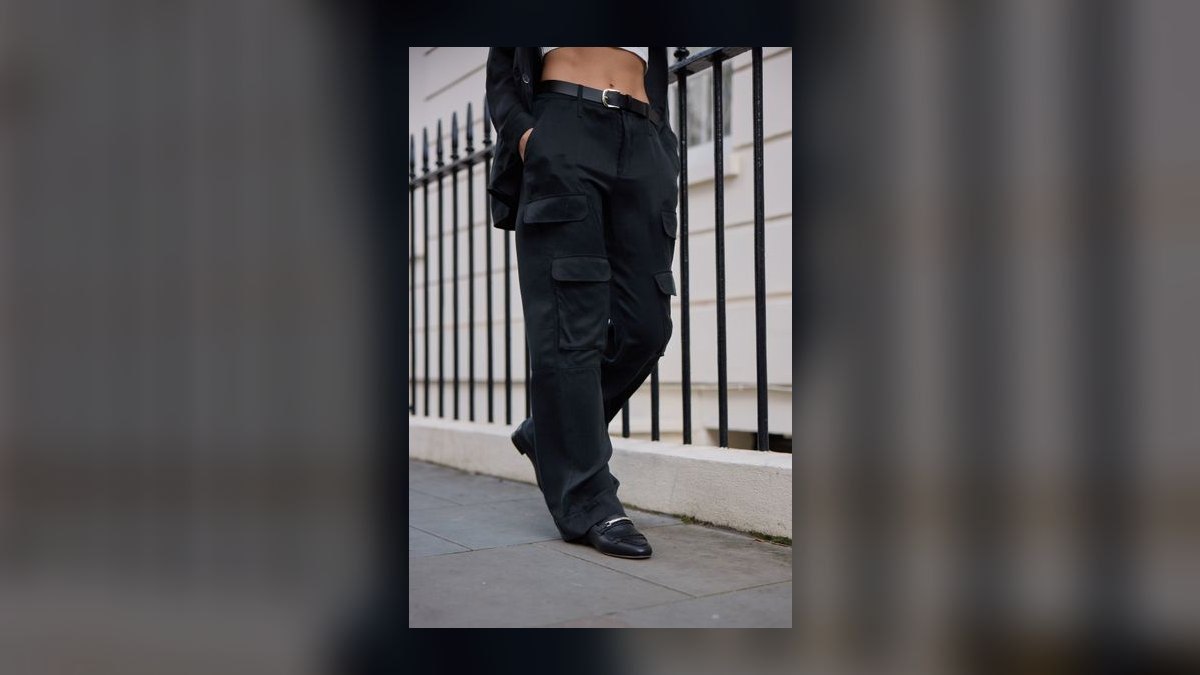
For a 2027 garden party, choose a midi skirt when the ground is uneven or grass is damp — it clears wet turf and pairs with block heels. Choose a maxi when the event runs into evening or sun exposure is high. Style both with structured tops, natural fibers, and shoes with wide bases that won't sink into lawn.
The invitation says "garden party" and you have ninety minutes to decide
Picture the actual constraint set. The invitation arrived three weeks ago, the venue is someone's back lawn or a botanical garden's rented terrace, and the forecast says 78°F with a 30% chance of afternoon showers. You own both a midi skirt and a maxi skirt. The wrong pick means either a hem dragging through wet grass all afternoon or a length that reads too casual against a dress code you misjudged.
The decision is not aesthetic first. It is environmental first, then aesthetic. A garden party puts you on soft, irregular ground for three to five hours with no reliable place to sit, variable sun, and a temperature swing of 10 to 20 degrees between the 2 p.m. peak and the 7 p.m. wind-down. Every styling choice downstream of that — shoe, fabric, layering piece, bag — is constrained by those four facts.
Start by pinning down four variables before you touch the closet. First, ground surface: mowed lawn, gravel path, flagstone terrace, or a mix. Second, timing: strictly afternoon, or does it bleed into dusk? Third, formality signal — "garden party" on a wedding invitation means something different from "garden party" on a neighborhood Evite. Fourth, standing-to-sitting ratio; a cocktail-format event with a dozen chairs for sixty people is a standing event.
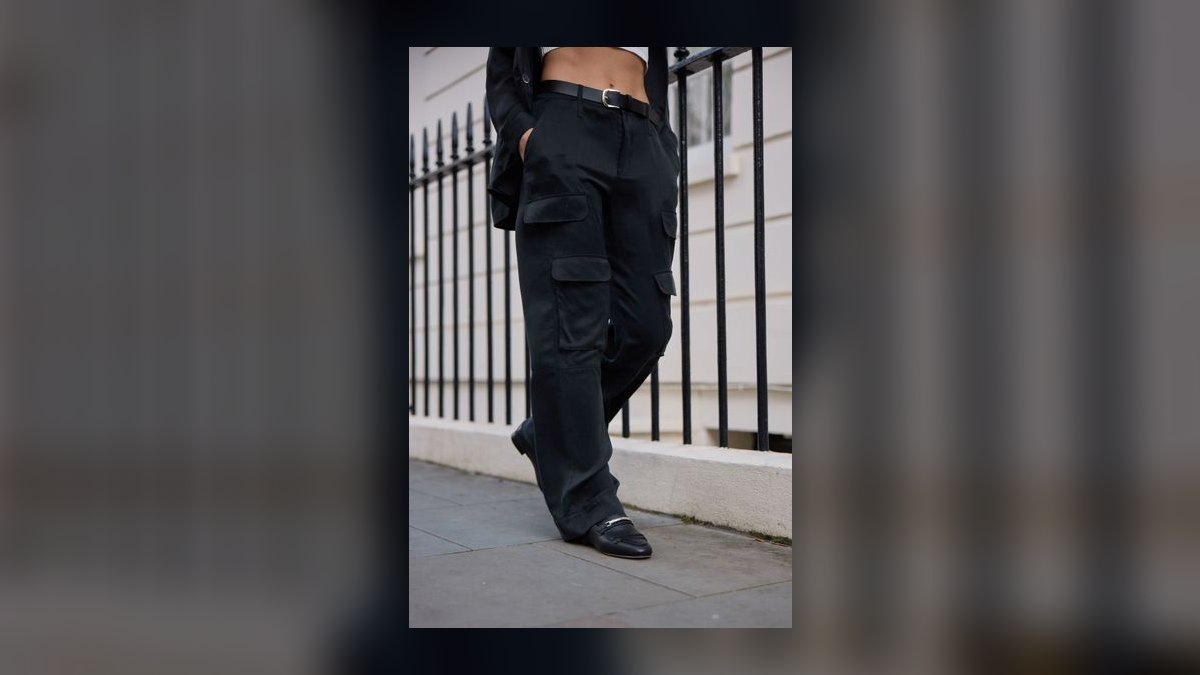
Once those four are known, the midi-versus-maxi call resolves quickly in most cases. Midi — roughly 25 to 32 inches of length, hitting anywhere from mid-calf to just above the ankle — wins when the ground is unpredictable, when you will be walking between lawn and hardscape, and when the event stops before sunset. It gives you visible ankle, which reads intentional and lets a shoe do real styling work.
Maxi — 38 to 44 inches, ankle-grazing to floor-skimming — wins when you need sun coverage on exposed legs, when the event runs into evening and you want built-in warmth, and when the formality signal is high. It also wins if you simply want the drama; a maxi in motion on a lawn is one of the few outfit moments where wind is an asset rather than an enemy.
The scenario that trips people up is the mixed one: flagstone terrace with lawn overflow, 4 p.m. start, semi-formal. There, the tiebreaker is your shoe plan. If you own a block heel or a flat with a wide footprint, the midi is safe and more versatile. If your only dressy options are stilettos or delicate sandals, a maxi hides the shoe entirely and removes the problem. That trick — using length to conceal a footwear compromise — is worth remembering.
How hem length actually interacts with grass, heat, and light
The mechanism is more physical than most style advice admits. Three forces act on a skirt at an outdoor daytime event: capillary wicking at the hem, thermal behavior of the fabric column, and the visual line created where the hem terminates against your leg.

Capillary wicking is the one that ruins afternoons. Natural fibers with a loose weave — linen, cotton voile, rayon challis — draw moisture up from wet grass by capillary action along the yarn. A maxi hem resting on dew-heavy turf can wick two to four inches of visible dampness within thirty minutes, and once wet, that section clings, discolors, and picks up grass clippings and pollen. Synthetic blends with tight weaves resist this better but trap heat. This is the core trade-off in a single sentence: the fabrics that keep you cool are the fabrics that wick from the ground.
The mitigations are practical. Hem the maxi so it clears the ground by half an inch to a full inch when you are wearing the shoes you will actually wear — most maxis are cut for a two-to-three-inch heel and drag when worn flat. If you cannot alter it, choose a maxi with a lined underskirt slightly shorter than the shell, so the shell floats. Or pick a print or a mid-to-dark tone where a damp hem does not read as an obvious stain.
Thermal behavior runs the other direction. A maxi creates a column of still air around the legs. In dry heat that column is genuinely cooling — it shades skin, blocks direct sun, and lets convection move air upward. In humid heat above roughly 80% relative humidity, the same column becomes a sauna because evaporative cooling has nowhere to go. Midi lengths vent at the calf and let the air exchange. So the rule of thumb: dry heat favors maxi, humid heat favors midi, and both favor natural fiber over polyester.
The visual mechanism matters too. A hem creates a horizontal line, and the eye reads that line as a division point in the body. A midi terminating at the widest part of the calf visually shortens the leg; the same skirt two inches shorter, ending just below the calf muscle where the leg tapers toward the ankle, elongates it. That is why two midis of nearly identical length can look completely different on the same person. When shopping or altering, find the taper point on your own calf and put the hem there or below it — not on the widest point.
Maxi length sidesteps the division problem entirely by running an unbroken vertical from waist to floor. That is why maxis flatter across body types with less fitting fuss, and why they are the safer choice when you have no time to test proportions. The cost is that you lose the ankle as a styling surface and the shoe becomes nearly invisible.
Numbers worth memorizing: lengths, heel widths, and fabric weights
Concrete ranges beat vague guidance, so here are the ones that hold up.

Length. Midi runs 25 to 32 inches from waist to hem on a standard cut. The most reliably flattering sub-range for most heights is 28 to 30 inches, which lands mid-calf to lower calf on someone around 5'5". If you are under 5'3", pull toward 25 to 27 inches or the skirt reads as an accidental maxi. Over 5'9", 31 to 34 inches keeps the proportion intact. Maxi runs 38 to 44 inches; for lawn events, target the low end of your usual range so the hem clears.
Heel geometry. This is the single most underrated number at an outdoor event. A stiletto tip is roughly 0.4 to 0.6 square inches of contact area. Put 140 pounds on that and you are exerting several hundred PSI at the tip — enough to sink into any lawn that has seen rain in the past week. A block heel with a 1.5 by 2 inch base spreads the same load across roughly ten times the area. Wedges and flatforms distribute across the entire sole. If you must wear a thin heel, heel protectors — small plastic caps that widen the tip — are inexpensive and solve the problem entirely, and are one of the few accessories genuinely worth buying for this specific scenario.
Fabric weight. Skirt fabrics are typically described in GSM (grams per square meter) or ounces per square yard. For a warm-weather garden party, 100 to 180 GSM is the useful band. Below 100 GSM you get transparency problems in direct sun — a real risk, since a skirt that is opaque indoors can become see-through with the sun behind you. Above about 220 GSM you are into fabrics that hold heat. Linen typically sits at 150 to 200 GSM, cotton lawn around 90 to 110, rayon challis around 120 to 150.

Timing and temperature. Plan for a 10 to 20 degree Fahrenheit drop between peak afternoon and 7 p.m., more if the venue is near water or at elevation. That is why a light layer is non-optional for an event with an open-ended end time. A linen blazer, a fine-gauge cardigan, or a large scarf all work; each weighs under a pound and can be carried without a bag.
Sun exposure. Standard summer-weight fabric provides a UPF of roughly 5 to 10 when dry, and less when wet or stretched. That is meaningfully lower than most people assume. A maxi covering the legs for a four-hour afternoon event is doing real protective work that a midi is not, which is a practical argument for maxi at midday events with no shade.
Budget ranges. A serviceable midi or maxi in natural fiber from a mainstream retailer typically lands in the mid-double-digit to low-triple-digit dollar range; a hem alteration at a local tailor is usually a modest flat fee and turns around in under a week. Getting one skirt hemmed correctly outperforms buying a second skirt that also does not fit.
Trade-offs, and the alternatives nobody mentions
Every choice here costs something. Laying the trade-offs out explicitly makes the decision faster next time.
Midi: what you gain and lose. You gain ground clearance, air circulation at the calf, and a visible shoe that can carry the outfit's personality. You gain mobility — stairs, uneven flagstone, and getting in and out of a car are all easier. You lose sun coverage on the lower leg, you lose the vertical line, and you take on proportion risk because the hem placement genuinely matters. You also expose the calf and ankle, which means you have committed to a shoe that can withstand scrutiny.
Maxi: what you gain and lose. You gain a clean vertical, sun protection, evening warmth, and total footwear amnesty. You gain formality almost for free — a maxi reads dressier than a midi in identical fabric. You lose ground clearance, which is the real cost on a lawn. You lose airflow in humidity. And you take on a mobility tax: stairs require gathering the fabric, and a maxi in a strong breeze needs a hand.
The tops question, which is where most outfits actually fail. Both lengths need volume contrast above the waist. A midi with a boxy oversized top creates two horizontal blocks and flattens the silhouette. Pair a full midi with a fitted or tucked top; pair a straight or pencil midi with something softer and bloused. Maxis handle a fitted top almost universally, and can carry a cropped or structured jacket well because the long line below absorbs the visual weight. A shirt half-tucked at the front waistband is a low-effort way to define the waist on either length.
Adjacent alternatives. If neither skirt is right, the neighboring options are worth knowing. A midi dress collapses the top-and-bottom coordination problem into a single decision and is often the faster call under time pressure. Wide-leg cropped trousers in linen deliver the airflow of a midi with none of the wind risk, and read appropriately for most daytime garden dress codes. A culotte sits in the same visual family as a midi skirt while being functionally trousers — useful if the event involves lawn games, small children, or any real chance you will end up sitting on the ground.
Bag and accessory downstream effects. Garden parties rarely offer a table. A crossbody or a small shoulder bag keeps both hands free for a drink and a plate, and matters more than it sounds. A clutch is the wrong tool here regardless of formality. Jewelry can go bolder with a maxi, since the outfit's lower half is doing less detail work; a midi with an interesting shoe already has a focal point and does not need much at the neckline.
Comparable scenarios. The same logic maps almost directly onto outdoor weddings, vineyard events, and daytime rooftop functions. Vineyards add gravel, which is hostile to thin heels and to delicate hems alike — midi plus a closed-toe flat is the reliable answer there. Rooftops add wind, which strongly favors midi or a maxi in a heavier fabric that will not lift. Beach-adjacent events flip the calculation entirely, since sand punishes any hem below mid-calf.
Pitfalls that show up between the car and the first drink
Most garden party outfit failures are predictable and preventable. Here are the ones worth pre-empting.
Testing the outfit indoors only. The transparency problem is the classic version. Stand in front of a window with the sun behind you, or have someone photograph you outdoors with the light at your back. Lightweight cottons and pale linens that look completely opaque under indoor lighting can go semi-sheer in direct sun. If it fails the test, a slip or a lined underskirt fixes it and is far cheaper than a new skirt.
Assuming the maxi's stated length is your length. Off-the-rack maxis are typically cut for someone around 5'6" to 5'8" in a modest heel. Anyone shorter, or anyone wearing flats, gets a hem that sweeps the ground. Try the skirt on in the exact shoes you plan to wear, on a hard floor, and look at the back hem specifically — it always sits lower than the front once you are walking.

Ignoring the heel-sink problem until you are standing on the lawn. This is the most common failure and the easiest to solve. Check the forecast for the previous 48 hours, not just the day of. A lawn that has drained for three dry days behaves very differently from one that got rain the night before. Block heels, wedges, flatforms, or heel protectors — pick one before you leave the house.
Forgetting that garden parties are standing events. Three to five hours on your feet on soft, uneven ground is genuinely tiring in a way that the same duration on flat pavement is not. Whatever heel height you can normally manage, subtract an inch for grass. A one-to-two-inch block heel is the practical ceiling for most people at a lawn event.
Choosing white or very pale for a lawn event. Grass stains are effectively permanent on natural fibers, and sitting on any outdoor seating — teak, wicker, or a stone ledge — transfers marks. If you want light colors, put them on top and keep the skirt in a mid-tone, a print, or a color that hides a mark.
Wearing a skirt with a slit above mid-thigh in wind. A high slit on a maxi is elegant while standing still on a hard floor and a liability on an exposed lawn. Mid-thigh or lower, or choose a wrap style with a substantial overlap.
Skipping the pollen and insect variables. Garden venues mean flowering plants. Loose-weave fabrics catch pollen, and dark fabrics show it. A lint roller in the car handles it. Insect repellent should go on before the outfit, not after, because most formulations stain and can degrade synthetic fibers and elastane.
Over-accessorizing to compensate for uncertainty. When unsure about a dress code, the instinct is to add jewelry, a hat, and a statement bag simultaneously. The result reads as trying too hard. Pick one focal point — an interesting shoe with a midi, or a strong earring with a maxi — and let everything else stay quiet.
Not planning the exit. If the event runs to dusk, you need the layer, and you need somewhere to put it while it is still warm. A blazer can be carried over an arm; a shawl can live in a tote. Deciding this in advance beats holding a cardigan for four hours.
Related questions
Can a midi skirt be dressy enough for a formal garden wedding?
Yes. Fabric and finish carry formality more than length. A midi in silk, satin, or a structured jacquard with a heeled sandal reads as formal. Avoid jersey and casual cotton if the invitation says black-tie optional or formal.
What shoes work on grass without ruining the outfit?
Block heels under two inches, wedges, flatforms, espadrille wedges, and pointed flats all work. They spread weight across a wide base. For a stiletto you already own, clip-on heel protectors widen the contact point and prevent sinking.
Should the skirt or the top be the statement piece?
One, not both. A patterned or textured skirt pairs with a solid, well-fitted top. A plain skirt gives a sculptural sleeve or a bold color at the neckline room to work. Two competing focal points fight each other in photos.
How do I keep a maxi hem clean on a lawn?
Hem it to clear the ground by half an inch to an inch in your actual shoes, favor mid-tones or prints over white, and check the previous two days of weather. A lint roller and a stain pen in your bag handle what gets through.
Is a midi or maxi better for a garden party in cool weather?
Maxi, generally. The full-length column traps warm air and pairs naturally with boots or closed-toe shoes hidden beneath the hem. A midi in cool weather needs tights or tall boots, which shifts the outfit into a different, more autumnal register.
FAQ
What length exactly counts as a midi versus a maxi?
Midi is roughly 25 to 32 inches from waist to hem, landing anywhere between mid-calf and just above the ankle. Maxi is roughly 38 to 44 inches, from ankle-grazing to floor-skimming. The gap between them — the true ankle length around 33 to 37 inches — is a distinct third category that reads modern but is harder to style around footwear.
Which fabrics hold up best at an outdoor daytime event?
Linen, linen blends, cotton poplin, and rayon challis all breathe well and drape appropriately. Linen wrinkles, which is either a feature or a problem depending on your tolerance — a linen-cotton or linen-viscose blend keeps most of the breathability with meaningfully less creasing. Avoid heavy polyester, which traps heat and holds no shape advantage at these weights.
How do I choose if I genuinely cannot predict the weather?
Default to midi with a wide-based shoe. It is the more adaptable of the two: it survives wet ground, works in humidity, handles a terrace or a lawn, and can be warmed up with a layer on top. Maxi is the better choice when you have confident information, not when you have none.
Does the same advice apply to a garden party at an event venue rather than a private home?
Mostly, with one adjustment. Commercial venues usually have more hardscape — terraces, paved paths, tented flooring — which removes much of the ground-clearance penalty and makes maxi safer. Private-home garden parties are almost entirely lawn, where the midi advantage is largest.
What is the fastest way to make either length look intentional rather than accidental?
Define the waist and control the volume ratio. Tuck the top, or add a belt, or choose a skirt with a fitted waistband and let the volume live below it. An undefined waist is the single most common reason a perfectly good skirt reads as shapeless in photos.
Are there dress-code signals that should override the ground-condition logic?
Yes. If the invitation specifies formal, black-tie optional, or names a traditional garden-party dress code, formality wins and you solve the ground problem with footwear and hem alterations instead of length. Ground conditions decide the call only when the dress code leaves both lengths acceptable.
Sources
- https://www.vogue.com
- https://www.harpersbazaar.com
- https://www.whowhatwear.com
- https://www.thecut.com
- https://www.si.edu/spotlight/textiles
- https://www.cancer.org/healthy/be-safe-in-sun.html
- https://www.epa.gov/sunsafety
- https://www.britannica.com/topic/linen
- https://www.consumerreports.org
Related on PULSE
- [How to Style a Midi Skirt for a Rooftop Party in 2027](/knowledge/sy2120)
- [How to Style a Midi Skirt for a Retirement Party in 2027](/knowledge/sy2117)
- [How to Style a Midi Skirt for an Engagement Party in 2027](/knowledge/sy2116)
- [How to Style a Midi Skirt for a Holiday Party in 2027](/knowledge/sy2108)
- [How to Style a Midi Skirt for a Cocktail Party in 2027](/knowledge/sy2107)
- [How to Style a Midi Skirt for a Wedding in 2027](/knowledge/sy2101)
This page will be disappearing soon. Save it to your device for $1 — or read it free while it is here.
@Kory-White- · if Venmo asks, the last 4 of my number are 2012
 pulse-styleHow to Wear Terracotta with a Jumpsuit in 2027
 pulse-styleHow to Wear All Black in 2027
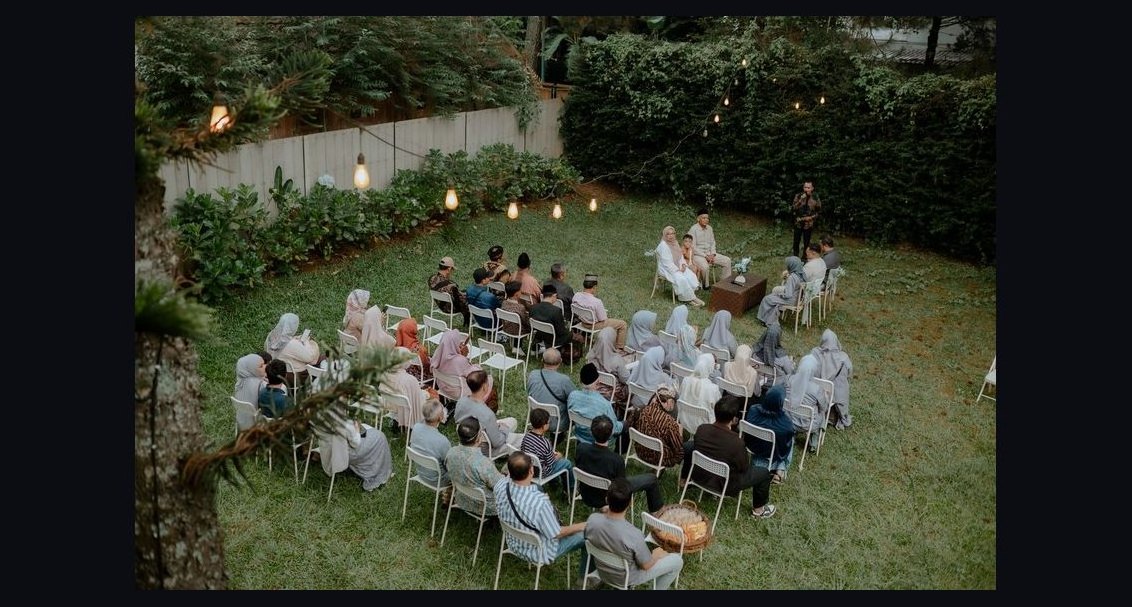 pulse-styleWhat to Wear as a Guest to a Backyard Wedding in 2027
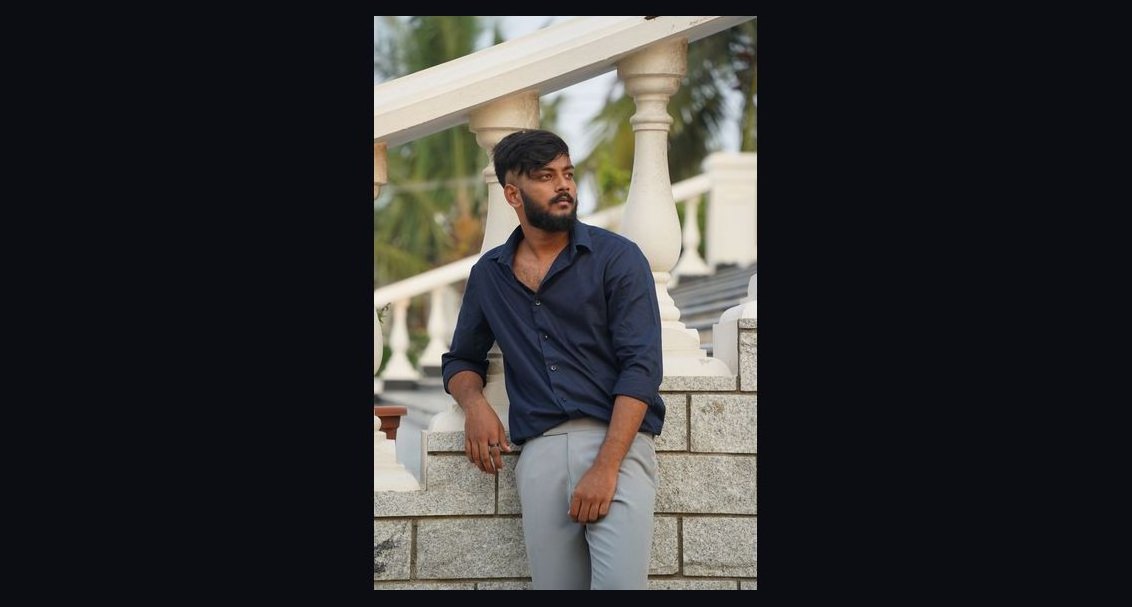 pulse-styleTop 10 Work Trousers for Men in 2027
 pulse-styleWhat to Wear as a Father of the Groom to a Destination Wedding in 2027
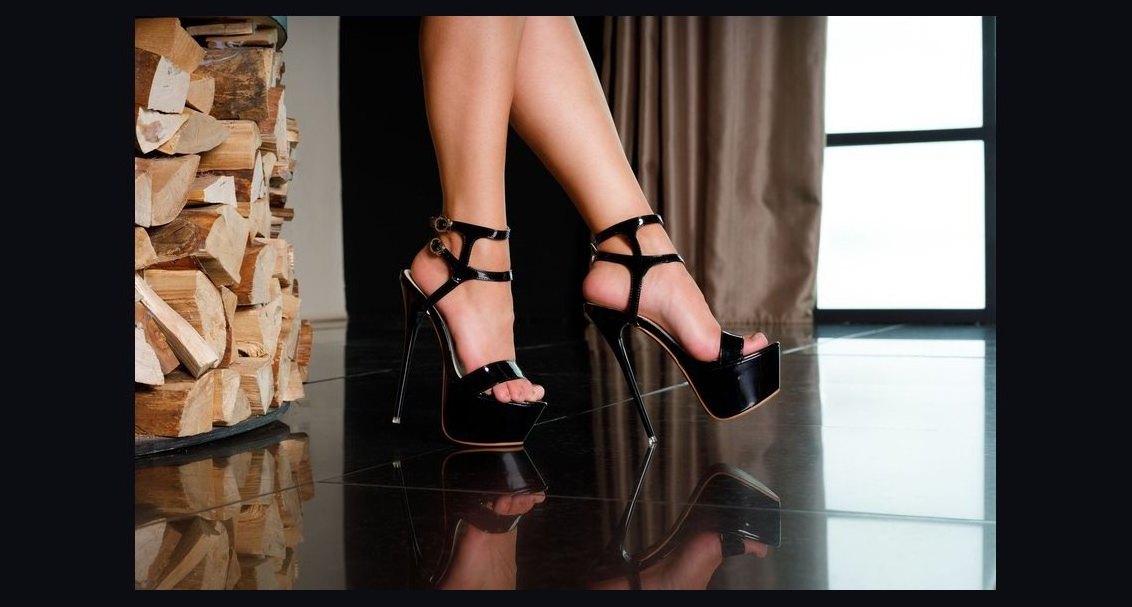 pulse-styleHow to Style Platform Heels in Spring in 2027
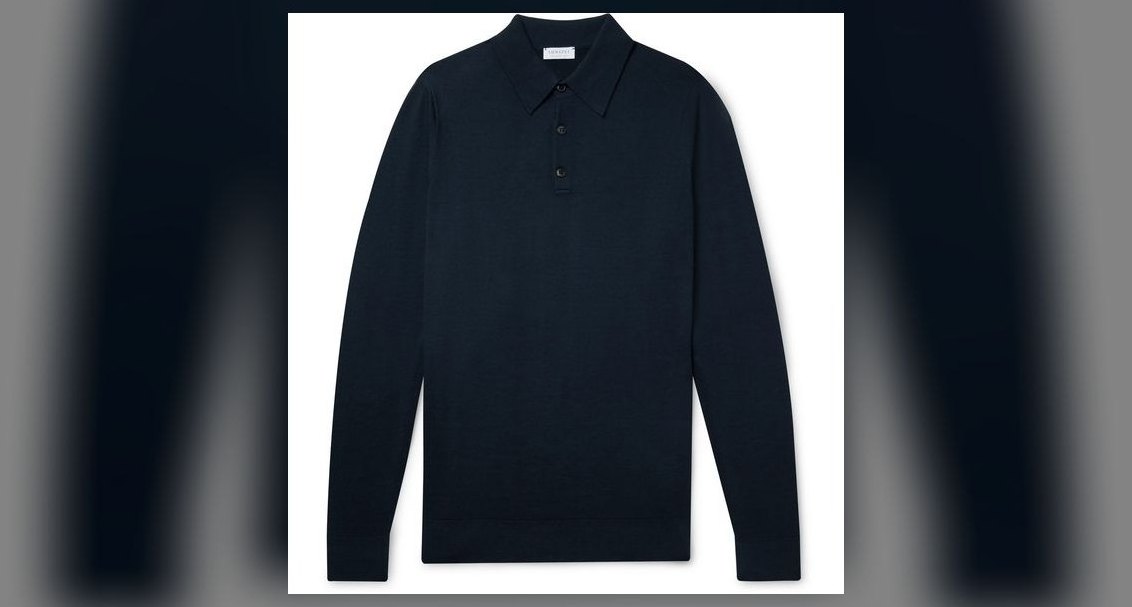 pulse-styleTop 10 Polo Shirts for Business Casual in 2027
 pulse-styleHow to Wear Dusty Rose with Cargo Pants in 2027
 pulse-styleTop 10 Wrinkle-Free Dress Shirts in 2027
 pulse-styleWhat to Wear as a Father of the Groom to a Courthouse Wedding in 2027