

How to Style a Cocktail Dress for a Semi-Formal Event in 2027
 Curated byKory White · Fractional CRO · Maryland
Quality
Certified
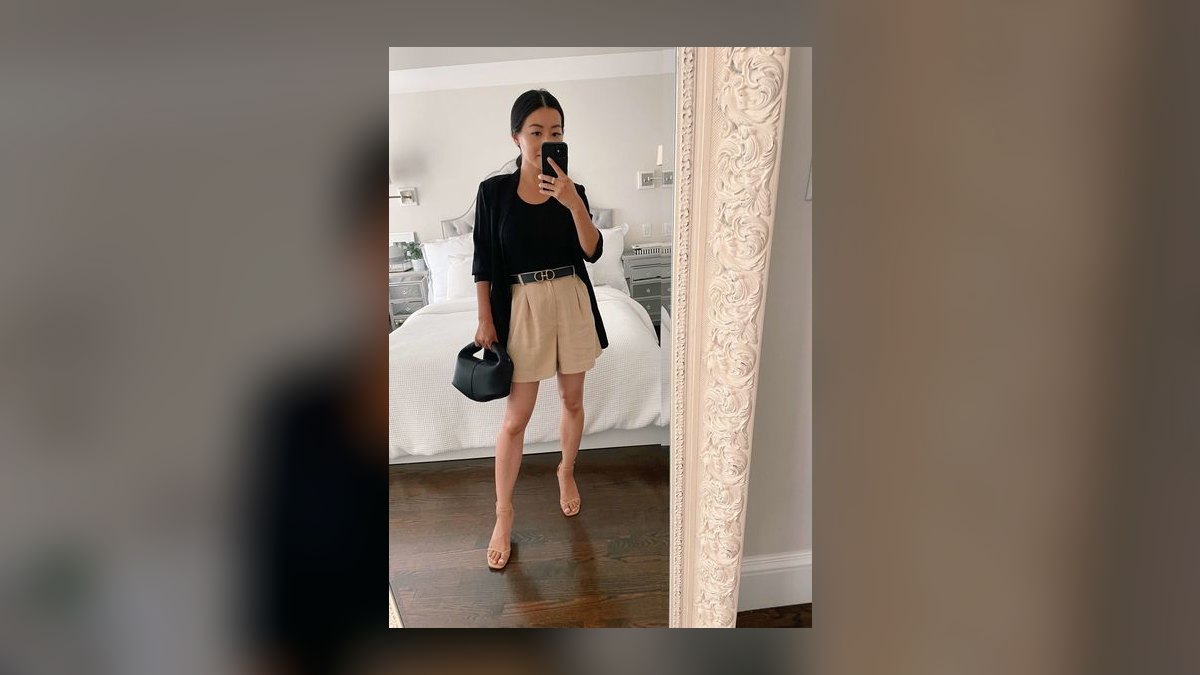
For a 2027 semi-formal event, choose a knee-length or midi cocktail dress in a structured fabric, then keep everything else quiet: one closed-toe or strappy heel, a small clutch, and a single metal family. Add a tailored blazer or wrap for arrival, swap statement earrings for a necklace, and hem to your actual shoe height.
The invitation that says "semi-formal" and nothing else
Here is the scenario almost everyone actually faces. A card or a calendar invite arrives — a company holiday party at a hotel ballroom, a fall wedding reception with a 6:30 p.m. start, an awards dinner, a milestone birthday at a restaurant's private room. The dress code line reads *semi-formal*, occasionally *cocktail attire*, and then it stops. No mention of whether the floor is grass or marble, whether there's a cocktail hour standing up, whether you'll be seated for three hours, or whether the host's idea of semi-formal is closer to a black-tie-lite gala or closer to "nice date night."
That ambiguity is the entire styling problem. Semi-formal sits in the widest band of any dress code — dressier than business casual, less rigid than black tie — and the band has stretched further since remote and hybrid work loosened everyone's calibration. In practice, semi-formal now spans roughly from a dark midi with a heel on the conservative end to a short embellished cocktail dress on the festive end. The dress itself rarely fails. What fails is the gap between the dress and the room.
Work the scenario, not the label. Before choosing anything, pin down five variables that do more for your outcome than the dress's price tag: start time (before 6 p.m. leans lighter fabrics and colors; after 6 p.m. leans darker, shinier, more metal), venue floor (grass, gravel, cobblestone, or a boat deck kills a stiletto — a block heel or a covered wedge survives), season and outdoor exposure (a courtyard cocktail hour in November means the wrap is not optional, it's part of the outfit), seated vs. standing (a stiff sheath is fine for a 90-minute reception and punishing across a four-hour seated dinner), and who else is going (a wedding party photo means you should not be in a shade adjacent to the bridal color; a work event means the neckline you'd wear to a friend's birthday may not be the neckline you want in front of your VP).

A quick worked example. Say the invite is a Saturday, 7 p.m., hotel ballroom, November, company holiday party with a seated dinner and dancing afterward. That resolves to: a knee-length or midi cocktail dress in a substantial fabric — crepe, ponte, velvet, satin-back crepe — in a deep color; a block heel or a low-vamp pump in the 2–3 inch range because you'll be on your feet for hours; a tailored blazer or a wool-blend coat for the parking-garage walk; one metal family, gold or silver, carried across earrings, ring, and bag hardware; a clutch sized for a phone, a card, a lipstick, and nothing else. That's the whole outfit, decided in five minutes, because the venue answered the questions instead of the dress code label.
Now flip one variable. Same event, but it's an outdoor tented reception in April at 5 p.m. Suddenly the deep velvet reads heavy, the stiletto sinks, and the strapless neckline is a liability at 58°F after sundown. You move to a midi in crepe or a heavier georgette, a mid-tone or jewel color rather than near-black, a block heel or an elegant flat, and a wrap or fitted knit topper that photographs as a deliberate layer rather than a rescue. The dress code did not change. The room did.
How the styling decision actually works
Styling a cocktail dress is not a taste contest — it's a short decision tree with a small number of gates, and most of the gates are physical rather than aesthetic. If you run them in order, you get a coherent outfit whether you're pulling from a full closet or one dress you already own.

Gate one: length and silhouette against the formality dial. Knee-length is the historical center of cocktail dressing and still the safest read at any semi-formal event. Midi (roughly mid-calf to just above the ankle) has become equally accepted and often reads *more* current, especially in a slip or bias cut. Full-length is where you have to be careful: a floor-length dress in a simple matte fabric can absolutely work at semi-formal, but a floor-length gown in duchess satin with a train reads black tie and will overshoot. Mini works when the event skews young, festive, and evening — a holiday party, a birthday — and underperforms at a family wedding or a corporate awards dinner. The formality dial runs, roughly: mini < knee < midi < floor, but fabric and embellishment can move any of them two notches in either direction.
Gate two: fabric, because fabric carries more formality signal than cut. Matte crepe, ponte, and structured cotton-blends read polished but restrained. Satin, velvet, taffeta, and anything with sequins, beading, or metallic thread read evening and dress the same silhouette up substantially. Jersey and knit read casual unless the cut is sharp. A useful rule: if you're unsure whether a dress is dressy enough, changing the fabric fixes it faster than changing the length. The same sheath in ponte is an office-adjacent dress; in velvet it's a cocktail dress; in sequins it's a party dress.
Gate three: shoes, sized to the floor and the hours. This is the gate people skip and then regret at hour three. Match the heel type to the surface and the duration, then match the shoe's formality to the dress's fabric. Metallic and satin shoes dress an outfit up; suede and leather in a neutral read slightly more relaxed; an embellished flat is a legitimate semi-formal choice and no longer reads as a compromise.

Gate four: outerwear as part of the outfit, not an afterthought. Any event between roughly October and April involves at least one stretch of cold — the walk in, the walk out, an outdoor photo, a cocktail hour on a terrace. Plan the layer that will be photographed: a tailored blazer over a slip dress, a fine-knit shrug, a wrap or pashmina, a wool coat in a deliberate color. A puffer over a cocktail dress is fine for the car; it should not be what you're wearing when you walk in.
Gate five: jewelry, bag, and hair as one decision. Pick a single focal point. Statement earrings *or* a statement necklace, not both. Keep the metal family consistent across earrings, rings, watch, and bag hardware — mixing metals can look intentional, but it takes more skill than it's worth on a night you want to stop thinking about your outfit. Bag: a clutch or small shoulder bag, sized for phone, card, keys, lipstick. A tote breaks the outfit instantly.
Run that tree twice and it stops being a tree — it becomes the way you look at an invitation. The point is that each gate closes off a whole category of failure. Length and fabric prevent over- and under-shooting the code. Shoes prevent the physical misery that ends the night early. Outerwear prevents the photo where you're clearly cold. Jewelry prevents the outfit competing with itself.
Real numbers, ranges, and benchmarks worth knowing
Specific numbers beat vibes, especially when you're shopping under time pressure or altering something you already own.
Hem length. Knee-length in practice means the hem lands anywhere from just above the kneecap to about an inch below it. Just above the knee is the most flattering on most frames and the most forgiving when you sit. Midi typically lands between mid-calf and about two inches above the ankle bone; the danger zone is the widest part of the calf, which visually shortens the leg — moving the hem an inch or two in either direction usually solves it. Floor-length for semi-formal should clear the ground by roughly a half inch in your event shoes so you're not stepping on it on a dance floor.

Heel height and hours on your feet. For an event with three or more hours of standing, mingling, and dancing, most people are far happier in the 2–3 inch range than at 4 inches or above, and a block heel distributes load better than a stiletto of identical height. A 1–2 inch heel or a dressy flat is entirely acceptable at semi-formal — nothing in the code requires height. If you're committed to a tall heel, plan a swap: a foldable flat in the car or a coat check bag is the single highest-return contingency in evening dressing.
Alteration timelines and typical scope. A simple hem, a side-seam take-in, or a strap shortening is routine work; most tailors want the garment for several days to a couple of weeks depending on their queue, and holiday season queues get long — build in more lead time for December events than you think you need. Bring the exact shoes to the fitting; a hem set in flats and worn in three-inch heels reads visibly short. Cost varies widely by market and by fabric, so get a quote rather than assuming: a lined hem, a bias cut, or a beaded hem is meaningfully more labor than a plain single-layer hem, and pricing follows the labor.
Color decisions with real constraints. At a wedding, avoid white, ivory, cream, champagne, and anything that photographs near-white; also check whether the wedding party is in a specific shade and step away from it. At a work event, a deep neutral or jewel tone is the low-risk default. Black is always defensible at semi-formal and reads slightly more formal than the same dress in a mid-tone. For daytime events, mid-tones and lighter shades read correctly; for after-dark events, deeper and richer shades do.

Fit checkpoints you can actually test in a mirror. Sit down, fully, in the dress before you commit. Raise both arms above your head. Walk ten steps. Bend to pick something off the floor. If the hem rides up more than a couple of inches when you sit, the skirt is too tight or too short for a seated dinner. If the shoulder seam pulls when you raise your arms, the bodice is too narrow through the back. If the neckline gapes when you lean forward, that's a fix — a small tack, a bra adjustment, or a different dress. These four movements catch the overwhelming majority of wear-day problems.
Undergarments and the invisible layer. The single most common reason an expensive dress looks wrong is the wrong foundation underneath it. Strapless and low-back styles need matched bras; bias-cut and slip dresses show every seam and edge, so seamless is not optional; a smoothing layer under a clingy knit changes the drape more than any amount of styling on top. Test the full stack — dress plus undergarments plus shoes — at least a few days before the event, not the hour of.
Building a small semi-formal capsule. If you attend two to five of these events a year, the efficient structure is: one dark, simple, well-fitting knee or midi dress that can be restyled repeatedly; one dressier or more festive dress for evening or holiday events; two shoe options (a comfortable block heel and one dressier heel or embellished flat); one clutch in a neutral or metallic; one tailored blazer and one wrap; and a small jewelry set in a single metal family. That combination will carry you through weddings, holiday parties, awards dinners, rehearsal dinners, and milestone birthdays without repeating a look, because the layer and the jewelry — not the dress — are what people register as "different outfit."
Trade-offs, alternatives, and what to do when the closet says no

Every styling decision at semi-formal is a trade, and knowing which side you're trading away makes the decision fast.
Comfort vs. formality. The tall stiletto and the stiff structured dress read most formal and are the least survivable across a long night. The block heel and the crepe midi read slightly less formal and let you stay to the end. At a work event where you'll be standing and talking for hours, trade toward survivability — nobody has ever been criticized for a two-inch heel, and plenty of people have left early because of a four-inch one.
Statement dress vs. statement styling. You can buy attention or you can build it. A sequined or strongly colored dress does the work but is memorable in photos, which limits re-wears within the same social circle. A plain dark dress with strong accessories is quieter per-event but functionally infinite: change the earrings, the layer, and the shoe and it's a different look. If you're building a wardrobe rather than solving one night, the second path compounds.
Buy vs. rent vs. restyle. Renting makes sense for a highly memorable dress you'd wear once, especially something embellished or trend-forward. Buying makes sense for the workhorse pieces — the dark midi, the black block heel, the blazer — where cost-per-wear collapses fast. Restyling what you own is the most underrated option: a slip dress plus a blazer, a sheath plus a belt and a wrap, or a simple dress plus one dramatic earring often clears the bar without a purchase. Check alteration lead time before assuming a rental will fit; rentals generally can't be altered.
Dress vs. the adjacent alternatives. Semi-formal has never required a dress, and the acceptable range is wider now than it was a decade ago. A well-cut jumpsuit in a fluid fabric reads cocktail-appropriate at nearly any semi-formal event. A tailored suit — especially in a satin, velvet, or strong color — is a legitimate and often striking choice. A dressy separates combination (a satin or pleated midi skirt with a fine knit or a structured top) gives you two pieces that each re-wear independently, which is the best cost-per-wear in the category. The styling rules don't change: one focal point, one metal family, shoes matched to the floor, a planned outer layer.

Under-dressing vs. over-dressing. If you must miss, miss slightly high. Being a notch dressier than the room reads as respect for the host; being a notch under reads as indifference, fairly or not. The cheap insurance is a modular outfit: wear the dress with a blazer and simple jewelry, and carry the statement earrings in the clutch. Walk in, read the room in thirty seconds, and either lose the blazer and add the earrings or keep it exactly as it is. That single trick handles almost all dress-code ambiguity without requiring you to guess correctly in advance.
The last node is the one that matters most. Almost every dress-code anxiety dissolves if your outfit has one reversible move built into it.
Common pitfalls and how to avoid them
Hemming to the wrong shoe. The most frequent and most avoidable failure. Bring the actual event shoes to the fitting, and if you're deciding between two heel heights, hem to the taller one and accept that the shorter shoe reads slightly long — that direction is far more forgiving.
Skipping the sit test. A dress that looks perfect standing in a fitting room can be unwearable across a seated dinner. Sit, cross your legs, lean forward, and stand back up. If you're managing the hem the whole time, you'll be managing it all night.
Wearing brand-new shoes. Break them in for a few hours at home across two or three sessions. Blisters end more evenings than any other single factor, and there is no styling fix for limping.
Letting the outfit compete with itself. Statement earrings, a statement necklace, a beaded dress, and a metallic bag together produce noise rather than polish. Choose the loudest single element and let everything else support it.
Mismatched metals and hardware. Silver earrings, a gold bag chain, and a rose-gold watch is the kind of detail nobody consciously notices and everybody subconsciously registers. Pick one family and carry it through, including the shoe hardware.

Forgetting the layer, then improvising badly. A cardigan grabbed at the last minute over a cocktail dress is visible in every photo. Decide the layer when you decide the dress.
The wrong undergarments. Visible seams under a bias cut, a strapless bra sliding down for four hours, or a bra band showing through a low back will undo the whole look. Solve this early — it's the cheapest fix in the outfit and the one most often deferred to the last hour.
Ignoring the color politics of the specific event. White-adjacent at a wedding, matching the bridal party's shade, or wearing something in a color a colleague has flagged as "theirs" for a work event are all avoidable with one text message to the host or a friend who's going.
Overpacking the clutch. If the bag doesn't close, it changes shape and reads sloppy. Phone, card, keys, lipstick, a couple of bandages for the shoes. Leave the rest in the coat check or the car.
Trying the whole outfit on for the first time on the day. Do a full dress rehearsal — dress, undergarments, shoes, jewelry, layer, bag — several days out. Every problem on this list is discoverable in five minutes of trying it on and unfixable in the last hour before you leave.
Related questions
What's the difference between semi-formal and cocktail attire?
They overlap heavily and most hosts use them interchangeably. Cocktail attire leans slightly more festive and evening-oriented; semi-formal is a marginally broader band that can include a dressy suit or dressier separates. A knee-length or midi dress with a heel satisfies both.
Can I wear a floor-length dress to a semi-formal event?
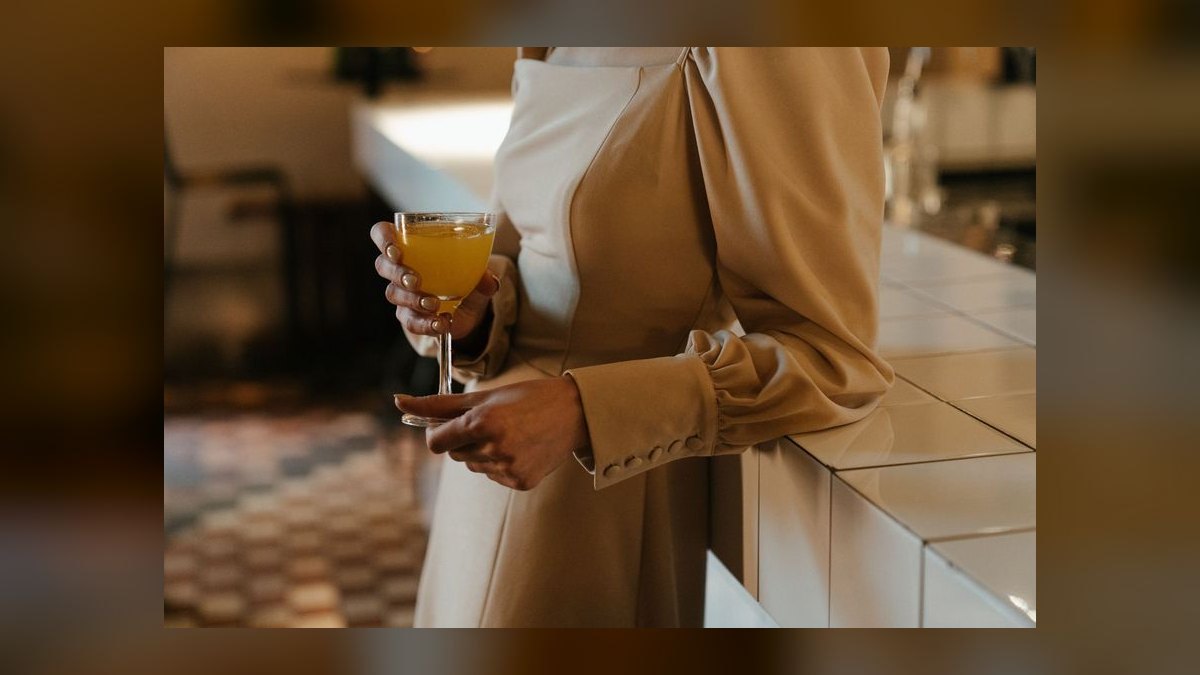
Yes, if the fabric and construction stay restrained — a simple matte or crepe column reads elegant rather than overdressed. Avoid gown signals: heavy duchess satin, trains, corseted bodices, or dense beading, all of which push the look toward black tie.
Is black appropriate for a semi-formal wedding?
Generally yes at an evening wedding; black has been standard evening wear for decades. Skip it only if the couple has asked otherwise or the event is a daytime outdoor celebration where lighter tones read better. Avoid anything white, ivory, or champagne regardless.
What shoes work if the reception is outdoors on grass?
Block heels, wedges, and embellished flats. A stiletto sinks and you'll spend the evening on your toes. If you want height, a covered wedge or a chunky block heel gives you the line without the sinking, and both photograph fine under a midi hem.
How do I make one dress look different across multiple events?
Change the layer, the shoe, and the focal accessory. A dark midi with a blazer and studs, then with a wrap and statement earrings, then with a belt and metallic sandals reads as three outfits. People register the accessories and the silhouette change, not the dress.
FAQ
How long should a cocktail dress be for a semi-formal event?
Knee-length is the safest and most traditional read — anywhere from just above the kneecap to about an inch below. Midi, landing mid-calf to just above the ankle, is equally accepted and often reads more current. Avoid the widest point of the calf, which visually shortens the leg; shifting the hem an inch or two usually fixes it.
What heel height is realistic for a four-hour event?
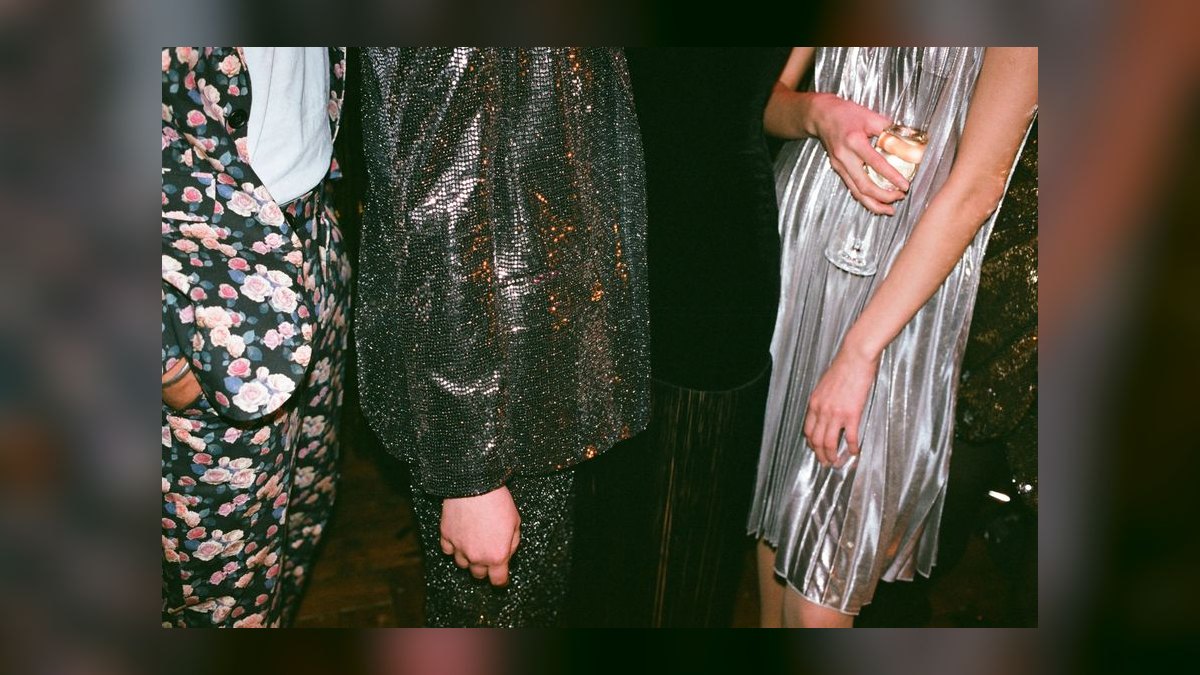
Most people do best in the 2–3 inch range, and a block heel carries load far better than a stiletto of the same height. A 1–2 inch heel or a dressy embellished flat is fully acceptable at semi-formal. If you wear something taller, pack a foldable flat — it's the highest-return contingency in evening dressing.
Do I have to wear a dress to a semi-formal event?
No. A well-cut jumpsuit in a fluid fabric, a tailored suit in satin or velvet, or dressy separates like a pleated midi skirt with a fine knit all read correctly. The styling rules stay identical: one focal point, one metal family, shoes matched to the floor, and a planned outer layer.
How far ahead should I get alterations done?
Give a tailor at least a week or two for routine work, and considerably more during the December holiday rush when queues get long. Bring your event shoes to the fitting. Lined hems, bias cuts, and beaded hems take substantially more labor than a plain single-layer hem, so ask for a quote up front.
What's the fastest way to dress up a plain dress I already own?
Add a structured layer and one strong accessory. A tailored blazer over a slip dress, or a wrap plus statement earrings over a simple sheath, changes the register immediately. Swapping to a metallic or satin shoe and a small clutch does the rest — fabric and hardware carry more formality signal than the dress's cut.
What should I do if I'm not sure whether the event skews dressier or more casual?
Build one reversible move into the outfit. Wear the dress with a blazer and simple jewelry, and carry statement earrings in your clutch. Read the room within the first minute, then either drop the layer and add the earrings or leave it exactly as is. Miss slightly high rather than slightly low.
Sources
- https://www.vogue.com/
- https://www.harpersbazaar.com/fashion/
- https://www.elle.com/fashion/
- https://www.brides.com/
- https://www.theknot.com/content/wedding-guest-attire-guide
- https://www.gq.com/style
- https://www.whowhatwear.com/
- https://www.marthastewart.com/
- https://www.instyle.com/
Related on PULSE
- How to Choose Between a Midi and a Knee-Length Dress for an Evening Event
- What to Wear to a Winter Wedding as a Guest
- How to Build a Small Capsule Wardrobe for Formal Occasions
- How to Style a Jumpsuit for a Cocktail Event
- Block Heel vs. Stiletto: Choosing Shoes for Long Events
- How to Dress for a Company Holiday Party Without Overdoing It
This page will be disappearing soon. Save it to your device for $1 — or read it free while it is here.
@Kory-White- · if Venmo asks, the last 4 of my number are 2012
This page is gone.
This one is off the shelf now. $1 keeps it on your phone for good — the whole page, pictures and diagrams included.
 pulse-styleWhat to Wear to a Temple Visit in 2027
 pulse-styleWhat to Wear to a Company Holiday Gala in 2027
 pulse-styleCan You Wear Sneakers to Work in 2027?
 pulse-styleWhat to Wear to a Real Estate Job Interview in 2027
 pulse-styleHow to Wear Teal with Ankle Boots in 2027
 pulse-styleHow to Style a Leather Jacket for a Wedding in 2027
 pulse-styleHow to Style a Denim Jacket for a Wedding in 2027
 pulse-styleHow to Wear Dusty Rose with White Sneakers in 2027
 pulse-styleHow to Style Cargo Pants for a Gala in 2027
 pulse-styleHow to Style Combat Boots for a Wedding in 2027