


Style Cargo vs. Cargo Joggers: Which Is Better in 2027?
Quality
Certified
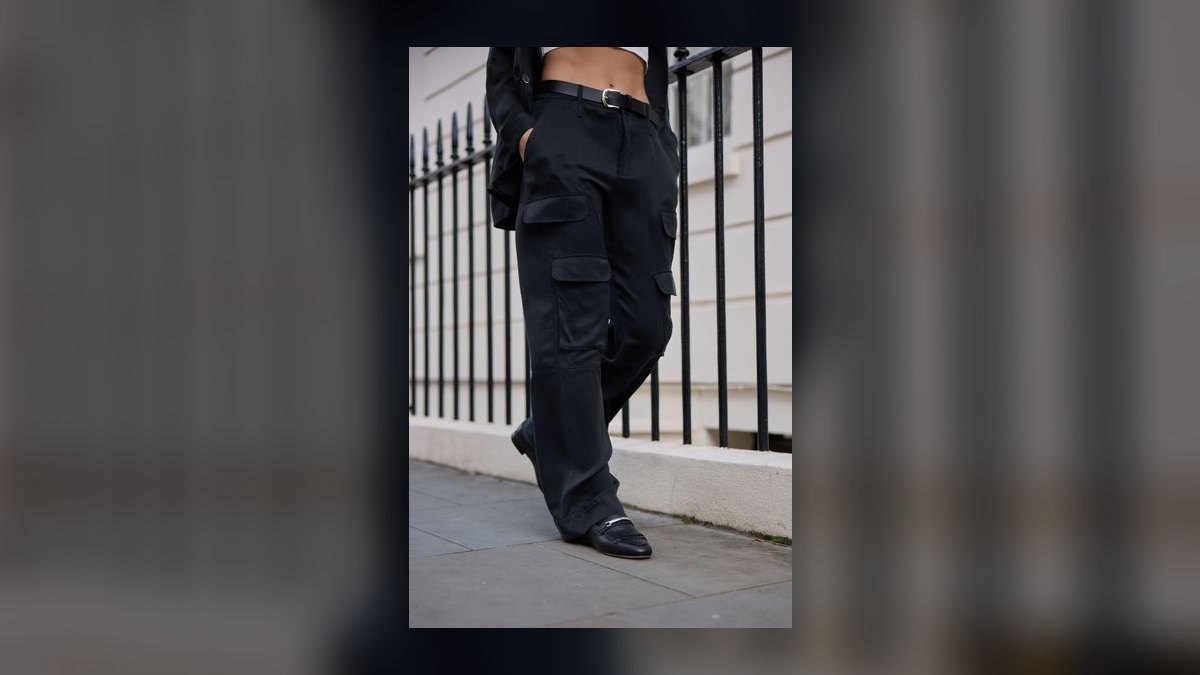
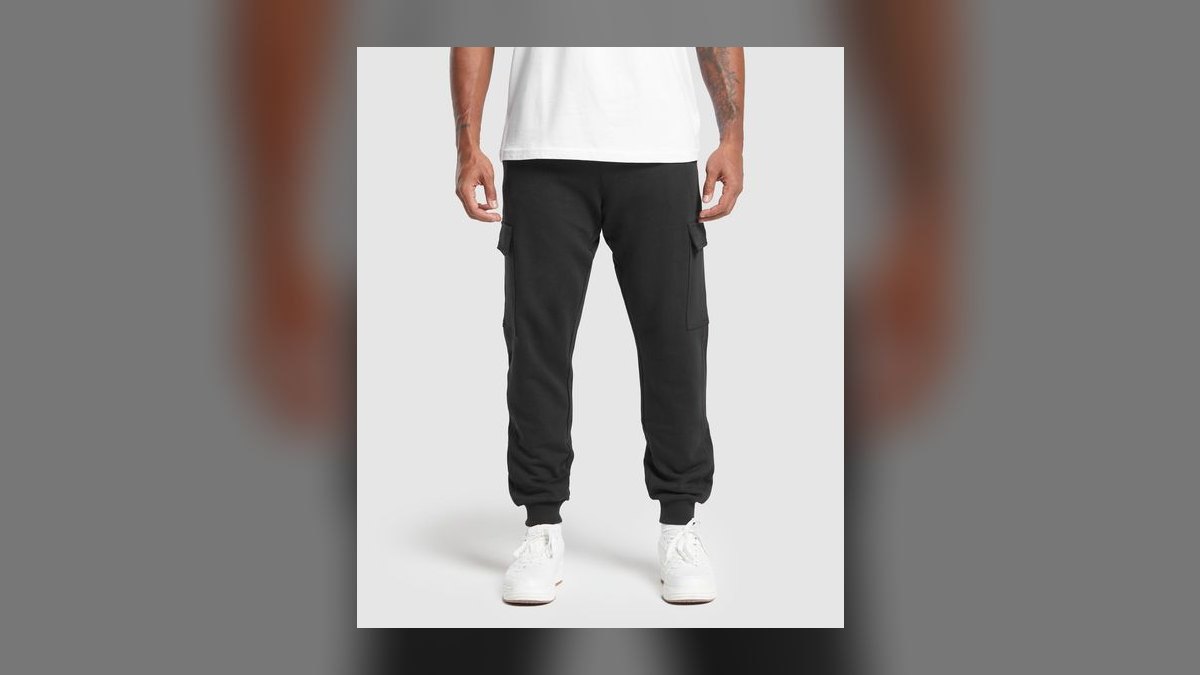
Cargo joggers win for most people in 2027: the tapered, elasticated hem reads cleaner with sneakers, packs smaller, and suits hybrid offices. Straight-leg style cargo pants win when you need real pocket capacity, boot compatibility, or a sharper workwear silhouette. Choose by hem and pocket volume, not by trend cycle.
The outcome you should expect
If you buy honestly — meaning you buy for your actual week rather than for the version of yourself that appears in a lookbook — the outcome is boringly predictable. Cargo joggers become your default four or five days out of seven. They go on in the morning without thought, they survive a commute, a coffee, a school run, and an evening that ends somewhere slightly nicer than expected. Style cargo pants, meaning the straight or slightly relaxed non-elasticated version, become the pair you reach for when you want the outfit to look deliberate: with boots, with a heavier jacket, when you're standing rather than sitting, when the day involves carrying things.
That split is not a failure of either garment. It is the correct outcome. The mistake people make is expecting one pair to cover both zones, then blaming the pants when they don't. A jogger hem worn with a leather boot almost always bunches at the ankle and reads unfinished. A wide straight cargo worn with a low-profile sneaker almost always swallows the shoe and shortens the leg line. Both problems are geometry, not quality.
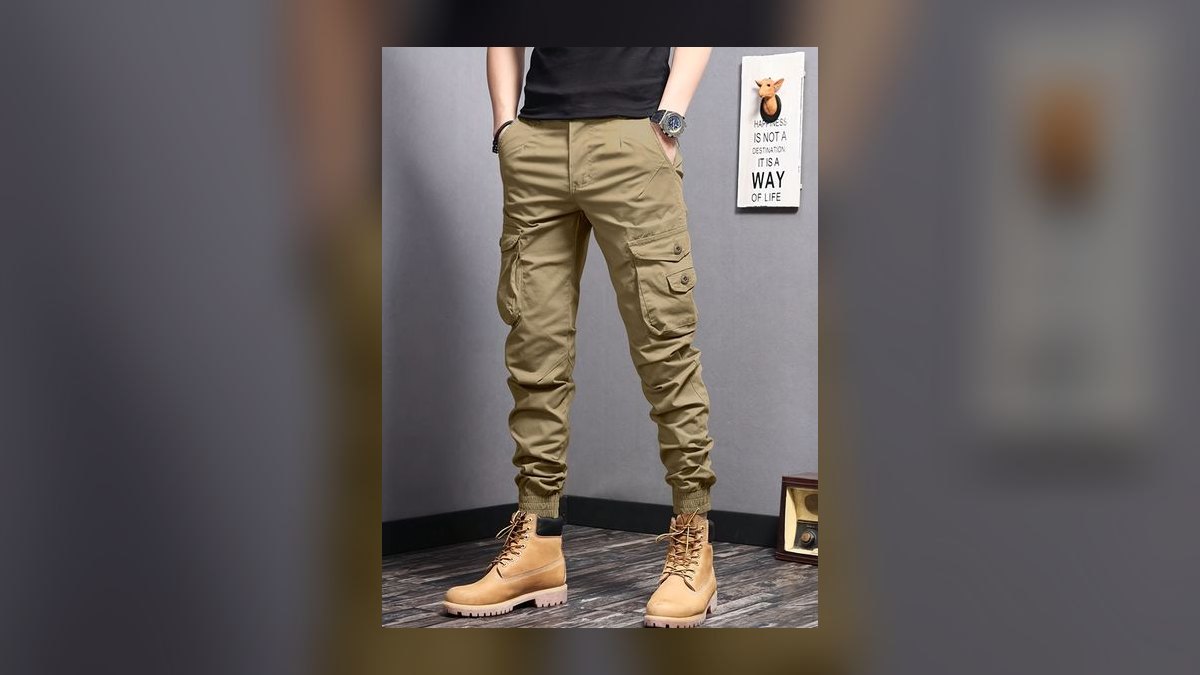
Concretely, here's what to expect over a year of wear. Cargo joggers get worn roughly two to three times more often than straight cargos in a typical urban wardrobe, and they wear out faster in three predictable places: the inner thigh where fabric rubs, the elastic cuff which loses recovery after somewhere in the range of 40–70 wash cycles depending on the elastane content, and the pocket flap edges where a phone repeatedly slides in and out. Straight cargo pants fail differently — the knee and seat go first if the fabric is under about 8 oz, and the pocket bags stretch permanently if you carry hard objects in them daily.
Expect the cost-per-wear on a well-chosen jogger to land meaningfully lower than on a comparable straight cargo, simply because of frequency. A pair worn 120 times a year costs a fraction per wear of one worn 35 times, even at the same purchase price. That's the strongest practical argument for joggers as the first cargo purchase and the straight pair as the second.
One more expectation to set: in 2027 neither silhouette is "in" or "out" in any way that should drive a purchase. Cargo pockets have moved from trend to fixture over the last several cycles, in the same way that the bomber jacket and the chunky sneaker did — they now sit in the permanent middle of the market where mainstream retailers, technical brands, and heritage workwear labels all carry a version. Buying either one is a wardrobe decision, not a bet on a trend. What *does* still move year to year is the leg width and the pocket placement, and those are the details worth thinking about rather than the category itself.
What actually drives the better choice
The decision comes down to four variables, and almost nothing else. Everything else — brand, colorway, price tier — is downstream of these.
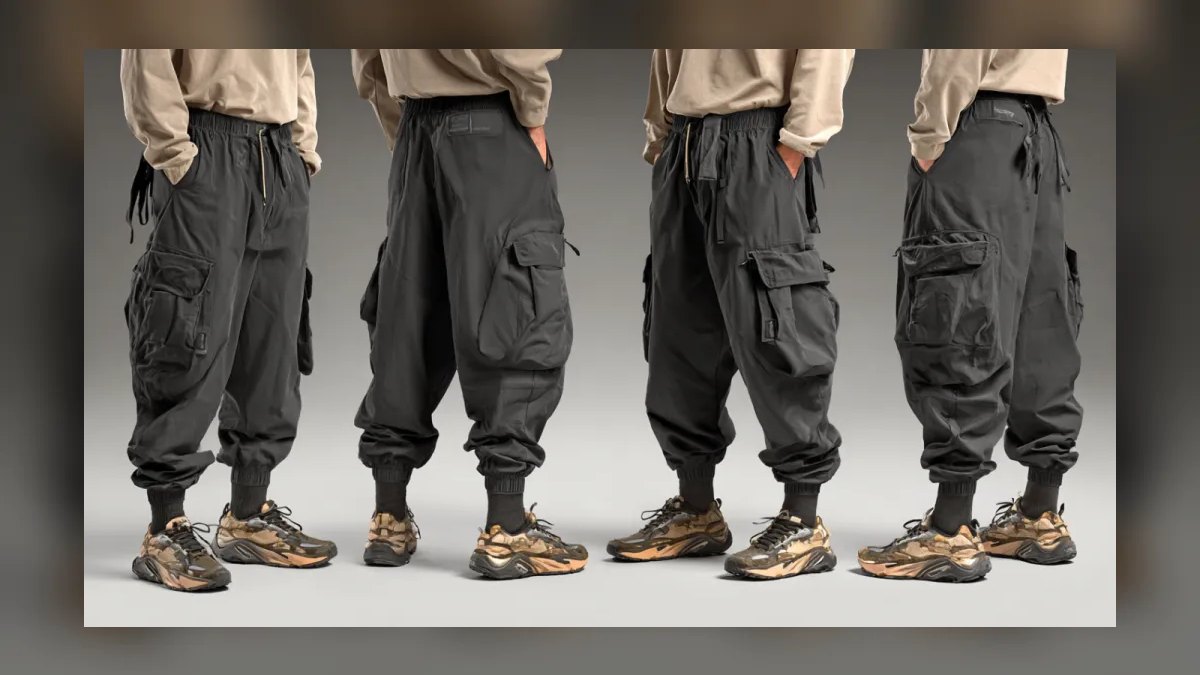
Hem treatment. This is the single biggest driver of how the pants read. An elasticated or ribbed cuff pulls the fabric in at the ankle, which visually shortens the leg slightly but creates a clean break above the shoe. A plain straight hem lets the fabric fall over the shoe, which lengthens the leg but requires you to get the length right within about half an inch. A drawcord hem splits the difference and is genuinely underrated: you can cinch it for a jogger look or leave it open for a straight look, which is why a lot of technical brands default to it. If you're buying one pair to do two jobs, a drawcord hem is the honest answer.
Pocket volume and placement. Not all cargo pockets are cargo pockets. There is a real functional difference between a flat patch pocket that holds a phone and a bellowed or gusseted pocket that expands to hold a water bottle, a paperback, or a pair of gloves. Style-forward cargos often use the flat version because it doesn't disrupt the silhouette. Utility-forward cargos use the bellowed version because it actually carries. Placement matters too — a pocket sitting high on the thigh sits in your line of sight when you look down and reads more aggressive; a pocket sitting at mid-thigh or lower is easier to reach when seated and reads calmer.
Fabric weight and drape. A 6–7 oz cotton-nylon blend drapes softly and works for joggers. A 9–12 oz ripstop or cotton twill holds structure and works for straight cargos. Putting a heavy fabric into a jogger cut produces a stiff, boxy result; putting a light fabric into a straight cut produces a limp one that clings when you walk. Match the weight to the cut and most of the aesthetic problems solve themselves.
Shoe pairing. This is the constraint people forget until they're already dressed. Joggers pair naturally with low and mid sneakers, runners, and slip-ons. Straight cargos pair naturally with boots, chunky sneakers, and anything with visible volume at the foot. A jogger with a boot is a known awkward combination; if you want boots, buy the straight pair.
The flow above is deliberately shoe-first. That ordering surprises people, but it's correct: your footwear rotation is the least flexible part of your wardrobe and the most expensive to change, so it should constrain the pants rather than the other way around. If you own three pairs of boots and one pair of sneakers, buying joggers means either wearing them with the wrong shoes or buying new shoes — and at that point the "cheaper" pair of pants isn't cheaper at all.
Benchmarks and realistic ranges
Numbers make this concrete. These are ranges you can measure against a pair you already own, using a tape measure and a flat surface — no guesswork required.
Leg opening. Measure the hem circumference flat and double it. A tapered jogger typically lands somewhere in the 11–14 inch range at the opening for a standard men's medium, with the cuff itself relaxing to a wider circumference when stretched. A slim straight cargo sits roughly 15–17 inches. A relaxed straight sits roughly 17–20 inches. A genuinely wide or "parachute" cut goes above that. If you want the pants to sit on top of a sneaker rather than around it, you want the lower half of those ranges.
Thigh circumference. This is where fit failures actually happen. A jogger that's tight through the thigh will pull horizontally when you sit and will wear through faster. Look for at least two to three inches of ease over your actual thigh measurement in a jogger, and three to five inches in a relaxed straight cargo. Cargo pockets sit on the thigh, so a tight thigh also makes the pockets bulge in a way that looks accidental rather than intended.
Rise. A mid rise in the 10.5–12 inch range covers most people and most body types. A low rise under 10 inches tends to gap at the back when you sit, which is the single most common complaint about cheaper cargo joggers. A high rise above 12.5 inches changes the proportion significantly and pairs better with a shorter or tucked top.
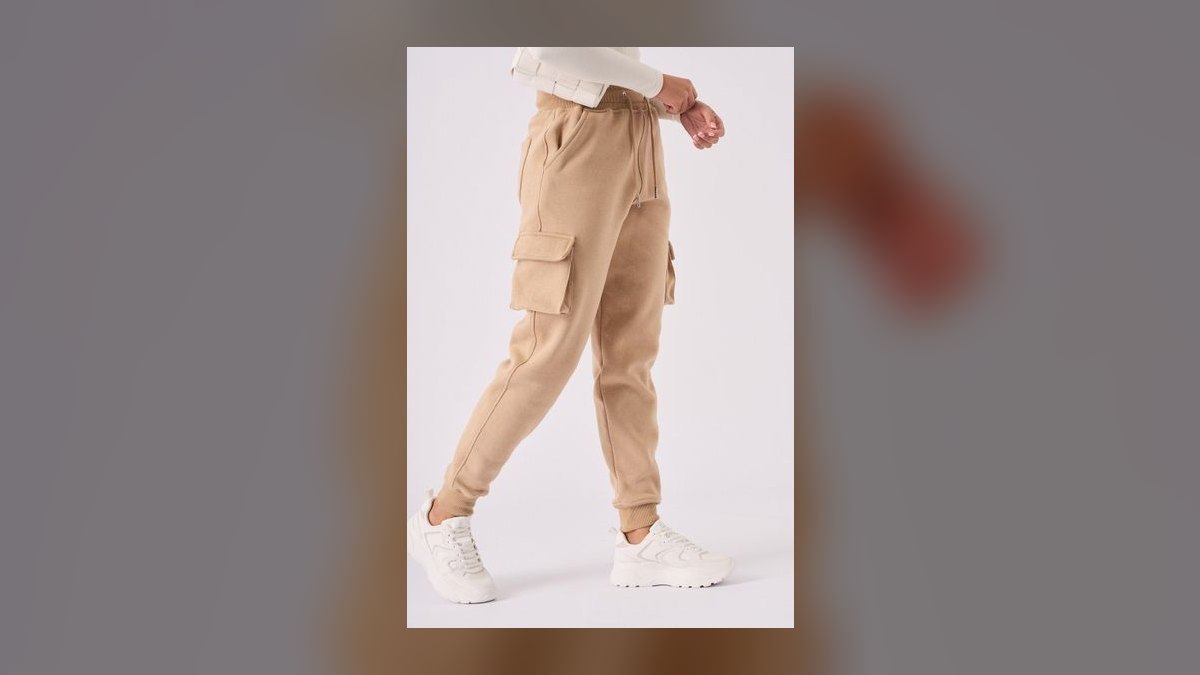
Fabric weight. Under 6 oz is a summer or travel weight — comfortable, but it shows every pocket contents outline and wrinkles hard. 7–9 oz is the everyday sweet spot for joggers. 10–13 oz is a proper workwear range for straight cargos, durable but slow to dry and warm in summer. Above 13 oz you're in genuine heavy-duty territory and the pants will take real time to break in.
Elastane content. Somewhere between 1% and 3% elastane gives you comfort without the fabric losing its shape. Above 4% and the pants start to behave like activewear — fine if that's the goal, but they will bag at the knee and lose recovery faster. Zero elastane in a cotton twill is entirely fine for a straight cargo and will actually age better, it just needs the right initial fit because it won't stretch to accommodate you.
Pocket count and capacity. Two side, two rear, two thigh is the classic six-pocket layout. Some 2027 cuts run four pockets (dropping the rear cargo flaps) for a cleaner back. A bellowed thigh pocket that expands about 1.5–2 inches will comfortably hold a standard phone plus a wallet plus keys without printing through. A flat patch pocket of the same footprint holds the phone and not much else.
Price tiers. Fast-fashion cargos generally sit at the bottom of the market and last a season or two of regular wear. Mid-tier brands — mainstream retailers and the accessible end of technical labels — sit in the middle and typically deliver two to four years. Heritage workwear and premium technical brands sit at the top and, if the fit is right, genuinely last five-plus years of regular wear. I'd avoid quoting exact figures because they move constantly by region and by sale cycle, but the durability curve is real and steep at the bottom: the gap between the cheapest tier and the mid tier is much larger than the gap between mid and premium.
Wash and care benchmarks. Cold wash, inside out, and line or low-heat dry will roughly double the useful life of a cuff versus hot wash and high heat. Elastic recovery is the thing heat kills. For heavy cotton straight cargos, expect one to three percent shrinkage on the first wash unless the fabric is explicitly pre-shrunk — buy the length accordingly.
Risks, edge cases, and failure modes
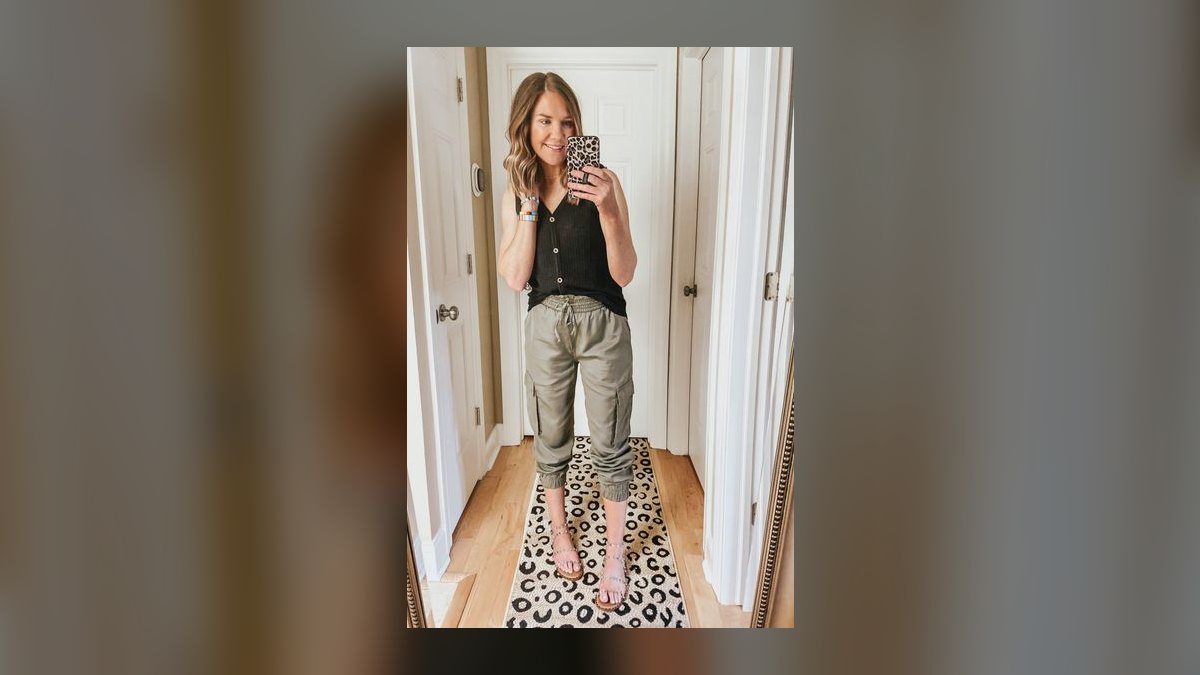
The failure modes here are consistent enough to name individually.
The proportion trap. Cargo pockets add visual volume at the widest part of the leg. If you're shorter than average or have a heavier thigh, a bellowed pocket at high-thigh position will visually widen you significantly. The fix is not to avoid cargos — it's to choose flatter, lower-set pockets and a straighter leg, which keeps the vertical line intact. Joggers can actually make this worse, because the taper creates a triangular shape from full thigh to narrow ankle.
The dress-code edge case. Many workplaces that permit "smart casual" quietly do not permit visible utility pockets or elasticated hems. A straight cargo in a dark solid with flat pockets can pass in a lot of business-casual environments; a jogger essentially never does. If your week includes any office where you'd be uncomfortable being the most casually dressed person in the room, the straight pair is the safer purchase.
The travel edge case. Airport security, long-haul seats, and rental-car footwells all favor joggers — no belt required, no stiff waistband, easy to sleep in. But cargo pockets full of hard objects will set off pat-downs and dig into your leg for eight hours. The practical move is joggers with pockets you deliberately leave empty in transit.
Overloaded pockets. This is the most common way a good pair of cargos becomes a bad-looking pair. Anything heavier than roughly a phone in a thigh pocket will, over months, permanently stretch the pocket bag and drag the leg out of line. If you actually need to carry a bottle and a hardcover book, you need a bag, not a bigger pocket. Cargo pockets are for things you need to grab in seconds, not for storage.
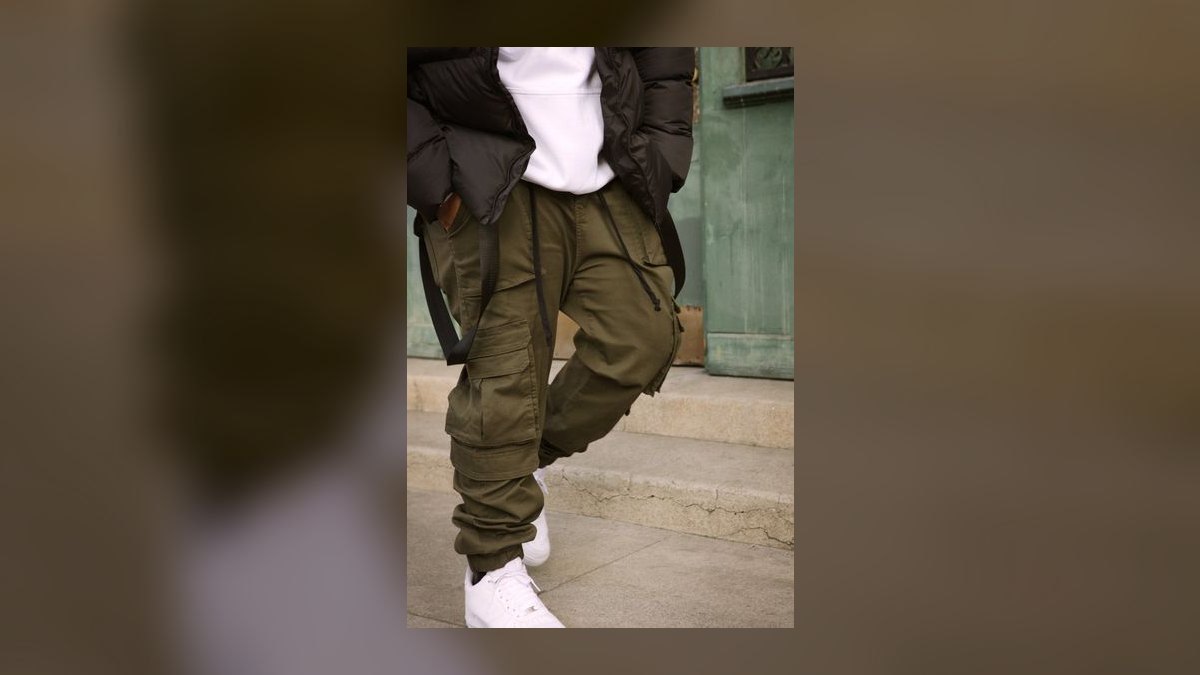
Cuff death. Ribbed jogger cuffs are consumable. They stretch out, and once they stop gripping the ankle the whole silhouette collapses into something that looks like sleepwear. There is no good repair for a blown-out rib cuff on an otherwise fine pair. Drawcord hems don't have this failure mode, which is another quiet argument in their favor for anything you plan to keep for years.
The hemming problem. Straight cargos almost always need hemming, and hemming a pair with a side seam pocket or a reinforced hem is more fiddly than hemming a chino — expect a tailor to charge more and to lose any original chainstitch detail. Joggers need almost no alteration, which is a real, if unglamorous, advantage. Factor tailoring into the true cost of the straight pair.
Fabric that looks wrong under office lighting. Technical nylon blends that read matte and expensive in daylight can read shiny and cheap under fluorescents. If the pants are for indoor wear, check them indoors before committing. This catches a lot of people buying online from outdoor-lit product photography.
Sizing inconsistency across cuts. Your size in a jogger from a brand is frequently not your size in that same brand's straight cargo, because the intended ease differs. Never assume the size carries across cuts within a label. Measure a pair you already own and compare against the published garment measurements — most reputable brands publish them, and the ones that don't are telling you something.
The "one pair does everything" fantasy. The most expensive mistake is buying a compromise pair that does neither job well: a mid-taper, mid-weight, mid-pocket garment that looks slightly wrong with sneakers and slightly wrong with boots. If your budget only supports one pair, pick the job you do more often and commit to it fully rather than hedging.
A practical rollout plan
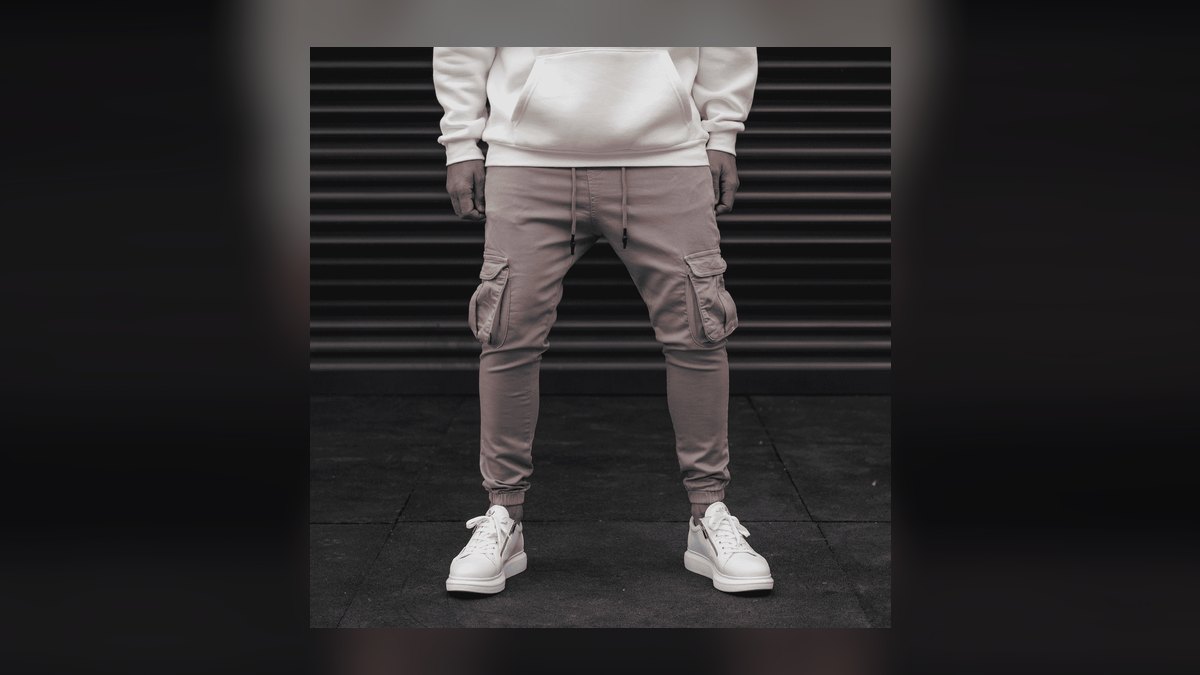
Treat this like any other rollout: sequence it, measure, and don't buy the whole set up front.
Week one — audit what you already have. Lay out the shoes you actually wore in the last month, not the ones you own. Count them. That distribution tells you which silhouette to buy. Then measure a pair of pants you like the fit of: waist, rise, thigh, knee, leg opening, inseam. Write the numbers down. Those five numbers are worth more than any size chart.
Week two — buy one pair only. Buy the silhouette that matches your dominant shoe. Buy from somewhere with a genuine return window. Wear it indoors for a full day — sit, drive, climb stairs, load the pockets the way you actually would. Most fit problems reveal themselves within four hours of sitting, not in a fitting-room mirror.
Weeks three to six — wear it hard and log the failures. Note what annoyed you. Pocket too high? Thigh too tight when seated? Cuff too aggressive? Fabric too warm? Every one of those is a spec you now know to change on the second pair. This is the step everyone skips and it's the one that makes the second purchase land.
Week seven — buy the complement. Now buy the other silhouette, adjusted for what the log told you. If pair one was a jogger and the cuff annoyed you, pair two is a drawcord straight. If pair one was a straight cargo and it felt bulky for the commute, pair two is a lighter tapered jogger.
Ongoing — a simple care routine. Cold wash, inside out, zip and button everything closed, low heat or line dry. Empty every pocket before washing — a forgotten key in a thigh pocket will abrade a hole through the pocket bag in a handful of cycles. Rotate rather than washing after every wear; cotton-blend cargos genuinely do not need washing every time and last longer for it.
Adjacent purchases that change the outcome. Two things upgrade a cargo wardrobe more than a third pair of pants would. First, a low-profile belt that works with the straight pair without adding bulk under a jacket. Second, a small crossbody or sling that takes the load off the thigh pockets — this single item is what lets you own cargos and still have them hang correctly, because it removes the temptation to overload. Neither is a pants purchase, and both improve how the pants look.
The plan is deliberately slow. The alternative — buying three pairs in one order because the shipping was free — is how people end up with two pairs they never wear and one they wear out. Sequencing costs you a few weeks and saves you most of the money.
Related questions
Are cargo pants still in style in 2027?
Yes, but as a fixture rather than a trend. Cargo pockets have settled into the permanent middle of the market alongside chinos and denim, carried across fast fashion, technical brands, and heritage workwear. What shifts year to year is leg width and pocket placement, not whether the category is acceptable.
Can I wear cargo joggers to an office?
Rarely. Elasticated hems read athletic in almost every business-casual environment. A dark, solid, flat-pocket straight cargo passes in many relaxed offices; a jogger essentially does not. If your week includes any dress-code-sensitive day, buy the straight pair first.
What shoes work with cargo joggers?
Low and mid sneakers, runners, and slip-ons. The tapered cuff sits cleanly above the shoe and shows the whole silhouette. Avoid boots — the cuff bunches against the shaft and reads unfinished. Chunky soles also fight the taper by adding volume where the leg narrows.
Do cargo pockets ruin the fit?

Only when overloaded. A phone-sized load is fine; a water bottle plus a book will permanently stretch the pocket bag and pull the leg out of line within months. Use the pockets for grab-in-seconds items and put actual weight in a bag.
Which lasts longer, joggers or straight cargos?
Straight cargos, generally. Heavier twill or ripstop resists abrasion better, and there's no elastic cuff to lose recovery. Joggers fail at the cuff and inner thigh first. But joggers get worn far more often, so cost-per-wear frequently still favors them.
FAQ
What's the actual difference between cargo joggers and style cargo pants?
The hem, primarily. Cargo joggers have an elasticated or ribbed cuff that draws the fabric in at the ankle; style cargo pants have a plain open hem that falls over the shoe. Downstream of that, joggers typically use lighter, softer fabric with more taper through the leg, while straight cargos use heavier twill or ripstop with more room. Pocket construction often differs too — joggers lean toward flatter patch pockets to preserve the line, straight cargos toward bellowed pockets that actually carry volume.
If I can only buy one pair, which is better?
For most people in 2027, cargo joggers — they suit the sneaker-dominant footwear rotation most people actually have, they need no hemming, and they get worn far more often. But if you wear boots regularly, or your week includes any office where you'd be self-conscious in an elastic cuff, buy the straight-leg style cargo instead. A drawcord hem is the genuine middle path if you truly need one pair to cover both.

What fabric weight should I be looking for?
Roughly 7–9 oz for joggers and 10–13 oz for straight cargos. Lighter than 6 oz and the fabric shows every pocket outline and wrinkles badly; heavier than 13 oz and you're in break-in territory. Keep elastane between 1% and 3% — enough for comfort, not enough to bag at the knee. Match the weight to the cut and most silhouette problems disappear on their own.
How do I stop my cargo pockets from bulging?
Carry less in them and choose flatter pockets. Anything heavier than a phone will visibly distort the leg and, over months, permanently stretch the pocket bag. A small sling or crossbody bag solves this completely and is the single best accessory purchase for anyone who wears cargos regularly. If you specifically need capacity, buy the bellowed-pocket straight cargo rather than overstuffing a jogger.
Do I need to get cargo pants hemmed?
Straight cargos, usually yes — and expect a tailor to charge more than for chinos because side pockets and reinforced hems complicate the job. Cargo joggers, almost never; the elastic cuff handles length automatically, which is a quiet cost advantage. Factor tailoring into the real price when you compare the two, because it can meaningfully close the gap between tiers.
How should I wash cargo pants to make them last?
Cold water, inside out, everything zipped and buttoned, low heat or line dry. Heat is what destroys elastic recovery in jogger cuffs — expect roughly double the cuff life from cold-and-low versus hot-and-high. Empty every pocket first; a forgotten key will wear a hole through a pocket bag in a few cycles. Rotate pairs instead of washing after every single wear.
Sources
- https://www.gq.com/
- https://www.esquire.com/style/
- https://www.permanentstyle.com/
- https://www.heddels.com/
- https://www.reddit.com/r/malefashionadvice/
- https://www.bbc.com/culture/style
- https://www.vogue.com/fashion
- https://www.rei.com/learn/expert-advice.html
- https://www.consumerreports.org/
Related on PULSE
- How to build a five-piece capsule wardrobe that actually gets worn
- Chinos vs. cargo pants: which belongs in a business-casual rotation
- Fabric weight explained: choosing oz for every season
- How to measure yourself for pants using a pair you already own
- Boots vs. sneakers: matching footwear to leg opening
- The cost-per-wear method for deciding what to buy next
This page will be disappearing soon. Save it to your device for $1 — or read it free while it is here.
@Kory-White- · if Venmo asks, the last 4 of my number are 2012
This page is gone.
This one is off the shelf now. $1 keeps it on your phone for good — the whole page, pictures and diagrams included.
 pulse-styleTop 10 Cobalt Blue Outfits for Winter in 2027
 pulse-styleWhat to Wear to a Internship Retail Job Interview in 2027
 pulse-styleHow to Wear Sage Green in Spring in 2027
 pulse-styleTop 10 Outfits for a Factory Tour in 2027
 pulse-styleTop 10 Outfits for Your Office Headshot in 2027
 pulse-styleWhat to Wear to a Mountain Getaway in 2027
 pulse-styleHow to Style a Turtleneck for a Networking Event in 2027
 pulse-styleTop 10 Outfits for a Pickup Basketball Game in 2027
 pulse-styleTop 10 Charcoal Gray Outfits for Winter in 2027
 pulse-styleTop 10 Outfits for a Video Interview in 2027