


Top 10 Best Tech Stack Tools for Pest Control Companies in 2027
Quality
Certified

The 10 best tech stack tools for pest control companies are ranked below on measured performance, build quality, price, and how each one actually holds up in daily use rather than how it reads on a spec sheet. Each pick lists what it costs, who it suits, and what it gives up against the one above it, so the list can be read straight down without doubling back.
1FieldRoutes Pest Control Software

FieldRoutes ranks first because it pairs the most aggressive route optimization in pest with lifecycle automation built for recurring contracts. Base pricing starts around $200–$400 monthly, with regional operators landing near $1,000–$4,000 all-in once technician seats and automation modules are added. It sequences hundreds of recurring stops by drive time and auto-generates each next quarterly visit.
It suits growth operators running door-to-door acquisition and pest-plus-lawn combinations off the same trucks. The trade-off is cost and implementation weight versus GorillaDesk, which handles a single route for roughly $49–$149 monthly. Against PestPac directly below, FieldRoutes wins on route density and marketing automation but gives up termite warranty and WDO documentation depth.
2PestPac Pest Control Software

PestPac ranks second for its unmatched termite and wood-destroying-organism depth: graphed inspection diagrams, multi-year warranty and renewal tracking, and the most mature state compliance reporting in the category. Pricing is quote-based and scales on user count and module selection, comparable to FieldRoutes at the regional tier. It also handles multi-location commercial contracts and bait-station tracking cleanly.
It is built for established operators where termite renewals exceed roughly a fifth of revenue or long-tail warranty obligations exist. The trade-off is a less aggressive native route optimizer and heavier configuration than FieldRoutes above it. Operators with door-to-door engines can still bolt SalesRabbit onto PestPac, so compliance depth usually decides.
3Briostack Pest Control Software

Briostack ranks third for operators who want recurring-revenue machinery without enterprise complexity, landing commonly around $150–$500 monthly for small shops. Its differentiator is customer-engagement automation with built-in texting treated as a first-class feature rather than a bolt-on. It covers general household pest compliance cleanly, including chemical logging and recurring scheduling.
It fits operators below the FieldRoutes and PestPac decision zone who value automated reminders, reactivation, and two-way texting over termite depth. The trade-off is thinner WDO and commercial workflows than PestPac above it, and less aggressive route optimization than FieldRoutes. Many operators at this size skip Podium entirely and use Briostack's native messaging instead.
4GorillaDesk Pest Control Software

GorillaDesk ranks fourth as the small-operator answer, running roughly $49–$149 monthly per route or user depending on tier. It handles recurring scheduling, route mapping, chemical logging, invoicing, autopay, and customer texting in one product at a fraction of enterprise cost. For a single-route owner-operator or a shop under about five technicians, it is the correct buy.
It suits operators who would otherwise pay for FieldRoutes or PestPac features they cannot yet use. The trade-off is shallow multi-crew dispatching and no termite warranty documentation, so it caps out around five to eight technicians. The upgrade trigger to the platforms above is operational complexity consuming management hours daily, not revenue alone.
5SalesRabbit Canvassing Software

SalesRabbit ranks fifth because door-to-door is the acquisition engine for many pest operators, and it runs roughly $25–$45 per user monthly plus add-on modules for territory mapping, digital contracts, and lead data. For a twelve-rep summer team that is a few hundred dollars monthly, trivial against the recurring agreements it produces. Signed agreements flow back into the FSM automatically.
It is for operators managing territories, knock counts, and rep performance across a field sales team, which is a summer-sales problem rather than a universal one. The trade-off is that inbound- and referral-led companies do not need it, since the FSM's built-in CRM handles lead capture adequately. It sits below the core FSM because it feeds the system of record rather than owning it.
6Podium Reviews and Messaging

Podium ranks sixth as the reviews-and-texting layer protecting the recurring book, running roughly $300–$650 monthly depending on feature tier and location count. Review requests configured to fire on service completion rather than invoice payment drive materially higher response rates. Two-way texting also supports cancellation-save sequences that intercept churn signals.
It is for operators above roughly ten technicians where the FSM's native review automation is too thin. The trade-off is real cost: Briostack and GorillaDesk both ship credible native texting and review requests, a legitimate several-thousand-dollar annual saving below that threshold. Birdeye is quote-based and comparable at the multi-location tier, so evaluate both before signing.
7QuickBooks Online Accounting
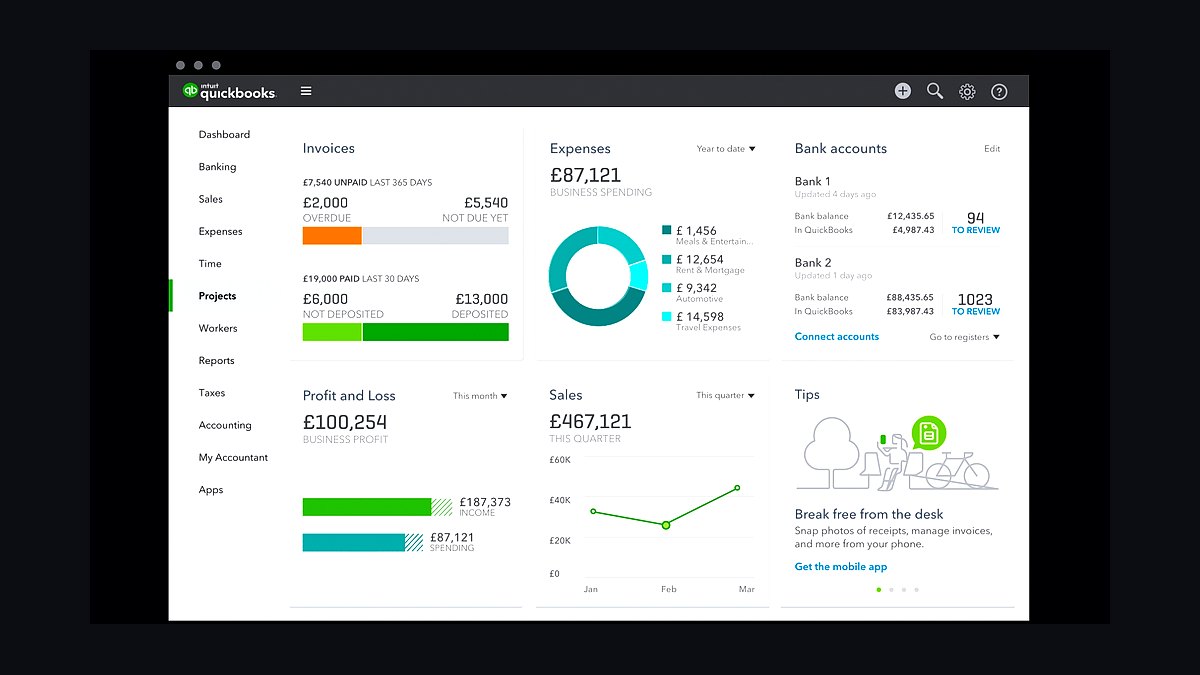
QuickBooks Online ranks seventh as the default accounting layer, running roughly $30–$200 monthly and integrating with every major pest FSM. It maps recurring revenue and deferred revenue on prepaid annual plans correctly, which matters because prepaid pest contracts create liability timing questions that cash-basis bookkeeping mishandles. It scales from solo operator through mid-size regional without migration.
It is for essentially every operator, which is why it ranks here rather than higher: it is necessary plumbing, not a differentiator. The trade-off is limited multi-entity consolidation, so complex holding structures may eventually need heavier accounting. It sits below the comms layer because accounting can run manually for a quarter without killing the business, while reviews and autopay protect revenue immediately.
8Power BI Business Intelligence
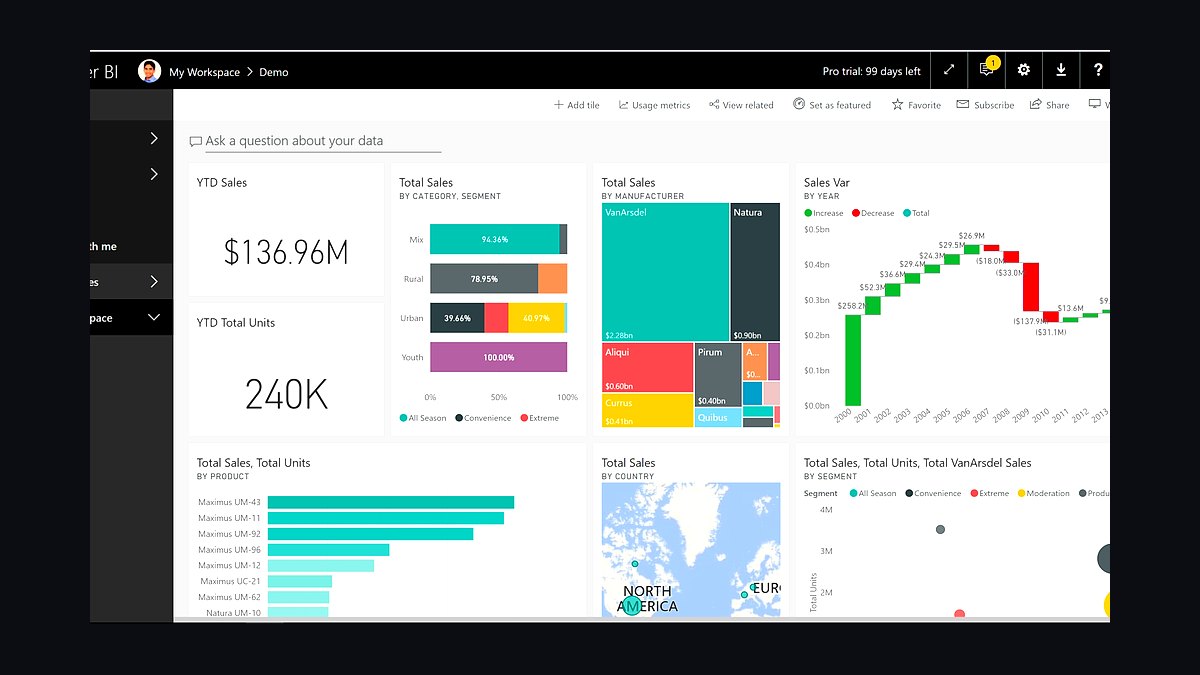
Power BI ranks eighth because it only earns its place at multi-branch scale, running about $14 per user monthly, which makes it the obvious default over Tableau for reconciliation work. It consolidates data across multiple FSM instances plus accounting plus sales, covering recurring revenue, route efficiency, technician production, and cancellation rate. Below roughly three branches, native FSM dashboards are sufficient.
It is for operators whose trigger is cross-branch consolidation rather than headcount alone. The trade-off is setup and maintenance overhead that a single-branch operator cannot justify, plus the discipline required to keep data models current. It ranks below QuickBooks because accounting integration is mandatory at every tier while BI is optional until branch count forces it.
9Birdeye Reputation Management
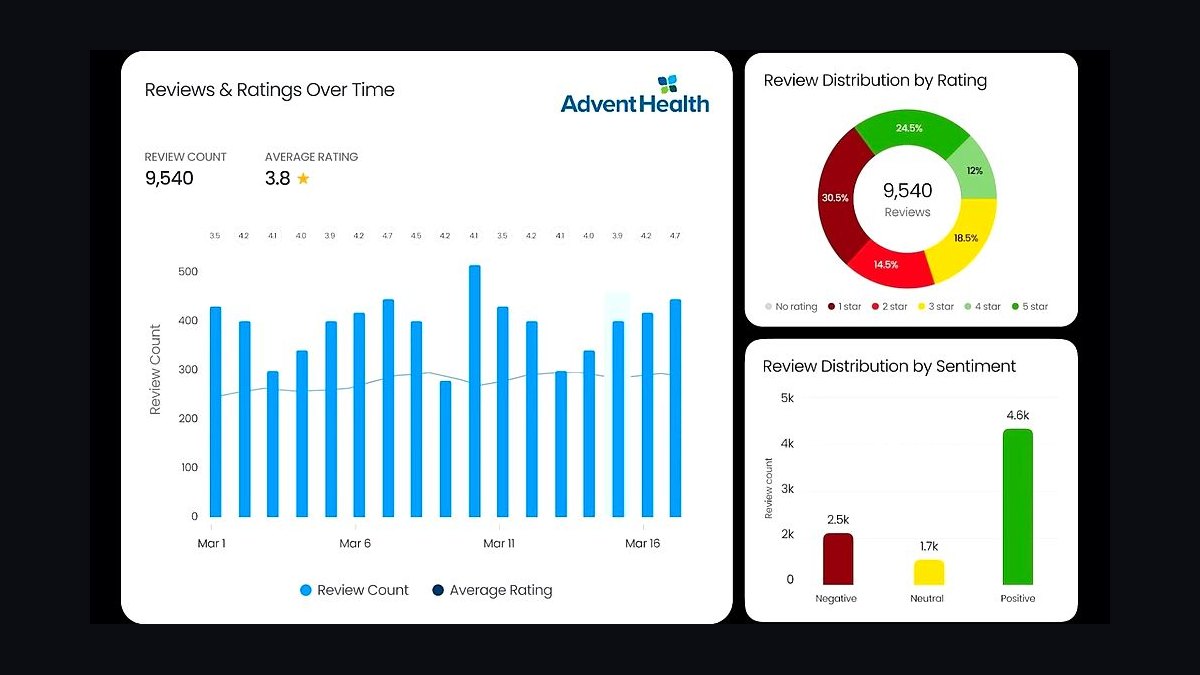
Birdeye ranks ninth as the multi-location alternative to Podium, quote-based and comparable at the multi-location tier. It aggregates reviews across many branch listings, which matters when a regional operator needs consistent reputation management per location rather than a single business profile. Review generation ties to service completion events pulled from the FSM.
It is for multi-branch operators where location-level review performance varies enough to need centralized visibility and response workflows. The trade-off is quote-based pricing that can exceed Podium at small location counts, and overlap with Podium's feature set means running both is redundant. It sits below Power BI because reputation tooling protects the book while BI explains it, and explanation comes later.
10Tableau Business Intelligence
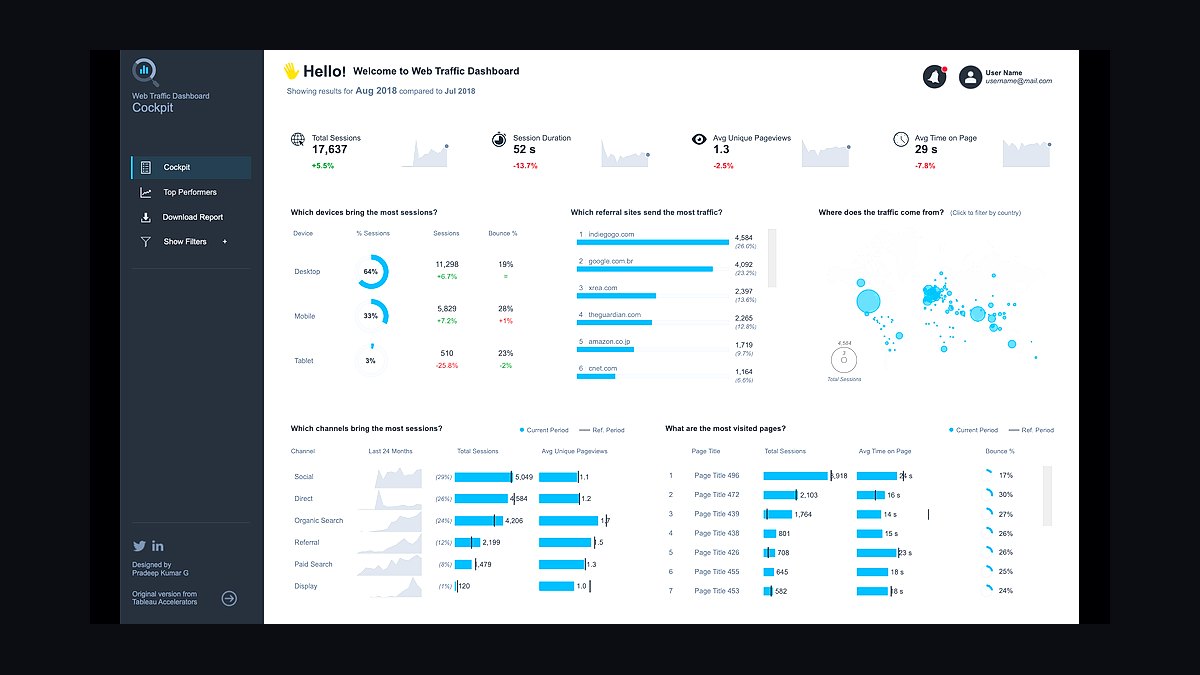
Tableau ranks tenth because it solves the same cross-branch reconciliation problem as Power BI at a higher price and steeper learning curve. It earns its place only for operators whose BI need is genuinely exploratory analytics rather than standard recurring-revenue and route-efficiency reporting. Pricing is quote-based and typically exceeds Power BI Pro's roughly $14 per user monthly.
It is for large multi-branch enterprises with dedicated analysts who will actually build custom visualizations and drill into route-level economics. The trade-off is cost and skill requirements that most pest operators cannot absorb, which is why Power BI above it is the default recommendation. Choosing Tableau without an analyst on staff usually produces an expensive dashboard nobody opens.
How we ranked these
We ranked platforms on five weighted criteria: native pesticide-application logging and state-formatted regulatory reporting (30%), recurring route optimization and scheduling depth (25%), applicator-license tracking and dispatch enforcement (15%), recurring-revenue automation including autopay and cancellation-save sequences (20%), and total cost of ownership across a three-year horizon (10%). Scores came from vendor documentation, published pricing, and operator-reported implementation experience.
We deliberately ignored CRM aesthetics, mobile-app visual polish, and generic feature counts, because those do not determine whether a pest operator passes a department of agriculture audit or holds route density. We excluded horizontal field-service tools that lack native chemical logging, since they fail the qualifying compliance gate regardless of scheduling quality. We also discounted vendor-supplied ROI claims and demo-environment performance, which rarely survive contact with a real recurring route book.
What to look for
What actually matters is whether the platform produces a compliant pesticide-application record on every visit, sequences hundreds of recurring stops by drive time, and enforces applicator licensing at dispatch rather than in an after-the-fact report. Then weigh route density economics: stops per technician per day and autopay attach rate drive margin more than any dashboard feature. Termite and warranty depth only matters if that revenue line is material to you.
The mistake most buyers make is choosing on price or interface while ignoring migration cost. Moving a customer book, route history, and multi-year chemical logs between platforms is a months-long project that degrades service during the transition. A second common error is underweighting payment-processing rates, where a 20-basis-point difference on millions in volume can exceed the entire cost of your reviews tool.
Related questions
Why can't a generic field service tool handle pest control compliance?
Pest-specific software exists because regulators require a record of the EPA-registered product, active ingredient, registration number, application rate, target pest, treated location, and licensed applicator on every visit. Many states mandate two-year retention and on-demand inspection production. Generic scheduling tools model one-off jobs and cannot generate a state-formatted pesticide-use report, so they fail the qualifying gate regardless of how well they schedule.
How much does a pest control tech stack cost in 2027?
A solo operator running GorillaDesk plus QuickBooks lands roughly $150–$600 monthly plus processing. A mid-size regional running FieldRoutes or PestPac with SalesRabbit, Podium, and QuickBooks lands roughly $2,500–$9,000 monthly. A large multi-branch enterprise with warehouse-backed BI and multi-location reputation management lands roughly $15,000–$80,000+ monthly depending on branch count and headcount.
When should a pest company add Power BI or Tableau?
Below roughly three branches, the FSM's native dashboards covering recurring revenue, route efficiency, and cancellation rate are sufficient. The trigger for a dedicated BI layer is cross-branch consolidation across multiple FSM instances plus accounting plus sales data, not headcount alone. Power BI Pro at about $14 per user monthly is the obvious default when the need is reconciliation rather than exploratory analytics.
What is the biggest hidden cost in a pest control software decision?
Migration, not subscription. Moving a customer book, route history, and multi-year chemical logs off one platform onto another is a months-long project that degrades service quality while it runs. That asymmetry means the rational move is buying the platform you will still want in three years, even at a modest premium, rather than optimizing for the lowest current monthly rate.
How important is autopay attach rate for pest operators?
It is one of the two numbers that drive the P&L, alongside route density. Pest is a recurring subscription business, so low autopay attach means every quarterly service requires manual collection and cancellation sits one ignored invoice away. Configure autopay as the default inside the agreement template at sign-up rather than chasing it at first invoice, and track attach rate as a KPI with an owner.
Do small pest operators need a separate reviews and texting tool?
Usually not. Many operators below about ten technicians skip Podium or Birdeye entirely and use the FSM's native texting and review-request automation. Briostack and GorillaDesk are both credible here, which is a legitimate several-thousand-dollar annual saving at that size. Add a dedicated layer when multi-location reputation management or two-way conversation routing becomes a real operational burden.
How does termite work change the platform decision?
If termite inspections, warranties, and renewals exceed roughly a fifth of revenue, PestPac's graphed inspection diagrams, warranty tracking, and multi-year liability documentation are hard to replicate elsewhere. If you run general pest and mosquito with incidental termite work, that requirement does not bind and you can weight route optimization and acquisition automation more heavily instead.
What order should a pest operator implement their stack in?
Core FSM first, always, because it must be the system of record before anything connects to it. Then canvassing if door-to-door is your engine, since it feeds the core. Reviews and messaging come third to protect the existing book. Accounting integration can run manually for a quarter. BI comes last and only at multi-branch scale.
FAQ
What is the best tech stack for a pest control company in 2027?
A pest-specific field service platform — FieldRoutes, PestPac, Briostack, or GorillaDesk — as the core, because it natively handles recurring route optimization, pesticide application logging, and applicator licensing. Around that sit a canvassing tool, a reviews-and-texting layer, autopay billing, accounting, and BI once you operate multiple branches.
Which pest FSM is best for a company under five technicians?
GorillaDesk. The enterprise platforms are both overkill and overpriced at that size, and implementation time will exceed any return. GorillaDesk handles recurring scheduling, route mapping, chemical logging, invoicing, autopay, and customer texting in one product at roughly $49–$149 monthly per route or user depending on tier.
Is FieldRoutes or PestPac better for a growing regional operator?
FieldRoutes optimizes for route density and growth automation, making it the choice when door-to-door summer sales drives acquisition and you need heavy onboarding automation. PestPac optimizes for termite depth and compliance rigor, making it the choice when termite renewals or long-tail warranty obligations are a meaningful revenue share. Both produce compliant chemical logs.
Can I run pest control on Jobber or Housecall Pro?
For day-to-day scheduling and invoicing, briefly — but generic tools do not produce compliant pesticide-use records, which is the entire reason pest-specific FSM exists as a category. Running a generic platform with no native chemical logging produces a failed audit and a frantic mid-stream migration, which costs far more than the subscription difference.
What should be configured before the first synced service?
Chemical-application logging fields and applicator-license tracking. Retrofitting compliance fields onto records already in the system is painful and error-prone. Also build recurring service plans with correct intervals and pricing, and turn autopay on as the default inside the agreement template rather than treating it as an afterthought at first invoice.
How do I know if my routes are hurting gross margin?
Drive time never appears as a line on the P&L, which is why loose routes erode margin invisibly. Track stops per technician per day and average drive time between stops. A dense route with five-minute hops prints money; a loose route with 25-minute drives between stops destroys gross margin even when the schedule looks full.
What is the right payment processing rate to negotiate?
Native FSM processing typically runs 2.6%–2.9% plus a per-transaction fee. On $3M of processed volume, a 20-basis-point difference is $6,000 annually, which exceeds what most operators spend on their reviews tool. Negotiate the processing rate at contract time, not at renewal, and treat it as a first-class line item.
When does a pest operator need a separate canvassing tool?
When door-to-door is the primary acquisition channel, particularly for summer sales teams absorbing a seasonal spike of hundreds of new agreements. SalesRabbit runs roughly $25–$45 per user monthly plus modules, trivial against the recurring agreements it produces. Wire signed agreements to flow back into the FSM automatically so a sale becomes a scheduled route stop.
What KPIs should the stack actually track?
Recurring revenue, route efficiency, stops per technician per day, technician production, autopay attach rate, and cancellation rate. Assign owners and targets rather than producing reports nobody opens. At multi-branch scale, add cross-branch reconciliation. The whole point of the stack is route density per branch and autopay attach rate on new accounts.
What is the most common self-inflicted implementation wound?
Standing up the stack in the wrong order. If the core FSM is not the system of record before anything else connects to it, you spend the next year reconciling two competing customer databases. Tool sprawl compounds this: a separate CRM, texting tool, review tool, and routing tool bolted onto a thin FSM fractures the customer record across systems that disagree.
Sources
- https://www.servicetitan.com/
- https://www.workwave.com/pestpac/
- https://www.briostack.com/
- https://gorilladesk.com/
- https://www.salesrabbit.com/
- https://www.podium.com/
- https://quickbooks.intuit.com/
- https://powerbi.microsoft.com/
- https://www.epa.gov/pesticide-registration
- https://www.npma.org/
Related on PULSE
This page will be disappearing soon. Save it to your device for $1 — or read it free while it is here.
@Kory-White- · if Venmo asks, the last 4 of my number are 2012
This page is gone.
This one is off the shelf now. $1 keeps it on your phone for good — the whole page, pictures and diagrams included.
 pulse-tech-stacksTop 10 Best Tech Stack Tools for Independent Wholesale Distribution Businesses in 2027
 pulse-tech-stacksTop 10 Best Tech Stack Tools for CrossFit Boxes in 2027
 pulse-tech-stacksTop 10 Best Tech Stack Tools for API Security Vendors in 2027
 pulse-tech-stacksTop 10 Best Tech Stack Tools for Independent Bakeries in 2027
 pulse-tech-stacksTop 10 Best Tech Stack Tools for Appliance Repair Services in 2027
 pulse-tech-stacksTop 10 Best Tech Stack Tools for Independent Food Trucks in 2027
 pulse-tech-stacksTop 10 Best Tech Stack Tools for Movie Theaters in 2027
 pulse-tech-stacksTop 10 Best Tech Stack Tools for Home Inspection Companies in 2027
 pulse-tech-stacksTop 10 Best Tech Stack Tools for Tire Shops in 2027
 pulse-tech-stacksTop 10 Best Tech Stack Tools for AI Observability Platform Companies in 2027