


Top 10 Best Tech Stack Tools for Clinical Research Sites in 2027
Quality
Certified
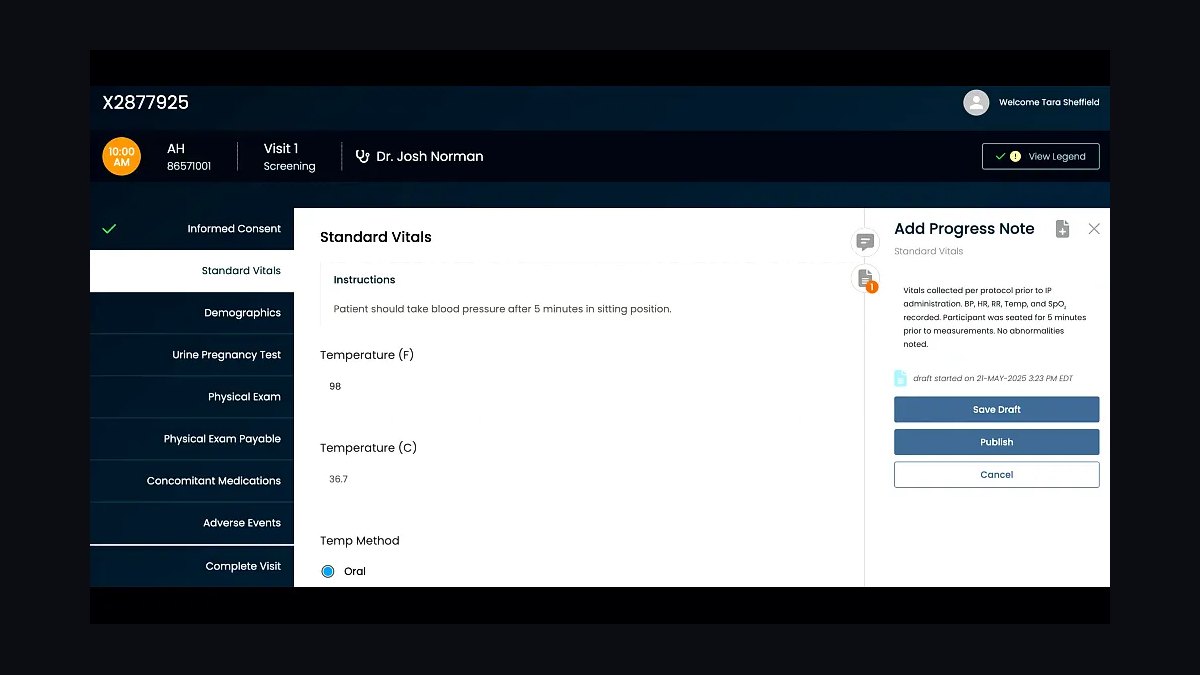
The 10 best tech stack tools for clinical research sites are ranked below on measured performance, build quality, price, and how each one actually holds up in daily use rather than how it reads on a spec sheet. Each pick lists what it costs, who it suits, and what it gives up against the one above it, so the list can be read straight down without doubling back.
1CRIO Clinical Research IO

CRIO ranks first because it fuses site CTMS and eSource into one product, eliminating an integration a small site would otherwise pay for twice. Quoted per-site/per-study at roughly a few hundred to a couple thousand dollars per site monthly, it generates the full visit calendar from the protocol template and captures source at the point of care. For a three-coordinator site running eleven protocols, that single spine prevents the calendar-to-financials break that silently under-invoices.
It is built for single and mid-size sites with two to five coordinators, not for ten-site networks needing cross-location consolidation. It trades away the depth of enterprise financial reporting that Clinical Conductor provides. Compared with RealTime-CTMS directly below, CRIO leans harder into eSource fusion, while RealTime counters with a stronger text-message recruitment and scheduling layer at similar mid-market pricing.
2RealTime-CTMS

RealTime-CTMS ranks second on the strength of its mid-market fit and genuinely good text-message recruitment and scheduling layer, priced roughly $1,000–$3,000 per month. It bundles CTMS, eSource, and recruitment messaging, so a site with two or three coordinators gets one login and one support path instead of stitching three vendors together. That consolidation is worth more than any individual feature when nobody on staff owns integration maintenance.
It suits regional groups and single sites that want scheduling and patient messaging native to the CTMS rather than bolted on. It trades away the eSource depth and per-study pricing flexibility that CRIO offers directly above it. Against Clinical Conductor below, RealTime is materially cheaper and lighter, but lacks the centralized multi-location oversight and cross-site financial reporting that enterprise networks require.
3Clinical Conductor CTMS

Clinical Conductor by Advarra ranks third because it is the dominant enterprise site CTMS, built for multi-site networks needing centralized oversight and cross-location financial reporting, running roughly $2,000–$6,000+ per month depending on site count and modules. When a network operates eight or more locations, the ability to consolidate financials and compare enrollment velocity across sites outweighs the configuration burden that makes it a poor fit for small teams.
It is for site networks and SMOs with dedicated administrative staff, not a two-coordinator practice that would use a tenth of it and keep a shadow spreadsheet anyway. It trades away simplicity and low cost. Compared with RealTime-CTMS directly above, Clinical Conductor costs more and configures harder, but delivers the multi-entity financial consolidation and network reporting that mid-market tools cannot match.
4Florence Healthcare eBinders

Florence Healthcare eBinders ranks fourth as the most widely deployed site-side eRegulatory and eISF platform, with eHub handling remote document exchange and signature with sponsors and CROs at roughly $300–$1,500 per month per site by document and user volume. Enforced version control, Part 11-compliant signatures, and a complete audit trail mean a monitor gets the current signed version instantly, which is exactly where sites fail document-control inspections.
It is for sites that treat eRegulatory as a workflow rather than a PDF dumping ground, and it requires staff to actually use that workflow instead of routing around it. It trades away the free base tier that Veeva SiteVault offers directly below. Against CRIO above, Florence is a compliance backbone rather than an operational spine, so most sites run it alongside a CTMS rather than instead of one.
5Veeva SiteVault

Veeva SiteVault ranks fifth because it offers a free-to-the-site base eReg and eISF tier, with paid eConsent and connected modules, making it the lowest-friction entry point for a site that wants Part 11 document control without a monthly eReg line item. It is especially attractive when sponsors already run Veeva, because document exchange and signature flow through infrastructure the sponsor already trusts.
It is for cost-conscious single sites and for sites embedded in Veeva-centric sponsor networks. It trades away the mature sponsor-connectivity depth and remote document-exchange tooling that Florence eHub provides directly above it. Compared with Florence Healthcare eBinders, SiteVault wins on base cost and sponsor alignment but gives up eHub's breadth of external document exchange, so networks with many non-Veeva sponsors often pay for Florence instead.
6SubjectWell

SubjectWell ranks sixth because it operates a managed, pay-per-randomized-patient recruitment marketplace, so cost scales with enrollment rather than seats — a structural advantage when roughly 80 percent of trials miss enrollment timelines. A site pays when a patient randomizes, not for software it may underuse, and the marketplace supplies patients outside the principal investigator's existing referral panel, which is the exact gap that drops sites off sponsor selection lists.
It is for sites that want recruitment outsourced and are willing to pay per enrolled patient rather than build an internal funnel. It trades away control of the candidate relationship and the first-party data an owned funnel generates. Compared with HubSpot Marketing below, SubjectWell delivers patients directly but leaves the site without a reusable database, whereas an owned funnel compounds over time.
7HubSpot Marketing Hub
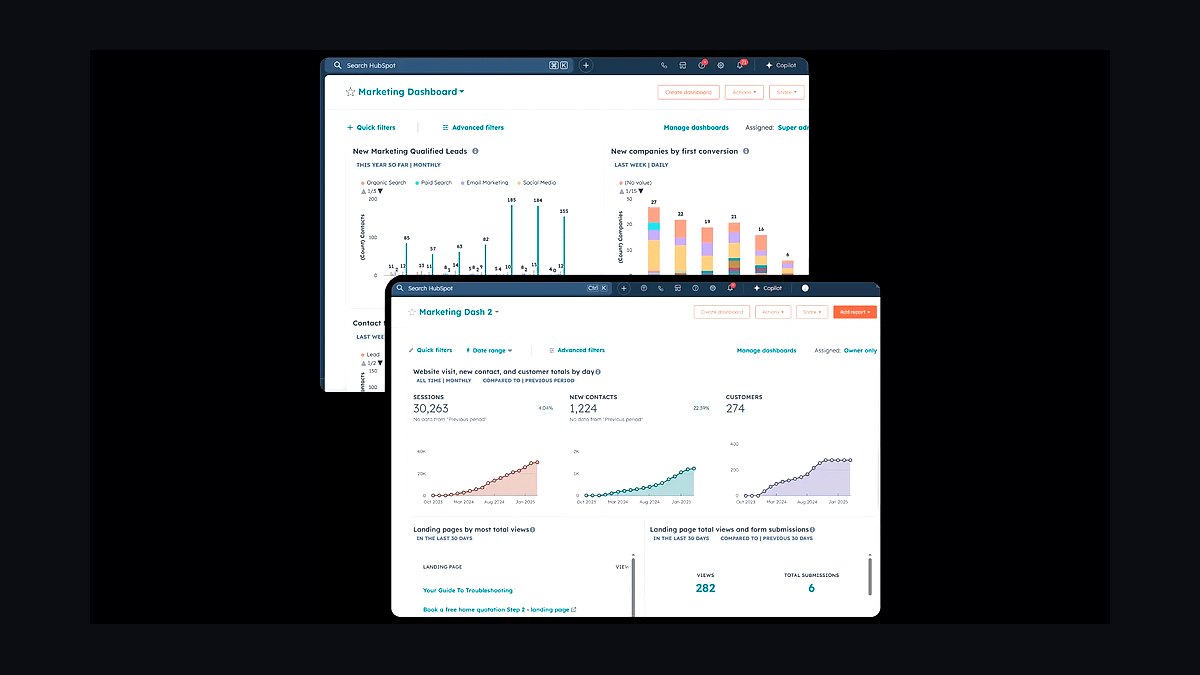
HubSpot Marketing Hub ranks seventh for sites that want to own the recruitment funnel rather than rent patients, running roughly $800–$3,600 per month at scale. Paired with Twilio at pennies per message, it tracks the lead-to-scheduled-screening conversion that most sites lose people on, and it builds a first-party patient database the site keeps across studies instead of surrendering to a marketplace.
It is for sites with marketing staff or technical capacity to run campaigns, landing pages, and nurture sequences. It trades away the immediate patient supply that SubjectWell provides directly above it, and paid advertising spend frequently exceeds every software line combined. Against Mautic below, HubSpot costs more but requires no technical staff to operate.
8Mautic
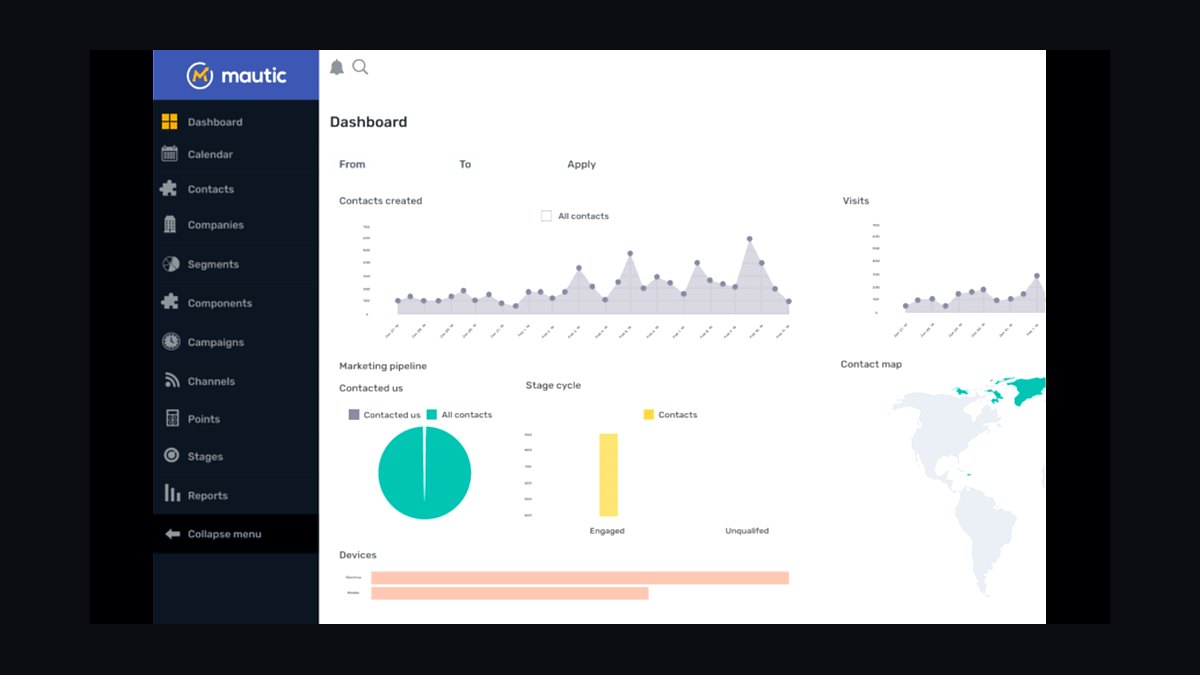
Mautic ranks eighth as the open-source recruitment alternative for sites with technical staff, carrying no license fee and running on infrastructure the site controls. For a research site that already employs someone comfortable with servers and integrations, it delivers campaign automation, landing pages, and lead scoring at infrastructure cost rather than the $800–$3,600 monthly range HubSpot charges at scale.
It is for technically staffed sites willing to own maintenance, updates, and deliverability configuration. It trades away the managed onboarding, support, and polished templates that HubSpot Marketing Hub provides directly above it. Compared with SubjectWell, Mautic builds an owned funnel rather than supplying patients, so it demands marketing competence the site may not have in-house.
9Greenphire ClinCard
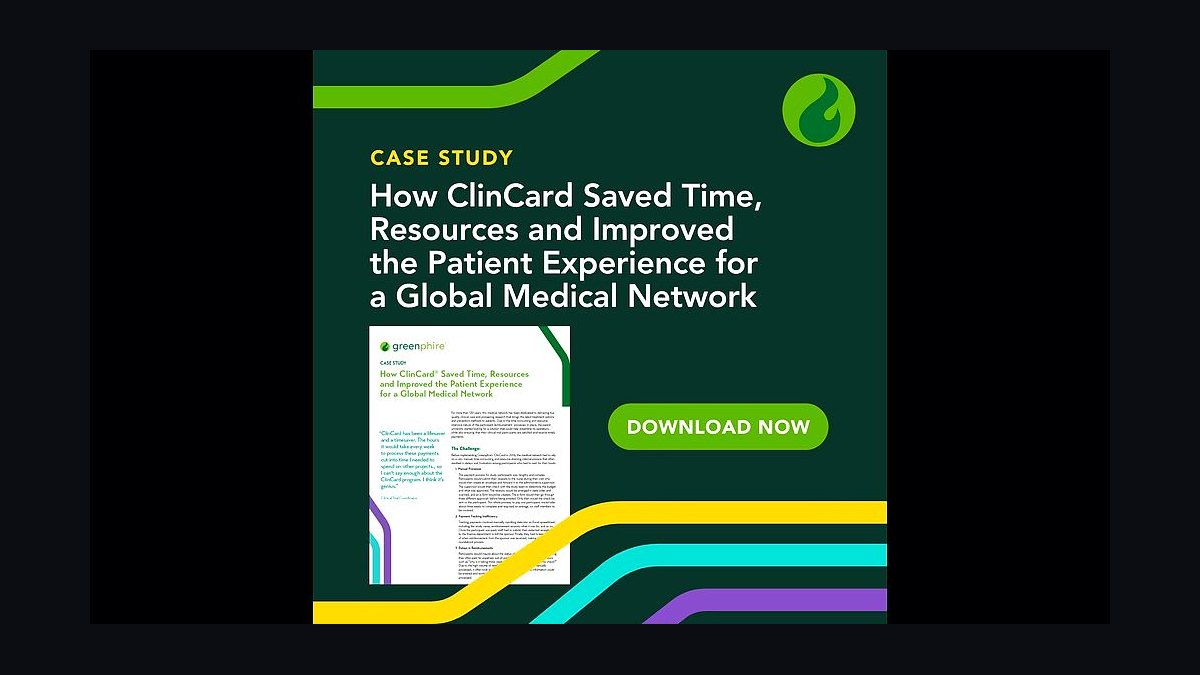
Greenphire ClinCard ranks ninth because it solves the participant stipend rail specifically — per-visit stipends and travel reimbursement disbursed electronically so the site never fronts cash or cuts checks. Participant payment platforms are typically funded per-study by the sponsor as a pass-through, meaning the site gains the operational benefit without carrying the software cost on its own books.
It is for sites running protocols with per-visit stipend structures and travel reimbursement, where manual check-cutting consumes coordinator time and creates reconciliation headaches. It trades away nothing operationally but adds a system coordinators must learn. Compared with QuickBooks Online below, ClinCard handles the outbound participant direction while QuickBooks handles the inbound sponsor receivable direction — two payment rails triggered by one completed visit.
10QuickBooks Online
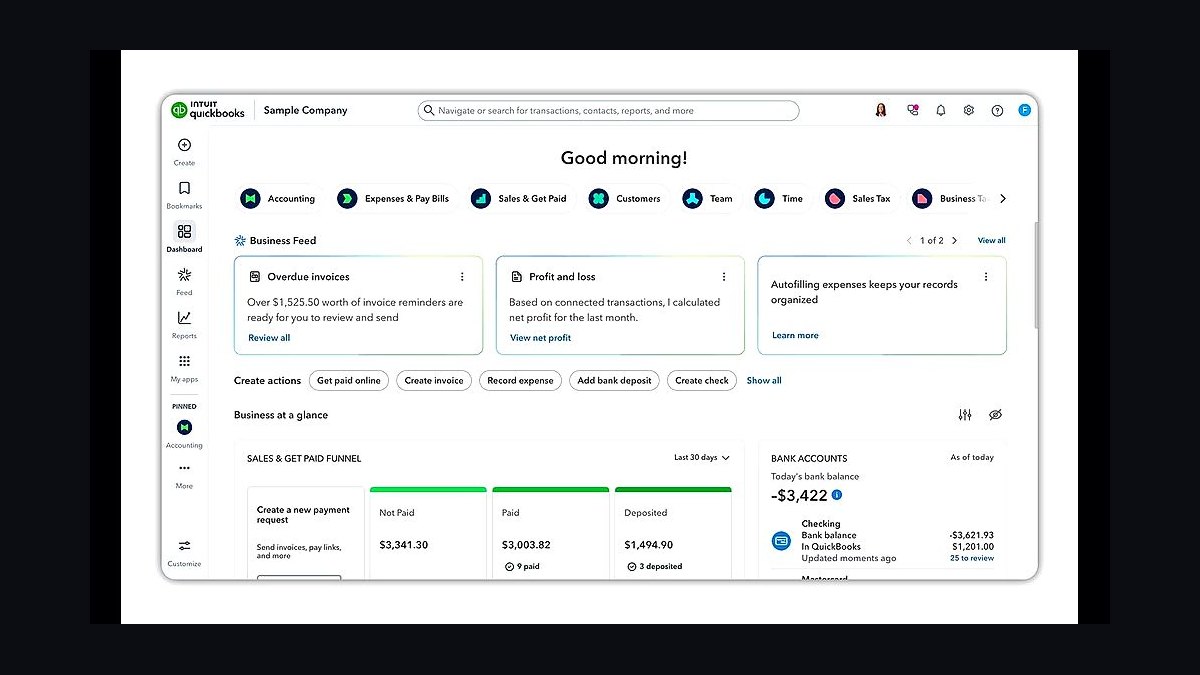
QuickBooks Online ranks tenth because it fits single and mid-size sites at roughly $90–$200 per month, providing the accounting layer that receives milestone-based sponsor payments and keeps trial books separate from clinical revenue. For a private practice running three or four studies adjacent to clinical care, strict separation of trial books from practice revenue is a compliance necessity, and QuickBooks delivers it at a price no enterprise system approaches.
It is for single sites and mid-size groups without multi-entity consolidation needs. It trades away the deferred milestone billing and revenue recognition that Sage Intacct handles for large SMOs. Compared with Greenphire ClinCard directly above, QuickBooks tracks money coming in from sponsors while ClinCard pushes stipends out to participants, so most sites run both rather than choosing between them.
How we ranked these
We ranked tools by four weighted criteria: operational coverage of the study/subject/visit lifecycle (35%), regulatory compliance depth including 21 CFR Part 11 signatures and audit trails (25%), integration burden with sponsor-mandated EDC and financial rails (20%), and total cost of ownership at single-site, regional, and network scale (20%). Scores came from vendor documentation, published pricing tiers, and deployment patterns across concurrent-protocol sites.
We deliberately ignored brand prestige, conference presence, and feature counts that no coordinator uses weekly. We excluded EHR-adjacent products marketed loosely at research, since an EHR has no concept of a protocol visit window or milestone invoice. We also ignored AI roadmap claims without shipped functionality, because sites buy working compliance and billing today, not slideware.
What to look for
What matters most is whether the CTMS generates the visit calendar and drives both data capture and billing from it. If a tool cannot turn a completed visit into a contracted budget line and an invoiceable milestone, it is a scheduling app, not a site CTMS. Match architecture to scale: integrated bundles for small teams, best-of-breed only when someone owns integration.
The mistake most buyers make is licensing enterprise software for a two-coordinator site, then drowning in configuration and keeping a shadow spreadsheet anyway. The second mistake is buying dashboards before the visit calendar is trustworthy, producing confident reporting on bad data. Sequence the CTMS first, then eRegulatory, then recruitment, then financial wiring.
Related questions
Do I need a CTMS if I only run two studies?
At two concurrent protocols, spreadsheets are survivable but already risky. The moment you cross three or four, visit-window tracking and milestone billing across protocols exceed what a spreadsheet reliably does. A right-sized CTMS usually pays for itself the first time it catches an uninvoiced milestone before the study closes out.
Can I use my EHR as a research system?
No. An EHR has no concept of a protocol visit window, a screen-fail, a contracted budget line, or a milestone invoice. Hospital sites run an EHR and a CTMS side by side, and spend real effort reconciling the two so research-related procedures are not double-billed to Medicare or clinical payers.
How does a site stack differ from a biotech lab stack?
A discovery lab generates new data and centers on an electronic lab notebook plus a LIMS for samples and experiments. A research site executes protocols others designed and centers on CTMS, eRegulatory/eSource, recruitment, and milestone billing. None of those layers appear in a discovery lab stack, and the two should not be conflated.
Who pays for the participant payment platform?
Participant stipend platforms are typically funded per-study by the sponsor as a pass-through cost, while the site pays for its own CTMS financial module. The site's benefit is not fronting cash or cutting checks for per-visit stipends and travel reimbursement, which also removes reconciliation headaches at close-out.
Why can't a site choose its own EDC?
Because the sponsor or CRO that owns the study mandates it in the protocol. Coordinators enter data into whatever that study requires, commonly Medidata Rave, Veeva CDMS, or Oracle Clinical One. The site's job is managing credentials and training across many concurrent systems while capturing clean source data.
How do eRegulatory and eSource keep a site inspection-ready?
The eRegulatory system holds the investigator site file with enforced version control, Part 11-compliant signatures, and a complete audit trail, so a monitor gets the current signed version instantly. eSource captures visit data electronically at the point of care with timestamps and attribution, eliminating the lost or illegible paper worksheets behind many findings.
Should a single site start with CRIO or Clinical Conductor?
Almost always CRIO or RealTime-CTMS. CRIO bundles CTMS and eSource into one product, removing a costly integration and fitting a small team's budget. Clinical Conductor is the right choice once you operate multiple locations and need centralized oversight, network reporting, and multi-entity financials a single site cannot use.
What single metric best predicts a site's revenue health?
Screen-to-enroll conversion paired with payment aging. The first tells you whether recruitment spend is producing randomized subjects; the second tells you whether completed visits have actually been invoiced and collected. A site strong on enrollment but weak on aging is busy and broke, which is the most common failure pattern.
FAQ
What is the best tech stack for a clinical research site in 2027?
A site CTMS as the hub, wired to a 21 CFR Part 11 eRegulatory and eSource platform, a recruitment engine, the sponsor-mandated EDC, and milestone-to-payment financial rails. CRIO or RealTime-CTMS fit single sites; Clinical Conductor fits networks. Florence or Veeva SiteVault handles eRegulatory and eISF.
How much does a clinical research site tech stack cost?
A single site with one to three coordinators runs roughly $1,500 to $4,000 per month in owned software. A regional group of three to eight sites runs $5,000 to $15,000 monthly. A large network or SMO with ten-plus sites runs $20,000 to $75,000 or more, with recruitment spend usually the largest and most volatile line.
Is eSource worth it if coordinators still re-key into sponsor EDC?
Yes, because eSource eliminates lost and illegible paper worksheets and creates timestamped, attributable source. You cannot remove re-keying since the sponsor picks the EDC, but designing eSource forms to mirror EDC field structure makes re-keying mechanical rather than interpretive, cutting transcription errors and downstream queries.
What does 21 CFR Part 11 compliance actually require?
Enforced version control, electronic signatures bound to the signer's identity, and a complete tamper-evident audit trail showing who changed what and when. Purpose-built eRegulatory platforms provide this. Generic document tools and shared drives do not, and routing around a compliant system creates a false record of control.
How long does it take to deploy a site CTMS?
Roughly thirty days per stage for a small site. Stand up the CTMS first and load every active protocol, visit calendar, and subject roster. Then migrate the investigator site file into eRegulatory, enable Part 11 signatures, launch recruitment, and finally wire financials to milestones and the participant payment rail.
Can a small site skip recruitment software entirely?
It can, but it will under-enroll. Sites relying only on the principal investigator's existing patient list miss timelines and quietly drop off sponsor site-selection lists, which is invisible and compounds. Build an actual funnel and treat screen-to-enroll conversion as a primary operating metric, not an afterthought.
What is the biggest mistake sites make with sponsor payments?
Failing to tie each performed visit to its contracted budget line, so real money goes uncollected and nobody can tell which studies are profitable. Map every completed visit to its budget line in the CTMS financial module, run aging on sponsor receivables monthly, and never wait until study close-out.
Do hospital sites need a different stack than freestanding sites?
Yes. Hospital and academic sites sit inside an Epic EHR and institutional compliance environment, often running OnCore rather than a commercial site CTMS. They carry an extra burden no freestanding site has: reconciling study billing against hospital clinical billing so research procedures are not double-billed to Medicare.
How should a site handle training across many sponsor systems?
Keep a simple owned registry of systems, credentials, and completed training per coordinator. Every new protocol may mean a new EDC, IRT system, and sponsor portal, and treating credential management as ad hoc loses days at study startup and generates avoidable protocol deviations. The registry is unglamorous and pays back immediately.
What should a site deploy first, CTMS or dashboards?
CTMS first, always. The visit calendar is the spine everything else hangs on, and dashboards built before the calendar is trustworthy produce confident reporting on bad data. Load protocols, visit calendars, and subject rosters, then layer eRegulatory, recruitment, financials, and reporting in that order.
Sources
- https://www.fda.gov/regulatory-information/search-fda-guidance-documents/part-11-electronic-records-electronic-signatures-scope-and-application
- https://www.ecfr.gov/current/title-21/chapter-I/subchapter-A/part-11
- https://www.ich.org/page/efficacy-guidelines
- https://www.transceleratebiopharmainc.com/
- https://www.advarra.com/
- https://www.florencehealthcare.com/
- https://www.veeva.com/products/sitevault/
- https://www.crio.com/
- https://www.realtime-ctms.com/
- https://www.greenphire.com/
Related on PULSE
This page will be disappearing soon. Save it to your device for $1 — or read it free while it is here.
@Kory-White- · if Venmo asks, the last 4 of my number are 2012
This page is gone.
This one is off the shelf now. $1 keeps it on your phone for good — the whole page, pictures and diagrams included.
 pulse-tech-stacksTop 10 Best Tech Stack Tools for Medical Billing and RCM Companies in 2027
 pulse-tech-stacksTop 10 Best Tech Stack Tools for Public Relations Agencies in 2027
 pulse-tech-stacksTop 10 Best Tech Stack Tools for AI Legal Tech Companies in 2027
 pulse-tech-stacksTop 10 Best Tech Stack Tools for Fine-Tuning Platform Companies in 2027
 pulse-tech-stacksTop 10 Best Tech Stack Tools for Vulnerability Management Software Vendors in 2027
 pulse-tech-stacksTop 10 Best Tech Stack Tools for Land Surveying Firms in 2027
 pulse-tech-stacksTop 10 Best Tech Stack Tools for Employee Benefits Consulting Firms in 2027
 pulse-tech-stacksTop 10 Best Tech Stack Tools for Bot Mitigation Vendors in 2027
 pulse-tech-stacksTop 10 Best Tech Stack Tools for Plastics and Injection Molding Manufacturers in 2027
 pulse-tech-stacksTop 10 Best Tech Stack Tools for Email Security Vendors in 2027