


Top 10 Best Tech Stack Tools for Window Cleaning Services in 2027
Quality
Certified

The 10 best tech stack tools for window cleaning services are ranked below on measured performance, build quality, price, and how each one actually holds up in daily use rather than how it reads on a spec sheet. Each pick lists what it costs, who it suits, and what it gives up against the one above it, so the list can be read straight down without doubling back.
1ResponsiBid Instant Quote Engine

ResponsiBid ranks first because instant online quoting is the single biggest lead-conversion lever in window cleaning, and it is the trade-native engine built for exactly that job. Homeowners self-quote from square footage, story count, or uploaded photos, bundle gutter, pressure-washing, and holiday-light add-ons, then book in the same session. Pricing runs roughly $129-$299/month by volume, and operators consistently report close rates that double a callback-and-estimate workflow.
It is for residential window cleaners who lose hot leads while an estimator drives out and mails a quote days later. It trades away nothing on the quoting side, but it is not a scheduler or CRM, so it must feed a field-service platform like Jobber or Service Autopilot. Compared with the native quoting inside Jobber below it, ResponsiBid adds instant-bid logic and upsell sequencing that generic FSM estimates lack.
2Jobber Field Service Management
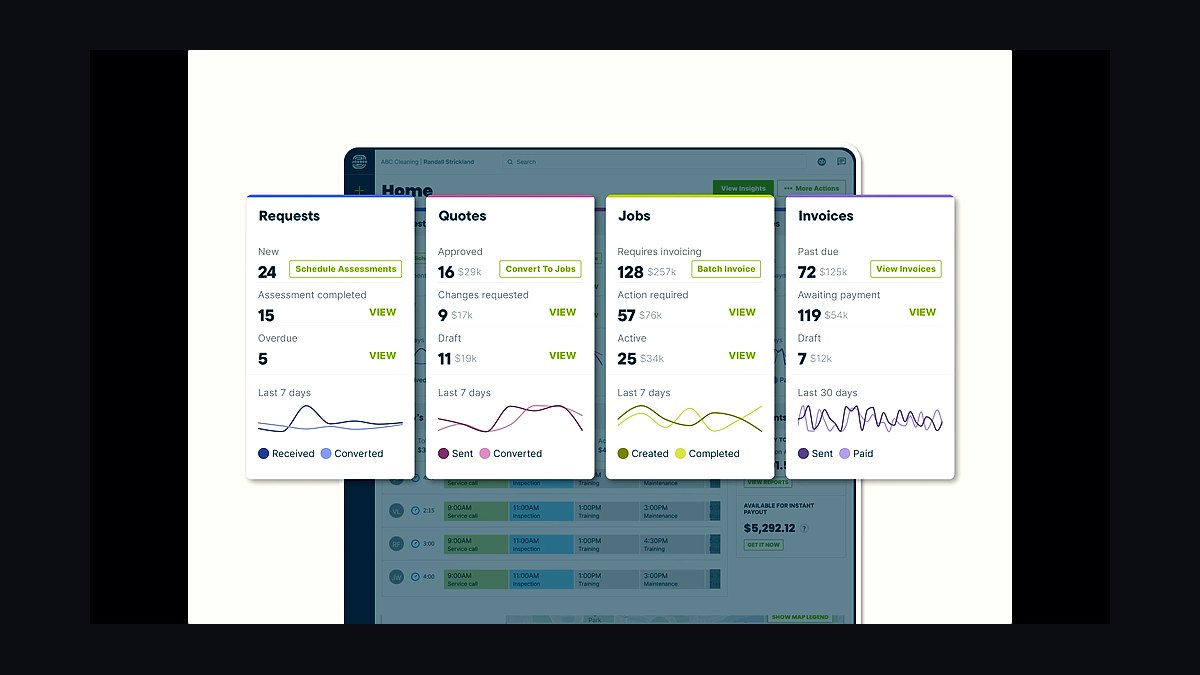
Jobber ranks second as the operational system of record for clients, jobs, recurring visits, and dispatch. It wins for most residential window cleaners because of polished client communication, recurring-job templates, and strong mobile crew apps. Plans run roughly $169-$349/month, and routing is adequate for single-crew residential operators, which avoids adding a separate optimizer early. It integrates ResponsiBid and QuickBooks Online out of the box.
It is for one-to-six-crew residential window cleaners who want one hub for scheduling, invoicing, and payments. It trades away deep recurring-service automation and best-in-class multi-crew routing, which is why Service Autopilot and OptimoRoute sit below it. Compared with ResponsiBid above, Jobber is the back office rather than the conversion engine, and the two are usually run together.
3Service Autopilot Recurring Automation
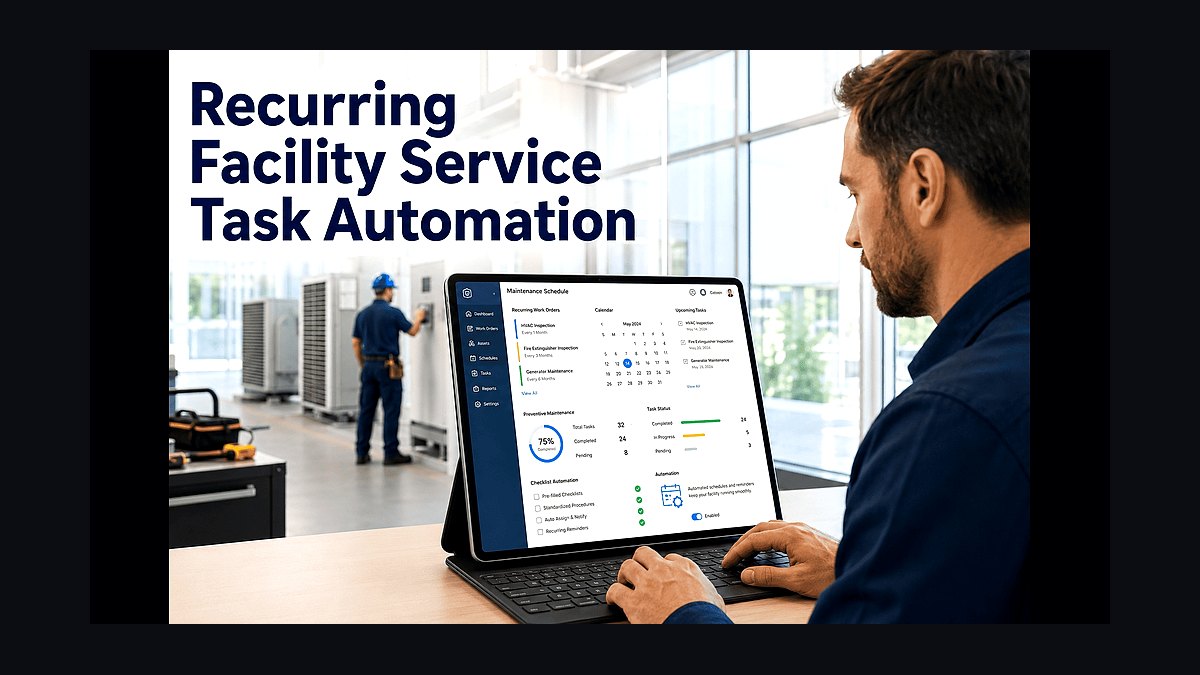
Service Autopilot ranks third because recurring quarterly and tri-annual plans are the annuity of window cleaning, and it automates recurring-visit generation, follow-up sequences, and dispatch logic that manual scheduling cannot keep up with. Plans run roughly $49-$309/month, and native routing is strong enough that some multi-crew operators skip a standalone optimizer entirely. It also syncs invoices and payments into QuickBooks Online.
It is for companies running recurring plans across multiple crews, not solo operators who can handle recurring jobs natively in Jobber. It trades away the polished consumer-facing booking experience that Housecall Pro offers, and its learning curve is steeper. Compared with Jobber above it, Service Autopilot is heavier on automation and route density but less friendly for a first-year one-crew operation.
4Housecall Pro Scheduling Suite
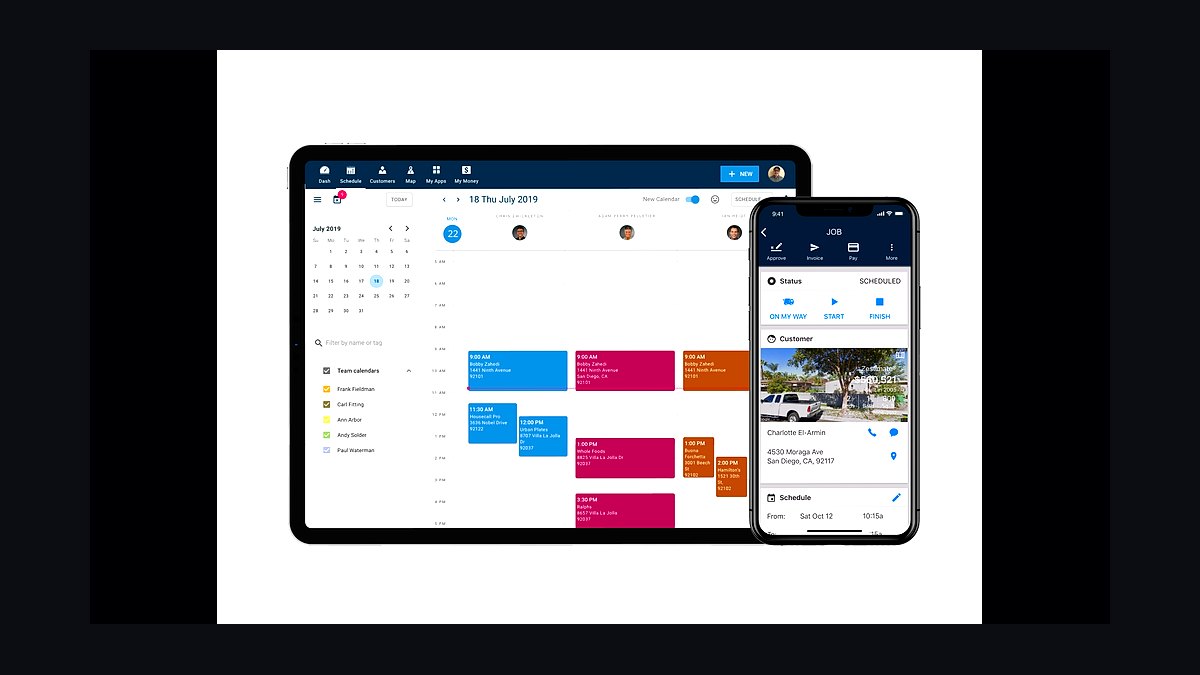
Housecall Pro ranks fourth for companies that prioritize consumer-grade online booking and a built-in marketing suite alongside scheduling and dispatch. Plan tiers run roughly $79-$299/month, and its payments product keeps card-on-file recurring billing inside one system at about 2.9% plus $0.30 per transaction. It integrates ResponsiBid and QuickBooks Online like the platforms above it.
It is for window cleaners who want booking pages, review requests, and marketing automation bundled rather than stitched from separate vendors. It trades away the window-cleaning-native workflow depth of The Customer Factor and the recurring automation of Service Autopilot. Compared with Service Autopilot above it, Housecall Pro is more consumer-facing and marketing-forward, less specialized in dense route generation.
5The Customer Factor CRM
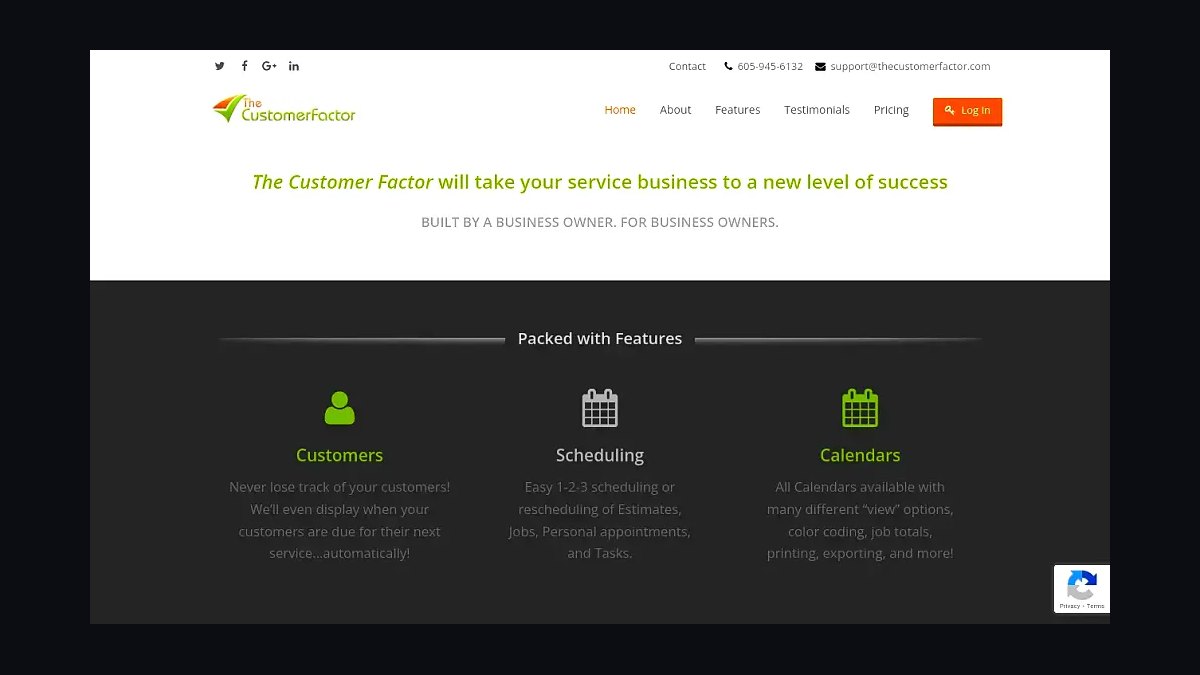
The Customer Factor ranks fifth because it is a window-cleaning-native CRM built by an industry insider, priced around $57/month flat, which makes it the cheapest credible system of record in the trade. Route-based cleaners like its scheduling and automated follow-up, and it integrates ResponsiBid and QuickBooks Online. For a solo operator watching every dollar, that flat price is hard to beat.
It is for owner-operators and small window cleaning companies that want trade-specific follow-up without paying Jobber or Housecall Pro tier pricing. It trades away the polished client-facing communication and marketing suite of the platforms above it, and its interface feels dated. Compared with Housecall Pro above, it is cheaper and more trade-native but far less consumer-facing.
6OptimoRoute Route Optimization
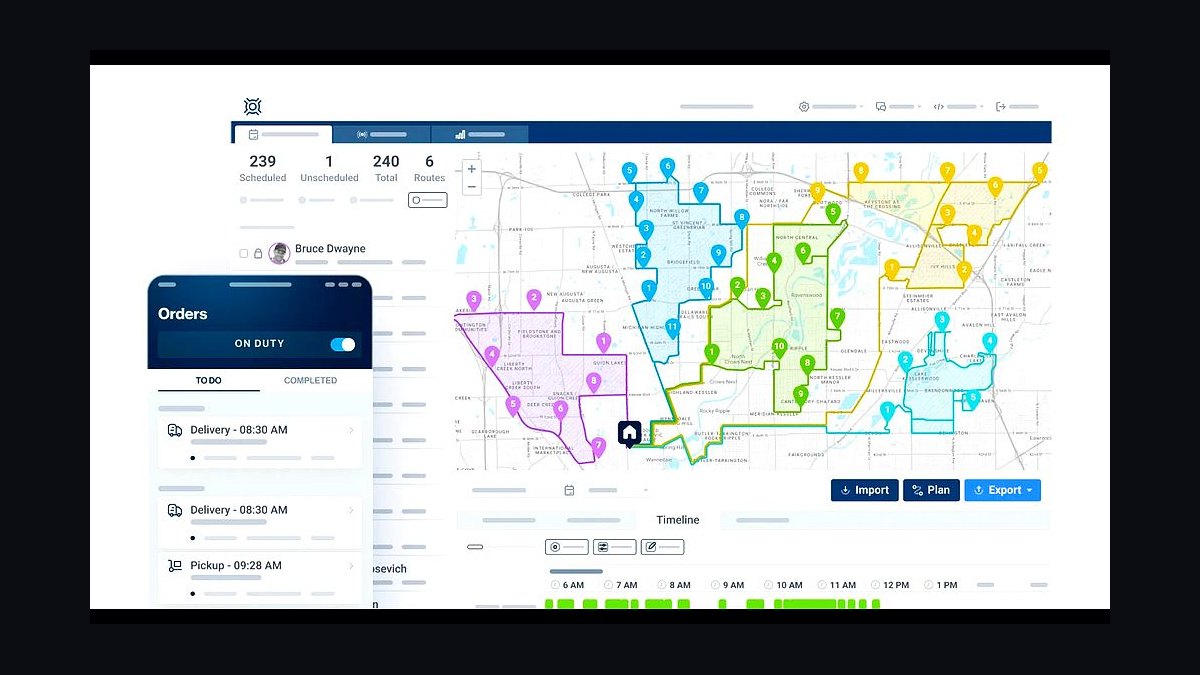
OptimoRoute ranks sixth because windshield time quietly destroys margin once crews multiply, and it is the standalone best-in-class for multi-crew route building at roughly $39 per driver per month. It clusters jobs by geographic density and slots new work into existing routes, which typically pays for itself within weeks at two or more crews. It sits on top of whichever field-service platform runs scheduling.
It is for companies running two or more crews or a single crew with enough daily stops that drive time eats profit. It trades away simplicity, since it is a separate tool with its own learning curve, and single-crew operators get adequate routing natively in Jobber. Compared with Service Autopilot above it, OptimoRoute is a dedicated optimizer rather than an all-in-one platform.
7NiceJob Review Automation
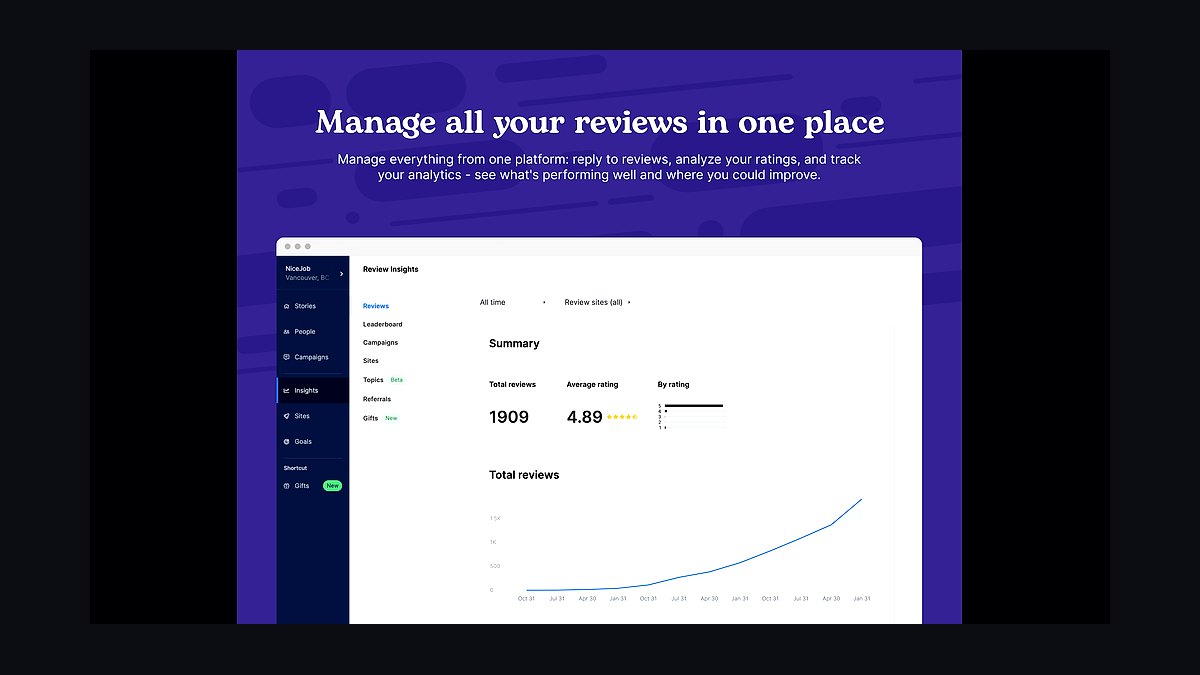
NiceJob ranks seventh because window cleaning is bought from whoever shows up first in the map pack with strong recent reviews, and it automates post-job review requests and syndication at roughly $75-$149/month. It is popular with window cleaners specifically and wires directly into Google Business Profile. Every completed clean compounds local visibility instead of ending as a silent transaction.
It is for any window cleaner with steady job volume who wants the review flywheel running without manual follow-up. It trades away two-way SMS and webchat lead capture, which is why Podium costs $249-$599/month for companies that want to text-sell. Compared with OptimoRoute above it, NiceJob is a demand-generation layer rather than an operational efficiency tool, and both are usually run together.
8CallRail Call Tracking
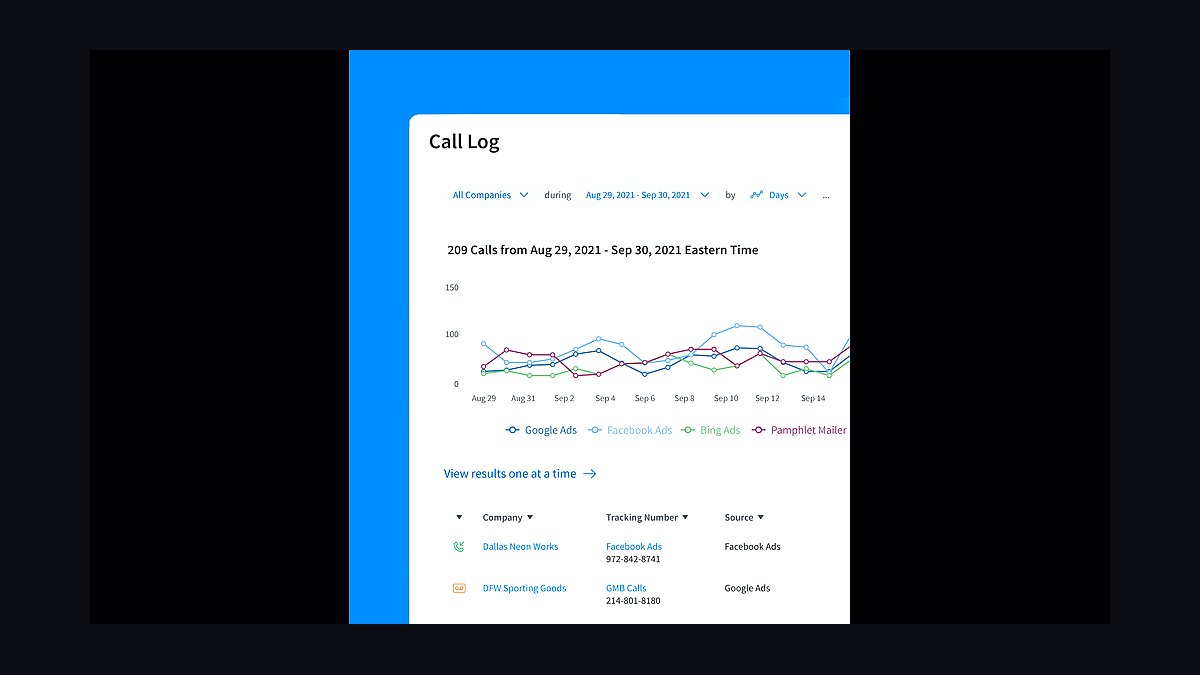
CallRail ranks eighth because window cleaning still books a large share of jobs by phone, so attributing which calls came from Local Services Ads versus the website versus a yard sign matters once ad spend is real. Plans run roughly $50-$145/month and tell you which marketing channel actually pays. Without it, paid local demand is guesswork.
It is for companies already spending on Google Local Services Ads or other paid channels who need per-channel ROI. It trades away value at very low ad spend, where the subscription can exceed the budget it is measuring. Compared with NiceJob above it, CallRail measures inbound demand while NiceJob generates it, and the two form the marketing layer together.
9QuickBooks Online Accounting
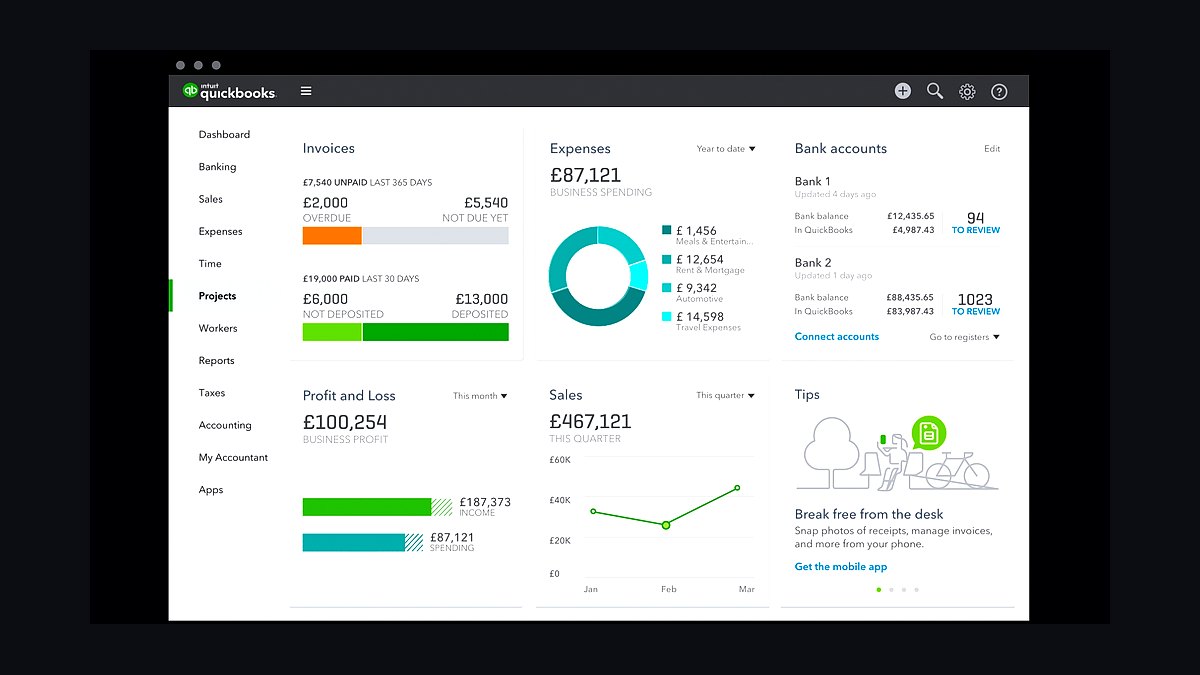
QuickBooks Online ranks ninth because it is the near-universal small-business ledger every field-service platform and bookkeeper integrates with, at roughly $35-$235/month. Jobber, Housecall Pro, and Service Autopilot all sync invoices and payments into it, so it is effectively non-negotiable for clean books and tax time. It also feeds the business-intelligence layer below it.
It is for every window cleaning business that wants invoices, deposits, and card payments reconciled in one ledger. It trades away trade-specific job costing, which is why operators still need an FSM feeding it job-level data. Compared with CallRail above it, QuickBooks is back-office hygiene rather than growth marketing, and it ranks lower only because it does not directly win jobs.
10Microsoft Power BI Reporting
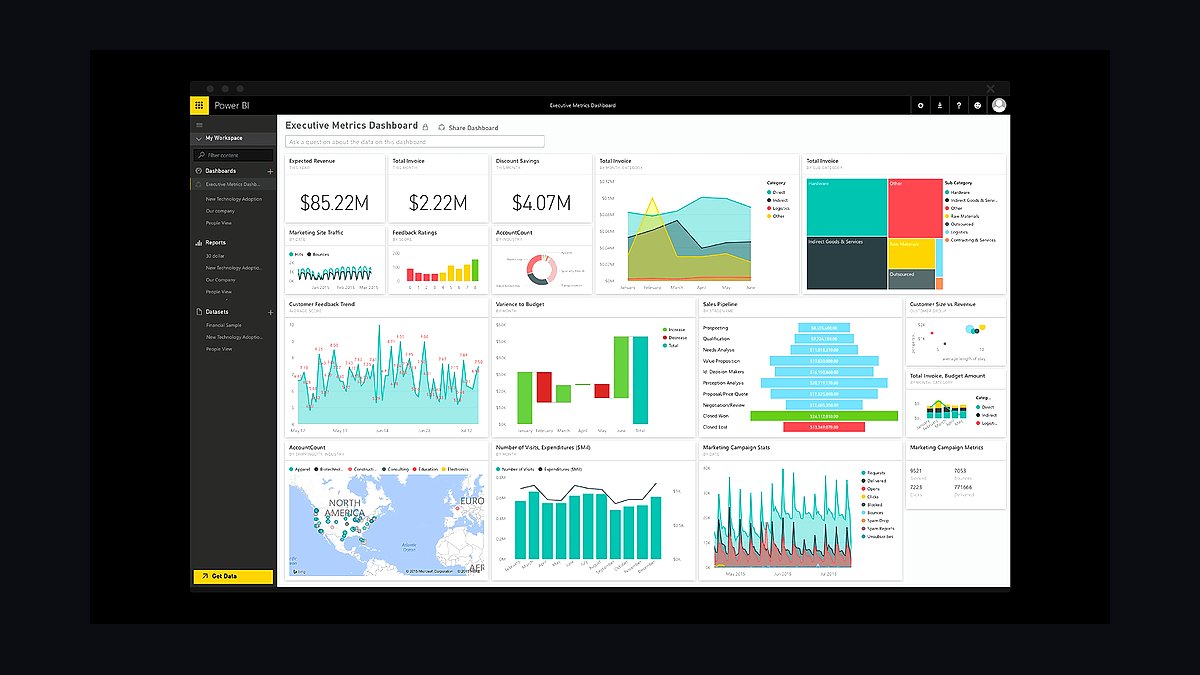
Microsoft Power BI ranks tenth because it is only needed once a company runs multiple crews and wants route profitability, recurring-plan retention, and marketing-channel ROI in one view. It costs about $14 per user per month and pulls from QuickBooks Online and the field-service platform. Google Looker Studio is the free alternate for lighter reporting needs.
It is for multi-crew operators and franchises making capital and routing decisions from data rather than gut feel. It trades away simplicity, since dashboards require setup and ongoing maintenance, and solo operators get no value from it. Compared with QuickBooks Online above it, Power BI is the analytics layer on top of the ledger, not the ledger itself.
How we ranked these
We ranked each tool on five weighted criteria: instant-quote conversion capability (30%), route-based and recurring scheduling fit (25%), review and local-marketing leverage (20%), integration depth with the rest of the stack (15%), and 2027 pricing transparency and scalability (10%). Scores came from vendor documentation, published pricing pages, and operator-reported close-rate and route-density outcomes across residential, commercial, and combo window cleaning businesses.
We deliberately ignored feature breadth, enterprise-grade customization, and vendor brand size. A window cleaner needs seven to ten tightly integrated products, not a fifteen-layer platform, so tools that win on checkbox count but lose on quoting speed or route logic were penalized. We also excluded generic appointment software, since it cannot handle recurring frequencies or geographic density, and any tool without verifiable public pricing or documentation.
Related questions
Why is instant online quoting more important than a CRM for window cleaning?
Homeowners buy window cleaning while intent is hot, often comparing three local companies in one sitting. A CRM stores leads but does not convert them; an instant quoting engine returns a real price and booking calendar in the same session. ResponsiBid was built for this trade, and operators routinely report close rates that roughly double a callback-and-estimate workflow.
Do I really need route optimization as a solo window cleaner?
Usually not at first. A single crew can schedule by hand and stay profitable if jobs are clustered loosely by neighborhood. Route optimization earns its roughly $39 per driver per month once you run two or more crews or dense recurring routes, where windshield time quietly eats margin. Below that threshold, the FSM's native routing is enough.
How do I convert one-time window cleans into recurring revenue?
Upsell a recurring frequency at the moment of booking, inside the instant quote itself, so the homeowner chooses quarterly or tri-annual before they ever see a crew. Then let the FSM auto-generate those recurring visits. A one-time clean is a transaction; a recurring plan is an annuity that compounds route density and predictable monthly revenue.
What is the minimum viable tech stack for a new window cleaning business?
Five tools: an FSM like Jobber or The Customer Factor for scheduling and invoicing, ResponsiBid for instant online quotes, NiceJob for automated review requests, QuickBooks Online for the books, and the FSM's built-in payment processor. That runs roughly $350 to $700 per month and covers quoting, scheduling, reviews, payments, and accounting without a route optimizer or BI layer.
Is ResponsiBid worth it if my FSM already has quoting?
Yes, for most residential window cleaners. Native FSM quoting handles basic estimates but lacks instant self-quote logic, photo-based bidding, and sequenced add-on upsells. ResponsiBid lets homeowners price gutters, pressure washing, and holiday lights themselves at quote time. It runs about $129 to $299 per month and is the most defensible single spend in the stack.
How important are Google reviews compared to paid advertising?
Reviews come first. Window cleaning is chosen from the map pack, and recent strong reviews drive that ranking more than ad spend does. An automated post-job review request through NiceJob or Podium, wired to Google Business Profile, compounds local visibility for free. Add Local Services Ads only after the review flywheel is running consistently.
When should a window cleaner add call tracking and business intelligence?
Add CallRail once monthly ad spend is real enough that you cannot guess which channel pays, typically two to six crews. Add Power BI or Looker Studio only when you run multiple crews and need route profitability, recurring-plan retention, and channel ROI in one view. Both are scaling layers, not day-one purchases.
Can one stack handle residential, commercial, and add-on services together?
Yes, if you choose an FSM that supports multiple service types and recurring templates. Jobber and Housecall Pro handle residential routes, commercial storefront dispatch, and bundled gutter or pressure-washing jobs in one system. Price every add-on inside ResponsiBid so homeowners upsell themselves, and keep commercial bidding and safety documents as a separate workflow.
FAQ
What is the best tech stack for a window cleaning service in 2027?
A small, integrated stack: an FSM like Jobber, Housecall Pro, The Customer Factor, or Service Autopilot for recurring route scheduling; ResponsiBid for instant online quoting; NiceJob or Podium for reviews; built-in payments or Stripe; and QuickBooks Online. Add OptimoRoute, CallRail, and Power BI only as crew count and ad spend grow.
How much should a window cleaning business spend on software?
Solo operators run roughly $350 to $700 per month. Mid-size companies with two to six crews spend about $1,200 to $3,500 monthly plus ad spend and processing fees. Multi-crew operators and franchises run $4,000 to $12,000 or more per month, with paid local ads and reputation management as the fastest-growing line items.
Does ResponsiBid integrate with Jobber and Housecall Pro?
Yes. ResponsiBid pushes booked jobs and selected add-ons directly into the FSM, so the client, job details, and scheduled visit land in Jobber or Housecall Pro without re-entry. That integration is why the instant bidder plus FSM pairing is the canonical window cleaning stack rather than two disconnected tools.
What is the difference between Jobber and The Customer Factor?
Jobber is a polished, general home-services FSM with strong client communication and mobile crew apps, running about $169 to $349 per month. The Customer Factor is a window-cleaning-native CRM built by an industry insider, roughly $57 per month flat, loved by route-based cleaners for scheduling and follow-up. Jobber scales broader; The Customer Factor fits trade-specific workflows.
How does route density affect window cleaning profitability?
Two customers eight miles apart can be less profitable than one recurring customer on an already-full route. Density cuts windshield time, lets crews finish more jobs per day, and makes recurring plans far more valuable. That is why route-aware scheduling and tools like OptimoRoute matter more here than in trades with fewer repeat visits.
Should I use Podium or NiceJob for reviews?
NiceJob is the lighter, cheaper pick at roughly $75 to $149 per month and is popular specifically with window cleaners for automated post-job review requests. Podium adds two-way SMS and webchat lead capture at $249 to $599 monthly for companies that want to text-sell. Start with NiceJob unless SMS selling is a core channel.
Do I need Service Autopilot if I already use Jobber?
Only once recurring quarterly and tri-annual plans across multiple crews outgrow Jobber's native recurring jobs. Service Autopilot automates recurring-visit generation, follow-up sequences, and dispatch logic at roughly $49 to $309 per month. Smaller operators can stay on Jobber; solo cleaners can use Markate as a budget alternate.
How do I attribute window cleaning leads to the right marketing channel?
CallRail tracks which inbound calls came from Local Services Ads, the website, or a yard sign, at roughly $50 to $145 per month. Pair it with Google Business Profile insights and LSA reporting. Without call tracking, phone-heavy window cleaning businesses cannot tell which channel actually pays, so ad budgets get spread blindly.
What accounting software works with window cleaning field service tools?
QuickBooks Online is the near-universal choice at roughly $35 to $235 per month. Jobber, Housecall Pro, and Service Autopilot all sync invoices and payments into it, and most bookkeepers already work in it. Treat it as non-negotiable; the FSM handles operations, QuickBooks handles the ledger and taxes.
When does a window cleaner need Power BI or Looker Studio?
Once you run multiple crews and want route profitability, recurring-plan retention, and marketing-channel ROI in one dashboard. Power BI runs about $14 per user per month and pulls from QuickBooks and the FSM; Looker Studio is the free alternate for lighter reporting. Below multi-crew scale, the FSM's built-in reports are sufficient.
Sources
- https://www.getjobber.com/pricing/
- https://www.housecallpro.com/pricing/
- https://www.responsibid.com/pricing/
- https://www.optimoroute.com/pricing/
- https://www.serviceautopilot.com/pricing/
- https://www.nicejob.com/pricing/
- https://www.callrail.com/pricing/
- https://quickbooks.intuit.com/pricing/
- https://powerbi.microsoft.com/en-us/pricing/
- https://www.google.com/business/
Related on PULSE
This page will be disappearing soon. Save it to your device for $1 — or read it free while it is here.
@Kory-White- · if Venmo asks, the last 4 of my number are 2012
This page is gone.
This one is off the shelf now. $1 keeps it on your phone for good — the whole page, pictures and diagrams included.
 pulse-tech-stacksTop 10 Best Tech Stack Tools for Small Pest Control Companies in 2027
 pulse-tech-stacksTop 10 Best Tech Stack Tools for Bars and Pubs in 2027
 pulse-tech-stacksTop 10 Best Tech Stack Tools for Audiology and Hearing Aid Practices in 2027
 pulse-tech-stacksTop 10 Best Tech Stack Tools for Threat Intelligence Vendors in 2027
 pulse-tech-stacksTop 10 Best Tech Stack Tools for Bot Mitigation Vendors in 2027
 pulse-tech-stacksTop 10 Best Tech Stack Tools for Tree Services in 2027
 pulse-tech-stacksTop 10 Best Tech Stack Tools for Independent Wholesale Distribution Businesses in 2027
 pulse-tech-stacksTop 10 Best Tech Stack Tools for Appliance Repair Services in 2027
 pulse-tech-stacksTop 10 Best Tech Stack Tools for Self-Storage Operators in 2027
 tkTop 10 Best Tech Stack Tools for Fencing and Deck Contractors in 2027