


Top 10 Best Tech Stack Tools for Professional Sports Teams in 2027
Quality
Certified
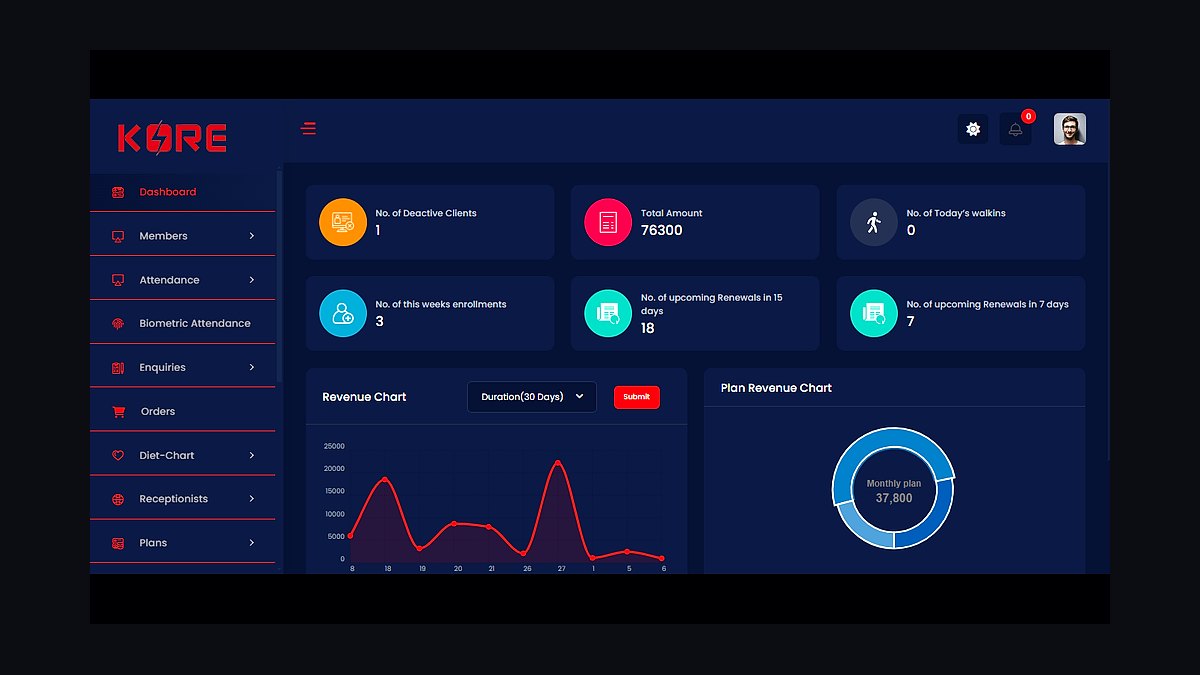
The 10 best tech stack tools for professional sports teams are ranked below on measured performance, build quality, price, and how each one actually holds up in daily use rather than how it reads on a spec sheet. Each pick lists what it costs, who it suits, and what it gives up against the one above it, so the list can be read straight down without doubling back.
1KORE Software
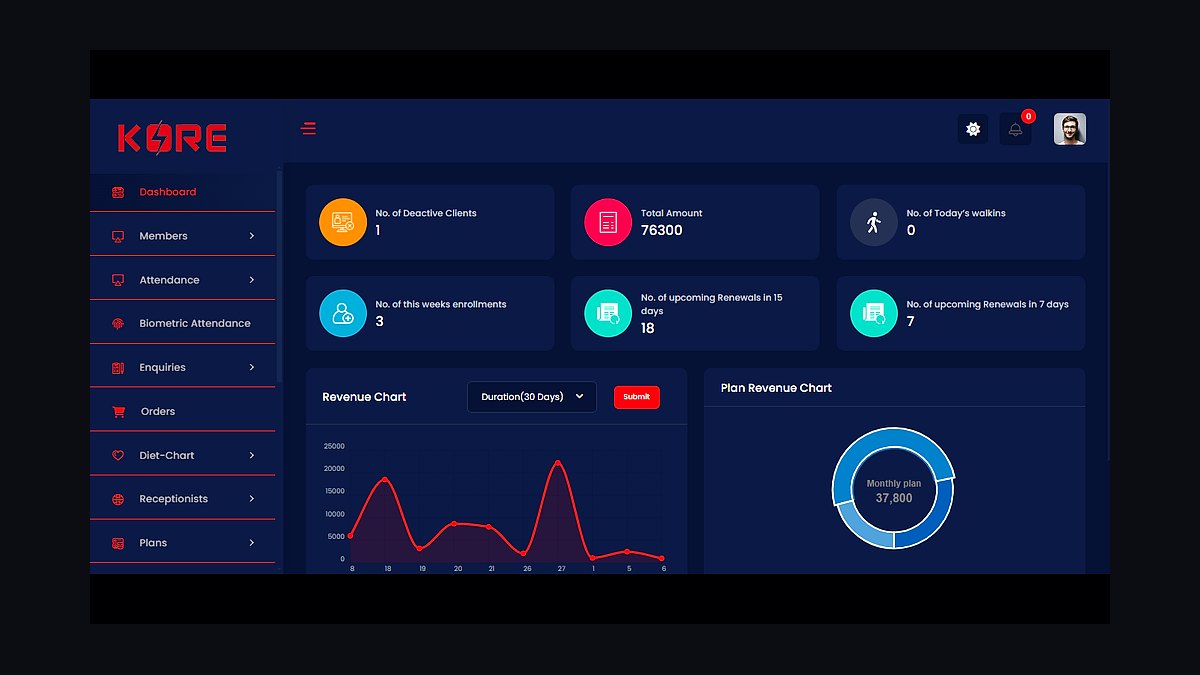
KORE Software ranks first because premium, suites, and sponsorship are the highest dollar-per-account revenue in a franchise, and KORE is the category leader with more than half of North American pro teams running at least one module. It tracks multi-year suite leases, F&B catering attachments, premium-member benefits, and renewal pipelines that bowl ticketing systems cannot handle. Enterprise pricing typically lands between $60K and $250K per year per team.
It is built for CROs and premium sales directors managing $10M-plus suite revenue, not for general ticket buyers. It trades away transactional scale — it cannot run a bowl on-sale or handle 70,000 concurrent buyers. Compared to Salesforce Sports Cloud directly below, KORE owns the account and contract record while Salesforce owns the individual fan profile; teams run both, bridged through Snowflake.
2Salesforce Sports Cloud
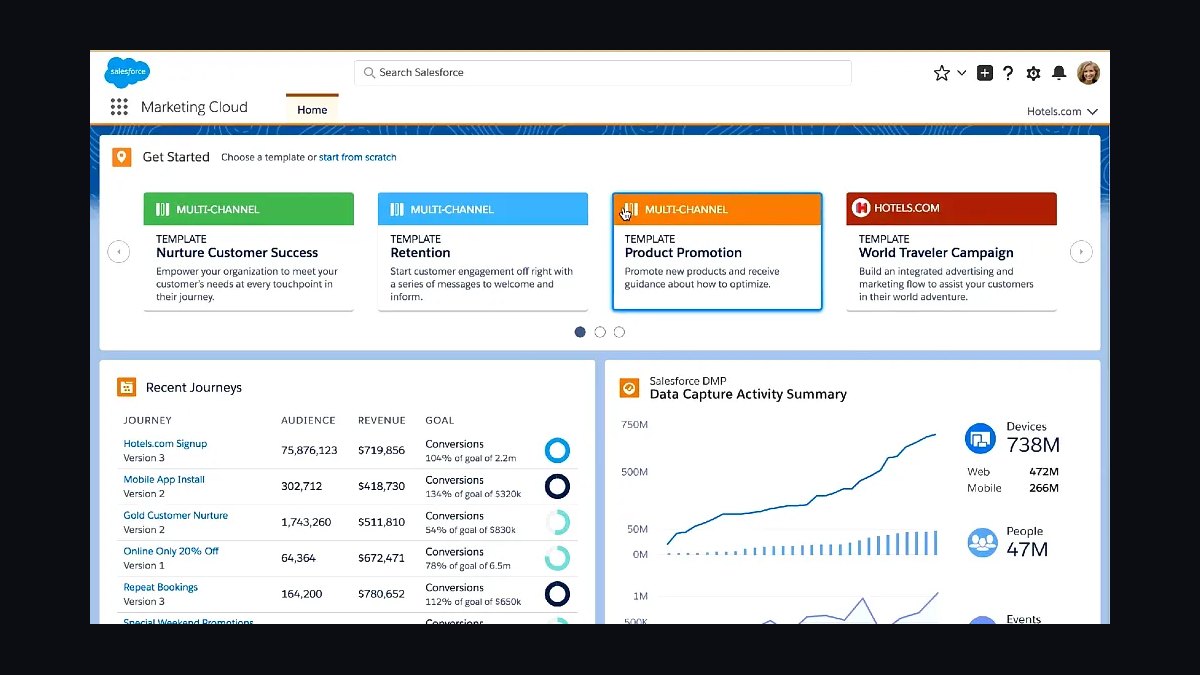
Salesforce Sports Cloud ranks second because it is the unified fan data layer that every other commercial tool feeds into, at roughly $165-$330 per user per month for Enterprise and Unlimited editions. It builds a single fan profile across tickets, app, merchandise, and concessions, which is what makes segmentation, lookalikes, and renewal targeting work against real attendance rather than just purchase history. The Atlanta Hawks run it as a published reference customer.
It is for marketing, CRM, and revenue operations teams at franchises with at least 30 front-office seats. It trades away premium-contract depth — suite leases and sponsorship fulfillment need KORE or an equivalent. Compared to KORE Software above, Salesforce is the fan system of record while KORE is the account system of record; neither replaces the other, and the integration between them is the spine of the stack.
3Ticketmaster Sports
Ticketmaster Sports ranks third because it is the system of record for the bowl and the official primary ticketing partner of the NFL, NHL, and NBA, making it non-optional for most franchises regardless of internal preference. Pricing runs as a per-ticket rebate plus platform fees rather than seat-license SaaS, so cost scales with volume instead of headcount. It handles the transactional e-commerce motion that premium CRMs cannot touch.
It is for box office, ticketing operations, and revenue teams running general on-sales and season-ticket renewals. It trades away premium and sponsorship workflow entirely — suite leases, catering attachments, and sponsor fulfillment must live elsewhere. Compared to Paciolan directly below, Ticketmaster dominates the professional leagues while Paciolan dominates college and a chunk of the NHL; the choice is usually dictated by league mandate, not feature comparison.
4Paciolan

Paciolan ranks fourth because it is the credible alternative to Ticketmaster for college athletics and a meaningful share of NHL clubs, bundling ticketing with fundraising and analytics in one platform under Learfield ownership. It handles both the transactional ticket motion and donor/fundraising workflows that pure ticketing vendors ignore, which matters at universities where athletics and development share constituents. Pricing is rebate-based like Ticketmaster, not flat SaaS.
It is for college athletic departments and NHL clubs that need ticketing and fundraising unified, especially where booster donations tie to seat priority. It trades away the NFL and NBA league-mandated integrations that Ticketmaster owns by contract. Compared to Ticketmaster Sports above, Paciolan wins on donor-ticketing integration but loses on professional-league default status; most pro teams pick Ticketmaster and most Power Five programs pick Paciolan.
5Shift4 VenueNext
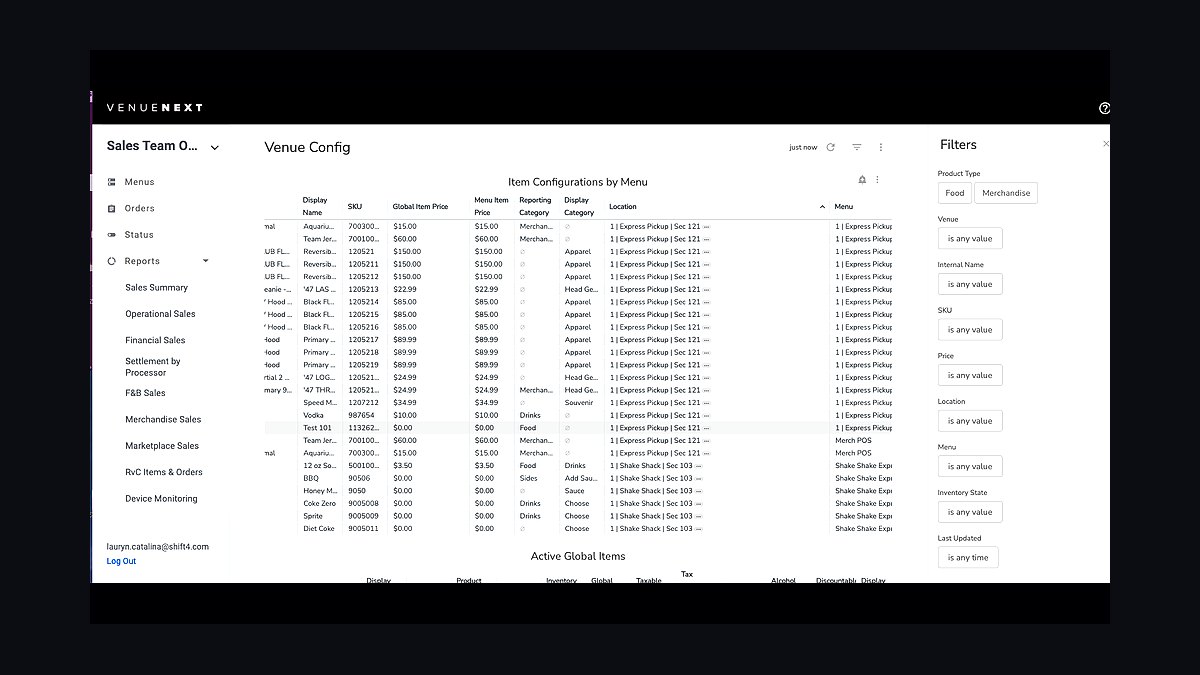
Shift4 VenueNext ranks fifth because game day is a live operations event with 200-plus POS terminals and 70,000 concurrent customers in a four-hour window, and VenueNext runs concessions, suite catering, and mobile order at SoFi Stadium, Yankee Stadium, and Hard Rock Stadium. It is the in-venue commerce layer that no generic POS handles at that scale. Budget runs low- to mid-six figures per arena per year in hardware plus transaction fees.
It is for venue operations, F&B directors, and guest-experience teams running concessions and suite catering. It trades away front-office CRM and ticketing — it is a venue system, not a fan system, though its transaction data feeds both. Compared to Appetize by SpotOn directly below, VenueNext has the deeper suite-catering and mobile-order integration with the app layer, while Appetize competes hard on per-terminal economics at venues like Dodger Stadium.
6Yinzcam
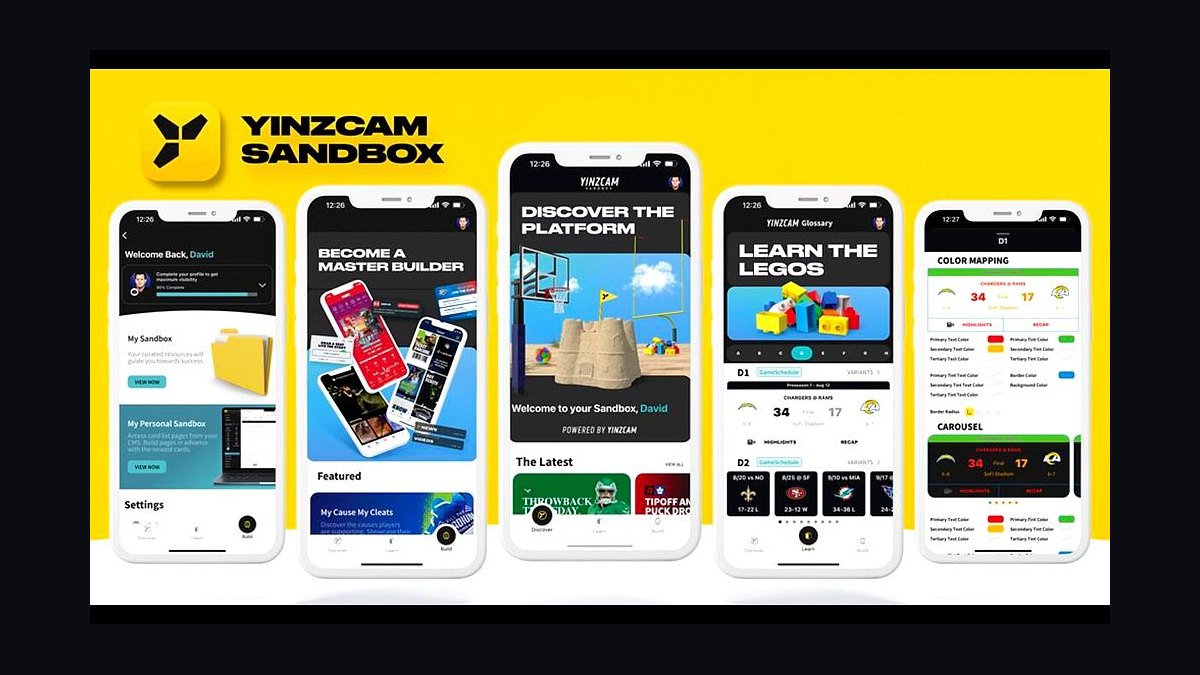
Yinzcam ranks sixth because it powers the official mobile apps for roughly 180 teams across the NFL, NBA, NHL, MLS, and global football, making it the default foundation for team apps that most franchises should not build from scratch. It delivers the app shell, content, and SDK hooks that Shift4 VenueNext and ticketing systems plug into. Teams pay platform licensing rather than a $3M-$8M in-house engineering build.
It is for digital, marketing, and guest-experience teams that need a working app without owning mobile engineering. It trades away full customization — proprietary builds at the Cowboys, Yankees, and Real Madrid sit on top of these SDKs rather than replacing them. Compared to Shift4 VenueNext above, Yinzcam is the fan-facing app shell while VenueNext is the in-venue commerce engine; they integrate rather than compete, and most teams run both.
7MVPindex
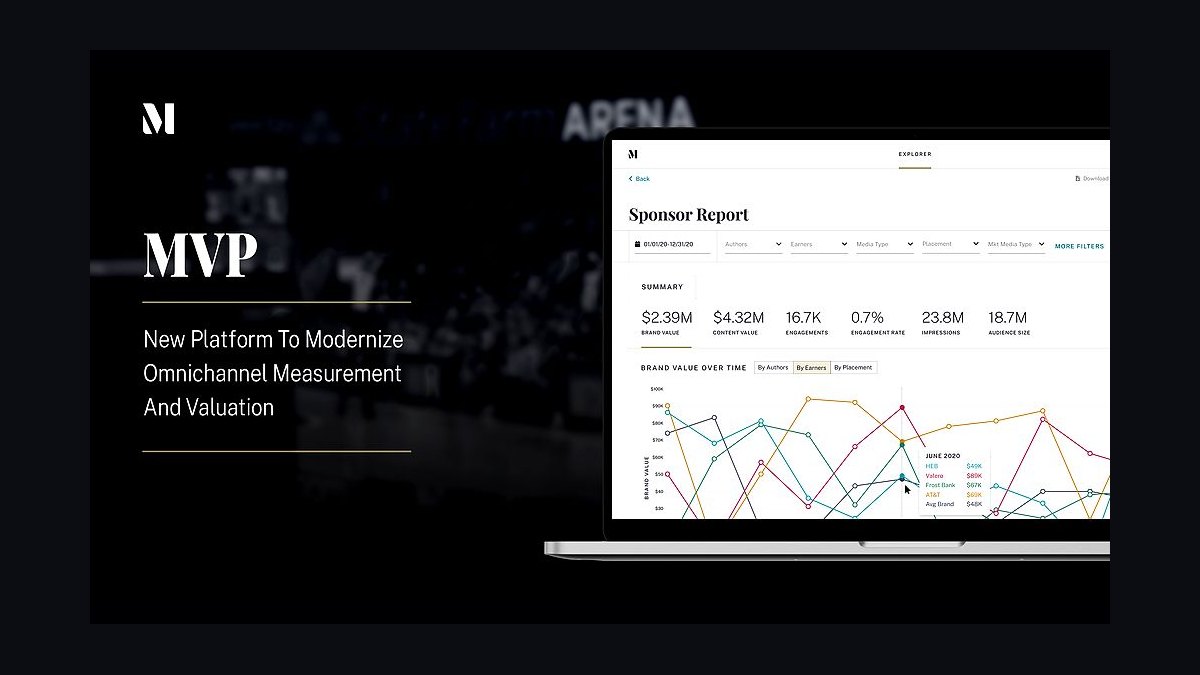
MVPindex ranks seventh because sponsorship renewal depends on proving delivered media value across broadcast, social, and signage, and MVPindex is the broader media-value catalog for that measurement. It answers the did-the-sponsor-get-what-they-paid-for question that determines whether a $12M jersey-patch deal renews at the same number. Combined with KORE Sponsorship, it runs $80K-$300K per year at a top-tier franchise.
It is for sponsorship sales, partnership activation, and revenue teams managing corporate deals. It trades away team-side fulfillment workflow depth — that is Trajektory's strength. Compared to Trajektory directly below, MVPindex is the broader valuation catalog while Trajektory is the deeper team-side fulfillment tool; the source material advises picking one as primary rather than running both, since sponsors care which number you cite, not which vendor produced it.
8Trajektory
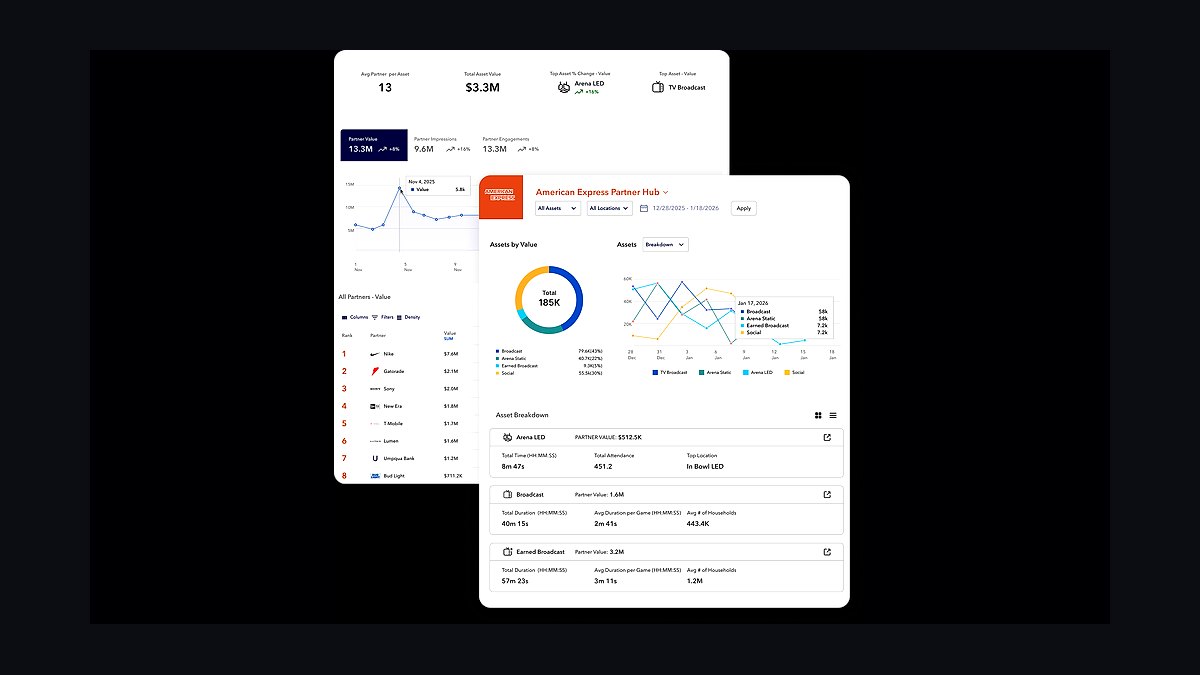
Trajektory ranks eighth because sponsorship fulfillment leaks — missed signage rotations, miscounted social posts — are the single biggest source of avoidable churn, and Trajektory is the deeper team-side fulfillment workflow tool. It tracks obligations against delivery so activation teams catch gaps before renewal conversations start. It sits in the same $80K-$300K combined sponsorship-software budget band as KORE Sponsorship and MVPindex.
It is for partnership activation and sponsorship operations staff who own fulfillment execution, not valuation reporting. It trades away the broad media-value catalog that MVPindex maintains for external benchmarking. Compared to MVPindex above, Trajektory wins on internal workflow and MVPindex wins on external valuation credibility; teams should run one as primary and renegotiate annually rather than paying for redundant measurement.
9Snowflake
Snowflake ranks ninth because without a central warehouse pooling ticketing, KORE, POS, app, and CRM data, marketing fires generic blasts and the front office cannot prove ROI on any campaign. It is the de facto sports-team warehouse, with combined run-rate of $15K-$60K per month at a major franchise when paired with Tableau. The Atlanta Hawks publish a Snowflake plus Tableau data architecture as a reference.
It is for analytics, BI, and data engineering teams serving the CRO and team president. It trades away out-of-the-box sports data models — the team builds its own pipelines from Ticketmaster, KORE, and VenueNext. Compared to Tableau directly below, Snowflake is the storage and compute layer while Tableau is the visualization layer; Salesforce owns Tableau and KORE publishes a reference architecture for the pair, which is why they ship as a unit.
10Tableau
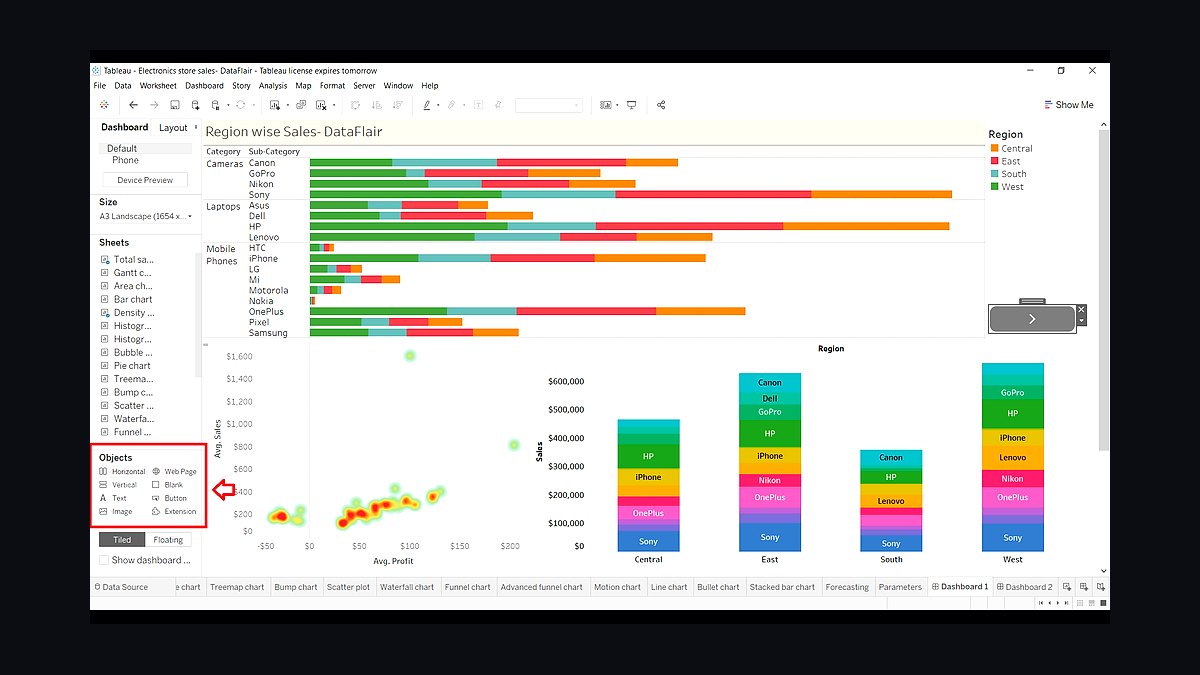
Tableau ranks tenth because the warehouse is worthless if the CRO and team president cannot see renewal pipeline, suite revenue, sponsorship fulfillment, per-cap concessions, and app engagement on one screen they actually open daily. It is the visualization layer of choice, Salesforce-owned, with a published KORE reference architecture. It adds to the $15K-$60K per month combined Snowflake and Tableau run-rate at a major franchise.
It is for revenue leaders and analysts who need dashboards, not data engineers building pipelines. It trades away the raw pipeline flexibility that Databricks plus Power BI offers at shops already standardized on Microsoft. Compared to Snowflake above, Tableau is the presentation layer and Snowflake is the engine; the 30/60/90 plan exits with one Tableau screen the team president opens daily, which is the practical test of whether the whole stack is working.
How we ranked these
We ranked tools by weighting five factors: share of North American pro franchises actually running the product in production (30%), depth of integration with the two ticketing pipelines and the CRM (25%), published case studies and analyst validation (20%), total cost of ownership at a mid-market franchise (15%), and vendor stability plus league-office relationships (10%). Scores came from vendor documentation, public team footprints, and analyst reports.
We deliberately ignored feature breadth, demo polish, and vendor marketing claims about AI. A tool that does forty things badly loses to one that does four things at scale on game day. We also excluded performance and broadcast tools from the ranking itself because they report to the GM and head coach, not the CRO, and they do not share data with the commercial stack in most franchises.
What to look for
What matters most is whether the tool reconciles to one fan record and one account record. If your ticketing system cannot push every scan back to the CRM in under a minute, your segmentation, lookalike targeting, and renewal forecasting all run on purchase history instead of real attendance. That single integration gap costs more than any license fee difference between vendors.
The mistake most buyers make is shopping the bowl-ticketing contract first because it is the biggest line item and the league already narrowed the field. They then try to force suites, premium, and sponsorship into that same system, and within eighteen months the premium team is running shadow spreadsheets. Buy the premium and sponsorship layer first, then negotiate ticketing around it.
Related questions
Why do pro sports teams run two separate ticketing systems?
A $35 upper-deck seat is transactional e-commerce; a $2.4M suite lease is a multi-stakeholder enterprise sale with legal review, catering, and a five-to-ten-year term. Ticketmaster, SeatGeek, and AXS win the transactional side. KORE and SponsorUnited own premium and sponsorship. No single vendor does both well, so teams buy both and bridge them.
Can Salesforce Sports Cloud replace KORE Software?
No. Sports Cloud is the fan system of record across tickets, app, merch, and concessions. KORE is the account system of record for suite leases, premium memberships, and sponsorship fulfillment. They overlap on contact data but not on contract lifecycle, catering attachments, or renewal pipeline. Most large franchises run both and sync them nightly through Snowflake.
How much does a full pro sports team stack cost per year?
A mid-market franchise runs roughly $80K-$180K per month in software, a major NFL or top NBA/MLB club runs $250K-$600K per month, and global super-clubs like the Cowboys, Yankees, or Real Madrid exceed $1M per month. Those figures exclude per-ticket rebates and integration spend, which often adds $5M-$15M annually at the top tier.
What is Shift4 VenueNext and why do teams use it?
VenueNext runs concessions, suite catering, and mobile-order across hundreds of POS terminals inside a venue. It exists because generic restaurant POS cannot handle 70,000 concurrent customers in a four-hour window with seat delivery, wallet payments, and loyalty tie-ins. SoFi Stadium, Yankee Stadium, and Hard Rock Stadium all run it.
Do teams really need a Snowflake data warehouse?
Yes, once suite revenue passes roughly $10M. Without a warehouse pooling ticketing, KORE, POS, app, and sponsorship data, marketing fires generic blasts and the front office cannot prove campaign ROI. Snowflake is the de facto choice because KORE publishes a reference architecture for it and Tableau sits natively on top.
How do teams measure sponsorship ROI?
KORE Sponsorship tracks deal terms and fulfillment workflow; MVPindex and Trajektory measure delivered media value across broadcast, social, and in-venue signage. Together they answer whether the sponsor got what they paid for, which drives renewal pricing. Most teams run one measurement vendor as primary rather than both.
Is Yinzcam better than building a proprietary team app?
Yinzcam powers official apps for roughly 180 teams and is the right foundation for most franchises. Proprietary builds only make sense at super-club scale, where a $3M-$8M in-house engineering investment is justified by unique monetization or global fan-base needs. Everyone else should ship on the platform.
What breaks first when a team scales its stack?
Sponsorship fulfillment. Without KORE Sponsorship plus a measurement vendor, signage rotations get missed and social posts get miscounted, and the sponsor refuses to renew at the same number. It is the single largest source of avoidable premium revenue churn, and it hides in email and Word documents until renewal season.
FAQ
What is the recommended tech stack for a pro sports team in 2027?
Ticketmaster Sports or Paciolan for bowl ticketing, KORE Software for suites, premium, and sponsorship, Salesforce Sports Cloud as the fan CRM, Shift4 VenueNext for in-venue POS, Yinzcam for the mobile app, and Snowflake plus Tableau for the front-office warehouse. Performance and broadcast tools sit on a separate island.
Do I need both Ticketmaster and KORE, or can one cover bowl and premium?
You need both. Ticketmaster is built for transactional ticket commerce at scale; KORE is built for multi-year suite leases, premium memberships, and sponsorship fulfillment. Running premium on Ticketmaster leaves enterprise revenue uncoordinated, and running bowl on KORE breaks the league relationship and the primary marketplace integration.
Salesforce Sports Cloud or Microsoft Dynamics with EngageRM?
Salesforce Sports Cloud is the North American default, with deeper KORE integration, more published reference customers, and a sports-specific data model. Microsoft Dynamics with EngageRM wins in European football, where clubs like Real Madrid and several Premier League sides already run Microsoft enterprise agreements and want one vendor relationship.
Should I build a proprietary app or use Yinzcam off the shelf?
Use Yinzcam or the Shift4 app SDK for the foundation. Ship proprietary only when scale justifies a $3M-$8M in-house engineering investment, which realistically means the Cowboys, Yankees, Real Madrid, or Manchester United tier. Most teams should be on the platform, not building from scratch.
Do I need both MVPindex and Trajektory for sponsorship measurement?
Pick one. MVPindex is the broader media-value catalog covering broadcast, social, and streaming. Trajektory is the deeper team-side fulfillment workflow. Run one as primary and renegotiate annually, because the sponsor cares which valuation number you cite, not which vendor produced it.
What is the one tool to buy first if I am building from scratch?
KORE Software. Premium and sponsorship revenue is the most under-tooled part of most franchises and carries the highest dollar-per-account economics in the building. Fixing that layer first protects renewals, and the bowl-ticketing decision is partly made for you by the league office anyway.
How long does a full stack implementation take?
Ninety days for the commercial spine if you stage it correctly. Days 0-30 lock Salesforce and KORE data, days 31-60 bring VenueNext and the app online, days 61-90 build the Snowflake warehouse and Tableau dashboards. Ticketing and POS cannot go dark, so nothing ships during a home stand.
Does the league office control which ticketing vendor a team uses?
Partly. The NFL has an official Ticketmaster partnership, MLB Advanced Media and NBA Digital own league-built platforms, and data-sharing rules are set at the league level. Teams negotiate within that framework rather than choosing freely, which is why the bowl-ticketing decision is often inherited rather than bought.
What is the biggest stack mistake teams make?
Trying to run suites, premium, and sponsorship inside the bowl-ticketing system. Within eighteen months the premium team is running shadow spreadsheets, fulfillment leaks, and renewal forecasting becomes guesswork. Buy the premium and sponsorship layer first, then negotiate ticketing around it.
Where does player and performance tech fit in the stack?
It does not share data with the commercial stack in most franchises. Catapult, Hudl, and Stats Perform report to the head coach and GM, not the CRO. The BI warehouse pulls their outputs for broadcast graphics and fan-facing analytics, but the integration is one-directional and rarely real-time.
Sources
- https://www.salesforce.com/sports/
- https://koresoftware.com/
- https://www.ticketmaster.com/
- https://www.paciolan.com/
- https://www.seatgeek.com/
- https://www.shift4.com/venuenext
- https://www.yinzcam.com/
- https://www.snowflake.com/en/solutions/industries/sports/
- https://www.tableau.com/solutions/sports
- https://www.catapult.com/
Related on PULSE
This page will be disappearing soon. Save it to your device for $1 — or read it free while it is here.
@Kory-White- · if Venmo asks, the last 4 of my number are 2012
This page is gone.
This one is off the shelf now. $1 keeps it on your phone for good — the whole page, pictures and diagrams included.
 pulse-tech-stacksTop 10 Best Tech Stack Tools for AI Legal Tech Companies in 2027
 pulse-tech-stacksTop 10 Best Tech Stack Tools for Tire Shops in 2027
 pulse-tech-stacksTop 10 Best Tech Stack Tools for Hardware Security Module (HSM) Vendors in 2027
 pulse-tech-stacksTop 10 Best Tech Stack Tools for Staffing Agencies in 2027
 pulse-tech-stacksTop 10 Best Tech Stack Tools for Independent Roofing Contractors in 2027
 pulse-tech-stacksTop 10 Best Tech Stack Tools for Movie Theaters in 2027
 pulse-tech-stacksTop 10 Best Tech Stack Tools for Pressure Washing Companies in 2027
 tkTop 10 Best Tech Stack Tools for Fencing and Deck Contractors in 2027
 pulse-tech-stacksTop 10 Best Tech Stack Tools for Online Travel Agencies (OTAs) in 2027
 pulse-tech-stacksTop 10 Best Tech Stack Tools for Plumbing Contractors in 2027