
The Supply Chain Visibility Stack: Track-and-Trace with Hyperledger Fabric, IoT, and SAP Integration
 Curated byKory White · Fractional CRO · Maryland
 PULSEKNOWLEDGE LIBRARY
Quality
Certified
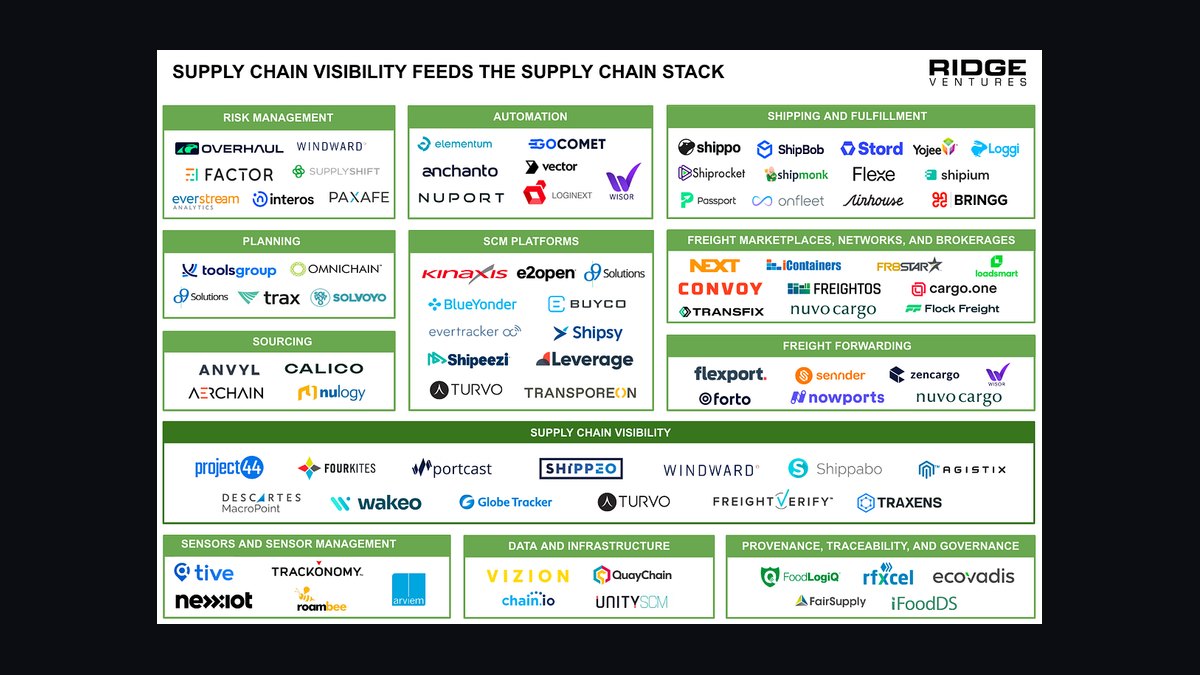
A track-and-trace stack unites Hyperledger Fabric for immutable ledger records, IoT sensors for real-time condition and location data, and SAP integration for ERP execution. Fabric channels isolate partner data, smart contracts enforce contractual thresholds, and SAP consumes events to trigger order updates, claims, and chargebacks. The result is verifiable proof of custody, condition, and compliance that shortens dispute cycles and protects revenue.
The two architectures compared: permissioned ledger plus ERP versus middleware-only visibility
The core decision is not whether to digitize supply chain events but where the source of truth lives. Two credible architectures dominate enterprise deployments, and they differ in trust model, cost curve, and integration surface.
Option A — Hyperledger Fabric as the shared ledger with SAP as the system of record for execution. In this model, each supply chain partner runs a Fabric peer on a permissioned channel. IoT gateways submit signed transactions containing sensor readings, custody handoffs, and geolocation. Chaincode validates each submission against contract thresholds—for example, a cold-chain clause requiring product to remain between 2°C and 8°C. Validated events are committed to the ledger, and SAP Integration Suite subscribes to those events through an event listener or API, then posts goods receipts, quality notifications, or chargeback requests into SAP S/4HANA. Fabric holds the evidentiary record; SAP holds the financial and operational record. Neither duplicates the other's authority.
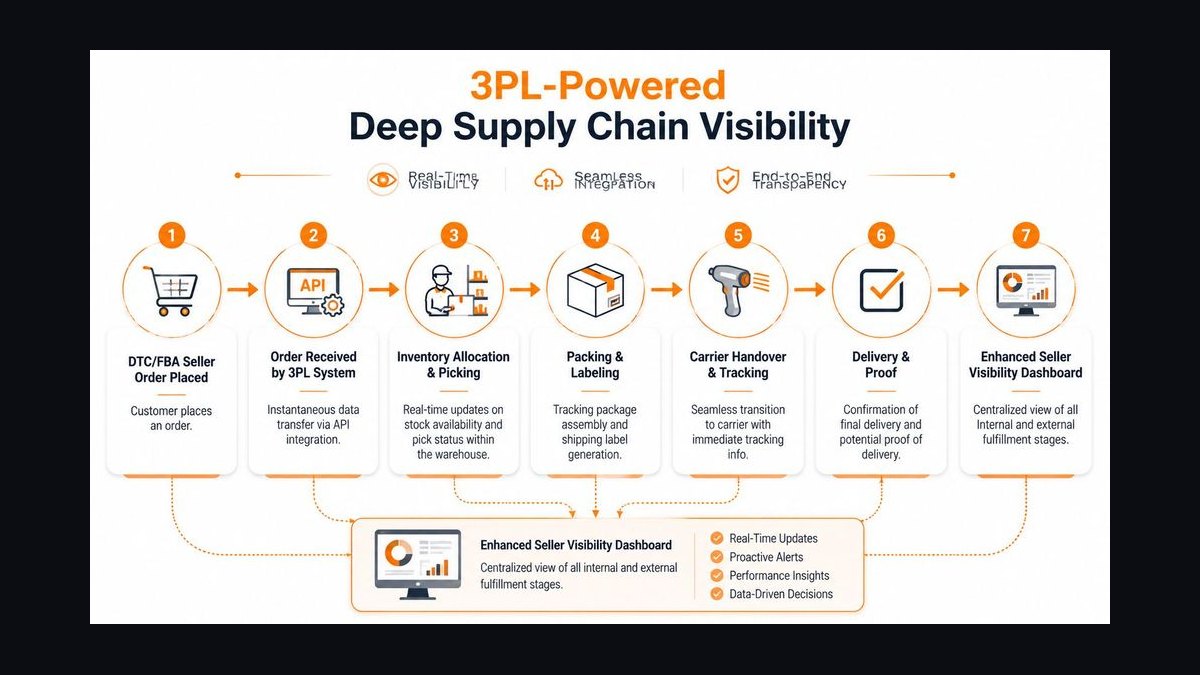
Option B — Middleware-only visibility, where an integration platform (iPaaS) aggregates IoT telemetry and ERP data without a distributed ledger. Here, an integration layer such as SAP Integration Suite, MuleSoft, or an event mesh collects sensor data via MQTT, normalizes it, and writes it into SAP and CRM systems. Trust is established through database audit logs, API authentication, and vendor attestations rather than cryptographic consensus. This is materially cheaper to stand up and requires no partner node infrastructure, but it concentrates trust in a single operator. When a dispute arises—say, a customer claims a shipment exceeded temperature limits and you claim it did not—the audit trail is only as credible as the party that controls the database.
The practical difference shows up in multiparty disputes. With Option A, each partner holds a replicated copy of the ledger and can independently verify that a temperature breach transaction was committed at a specific timestamp with a specific hash. With Option B, the customer must accept your logs. For low-value, low-dispute categories, Option B is usually sufficient. For high-value pharmaceuticals, perishables, hazardous materials, or any category with contractual penalties tied to condition, Option A earns its overhead.
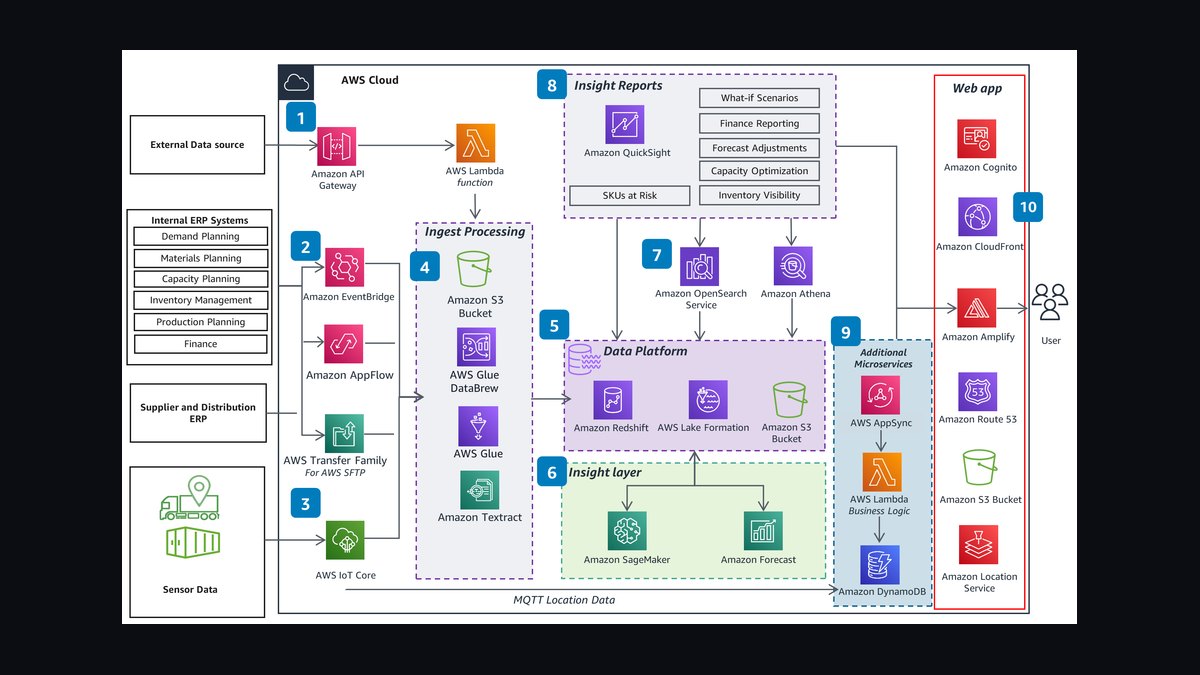
A hybrid pattern is common and worth naming: run Fabric for the 10–20% of shipments that carry penalty clauses or regulatory exposure, and run middleware-only visibility for the remainder. This keeps node operations and onboarding costs proportional to risk.
How to decide between them
The decision hinges on four variables: dispute frequency and value, number of counterparties who need independent verification, regulatory exposure, and internal integration maturity. If disputes are rare and counterparties trust your reporting, middleware-only wins on cost. If disputes are frequent, high-value, or involve regulators who require tamper-evident records, the ledger earns its keep.
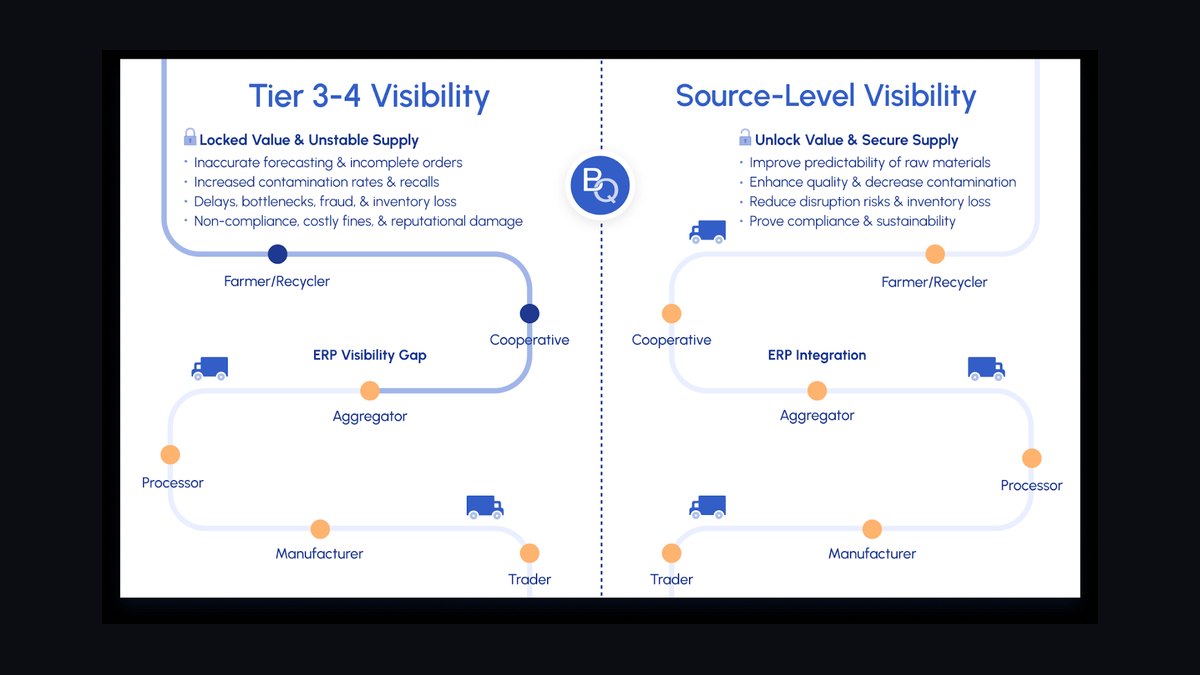
A useful threshold test: estimate annual penalty and chargeback exposure per product line. If that number exceeds roughly 1–2% of revenue for the line, and more than three external parties need to verify the same events, the ledger architecture typically pays back within 12–24 months through faster dispute resolution and reduced write-offs. Below that threshold, middleware-only is usually the rational choice.
The decision is reversible in one direction and expensive in the other. Starting with middleware-only and later adding Fabric means re-instrumenting data flows and renegotiating partner agreements to include node participation. Starting with Fabric and narrowing scope later is comparatively cheap—you simply stop onboarding new channels. When in doubt, pilot Fabric on your single highest-exposure lane rather than architecting for the whole network at once.
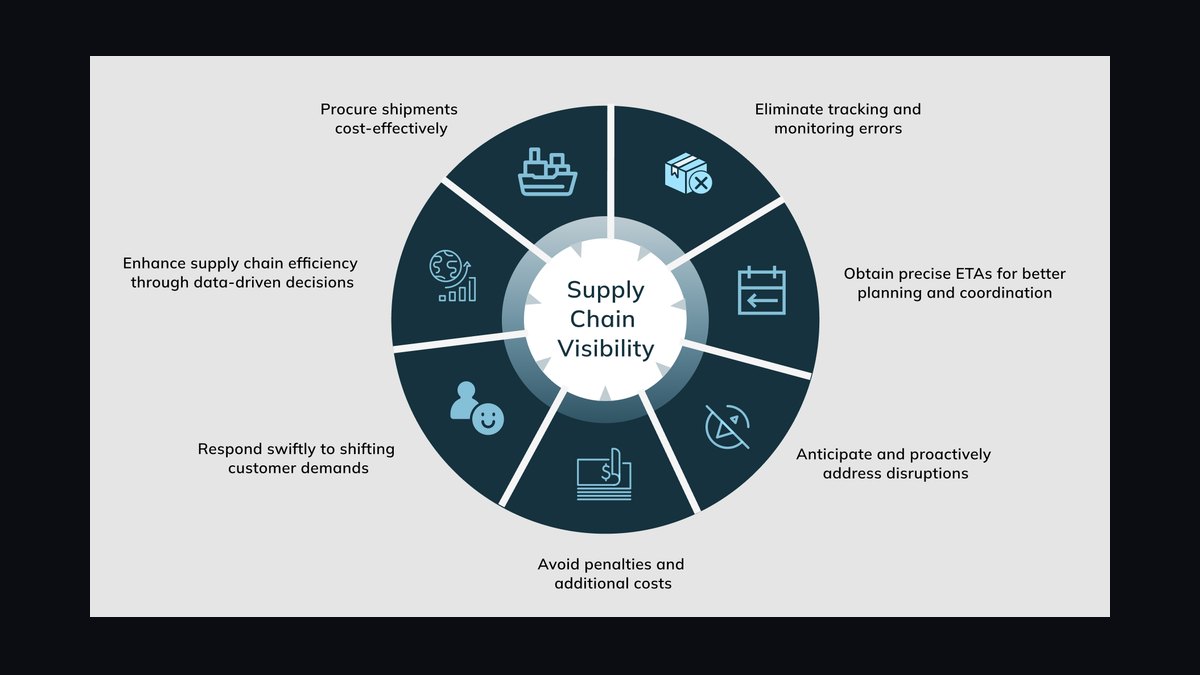
Concrete numbers behind each option
Cost and performance figures vary widely by scale, region, and vendor, so treat the following as planning ranges rather than quotes. They reflect commonly reported enterprise deployment patterns.
Option A — Fabric plus IoT plus SAP integration. Managed Fabric offerings (for example, Amazon Managed Blockchain or IBM Blockchain Platform) typically run $1,500–$4,000 per month per network for small peer sets, scaling with transaction volume and node count. IoT sensor hardware ranges from roughly $8–$15 per unit for basic temperature and humidity tags up to $40–$80 for cellular-connected GPS and multi-sensor units with multi-year battery life. Connectivity runs $1–$5 per device per month on LPWAN or cellular plans. SAP Integration Suite licensing is typically consumption-based, and a mid-market deployment with a handful of integration flows often lands in the $2,000–$6,000 per month range. A pilot on one product line with 200–500 sensors commonly totals $150,000–$400,000 in year one including integration development, and $8,000–$20,000 per month in run costs.
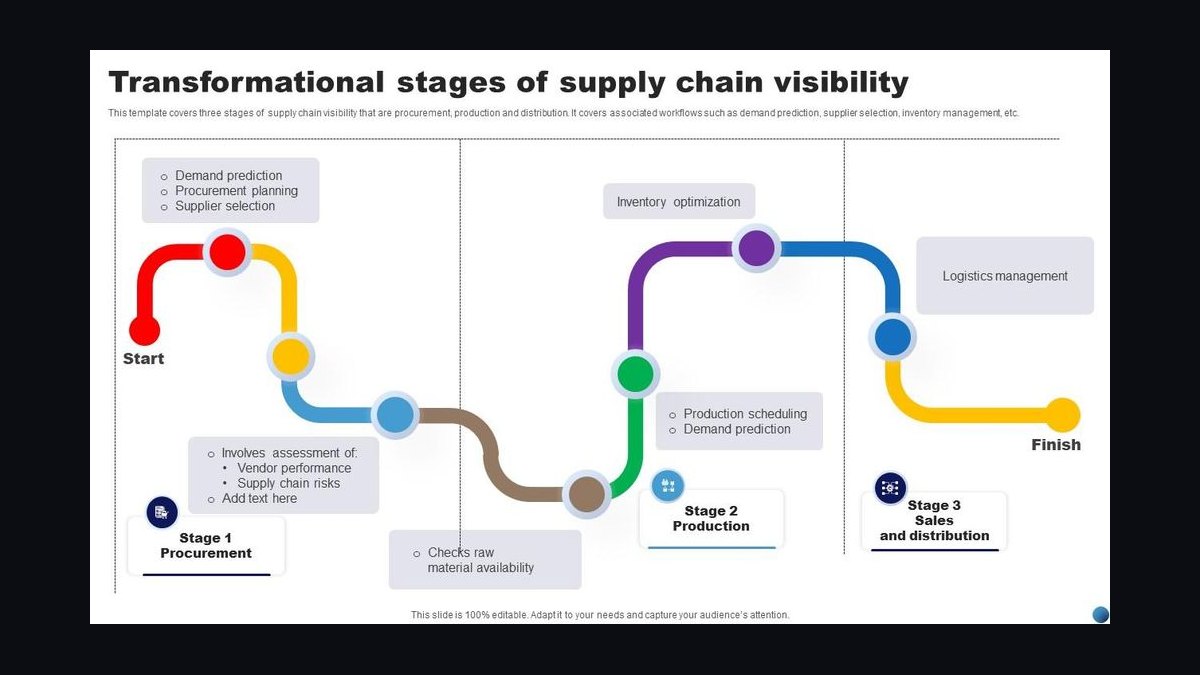
Option B — Middleware-only. Without ledger nodes and chaincode development, year-one costs typically drop 40–60%. A comparable pilot often lands at $60,000–$180,000 in year one, with run costs of $4,000–$12,000 per month. The savings come from eliminating chaincode development, peer operations, and partner onboarding workshops.
Throughput and latency. Hyperledger Fabric networks in production commonly sustain 1,000–3,500 transactions per second depending on endorsement policy, block size, and chaincode complexity, with commit latency in the low hundreds of milliseconds to a few seconds. That is far beyond typical supply chain event volumes—a network generating 10 million sensor events per month averages under 5 transactions per second—so throughput is rarely the binding constraint. The binding constraints are chaincode complexity, endorsement policy design, and the latency of downstream SAP postings.
Dispute and cash-cycle impact. Organizations that automate condition-based chargeback detection and link it to ERP financials commonly report dispute resolution compressing from weeks to days, and order-to-cash improvements in the range of 15–35% on instrumented lanes. Revenue leakage from uncollected penalties and manual write-offs typically falls by several percentage points of affected revenue. These gains come from automation and evidence quality, not from the ledger alone—the ledger makes the evidence defensible.
Integration cost delta. Pre-built connectors in SAP Integration Suite for event consumption reduce custom middleware effort substantially compared with hand-rolled listeners. Budget 20–30% of total project cost for integration development in Option A, and 30–45% in Option B, where the integration layer is doing more of the trust work.
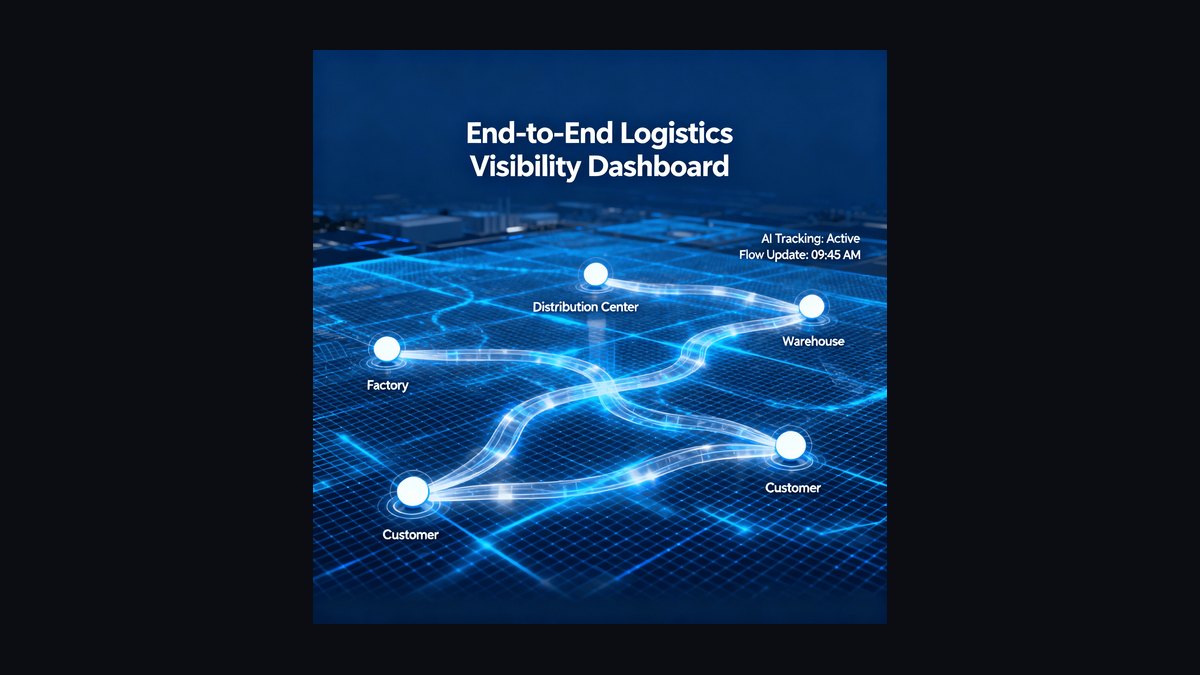
Implementation details and sequencing
Sequence matters more than architecture choice. Deploying chaincode before contract clauses are standardized, or sensors before data schemas are agreed, reliably produces rework.
Phase 1 — Contract and data mapping (weeks 1–6). Work with legal, procurement, and quality teams to extract the clauses that IoT data can actually monitor. Most enterprises find 8–15 monitorable clauses across a product line: temperature bands, humidity ceilings, shock thresholds, light exposure, custody handoff timestamps, and dwell-time limits. For each clause, define the sensor type, sampling frequency, threshold, breach duration, and consequence. Standardize payloads using GS1 EPCIS for event semantics and ISO 8000 principles for data quality. Every clause must map to a field in SAP (pricing condition, quality notification type, or chargeback reason code) and, if relevant, a CRM field.

Phase 2 — Pilot lane build (weeks 6–20). Stand up a single Fabric channel with two to four partners. Write chaincode for the mapped clauses only—resist adding clauses mid-build. Deploy sensors on one lane and validate that gateway aggregation, encryption, and submission work under real network conditions, including offline buffering when connectivity drops. Configure SAP Integration Suite to consume ledger events idempotently, using a unique transaction key to prevent duplicate postings during retries or ledger replays.
Phase 3 — Automation and CRM linkage (weeks 16–28). Wire breach events to automated outcomes: SAP quality notification, chargeback request, or corrective action order. Push a summary event to the CRM so opportunity records reflect supply chain risk. A common pattern is to reduce opportunity probability or flag the record for risk review when a breach occurs on an in-flight order.

Phase 4 — Scale and governance (month 7 onward). Onboard partners channel by channel. Establish a governance council covering chaincode change control, endorsement policy, sensor certification, and dispute escalation. Version chaincode explicitly and test upgrades on a staging channel before production.
Sequencing pitfalls worth naming. First, do not onboard more than a handful of partners before the chaincode stabilizes; every chaincode change requires coordinated upgrade across peers. Second, do not let sensor vendors dictate payload formats—normalize at the gateway. Third, do not skip idempotency in SAP postings; duplicate chargebacks erode finance team trust faster than almost any other failure. Fourth, budget 4–6 hours of role-based training per user for sales, finance, and operations staff who will read ledger-derived alerts. Fifth, define who owns a breach decision—automated chargeback versus human review—before go-live, not after the first dispute.

Related questions
What does Hyperledger Fabric actually contribute that a database cannot?
Tamper-evident replication across organizations. Each partner holds a verified copy of committed transactions, so no single party can alter history unilaterally. A conventional database can log the same events but requires counterparties to trust the operator's controls and audit access.
How many IoT sensors does a typical pilot need?
Most single-lane pilots instrument 200–500 units, covering one product family across one trade route. That volume is enough to surface data quality problems, gateway connectivity gaps, and false-positive breach rates before scaling to tens of thousands of units.
Does SAP integration require custom development?
Not entirely. SAP Integration Suite provides connectors and event consumption patterns that handle most ledger-to-ERP flows. Custom work is usually limited to mapping ledger event schemas to SAP business objects and implementing idempotent posting logic for chargebacks and quality notifications.
What is the biggest cause of failed deployments?
Scope inflation before the first lane works. Teams that add clauses, partners, and product lines before validating one complete loop—sensor to ledger to SAP to dispute outcome—consistently overrun timelines and lose executive sponsorship.
FAQ
How does Hyperledger Fabric handle confidentiality between competing supply chain partners? Fabric uses channels to partition the ledger. Each channel maintains its own transaction history and chaincode, visible only to members of that channel. A manufacturer and a logistics provider can share a channel without exposing pricing or volumes to a retailer on a separate channel. Private data collections add a finer layer, letting specific fields be shared with a subset of channel members while the hash of that data is committed to the main ledger for verification.
What happens when IoT connectivity drops mid-shipment? Edge gateways buffer readings locally and submit them once connectivity returns, with original timestamps preserved. Chaincode should validate that buffered submissions fall within acceptable staleness windows; readings older than a defined threshold—often 24 to 72 hours depending on the clause—can be flagged for review rather than auto-accepted. This prevents both data loss and retroactive manipulation.
Can this stack work without SAP S/4HANA? Yes. The integration pattern applies to SAP Business One, SAP Ariba, or even non-SAP ERPs. What matters is that the ERP can consume events through an API or message queue and post them to the correct business objects—quality notifications, goods receipts, credit memos, or chargeback documents. SAP Integration Suite is convenient because of pre-built connectors, but equivalent flows exist on other integration platforms.
How do you prevent duplicate chargebacks from ledger replays or retries? Assign every ledger event a deterministic unique key derived from the transaction ID and event sequence. The SAP posting step checks that key against a persistence table before creating a document. If the key exists, the posting is skipped and logged. This idempotency layer is non-negotiable in any deployment where financial documents are auto-created.
What sensor data is actually worth capturing? Start with the clauses that carry money: temperature, humidity, shock, light exposure, custody handoff time, and geolocation at handoff points. Continuous high-frequency telemetry on every axis generates storage and review burden without proportional value. Sampling frequency should be justified by the breach duration that triggers a penalty—if a contract penalizes excursions over 30 minutes, sampling every 15 minutes is sufficient.
How long until the stack shows measurable ROI? On a single instrumented lane with meaningful penalty exposure, most teams see dispute cycle time improvements within one to two quarters and measurable leakage reduction within three to four quarters. Full network ROI depends on how many lanes carry penalty clauses and how quickly partners onboard. Pilots that never expand beyond one lane rarely justify the platform investment.
Sources
- Hyperledger Fabric documentation
- Hyperledger Foundation use cases
- SAP Integration Suite product page
- GS1 EPCIS standard
- ISO 8000 data quality standard overview
- Amazon Managed Blockchain
- IBM Blockchain Platform
- MuleSoft Anypoint Platform
- MQTT specification
Related on PULSE
- [The Supply Chain Visibility Stack in 2027](/knowledge/tk0507)
- [The Apache Kafka and Flink Stack for Real-Time Supply Chain Visibility](/knowledge/tk0380)
- [The Best iPaaS and Integration Stack for Mid-Market SaaS in 2027](/knowledge/tk0483)
- [Cloud-Native Stack for Enterprise Supply Chain Management](/knowledge/tk0467)
- [The Rust-First Microcontroller Stack for Automotive IoT in 2027](/knowledge/tk0529)
This page will be disappearing soon. Save it to your device for $1 — or read it free while it is here.
@Kory-White- · if Venmo asks, the last 4 of my number are 2012
 pulse-tech-stacksThe Music Production Tech Stack: DAW Automation, Sample Management, and Collaboration with JUCE and Google Drive API
 pulse-tech-stacksTop 10 Developer Tools for Backend Engineers in Fintech in 2027
 pulse-tech-stacksHow do you get started with Tech Stacks in 2027?
 pulse-tech-stacksThe Open Source Stack for a Small Nonprofit CRM
 pulse-tech-stacksA Legal Tech Toolkit: Document Automation and Contract Analysis Using Python, Docassemble, and TextBlob
 pulse-tech-stacksRecommended Hardware and Software Stack for VFX Artists
 pulse-tech-stacksTop 10 Stack for Legal Document Automation Platforms in 2027
 pulse-tech-stacksTop 10 Automated Testing Frameworks for QA Engineers in E-commerce in 2027
 pulse-tech-stacksTop 10 Cross-Platform Tools for EdTech Mobile Apps in 2027
 pulse-tech-stacksTop 10 Cybersecurity Suites for Remote-First Legal Firms in 2027