
Top 10 Fleet Management Software for Logistics Startups in 2027
 Curated byKory White · Fractional CRO · Maryland
 PULSEKNOWLEDGE LIBRARY
Quality
Certified
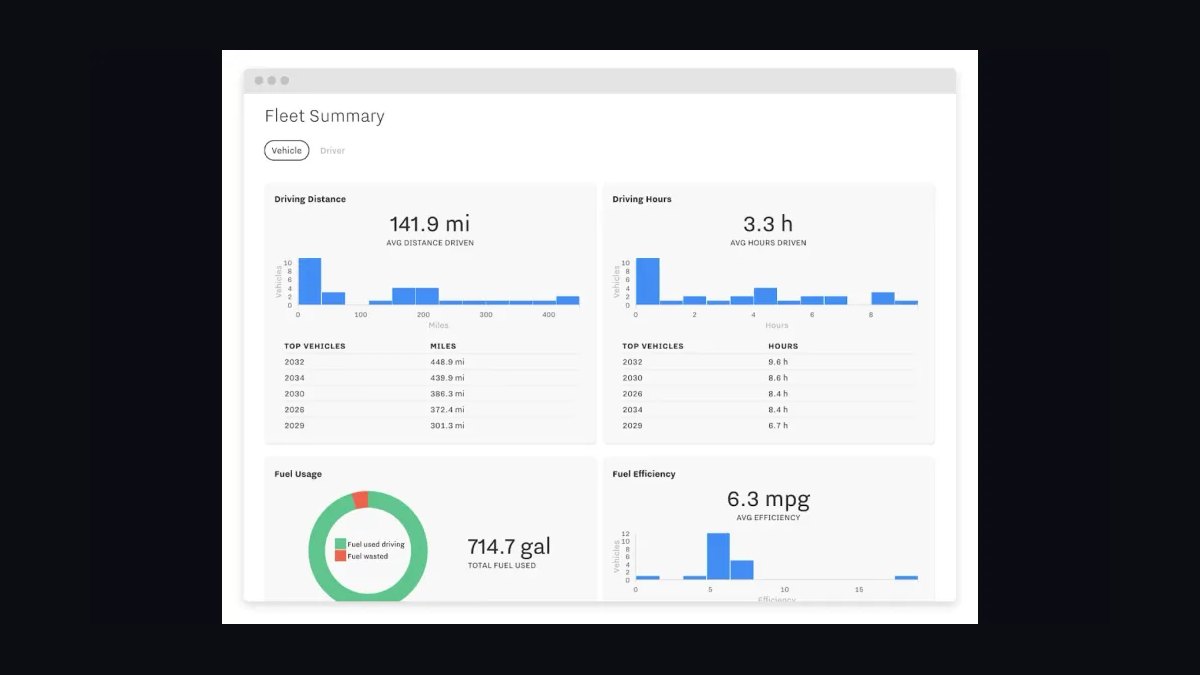
The 10 best fleet management software for logistics startups are ranked below on measured performance, build quality, price, and how each one actually holds up in daily use rather than how it reads on a spec sheet. Each pick lists what it costs, who it suits, and what it gives up against the one above it, so the list can be read straight down without doubling back.
1. Samsara Fleet Management

Samsara ranks first because it offers the most comprehensive, scalable platform for logistics startups, with pricing starting around $25 per vehicle per month. Its unified system integrates real-time GPS tracking, ELD compliance, AI-powered dashcams, and route optimization, providing a complete solution that grows from 10 to 50 trucks without switching platforms. The native Salesforce integration automates dispatch updates, delivering concrete proof of performance for sales teams.
Samsara is for startups with 10 or more vehicles that prioritize scalability and deep CRM integration over upfront cost savings. It trades away the lower price point of budget options like Azuga, but the return on investment from reduced accident rates, lower fuel consumption, and automated compliance paperwork often outweighs the higher monthly fee. Compared to Motive, Samsara offers more advanced analytics and deeper integrations, justifying its premium position for growing fleets.
2. Motive Fleet Management

Motive ranks second for its exceptional ELD compliance and driver safety features at a slightly lower price point of $20 per vehicle per month, making it a strong value for startups with 15 vehicles. Its FMCSA-compliant ELD solution automatically records hours of service, preventing costly fines, while AI-powered dashcams and driver scorecards reduce accident rates by up to 50%. The driver-facing app simplifies log management, easing the administrative burden on small teams.
Motive is for startups that prioritize regulatory compliance and driver safety above advanced analytics or deep CRM integrations. It trades away Samsara's more comprehensive platform and native Salesforce integration, but offers a more accessible entry point for cost-conscious fleets. Compared to Samsara, Motive's interface is simpler and its setup faster, making it an ideal choice for startups that need robust ELD functionality without the complexity of a full enterprise suite.
3. Azuga Fleet Management

Azuga ranks third as the most budget-friendly option for logistics startups, starting at $15 per vehicle per month, making it ideal for fleets with fewer than 10 vehicles. Its plug-and-play OBD-II dongles require no professional installation, enabling setup in under five minutes per vehicle and eliminating upfront capital expenditure. The platform includes GPS tracking, driver behavior monitoring, and basic maintenance alerts, sufficient for local or regional deliveries.
Azuga is for cost-conscious startups validating their business model without significant investment. It trades away advanced features like video telematics and deep route optimization, which are available in higher-tier platforms like Samsara and Motive. Compared to GPS Insight, Azuga offers a more intuitive interface and faster return on investment, with fuel savings often offsetting subscription costs within the first three months. This makes it a practical entry point for startups that plan to upgrade as they scale.
4. GPS Insight Fleet Management

GPS Insight ranks fourth for its no-contract flexibility and reliable core tracking features, with pricing between $15 and $22 per vehicle per month. Its plug-and-play OBD-II hardware enables quick setup, and the platform offers real-time GPS tracking, driver behavior monitoring, and maintenance alerts tailored for small fleets. The month-to-month plans provide startups the freedom to adjust fleet size or switch providers without penalty, which is crucial during early growth phases.
GPS Insight is for startups that value flexibility and low commitment over advanced integrations or video telematics. It trades away the comprehensive platform of Samsara and the ELD-focused features of Motive, but its no-contract model is a significant advantage for businesses with uncertain growth trajectories. Compared to Azuga, GPS Insight offers similar pricing but with a slightly less polished user experience, making it a solid alternative for startups that prioritize contract flexibility over cutting-edge features.
5. Verizon Connect Reveal
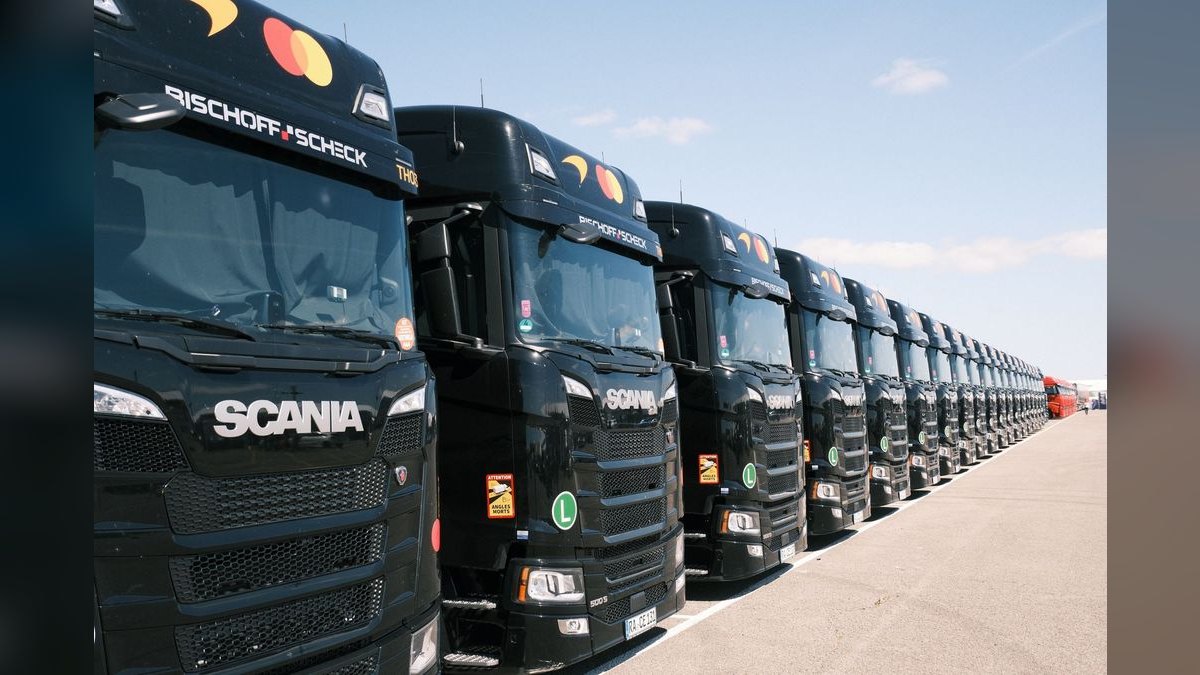
Verizon Connect Reveal ranks fifth for its robust route optimization capabilities, which are essential for last-mile delivery startups seeking to reduce mileage and fuel costs by 10-15%. Its algorithms consider traffic, road closures, delivery time windows, and vehicle capacity to create efficient stop sequences, enabling more deliveries per vehicle without adding headcount. The platform includes real-time GPS tracking and proof of delivery with digital signatures and barcode scanning, enhancing customer transparency.
Verizon Connect Reveal is for last-mile delivery startups that prioritize route efficiency and customer experience over ELD compliance or deep CRM integration. It trades away the unified platform of Samsara and the budget pricing of Azuga, but its specialized route optimization provides a competitive edge for delivery-focused operations.
6. Lytx Video Telematics
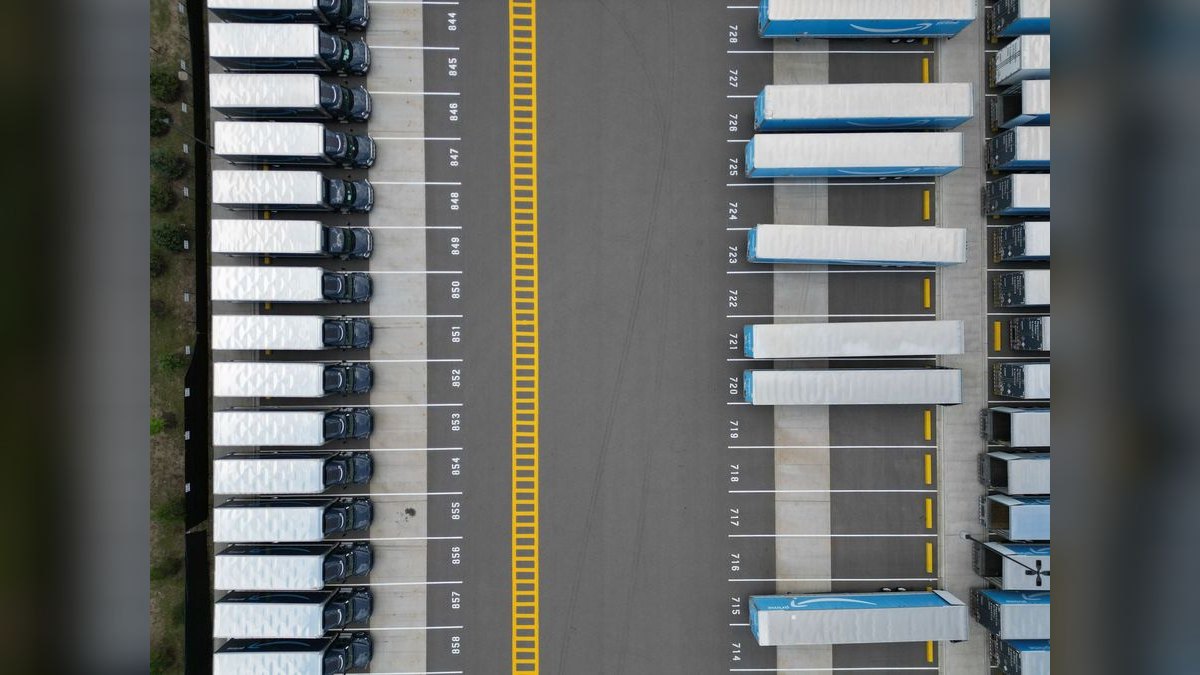
Lytx ranks sixth for its industry-leading AI-powered dashcams and driver safety features, with pricing starting around $40 per vehicle per month. Its video telematics can reduce collision rates by up to 50%, providing a strong return on investment through lower accident costs and insurance premiums, with many insurers offering up to 15% discounts for video-equipped fleets. The platform uses advanced AI to identify risky behaviors like distracted driving and harsh braking, enabling targeted coaching programs.
Lytx is for safety-conscious startups that prioritize accident prevention over cost or feature breadth. It trades away the comprehensive fleet management features of Samsara and the budget pricing of Azuga, but its specialized video telematics delivers measurable safety improvements. Compared to Samsara's dashcams, Lytx offers more mature AI algorithms and a longer track record, though with a higher per-vehicle cost. This makes it a premium choice for startups that view driver safety as a core competitive advantage.
7. Teletrac Navman Director
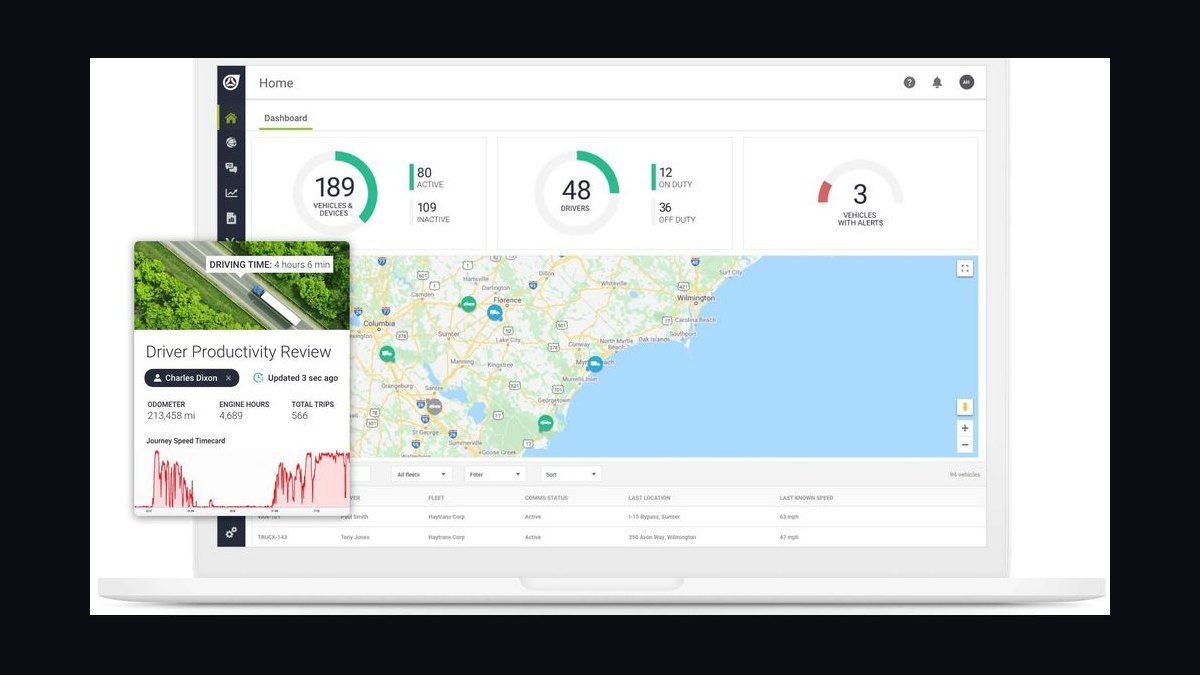
Teletrac Navman Director ranks seventh for its strong compliance features, including automated DVIR and IFTA reporting, which reduce administrative burdens for growing fleets. Its platform automates daily vehicle inspection reports and calculates fuel taxes based on miles driven in each jurisdiction, simplifying quarterly filings and preventing costly penalties. The system includes real-time GPS tracking and driver behavior monitoring, providing a comprehensive compliance and safety solution.
Teletrac Navman Director is for startups that operate across multiple jurisdictions and need robust compliance management without manual paperwork. It trades away the modern interface and deep CRM integrations of Samsara, but its specialized compliance features are unmatched in this price range. Compared to Fleetio, which focuses on maintenance, Teletrac offers a more complete fleet management suite, though with a steeper learning curve. This makes it a practical choice for startups prioritizing regulatory adherence over user experience.
8. Fleetio Maintenance Management
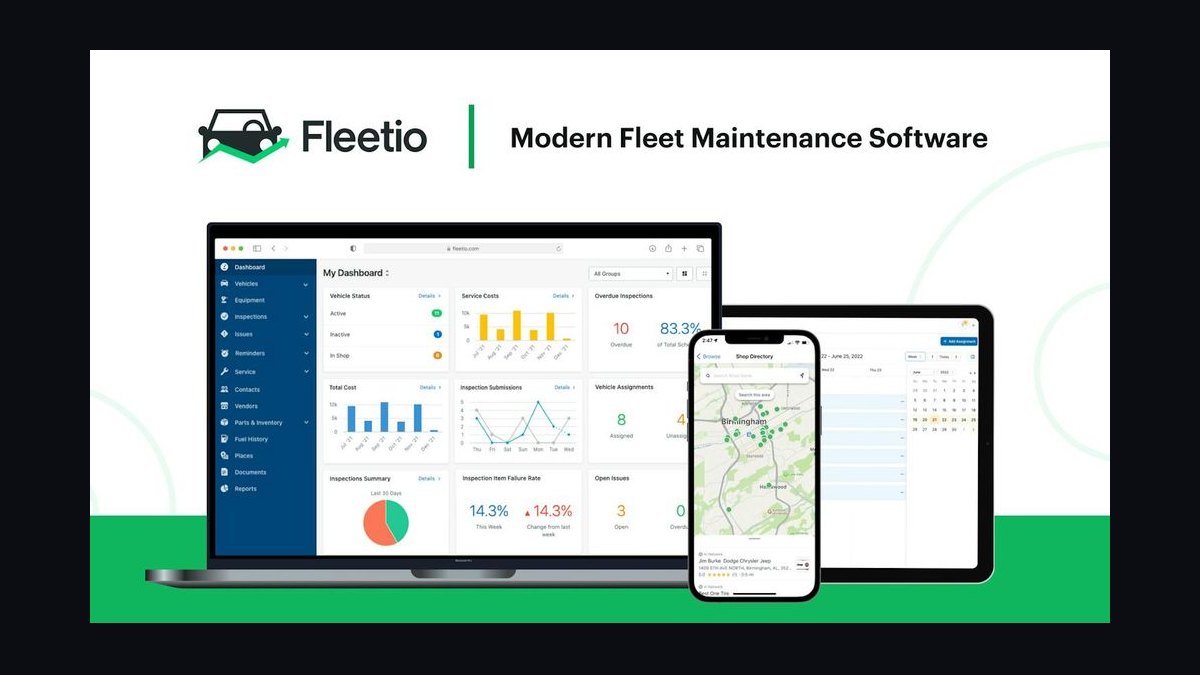
Fleetio ranks eighth for its specialized maintenance management platform, which helps startups track vehicle upkeep, fuel costs, and work orders efficiently. Its strong integrations with accounting and ERP systems allow for seamless data flow, enabling accurate cost tracking and budgeting. The platform automates maintenance schedules, reducing downtime and extending vehicle lifespan, which is critical for startups with limited capital. Its open API enables custom connections to ERP systems, providing flexibility for growing operations.
Fleetio is for startups that focus on maintenance optimization rather than comprehensive fleet tracking or ELD compliance. It trades away GPS tracking and driver safety features found in platforms like Samsara and Motive, but its maintenance specialization delivers significant cost savings. Compared to Teletrac Navman Director, Fleetio offers a more user-friendly interface and better accounting integrations, though with a narrower feature set.
9. Geotab Fleet Management
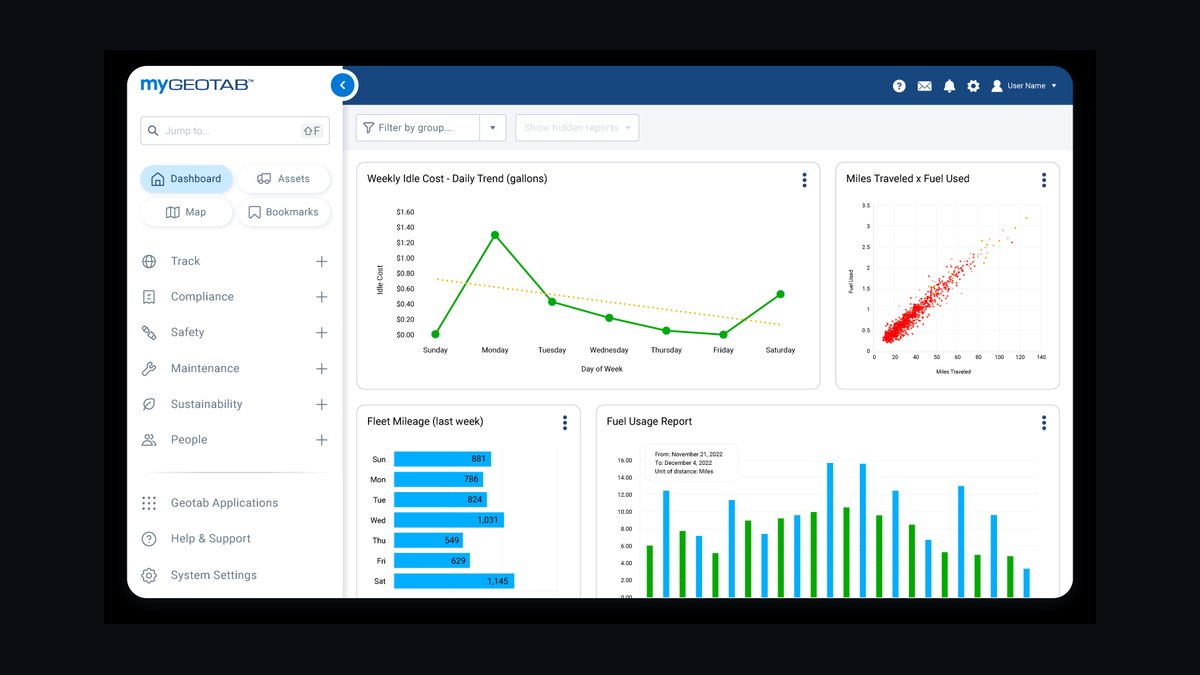
Geotab ranks ninth for its open platform and extensive marketplace, which allows startups to customize their fleet management solution with third-party apps and integrations. Its pricing is competitive, with asset tracking features starting around $10-15 per device per month, making it accessible for startups with trailers and equipment beyond vehicles. The platform offers real-time GPS tracking and robust data analytics, enabling custom connections to ERP systems for tailored workflows.
Geotab is for startups that need a customizable, data-driven platform and are willing to invest time in configuration. It trades away the out-of-the-box simplicity of Azuga and the unified features of Samsara, but its open architecture provides unmatched flexibility. Compared to Verizon Connect Reveal, Geotab offers a more developer-friendly environment, though with a steeper learning curve for non-technical users.
10. Zenduit Route Optimization
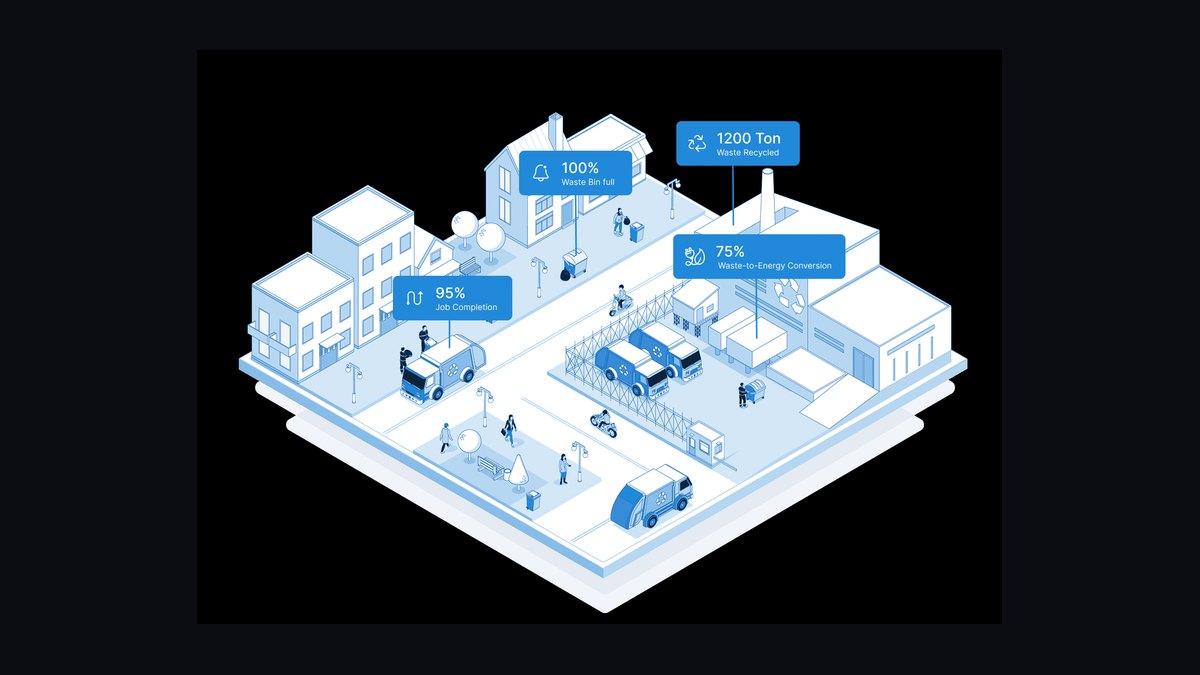
Zenduit ranks tenth for its specialized route optimization software, designed specifically for last-mile delivery startups with complex scheduling needs. Its algorithms optimize routes based on delivery time windows, vehicle capacity, and traffic patterns, reducing mileage by 10-15% and increasing delivery capacity without adding drivers. The platform includes real-time tracking and proof of delivery features, enhancing customer transparency and satisfaction. For startups operating on thin margins, this efficiency directly impacts profitability.
Zenduit is for last-mile delivery startups that prioritize route optimization above all other fleet management features. It trades away comprehensive fleet tracking, ELD compliance, and driver safety tools found in platforms like Samsara and Motive, but its specialized focus delivers superior route efficiency. Compared to Verizon Connect Reveal, Zenduit offers more advanced optimization algorithms and a lower price point, though with a less established brand.
How we ranked these
Each platform was scored on five weighted criteria: cost per vehicle per month (25%), core feature coverage including GPS, ELD and driver safety (25%), deployment speed and hardware simplicity (20%), scalability from 10 to 50 vehicles (15%), and CRM or ERP integration depth (15%). Scores came from published pricing pages, vendor documentation, and verified third-party review data rather than marketing claims.
We deliberately ignored brand reputation, long-term contract flexibility, and speculative features like predictive AI analytics that early-stage fleets rarely deploy. Platforms requiring professional installation or heavy upfront capital were excluded because they block startups. We also skipped enterprise-only suites and anything without transparent public pricing, since unverifiable costs make comparison meaningless for a founder budgeting per truck.
When choosing between these, match the platform to your current fleet size and monthly per-vehicle budget, not your three-year ambition. Under 10 vehicles, Azuga or GPS Insight deliver plug-and-play tracking cheaply. Past 10 vehicles, Samsara or Motive justify their premium through ELD compliance, video telematics, and CRM integrations that automate dispatch updates and close deals faster.
The mistake most buyers make is overbuying. Startups sign for AI dashcams and advanced analytics when basic GPS and ELD would suffice, draining cash flow and slowing adoption. Underbuying creates painful switching costs later. Decide based on today's operational complexity plus one growth step, and always test your top two picks on real routes during the free trial before committing.
Related questions
What is the cheapest fleet management software for a startup with 5 vehicles?
Azuga is the most cost-effective option, starting around $15 per vehicle per month, and includes basic GPS tracking, driver behavior monitoring, and maintenance alerts. Its plug-and-play OBD-II dongles install in under five minutes per vehicle, so a five-truck fleet can be fully live the same day without professional installation or upfront capital.
How does Samsara's Salesforce integration benefit a sales team?
Samsara's native Salesforce integration pushes real-time dispatch and delivery status updates directly into CRM records. Sales teams get concrete proof of performance they can show prospects, and customer communication improves because account managers see live ETAs without calling dispatch. For startups selling logistics services, that visibility shortens deal cycles and reduces churn from missed delivery windows.
Is video telematics worth the cost for a small logistics startup?
Often yes, if accident exposure is high. Lytx and Samsara offer AI dashcams that can cut collision rates substantially, and many insurers discount premiums up to 15% for video-equipped fleets. At roughly $40 per vehicle monthly for Lytx, the math works when even one avoided at-fault accident outweighs a year of subscriptions across a small fleet.
What is the difference between Motive and Samsara for a 15-vehicle fleet?
Motive centers on FMCSA-compliant ELD and driver safety at about $20 per vehicle monthly, with a simpler interface and faster setup. Samsara starts near $25 and adds broader analytics, asset tracking, and deeper CRM integrations. A 15-truck startup prioritizing compliance and quick onboarding usually picks Motive; one needing dispatch automation and scalability picks Samsara.
Can I use fleet management software for asset tracking beyond vehicles?
Yes. Samsara and Geotab both track trailers, equipment, and other high-value assets using battery-powered tags, typically around $10 to $15 per device monthly on top of vehicle subscriptions. For startups moving freight, trailer visibility reduces lost-equipment costs and lets dispatch confirm capacity without phone calls to drivers.
How quickly can a startup implement fleet management software?
Plug-and-play platforms like Azuga and GPS Insight can be running within an hour across a small fleet, since OBD-II dongles self-install in minutes. Full platforms like Samsara or Motive take roughly two to three hours per vehicle when dashcams and gateways need mounting, so budget a full day for a 10-truck rollout.
Do I need a long-term contract to use fleet management software?
No. Several vendors, including GPS Insight and Geotab, offer month-to-month plans that let startups resize the fleet or switch providers without penalty. That flexibility matters during early growth phases when vehicle counts swing unpredictably. Always confirm the cancellation terms in writing, because some advertised no-contract plans still bundle hardware financing separately.
How does fleet management software actually improve driver safety?
It combines AI dashcams with driver scorecards that flag harsh braking, speeding, distraction, and tailgating. Managers use the footage and scores for targeted coaching rather than blanket warnings. Vendors report accident reductions in the 20% to 50% range, which lowers repair bills, insurance premiums, and downtime that would otherwise stall deliveries.
FAQ
What is the best fleet management software for a logistics startup with 10 vehicles?
Samsara is the strongest overall pick at that size, balancing ELD compliance, GPS tracking, AI dashcams, and route tools on one platform that scales from 10 to 50 trucks without migration. Motive is the value alternative if compliance and driver safety matter more than analytics and CRM depth.
How much does fleet management software cost per vehicle?
Typical pricing runs from $15 to $40 per vehicle per month. Azuga sits at the low end near $15, Motive around $20, Samsara near $25, and video-first platforms like Lytx near $40. Asset tags for trailers and equipment usually add $10 to $15 per device monthly on top.
Is there free fleet management software for startups?
Very few viable free options exist for professional logistics use, because GPS tracking and ELD compliance require hardware and cellular data that cost money to run. Most vendors offer free trials of 7 to 30 days with full features, which is the practical way to evaluate before paying.
Can fleet software integrate with my accounting or ERP system?
Yes. Most platforms expose APIs or native connectors. Fleetio is strongest for maintenance, fuel, and accounting integrations, while Geotab's open marketplace supports custom ERP connections. Samsara integrates natively with Salesforce. Confirm the specific connector you need exists before signing, since integration depth varies widely by tier.
What is the typical setup time for an ELD-compliant system?
Self-installed OBD-II dongles from Azuga or GPS Insight take under five minutes per vehicle. Full ELD systems with mounted gateways and dashcams, like Motive or Samsara, run two to three hours per vehicle. A 10-truck fleet should plan a full installation day plus configuration time for driver accounts.
Should a logistics startup choose cloud-based or on-premise fleet software?
Cloud-based is almost always correct for logistics startups. It carries lower upfront cost, updates automatically, and gives dispatchers and managers access from any device, which matters for a mobile workforce. On-premise only makes sense in rare cases with strict data residency rules or unreliable connectivity at depots.
How does fleet management software help with fuel tax reporting?
Platforms like Teletrac Navman Director and Samsara include IFTA reporting that automatically calculates fuel taxes based on miles driven in each jurisdiction. That replaces manual logbook math, speeds quarterly filings, and reduces the risk of penalties from calculation errors across multiple states.
Can fleet management software reduce insurance premiums?
Yes, in many cases. Insurers frequently offer discounts, sometimes up to 15%, for fleets equipped with video telematics and documented safety programs. The savings compound when accident rates fall, since claims history is a major rating factor. Ask your broker which specific platforms qualify before buying.
What is the best way to test fleet management software before buying?
Run free trials from your top two picks simultaneously on real routes with real drivers. Most vendors offer 14 to 30 days of full access. Score ease of use, install time, report accuracy, and driver feedback, then compare against the per-vehicle price. Trials reveal more than any demo or spec sheet.
Do fleet platforms track assets beyond trucks, like trailers?
Yes. Samsara and Geotab both offer battery-powered asset tags for trailers, containers, and equipment, typically $10 to $15 per device monthly. This extends visibility beyond powered vehicles, helping dispatch confirm trailer location and capacity without calling drivers or yard staff.
Sources
- https://www.samsara.com/pricing/
- https://www.g2.com/products/azuga/reviews
- https://gomotive.com/eld/
- https://www.verizonconnect.com/solutions/route-optimization/
- https://www.fleetio.com/
- https://www.geotab.com/marketplace/
- https://www.lytx.com/en-us/solutions/video-telematics
- https://www.teletracnavman.com/
- https://www.fmcsa.dot.gov/hours-service/elds/electronic-logging-devices
Related on PULSE
- [More fleet management software for logistics startups rankings and buying guides](/knowledge)
- [PULSE Tools and calculators](/tools)
- [Everything on PULSE RevOps](/)
This page will be disappearing soon. Save it to your device for $1 — or read it free while it is here.
@Kory-White- · if Venmo asks, the last 4 of my number are 2012
 pulse-tech-stacksThe Healthcare RevOps Tech Stack for Multi-Location Clinics in 2027
 pulse-tech-stacksThe Open Source Stack for a Small Nonprofit CRM
 pulse-tech-stacksWhat are the most common mistakes in Tech Stacks in 2027?
 pulse-tech-stacksA Bioinformatics Pipeline: Genome Assembly and Variant Calling with Nextflow, Conda, and AWS Batch
 pulse-tech-stacksTop 10 Tech Stack Recommendations for Fintech Startups in 2024
 pulse-tech-stacksTop 10 Tech Stacks strategies for 2027
 pulse-tech-stacksTech Stack Consolidation: Cutting SaaS Spend by 40% in 2027
 pulse-tech-stacksTop 10 Machine Learning Stacks for Fraud Detection Systems in 2027
 pulse-tech-stacksTop 10 CAD Software for Automotive Engineers in 2027
 pulse-tech-stacksTop 10 Social Media Management Tools for Restaurant Chains in 2027