
Top 10 Cloud Infrastructure Tools for Enterprise DevSecOps Teams in 2027
 Curated byKory White · Fractional CRO · Maryland
 PULSEKNOWLEDGE LIBRARY
Quality
Certified
The 10 best cloud infrastructure tools for enterprise devsecops teams are ranked below on measured performance, build quality, price, and how each one actually holds up in daily use rather than how it reads on a spec sheet. Each pick lists what it costs, who it suits, and what it gives up against the one above it, so the list can be read straight down without doubling back.
1. HCP Terraform
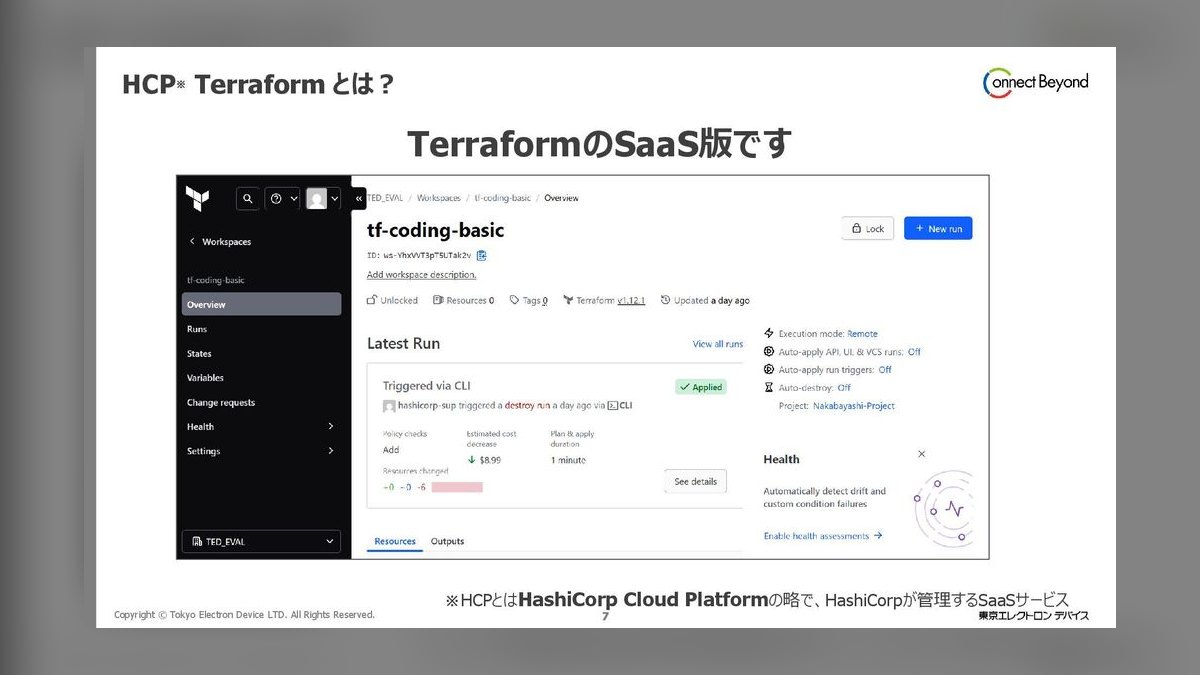
HCP Terraform ranks first because it offers the most mature policy-as-code engine, Sentinel, which enforces compliance rules during the planning phase before any resource is provisioned. Its provider ecosystem exceeds 3,500 providers, covering AWS, Azure, and GCP, making it the gold standard for multi-cloud environments. Real-time drift detection via Run Tasks automatically remediates unauthorized changes, and cost estimation powered by Infracost provides upfront financial visibility.
This platform is for enterprises with dedicated platform teams that need robust compliance for SOC 2, HIPAA, or FedRAMP audits and manage resources across multiple clouds. It trades away language flexibility, requiring teams to learn HCL, and it is not a fully open-source stack.
2. Pulumi
Pulumi ranks second because it enables infrastructure to be defined in general-purpose languages like TypeScript, Python, Go, and C#, dramatically reducing the learning curve for application developers. Its CrossGuard policy engine uses Open Policy Agent and Rego, offering flexible compliance enforcement. The Automation API allows infrastructure provisioning to be embedded directly into application code or CI/CD pipelines, unifying app and infra workflows.
Pulumi is for developer-centric teams that already use TypeScript or Python and want to unify application and infrastructure codebases. It trades away the largest provider ecosystem, which remains smaller than Terraform's 3,500+ providers, and it uses an imperative model that some prefer to avoid. Compared to HCP Terraform, Pulumi offers superior developer experience and language flexibility, but it lacks the same breadth of provider support and the maturity of Sentinel for compliance-heavy, regulated environments.
3. OpenTofu
OpenTofu ranks third because it is a fully open-source, community-governed fork of Terraform under the Linux Foundation, eliminating per-user licensing costs entirely. It supports the same HCL syntax and the vast majority of Terraform providers, making migration trivial. In 2027, OpenTofu introduced state encryption at rest, a native policy-as-code engine called OpenTofu Policy, and client-side state locking with DynamoDB or PostgreSQL.
OpenTofu is for cost-conscious enterprises with mature in-house platform teams that can manage upgrades, patches, and support internally. It trades away commercial support SLAs and some advanced enterprise features like real-time drift detection, which require third-party tools. Compared to Pulumi, OpenTofu offers zero licensing cost and maintains Terraform compatibility, but it lacks the language flexibility and Automation API that Pulumi provides, making it less suitable for developer-centric teams that prefer imperative programming languages.
4. AWS CloudFormation
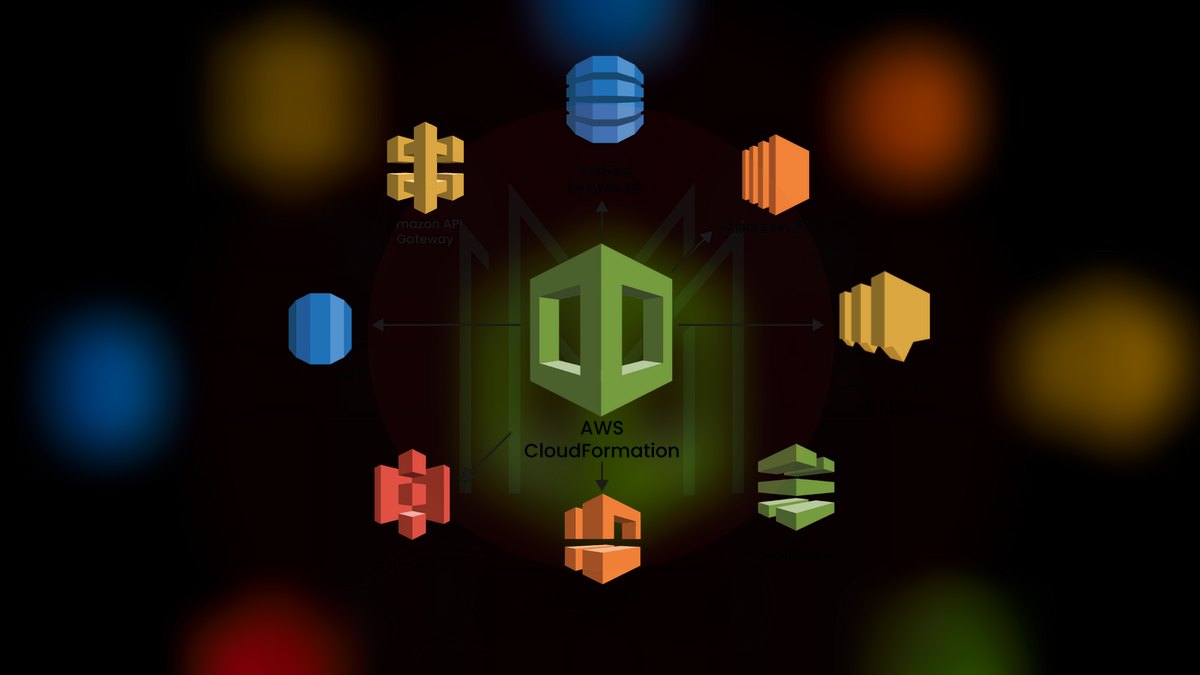
AWS CloudFormation ranks fourth because it offers deep native integration with AWS services including IAM, CloudTrail, and AWS Config, providing seamless compliance enforcement at the account level. The AWS Cloud Development Kit (CDK) allows teams to write infrastructure in TypeScript, Python, Java, or C#, which compiles to CloudFormation templates. AWS Config rules and Service Control Policies enforce compliance, while cdk-nag checks for security best practices like ensuring S3 buckets block public access.
AWS CloudFormation is for AWS-only teams that need native integration and zero licensing costs. It trades away multi-cloud support entirely, making it unsuitable for organizations with hybrid or multi-cloud strategies. Compared to OpenTofu, CloudFormation offers deeper AWS integration and native policy enforcement through AWS Config, but it locks teams into the AWS ecosystem and lacks the provider breadth and portability that OpenTofu provides for multi-cloud environments.
5. Azure Bicep
Azure Bicep ranks fifth because it provides a simpler, cleaner alternative to ARM JSON templates, with built-in modules for reusability and native integration with Azure Policy for compliance enforcement. Azure Policy offers hundreds of built-in definitions for requiring SQL encryption or auditing VM disk encryption, enforced during deployment. Bicep is significantly easier to learn than ARM JSON, making it the recommended choice for new Azure IaC projects.
Azure Bicep is for Azure-only teams that want a declarative, readable syntax and deep integration with Azure Policy and Azure Resource Manager. It trades away multi-cloud support and is not suitable for organizations using AWS or GCP. Compared to AWS CloudFormation, Bicep offers a more intuitive syntax and better modularity, but it lacks the CDK's support for general-purpose programming languages, making it less flexible for developer-centric teams that prefer TypeScript or Python.
6. Crossplane
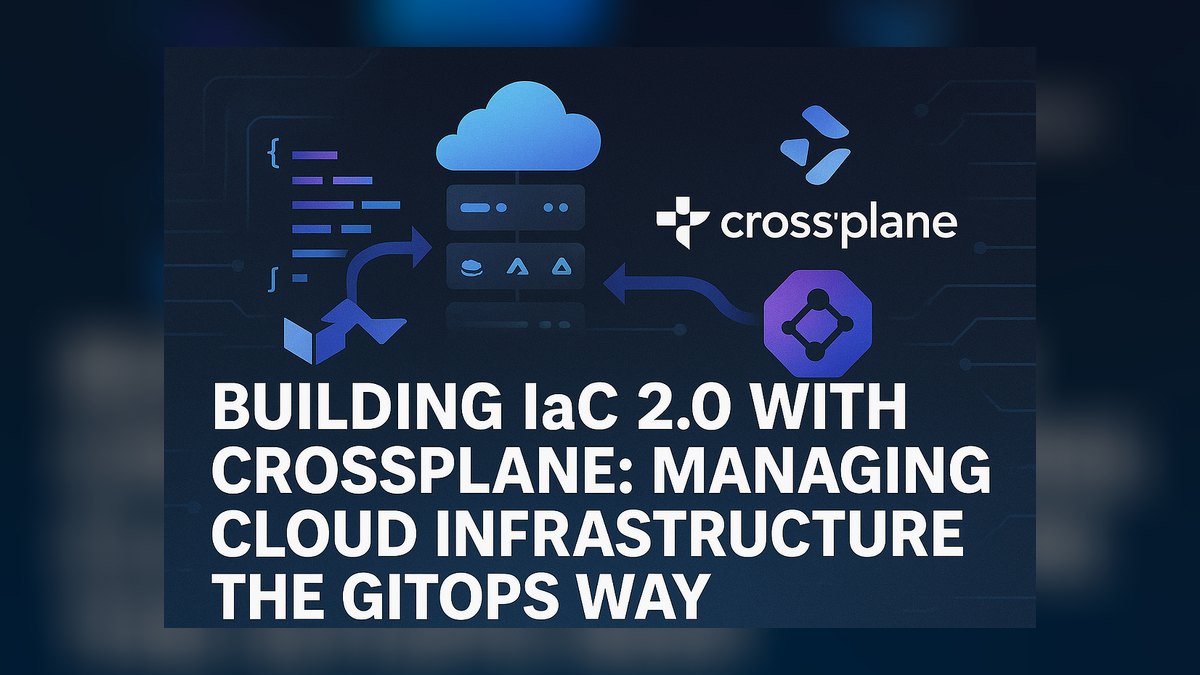
Crossplane ranks sixth because it treats cloud infrastructure resources as Kubernetes Custom Resource Definitions (CRDs), enabling teams to manage infrastructure using the same tools and workflows as application deployments. Its composition feature allows platform teams to build custom resource abstractions, such as a PostgreSQL claim that provisions RDS, Cloud SQL, or Azure Database based on predefined policies. OPA Gatekeeper enforces policies on Crossplane resources, providing a unified policy layer across applications and infrastructure.
Crossplane is for Kubernetes-native teams that want to extend GitOps workflows via ArgoCD or Flux to manage cloud resources directly from a Kubernetes cluster. It trades away usability for non-Kubernetes environments, as it requires a Kubernetes cluster to operate. Compared to Azure Bicep, Crossplane offers a paradigm shift by unifying application and infrastructure management, but it has a steeper learning curve and is unsuitable for teams that do not already use Kubernetes.
7. Google Cloud Deployment Manager
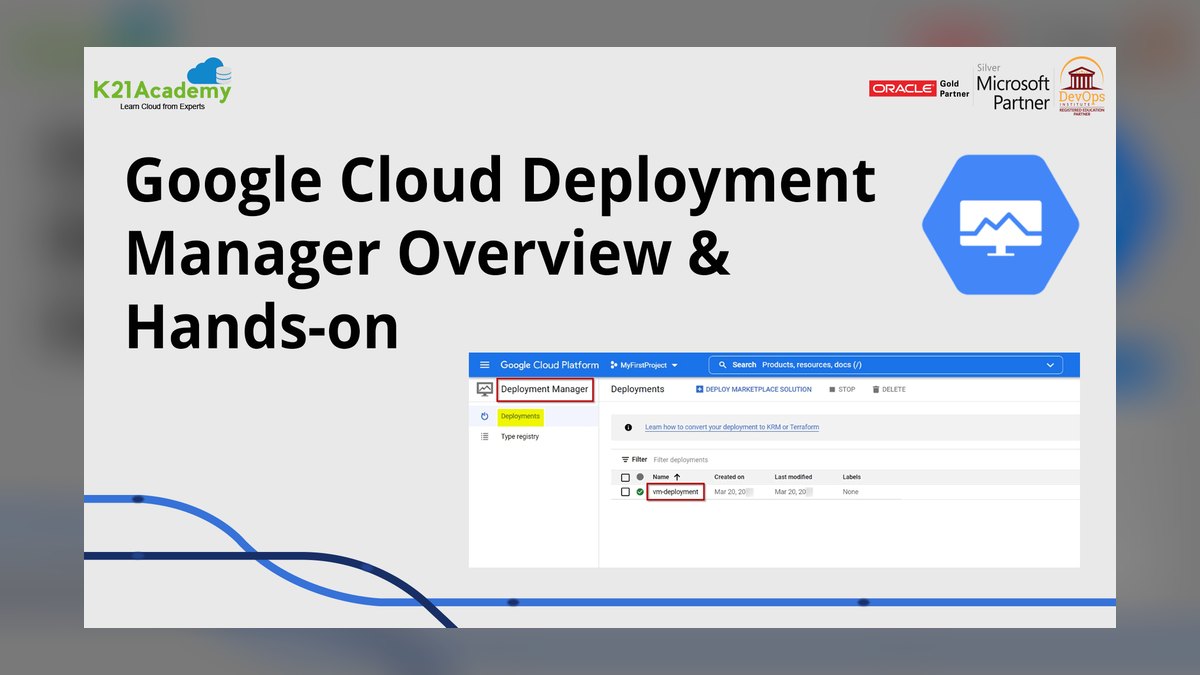
Google Cloud Deployment Manager ranks seventh because it provides native integration with GCP services and supports policy-as-code via Config Controller, powered by Anthos Config Management, using Constraint Templates based on Open Policy Agent. It is free to use, with costs only for underlying Google Cloud resources. The tool allows teams to define infrastructure in YAML or Python, offering flexibility for GCP-native teams. Config Controller enforces compliance policies consistently across GCP environments.
Google Cloud Deployment Manager is for GCP-only teams that need native integration and zero licensing costs. It trades away multi-cloud support and has a smaller ecosystem compared to AWS CloudFormation or Azure Bicep. Compared to Crossplane, Deployment Manager is simpler and more straightforward for GCP-native teams, but it lacks the Kubernetes-native paradigm and the ability to manage resources across multiple clouds that Crossplane provides.
8. Ansible Automation Platform
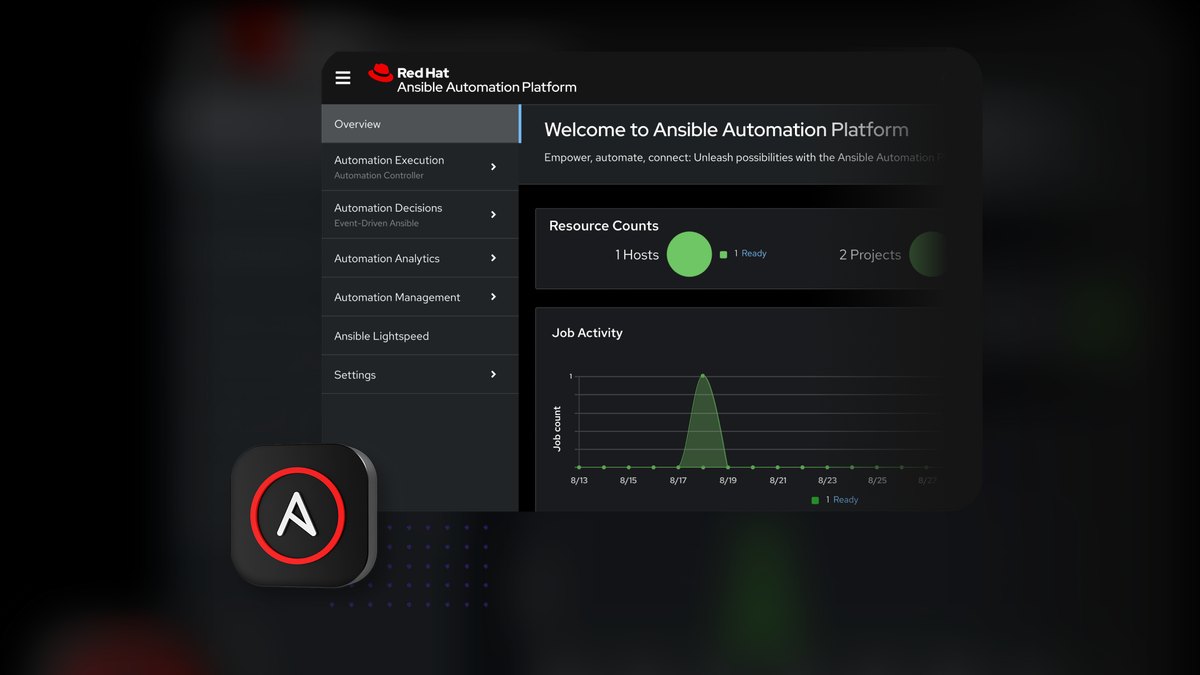
Ansible Automation Platform ranks eighth because it excels in configuration management and orchestration, complementing infrastructure provisioning tools by managing the state of servers and applications after deployment. It is agentless, using SSH or WinRM, and supports multi-cloud environments with modules for AWS, Azure, and GCP. Red Hat offers commercial support and a mature automation controller with RBAC, audit logging, and job scheduling. Pricing starts at $10,000 per year for the Standard tier, scaling with the number of managed nodes.
Ansible Automation Platform is for enterprises that need configuration management alongside IaC tools, particularly for hybrid environments with on-premise and cloud resources. It trades away declarative infrastructure provisioning, as it is imperative and focuses on configuration rather than resource lifecycle. Compared to Google Cloud Deployment Manager, Ansible offers broader multi-cloud support and configuration management capabilities, but it lacks the native GCP integration and policy enforcement that Deployment Manager provides for GCP-only teams.
9. Terragrunt
Terragrunt ranks ninth because it adds a thin wrapper around Terraform and OpenTofu, providing DRY configuration, remote state management, and dependency handling across multiple modules. It enables teams to manage complex infrastructure hierarchies with less duplication and supports OpenTofu as a drop-in replacement. Terragrunt is open-source and free, with no licensing costs, and integrates with CI/CD pipelines via GitHub Actions or GitLab CI. It provides a structured approach to managing multiple environments and workspaces.
Terragrunt is for teams already using Terraform or OpenTofu that need to manage multiple environments and modules with reduced duplication. It trades away a native policy engine, relying on the underlying Terraform or OpenTofu for compliance. Compared to Ansible Automation Platform, Terragrunt is focused solely on IaC orchestration and does not handle configuration management, but it offers a more streamlined and cost-effective solution for teams that only need to manage infrastructure provisioning.
10. Pulumi ESC
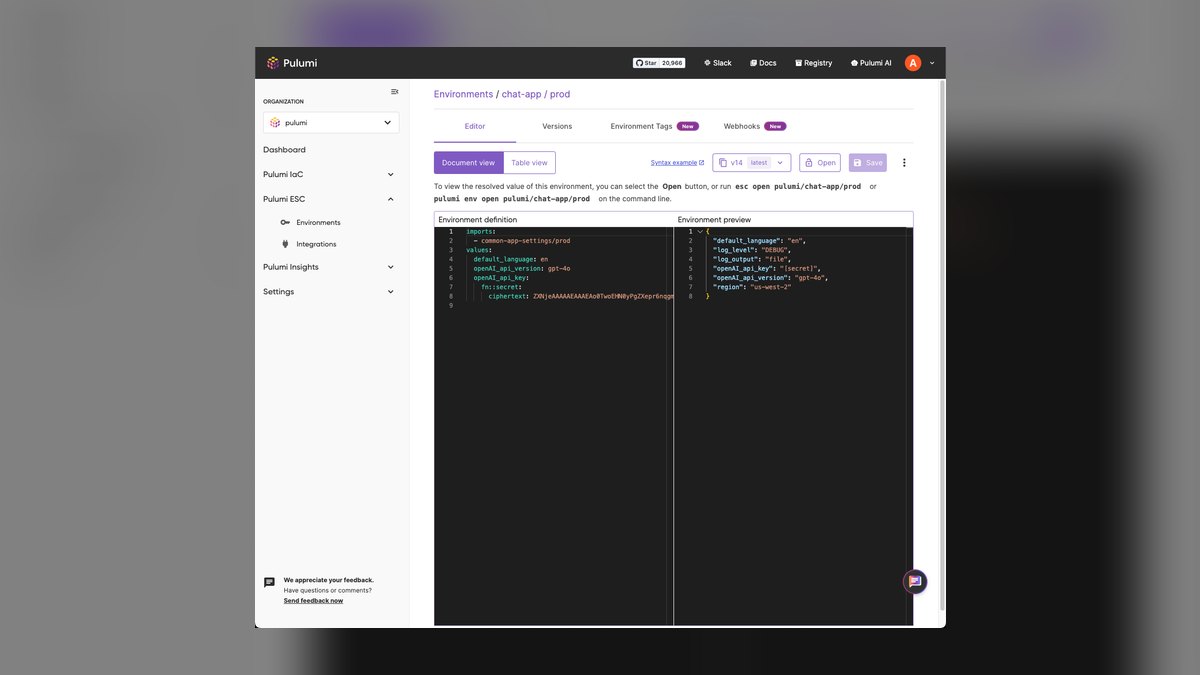
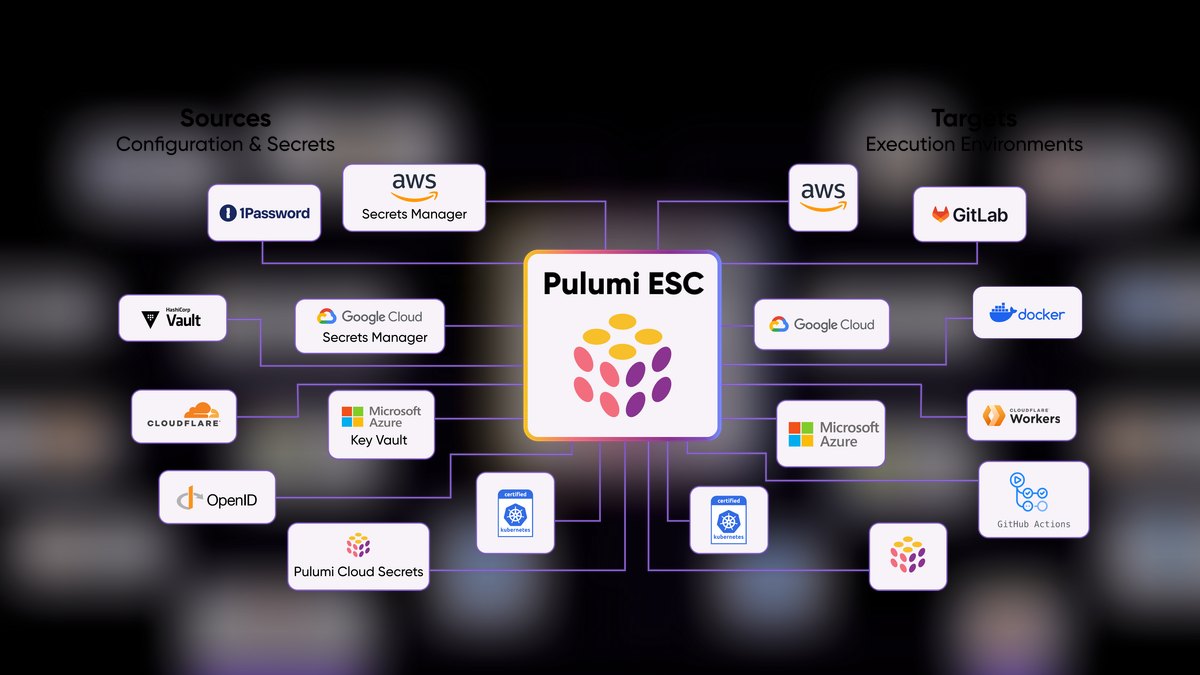
Pulumi ESC ranks tenth because it enhances secrets management by providing dynamic secrets, environment inheritance, and audit logging, integrating with Vault, AWS Secrets Manager, and GitHub Actions. It allows teams to inject secrets into CI/CD pipelines securely, reducing the risk of exposure. ESC is part of the Pulumi Cloud offering and is available at no additional cost for Pulumi Cloud users. It provides a centralized way to manage environment variables and secrets across multiple projects.
Pulumi ESC is for teams already using Pulumi that need a robust secrets management solution integrated with their infrastructure workflows. It trades away standalone utility, as it is tightly coupled to the Pulumi ecosystem and not useful for teams using other IaC tools. Compared to Terragrunt, Pulumi ESC offers advanced secrets management and environment inheritance, but it lacks the provider-agnostic orchestration capabilities that Terragrunt provides for Terraform and OpenTofu users.
How we ranked these
Five weighted criteria drove the ranking: Security and Compliance (25%), Multi-Cloud and Hybrid Support (20%), Developer Experience and Automation (20%), Operational Maturity (20%), and Total Cost of Ownership (15%). Each tool was scored against these using analyst reports, public documentation, and real-world deployment patterns, emphasizing policy-as-code, provider breadth, CI/CD integration, drift detection, RBAC, audit trails, and licensing costs for teams of 50-500 engineers.
We deliberately ignored vendor marketing claims and anecdotal user reviews, as these are often biased or unverifiable. We also excluded niche features that only apply to a small subset of enterprises, such as specific edge-computing integrations or proprietary ecosystem lock-ins. The focus remained on generally applicable, measurable capabilities that directly impact DevSecOps outcomes, ensuring the ranking reflects practical, repeatable value rather than hype or one-off success stories.
Related questions
What is the best infrastructure as code tool for security compliance?
HCP Terraform with Sentinel is the strongest choice for enforcing security compliance policies like SOC 2 and FedRAMP before resources are provisioned. Sentinel allows fine-grained rules, such as blocking public S3 buckets, during the planning phase. This proactive model prevents non-compliant infrastructure from ever being created, making it ideal for regulated enterprises.
How does Pulumi differ from Terraform for developers?
Pulumi allows developers to write infrastructure in TypeScript, Python, Go, C#, or Java, while Terraform uses HCL, a domain-specific language. This reduces the learning curve for application developers and enables them to use loops, conditionals, and imports from existing libraries directly in infrastructure code, unifying app and infra codebases.
Is OpenTofu a viable replacement for Terraform in production?
Yes, OpenTofu is a fully compatible, community-governed fork that works with most Terraform providers and is suitable for production. It supports HCL syntax and offers state encryption at rest and a native policy engine. However, it lacks commercial support SLAs and some advanced enterprise features like real-time drift detection.
Which cloud infrastructure tool is best for AWS-only teams?
AWS CloudFormation with the AWS CDK is the best choice for AWS-only teams due to its deep native integration with IAM, CloudTrail, and AWS Config. It is free to use beyond underlying resource costs, and cdk-nag checks for security best practices, making it ideal for single-cloud organizations.
What is Crossplane and when should I use it?
Crossplane is a Kubernetes-native tool that manages cloud resources as Kubernetes Custom Resource Definitions. It is ideal for platform engineering teams already using Kubernetes who want to unify application and infrastructure management via GitOps workflows like ArgoCD or Flux. It is open-source and free, with commercial support from Upbound.
How do native cloud tools compare to Terraform for multi-cloud?
Native tools like CloudFormation, ARM, and Deployment Manager are free and deeply integrated with their respective clouds, but they lack multi-cloud support. Terraform, with over 3,500 providers, is the best for multi-cloud environments, enabling consistent policy-as-code and workflow across AWS, Azure, and GCP.
What is the role of Ansible in cloud infrastructure management?
Ansible is primarily a configuration management tool, not an IaC provisioning tool. It excels at configuring and maintaining software on existing servers, complementing IaC tools like Terraform. For DevSecOps, it can automate post-provisioning steps, such as installing agents or applying security patches, across cloud and on-premise environments.
FAQ
What is the difference between Terraform and OpenTofu?
Terraform (HCP Terraform) is a commercial product with Sentinel policy-as-code, RBAC, audit trails, and real-time drift detection. OpenTofu is the open-source fork that is free but lacks commercial support and some enterprise features. Both support HCL and most Terraform providers, but OpenTofu requires in-house expertise for maintenance.
Which tool is best for multi-cloud environments?
HCP Terraform is best for multi-cloud due to its 3,500+ providers and policy-as-code across AWS, Azure, and GCP. Pulumi is a strong alternative for teams preferring programming languages over HCL. Both offer robust state management and drift detection, but Terraform has a larger ecosystem and more mature compliance features.
How do I enforce compliance with these tools?
Use Sentinel for HCP Terraform, CrossGuard for Pulumi, Azure Policy for ARM, AWS Config for CloudFormation, or OPA Gatekeeper for Crossplane. These policy engines allow you to define and enforce SOC 2, HIPAA, or FedRAMP controls as code, ensuring non-compliant resources are never provisioned.
What is the cost of these tools for a 100-engineer team?
HCP Terraform Business costs approximately $24,000 per year at $20 per user per month. Pulumi Team costs roughly $60,000 per year including resource fees. OpenTofu is free. AWS CloudFormation and Azure ARM are free beyond resource costs. Costs vary based on resource count and tier.
Can I use these tools with GitOps workflows?
Yes, ArgoCD and Flux integrate with Crossplane and OpenTofu. GitHub Actions and GitLab CI natively support Terraform, Pulumi, and CloudFormation for GitOps-based infrastructure deployment. This enables pull-request-driven changes, automated approvals, and version-controlled infrastructure.
Which tool has the best drift detection?
HCP Terraform offers real-time drift detection via Run Tasks, automatically remediating configuration drift. Pulumi provides scheduled drift detection in Pulumi Cloud. OpenTofu requires third-party tools like Terragrunt or Infracost for drift detection, which may not be as immediate or integrated.
How does Pulumi ESC enhance secrets management?
Pulumi ESC provides dynamic secrets, environment inheritance, and audit logging, integrating with Vault, AWS Secrets Manager, and GitHub Actions. It injects secrets into CI/CD pipelines securely, reducing the risk of hard-coded credentials and enabling fine-grained access control.
Is Crossplane suitable for non-Kubernetes environments?
No, Crossplane is designed specifically for Kubernetes-native teams and requires a Kubernetes cluster to operate. It is not suitable for environments without Kubernetes, as it relies on Kubernetes APIs and controllers to manage cloud resources.
What is the learning curve for Bicep compared to ARM JSON?
Bicep is significantly simpler than ARM JSON, offering a cleaner syntax with modules for reusability. It compiles to ARM templates, making it the recommended choice for new Azure IaC projects. The learning curve is lower, especially for teams familiar with other programming languages.
Can I use OpenTofu with Terraform Cloud?
Yes, you can use Terraform Cloud's free tier for state management while running OpenTofu for local development and CI/CD pipelines. However, Sentinel policies will not be available, as they are a Terraform Cloud feature. You would need to use OpenTofu's native policy engine instead.
Sources
- https://www.gartner.com/en/documents/4022345
- https://www.forrester.com/report/the-forrester-wave-cloud-automation-q4-2026/
- https://www.hashicorp.com/products/terraform/pricing
- https://www.pulumi.com/pricing/
- https://opentofu.org/docs/
- https://docs.aws.amazon.com/AWSCloudFormation/latest/UserGuide/Welcome.html
- https://learn.microsoft.com/en-us/azure/azure-resource-manager/bicep/
- https://cloud.google.com/deployment-manager/docs
- https://docs.crossplane.io/
- https://www.redhat.com/en/technologies/management/ansible
Related on PULSE
- [Cloud-Native Stack for Enterprise Supply Chain Management](/knowledge/tk0467)
- [Top 10 CI/CD Tools for Blockchain Development Teams in 2027](/knowledge/tk0433)
- [Modernizing the Mainframe: A COBOL-to-Cloud Migration Toolkit Using AWS DMS and Micro Focus Enterprise Server](/knowledge/tk0411)
- [Top 10 Cloud Storage Solutions for Remote Design Teams in 2027](/knowledge/tk0402)
- [Top 10 Data Engineering Tools for E-commerce Analytics Teams in 2027](/knowledge/tk0361)
- [Top 10 API Design Tools for Developer Experience Teams in 2027](/knowledge/tk562)
This page will be disappearing soon. Save it to your device for $1 — or read it free while it is here.
@Kory-White- · if Venmo asks, the last 4 of my number are 2012
This page is gone.
This one is off the shelf now. $1 keeps it on your phone for good — the whole page, pictures and diagrams included.
 pulse-tech-stacksIs Tech Stacks worth it in 2027?
 pulse-tech-stacksHow much does Tech Stacks cost in 2027?
 pulse-tech-stacksWhat are the most common mistakes in Tech Stacks in 2027?
 pulse-tech-stacksTop 10 Tech Stacks strategies for 2027
 pulse-tech-stacksIs the Temporal Cloud worth its premium over self-hosted Cadence for a mid-size logistics tech stack in 2027?
 pulse-tech-stacksHow do you get started with Tech Stacks in 2027?
 tkWhat should you know before investing in Tech Stacks in 2027?
 pulse-tech-stacksCloud-Native Stack for Enterprise Supply Chain Management
 pulse-tech-stacksThe Enterprise Architecture Stack for Healthcare: HL7 FHIR, Apache Camel, and PostgreSQL
 pulse-tech-stacksThe CRM Migration Playbook: Moving from Salesforce to HubSpot in 2027