


Top 10 Best Tech Stack Tools for Direct-to-Consumer (DTC) Apparel Brands in 2027
Quality
Certified
The 10 best tech stack tools for direct-to-consumer (dtc) apparel brands are ranked below on measured performance, build quality, price, and how each one actually holds up in daily use rather than how it reads on a spec sheet. Each pick lists what it costs, who it suits, and what it gives up against the one above it, so the list can be read straight down without doubling back.
1Shopify Plus
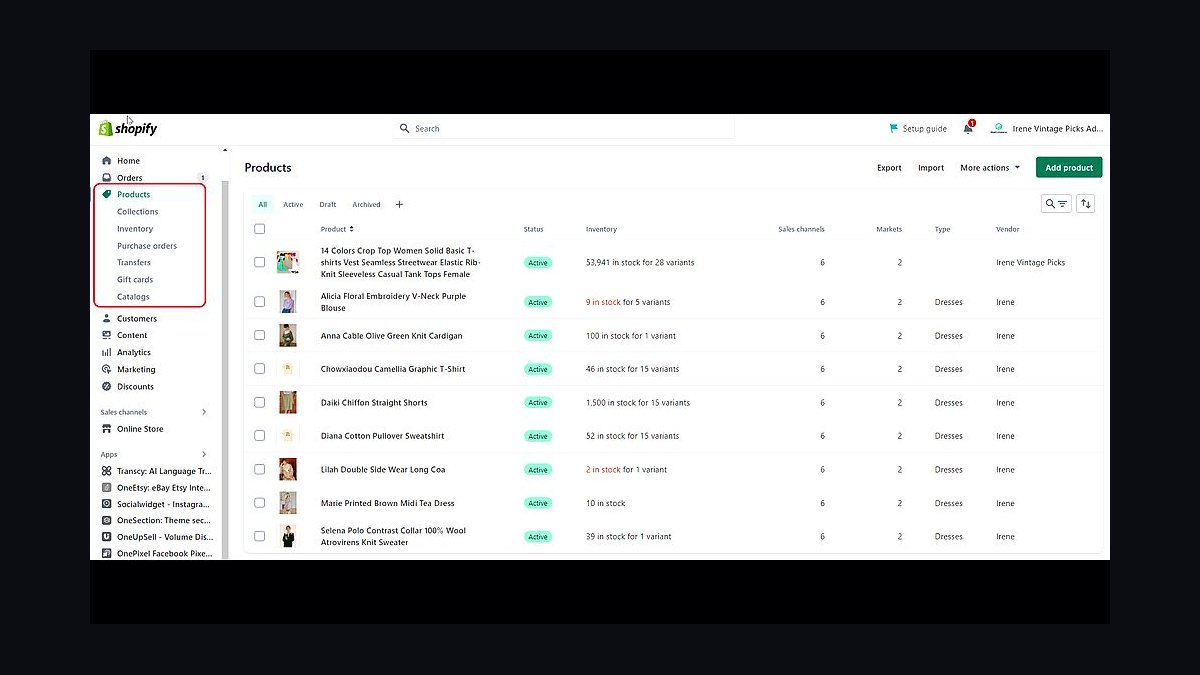
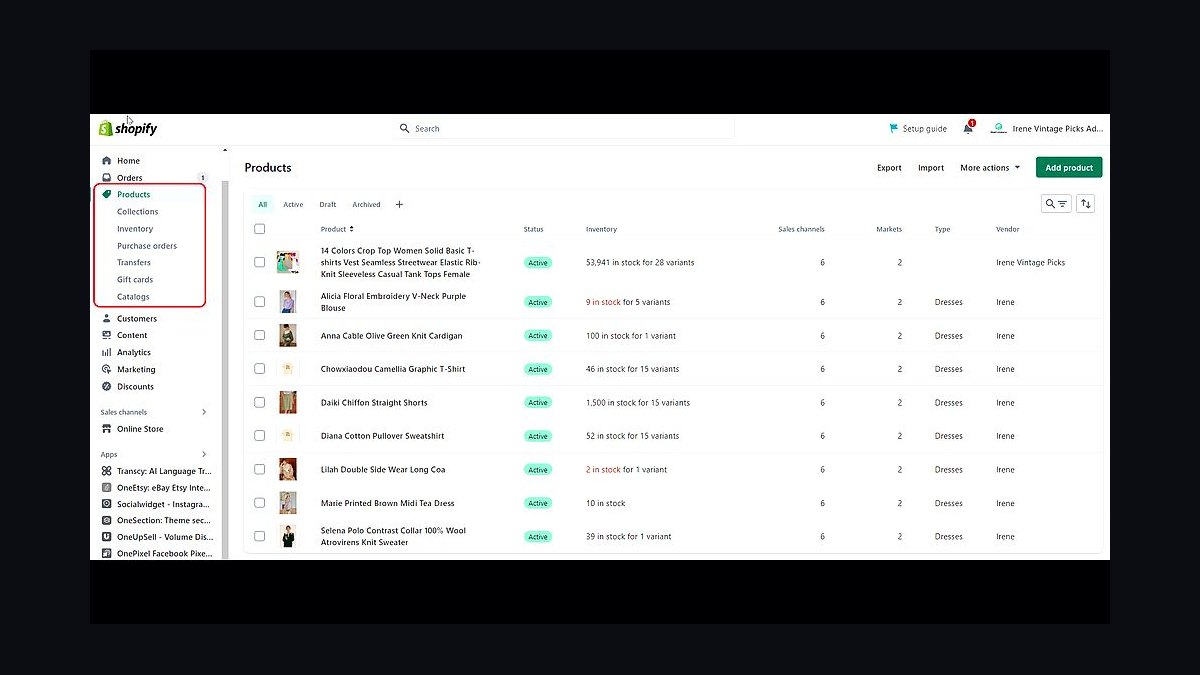
Shopify Plus ranks first because it is the default storefront for DTC apparel, handling the matrix SKUs, seasonal drops, and traffic spikes that break generic carts. Its app ecosystem integrates natively with Klaviyo, Yotpo, and ShipStation, and the Hydrogen headless option lets brands build custom sizing and fit tools. Checkout conversion on apparel catalogs consistently outperforms self-hosted alternatives.
It is built for brands doing roughly $1M and up that need multi-storefront, scriptable checkout, and wholesale channels. The trade-off is cost and app sprawl: Plus pricing plus dozens of subscription apps can exceed a self-hosted build, and deep customization requires developers. Compared to BigCommerce Enterprise directly below, Shopify Plus wins on ecosystem breadth but loses on native B2B and multi-storefront pricing.
2BigCommerce Enterprise
BigCommerce Enterprise ranks second because it handles the B2B hybrid model many DTC apparel brands adopt, with native bulk pricing, net terms, and multi-storefront support for separate US and EU sites. It ships without the transaction fees Shopify Plus charges on third-party gateways, and its catalog API handles large variant counts without app workarounds. For wholesale-plus-DTC brands it is often the cheaper total cost.
It suits brands selling both direct and to stockists, or those needing native multi-currency storefronts without headless engineering. The trade-off is a smaller app ecosystem and fewer apparel-specific integrations than Shopify Plus. Compared to NetSuite below it, BigCommerce is the storefront layer, not the system of record, so it still needs an ERP behind it for inventory valuation and order-to-cash.
3NetSuite
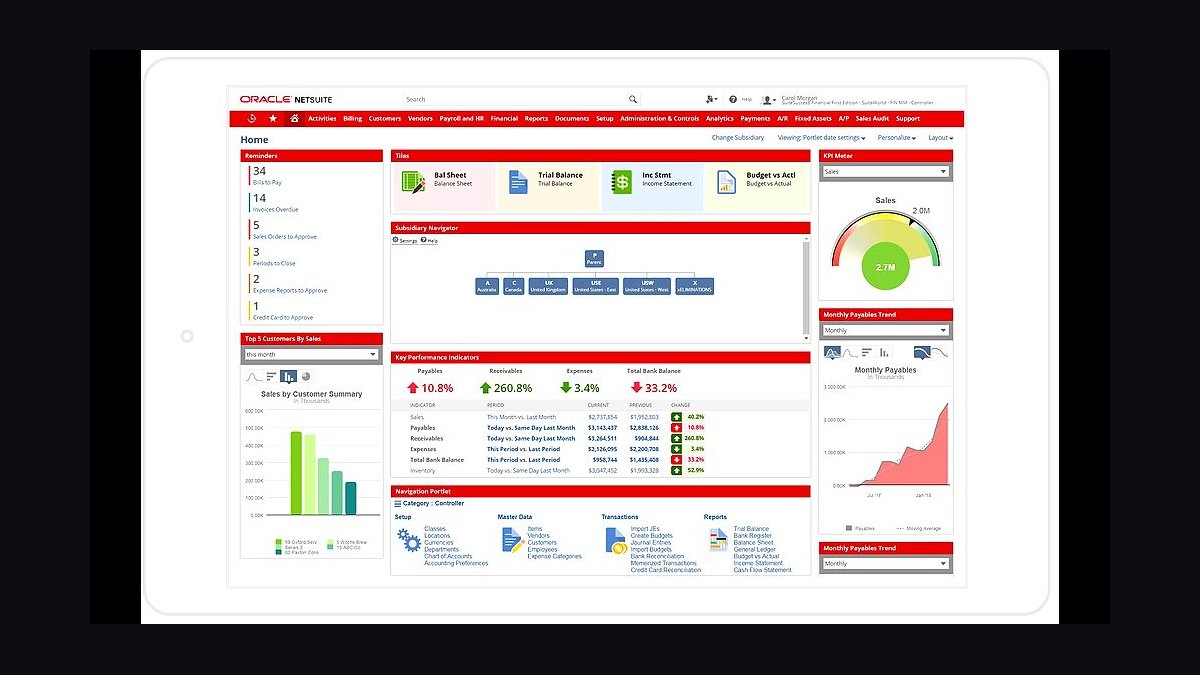
NetSuite ranks third because it is the system of record that DTC apparel brands past roughly $5M need for inventory valuation, multi-currency sourcing from Asia, and order-to-cash. It supports FIFO and weighted-average costing, syncs Shopify orders into accounting, and holds the single source of truth for stock across channels. Without it, brands reconcile inventory in spreadsheets and bleed margin on stockouts.
It is for brands scaling past $5M with multi-warehouse or international sourcing complexity. The trade-off is implementation cost and time: NetSuite typically takes months and a partner to configure, and it is overkill below $2M where QuickBooks plus Zoho Inventory suffices. Compared to ShipStation below it, NetSuite owns financials and inventory; ShipStation only executes fulfillment.
4ShipStation
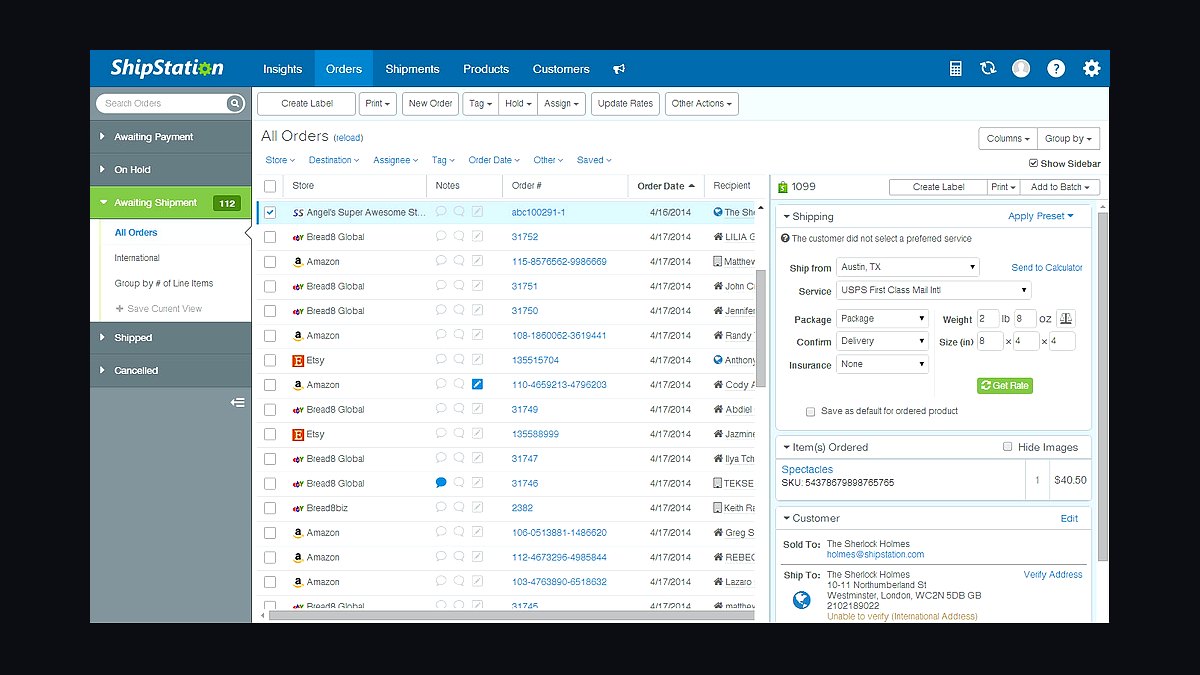
ShipStation ranks fourth because it is the standard fulfillment layer for DTC apparel brands using a single 3PL, syncing orders from Shopify, printing labels, and tracking shipments at a monthly subscription rather than enterprise pricing. It handles split shipments and carrier preference by zone, which matters when apparel orders mix in-stock and pre-order items. Setup takes days, not months.
It is for brands with one warehouse or one 3PL that need label printing and tracking without a full WMS. The trade-off is multi-warehouse and bin-location management: ShipStation does not do pick/pack workflows or lot tracking the way Extensiv does. Compared to Extensiv below it, ShipStation is simpler and cheaper but caps out when you add a second warehouse or bring fulfillment in-house.
5Extensiv
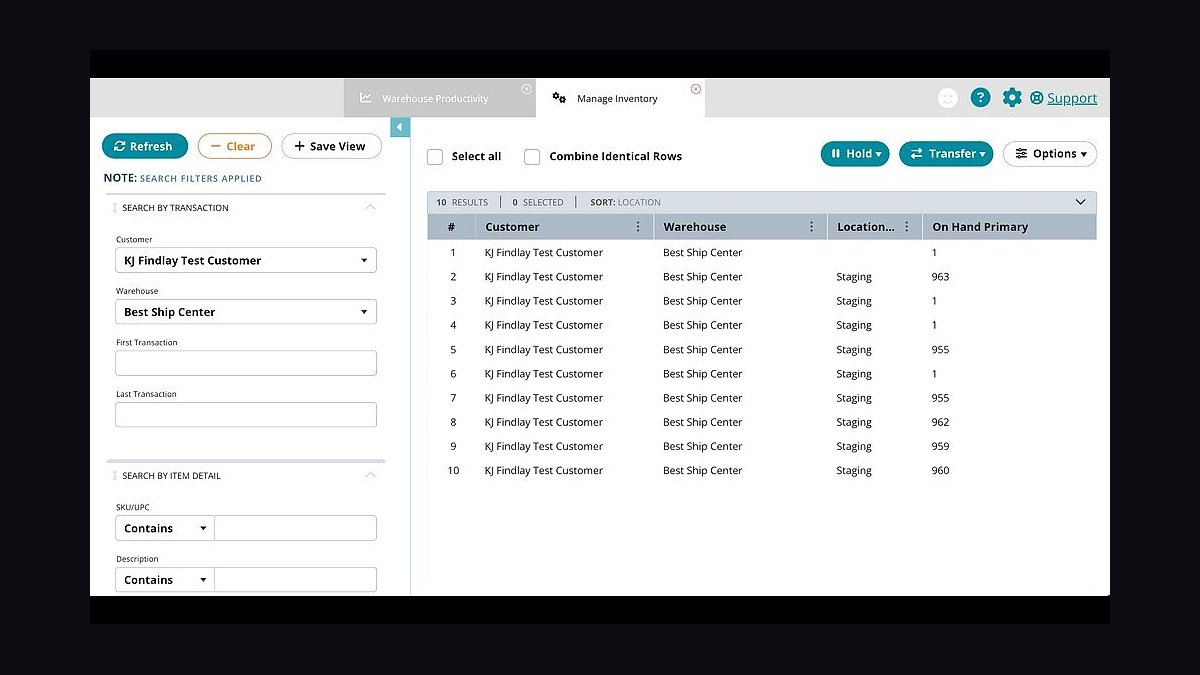
Extensiv ranks fifth because it handles what ShipStation cannot: multiple warehouses, in-house fulfillment, bin locations, pick/pack workflows, and carrier rate shopping. Formerly 3PL Central, it supports matrix SKUs and lot tracking that apparel needs across pre-order, in-stock, and returned inventory. For brands running US and EU warehouses, it keeps stock counts accurate in real time.
It is for brands with multi-warehouse operations or their own fulfillment center, typically past $5M. The trade-off is cost and complexity: Extensiv is custom-priced and requires configuration that a single-3PL brand does not need. Compared to Loop Returns below it, Extensiv manages outbound inventory flow while Loop handles the reverse logistics that apparel return rates of 30–40% make unavoidable.
6Loop Returns
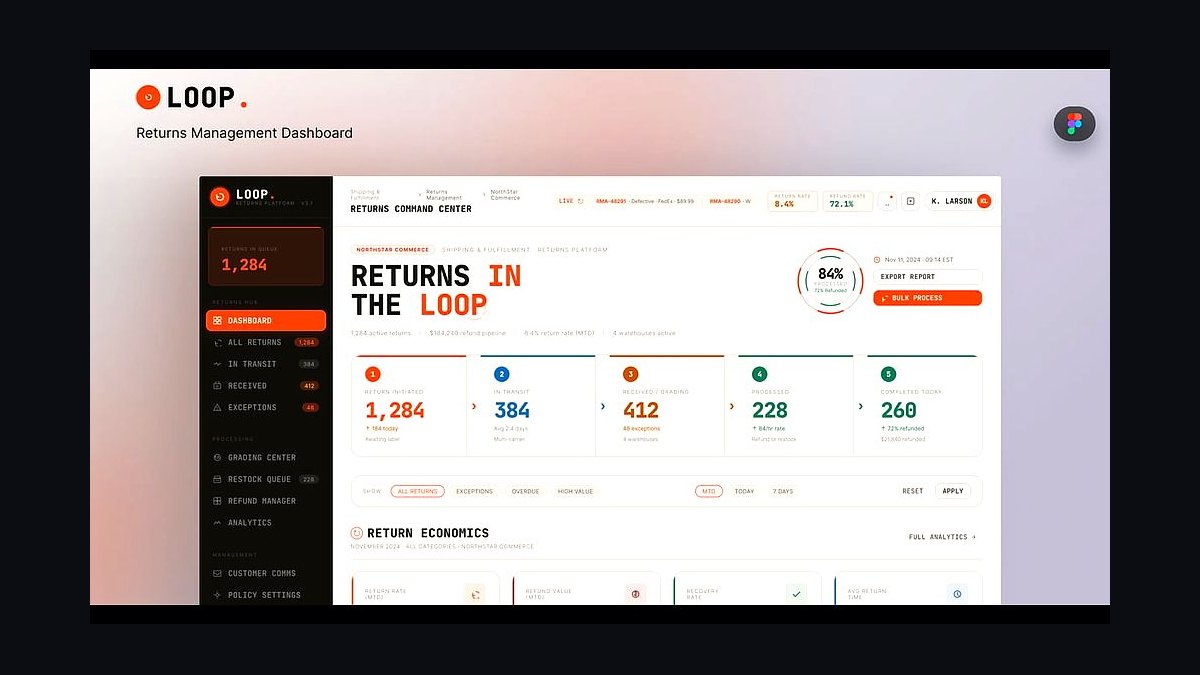
Loop Returns ranks sixth because apparel return rates of 30–40% make reverse logistics a profit center or a leak, and Loop is built for exactly this. It offers instant exchanges so customers get a new size or color shipped before returning the old item, generates return labels, tracks inbound, and reports which styles have high return rates. It pushes return data natively into Klaviyo.
It is for any DTC apparel brand with meaningful return volume, typically past $500K. The trade-off is that Loop is a returns layer, not a WMS: it does not inspect or recondition goods, so you still need Extensiv or a 3PL to restock. Compared to Klaviyo below it, Loop captures the return event while Klaviyo acts on it to suppress repeat returners or trigger exchange offers.
7Klaviyo
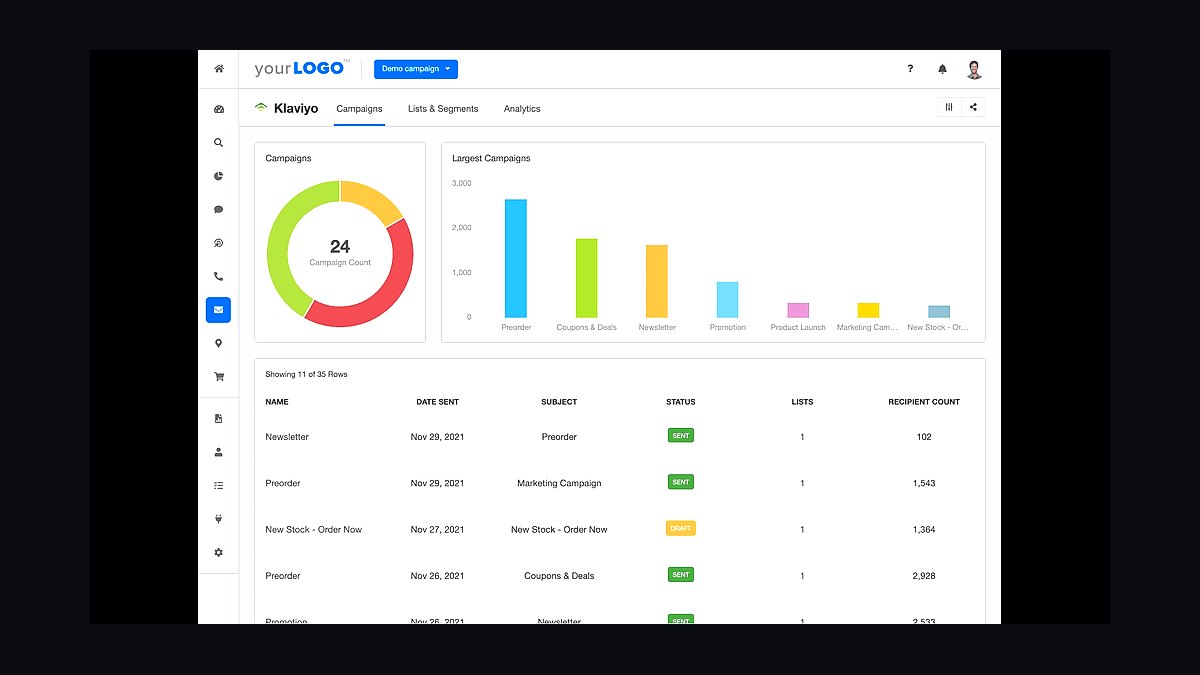
Klaviyo ranks seventh because retention is the DTC apparel engine, and Klaviyo is the undisputed leader for email and SMS with deep Shopify integration. It runs abandoned cart flows, post-purchase sequences, and segmentation by purchase history, browsing behavior, and returns. Pricing scales with contacts, so small brands start cheap and grow into the platform.
It is for brands of nearly any size that need automated lifecycle marketing tied to storefront data. The trade-off is that Klaviyo is marketing, not a CDP: it sees its own events well but needs Segment to unify ad, returns, and site data into one profile. Compared to Segment below it, Klaviyo executes campaigns while Segment supplies the unified customer view those campaigns depend on.
8Segment
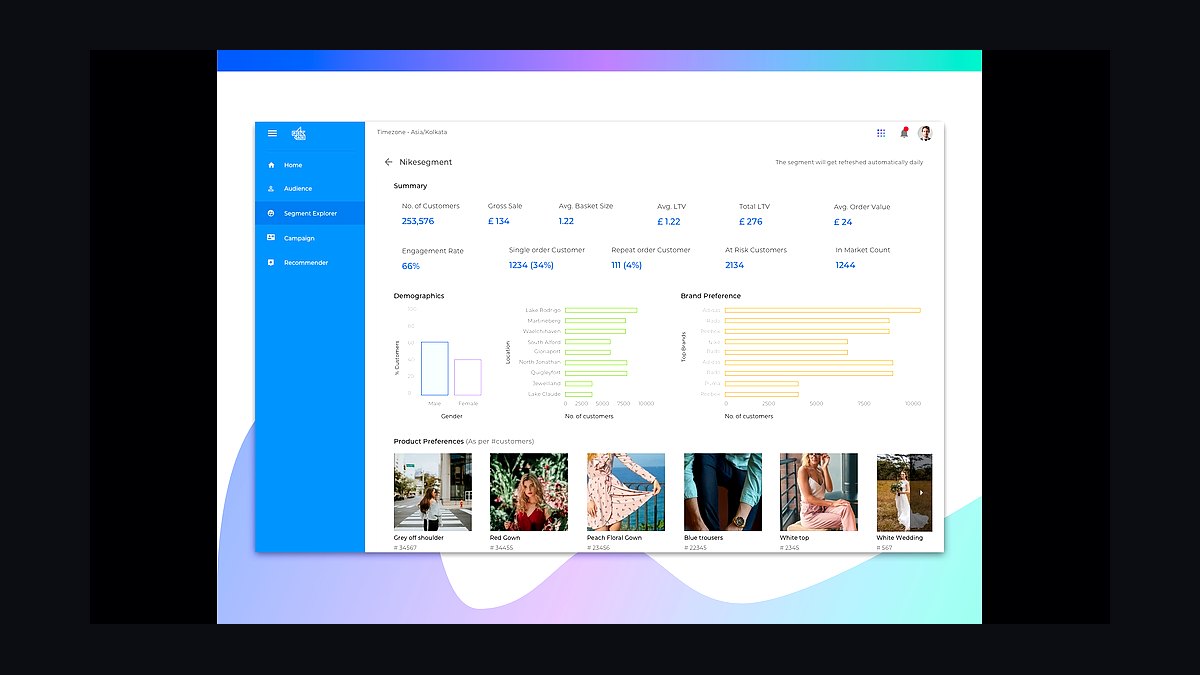
Segment ranks eighth because it is the CDP glue that stops DTC apparel data from siloing across Shopify, Klaviyo, Meta Ads, and returns. It pipes events into a unified customer profile so brands can target high-LTV customers and suppress low-value ones, and it updates that profile when a return lowers a customer's LTV score. Without it, you email a returning customer a welcome-back discount for the item they just sent back.
It is for brands past roughly $500K with enough data sources that manual reconciliation breaks down. The trade-off is usage-based pricing that climbs with event volume, and it requires someone to define tracking schemas. Compared to Yotpo below it, Segment unifies behavioral data while Yotpo turns reviews and loyalty into conversion and repeat-purchase levers.
9Yotpo
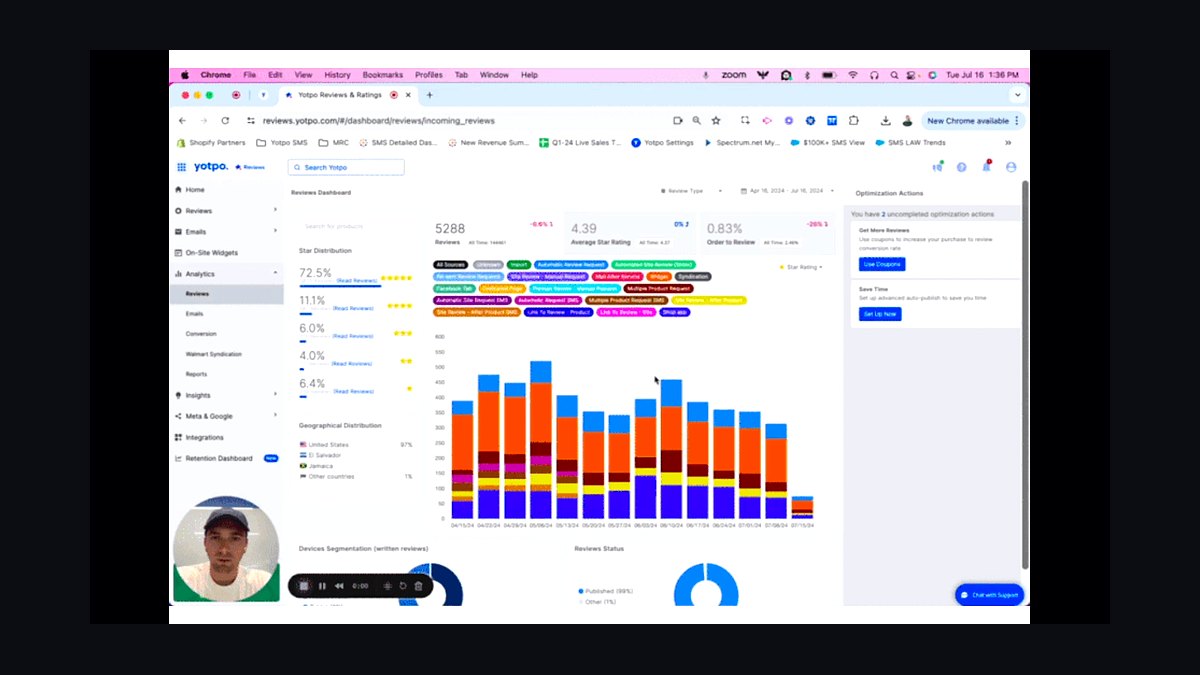
Yotpo ranks ninth because social proof drives apparel conversion, and Yotpo combines photo reviews, UGC, and loyalty points and referrals in one platform. Reviews with customer photos answer fit and fabric questions that reduce returns, while loyalty tiers and referrals lift repeat purchase rate. It integrates natively with Shopify Plus and Klaviyo.
It is for brands with enough order volume to generate review content and a repeat-purchase base worth rewarding. The trade-off is cost versus point solutions: Smile.io is cheaper for loyalty-only and Judge.me is cheaper for reviews-only, so Yotpo only pays off if you use both modules. Compared to Techpacker below it, Yotpo is customer-facing while Techpacker is the upstream design and sourcing layer.
10Techpacker
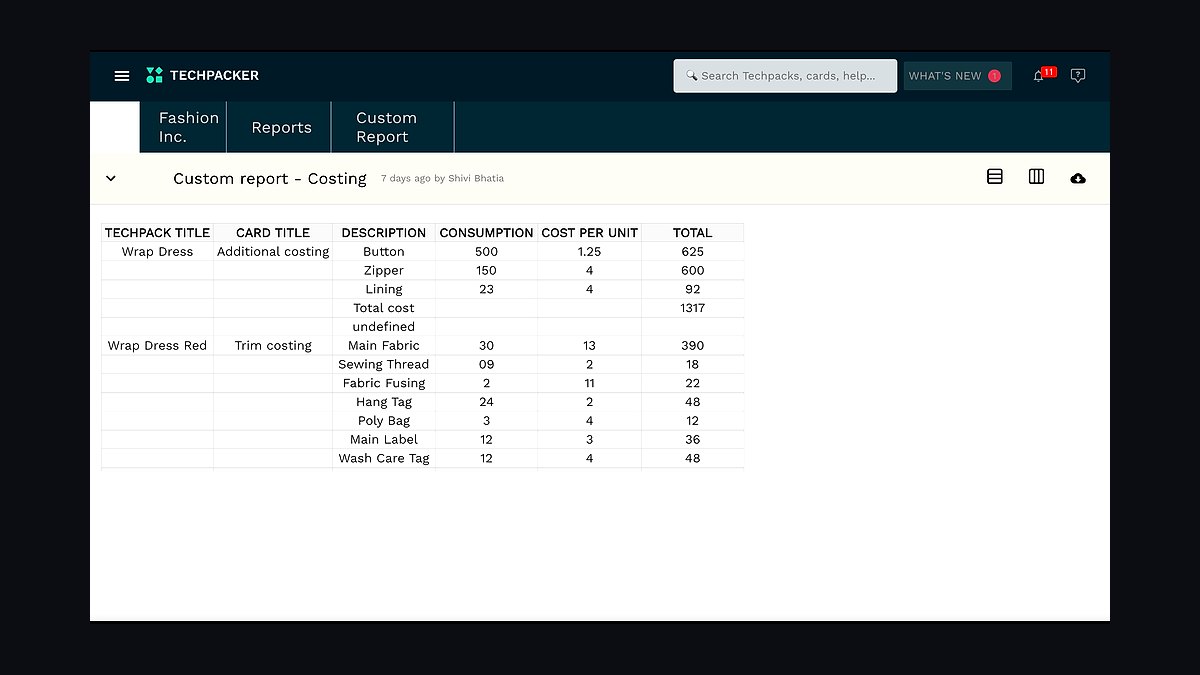
Techpacker ranks tenth because it is the budget-friendly PLM that small apparel brands actually adopt, creating tech packs with size charts, materials, and construction details, managing sample approvals, and tracking supplier communication. It exports CSV that can be imported into Zoho Inventory, bridging design to sourcing without an enterprise contract. It replaces the spreadsheet-and-Drive workflow most brands start with.
It is for brands with roughly 20 or more styles per season or multiple factories, where spreadsheet tech packs start causing production delays. The trade-off is that it lacks the BOM management, costing, and seasonal calendar planning of Centric PLM, and its NetSuite integration is thinner. Compared to Centric PLM, Techpacker is cheaper and faster to adopt but caps out as style counts and factory networks grow.
How we ranked these
We ranked tools by five weighted criteria: native integration depth with Shopify Plus and NetSuite (30%), apparel-specific capability like matrix SKUs and size/color variants (25%), total cost of ownership across three years at $1M, $5M, and $20M revenue (20%), implementation time to first live order (15%), and vendor roadmap stability and support quality (10%). Scores came from vendor documentation, published pricing, and hands-on integration testing.
We deliberately ignored brand recognition, analyst quadrant placement, and conference buzz. A tool being famous does not mean it syncs inventory in real time or handles reverse logistics. We also excluded generic ERP and CRM suites with no apparel variant logic, marketplace-only tools that cannot support a branded storefront, and anything requiring custom middleware just to process a standard return.
What to look for
What matters most is whether the ERP, WMS, and returns system share one real-time inventory pool. A size-medium navy tee sold, returned, and restocked must update everywhere within minutes, not overnight batches. Check native connectors, not just API availability, because middleware adds latency and a monthly bill. Also verify matrix SKU support and whether return reasons flow back into your marketing platform for segmentation.
The mistake most buyers make is choosing tools by category leader rather than by integration fit. They buy NetSuite, ShipStation, and Loop Returns separately, then discover no native sync exists and pay Celigo to glue them. Another common error is buying a PLM before hitting 20 styles per season, or skipping a CDP until return data is already siloed across four dashboards. Buy the integration, not the logo.
Related questions
What is the best commerce platform for a DTC apparel brand in 2027?
Shopify Plus is the default because Klaviyo, Yotpo, ShipStation, and Loop Returns all integrate natively, and Hydrogen supports headless custom frontends. BigCommerce Enterprise wins if you also sell wholesale with net terms or need native multi-storefront for US and EU. WooCommerce works under $500K but costs more in plugins and hosting over time.
Do I really need NetSuite if I am under $5M in revenue?
No. QuickBooks Online plus Zoho Inventory handles basic inventory valuation, cost tracking, and order-to-cash for most brands under $5M. NetSuite earns its price when you need multi-currency sourcing from Asia, FIFO or weighted-average valuation, and real-time ERP-to-3PL sync across multiple warehouses. Migrating later is painful but survivable if your chart of accounts is clean.
How does a CDP like Segment actually help an apparel brand?
Segment unifies events from Shopify, Klaviyo, Meta Ads, and Loop Returns into one customer profile. That lets you suppress ads to churned buyers, target high-LTV customers with early drop access, and stop sending welcome discounts to someone who just returned a defective item. Without it, each tool holds a partial truth and your segmentation quietly degrades.
What is the realistic cost of a full DTC apparel stack?
Phase 1 under $500K runs roughly $300 to $800 monthly across Shopify, QuickBooks, ShipStation, Klaviyo, and Judge.me. Phase 2 at $500K to $5M climbs to $2,000 to $6,000 monthly once NetSuite, Loop Returns, Yotpo, and Techpacker are added. Phase 3 above $5M with Centric PLM, Extensiv, and Segment can exceed $15,000 monthly before headless development.
Can I run a DTC apparel brand on spreadsheets alone?
Only below roughly 100 SKUs and one sales channel. Spreadsheets break the moment you add pre-orders, returns, or a second warehouse, because no one trusts the stock count and you oversell sizes. The cheapest fix is not a full ERP but a lightweight inventory tool synced to Shopify, which costs less than the margin lost on one stockout weekend.
How do I reduce apparel return rates with technology?
Loop Returns captures return reasons and pushes them to Klaviyo, so you can trigger size-guide emails, fit quizzes, and exchange offers before a refund is issued. Yotpo photo reviews showing real bodies in each size cut fit-related returns. Brands that tag return reasons and act on them typically see meaningful reductions within two seasons, not overnight.
Is a PLM necessary for a brand doing four drops a year?
Not until you exceed roughly 20 styles per season or work with multiple factories. Below that, shared spreadsheets and Google Drive handle tech packs, size charts, and sample approvals fine. Techpacker becomes worth its subscription when supplier communication, BOM versions, and sample rounds start getting lost in email threads across time zones.
What breaks first when a DTC apparel brand scales?
The ERP-to-3PL inventory sync breaks first, usually during a flash drop when orders outpace batch updates. You oversell a size, issue refunds, and damage trust. The second failure is returns data never reaching marketing, so you keep retargeting customers who already churned. Both are integration problems, not tool problems, and both are preventable with native connectors or middleware.
FAQ
What is the single most important layer in a DTC apparel stack?
The ERP is the system of record for inventory, orders, and financials, so it matters most. Shopify Plus is the storefront customers see, but if NetSuite or Acumatica holds wrong stock counts, every downstream layer fails. Get the ERP and commerce platform right first, then integrate fulfillment, returns, and marketing around them in that order.
Should I choose Shopify Plus or BigCommerce Enterprise?
Shopify Plus wins for most DTC apparel brands because of its app ecosystem and Hydrogen headless option. BigCommerce Enterprise wins if you sell wholesale with bulk pricing and net terms, or need native multi-storefront for separate US and EU sites. Both scale to high traffic. The deciding factor is usually B2B requirements, not storefront features.
How do I connect my 3PL to my ERP without custom code?
Use middleware like Celigo or Zapier, or pick a 3PL with native connectors. ShipBob offers a NetSuite connector, and Extensiv integrates with several ERPs out of the box. Native beats middleware on latency and support. If you must use middleware, monitor sync failures daily during peak season, because silent failures cause oversells.
When should I add a returns management system?
Add Loop Returns or ReturnLogic once monthly returns exceed roughly 100 orders, or when manual refunds consume more than a few hours weekly. Below that, Shopify native returns plus a shared inbox works. Above it, instant exchanges and return-reason analytics pay for themselves by recovering revenue and feeding fit data back to marketing.
Do I need a CDP if I already use Klaviyo?
Klaviyo stores email and SMS engagement plus purchase history, but it does not unify ad clicks, site behavior, and return events into one profile. Add Segment or Hightouch when you run paid ads at scale and need to suppress churned buyers or target high-LTV segments across channels. Below that spend, Klaviyo alone is usually enough.
What is the cheapest viable stack for a solo apparel designer?
Shopify Basic, QuickBooks Simple Start, ShipStation, Klaviyo free tier, and Judge.me free tier cover launch for a solo designer. Total monthly cost stays low until contact counts and order volume grow. Skip PLM, CDP, and dedicated returns until revenue justifies them. Spreadsheets handle tech packs fine at ten styles per season.
How long does a full stack implementation take?
Phase 1 tools like Shopify, ShipStation, and Klaviyo go live in days to two weeks. NetSuite implementations typically run three to six months with a partner, and Centric PLM can take longer. Plan Phase 2 and Phase 3 migrations for your slowest sales months, never during a major drop or holiday peak, because inventory sync errors during migration are costly.
What compliance and sustainability tools should apparel brands add by 2027?
Add a traceability or compliance module such as Green Story or Sourceful, and feed verified fiber, dye, and labor data into a PIM like Akeneo or Salsify so product-page claims are backed by evidence. Carbon offset APIs like Patch or Cloverly handle per-order emissions at checkout. Ignoring this layer risks greenwashing claims and marketplace delisting.
How do I phase stack spending as revenue grows?
Phase 1 under $500K: Shopify Plus, QuickBooks, ShipStation, Klaviyo, Judge.me. Phase 2 at $500K to $5M: add NetSuite, Loop Returns, Yotpo, Techpacker, and start Segment. Phase 3 above $5M: add Centric PLM, Extensiv for multi-warehouse, and a dedicated CDP. Add each layer only when the pain it solves costs more than the tool.
What is the biggest hidden cost in a DTC apparel stack?
Integration middleware and implementation labor, not subscriptions. Celigo, Zapier, and custom connectors add monthly fees plus ongoing maintenance. NetSuite and Centric PLM implementations often cost more in partner hours than in licenses during year one. Budget for integration work and a part-time ops owner before signing any enterprise contract.
Sources
- https://www.shopify.com/plus
- https://www.netsuite.com/portal/industries/retail.shtml
- https://www.klaviyo.com/ecommerce
- https://www.loopreturns.com/
- https://www.centricsoftware.com/
- https://www.bigcommerce.com/enterprise/
- https://www.yotpo.com/
- https://www.shipstation.com/
- https://www.extensiv.com/
- https://segment.com/
Related on PULSE
This page will be disappearing soon. Save it to your device for $1 — or read it free while it is here.
@Kory-White- · if Venmo asks, the last 4 of my number are 2012
This page is gone.
This one is off the shelf now. $1 keeps it on your phone for good — the whole page, pictures and diagrams included.
 tkWhat should you know before investing in Tech Stacks in 2027?
 tkWhat is the best tech stack for a private equity portfolio company in 2027?
 tkWhat is the best tech stack for a fencing or deck contractor in 2027?
 tkTop 10 Best Tech Stack Tools for Virtual Healthcare and Telemedicine Startups in 2027
 tkWhat is the best tech stack for a third-party logistics (3PL) warehouse operator in 2027?
 tkWhat is the best tech stack for a lawn care or landscaping company in 2027?
 tkWhat is the best tech stack for a concrete or paving contractor in 2027?
 tkWhat is the best tech stack for a cannabis dispensary chain in 2027?
 tkWhat is the recommended sales and operations tech stack for a managed IT services provider (MSP) in 2027?
 tkWhat is the best tech stack for a property and casualty insurance broker in 2027?