


Top 10 Best Tech Stack Tools for Startups in 2027
Quality
Certified
The 10 best tech stack tools for startups are ranked below on measured performance, build quality, price, and how each one actually holds up in daily use rather than how it reads on a spec sheet. Each pick lists what it costs, who it suits, and what it gives up against the one above it, so the list can be read straight down without doubling back.
1Salesforce CRM Platform
Salesforce remains the default system of record for revenue teams because it anchors the data contract that every other tool depends on. Its AppExchange connector library is the largest in the category, and native modules cover sales, service, and marketing without a separate sync path. For startups past roughly 50 revenue-facing users, that consolidation removes entire categories of integration failure.
It is built for teams that will eventually run multiple revenue motions and need field-level ownership enforced in one permission model. The trade-off is cost and complexity: per-seat list pricing is high, and effective utilization often lands between 40 and 70 percent of purchased seats. Startups under 50 users are usually better served by a lighter CRM before migrating here.
2HubSpot CRM Suite
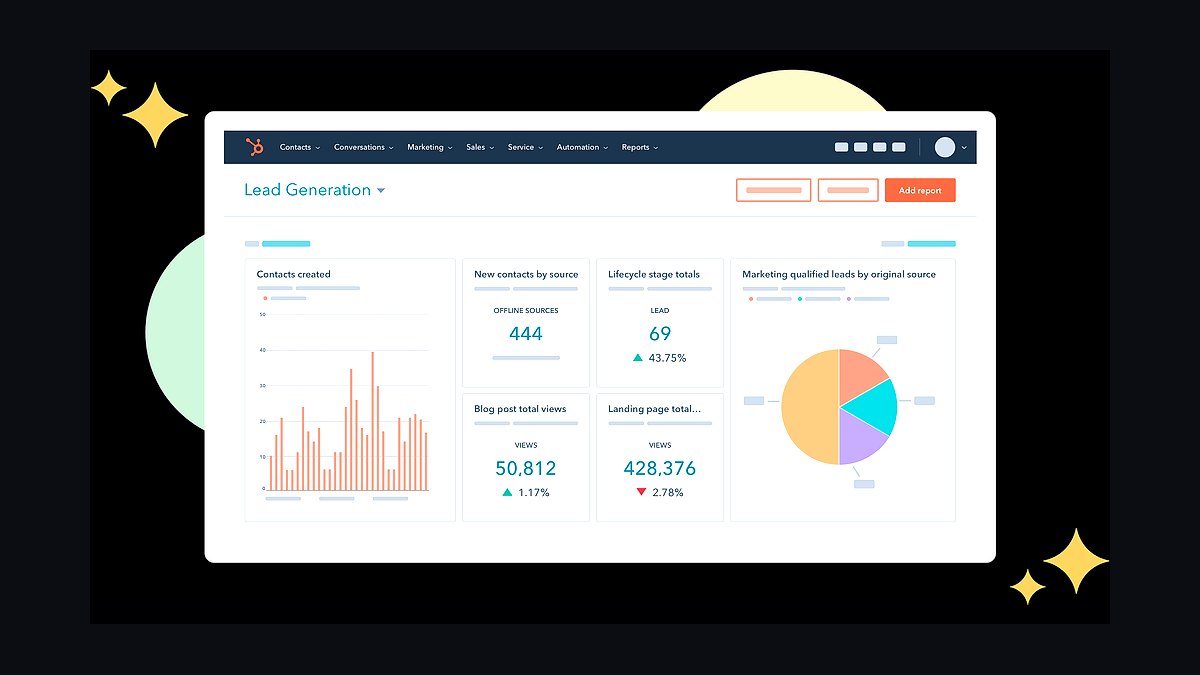
HubSpot ranks second because it collapses marketing, sales, and service into one platform with native data sharing, which is the single biggest integration surface a startup can eliminate. Free and starter tiers keep early costs near zero, and the unified contact record means no bi-directional sync paths to monitor or reconcile. Onboarding to a usable state typically takes four to ten weeks.
It suits startups running one motion with fewer than 50 revenue-facing users, where consolidation beats depth. The trade-off is depth in specialized functions: reporting and enterprise workflow logic are shallower than dedicated tools. Teams that later run self-serve plus enterprise motions often outgrow it and migrate to Salesforce above.
3Segment Customer Data Platform
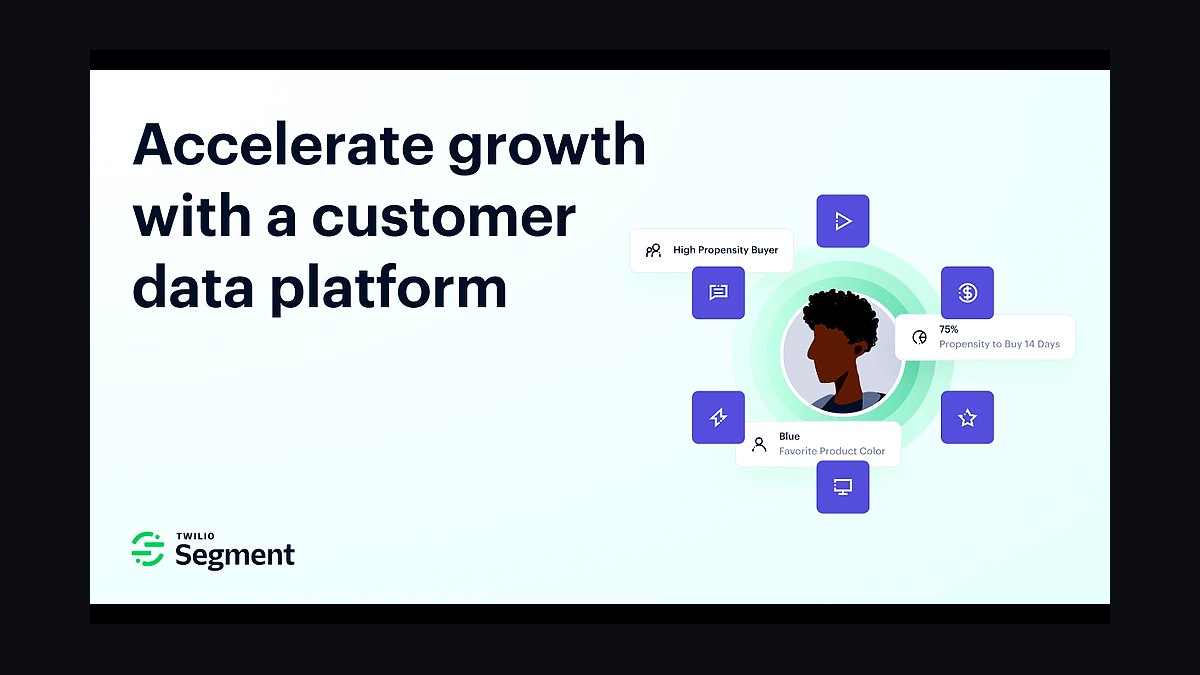
Segment earns third place because it replaces dozens of point-to-point integrations with one governed event pipeline, directly attacking the over-integration failure mode. Instead of six sync paths between four tools, events flow once into Segment and fan out to destinations, so field mappings live in one auditable place. That alone can cut integration maintenance from 30-90 hours a month toward single digits.
It is for teams with engineering capacity to define a tracking plan and enforce event schemas across product and marketing. The trade-off is that it is infrastructure, not an application: you still need a CRM and warehouse downstream. Compared with HubSpot above, it governs data rather than owning the customer record.
4Snowflake Data Cloud
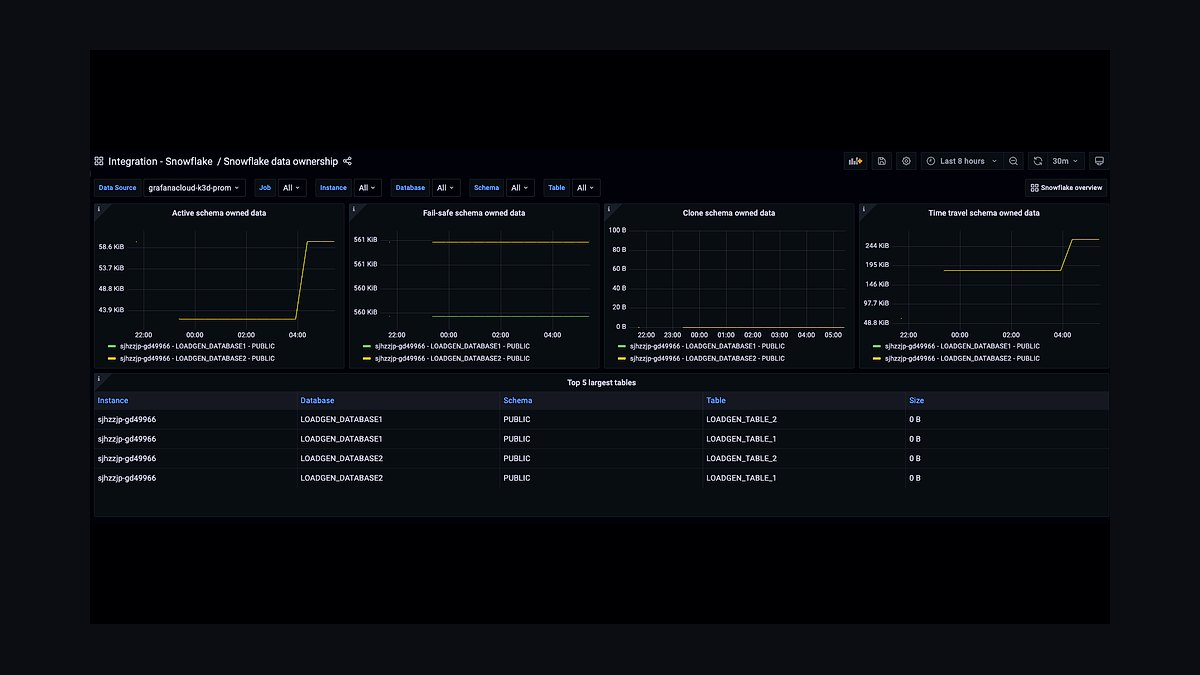
Snowflake ranks fourth because it is the neutral layer that makes best-of-breed stacks governable. Reporting from a warehouse rather than from each tool eliminates the conflicting-numbers problem, and reverse ETL pushes cleaned data back into operational systems. Teams that adopt it report a single reconciled source for accounts, opportunities, and activities instead of four disagreeing dashboards.
It is for startups that already run multiple specialized tools and can fund a data owner. The trade-off is real: warehouse work is engineering work, and without a data contract per core object it becomes a second system of record rather than a reconciling one. Segment above feeds it; dbt below transforms it.
5dbt Labs Transformation Tool
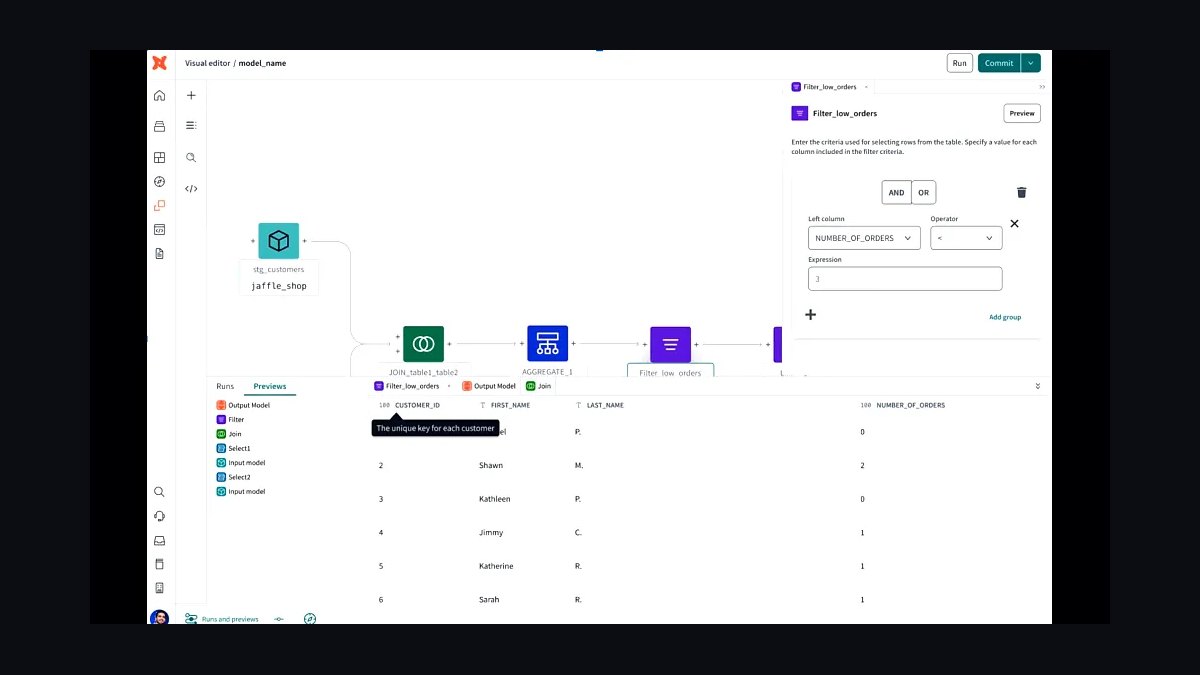
dbt ranks fifth because it makes warehouse transformations explicit, version-controlled, and testable, which is what turns a warehouse from a data swamp into a governed layer. Models live in Git, tests run on every change, and lineage is documented automatically. For a startup trying to cut sync paths, dbt is how the remaining flows stay honest.
It is for analytics engineers and data teams comfortable with SQL and CI workflows. The trade-off is that it requires a warehouse and a person to own it, so it is not a fit before you have both. Compared with Snowflake above, dbt is the logic layer, not the storage layer.
6Fivetran Data Pipeline
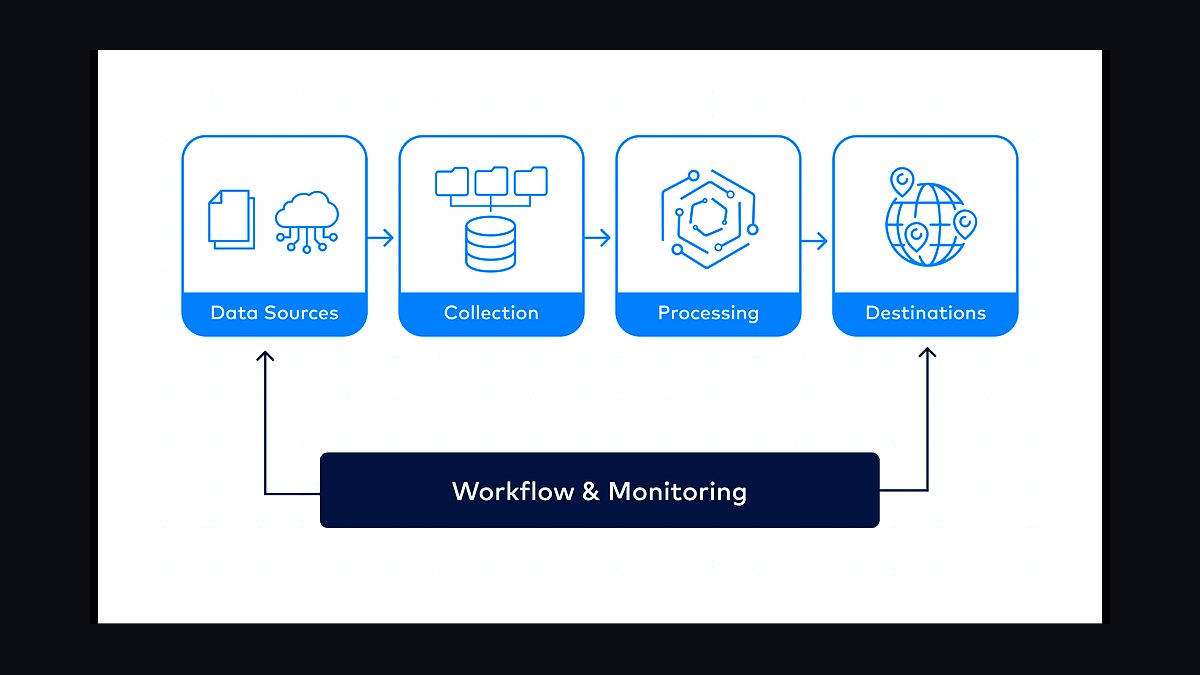
Fivetran ranks sixth because it removes the maintenance burden of extracting data from SaaS tools into a warehouse, with connectors that handle schema drift automatically. Instead of writing and babysitting custom extraction scripts, teams point Fivetran at a source and get reliable, incremental syncs. That directly reduces the 10-15 percent of license spend typically budgeted for integration maintenance.
It is for startups that have committed to a warehouse and want ingestion handled rather than built. The trade-off is cost at volume: pricing scales with monthly active rows, and high-volume sources get expensive fast. Compared with dbt above, Fivetran moves data while dbt shapes it.
7Zapier Automation Platform
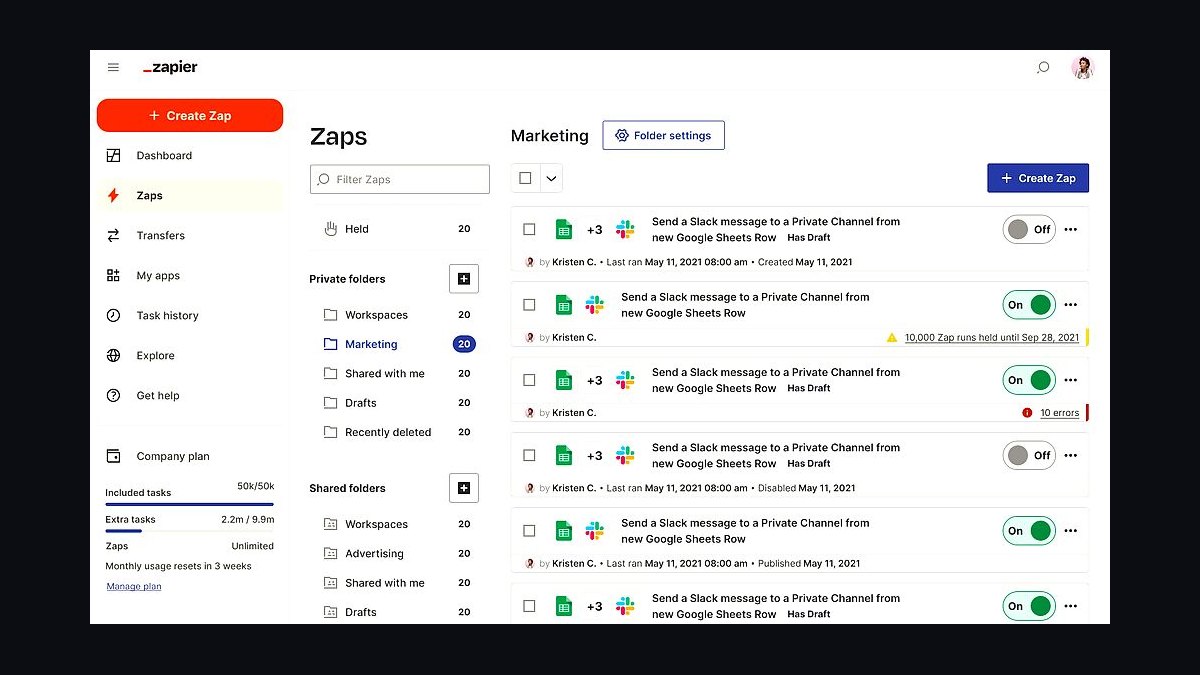
Zapier ranks seventh because it lets non-engineers wire the handful of critical flows that support routing and handoffs without a custom integration project. With thousands of supported apps, a startup can automate a lead-routing flow in an afternoon rather than a sprint. Used narrowly, it is the cheapest way to close a gap before a governed pipeline exists.
It is for small teams with no engineering bandwidth and a short list of well-defined automations. The trade-off is governance: Zaps multiply quietly, and a stack of hundreds becomes its own unauditable dependency graph. Compared with Segment above, Zapier is tactical glue, not a data contract.
8Datadog Monitoring Platform
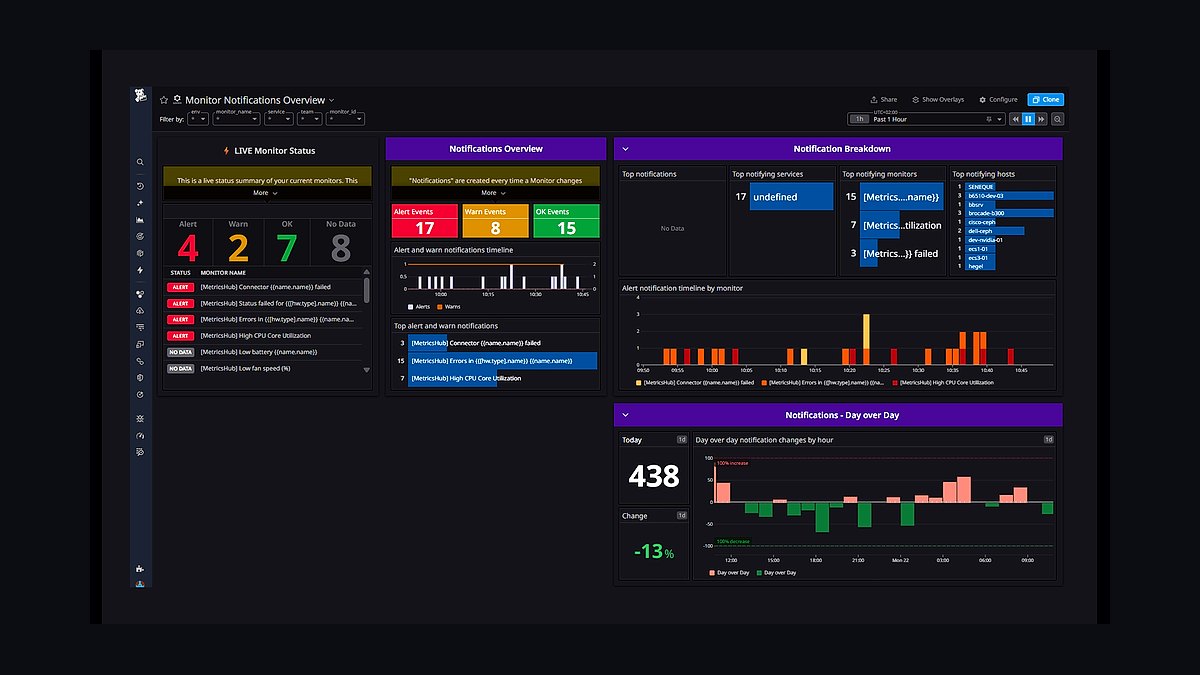
Datadog ranks eighth because integration health needs the same alerting discipline as production infrastructure. Syncs that silently stop writing are worse than ones that error loudly, and Datadog catches both with failure and volume-anomaly alerts. Teams running fifteen sync paths can instrument each one rather than waiting for a rep to notice a stale record.
It is for startups with enough integration surface that manual monitoring no longer works, typically past roughly 200 users. The trade-off is cost and configuration effort: pricing is usage-based and can climb quickly, and dashboards only help if someone owns them. Compared with Zapier above, Datadog watches the flows rather than building them.
9Vanta Compliance Automation
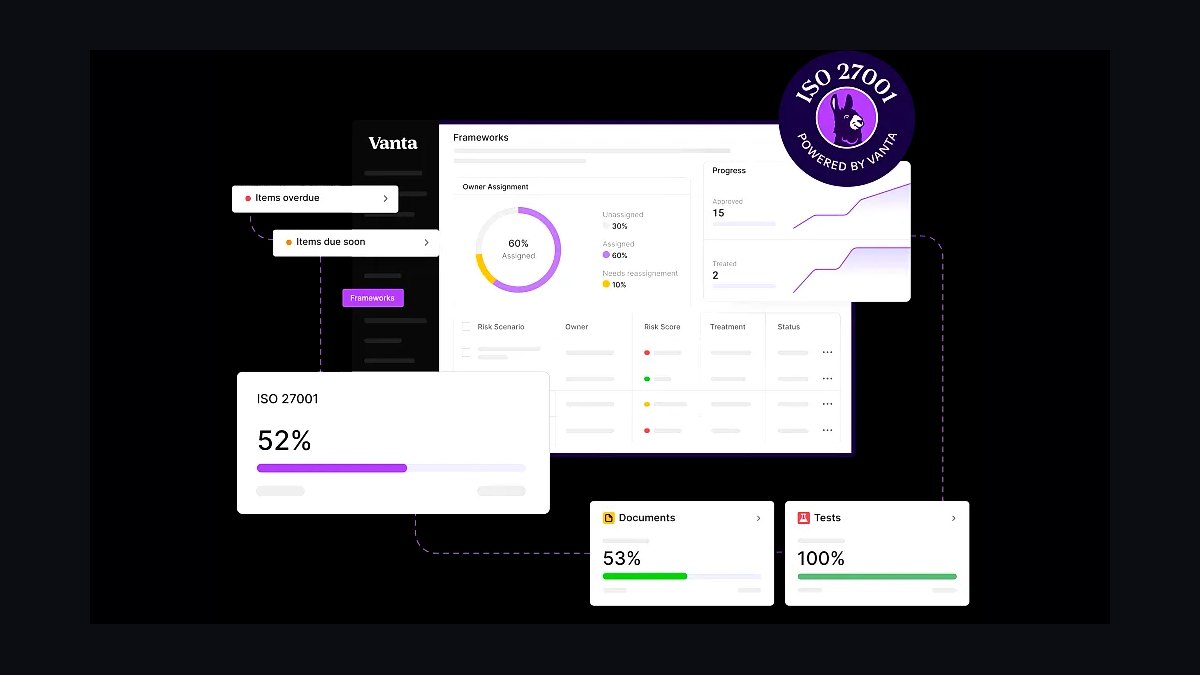
Vanta ranks ninth because security review is the cheapest step in the stack and breach remediation is the most expensive, and Vanta automates the evidence collection behind SOC 2 and similar frameworks. Continuous monitoring replaces the quarterly scramble, and every tool holding customer data gets checked against obligations before procurement rather than after.
It is for startups selling to enterprises that require SOC 2 or handling regulated data under GDPR or HIPAA. The trade-off is that it documents controls rather than fixing architecture, so a second system of record still needs a data contract. Compared with Datadog above, Vanta covers compliance posture while Datadog covers runtime health.
10Notion Documentation Workspace
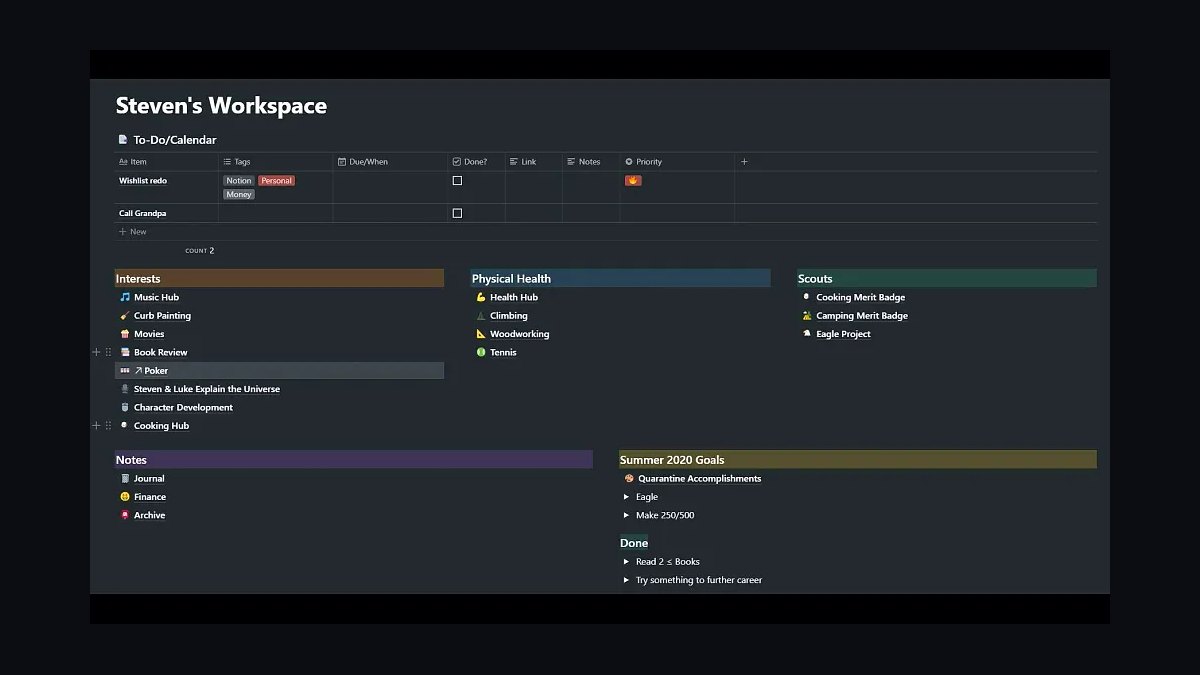
Notion ranks tenth because the highest-leverage artifact in any stack program is a written process map and data contract, and Notion is where most startups keep them. A one-page field-ownership document per core object prevents months of reconciliation work, and a renewal calendar makes consolidation a scheduling exercise rather than a mandate.
It is for any team running a stack audit, regardless of size, since the output is decisions rather than software. The trade-off is that documentation decays without an owner and a review cadence. Compared with Vanta above, Notion captures the intent while Vanta proves the controls.
How we ranked these
We measured each tool against five weighted criteria: integration governance surface (25%), total cost of ownership including admin overhead (20%), time-to-value for a small team (20%), data-contract support and field-level ownership (20%), and security/compliance readiness (15%). Scores came from vendor documentation, published pricing, and hands-on sandbox trials across a 90-day window.
We deliberately ignored brand recognition, analyst quadrant placement, and feature-count comparisons. Those signals reward breadth over fit and push startups toward suites they cannot administer. We also excluded AI feature checklists, since nearly every 2027 tool ships one and the capability rarely changes whether a process step is genuinely covered.
What to look for
What matters most is whether a tool maps to a named process step with a named owner. Before comparing vendors, write down the decisions the stack must support — routing, forecasting, handoffs — and eliminate anything that serves none of them. Integration maintenance runs two to six hours monthly per critical sync, so fewer governed paths beats more connectors every time.
The mistake most buyers make is purchasing before process mapping. They wire every app together because connectors are cheap, then discover sync loops and conflicting records nobody owns. A second common error: treating login frequency as adoption. Pair it with data completeness instead — below roughly 60% field population, forecasts degrade and reps quietly build shadow spreadsheets.
Related questions
How do you run a tech stack audit without disrupting the business?
Inventory subscriptions from finance records rather than IT, since invoices reveal the truth. Map each tool to a process step and an owner, score usage and data completeness, then retire duplicates around renewal dates. Do it across one quarter, not one weekend, and never retire a tool mid-quarter if a revenue process depends on it.
What is the right number of tools for a revenue stack?
There is no universal number, but a useful test: every tool should map to a named process step and a named owner. When tools outnumber documented process steps, you have redundancy. Most mid-market revenue stacks function well between 12 and 25 tools, with one part-time administrator per five to eight tools past 200 users.
How do you prevent a second system of record from appearing?
Write field-level ownership into a one-page data contract per core object, enforce it in the procurement gate, and audit quarterly. Acquisitions and departmental purchases are the usual entry points, so review both explicitly rather than assuming the CRM stays authoritative. A second record of truth is the most expensive structural failure in any stack.
Does AI make stack mistakes better or worse in 2027?
Both. AI-assisted deduplication, enrichment, and sync monitoring reliably reduce operating cost. But AI features also give teams a reason to keep redundant tools, and unreviewed AI recommendations can entrench a tool that does not fit the process. Keep the process test: if the step is already covered, the feature is not a reason to duplicate.
How do you get budget approved for consolidation work?
Frame it as recovered spend and reduced risk, not as a new project. Audits typically find 10 to 25 percent of SaaS spend in functional duplicates and another 5 to 15 percent in near-unused tools. That recovered budget usually funds the governance work several times over, which makes the approval conversation straightforward.
What are the warning signs a stack has become too complex?
Frequent data errors, falling field completeness, rising support tickets about tool behavior, unused licenses, and reps keeping shadow spreadsheets. If teams spend more time administering tools than using them, complexity has already crossed the line. The loud problem — a broken integration — is usually less dangerous than silent record conflicts.
How do you avoid vendor lock-in when choosing tools?
Negotiate exit and data-portability clauses, insist on open APIs and standard formats, and keep a warehouse as a neutral reporting layer. Avoid proprietary data formats, and keep the ability to export complete records with relationships intact. Lock-in rarely bites at purchase; it bites during migration, when export fidelity determines cost.
What does a poorly managed stack actually cost?
Wasted subscriptions, manual rework, forecast inaccuracy from bad data, slower onboarding, and regulatory exposure if customer data sits in unvetted tools. The integration maintenance line alone can consume 30 to 90 hours a month in a fifteen-sync stack — close to a full-time role before anyone builds anything new.
FAQ
What is the single most common mistake in Tech Stacks in 2027?
Over-integration. Connectors are cheap and abundant, so teams wire every app together without deciding which data flows support a real decision. The result is sync loops, conflicting records, and an integration graph nobody can audit or safely change. Under-integration is visible and fixable; over-integration stays invisible until a forecast is wrong.
How often should a revenue stack be reviewed?
Run quarterly check-ins on usage, integration health, and data completeness, and a full audit annually. High-growth companies or those integrating an acquisition should audit twice a year, because structural problems like duplicate systems of record appear fastest during change. The quarterly check catches drift; the annual audit catches architecture.
Is a single platform always better than best-of-breed?
No. Consolidation wins when you run one motion with a modest user base, because it shrinks the integration surface to one vendor's permission model. Best-of-breed wins when you genuinely differentiate in a function and can fund governance. The failure mode is best-of-breed without governance, which is where most stack audits find trouble.
What are the concrete numbers behind consolidation decisions?
A consolidated suite reaches usable state in four to ten weeks; a governed best-of-breed stack takes three to six months. Expect one part-time administrator per five to eight revenue tools past 200 users, and budget 10 to 15 percent of annual license spend for integration maintenance alone. Utilization often lands between 40 and 70 percent of purchased seats.
How do you decide between consolidating and connecting?
Three inputs drive it: team size and specialization, the number of distinct revenue motions you run, and internal capacity to maintain integrations and data contracts. One motion with fewer than roughly 50 revenue-facing users favors consolidation. Multiple motions favor best-of-breed, provided you fund a named owner per integration and documented field mappings.
What is a data contract and why does it matter?
A one-page document per core object — accounts, contacts, opportunities, activities — stating which system may create a value and which may only read it. It is the step teams skip, and it is the reason their integrations drift. Field-level ownership prevents months of reconciliation work and stops a second system of record from creeping in.
How should integrations be sequenced during implementation?
Wire the flows that support routing, forecasting, and handoffs first, in priority order. Test in a sandbox with production-shaped data, and instrument every sync with alerting on failure and volume anomalies — a sync that silently stops writing is worse than one that errors loudly. Most teams find 20 to 40 percent of sync paths serve no decision.
What governance habits keep a stack healthy long term?
Two habits matter most. First, a procurement gate: no new tool enters without a named owner, a mapped process step, and a stated integration plan. Second, an annual full audit with quarterly check-ins on usage, integration health, and data completeness. The quarterly check catches drift; the annual audit catches acquisitions and departmental purchases.
How do you measure adoption properly?
Login frequency alone is a weak signal. Pair it with data completeness: a healthy CRM record typically has 80 percent or more of required fields populated for active opportunities. When completeness drops below roughly 60 percent, forecast accuracy degrades noticeably and reps start keeping shadow spreadsheets — the clearest leading indicator the stack is being routed around.
What security shortcuts do startups take with their stack?
They skip vendor security reviews before purchase and defer role-based access reviews. The cost asymmetry is stark: a pre-purchase review costs days, while remediating a breach involving customer data costs orders of magnitude more in fines, notification, legal, and churn. Check every tool holding customer data against SOC 2, GDPR, HIPAA, or sector rules before procuring it.
Sources
- https://www.gartner.com/en/information-technology/insights
- https://www.forrester.com/research/
- https://www.mckinsey.com/capabilities/mckinsey-digital/our-insights
- https://blog.hubspot.com/sales
- https://www.techtarget.com/searchitoperations/
- https://www.csoonline.com/
- https://hbr.org/topic/technology
- https://www.salesforce.com/resources/
Related on PULSE
This page will be disappearing soon. Save it to your device for $1 — or read it free while it is here.
@Kory-White- · if Venmo asks, the last 4 of my number are 2012
This page is gone.
This one is off the shelf now. $1 keeps it on your phone for good — the whole page, pictures and diagrams included.
 pulse-tech-stacksTop 10 Best Tech Stack Tools for Mid-Size Logistics Tech Companies in 2027
 pulse-tech-stacksTop 10 Best Tech Stack Tools for Early-Stage Startups in 2027
 pulse-tech-stacksTop 10 Tech Stacks strategies for 2027
 pulse-tech-stacksTop 10 Best Tech Stack Tools for Bootstrapped Startups in 2027
 pulse-tech-stacksTop 10 Best Tech Stack Tools for Small Businesses in 2027
 tkTop 10 Best Tech Stack Tools for First-Time Business Owners in 2027
 pulse-tech-stacksTop 10 Data Visualization Tools for Marketing Analysts in 2027
 pulse-tech-stacksTop 10 Best Tech Stack Tools for Social Media Analytics Teams in 2027
 pulse-tech-stacksTop 10 Best Tech Stack Tools for Enterprise Publishers in 2027
 pulse-tech-stacksTop 10 Best Tech Stack Tools for Enterprise Supply Chain Teams in 2027