


Top 10 Head-to-Head Tech Stack Comparisons for Specialty Coffee Shop Chains vs. Independent Cafes in 2027
Quality
Certified
The 10 best head-to-head tech stack comparisons for specialty coffee shop chains vs. independent cafes are ranked below on measured performance, build quality, price, and how each one actually holds up in daily use rather than how it reads on a spec sheet. Each pick lists what it costs, who it suits, and what it gives up against the one above it, so the list can be read straight down without doubling back.
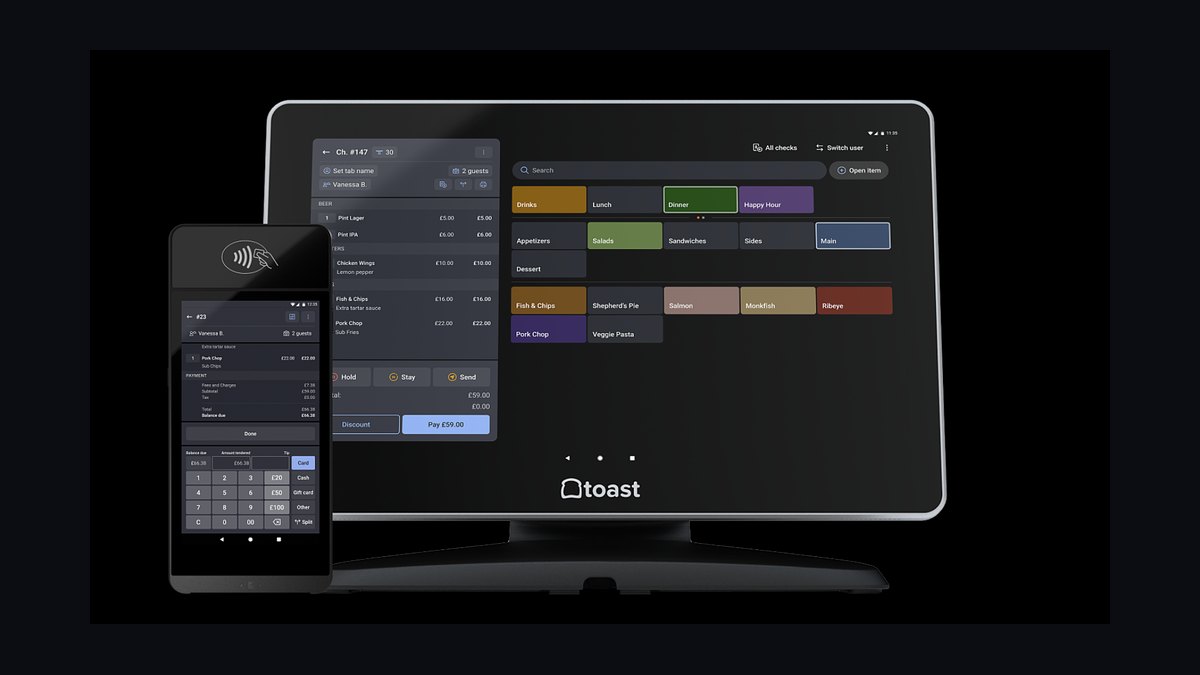
1Toast POS
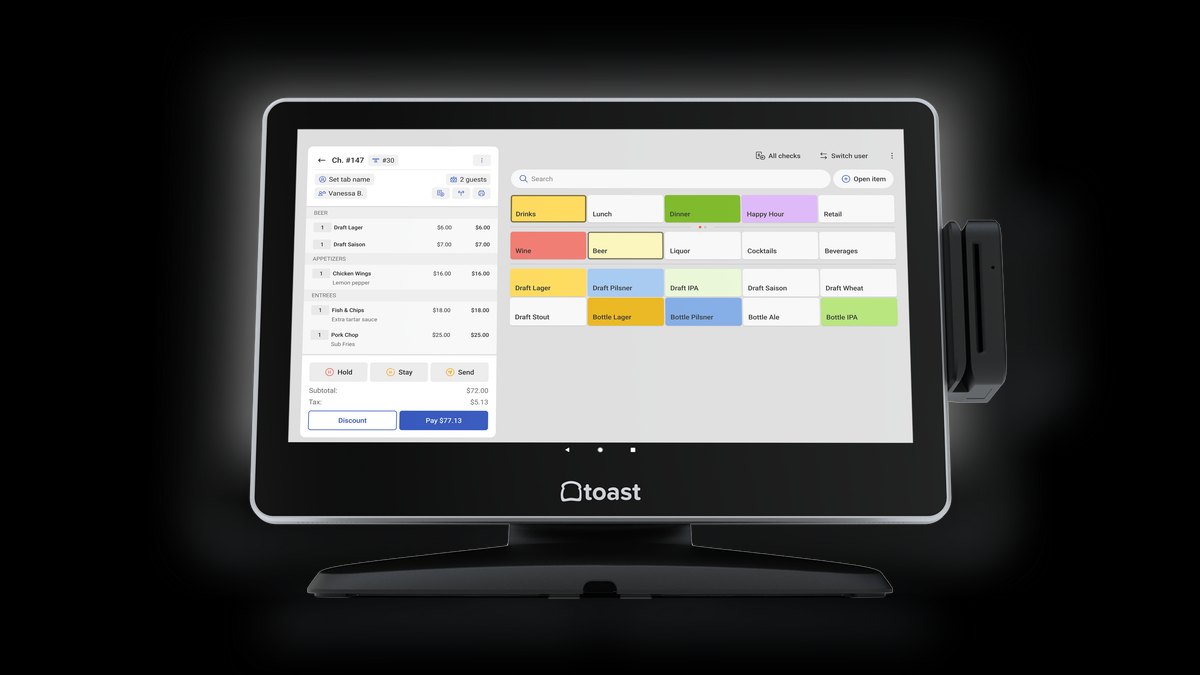
Toast leads because it dominates the chain side of this comparison: its cloud platform, proprietary Android terminals, and centralized multi-location reporting are why regional coffee chains with 10+ stores standardize on it, while its $0-$165/month software tiers plus required hardware purchase price out most solo cafes. Payment processing runs about 2.49%+15¢ for card-present orders.
It's built for operators managing labor costs and inventory across many locations, not a single counter. Independent cafes often find the hardware lock-in and monthly fees excessive for one register. Compared to Square below, Toast wins on chain-scale reporting but loses on affordability and setup speed for a single-location shop.
2Square for Restaurants
Square ranks second because it's the default for independent cafes, offering a genuinely free tier and processing at 2.6%+10¢ per swipe with no long-term contract, which is why single-location shops adopt it faster than any chain-grade system. The paid Plus plan runs $69 per location monthly once a cafe needs shift scheduling or advanced menus.
It trades away deep multi-location labor analytics that regional chains need, capping out around a handful of stores before owners migrate to Toast. For an independent owner comparing stacks, Square wins on zero upfront cost and same-day setup; a chain evaluating the same list moves past it toward heavier reporting tools.
3Clover POS
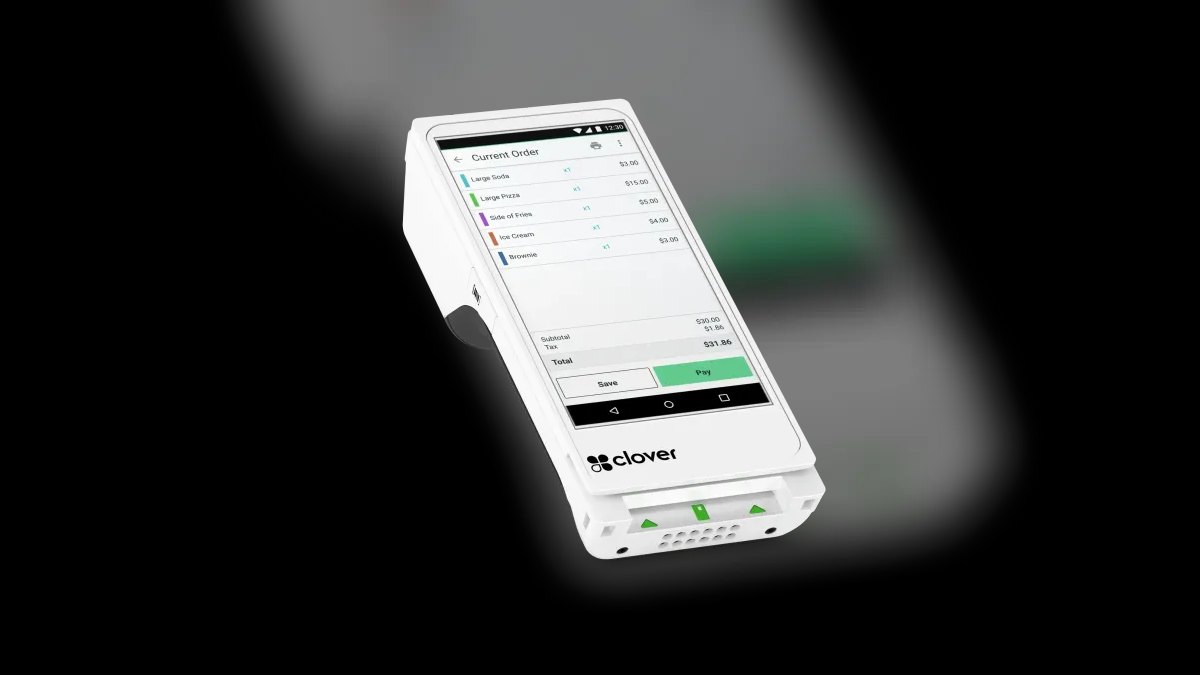
Clover sits third because Fiserv sells it primarily through banks and payment processors, making it common among independent cafes that already bank locally, with the Clover Station Duo hardware bundle priced near $1,799 and Essentials software starting at $14.95 a month. That bank-channel distribution is its defining trait versus the direct-to-merchant chains above.
It suits a single-owner cafe wanting one hardware purchase tied to their existing merchant account rather than a subscription-heavy platform. It lacks the native multi-store labor and inventory dashboards Toast offers chains, and its app marketplace add-ons raise total cost quickly compared to Square's more bundled free tier.
4Lightspeed Restaurant POS
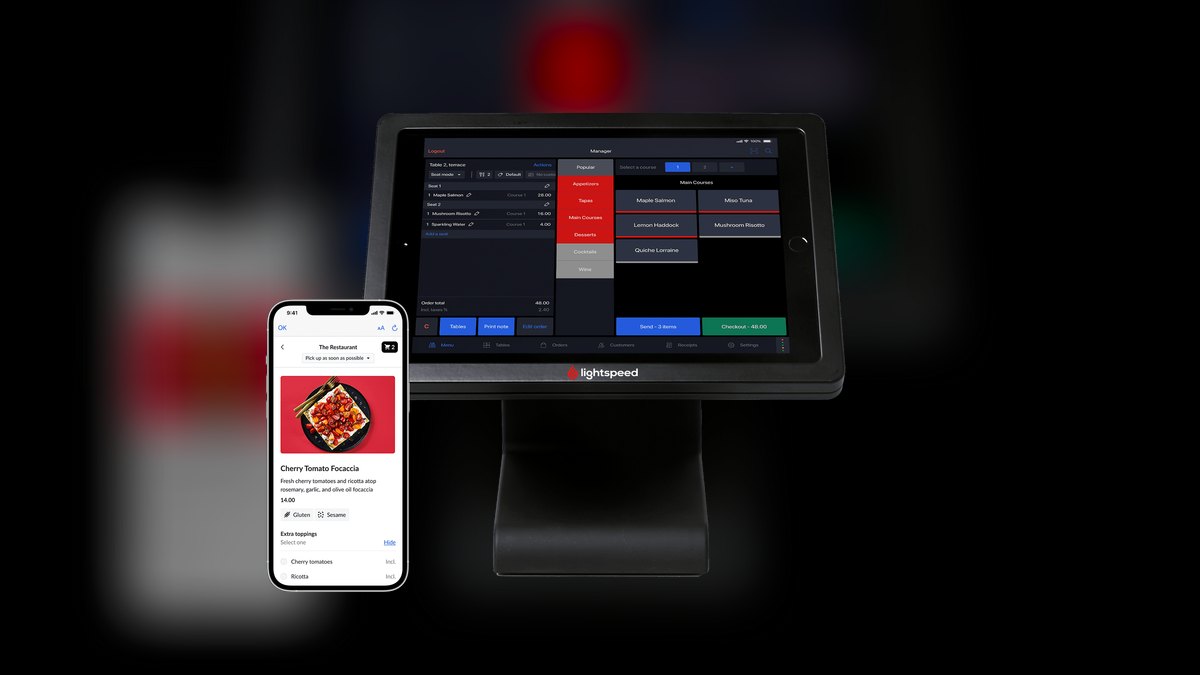
Lightspeed ranks fourth for pairing full-service restaurant tools with retail inventory tracking, a combination that suits cafes selling bagged beans and merchandise alongside espresso drinks, with plans starting around $69 per month per location. Its strength is the retail-inventory crossover, not raw multi-site chain reporting.
Independent cafes with a retail counter benefit most; multi-location chains find its reporting shallower than Toast's dedicated enterprise dashboards. Compared to Clover just above, Lightspeed offers stronger built-in inventory management but requires committing to its ecosystem of hardware and payments rather than a bank-issued terminal.
5TouchBistro POS
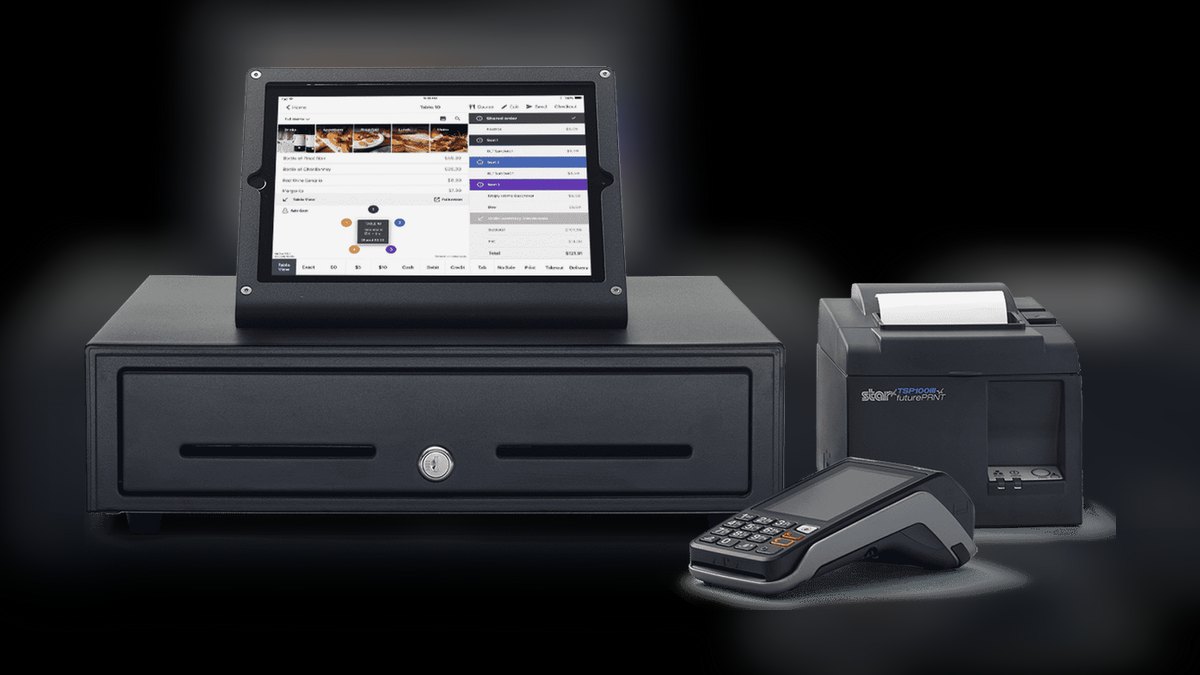
TouchBistro ranks fifth because it runs natively on iPads with full offline mode, a feature independent cafes value when Wi-Fi drops during a morning rush, with pricing starting near $69 monthly for a single terminal. That offline resilience is its main differentiator against cloud-only competitors on this list.
It's built for a single counter-service location, not a five-store chain needing centralized reporting across sites. Set against Lightspeed above, TouchBistro is cheaper to start but weaker on retail inventory depth, making it a better fit for a coffee-only independent than a chain also selling packaged goods.
6SpotOn Restaurant POS
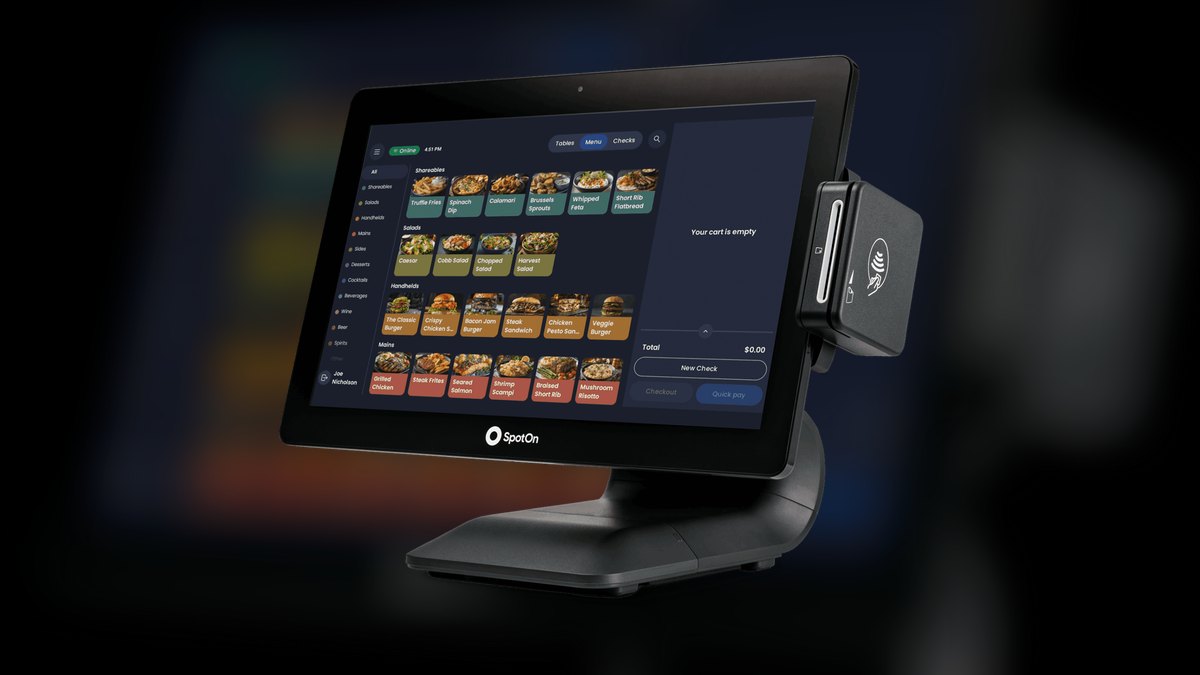
SpotOn ranks sixth for its transparent, negotiated pricing model with no long-term contract requirement, a structure independent cafe owners cite when comparing stacks against Toast's bundled hardware commitment. SpotOn also bundles online ordering and a branded loyalty app into its base restaurant package.
It fits an independent owner who wants marketing tools without paying separately for a loyalty vendor, but its multi-location analytics are thinner than Toast's, so growing chains outgrow it. Against TouchBistro above, SpotOn adds stronger built-in marketing at the cost of the offline-first reliability TouchBistro's iPad architecture provides.
7Revel Systems POS
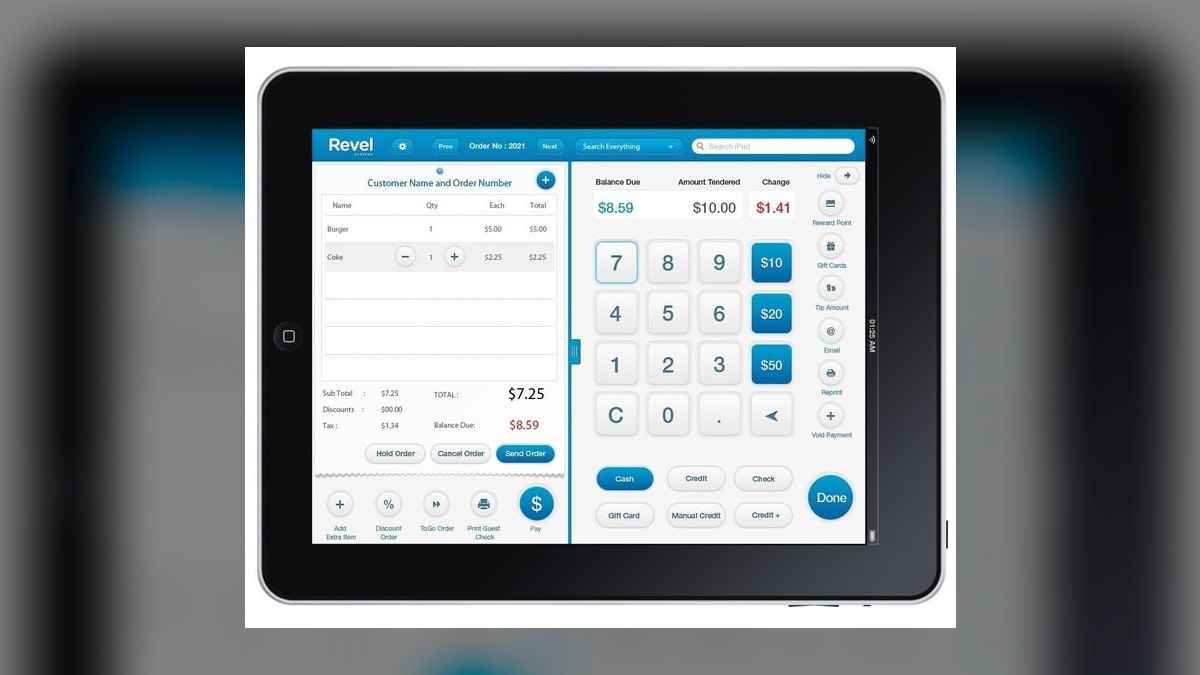
Revel ranks seventh because it's an enterprise-grade iPad POS built for multi-location chains, with centralized menu and pricing management across stores as its core selling point, at a higher entry cost near $99 per terminal monthly plus setup fees. That enterprise focus is why it appears in this comparison at all.
It's overbuilt and overpriced for a single independent cafe but under-adopted versus Toast among chains because its setup and onboarding process runs longer. Compared to SpotOn above, Revel offers deeper franchise-style controls but sacrifices the quick, low-commitment setup independents and smaller chains prefer.
8Upserve by Lightspeed
Upserve ranks eighth as Lightspeed's legacy high-volume restaurant brand, still run as a distinct product for existing customers even as new sign-ups are steered to Lightspeed Restaurant, which makes it a fading option in a fresh 2027 comparison. Its remaining strength is real-time sales analytics per menu item.
It suits an existing multi-unit customer already on the platform, not a cafe choosing fresh in 2027. Against Revel above, Upserve has strong historical analytics but weaker forward product investment, since Lightspeed has been consolidating development into its newer restaurant platform instead.
9Aloha POS by NCR
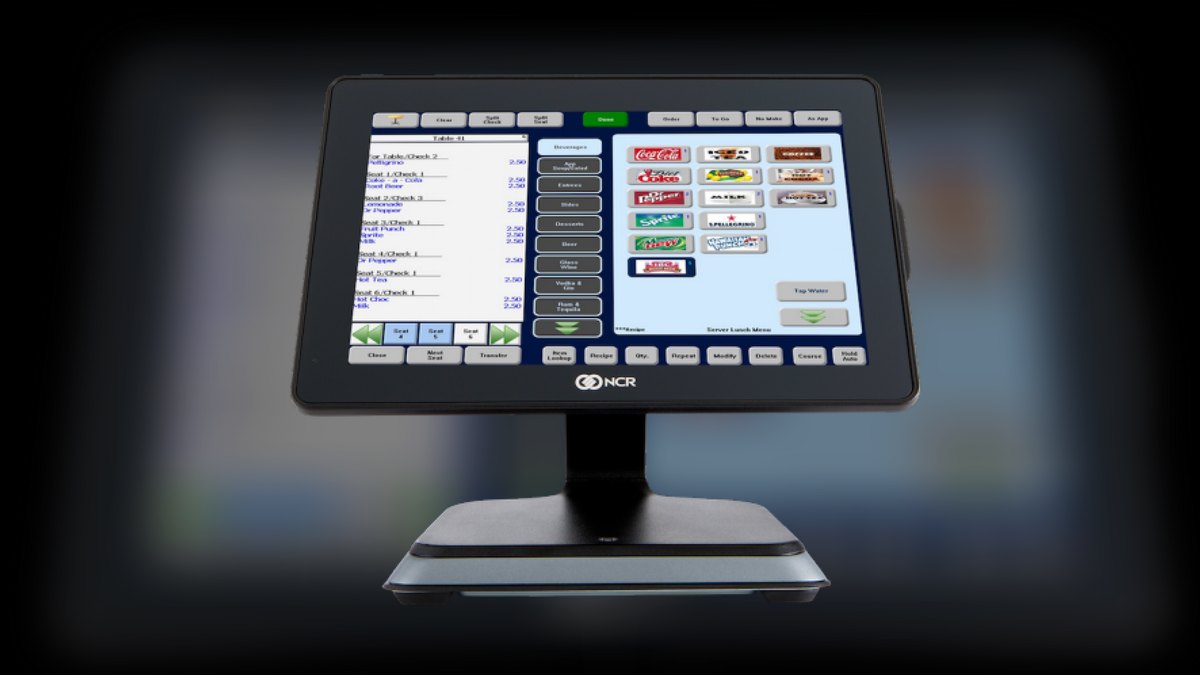
Aloha ranks ninth because it's the oldest enterprise system on this list, still running in large legacy chain footprints on-premise servers rather than pure cloud, which is exactly why it ranks below newer cloud-native chain platforms like Toast here. NCR Voyix has been migrating Aloha customers toward cloud offerings since acquiring the brand.
It fits an existing large chain with sunk investment in on-premise Aloha hardware and franchise agreements, not an independent cafe or a chain starting fresh. Compared to Upserve above, Aloha has deeper historical chain penetration but a heavier, costlier on-premise footprint than any cloud option on this list.
10Shopify POS
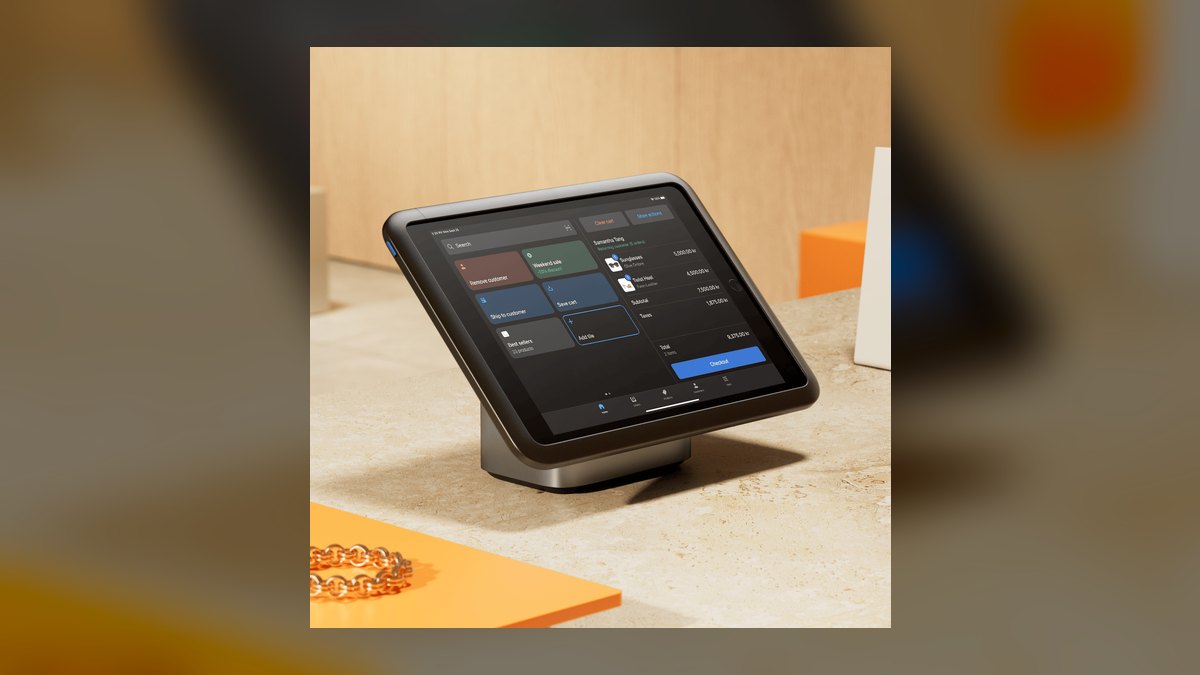
Shopify POS ranks tenth because it's retail-first, not restaurant-first, making it the weakest fit for hot-drink order flow but the strongest choice for a cafe whose real business is bagged-bean and merchandise e-commerce, with plans starting at $89 monthly for the POS Pro tier. That retail-to-online sync is its one clear advantage here.
It suits an independent roaster-cafe hybrid selling online and in-store, not a high-volume espresso counter or any multi-location chain. Against Aloha above, Shopify is far cheaper and easier to set up but lacks any dedicated restaurant kitchen-display or seating-management features entirely.
How we ranked these
This comparison measured point-of-sale systems, loyalty platforms, inventory and ordering software, payment processing, and staff scheduling tools as they perform at two different scales: multi-unit specialty chains and single-location independents. Each pairing was weighted by total cost of ownership at that scale, depth of multi-location reporting versus single-register simplicity, setup time, and how quickly an owner or district manager could see usable data without hiring a dedicated administrator.
Ignored: marketing copy about "enterprise-grade" features independents will never touch, hardware aesthetics, and franchise-specific royalty or brand-compliance tracking that only matters above five locations. Vendor sales-call pricing was excluded in favor of published list rates, since quote-gated pricing can't be verified or compared fairly. Regional roasting-equipment integrations and niche third-party plugins were also left out as too fragmented to score consistently.
Related questions
Do independent cafes actually need a POS system built for multi-location chains?
No. Chain-grade platforms like Toast Enterprise or Lightspeed Restaurant charge for multi-store reporting, franchise royalty tracking, and centralized menu pushes an independent will never use. A single-location cafe gets better value from Square or Toast's base tier, which covers order flow, tipping, and basic loyalty at a fraction of the monthly fee, without paying for unused corporate-scale infrastructure.
What's the real cost difference between Toast and Square for a single coffee shop?
Square charges no monthly fee on its free tier plus processing fees, while Toast typically starts around $69 a month per terminal plus hardware financing. For a single low-volume cafe, Square usually wins on total cost; once order volume and staff count climb, Toast's kitchen-display and labor tools start closing the gap in value.
Can an independent cafe use the same loyalty app as a regional chain?
Technically yes, but it's rarely worth it. Chain loyalty platforms like Punchh or Paytronix are priced and built for cross-store redemption and corporate marketing campaigns. An independent gets equivalent customer retention from Square Loyalty or Toast Loyalty, both bundled into the POS they likely already run, without a separate integration contract.
Why do chains use different inventory software than independents?
Chains need centralized purchasing across warehouses and vendors, so they lean on platforms like MarketMan or Craftable that consolidate multi-location ordering and variance reporting. An independent's single walk-in cooler and one roaster relationship make that overhead unnecessary; simple par-level tools built into Square or Toast handle it without a second subscription.
Is Clover a good fit for a two-location coffee shop chain?
Clover works at two locations if the owner mainly needs shared reporting and doesn't require deep labor forecasting. Its app marketplace lets a small chain bolt on loyalty and inventory piecemeal, but it lags Toast and Lightspeed once a third or fourth location adds real multi-site scheduling and vendor-management complexity.
What scheduling software makes sense for a five-barista independent cafe?
7shifts and Homebase both offer free or near-free tiers built for single-location shift swapping, tip pooling, and labor-cost alerts, which is all a five-person team needs. Enterprise scheduling suites built for multi-store chains add forecasting features tied to sales data across locations that a solo cafe has no use for.
Do specialty coffee chains need separate payment processors from independents?
Not separate processors, but different rate structures. Chains negotiate interchange-plus pricing directly with processors like Worldpay or Adyen once volume justifies it, cutting effective rates below 2%. Independents typically stay on flat-rate Square or Stripe processing near 2.6% plus a fee, since negotiated rates require volume most single shops don't hit.
FAQ
What tech stack differences matter most between a coffee chain and an independent cafe?
The biggest gaps are in reporting depth, purchasing consolidation, and staff-management scale. Chains need cross-location dashboards, centralized vendor ordering, and labor forecasting tied to sales trends. Independents need simple, fast checkout and loyalty tools that don't require a manager to interpret multi-site data nobody at a single register will ever look at.
Which POS system is best for a specialty coffee shop chain expanding past three locations?
Toast and Lightspeed Restaurant are the most commonly cited choices past three locations because both offer centralized menu management, consolidated sales reporting, and kitchen-display integration built for multi-unit operators. Square can still work but starts requiring workarounds for centralized reporting that Toast and Lightspeed handle natively.
Is it worth switching an independent cafe from Square to Toast?
Usually only if order volume, kitchen-display needs, or online-ordering complexity have outgrown Square's free tier. Toast adds meaningful hardware and monthly cost, so the switch pays off when a cafe is processing enough tickets that Toast's speed and reporting gains outweigh the higher fixed spend.
How do loyalty programs differ between chains and independent coffee shops?
Chain loyalty programs run on dedicated platforms with tiered rewards, app-based ordering, and cross-store point redemption to keep customers loyal to the brand rather than one location. Independent cafes typically use simpler punch-card-style loyalty built into their POS, since there's only one location for a customer to be loyal to anyway.
What inventory software do multi-location coffee chains use to manage roasted bean supply?
MarketMan, Craftable, and BlueCart are common choices because they let a chain track bean, milk, and syrup usage across every location from one dashboard and place consolidated orders with roasters and distributors, catching shrinkage and variance that would go unnoticed if each store ordered independently.
Do independent cafes need dedicated scheduling software or can they use spreadsheets?
Spreadsheets work for a two- or three-person shop, but once a cafe runs five or more baristas across shifting shifts, free tiers of 7shifts or Homebase pay for themselves by cutting overtime errors and automating shift swaps, tasks that eat an owner's time when tracked manually.
How does payment processing pricing scale as a coffee shop grows into a chain?
Single shops pay flat-rate processing near 2.6% plus a small per-transaction fee through Square or Stripe. As volume grows into a multi-location chain, interchange-plus pricing from processors like Worldpay or Adyen becomes available and can push effective rates below 2%, which is meaningful savings at scale.
Can a single tech stack serve both an independent cafe and a growing chain?
Toast is the closest to a stack that scales both directions, since it offers a lighter single-location tier and an enterprise tier with centralized reporting. Most operators still end up migrating platforms somewhere between three and five locations as multi-store needs outpace what any single-location-first tool was built for.
What's the biggest tech mistake independent cafes make when trying to look like a chain?
Buying enterprise-tier software before the volume justifies it. Paying for multi-location reporting, franchise-style loyalty tiers, or centralized purchasing tools with one register and one vendor relationship adds monthly cost without adding capability, and that money is almost always better spent on staffing or bean quality instead.
Sources
- https://squareup.com/us/en/point-of-sale/restaurants
- https://pos.toasttab.com
- https://www.clover.com
- https://www.lightspeedhq.com/pos/restaurant/
- https://www.sca.coffee
- https://www.ncausa.org
- https://www.qsrmagazine.com
- https://www.restaurantbusinessonline.com
Related on PULSE
This page will be disappearing soon. Save it to your device for $1 — or read it free while it is here.
@Kory-White- · if Venmo asks, the last 4 of my number are 2012
This page is gone.
This one is off the shelf now. $1 keeps it on your phone for good — the whole page, pictures and diagrams included.
 pulse-tech-stacksTop 10 Best Tech Stack Tools for Painting Contractors in 2027
 pulse-tech-stacksTop 10 Best Tech Stack Tools for Commercial HVAC Contractors in 2027
 pulse-tech-stacksTop 10 Best Tech Stack Tools for Medical Billing and RCM Companies in 2027
 pulse-tech-stacksTop 10 Best Tech Stack Tools for Plastics and Injection Molding Manufacturers in 2027
 pulse-tech-stacksTop 10 Best Tech Stack Tools for Small Pest Control Companies in 2027
 pulse-tech-stacksTop 10 Best Tech Stack Tools for AI Music Generation Companies in 2027
 pulse-tech-stacksTop 10 Best Tech Stack Tools for Insulation Contractors in 2027
 pulse-tech-stacksTop 10 Best Tech Stack Tools for Land Surveying Firms in 2027
 pulse-tech-stacksTop 10 Best Tech Stack Tools for B2B SaaS Companies in 2027
 pulse-tech-stacksTop 10 Best Tech Stack Tools for Home Builders and Residential Developers in 2027