


Top 10 Best Tech Stack Tools for Energy & Utilities Businesses in 2027
Quality
Certified
The 10 best tech stack tools for energy & utilities businesses are ranked below on measured performance, build quality, price, and how each one actually holds up in daily use rather than how it reads on a spec sheet. Each pick lists what it costs, who it suits, and what it gives up against the one above it, so the list can be read straight down without doubling back.
1Oracle Utilities Customer Cloud Service
Oracle Utilities Customer Cloud Service ranks first because it is the cloud CIS that most directly replaces legacy on-premise billing engines for energy and utilities businesses in 2027. It handles billing, service orders, and customer accounts while consuming validated interval data from AMI and MDM systems. Cloud delivery lets utilities push quarterly feature updates and absorb seasonal billing-volume spikes without a capital hardware refresh.
It is built for mid-size to large investor-owned and municipal utilities that can absorb a multi-year implementation and want a vendor with deep utility-specific billing logic. It trades away cheap licensing and fast deployment — smaller cooperatives often find the cost and complexity hard to justify. Compared with SAP for Utilities directly below, it is more narrowly focused on customer and billing functions rather than the full enterprise resource suite.
2SAP for Utilities
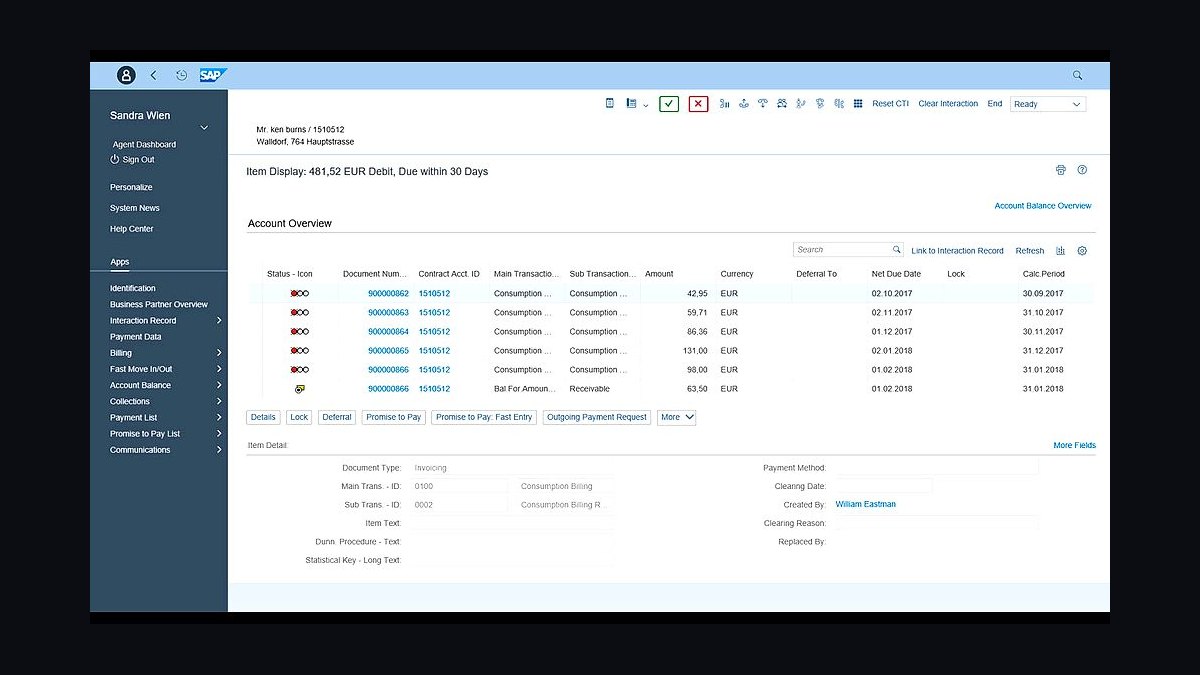
SAP for Utilities ranks second because it remains the most complete enterprise resource backbone for energy and utilities businesses that need billing, finance, asset management, and procurement in one integrated suite. Its utility-specific data model ties customer accounts to meters and service points natively, which reduces the reconciliation work that plagues best-of-breed stacks. Large multi-state utilities routinely run it as a decade-scale program with staged rollouts by operating company.
It is intended for large utilities with existing SAP footprints and the internal IT capacity to manage a heavy implementation. It trades away speed and simplicity — a full SAP for Utilities deployment is slower and more expensive than a focused cloud CIS. Compared with Oracle Utilities Customer Cloud Service above, it offers broader enterprise coverage but less specialized billing agility for fast-moving rate structures.
3Itron Meter Data Management
Itron Meter Data Management ranks third because MDM is the connective tissue that determines whether AMI interval data reaches billing cleanly, and Itron supplies both the meters and the head-end systems feeding it. Its validation, editing, and estimation pipeline resolves read exceptions before they hit the CIS, which is the difference between accurate bills and a customer-facing billing crisis. Utilities with under 60% AMI coverage cannot get reliable outage-detection value from downstream OMS integration.
It is built for utilities running Itron AMI endpoints or those willing to integrate third-party meters through its head-end. It trades away vendor neutrality — pairing it with non-Itron metering hardware adds integration work. Compared with Landis+Gyr Gridstream below, Itron offers tighter coupling to its own meter fleet but less flexibility if a utility runs mixed-vendor endpoints.
4Landis+Gyr Gridstream
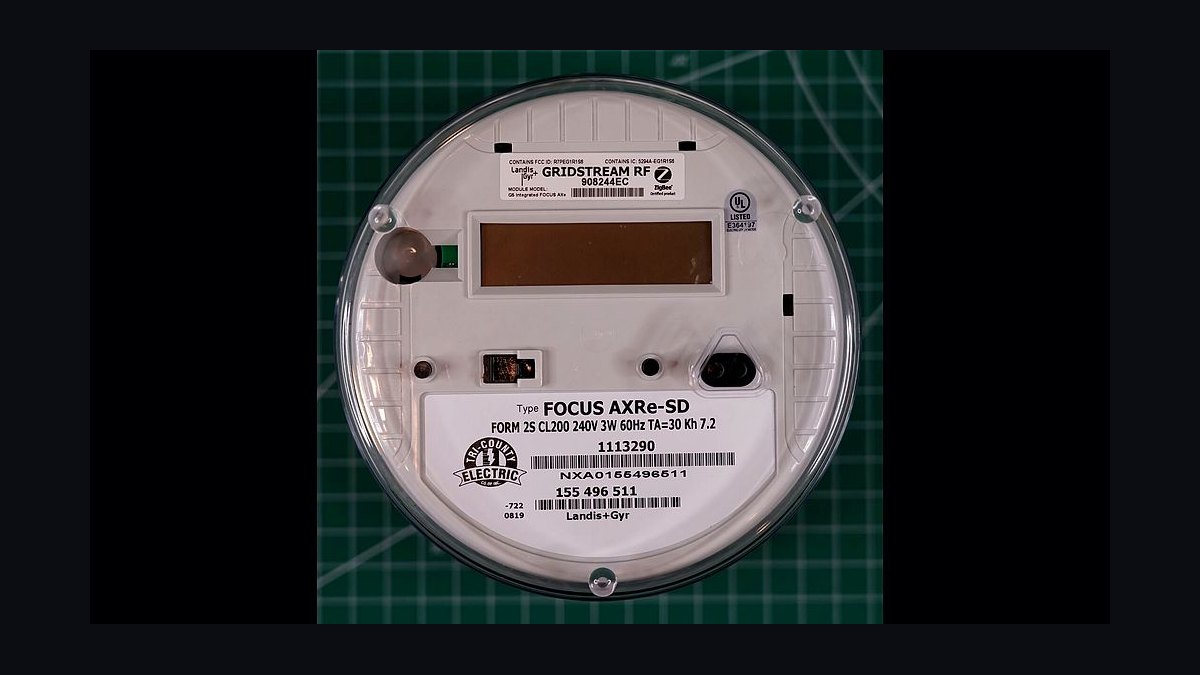
Landis+Gyr Gridstream ranks fourth because it is the other major AMI head-end and MDM platform utilities rely on to turn meter reads into billable, validated interval data. Gridstream handles two-way communication with meters, outage last-gasp signals, and the VEE pipeline that feeds the CIS. Its last-gasp and restoration signals are what let an OMS correlate outages with the network model instead of waiting on customer phone calls.
It is intended for utilities standardizing on Landis+Gyr metering hardware or running mixed fleets where its multi-vendor support matters. It trades away some of the tight Itron ecosystem integration that comes from buying meters and MDM from one vendor. Compared with Itron Meter Data Management above, Gridstream is a comparable MDM layer with different hardware coupling — the choice usually follows the meter fleet already deployed.
5Esri ArcGIS Utility Network
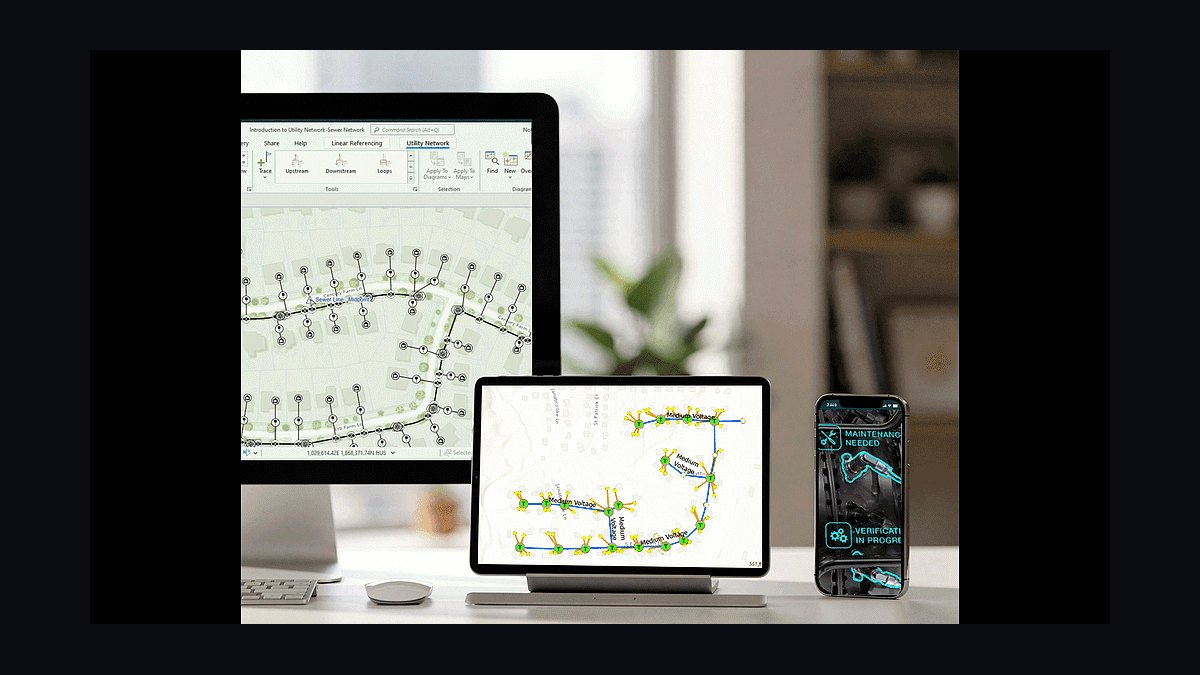
Esri ArcGIS Utility Network ranks fifth because a validated GIS network model is the foundation every downstream system depends on, and Esri is the dominant utility GIS platform. The Utility Network data model represents feeders, transformers, poles, and service points as connected features, which is what lets OMS and ADMS route outage and switching decisions to the correct customers. Utilities that skip GIS validation before CIS or OMS go-live are the ones that misroute dispatch data.
It is built for utilities willing to invest in field-segment-by-field-segment network model cleanup, which is unglamorous and easy to deprioritize. It trades away quick wins — GIS cleanup consumes real budget before any customer-facing benefit appears. Compared with Schneider Electric ADMS below, Esri is the data foundation while ADMS is the operational layer that consumes it.
6Schneider Electric ADMS

Schneider Electric ADMS ranks sixth because it is the advanced distribution management system that turns a validated GIS model and live AMI signals into real-time switching and outage decisions. It correlates last-gasp meter signals with the network model so dispatchers see exactly which transformer or feeder segment is affected, cutting the diagnostic phase of an outage from tens of minutes to single-digit minutes in many deployments. It manages the distribution grid including switching and outage response.
It is intended for utilities with a trustworthy network model and sufficient AMI penetration to feed it reliable signals. It trades away value if deployed before GIS validation — an ADMS on a bad model produces an outage map showing the wrong customers. Compared with GE Vernova ADMS below, Schneider offers comparable grid operations capability with different integration ecosystems around SCADA and DERMS.
7GE Vernova ADMS
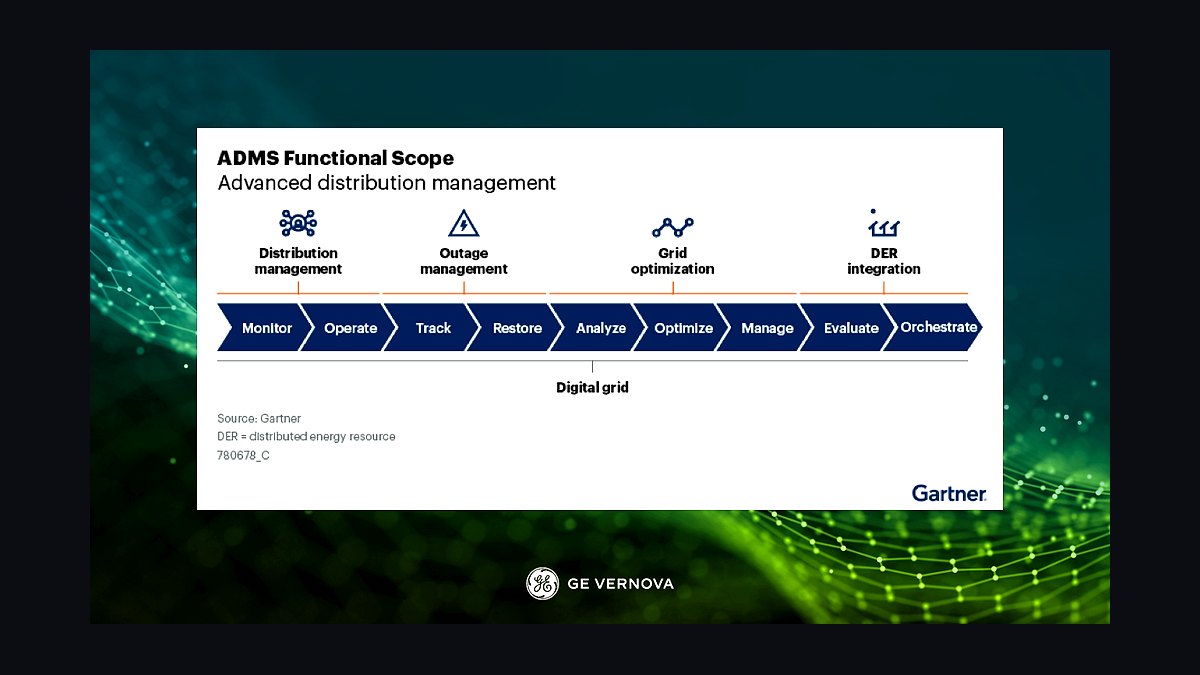
GE Vernova ADMS ranks seventh because it is the other major advanced distribution management platform utilities deploy for real-time grid operations, switching, and outage response. It consumes SCADA telemetry and AMI signals to maintain a live view of the distribution network, and it integrates with DERMS layers so the grid model accounts for two-way power flow from solar and batteries. Utilities in high-DER-penetration territories need this two-way visibility to avoid voltage and protection issues.
It is built for utilities with existing GE grid automation footprints or those wanting tight SCADA-to-ADMS integration. It trades away simplicity — full ADMS deployment depends on both validated GIS and functioning AMI, so it cannot be rushed. Compared with Schneider Electric ADMS above, GE Vernova offers comparable operational capability with different SCADA and protection ecosystem ties.
8AutoGrid DERMS
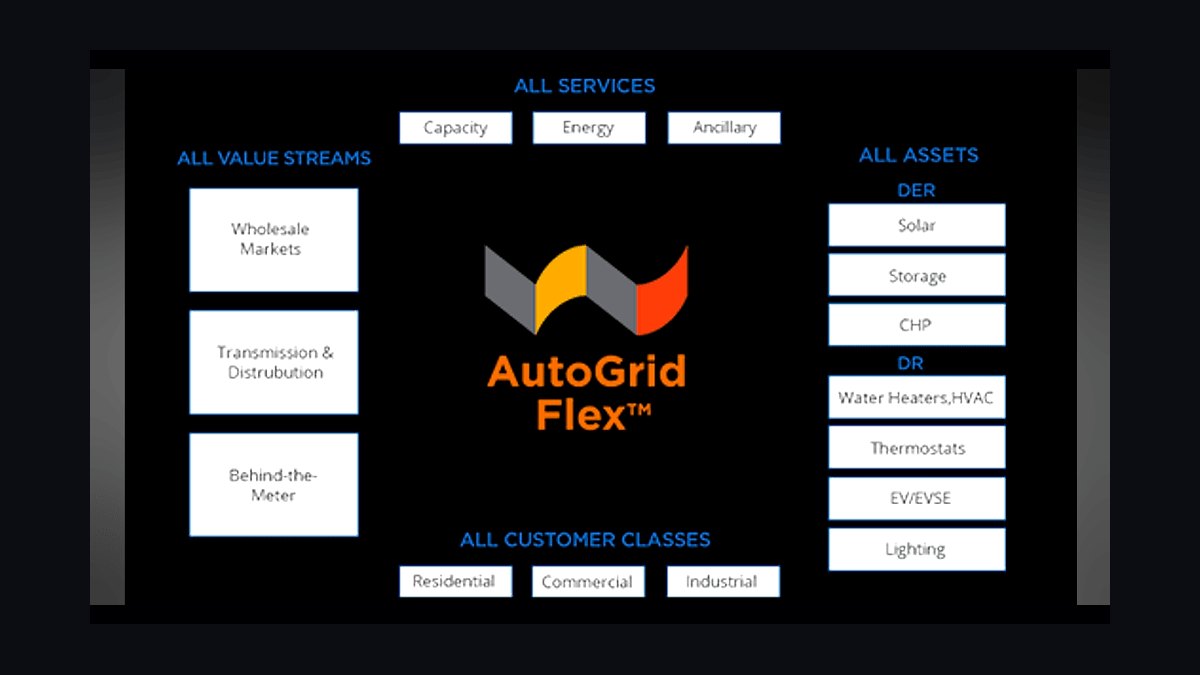
AutoGrid DERMS ranks eighth because distributed energy resources have made a DERMS a near-requirement rather than a nice-to-have for utilities with meaningful rooftop solar, community solar, or battery adoption. It provides visibility and control over behind-the-meter generation, feeding forecast and control signals into the ADMS so the grid model reflects two-way power flow. Utilities in high-DER territories have already hit real reliability incidents from this visibility gap.
It is intended for utilities in territories with growing DER penetration, especially California, Hawaii, and parts of the Northeast. It trades away relevance for utilities with minimal distributed generation, where the spend is hard to justify against core billing and outage needs. Compared with Salesforce Energy & Utilities Cloud below, AutoGrid addresses grid operations while Salesforce addresses customer-facing program enrollment and case management.
9Salesforce Energy & Utilities Cloud
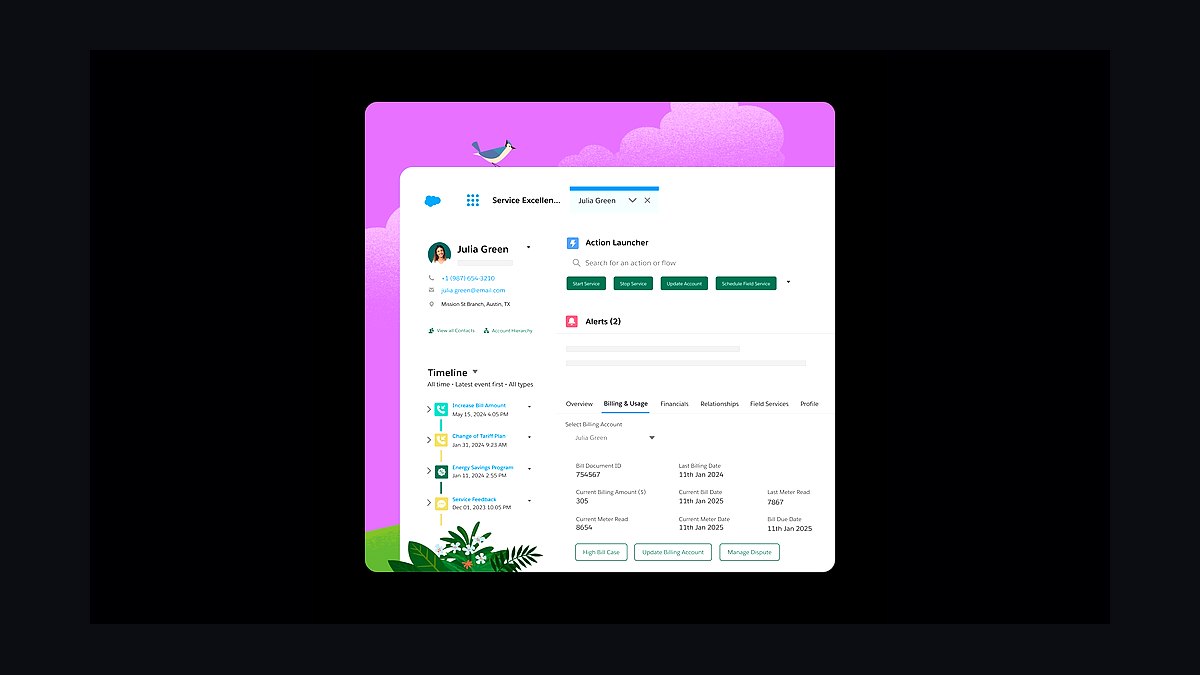
Salesforce Energy & Utilities Cloud ranks ninth because it is a purpose-built CRM for utility customer service, program enrollment, and case management that integrates alongside a separate CIS rather than replacing the billing engine. It handles rebate and demand-response program enrollment, customer cases, and service interactions, and it is lower-risk technically than core grid systems while delivering highly visible customer-facing value. Many programs pull CRM pieces forward to generate early wins and executive support.
It is built for utilities wanting a modern customer engagement layer without ripping out their billing system. It trades away core billing and meter-data functionality — it is not a CIS and must integrate tightly with one. Compared with AutoGrid DERMS above, Salesforce addresses the customer relationship while AutoGrid addresses grid-side DER visibility and control.
10NERC CIP Compliance Tooling

NERC CIP Compliance Tooling ranks tenth because cybersecurity and compliance is a persistent budget line for utilities operating bulk electric system assets, not a project that ends. CIP standards require continuous monitoring, patch management tracking, and access control auditing across the ADMS and SCADA environment, with full compliance audits typically every three years and self-certifications in between. OT security tooling adds a meaningful recurring percentage on top of base ADMS and SCADA licensing.
It is intended for NERC CIP-covered utilities, though smaller distribution-only utilities should follow equivalent OT security practices voluntarily as state and insurance requirements increasingly mirror CIP. It trades away the option of treating security as an afterthought — utilities that do are the ones that fail audits or get breached. Compared with Salesforce Energy & Utilities Cloud above, CIP tooling protects the operational technology layer while Salesforce serves the customer-facing layer.
How we ranked these
We ranked tools on five weighted criteria: integration depth with CIS, GIS, OMS/ADMS, and MDM layers (30%); proven utility deployments at scale, not pilot logos (25%); AMI and DERMS data handling capability (20%); NERC CIP-grade security and audit tooling (15%); and total cost of ownership across a 3-5 year program (10%). Scores came from vendor documentation, regulatory filings, and published utility case studies.
We deliberately ignored analyst quadrant placement, Gartner Magic Quadrant positioning, and vendor marketing claims about "AI-powered" features with no shipped utility reference. We also excluded pricing list rates, since utility contracts are negotiated and list prices mislead. Consumer reviews and G2 scores were dropped because enterprise utility buyers evaluate differently than SMB software buyers, and those ratings rarely reflect grid-operations reality.
What to look for
What matters most is whether a vendor's system can hold a single, consistent customer-to-meter-to-network-asset mapping across CIS, GIS, and OMS. Ask for reference calls with utilities of similar meter count and AMI penetration, and ask specifically how they handled GIS data validation before go-live. Integration middleware capability and documented APIs matter more than feature checklists.
The mistake most buyers make is selecting on billing or outage features alone and treating integration as a later technical detail. That produces point-to-point custom feeds that break on every vendor upgrade, creating multi-year integration debt. A second common error: signing a CIS contract before the GIS network model is validated, which routes outage and dispatch data to the wrong feeder and is expensive to unwind.
Related questions
Should a small utility use cloud or on-premise CIS in 2027?
Cloud CIS (Oracle Utilities Customer Cloud Service, SAP Cloud for Utilities) is now the default for smaller utilities because it avoids capital hardware refreshes and delivers faster vendor feature updates. Some rural cooperatives with unreliable connectivity still favor on-premise or hybrid deployments, but the trend is clearly toward cloud for anything under 200,000 meters.
How does DERMS differ from an ADMS?
An ADMS manages the overall distribution grid, including switching, voltage, and outage response. A DERMS specifically manages and forecasts distributed energy resources — rooftop solar, batteries, EV chargers — and feeds visibility and control signals into the ADMS so the grid model accounts for two-way power flow instead of assuming one-way distribution.
What's the biggest hidden cost in a utility software stack?
Integration middleware and ongoing data reconciliation between CIS, GIS, OMS, and MDM is consistently the most underestimated cost, often exceeding the licensing cost of any single system over the life of the program. Utilities that budget integration as a fixed line item rather than an ongoing function get surprised when vendor upgrades break undocumented feeds.
Do NERC CIP requirements apply to smaller energy businesses?
NERC CIP applies specifically to entities operating bulk electric system assets above defined thresholds. Smaller distribution-only utilities may fall outside full CIP scope but should still follow equivalent OT security practices voluntarily, since state regulators, insurers, and interconnection partners increasingly mirror CIP-style controls in their own requirements.
Can a utility skip GIS and go straight to OMS/ADMS?
No. OMS and ADMS both depend on an accurate network model to route outage and switching decisions correctly. Skipping GIS validation is the most common root cause of misrouted outage information after a new system goes live, and fixing it after the fact means re-validating the model while the system is already in production.
How much of a utility software program budget goes to integration?
On large multi-vendor deployments, integration work commonly consumes a third or more of total implementation effort. That includes building and maintaining the middleware layer, mapping the customer-to-meter-to-asset relationship, and testing data flows between CIS, GIS, OMS, MDM, and DERMS before and after go-live.
Is AMI a prerequisite for outage detection software?
Yes, practically. OMS and ADMS outage detection depends on last-gasp and restoration signals from meters to know status without a truck roll. Below roughly 60% AMI coverage, dispatchers still rely on customer calls for a meaningful share of outages, which erodes most of the operational value the software promises.
What happens if you apply IT patch cadence to SCADA systems?
Untested patches can trip control loops and cause real grid disruptions, not just application outages. OT systems need a separate patch-testing and staged-rollout process. Utilities that apply generic IT security policy to OT either create outages from bad patches or leave known vulnerabilities unpatched because operators refuse to touch production control systems.
FAQ
What is the minimum viable software stack for a small Energy & Utilities business in 2027?
At minimum: a cloud CIS for billing, a validated GIS network model, an OMS for outage tracking, and basic cybersecurity and access-control tooling. AMI, DERMS, and full ADMS can be phased in as meter and DER penetration grow, but skipping GIS validation undermines everything downstream.
How long does a full utility software stack replacement take?
For a mid-size utility, plan on 3-5 years for a full CIS, OMS/ADMS, GIS, and AMI/MDM program staged in phases. Attempting it faster as a single cutover significantly raises the risk of billing errors and misrouted outage data, and has caused well-publicized customer billing failures.
Is Salesforce a real option for utility CRM in 2027?
Yes. Salesforce Energy & Utilities Cloud is a purpose-built offering used by utilities for customer service, program enrollment (rebates, demand response), and case management. It typically integrates alongside a separate CIS for the core billing engine rather than replacing it, since Salesforce is not a utility billing system.
Does every utility need a DERMS now?
Not every utility needs DERMS immediately, but any business in a territory with meaningful and growing rooftop solar, community solar, or battery storage adoption should treat DERMS planning as a near-term priority. Retrofitting DER visibility after voltage or protection problems appear is more disruptive than planning ahead.
What's the difference between an MDM and a CIS?
Meter Data Management collects, validates, and estimates interval meter-read data from AMI systems. The Customer Information System consumes that validated data to generate bills, manage customer accounts, and handle service orders. They are distinct systems that must integrate tightly, and a weak MDM pipeline dumps exceptions on billing.
How does cybersecurity budgeting differ for OT versus IT systems in a utility?
OT systems like SCADA and ADMS require separate patch-testing cycles, network segmentation, and monitoring tools distinct from standard IT security. An improperly tested patch on a control system can cause an actual grid disruption rather than just an application outage, so OT security needs its own budget line and staffing.
Which vendors lead utility CIS in 2027?
Oracle Utilities Customer Cloud Service and SAP for Utilities remain the dominant enterprise CIS platforms, with regional players serving smaller cooperatives and municipal utilities. Selection usually hinges less on features than on integration capability with the utility's existing GIS, OMS, and MDM layers, plus reference deployments at similar scale.
How do utilities measure success after a stack rollout?
Common benchmarks include billing exception rate, bill-run cycle time, outage diagnostic time before crew dispatch, and crew dispatch-to-arrival reporting lag. A modern CIS with AMI typically cuts billing exceptions sharply, and an OMS tied to a real-time ADMS can cut outage diagnostic time from tens of minutes to single digits.
What is the risk of vendor lock-in in utility software?
A stack wired with point-to-point custom integrations becomes extremely expensive to change later, because every vendor upgrade risks breaking undocumented data feeds. Investing in a proper middleware or API gateway layer up front costs more initially but avoids multi-year integration debt when any single vendor contract comes up for renewal.
Can utilities run CIS and OMS from different vendors?
Yes, and most do. Best-of-breed stacks with CIS, OMS/ADMS, GIS, and AMI head-end from different vendors are the norm, stitched together with middleware. The tradeoff is that integration consumes a real share of budget and timeline, and the customer-to-meter-to-asset mapping must stay consistent across all systems continuously.
Sources
- https://www.oracle.com/industries/utilities/
- https://www.sap.com/products/scm/utilities.html
- https://www.itron.com/
- https://www.landisgyr.com/
- https://www.esri.com/en-us/industries/electric-gas-utilities/overview
- https://www.nerc.com/pa/Stand/Pages/CIPStandards.aspx
- https://www.energy.gov/oe/distributed-energy-resources
- https://www.ge.com/vernova
- https://www.se.com/us/en/work/solutions/energy-management/adms/
- https://www.salesforce.com/industries/energy-utilities/
Related on PULSE
This page will be disappearing soon. Save it to your device for $1 — or read it free while it is here.
@Kory-White- · if Venmo asks, the last 4 of my number are 2012
This page is gone.
This one is off the shelf now. $1 keeps it on your phone for good — the whole page, pictures and diagrams included.
 pulse-tech-stacksTop 10 Best Tech Stack Tools for Appliance Repair Services in 2027
 pulse-tech-stacksTop 10 Best Tech Stack Tools for Home Inspection Companies in 2027
 pulse-tech-stacksTop 10 Best Tech Stack Tools for Home Builders and Residential Developers in 2027
 pulse-tech-stacksTop 10 Best Tech Stack Tools for RV Dealerships in 2027
 pulse-tech-stacksTop 10 Best Tech Stack Tools for Independent Bakeries in 2027
 pulse-tech-stacksTop 10 Best Tech Stack Tools for Independent Food Trucks in 2027
 pulse-tech-stacksTop 10 Best Tech Stack Tools for Plumbing Contractors in 2027
 pulse-tech-stacksTop 10 Best Tech Stack Tools for Coffee Chain Operators in 2027
 pulse-tech-stacksTop 10 Best Tech Stack Tools for API Security Vendors in 2027
 pulse-tech-stacksTop 10 Best Tech Stack Tools for Medical Billing and RCM Companies in 2027