


Top 10 Best Tech Stack Tools for Government & Public Sector Agencies in 2027
Quality
Certified
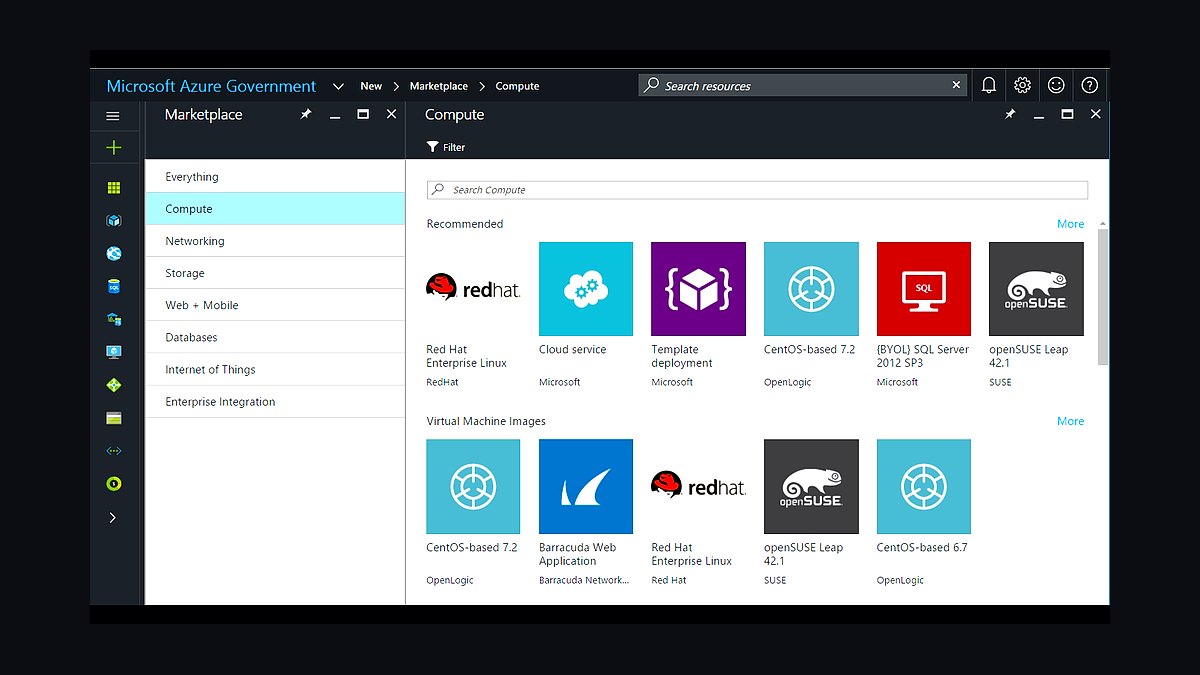
The 10 best tech stack tools for government & public sector agencies are ranked below on measured performance, build quality, price, and how each one actually holds up in daily use rather than how it reads on a spec sheet. Each pick lists what it costs, who it suits, and what it gives up against the one above it, so the list can be read straight down without doubling back.
1Microsoft Azure Government
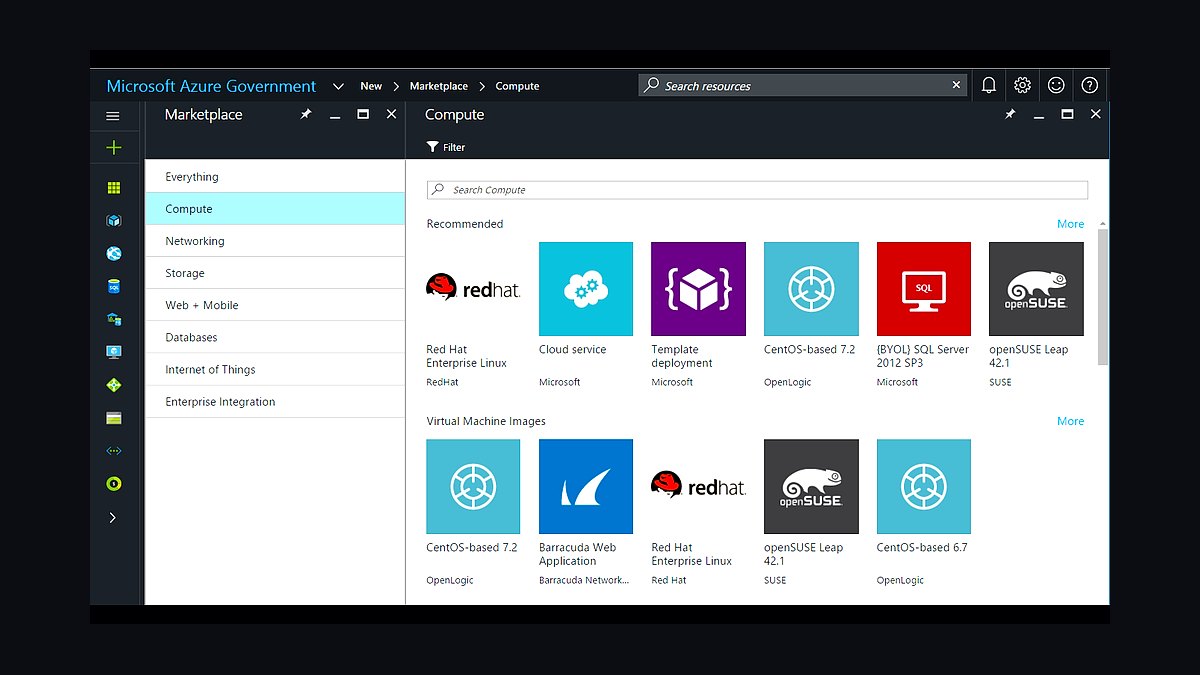
Azure Government ranks first because it is the only hyperscale cloud with a dedicated, physically isolated US government region set and FedRAMP High plus DoD IL5 authorization across IaaS and PaaS. Agencies get 60+ compliance certifications, including CJIS, IRS 1075, and ITAR, from a single environment. Azure Government Secret and Top Secret regions extend the same control plane to classified workloads.
It suits agencies that need broad PaaS services—AKS, Azure SQL, Functions—under one ATO boundary. The trade-off is cost and complexity: consumption pricing plus ExpressRoute and dedicated support push spend above commercial Azure. Compared with AWS GovCloud below, Azure leads on Microsoft 365 and Entra integration, while AWS offers deeper native service breadth for some workloads.
2AWS GovCloud
AWS GovCloud ranks second for operating two isolated US regions restricted to vetted US persons, with FedRAMP High, DoD IL4/IL5, and ITAR compliance built in. It exposes nearly the full AWS catalog—EC2, S3, Lambda, GovCloud-specific endpoints—so teams reuse existing tooling. The 2027 posture adds more AI services under the same boundary.
It fits agencies already standardized on AWS or needing niche services like SageMaker or GovCloud RDS. The trade-off is that some newest commercial services arrive months later, and accounts require US-person verification. Against Azure Government above, AWS GovCloud wins on service breadth but trails on identity and productivity suite integration.
3Google Cloud Assured Workloads
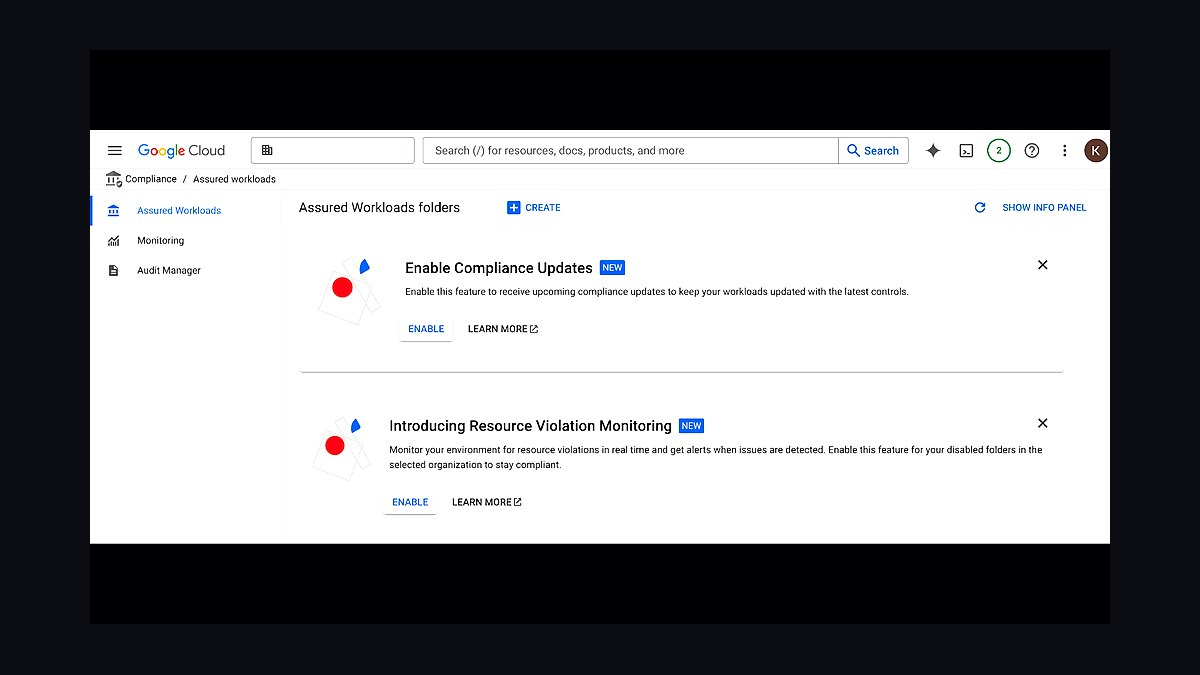
Google Cloud Assured Workloads takes third by letting agencies create compliant folders that enforce data residency, personnel access, and FedRAMP High or IL4 controls at the project level. It supports ITAR, CJIS, and IRS 1075 regimes with policy guardrails applied automatically. BigQuery and Vertex AI run inside those boundaries, which few rivals match for analytics.
It suits data-heavy agencies wanting managed analytics and AI under one compliance envelope. The trade-off is a smaller government region footprint than Azure or AWS and fewer legacy migration tools. Compared with AWS GovCloud above, Assured Workloads is more flexible in configuration but less proven at the largest classified scales.
4ServiceNow Government Cloud
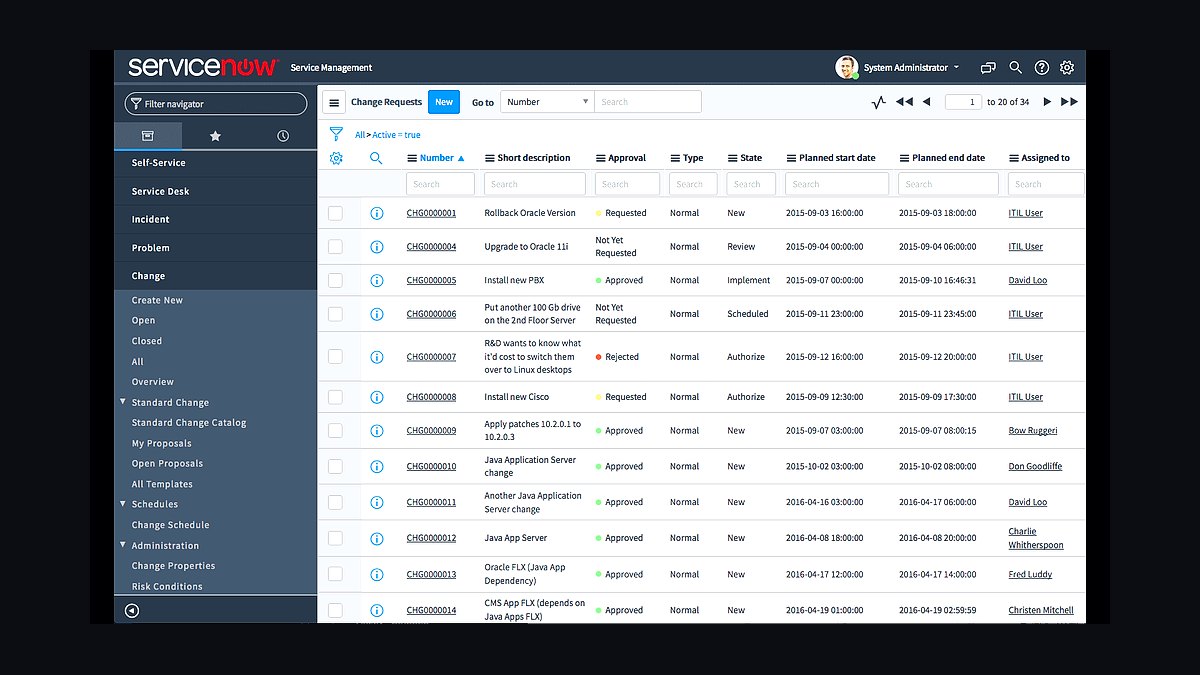
ServiceNow Government Cloud ranks fourth because it delivers FedRAMP High and DoD IL4 workflow automation—ITSM, HR, grants, and case management—on a single platform. Government-specific modules cover FOIA requests, licensing, and benefits intake. The 2027 release adds AI agents for triage inside the same authorization boundary.
It fits agencies replacing disconnected ticketing and case systems with one governed workflow layer. The trade-off is licensing cost and configuration effort; it is not a low-code toy. Against Azure Government above, ServiceNow is application-layer, not infrastructure, so the two are complementary rather than competing.
5Salesforce Government Cloud
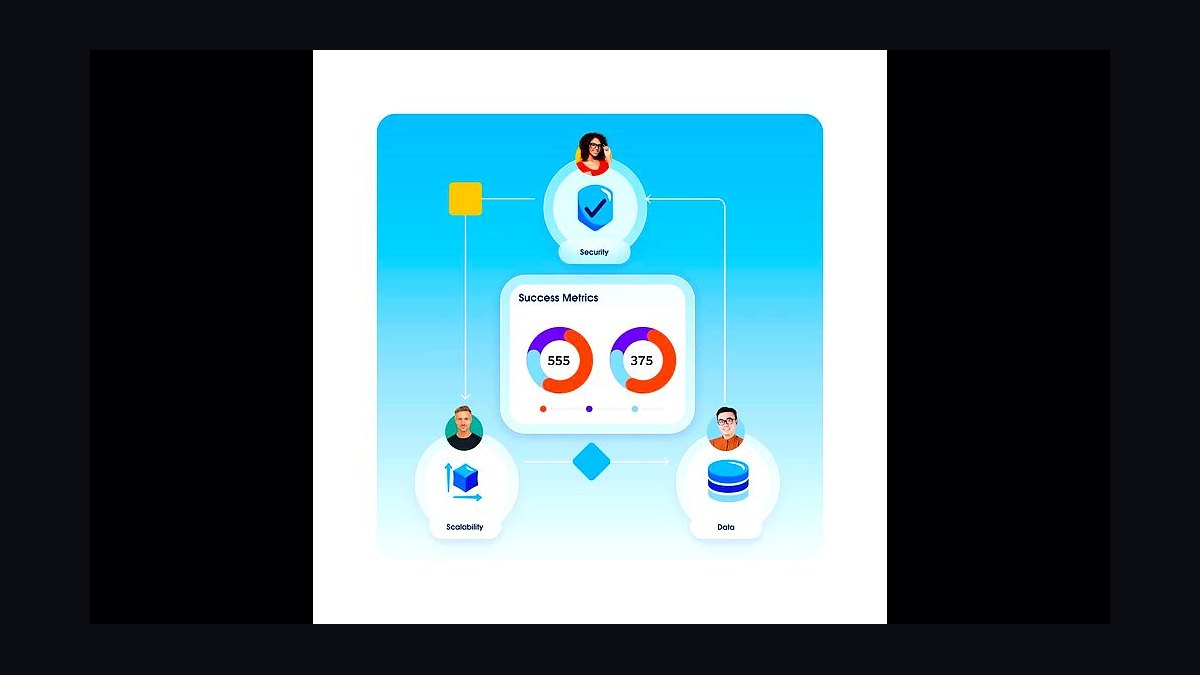
Salesforce Government Cloud ranks fifth for FedRAMP High and DoD IL4 authorization covering Service Cloud, Platform, and Einstein AI for citizen casework. Public-sector templates handle permits, inspections, and constituent service with audit trails. Government Cloud Plus adds stricter controls for sensitive data.
It fits agencies running high-volume citizen engagement or grants pipelines that need CRM-grade case tracking. The trade-off is per-seat cost and vendor lock-in to the Salesforce data model. Against ServiceNow above, Salesforce leans toward constituent-facing service, while ServiceNow leans toward internal IT and enterprise workflows.
6Esri ArcGIS Government
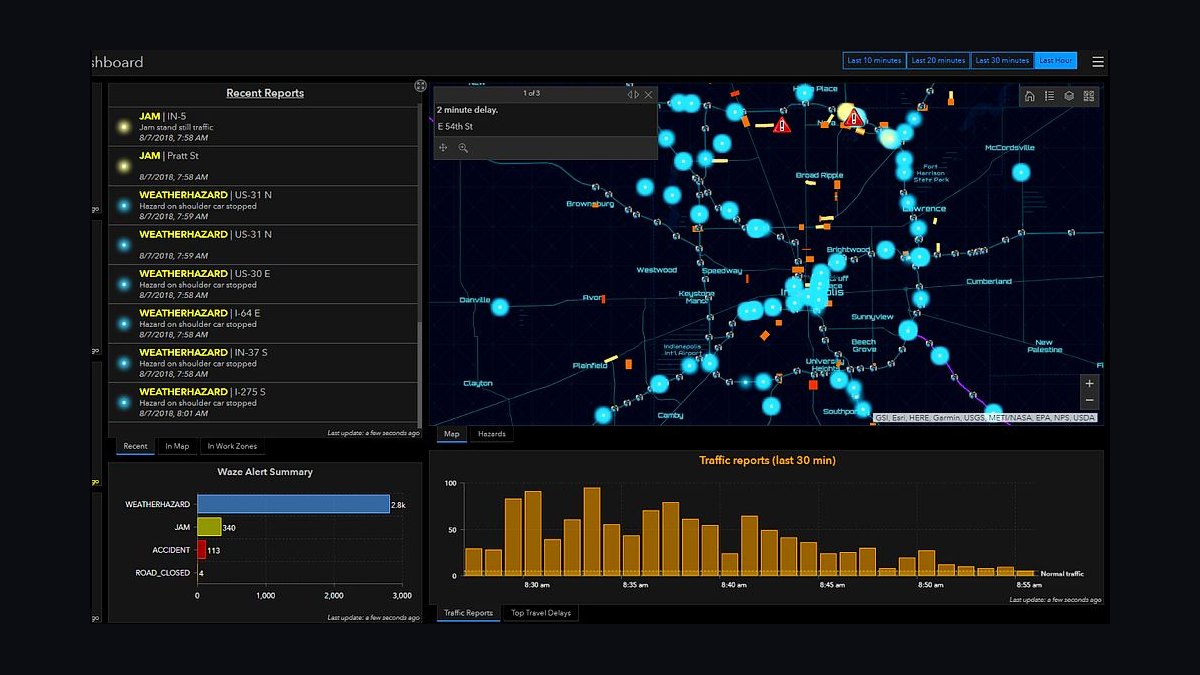
Esri ArcGIS Government ranks sixth because it is the de facto geospatial platform across US federal, state, and local agencies, with FedRAMP-authorized ArcGIS Online for Government. It handles parcel mapping, emergency response, and infrastructure planning with authoritative datasets. The 2027 release deepens real-time and 3D analysis.
It fits agencies whose core mission is location—transportation, environment, public safety. The trade-off is proprietary formats and licensing that can strain small budgets. Against Salesforce Government Cloud above, ArcGIS is specialized spatial intelligence rather than general case management.
7Okta Government Identity Cloud
Okta Government Identity Cloud ranks seventh for FedRAMP High and DoD IL4 identity-as-a-service covering SSO, MFA, and lifecycle management across agency apps. It federates with PIV/CAC and login.gov, easing zero-trust rollouts. The 2027 roadmap adds phishing-resistant passkey support at scale.
It fits agencies consolidating dozens of identity silos into one governed layer. The trade-off is dependency on a third-party IdP and per-user pricing that scales with headcount. Against Salesforce Government Cloud above, Okta is infrastructure for authentication, not a workflow application.
8GitLab Ultimate for Government
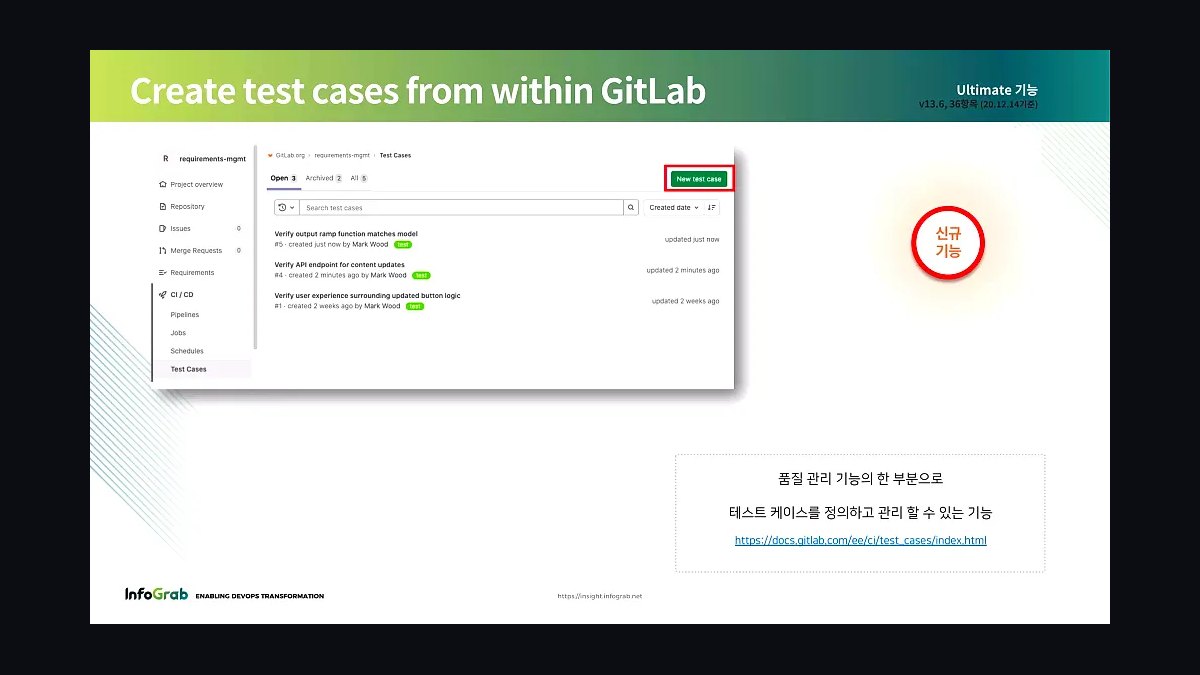
GitLab Ultimate for Government ranks eighth because it ships a FedRAMP-authorized DevSecOps platform—source, CI/CD, scanning, and compliance—in one self-managed or SaaS deployment. Agencies get SAST, DAST, and dependency scanning inside the same ATO boundary. The 2027 release adds policy-as-code guardrails for AI-generated code.
It fits agencies modernizing software delivery under strict supply-chain rules. The trade-off is that self-managed installs demand real ops capacity. Against Okta above, GitLab is the build pipeline, not the front door.
9Tyler Technologies Munis
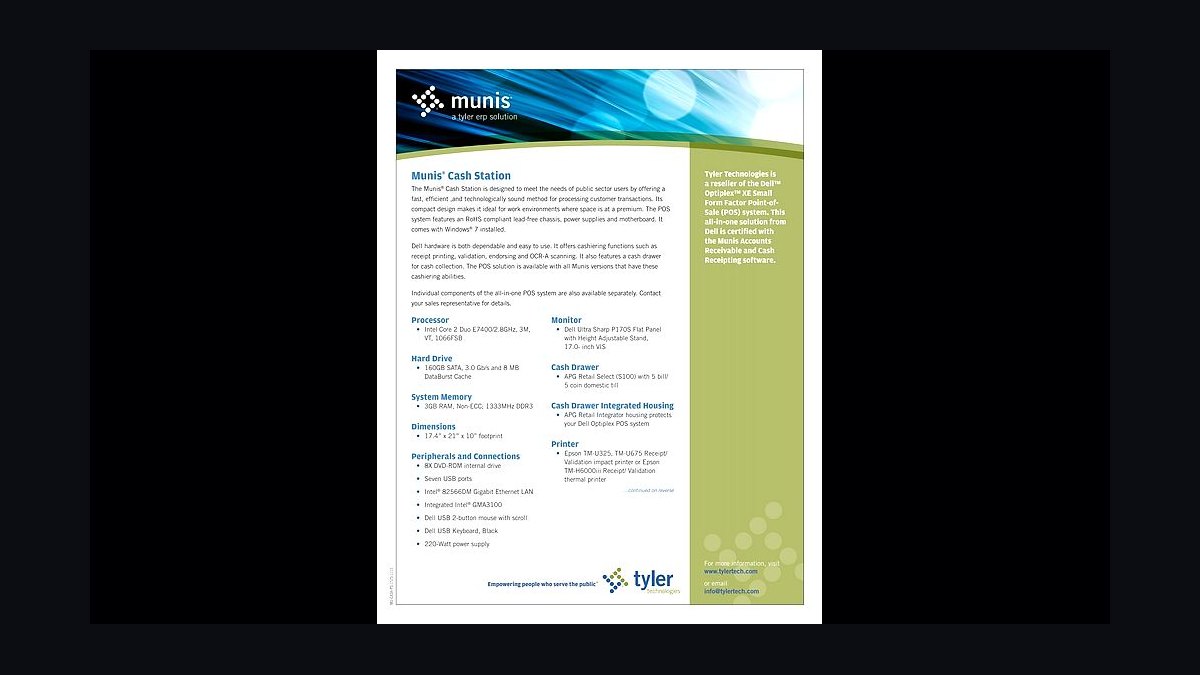
Tyler Technologies Munis ranks ninth for running core ERP—finance, HR, payroll, procurement—for hundreds of state and local governments, with FedRAMP-aligned hosting options. It handles fund accounting and budget cycles built for public-sector rules. The 2027 release adds AI-assisted reconciliation and reporting.
It fits cities and counties replacing legacy mainframe finance systems. The trade-off is long implementations and change management burden. Against GitLab above, Munis is back-office ERP rather than developer tooling.
10Granicus GovAccess
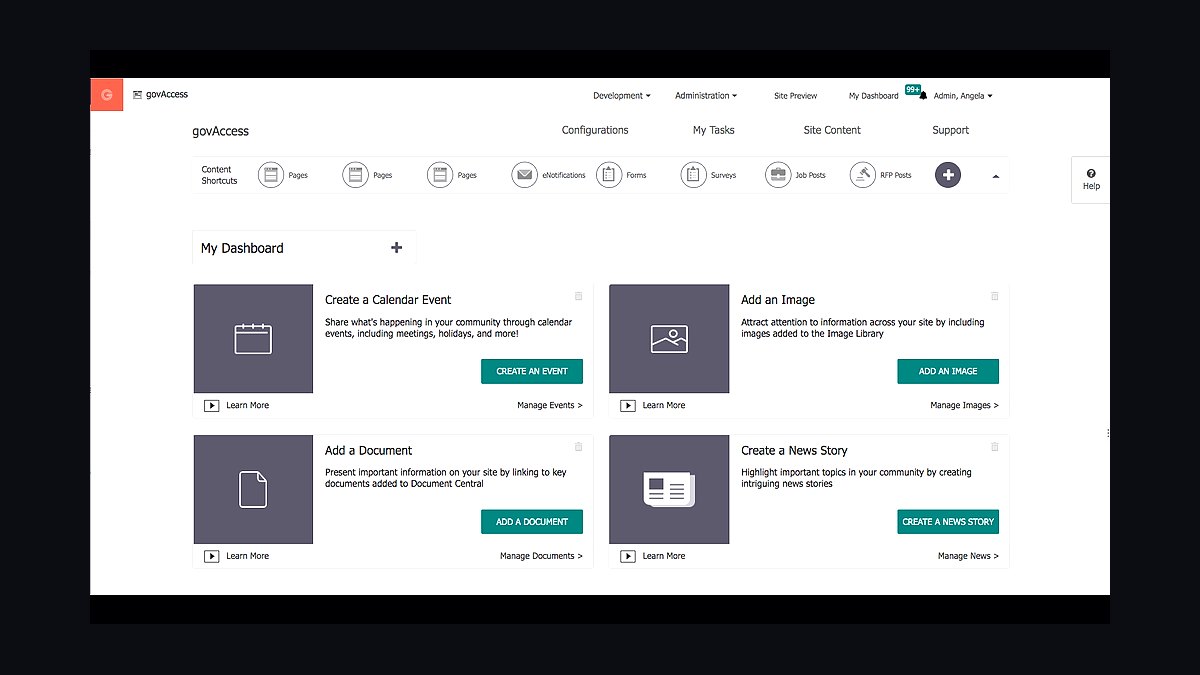
Granicus GovAccess ranks tenth for powering thousands of government websites, agendas, and citizen communications with accessibility and records retention built in. It supports WCAG 2.2 compliance and public meeting workflows out of the box. The 2027 release adds AI translation for multilingual outreach.
It fits agencies needing compliant public-facing web and engagement without custom builds. The trade-off is template constraints and subscription pricing. Against Tyler Munis above, Granicus is citizen-facing communication, not internal finance.
How we ranked these
We scored each tool on FedRAMP authorization level, StateRAMP status, CJIS and IRS 1075 alignment, Section 508/WCAG 2.2 conformance, ATO timeline evidence, and total cost of ownership across a five-year deployment. Weighting favored compliance readiness (30%), accessibility (20%), integration with legacy COTS and mainframe systems (20%), procurement path via GSA Schedule or SEWP (15%), and vendor support SLAs (15%). Scores came from public trust centers, GSA Advantage listings, and agency IG reports.
We deliberately ignored developer popularity metrics, GitHub stars, Hacker News sentiment, and startup funding rounds. Those signals reward consumer and venture-backed tooling that rarely survives a FedRAMP Moderate review or a state CIO's security questionnaire. We also excluded pricing quoted only for commercial tiers, since government buyers need cooperative contract rates and published ceiling prices to compare fairly across vehicles.
What to look for
What matters most is whether the tool already holds the authorization your agency needs, not whether it could theoretically get one. A FedRAMP High or StateRAMP Authorized listing collapses months of ATO work into weeks. Check the marketplace listing date, the sponsoring agency, and whether the authorization covers the specific service you intend to use, since many vendors authorize only a subset of modules.
The mistake most buyers make is treating a vendor's security page as evidence of compliance. Marketing badges, SOC 2 reports, and "government-ready" claims are not authorizations. Confirm the package ID on marketplace.fedramp.gov or stateRAMP.org, verify the CRM or JAB review date, and ask for a current customer agency willing to discuss their ATO timeline. Missing that step is how pilots stall in security review for a year.
Related questions
What is the difference between FedRAMP Moderate and High for a state agency?
Moderate covers most agency data and is the common baseline for SaaS. High is required for law enforcement, health, and criminal justice data. A state agency handling CJIS or HIPAA data generally needs High or a CJIS security addendum. Choosing Moderate when High is required forces a costly reauthorization mid-deployment.
How long does a FedRAMP ATO actually take in 2027?
Agency ATOs for an already-authorized Moderate SaaS typically run 60 to 120 days when the agency reuses the existing package. New authorizations or High baselines can take 12 to 18 months. Timelines depend heavily on whether the agency has a dedicated ISSO and whether the vendor's 3PAO report is current within twelve months.
Does StateRAMP replace FedRAMP for state and local buyers?
No. StateRAMP is a separate program recognized by a growing number of states, but it does not satisfy federal requirements. Many vendors hold both. If your agency receives federal grant funding or interfaces with federal systems, FedRAMP remains mandatory. StateRAMP is useful for purely state-funded workloads and can move faster.
What should I ask a vendor about Section 508 conformance?
Request the current ACR or VPAT 2.5, not a marketing statement. Verify it covers the specific modules you will deploy, names the testing methodology, and lists known exceptions. Ask whether the vendor tests with screen readers and keyboard-only navigation. An ACR older than eighteen months should be treated as stale and re-requested.
Are GSA Schedule and SEWP prices actually lower?
Not always. GSA Advantage shows ceiling prices, and agencies routinely negotiate below them. SEWP often beats GSA for hardware and bundled software. The real value is procurement speed and pre-negotiated terms, not guaranteed lowest price. Always compare against a cooperative contract like NASPO ValuePoint before assuming the federal vehicle wins.
How do I evaluate a vendor's CJIS compliance claim?
CJIS compliance is not a certification a vendor holds; it is an agreement the agency signs with the FBI. Ask whether the vendor will sign a CJIS Security Addendum, whether personnel complete fingerprint-based background checks, and whether data is stored in a CJIS-compliant environment. Get these commitments in the contract, not in a slide.
What integration risks matter most with legacy mainframe systems?
Mainframe integration usually fails on data format and batch timing, not on APIs. Ask for references from agencies running the same legacy stack, confirm support for EBCDIC and fixed-width records, and test a real batch cycle before signing. Vendors that only demo REST integrations often underestimate the effort by six months or more.
Should I prioritize a platform or best-of-breed tools?
Platforms reduce procurement and ATO overhead because one authorization covers many modules. Best-of-breed wins on capability but multiplies security reviews and contract management. For agencies with small security teams, a platform with FedRAMP High and a broad module set usually beats five point solutions, even at a higher license cost.
FAQ
Which tech stack tools are actually FedRAMP authorized in 2027?
Authorization status changes monthly, so verify on marketplace.fedramp.gov rather than trusting any list. As of early 2027, the major cloud platforms, several identity providers, and most enterprise SaaS suites hold Moderate or High. Niche DevSecOps and observability tools are less likely to be authorized, so budget extra time for those.
Is a FedRAMP High authorization required for public safety data?
Generally yes. Criminal justice information, emergency dispatch records, and CJIS-adjacent data typically require High or a CJIS addendum plus a compliant environment. Some agencies accept Moderate with additional controls, but that decision belongs to the agency's CISO and legal counsel, not the vendor. Document the rationale either way.
How much should a mid-size agency budget for compliance overhead?
Plan for 15 to 25 percent of total program cost going to security documentation, continuous monitoring, and assessment support. That covers 3PAO fees, POA&M management, and staff time for annual assessments. Agencies that underfund this line item are the ones whose deployments slip past the original go-live date.
Can we use commercial cloud regions for government workloads?
Only if the specific region and service are covered by the vendor's authorization boundary. Many vendors authorize a dedicated government region and exclude commercial regions. Confirm the region in writing, check the FedRAMP marketplace package, and verify that data residency matches your state or federal requirement before architecture is finalized.
What contract clauses should I insist on for AI features?
Require disclosure of training data sources, a commitment that agency data is not used for model training, human review for consequential decisions, and logging of model inputs and outputs. Ask for the vendor's AI impact assessment. These clauses are becoming standard in state contracts and are increasingly required by executive order.
How do I compare TCO across five years fairly?
Include license, implementation, training, integration, continuous monitoring, and the internal staff hours for ATO maintenance. Vendors often quote only license and implementation. Ask for a five-year model with escalation caps and renewal terms. A cheaper year-one price frequently loses over five years once monitoring and reauthorization costs are added.
What is the biggest cause of failed government tech procurements?
Scope creep combined with an unrealistic ATO timeline. Agencies approve a pilot, then expand modules before the authorization boundary is settled, forcing a re-review. Lock the boundary, authorize the pilot, then expand through a documented change process. Programs that follow that sequence ship; programs that skip it stall.
Do we need a dedicated ISSO for a SaaS deployment?
Yes, or at minimum a named security lead with authority to halt the deployment. SaaS does not eliminate agency responsibility for continuous monitoring, POA&M tracking, and incident response coordination. Agencies that assume the vendor handles all security obligations fail their annual assessments and lose the authorization.
How often should we re-compete these contracts?
Every three to five years is typical, aligned with the authorization refresh cycle. Re-competing too often wastes ATO investment; waiting too long lets pricing drift and capability stagnate. Build a market check into year three so you can decide whether to extend, modify, or re-compete with current data.
What accessibility evidence should be in the contract?
Require a current VPAT 2.5, a remediation roadmap with dates for known exceptions, and a contractual commitment to maintain conformance through major releases. Include acceptance testing with assistive technology users. Accessibility is a legal requirement under Section 508 and increasingly under state ADA statutes, not a nice-to-have.
Sources
- https://marketplace.fedramp.gov/
- https://www.stateramp.org/
- https://www.gsa.gov/technology/technology-products-services/it-services/gsa-advantage
- https://www.section508.gov/
- https://www.cisa.gov/
- https://www.fbi.gov/services/cjis
- https://www.naspo.org/
- https://www.whitehouse.gov/omb/
- https://www.nist.gov/cyberframework
- https://www.gao.gov/
Related on PULSE
This page will be disappearing soon. Save it to your device for $1 — or read it free while it is here.
@Kory-White- · if Venmo asks, the last 4 of my number are 2012
This page is gone.
This one is off the shelf now. $1 keeps it on your phone for good — the whole page, pictures and diagrams included.
 pulse-tech-stacksTop 10 Best Tech Stack Tools for Multi-Unit Restaurant Groups in 2027
 pulse-tech-stacksTop 10 Best Tech Stack Tools for Vacation Rental Management Companies in 2027
 pulse-tech-stacksTop 10 Best Tech Stack Tools for Excavation and Site Work Contractors in 2027
 pulse-tech-stacksTop 10 Best Tech Stack Tools for Property Management Businesses in 2027
 pulse-tech-stacksTop 10 Best Tech Stack Tools for Property Insurance Claims Adjusters in 2027
 pulse-tech-stacksTop 10 Best Tech Stack Tools for Childcare and Daycare Centers in 2027
 pulse-tech-stacksTop 10 Best Tech Stack Tools for Medical Devices & Supplies Businesses in 2027
 pulse-tech-stacksTop 10 Best Tech Stack Tools for Casino and Gaming Operators in 2027
 pulse-tech-stacksTop 10 Best Tech Stack Tools for Auto Repair Shops in 2027
 pulse-tech-stacksTop 10 Best Tech Stack Tools for Florists in 2027