

Best Cellular and Wireless Carrier in Delaware in 2027
 Curated byKory White · Fractional CRO · Maryland
Quality
Certified

Verizon is the best cellular and wireless carrier in Delaware for 2027, holding the most consistent statewide coverage — especially across rural Sussex County and the length of the I-95 corridor. T-Mobile is the runner-up, delivering faster mid-band 5G and lower monthly pricing in Wilmington and Newark for speed-focused urban users.
The 40-mile problem that decides your carrier
Delaware looks small enough that carrier choice shouldn't matter. It does, and the reason is geographic rather than technological. The state runs roughly 96 miles north to south and as little as nine miles wide at the neck, and that narrow ribbon contains two almost entirely different wireless environments. Picture a sales operator who lives in Newark, services accounts in Wilmington three days a week, and drives to a poultry processing client outside Georgetown every other Thursday. On the northern half of that route — I-95, Route 141, the Christiana corridor — every national carrier performs well. Mid-band 5G is dense, tower spacing is short, and backhaul is fiber-fed because the population density supports it. Somewhere south of the Chesapeake and Delaware Canal, the picture changes. Population per square mile drops sharply, tower spacing widens, and the carrier that had 300 Mbps in a parking garage downtown now hands the phone off to LTE at a fraction of that.
This is the scenario that decides a carrier for most Delaware professionals, and it is almost never the scenario people test before they switch. The typical evaluation happens at home, on Wi-Fi, in the densest part of the state, where every option looks identical. The failure shows up six weeks later in a client's gravel parking lot in Sussex County, when a signed PDF won't upload and a scheduled video call drops to audio. A single dropped call in a parking lot is an annoyance. A pattern of them across a route you drive fifty times a year is a business problem — it changes when you can respond to a customer, whether field notes get filed the same day, and whether your CRM reflects reality by the time the pipeline meeting starts on Monday.

There is a second dimension to the scenario that ranking articles usually miss: what the phone is actually doing during the dead zones. A voice call needs very little bandwidth and degrades gracefully. A large file sync, a photo-heavy inspection app, or a hotspot feeding a laptop needs sustained throughput and fails hard. Two people can stand in the same field on the same carrier and reach opposite conclusions because one was making calls and the other was pushing a 40 MB attachment. Before you evaluate any carrier in Delaware, write down the three worst places you regularly need to work and the single heaviest thing you need to do there. That short list is worth more than any national coverage award, because national awards average Delaware's dense north with its thin south and produce a number that describes nobody's actual week.
The same framing applies well beyond phones. Delaware operators making decisions about fixed wireless home internet, connected fleet telematics, point-of-sale terminals at a beach-town retail location, or agricultural sensors on farmland face the identical north-south split, and the carrier that wins for a handset usually wins for those too, because they all ride the same radio access network. A carrier decision made carefully for the phone quietly resolves four or five adjacent decisions at the same time.
How coverage actually reaches your phone
Coverage is not one thing. It is a stack of layers, and understanding which layer you are standing in explains nearly every confusing result you get from a speed test in Delaware.

Low-band spectrum — the sub-1 GHz frequencies — travels far and penetrates buildings well, but carries comparatively little capacity. This is the layer that gives you two bars in a metal-sided warehouse in Milford or a usable signal on a back road near the Maryland line. Mid-band spectrum sits in the middle: substantially more capacity, shorter reach, and it is the layer responsible for most of the "fast 5G" people experience day to day. High-band millimeter wave carries enormous capacity over very short distances and is effectively a stadium, airport, and dense-downtown technology; it will not follow you to a farm.
Carriers differ mainly in how much mid-band they hold and how aggressively they have deployed it. T-Mobile's advantage in Delaware's cities comes from a deep mid-band position that translates directly into higher average download speeds in Wilmington and Newark. Verizon's advantage in the state's southern half comes from breadth — a low-band and LTE footprint that keeps a usable connection alive where the mid-band layer simply has not been built out. Neither of these is a marketing claim; it is a physics-and-capital-allocation outcome you can see in the pattern of where each network gets fast and where each gets thin.

The other half of the story is backhaul. A tower is only as fast as the fiber or microwave link feeding it. In northern New Castle County, towers are typically fiber-fed and can deliver whatever the radio can carry. In lower-density parts of Kent and Sussex, backhaul is more variable, which is why a tower can show strong signal bars and still deliver disappointing throughput at peak hours. Signal strength and speed are different measurements, and confusing them is the single most common mistake in carrier evaluation.
MVNOs add one more layer to the mental model. Xfinity Mobile, Spectrum Mobile, and Visible ride Verizon's radio network; Mint Mobile and Google Fi ride T-Mobile's. The radio coverage is the host network's, but the treatment your traffic receives during congestion may not be identical to a direct postpaid customer's, and the customer-service and device-support experience is entirely the MVNO's. That distinction — same coverage map, different everything else — is what makes MVNOs a genuinely good deal for some Delaware operators and a frustrating one for others.

The numbers that actually differentiate the options
Pricing in this category clusters tightly enough that a $10 monthly difference decides a lot of switching decisions. Verizon's flagship unlimited tier sits near $80 per month for a single line and bundles roughly 60 GB of premium hotspot data along with unlimited talk and text to Mexico and Canada. T-Mobile's comparable flagship lands near $60 per month with roughly 50 GB of premium hotspot and unlimited talk and text across a very large list of international destinations. AT&T's top unlimited tier lands in between, near $75, with roughly 50 GB of hotspot and a Latin America calling package.
Multi-line economics diverge more sharply than single-line pricing suggests. A four-line family or small-team plan on T-Mobile lands near $140 per month total; the equivalent Verizon configuration lands near $200. Across a year that is a difference of several hundred dollars — real money for a small operator, and often the deciding factor for a household that never leaves the northern half of the state.
Speed benchmarks tell the opposite story depending on where you stand. In downtown Wilmington, T-Mobile's mid-band commonly averages around 300 Mbps on download. In the beach communities and lower Sussex, that same network frequently falls back to LTE in the neighborhood of 20 Mbps, while Verizon's mid-band holds closer to 100 Mbps in the same areas. Neither number is wrong; they describe different halves of a small state. If you spend 80% of your working hours north of the canal, T-Mobile's number is the one that governs your experience. If you spend meaningful time in Georgetown, Bridgeville, Millsboro, or Seaford, Verizon's number is.

Satisfaction scores are worth reading as a tiebreaker rather than a headline. In the 2026 ACSI telecom results, T-Mobile led the big three at 78, AT&T sat at 74, and Verizon trailed at 72. Cable-backed MVNOs scored lower still — Xfinity Mobile near 68 and Spectrum Mobile near 70 — which is consistent with the pattern that cheaper service usually means thinner support. Cricket, on AT&T's network, landed near 71.
The MVNO price ladder is where the largest savings live. Visible, owned by Verizon, offers a premium tier near $35 per month with roughly 50 GB of premium data, mmWave access in Wilmington and Newark, and unlimited hotspot capped around 5 Mbps; its base tier near $25 delivers unlimited data that throttles after roughly 50 GB and includes no hotspot. Mint Mobile's 15 GB plan runs near $20 per month when paid annually, with an unlimited option near $30 annually that throttles hard after roughly 40 GB. Xfinity Mobile and Spectrum Mobile both land near $45 per line for unlimited when bundled with their respective home internet service, with by-the-gig options around $14–$15 per gigabyte for genuinely light users. US Mobile's unlimited premium tier near $45 is unusual in letting a subscriber choose between the Verizon-based and T-Mobile-based networks from a dashboard — a real advantage for someone who has not yet determined which network their routes favor.

Device economics deserve one line of arithmetic before you sign anything. A headline trade-in figure — up to $1,000 off a flagship phone when switching — typically requires a 36-month installment agreement, which means the discount is delivered as monthly bill credits and evaporates if you leave early. Divide the promotional credit by 36 and compare it against the monthly price difference between carriers. A $20 monthly premium over three years is $720; a $1,000 credit paid over that same window is roughly $28 a month. The promotion can be genuinely worth it, but only if you intend to stay the full term and only if you were buying that phone anyway.
Choosing between coverage, speed, and price
Every carrier decision in Delaware resolves into a three-way trade-off, and the honest answer is that no single option wins all three. Verizon buys coverage breadth at a price premium and a somewhat weaker support reputation. T-Mobile buys speed and price at the cost of rural consistency. AT&T occupies a middle position with a notable strength around Kent County and the Dover area, plus FirstNet priority access for verified first responders and critical-infrastructure workers — which is a decisive feature for a narrow group and irrelevant to everyone else.
The MVNO path changes the trade-off rather than eliminating it. Riding Verizon's network through Visible or Spectrum Mobile gets you the coverage footprint that makes Verizon worth choosing, at 40–60% of the price, and you give up walk-in retail support, aggressive device trade-in offers, and in some cases priority during congestion. Riding T-Mobile's network through Mint gets you urban speed at the lowest prices in the market, with the same rural limitations as the host network and online-only support. For a solo operator comfortable troubleshooting their own device, that is often the smartest total-cost decision on the table. For a team of six where someone will inevitably need a replacement phone the same day, the postpaid premium buys real operational insurance.

Two adjacent decisions ride along with this one. First, fixed wireless home internet: T-Mobile and Verizon both sell 5G home internet in the range of $50 per month, and its viability at your address depends on exactly the same mid-band availability that governs your phone. If your handset gets strong mid-band at home, fixed wireless is a credible replacement for cable; if it falls back to LTE, it is not. Second, bundling: the cable MVNOs require an active home internet subscription from the same provider, which converts your mobile decision into a broadband decision and vice versa. That coupling can save real money, but it also means switching broadband later drags your phone plan with it.
International travel is a smaller but genuine differentiator. T-Mobile's flagship includes calling and texting across a very wide list of countries with a high-speed data allotment measured in a handful of gigabytes per cycle; Google Fi's simply-unlimited tier extends data coverage across a comparably long list at no additional charge. If you cross borders more than twice a year, that feature is often worth more than the rural coverage argument that dominates domestic comparisons.

Where Delaware carrier decisions usually go wrong
The first pitfall is testing coverage in the wrong place. A coverage map colored solidly for the state tells you almost nothing about the specific parking lot, warehouse interior, or basement where you actually lose service. Run your test at your three worst locations, at the time of day you are normally there, with the workload you actually need — a real file upload, not a speed test. Peak-hour congestion between roughly 4 p.m. and 8 p.m. produces very different results than a mid-morning check.
The second pitfall is trusting bars over throughput. Signal strength indicators are unstandardized and generous. A phone showing four bars on a congested or backhaul-constrained tower can deliver worse practical performance than two bars on an uncongested one. Judge by the task completing, not by the icon.
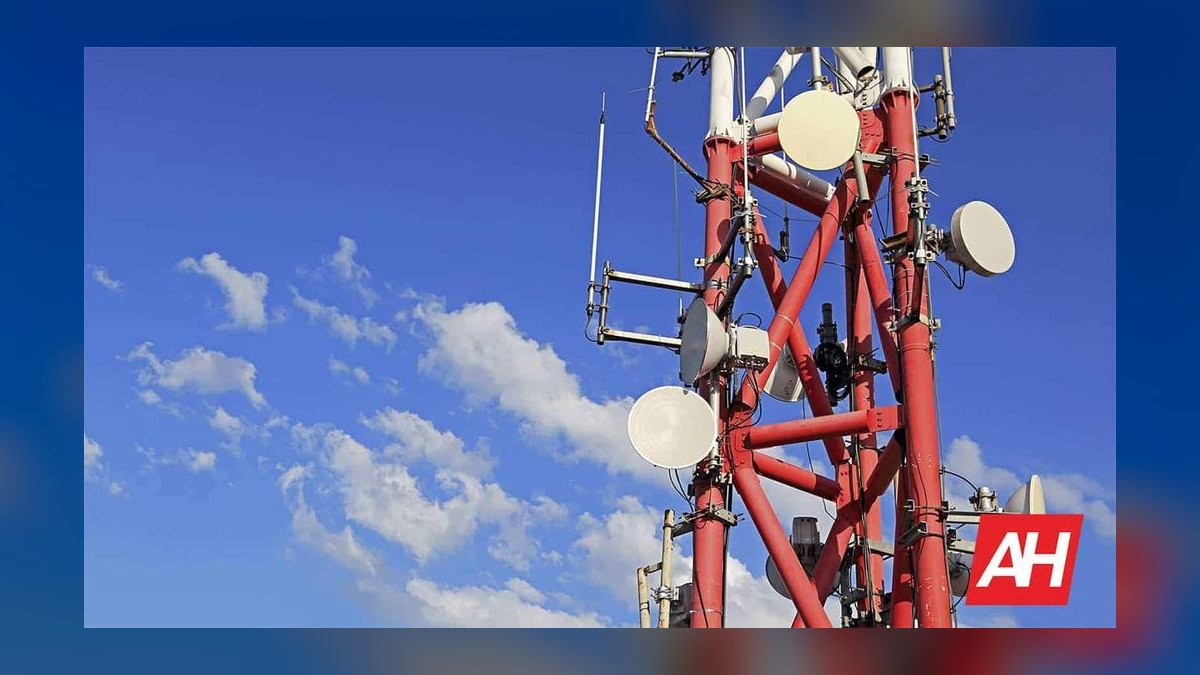
The third pitfall is signing a 36-month installment agreement to capture a trade-in promotion before confirming coverage on your actual routes. Once the device financing is in place, switching carriers means paying off the remaining balance and forfeiting the remaining credits. The correct sequence is always: test first with a cheap prepaid or eSIM line, confirm the network works where you need it, then commit to the device financing. An eSIM makes this trivially easy on most modern phones — you can run a second line for a month for the price of a lunch and get a definitive answer.
The fourth pitfall is misreading throttle thresholds. "Unlimited" almost universally means unlimited at some speed, with a premium-data allotment before deprioritization. A plan advertising unlimited data that throttles to a few hundred kilobits per second after 40 GB is effectively a 40 GB plan for anyone who tethers a laptop. Find the premium-data number and the post-threshold speed before you compare prices; those two figures determine whether a $30 plan and an $80 plan are actually comparable.
The fifth pitfall is ignoring hotspot policy, which is where most business use quietly breaks. Hotspot data is usually a separate, smaller bucket than phone data, and some low-cost plans deliver unlimited hotspot at a speed too low for video conferencing. If your laptop depends on your phone for connectivity during field work, the hotspot allotment is the specification that matters most and the one buried deepest in the fine print.
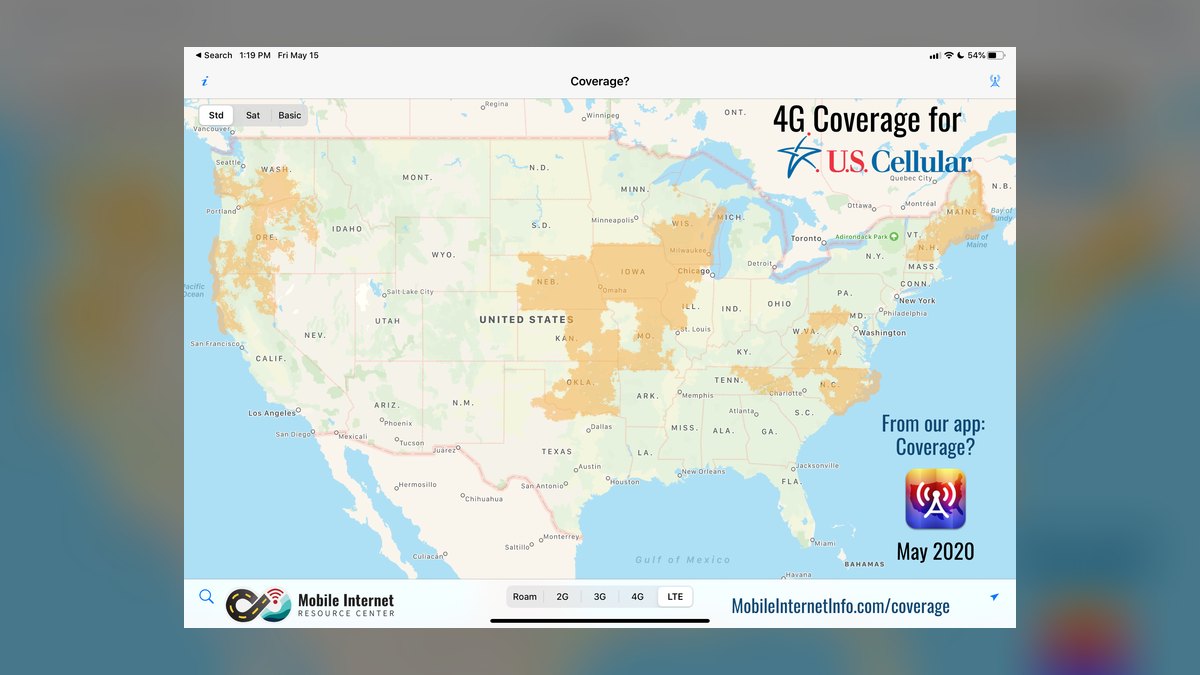
The sixth pitfall is treating the decision as permanent. Networks change year over year as carriers deploy spectrum, and Delaware's southern counties have been an active build-out area. A carrier that was unusable in Millsboro three years ago may be fine now, and the only reliable way to know is a current test rather than a remembered experience. Re-evaluate every 18 to 24 months, particularly if your routes change.
Finally, the sixth-and-a-half mistake: buying for the exception rather than the routine. People routinely pay a premium for coverage in a place they visit twice a year while accepting mediocre performance where they spend 200 days. Weight your decision by hours spent, not by how memorable the dead zone was.
Related questions
Which carrier is best for someone who only works in Wilmington?
T-Mobile. Its mid-band 5G is dense across New Castle County with high average speeds, and its single-line and multi-line pricing undercuts Verizon meaningfully. The rural weakness that costs it the statewide title never comes into play for a purely northern route.
Do MVNOs get the same coverage as the host network?
Yes for footprint — an MVNO on Verizon reaches wherever Verizon reaches. What can differ is treatment during network congestion, hotspot allowances, device support, and access to retail help. Coverage is identical; the experience around it is not.
Is 5G home internet a real replacement for cable in Delaware?
Where mid-band 5G is strong, yes. Check whether your handset holds mid-band at your address before ordering. If it drops to LTE indoors, fixed wireless will disappoint, particularly for households with simultaneous video calls.
How should a small team test carriers before committing?
Buy one cheap prepaid or eSIM line on each candidate network, carry them for 30 days on real routes, and log where actual tasks fail. Total cost is usually under $100 and it beats any published map or ranking.
FAQ
Which carrier has the best coverage in rural Sussex County?
Verizon consistently holds the strongest position in rural Sussex, including areas around Bridgeville, Georgetown, Millsboro, and Seaford. Its low-band and LTE footprint keeps a usable connection alive where competitors fall to marginal signal. Carriers riding Verizon's network — Visible and Spectrum Mobile — inherit that same footprint at a lower price point.
Is T-Mobile's 5G actually faster than Verizon's in Delaware?
In the urban north, generally yes. T-Mobile's mid-band commonly averages around 300 Mbps in downtown Wilmington. Verizon's millimeter wave can exceed that but covers a far smaller area. South of the canal the comparison inverts, with Verizon holding higher sustained speeds where T-Mobile falls back to LTE.
What is the cheapest genuinely usable unlimited plan?
Mint Mobile's annual unlimited option near $30 per month is the lowest-cost unlimited offer, though it throttles after roughly 40 GB and rides T-Mobile's network with its rural limitations. Visible's base tier near $25 is comparably cheap on Verizon's footprint but includes no hotspot, which rules it out for laptop-dependent work.
Can I get Xfinity Mobile or Spectrum Mobile without their home internet?
No. Both cable MVNOs require an active home internet subscription from the same provider. That coupling is what funds the low per-line price, and it means changing broadband providers later forces a mobile decision at the same time.
Which carrier is best if I travel internationally for work?
T-Mobile's flagship plan and Google Fi's unlimited tier both include broad international coverage across very large country lists at no additional charge. For a Delaware professional crossing borders more than a couple times a year, that feature often outweighs the domestic rural coverage argument.
How do I verify coverage before switching?
Check the carrier's own coverage map for your specific ZIP code, cross-reference the FCC's national broadband map, then test physically with a prepaid or eSIM line at your three most important locations during peak evening hours. Only the physical test is conclusive.
Sources
- Verizon coverage map
- T-Mobile coverage map
- AT&T wireless coverage map
- FCC National Broadband Map
- Ookla Speedtest Insights
- American Customer Satisfaction Index — Telecommunications
- Xfinity Mobile plans
- Mint Mobile plans
- Visible plans
- FirstNet program overview
Related on PULSE
This page will be disappearing soon. Save it to your device for $1 — or read it free while it is here.
@Kory-White- · if Venmo asks, the last 4 of my number are 2012
This page is gone.
This one is off the shelf now. $1 keeps it on your phone for good — the whole page, pictures and diagrams included.
 telcoBest Carriers for Rural Coverage in 2027
 telcoHow do I unlock my phone to switch carriers in 2027?
 telcoHow do I avoid an early termination fee when switching in 2027?
 telcoIs a prepaid carrier as good as Verizon, AT&T, or T-Mobile in 2027?
 telcoHow much data do I actually need for streaming music in 2027?
 telcoWhat is the best two-line cell phone plan in 2027?
 telcoIs Telco worth it in 2027?
 telcoHow do I lower my cell phone bill in 2027?
 telcoIs Mint Mobile worth it in 2027?
 telcoDo I really get free streaming (Netflix, Apple TV) with my plan in 2027?