

Best Cellular and Wireless Carrier in Tampa in 2027
 Curated byKory White · Fractional CRO · Maryland
Quality
Certified
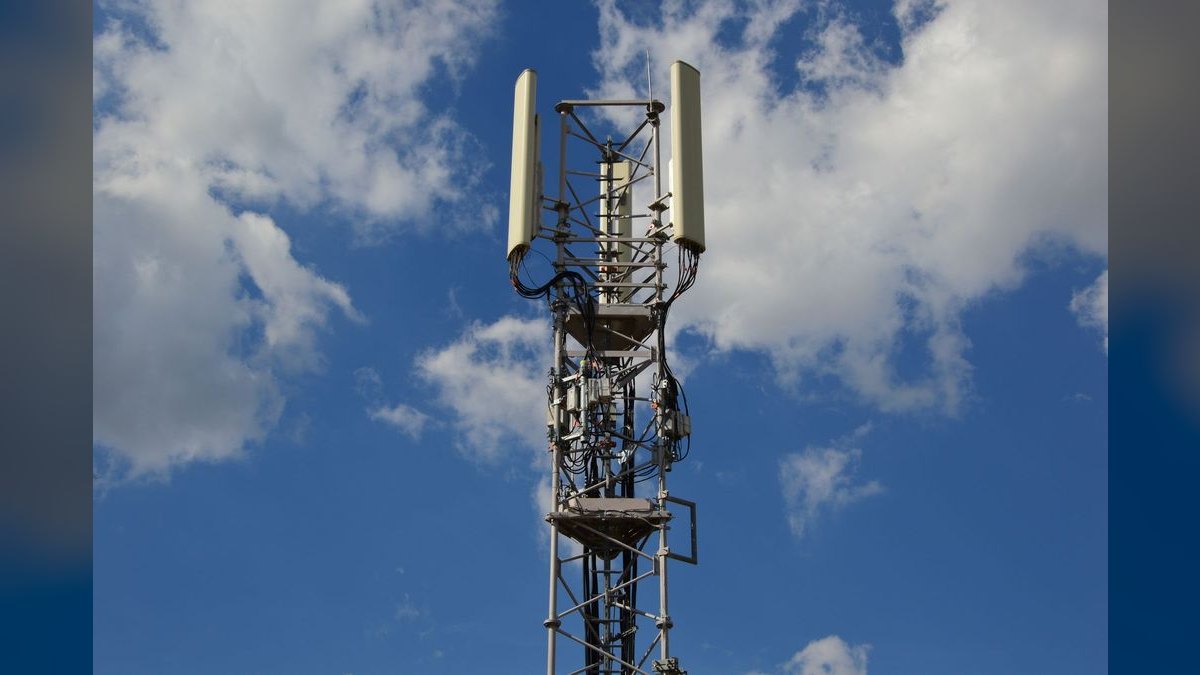
For Tampa in 2027, T-Mobile is the strongest overall cellular and wireless carrier thanks to dense mid-band 5G across Hillsborough County and the I-275 corridor. Verizon wins in outlying Pasco, Hernando, and eastern Hillsborough areas where low-band reach matters more than raw speed. Budget users get T-Mobile's network at roughly half price through Mint Mobile.
The outcome you should expect
The practical outcome of picking correctly in Tampa is not a marginally better speed test — it is the difference between a device that works everywhere you actually go and one that fails at the exact moment it costs you money. In the urban core (33602, 33606, 33609, 33611), all three national carriers work. Downtown, Channelside, Hyde Park, Westshore, and the airport are dense with sites, and any of T-Mobile, Verizon, or AT&T will deliver a usable connection. Differentiation only appears when you leave that band.
What you should realistically expect from a well-matched carrier choice inside Tampa proper: mid-band 5G download speeds in the low-to-mid hundreds of megabits per second on T-Mobile, meaningfully lower but still comfortable figures on AT&T's mid-band, and Verizon sitting between them depending on whether your ZIP has C-band deployed. Latency on modern standalone 5G lands in the 15–40 ms range, which is the difference between a video call that feels natural and one where people talk over each other. Uploads — the number that actually determines whether a 40 MB proposal attaches before your meeting starts — typically land in the 10–40 Mbps range on mid-band, and in the single digits on low-band only.
Outside the core, the expectation flips. Drive east on SR-60 toward Plant City, south toward Wimauma and Sun City Center, or north into rural Pasco, and the question stops being "how fast" and becomes "does it connect at all." Verizon's low-band footprint has historically been the most forgiving in those pockets, and T-Mobile's 600 MHz layer is the closest competitor. If your work takes you to job sites, warehouses, agricultural properties, or new-construction subdivisions on the metro fringe, optimize for the low-band map, not the speed chart.
Set your expectation for cost accordingly. A single premium unlimited line from a national carrier in Tampa typically runs in the $60–$90 range before taxes and device financing, while the same network delivered through an MVNO frequently costs $25–$45. The tradeoff you are buying with that premium is priority — how your traffic is treated when a tower is congested — plus retail support, premium hotspot allotments, and bundled streaming. If you rarely sit in congestion and rarely need a store, the MVNO delivers the overwhelming majority of the value.
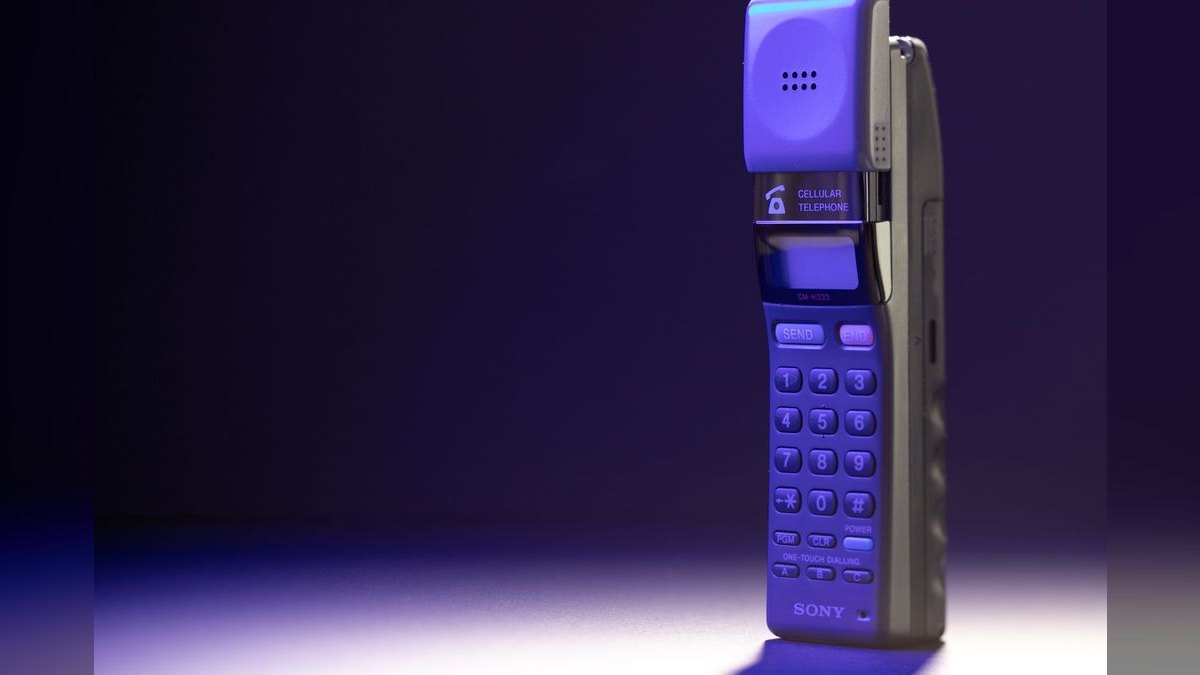
Finally, expect your answer to have a shelf life measured in quarters, not years. Carriers add spectrum, refarm old bands, and light up new sites constantly in a metro that is still growing quickly. A choice that was clearly correct in 2025 may be merely fine in 2027. Re-test annually; the switching cost is now close to zero with eSIM.
What drives that outcome in a market like Tampa
Three physical variables determine almost everything you experience, and none of them are the marketing bullet points on a carrier's homepage.
The first is spectrum band. Low-band (600–850 MHz) travels far and penetrates buildings and tree canopy well, but carries relatively little capacity — it is the layer that gives you a bar in Wimauma and 30 Mbps downtown. Mid-band (roughly 2.5 GHz for T-Mobile, C-band around 3.7 GHz for Verizon and AT&T) is the sweet spot: enough capacity for hundreds of megabits, enough reach to cover a neighborhood from a single site. Millimeter wave (24 GHz and up) delivers gigabit figures but is effectively line-of-sight; in Tampa it exists as small pockets in dense downtown blocks, at Raymond James Stadium, at Amalie Arena, and around Tampa International's terminals. Do not choose a carrier because of mmWave unless you literally live inside one of those pockets.
The second is site density and backhaul. A carrier can hold ideal spectrum and still underperform if there are too few towers per square mile or if the fiber feeding those towers is saturated. This is why speeds differ block-to-block within the same ZIP code, and why a friend three miles away can honestly report a completely different experience with the same carrier and the same phone.
The third is congestion and priority tier. Every plan sits somewhere on a priority ladder. Postpaid premium plans typically include a monthly bucket of "premium" data — often 30–100 GB depending on tier — after which you are deprioritized behind other customers during congestion. MVNO plans generally sit permanently below the host carrier's own postpaid customers. In an uncongested cell, deprioritization is invisible. Inside a stadium at kickoff, in Ybor on a Saturday night, or on the Selmon during rush hour, it is the single most noticeable variable in your entire experience.
Tampa layers two local factors on top of those three. Tree canopy and stucco/block construction attenuate high frequencies noticeably — a house that gets 400 Mbps in the driveway can drop to 40 in an interior room. And hurricane season imposes a resilience requirement no speed test captures: what matters in a storm is generator runtime at the site, how quickly portable cell sites deploy, and whether the carrier participates in cross-carrier roaming during declared emergencies.
Benchmarks and realistic ranges for Tampa
Treat every published number as a distribution, not a promise. Here are the ranges a practitioner in Tampa should plan around in 2027.
Download speed, mid-band 5G, urban Tampa: expect a median in the low-to-mid hundreds of Mbps on the leading network, with a realistic band of roughly 150–500 Mbps depending on time of day and how far you sit from the serving site. Anything above 500 Mbps is a good-conditions outlier; anything consistently under 50 Mbps in the core suggests you are camping on low-band and should check band settings or device compatibility.
Download speed, low-band only (fringe suburbs, rural Hillsborough, eastern Pasco): plan for 15–80 Mbps. That is entirely sufficient for email, CRM work, maps, calls, and standard-definition-to-HD streaming. It is not sufficient for uploading large video files or running a multi-person hotspot.
Upload speed: 10–40 Mbps on mid-band, 3–12 Mbps on low-band. Upload is the most commonly ignored benchmark and the most commonly consequential one. If you send large attachments, back up photos, or stream outbound video, weight upload heavily.

Latency: 15–40 ms on standalone 5G, 40–70 ms on non-standalone 5G or LTE fallback. Under 50 ms, real-time video and VoIP feel clean. Above 100 ms, participants start interrupting each other.
Hotspot allotments: premium unlimited plans typically include somewhere in the 10–50 GB range of high-speed tethering, after which throughput drops sharply — often to a few hundred kilobits per second. Mid-tier and MVNO plans commonly include 5–15 GB. If you use your phone as a primary work connection during outages, count on needing at least 25 GB, and verify the post-cap speed, because an unusable cap is functionally no hotspot at all.
Pricing ranges to anchor against, before taxes, fees, and autopay discounts: national postpaid premium single line roughly $65–$90; national postpaid mid-tier roughly $50–$70; multi-line family pricing that typically drops the per-line figure to $30–$50 at three to five lines; prepaid and MVNO unlimited generally $25–$45 per line, with the lowest figures requiring annual prepayment. Taxes and regulatory fees in Florida add a meaningful percentage on top of any advertised price; some carriers include them in the quoted figure and some do not, which is one of the largest sources of quoted-versus-billed surprise.
For a business buying more than a handful of lines, the relevant benchmark is not sticker price but total cost per productive line per month, including device subsidy amortization, insurance, and the administrative time of managing the account. A cheap consumer plan that requires an office manager to spend two hours a month resolving billing issues is not cheap. Quantify that against the revenue those lines support — a field team whose devices fail on-site costs far more in missed calls than the entire wireless line item.
Coverage benchmark: rather than trusting a marketing percentage, sample eight to twelve specific locations you actually visit — home, office, the gym, two client sites, the school pickup line, your parents' house, the route you drive most. A carrier that works at all twelve at 80 Mbps beats one that works at nine at 400 Mbps.

Risks, edge cases, and failure modes
The most common failure mode is optimizing for the wrong metric. People choose the carrier with the highest published median speed, then discover that their house sits in a coverage notch. Speed is only meaningful conditional on coverage; coverage is the binary gate and speed is the continuous variable behind it. Always resolve coverage first.
The second failure mode is trusting the coverage map. Carrier maps are modeled predictions, not measurements, and they are generated at a resolution far coarser than the block-level variation you will actually experience. They also model outdoor coverage. A map that shows solid 5G at your address may still describe an indoor experience of one bar and LTE fallback, particularly in Tampa's older block-construction homes and in newer buildings with low-emissivity window coatings, which attenuate high-frequency signal substantially.
Third: deprioritization surprises. An MVNO that tests beautifully on a Tuesday morning may be nearly unusable during a Buccaneers home game, a Gasparilla weekend, or an evening in a crowded entertainment district. If your work depends on connectivity precisely when crowds gather — event staff, hospitality, rideshare, field service at large venues — the premium priority tier is a real product difference, not upsell fluff.
Fourth: device and band compatibility. A phone bought unlocked or brought from another carrier may not support every band your new carrier uses, especially newer mid-band deployments and standalone 5G features. The symptom is subtle: the phone works, but consistently slower than it should, because it is falling back to an older band. Verify the exact model number's band support before you commit, and prefer carrier-certified variants for critical devices.
Fifth: hurricane-season failure. In a major storm, the constraints are commercial power loss, generator fuel resupply, and fiber cuts — not spectrum. Sites run on batteries for hours and generators for days, but only if crews can reach them. The practical hedges are: keep a second network available via eSIM (a cheap prepaid line on a different host network is inexpensive insurance), keep a battery bank charged, enable Wi-Fi calling so you can fall back to any internet connection, and know that satellite-based emergency texting on recent phones works when terrestrial networks do not. For a business, the more serious hedge is a documented failover plan: which numbers forward where, who has the second SIM, and how orders get taken if the primary network is down for 48 hours.
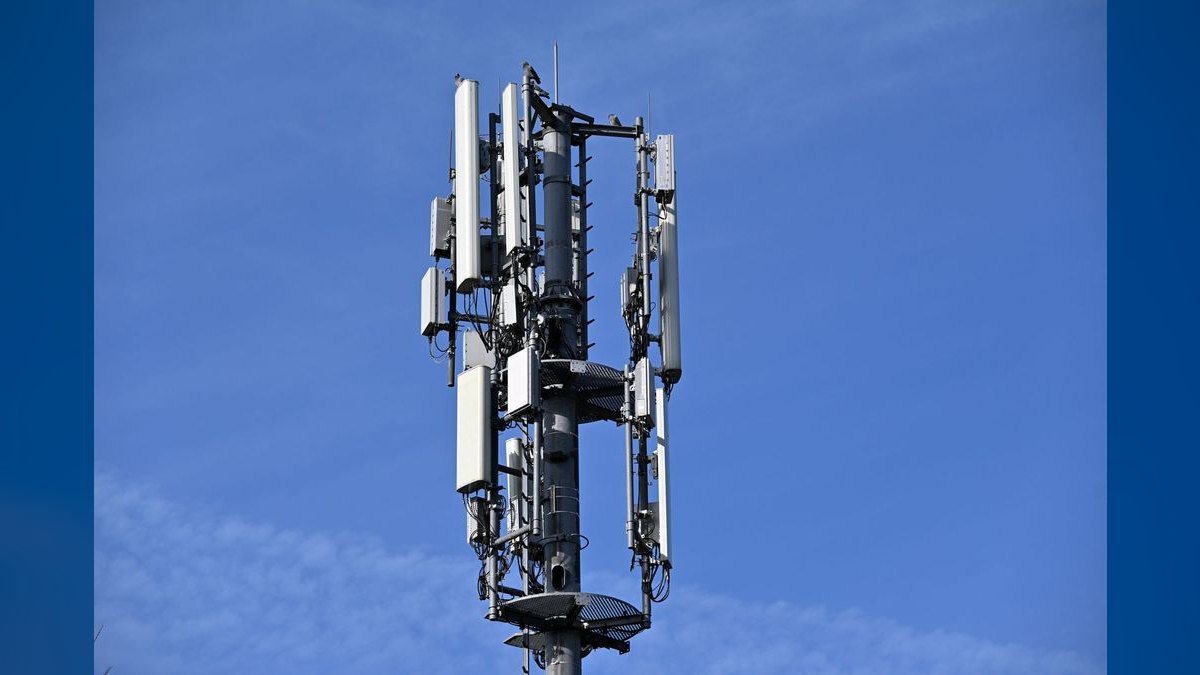
Sixth: contract and financing lock-in. Device installment plans are the modern contract. A $1,000 phone spread over 36 months with a promotional credit tied to keeping the line active means switching early costs you the remaining balance plus the forfeited credits. Before you evaluate carriers on monthly price, calculate the exit cost of your current position — it frequently dominates the decision for the first two years.
Seventh: business-account edge cases. Pooled data plans behave very differently from consumer unlimited. Pooling is efficient when usage is uneven across a team, but a single heavy user can consume the pool and throttle everyone. Overage rates on pooled plans can be punishing. If you run more than ten lines, ask specifically about pooling behavior, per-line caps, and whether you can set alerts and hard limits per device.
Eighth: porting mistakes. Port-outs fail most often because the account number or transfer PIN was wrong, the account was already closed, or the billing name did not match exactly. Never cancel your old service before the port completes — cancellation releases the number and the port will fail. Keep the old line active until the new one is confirmed working with your number on it.
A practical rollout plan
Treat a carrier change as a small migration project with a test phase, not a Saturday errand. The eSIM era makes this genuinely low-risk if you sequence it correctly.
Week one, define the requirement. Write down your eight to twelve real locations, your monthly data usage (available in your current carrier's app), your hotspot needs, how many lines you need, and whether any line is business-critical. Note your device model numbers and whether any are still under installment financing. This step takes twenty minutes and prevents most bad decisions.
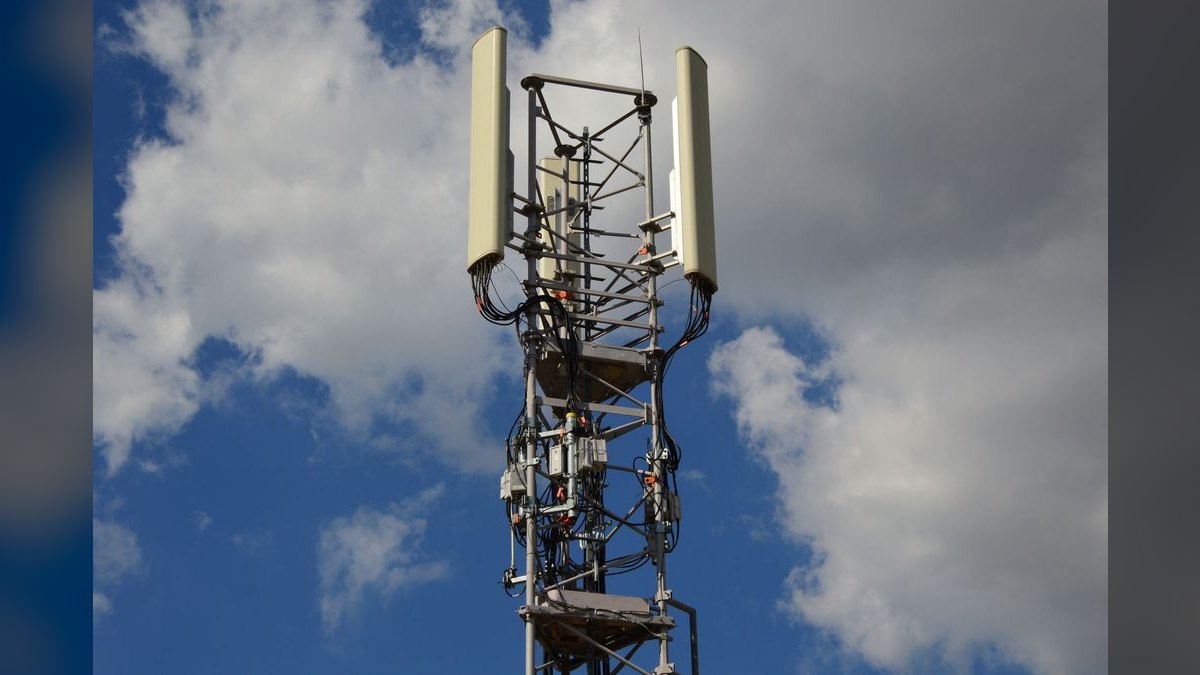
Week two, test in parallel. Buy a low-cost prepaid eSIM on each candidate network — this typically costs $15–$30 for a month and requires no port and no commitment. Run your actual routine on it: drive your normal route, sit in your normal office chair, take a real video call from your kitchen. Record speed tests at each of your defined locations at two different times of day, one mid-morning and one during the 5–9 PM peak. The peak-hour sample is the one that reveals priority tier differences; a midday-only test will make an MVNO look identical to premium postpaid.
Week three, decide and negotiate. With data in hand, price the finalist. If you are bringing multiple lines or a business account, ask directly about port-in credits, multi-line discounts, and autopay requirements — promotional credits for switching are common and are frequently the largest single lever on effective cost. Confirm whether the quoted price includes taxes and fees. Get the total first-year cost in writing, including any device credits and their vesting schedule.
Week four, port carefully. Request your transfer PIN and account number from the current carrier before you start — every major carrier provides this in-app. Port the least critical line first and verify calls, texts, MMS group messages, and two-factor authentication codes all arrive. Two-factor SMS is the most common casualty of a botched port and the most disruptive. Once that line is stable for 48 hours, port the rest. Keep the old account open until every number has landed.
After the switch, verify the details that only show up later: voicemail transferred or was rebuilt, Wi-Fi calling is enabled on every device, the hotspot works and reports the right allotment, international roaming is provisioned if you need it, and any business features — priority tiers, device management, pooled data alerts — are actually active on the account rather than merely sold.
Then set a calendar reminder for twelve months out to re-run the same location test. Networks change; your answer should be re-derived, not assumed.
Related questions
Does T-Mobile beat Verizon everywhere in Tampa?
No. T-Mobile's advantage is concentrated in the urban core and inner suburbs where its mid-band layer is dense. Verizon's low-band reach tends to hold up better in outlying Pasco, Hernando, and eastern Hillsborough. The correct answer depends entirely on which of those two zones you actually spend time in.
Is an MVNO worth the savings for business use?
Often yes, if your team does not work in congested venues. MVNOs ride the same towers at a lower priority tier, so the difference appears only under load. The real business tradeoffs are support quality, account management tooling, and the absence of a retail store when a device fails mid-shift.
How much does hurricane resilience differ between carriers?
Less than marketing suggests. In a major storm, all carriers face the same constraints: commercial power loss, fuel resupply, and fiber cuts. Differences show up in restoration speed and portable-site deployment. The reliable hedge is a second network on eSIM plus Wi-Fi calling, not brand loyalty.
Should I care about millimeter wave 5G in Tampa?
Only if you spend significant time inside a specific dense pocket — downtown blocks, the arena, the stadium, or airport terminals. Millimeter wave is essentially line-of-sight and does not penetrate walls. It should never be the deciding factor in a metro-wide carrier choice.
What is the fastest way to test a carrier before switching?
Buy a prepaid eSIM for $15–$30, activate it as a second line, and run your normal week on it. No port, no commitment, no risk to your existing number. Test at both mid-morning and 5–9 PM to expose congestion behavior.
FAQ
Which carrier should a Tampa small business with five to fifteen lines choose?
Test both T-Mobile and Verizon against your actual service territory before deciding. If your crews work inside the I-275 and I-4 corridors, T-Mobile's mid-band density usually delivers better throughput per dollar. If they routinely work east of Brandon, south of Riverview, or north into rural Pasco, Verizon's low-band reach is the safer bet. Ask both for business pricing with pooled or per-line data, port-in credits, and a written first-year total including taxes.
How much data do I actually need on a Tampa unlimited plan?
Most professionals use 15–40 GB per month on cellular, with heavy users of video calls and mobile hotspots reaching 60–100 GB. Pull your last six months of usage from your current carrier's app rather than guessing. If your ninety-fifth percentile month sits under your plan's premium-data allotment, deprioritization will rarely affect you and a cheaper tier is likely sufficient.
Does the coverage map tell me whether service will work inside my house?
No. Carrier maps model outdoor coverage using predictive propagation, not measured indoor performance. Block construction, stucco, metal roofing, and low-emissivity window coatings — all common in Tampa housing stock — attenuate signal substantially, especially at mid-band and above. The only reliable indoor test is a physical one: a trial eSIM used from the rooms where you actually work.
What happens to my number if a port goes wrong?
Your number stays with your original carrier as long as that account remains open. Ports fail most often from a mistyped account number, an expired transfer PIN, or a name mismatch. Never cancel the old line first — cancellation releases the number and makes recovery difficult. Keep the old account active until the port completes and you have verified calls, texts, and two-factor codes.
Is prepaid meaningfully worse than postpaid in Tampa?
Prepaid runs on the same towers, but usually at a lower priority tier and with smaller hotspot allotments. In uncongested conditions the experience is effectively identical. The gap becomes visible at crowded venues and during peak evening hours in dense neighborhoods. For most home-and-office usage patterns, prepaid delivers the large majority of the experience at a substantially lower monthly cost.
How often should I re-evaluate my carrier choice?
Once a year is a reasonable cadence. Networks in a fast-growing metro change materially over twelve months as carriers add sites and refarm spectrum, and promotional pricing resets constantly. With eSIM trials the re-test costs under $30 and a few hours of attention, which is trivially recoverable if it surfaces a better fit or a retention discount on your current plan.
Sources
- FCC National Broadband Map — mobile coverage by address
- FCC Wireless Emergency Alerts and network resiliency information
- Ookla Speedtest — run and compare local results
- T-Mobile coverage map
- Verizon coverage map
- AT&T wireless coverage map
- American Customer Satisfaction Index — telecommunications
- Consumer Reports — cell phone service buying guide
- Hillsborough County emergency management
- National Hurricane Center
Related on PULSE
This page will be disappearing soon. Save it to your device for $1 — or read it free while it is here.
@Kory-White- · if Venmo asks, the last 4 of my number are 2012
This page is gone.
This one is off the shelf now. $1 keeps it on your phone for good — the whole page, pictures and diagrams included.
 telcoBest Cellular and Wireless Carrier in Idaho in 2027
 telcoBest Cellular and Wireless Carrier in San Jose in 2027
 telcoHow do I lower my cell phone bill in 2027?
 telcoWhat is the difference between 5G UW, 5G+, and regular 5G in 2027?
 telcoHow do I switch carriers without changing my phone number in 2027?
 telcoHow do I activate a new cell phone for the first time in 2027?
 telcoWhat is the best family cell phone plan for four lines in 2027?
 telcoMint Mobile vs Cricket Wireless: which is better in 2027?
 telcoWhat are the most common mistakes in Telco in 2027?
 telcoBest Cellular and Wireless Carrier in Boise in 2027