

Best Cellular and Wireless Carrier in Wisconsin in 2027
 Curated byKory White · Fractional CRO · Maryland
Quality
Certified
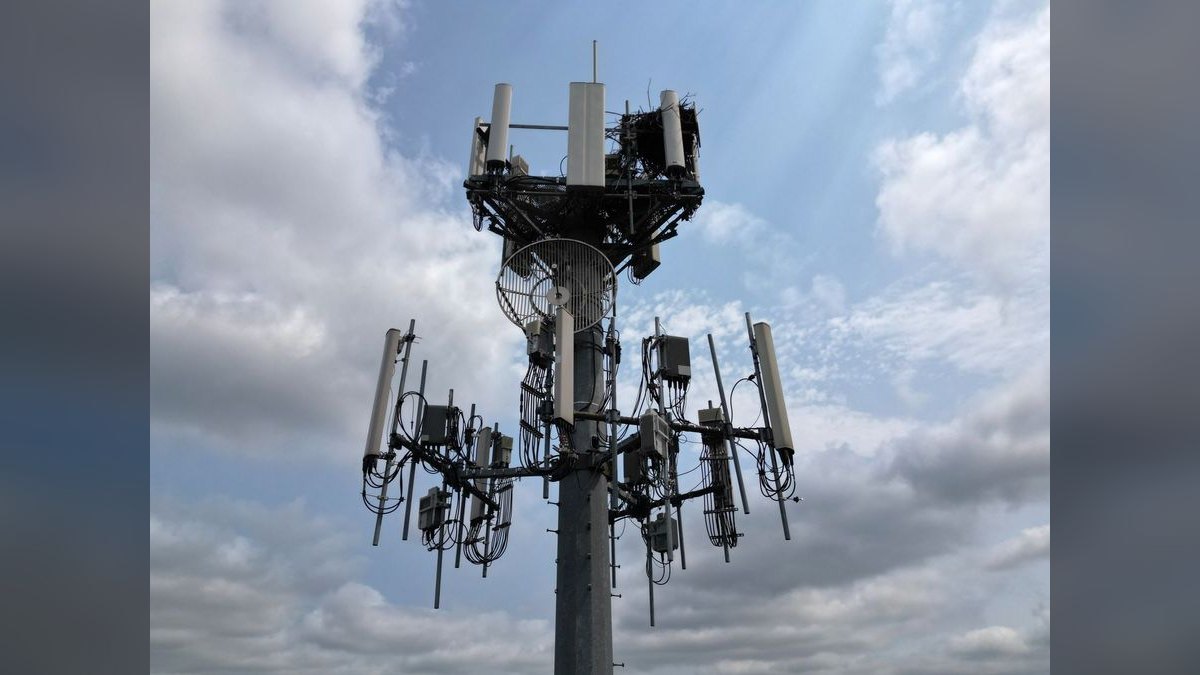
Verizon is the best cellular and wireless carrier in Wisconsin for 2027, delivering the most consistent statewide coverage from Milwaukee to the Northwoods. UScellular is the strongest regional alternative for rural northern and western counties, while T-Mobile wins on raw 5G speed inside the metros. Always verify coverage at your exact ZIP before switching.
What "best carrier" actually means in Wisconsin
Wisconsin is a coverage puzzle, not a speed race. The southeastern corridor — Milwaukee, Racine, Kenosha, Waukesha — is dense and well-served by every national network, so the differences there come down to price and streaming perks. The moment you drive north of Highway 8 or west into the Driftless Region, the map changes and only two or three networks hold a usable signal. That geographic split is the single most important fact for any Wisconsin shopper to internalize before comparing plans.
That split is why "best Cellular and Wireless Carrier in Wisconsin" has no single answer for everyone. A Madison software engineer who never leaves the Isthmus optimizes for one thing; a Bayfield County contractor who works job sites near Lake Superior optimizes for the opposite. For a small business, this is not academic — a dropped call from a job site or a failed mobile card reader is lost revenue, so rural reliability is a direct line item, not a convenience. A landscaping crew, a mobile mechanic, or a food truck that can't process a tap-to-pay transaction on a busy Saturday is watching revenue walk away in real time.
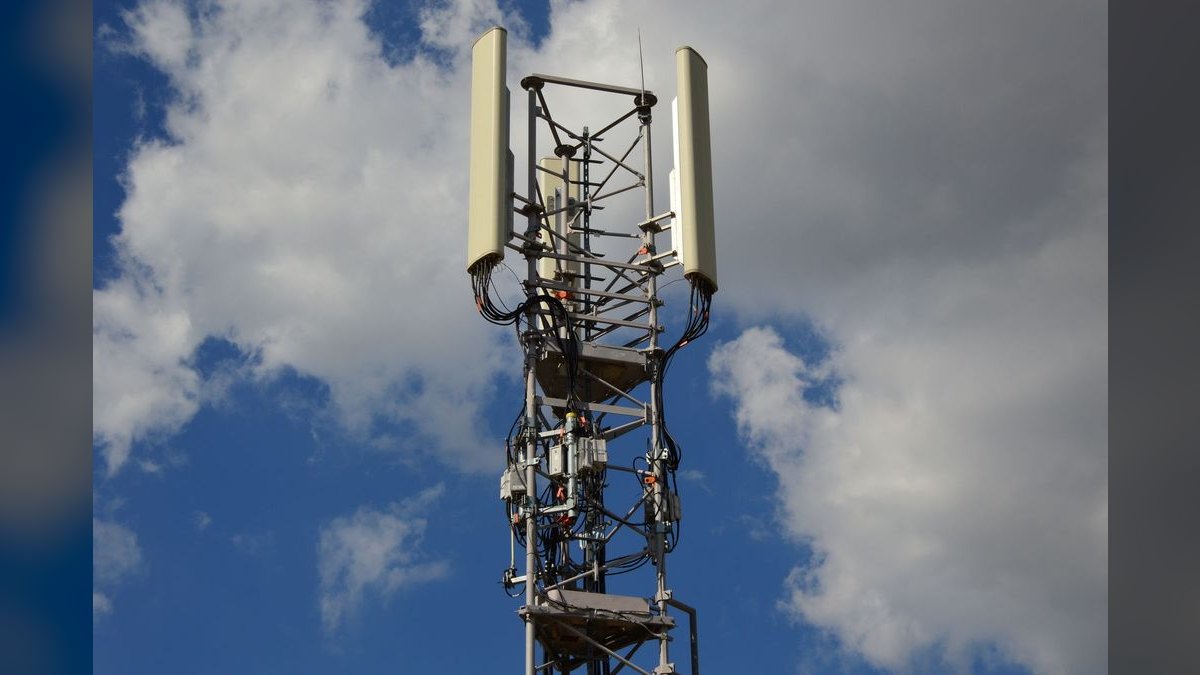
The four networks that own towers in the state are Verizon, T-Mobile, AT&T, and UScellular. Everything else — Spectrum Mobile, Xfinity Mobile, Cricket, Visible, Boost, Consumer Cellular — is a virtual carrier riding on one of those four. That matters because a virtual carrier's data can be deprioritized during congestion, which shows up exactly when you least want it: Lambeau on a game day, Door County on a summer weekend, the Dells in July. Understanding who owns the towers under your plan is the single most useful thing a Wisconsin shopper can learn before signing anything.
Verizon earns the overall crown because it covers roughly 92% of the state's population, reaches every interstate (I-94, I-43, I-90, I-39, I-41) and all 72 county seats, and pairs a broad 4G LTE 700 MHz layer for building penetration with C-band 5G in the metros. UScellular, the only true regional carrier left with native Wisconsin towers, holds its own — and often wins — in the far north where the national giants thin out. The "best" wireless choice, then, is really the best network for *your* map, purchased at the *lowest* priced plan that still gives you the priority level your congestion exposure demands.
How to actually test a carrier at your address
Do not trust a national coverage claim or a friend's experience two counties over. Wisconsin's terrain, tree cover, and tower spacing make coverage intensely local. The reliable method is a structured personal test, and every major carrier now makes it nearly free to run — which means the shopper who skips it is choosing to gamble when a sure answer was free.
Start by listing your real signal locations: home, workplace, the school or daycare, your commute route, and any cabin, lake place, or job site you visit regularly. Signal at home is worthless if you drop every call on Highway 13. Then pull each carrier's official coverage map and enter those ZIP codes one at a time — the maps distinguish between "5G Ultra Wideband," "5G," "4G LTE," and roaming/partner coverage, and that last category is the trap: partner roaming often means deprioritized, capped data that behaves nothing like native coverage.
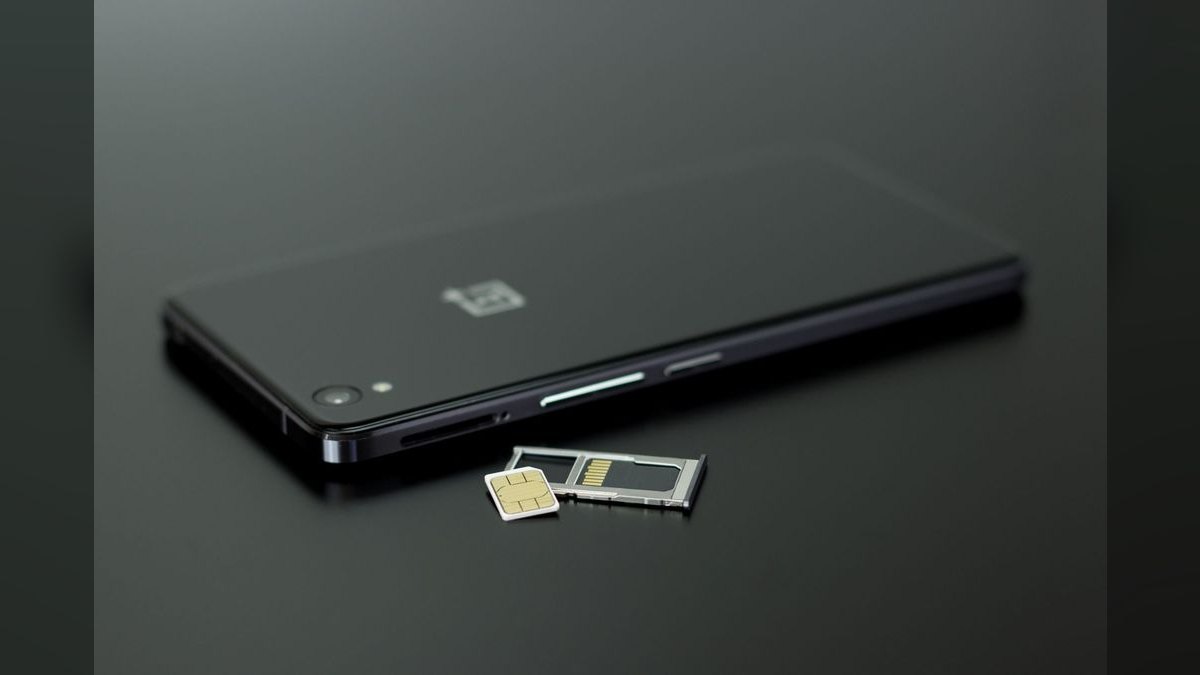
Next, cross-check the marketing map against independent crowd-sourced data from Ookla's Speedtest map, which shows real user speeds pinned to real locations rather than a carrier's optimistic model. Where the two disagree, believe the crowd data. The FCC's National Broadband Map is a second free reference that logs both provider-reported and challenged coverage, and it is worth checking any address where the carrier's own map and Ookla tell different stories. Finally, use a free trial. Verizon and UScellular both offer roughly 30-day network trials on a compatible phone, letting you carry the SIM (or eSIM) through your actual week before you cancel your current plan. Run the trial through at least one weekend and one full commute cycle.
The whole loop takes about a month of low-effort testing and costs nothing, and it beats every ranking article — including this one — because it measures your addresses, not an average Wisconsinite's. Keep a simple note per location: bars, download speed, and whether a call held for five minutes. That log is the evidence you carry into the switch decision, and it removes the guesswork that leads most people to overpay for coverage they never needed or underbuy for coverage they did.
What Wisconsin plans cost in 2027
Single-line unlimited pricing clusters into three tiers, and knowing the tiers keeps you from overpaying. All figures below reflect early-2027 single-line rates with autopay, and every one of them can shift with promotions — treat them as a map of the terrain, not a locked quote.
Tower owners (postpaid). UScellular's Unlimited plan opens the field at about $55/month and includes a roughly 15GB hotspot allowance plus 5G in 200-plus Wisconsin towns — the cheapest way to buy service from a company that actually owns the towers under you. Verizon's Welcome Unlimited runs about $65/month with 480p video, stepping up to Plus Unlimited near $80/month for 30GB of premium hotspot and 720p streaming. T-Mobile's Go5G Plus sits around $90/month but bundles 50GB of hotspot plus Netflix and Apple TV+. AT&T's Unlimited Premium is roughly $86/month with 50GB hotspot and ad-free Max. Verizon's myPlan tiers also advertise a multi-year price lock, a genuine hedge against the annual creep these plans are famous for.
Virtual carriers on the big networks. This is where the value lives if you live in a metro. Spectrum Mobile and Xfinity Mobile both ride Verizon's network: Spectrum's unlimited line is about $29.99/month and Xfinity's Unlimited Intro is near $30/month, each requiring you to also hold that company's home internet. Visible, Verizon-owned, runs roughly $25/month base or about $35/month for Visible+ with 5G Ultra Wideband and unlimited hotspot. Cricket (AT&T-owned) unlimited is around $55/month; Boost, on T-Mobile's network, offers an Infinite Access plan near $60/month with an annual phone upgrade. For a two- or three-line household in Milwaukee or Madison, the gap between postpaid and MVNO can be $60–$100 a month — real money that, for a small business owner, is either margin kept or revenue spent.
Budget and senior plans. Consumer Cellular, AARP-endorsed and running on AT&T and T-Mobile, starts near $20/month for a 1GB plan and about $55/month for unlimited, with a 5% AARP discount — well suited to light users in metro areas who want U.S.-based support. Its wireless value is strongest for someone who mostly texts, calls, and uses Wi-Fi at home.
Timeline expectations. Number porting between carriers typically completes within a few hours to a day; eSIM activation is often instant. If you switch, most carriers reimburse early-termination or device-payment balances up to roughly $500 per line through switch-and-save promotions — get the offer terms in writing before you port, because the reimbursement usually arrives as a prepaid card weeks later, not an instant credit. Budget for that lag: you may carry two bills for one cycle, and the promised credit can require you to stay active for a set number of months before it clears.
Where Wisconsin shoppers pick the wrong carrier
The recurring mistakes are predictable, and each one is avoidable once you know the pattern.
Buying the metro map for a rural life. T-Mobile posts the fastest 5G in Milwaukee — around 270 Mbps — and shoppers extrapolate that to the whole state. But on Highway 13 between Medford and Ashland, and across Forest County, that same network drops to weaker 4G or partner roaming. Speed in the city tells you nothing about a signal at the cabin. Match the network to where you'll actually be when the call matters, not where the billboard was photographed.

Ignoring deprioritization on virtual carriers. A $25 Visible or $30 Spectrum Mobile line uses the exact same Verizon towers as a $65 postpaid line — until a tower gets congested, at which point the postpaid customer gets served first. In year-round low-density areas you may never notice. In a summer tourist crush in Door County or the Dells, deprioritized data can crawl to 1-5 Mbps precisely when you need directions or mobile payments. If your life or your revenue includes those seasonal crowds, the savings may not be worth it.
Confusing "5G" with better coverage. 5G is about capacity and speed where the signal already exists; it does not extend the edge of the map. The layer that saves you on a back road is low-band LTE (Verizon's 700 MHz Band 13, UScellular's 700 MHz), not flashy mmWave downtown. Rural shoppers should weight low-band reach far above 5G headline speed — a phone that shows one bar of low-band LTE and completes the call beats a phone that shows "5G" and can't.
Overlooking customer service until something breaks. UScellular ranks #1 in the North Central region in J.D. Power's 2026 wireless customer-care study, with local call centers in Green Bay and Madison. When a business line goes down and every hour is lost revenue, reaching a competent human quickly is worth more than a few dollars of monthly savings — a factor that rarely shows up in a price comparison but dominates the experience during an outage.
Skipping the free trial. The trials exist, they cost nothing, and they answer the only question that matters — does it work where I live? Shoppers who skip them and rely on a ranking are gambling on an average. The same discipline applies to re-testing: a network that failed you two years ago may have densified since, so an old grudge is a poor reason to keep overpaying a different carrier today.

Choosing your carrier by where you live and what you need
Use this framework as a starting hypothesis, then confirm it with the trial process above. The logic keys off two variables that decide almost every Wisconsin case: whether you spend real time in rural/northern areas, and whether you already hold a qualifying home-internet account.
Read it as tendencies, not verdicts. A rural user whose specific township happens to sit under a strong Verizon tower may beat UScellular there — that is exactly what the trial confirms. A metro user with a Spectrum or Xfinity account who wants Verizon's coverage at a steep discount should take the virtual-carrier path unless summer crowds are part of their routine, in which case postpaid priority earns its premium. And a FirstNet-eligible first responder should weigh AT&T's dedicated public-safety network above the consumer ranking entirely.
The through-line for every Wisconsin case: pick the network that owns the towers where you spend your time, then pick the cheapest plan that rides that network at the priority level your congestion exposure demands. For a household, that math is about a monthly budget; for an owner-operator whose phone is the point of sale, it is about protecting revenue at the exact moments — the game day, the festival, the peak Saturday — when the most customers are trying to pay you at once. Get those two variables right and the specific wireless carrier almost picks itself.
Related questions
Which carrier is best for rural northern Wisconsin?
UScellular and Verizon are the two reliable choices north of Highway 8, particularly in Vilas, Oneida, Ashland, Bayfield, and Forest counties. UScellular's dense regional tower network plus low-band spectrum often edges out the nationals, and its local support is a real advantage when signal troubleshooting.
Is a Verizon MVNO good enough for most Wisconsinites?
For metro and suburban users, yes — Spectrum Mobile, Xfinity Mobile, and Visible deliver Verizon coverage at a fraction of the price. The caveat is deprioritization during congestion, which surfaces in seasonal tourist areas. If you rarely hit crowds, an MVNO is the smartest value in the state.
Does UScellular have real 5G in Wisconsin?
Yes. UScellular runs 5G across 200-plus Wisconsin towns using 600 MHz and 2.5 GHz spectrum, averaging around 85 Mbps in cities like Eau Claire and Wausau. It trails the metro speeds of T-Mobile and Verizon but covers far more small-town ground than either.
What's the cheapest way to get reliable service?
An MVNO on Verizon's network — Visible near $25/month or Spectrum/Xfinity Mobile near $30/month with home internet — is cheapest in the metros. For the lowest price from a company that actually owns towers, UScellular's roughly $55/month unlimited plan is the value leader statewide.
How often should I re-test my carrier choice?
Re-check every 12-18 months or after any move, new commute, or added cabin. Networks densify and deprioritization thresholds shift, so a carrier that struggled at your address two years ago may be excellent now — and vice versa. The free-trial loop takes a month and keeps you from overpaying.
FAQ
Which carrier has the best coverage in Wisconsin's Northwoods?
UScellular and Verizon are the most dependable in the far north, especially across Vilas, Oneida, and Forest counties. T-Mobile and AT&T both carry meaningful gaps north of Highway 8, where they frequently fall back to weaker signals or partner roaming that caps your data.
Can I use a cheap Verizon MVNO in rural areas?
You can, but expect deprioritization during peak times in tourist zones like Door County and Wisconsin Dells, where data can slow to a crawl. For consistent rural performance, postpaid Verizon or UScellular is the safer choice despite the higher monthly cost.
What is the cheapest unlimited plan in Wisconsin for 2027?
Spectrum Mobile's roughly $29.99/month unlimited line (bundled with Spectrum Internet) and Visible near $25/month are the cheapest, both on Verizon's network with congestion trade-offs. UScellular's approximately $55/month plan is the least expensive option from a company that owns its own towers.
How do I check which carrier works best at my exact address?
Enter your home and work ZIP codes into each carrier's official coverage map, then cross-reference Ookla's Speedtest map and the FCC National Broadband Map for real user speeds nearby. Where the marketing map and crowd data disagree, trust the crowd data, and finish by running a free 30-day trial.
Does Wisconsin have any regional carrier besides UScellular?
No. UScellular is the only regional carrier operating native towers in Wisconsin. Every other option is either a national tower owner — Verizon, T-Mobile, AT&T — or a virtual carrier reselling one of those networks under a different brand and price.
Which carrier has the best customer service in Wisconsin?
UScellular ranks #1 in the North Central region in J.D. Power's 2026 U.S. Wireless Customer Care Study, helped by local call centers in Green Bay and Madison. That local support is a genuine differentiator when you need fast help resolving a coverage or billing problem.
Sources
- Verizon Coverage Map
- UScellular Coverage Map
- T-Mobile Coverage Map
- AT&T Wireless Coverage Map
- Ookla Speedtest United States Reports
- J.D. Power U.S. Wireless Customer Care Study
- FCC National Broadband Map
- Spectrum Mobile Plans
- Xfinity Mobile Plans
- Visible Coverage
Related on PULSE
This page will be disappearing soon. Save it to your device for $1 — or read it free while it is here.
@Kory-White- · if Venmo asks, the last 4 of my number are 2012
This page is gone.
This one is off the shelf now. $1 keeps it on your phone for good — the whole page, pictures and diagrams included.
 telcoIs an unlimited data plan worth it in 2027?
 telcoBest Cellular and Wireless Carrier in Montgomery in 2027
 telcoWhat are the most common mistakes in Telco in 2027?
 telcoIs carrier phone insurance worth it in 2027?
 telcoUS Mobile vs Mint Mobile: which is better in 2027?
 telcoBest Cellular and Wireless Carrier in Los Angeles in 2027
 telcoBest Cellular and Wireless Carrier in Wichita in 2027
 telcoBest Cell Phone Plans for International Travel in 2027
 telcoShould I get a contract or no-contract phone plan in 2027?
 telcoHow do I switch carriers without changing my phone number in 2027?