
What is the exact order of steps to switch carriers without losing service for even a day in 2027?
 Curated byKory White · Fractional CRO · Maryland
 PULSEKNOWLEDGE LIBRARY
To switch carriers without losing service for even a day, run the port in this order: verify your account and number are portable, unlock the device, request a transfer PIN, order the new carrier's plan with port-in, install the new SIM or eSIM, then test before cancelling the old line. Never cancel first — the port itself closes the old account.
The outcome you should expect
A clean carrier switch in 2027 should feel almost boring. The realistic best case is that you place the order on a Monday, receive an eSIM profile within minutes or a physical SIM within one to two business days, activate it, and watch your old line die on its own within a few hours of the port completing. Total downtime for a well-executed switch: zero minutes of lost calls, because the porting window overlaps both networks.
What you are actually buying with careful sequencing is overlap. During a port, your number is briefly held by the losing carrier and then handed to the gaining carrier. If you cancel the old line before that handoff finishes, the number can be released back into the pool and you may not get it back. That is the single failure that turns a routine switch into a multi-day outage. Everything in this guide exists to prevent that one mistake.
Expect these rough timings on a normal weekday port:
- Mobile number port (wireless-to-wireless): typically 10 minutes to 4 hours, with a regulatory ceiling of one business day in most markets.
- eSIM delivery: usually instant to 15 minutes by email or app.
- Physical SIM delivery: 1–3 business days by mail, same-day if you pick one up in a store.
- Landline or VoIP port: 3–10 business days because it is a manual, ticket-based process.
- Billing overlap: one to two partial billing cycles where both carriers may charge you.

The outcome you want is a completed port confirmation, a working test call on the new network, and only then a final bill from the old carrier. If any of those three is missing, do not cancel anything.
What drives that outcome
Four things determine whether your switch is seamless or painful: portability eligibility, account ownership, timing of the request, and device compatibility. Get all four right and the port is mechanical. Get one wrong and you are on the phone with support while your number sits in limbo.
Portability eligibility. Your number must be active and in good standing with the current carrier. Numbers that are suspended for non-payment, flagged for fraud, or tied to a cancelled account are not portable. Business lines often need an authorized-contact release before they can move. If your number was recently ported in from another carrier, some providers enforce a short waiting period before it can move again.

Account ownership. The gaining carrier submits the port request using the name, address, and account number on file with the losing carrier. If those do not match, the request is rejected. This is the most common cause of delay. Verify the exact spelling of the account holder name and the account number on your latest bill before you start.
Timing. Ports are processed during business hours in most regions. A request submitted Friday evening may not move until Monday. If you need a guaranteed cutover, submit on a Tuesday or Wednesday morning. Avoid the last week of a billing cycle if you can, because proration gets messy.
Device and network compatibility. A phone that is carrier-locked cannot accept another carrier's SIM. A phone that lacks the new carrier's bands will register but deliver poor coverage. VoLTE and eSIM support matter more in 2027 than raw band count, because most networks have retired legacy voice fallback.
The diagram above is the order that matters. Notice that cancelling the old line is not a step you take — it is a step the port takes for you. Any plan that includes "call and cancel" before the port completes is the plan that causes an outage.

Benchmarks and realistic ranges
These are the ranges a practitioner should plan around. They are deliberately conservative, because a switch that runs long is far more expensive than one that runs short.
Port completion time. Wireless-to-wireless ports complete in 10 minutes to 4 hours on a normal business day. Roughly one in ten takes longer, usually because of a name or account-number mismatch. The regulatory maximum in most markets is one business day, after which you can escalate. Landline and VoIP ports run 3–10 business days and cannot be rushed.
Number of steps. A clean wireless switch is seven steps: verify, unlock, get transfer PIN, order with port-in, install SIM, test, confirm. A switch involving a family plan, a business account, or a landline adds two to four steps for authorization and release.
Cost overlap. Budget for one to two partial billing cycles of double charges. Most carriers prorate, but some bill a full final month. A typical overlap is $15–$60 total, and it is refundable if you ask.

Downtime. With correct sequencing, downtime is zero. With the cancel-first mistake, expect 1–5 business days to recover a number, and in rare cases the number is lost permanently.
Success rate. When the account details match and the device is unlocked, port success on the first attempt is very high — well above 90%. When details mismatch, first-attempt failure is common and adds one to three days.
Test coverage. After activation, run at least five tests: an outgoing call, an incoming call, an SMS to yourself, an MMS with a photo, and a data speed check. Add a call to a landline and a call to a different carrier if you rely on your phone for work.

Transfer PIN validity. Transfer PINs typically expire in 7–14 days. Request it close to the switch date, not weeks ahead.
eSIM vs physical. eSIM activation is usually instant and avoids shipping delays, but it requires a compatible unlocked device and a stable internet connection for the initial download. Physical SIMs are more forgiving but add 1–3 days of logistics.
Risks, edge cases, and failure modes
The cancel-first mistake. This is the number one cause of lost service. If you cancel the old line before the port completes, the number can be released. The fix is simple: never cancel. Let the port close the account.
Name and account mismatch. A middle initial, a maiden name, a business DBA, or an old address will reject the port. Pull your latest bill and copy the details exactly.

Device lock. A phone financed through the old carrier is often locked until paid off. Unlock it before you order the new plan, or you will activate a SIM that cannot register.
Family plan partial ports. Moving one line out of a family plan can change the remaining lines' pricing or trigger a plan change. Confirm with the old carrier what happens to the other lines before you move.
Business account authorization. Business ports need an authorized contact. If you are not listed, the request is rejected. Get added first.

Landline and VoIP timing. These ports are manual and can take 3–10 business days. Do not schedule them the day before you need the line.
Promotional credit clawbacks. Some carriers reclaim promotional credits if you leave within a set window. Check your contract for early-termination fees and credit recovery terms.
Two-factor authentication lockout. Your number is likely tied to bank and email 2FA. Before you port, add a backup authentication method or an authenticator app so a slow port does not lock you out of critical accounts.
Voicemail and visual voicemail. These often need to be reconfigured on the new carrier. Set them up on day one so you do not miss messages.

International roaming. If you travel during the switch, confirm the new plan's roaming terms before you activate. A port mid-trip can leave you without data abroad.
Number parking. If you are unsure about the new carrier, you can port to a low-cost number-parking service first, then port again. This adds a step but preserves the number while you decide.
A practical rollout plan
This is the sequence to run, in order, with a realistic timeline. Treat it as a checklist and do not skip ahead.
Day -7 to Day -3: prepare. Confirm the number is active and in good standing. Pull the latest bill and note the exact account holder name, account number, and service address. Check whether the device is unlocked; if not, request an unlock and pay off any financing. Add a backup 2FA method to critical accounts. Read the old contract for early-termination fees and promotional credit terms.

Day -1: get the transfer PIN. Request the transfer PIN from the old carrier. It usually arrives by SMS or in the account portal and expires in 7–14 days. Do not cancel anything.
Day 0, morning: order the new plan with port-in. Place the order on a Tuesday or Wednesday morning. Provide the exact account details and the transfer PIN. Choose eSIM if your device supports it to avoid shipping delays.
Day 0, activation: install and test. Install the new SIM or eSIM. Activate the line. Run the five tests: outgoing call, incoming call, SMS, MMS, and data. Keep the old SIM in the device if it is a dual-SIM phone so you can still receive calls during the overlap.

Day 0 to Day 1: confirm the port. Wait for the port confirmation from the gaining carrier. Once confirmed, the old line is closed automatically. Do not call the old carrier to cancel.
Day 1 to Day 3: verify and clean up. Confirm the old line no longer works. Set up voicemail on the new carrier. Check that 2FA codes arrive. Pay the final bill on the old carrier once it arrives.
Day 3 to Day 30: monitor billing. Watch for double charges and request proration if you see a full final month. Keep the port confirmation email until the final bill is settled.
The two diagrams together cover the whole switch: the first shows the order of operations, the second shows the timeline. If you follow only one rule, follow this one — the port closes the old account, so you never cancel it yourself.
Related questions
How long does a number port take in 2027?
Wireless-to-wireless ports typically complete in 10 minutes to 4 hours on a business day, with a regulatory ceiling of one business day. Landline and VoIP ports take 3–10 business days. eSIM activation is usually instant once the port is approved.
Can I keep my number if I cancel first?
No. Cancelling the old line before the port completes can release the number back into the pool, and you may not recover it. Always let the port close the old account automatically.
Do I need a transfer PIN to switch carriers?
Most carriers require a transfer PIN or port-out passcode, valid for 7–14 days. Request it close to your switch date and provide it to the gaining carrier when you order the port-in.
What if my phone is locked to my old carrier?
A carrier-locked phone cannot register on another network. Request an unlock from the old carrier, pay off any financing, and confirm the unlock before you order the new plan.
Will I be charged by both carriers?
Yes, expect one to two partial billing cycles of overlap. Most carriers prorate, but some bill a full final month. Request proration if you see a full charge.
FAQ
What is the exact order of steps to switch carriers without losing service for even a day in 2027? Verify the number is portable, confirm the account name and number match the bill, unlock the device, request a transfer PIN, order the new plan with a port-in request, install the SIM or eSIM, test calls and data, and let the port close the old account. Never cancel the old line yourself.
How long does it take to switch carriers without downtime? A wireless port completes in 10 minutes to 4 hours on a business day, so downtime is zero if you sequence correctly. Landline and VoIP ports take 3–10 business days, so plan the cutover around that window.
Can I switch carriers and keep my number? Yes. Number portability lets you keep your number when you move between carriers. The gaining carrier submits the port request, and the number transfers once the request is approved.
What causes a port to be rejected? The most common causes are a name or account-number mismatch, an unpaid balance, a suspended line, or a missing transfer PIN. Verify your bill details and clear any balance before ordering.
Should I cancel my old service before or after the port? After. The port itself closes the old account. Cancelling first can release your number and cause an outage that takes days to fix.
Does switching carriers affect my 2FA codes? It can, briefly. During the port, SMS codes may not arrive. Add an authenticator app or backup number to critical accounts before you start the switch.
Sources
- https://www.fcc.gov/consumers/guides/porting-phone-number
- https://www.fcc.gov/general/number-portability
- https://www.ofcom.org.uk/phones-and-broadband/phone-numbers/keeping-your-phone-number
- https://www.ftc.gov/business-guidance/resources/mobile-phone-porting
- https://www.nanpa.com
- https://www.gsma.com/esim
- https://www.consumer.ftc.gov/articles/how-switch-cell-phone-companies
- https://www.ctia.org
Related on PULSE
- How to port a business number without disrupting a call center
- eSIM vs physical SIM: which is safer during a carrier switch
- How to avoid double billing when you change carriers
- Unlocking a financed phone before you switch networks
- What to do when a number port is rejected
- Managing 2FA during a phone number change
This page will be disappearing soon. Save it to your device for $1 — or read it free while it is here.
@Kory-White- · if Venmo asks, the last 4 of my number are 2012
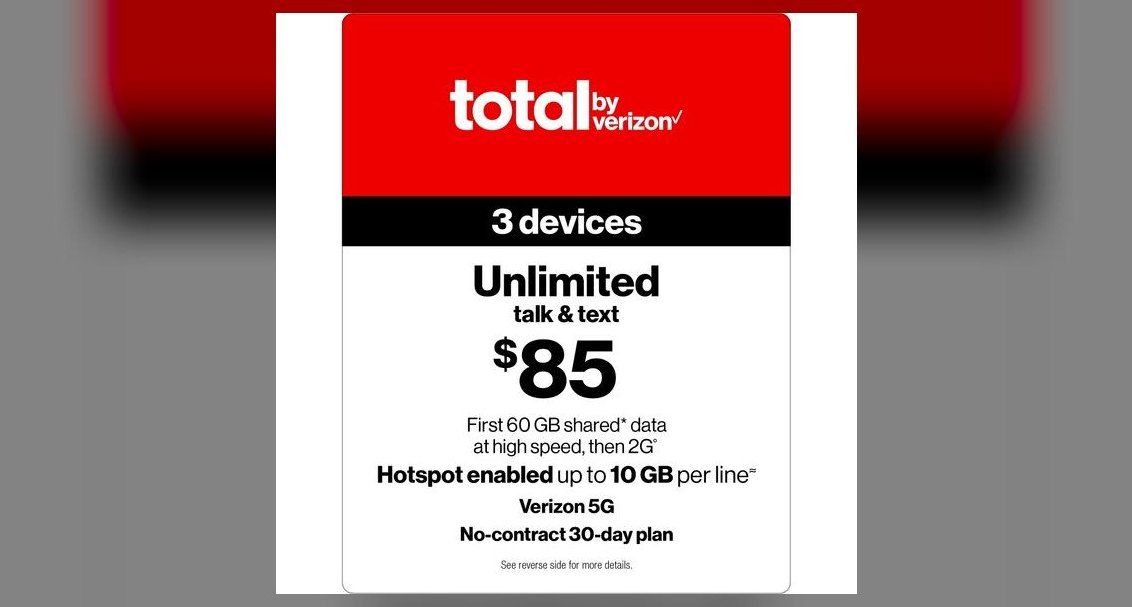 telcoTop 10 Best Cell Phone Plans for Families in 2027
 telcoWhat are the steps to switch cell phone carriers in 2027?
 telcoHow do I switch cell carriers without losing phone service in 2027?
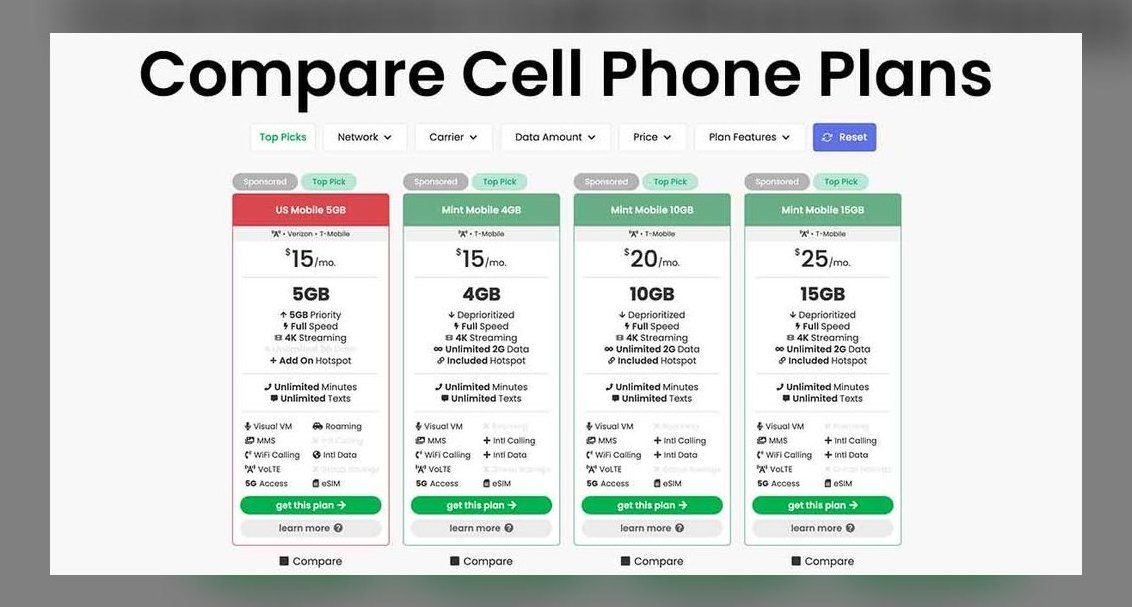 telcoHow do I choose the best cell phone plan for my needs in 2027?
 telcoBest Cellular and Wireless Carrier in San Antonio in 2027
 telcoHow do I transfer my data and apps to a new phone in 2027?
 telcoHow do I switch my phone plan step by step in 2027?
 telcoHow do I cancel my cell phone plan without losing my number in 2027?
 telcoHow do I block spam calls and robocalls on my cell phone in 2027?
 telcoTop 10 best Telco options in 2027