

How do I evaluate a fractional CRO in New Orleans in 2027?
 Curated byKory White · Fractional CRO · Maryland
Quality
Certified

To evaluate a fractional CRO in New Orleans, define your revenue stage, audit your tech stack, and demand local industry experience in energy tech, healthcare SaaS, or logistics software. Vet their operating cadence (8–16 days/month), request a sample 90-day plan, and negotiate a cash retainer plus 0.25%–1.0% equity. Verify tool fluency and interview references for execution, not just strategy.
What a Fractional CRO Actually Does and Does Not Do
A fractional CRO is a specialized tool for a specific revenue bottleneck, not a cheaper full-time executive. In New Orleans, you typically hire one when you need high-leverage decisions without a $200k+ salary commitment. They will run your weekly forecast meeting, hold the sales team accountable to pipeline numbers, design compensation plans and territory assignments, coach AEs and SDRs on deal progression and discovery calls, and build RevOps processes like lead scoring, handoff protocols, and CRM hygiene. They report directly to the founder or CEO on revenue metrics and key risks.
What they will not do is manage day-to-day customer support, write marketing content, attend every internal meeting, or handle busywork. Their value lies in focused, high-impact interventions—typically on two to three initiatives at a time. If you need someone to also manage partnerships, customer success, and marketing simultaneously, you need a full-time CRO or a broader executive team. The fractional CRO model works best when you have a clear, scoped problem that requires experienced leadership for three to six months, not indefinite operational support.

A common misconception is that a fractional CRO will be available 24/7 like a full-time employee. In reality, they allocate a fixed number of days per month to your company—typically between 4 and 16 days depending on scope. Outside those days, they are serving other clients. This means you must be disciplined about prioritizing their time on the highest-leverage activities. If your team needs constant hand-holding or you have a chaotic internal environment, a fractional CRO may struggle to deliver results. The model thrives on structure, clear expectations, and a founder who can serve as the internal execution engine between the CRO's visits.
Localize Your Evaluation Criteria for New Orleans
New Orleans has a distinct B2B revenue ecosystem that demands localized evaluation. The city is strong in energy technology (oil and gas software, renewables, grid management), healthcare technology (hospital systems, telemedicine, medical billing), and logistics and supply chain (port operations, freight brokerage). A fractional CRO who has only sold to enterprise software companies in San Francisco or New York may struggle with the longer sales cycles and relationship-heavy buying culture in these local industries.
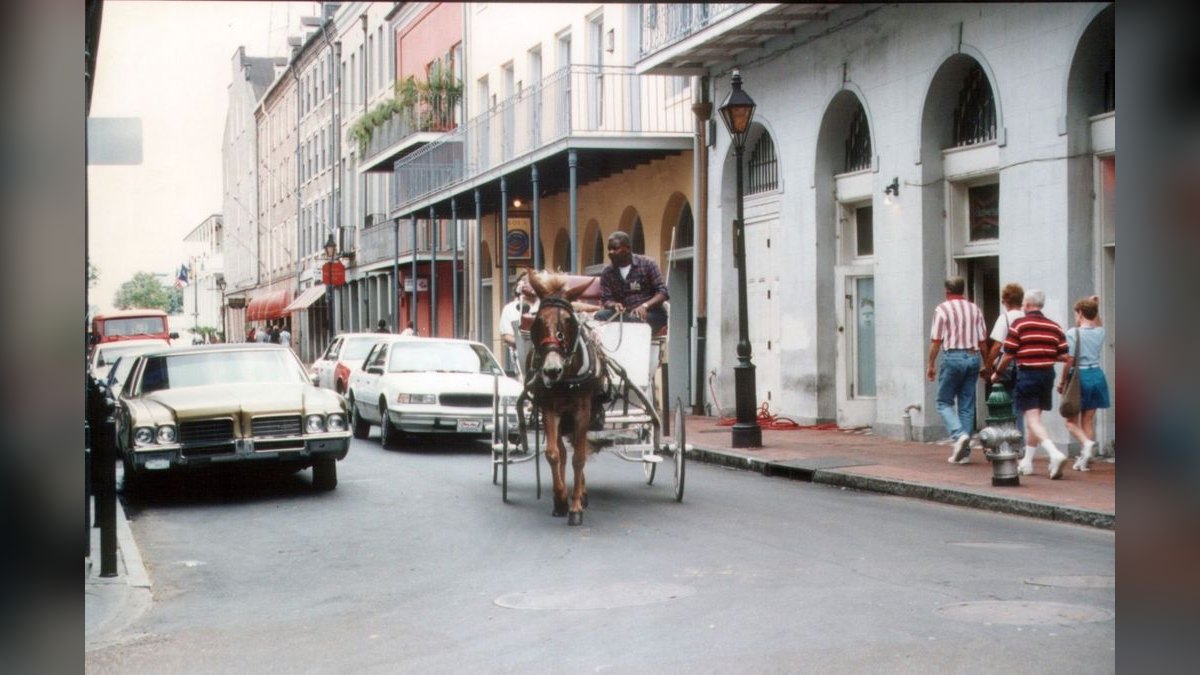
When evaluating candidates, ask specific questions: What local companies have you advised in New Orleans? If the answer is zero, probe why they understand the market. How do you adapt your sales methodology for a market where trust is built over gumbo, not over a 30-minute Zoom call? Which local revenue communities are you active in? Look for involvement in Pavilion NOLA, RevOps Co-op Gulf South chapter, or the New Orleans Tech Council. The best fractional CROs in this market often work remotely for national clients but maintain a physical presence in New Orleans. That is acceptable—you do not need them in your office five days a week. You need them to understand local buyer psychology and have a network of local partners, investors, and potential hires.
The New Orleans market also has unique cultural dynamics that affect sales. Decision-makers in local energy and healthcare companies often have long tenure and deep relationships with competitors. A fractional CRO who tries to apply a pure transactional sales methodology will fail. They need to understand that in New Orleans, a deal might take three to six months longer than in a faster-moving tech hub because trust is built through face-to-face meetings, industry events, and personal introductions. Ask candidates how they have navigated relationship-heavy sales cycles in other markets. If they cannot articulate a strategy for building trust in a slow-moving, relationship-first environment, they are not ready for New Orleans.

Evaluate Their Operating Cadence and Deliverables
A good fractional CRO will give you a specific schedule of days on-site or on-call per month. Be suspicious of anyone who says "I'm available as needed"—that usually means they are overcommitted to other clients. For a company with $1M–$10M ARR in New Orleans, the right cadence depends on your current state. If you have a sales team of three to eight people and need process plus coaching, expect 8–12 days per month. If you have no sales process and need to build from scratch including hiring, expect 12–16 days per month. If you already have a VP of Sales and just need strategic guidance, 4–6 days per month may suffice.
Ask for a sample 90-day plan during the interview. If they cannot articulate what they will deliver in weeks 1–4, 5–8, and 9–12, move on. The plan should include specific milestones such as implement lead scoring in HubSpot, train team on MEDDIC, or close three target accounts in the energy vertical. The first two weeks should focus on discovery and a revenue diagnostic report. Weeks 3–4 should deliver quick wins and a 90-day revenue plan with specific KPIs. Months 2–3 involve execution with weekly forecasts and pipeline reviews. Months 4–6 focus on optimization, including comp plan redesign and team coaching. This structured approach ensures you are paying for measurable progress, not vague advisory.

Beyond the 90-day plan, ask about their communication cadence. How often will they provide written updates? Will they attend your all-hands meetings? How do they handle urgent issues that arise on days they are not scheduled to work? A good fractional CRO will have a standard operating rhythm: a weekly 30-minute sync with the founder, a weekly forecast meeting with the sales team, and a monthly board-style report on revenue metrics. They should also have a clear escalation path for urgent matters—typically a text or Slack message that they commit to responding to within a few hours during business days. If their communication plan is vague or reactive, that is a red flag.
Check Their Tool Fluency and Tech Stack Fit
A fractional CRO in 2027 must be immediately productive in your tech stack. You should not pay a retainer for someone who needs a week to learn Salesforce or Gong. During evaluation, ask which CRM they prefer—HubSpot or Salesforce—and why. Ask how they use Gong or Clari in their weekly forecast meeting. Ask about their process for building a sales playbook in Outreach or Salesloft. If they cannot answer these questions with specific examples from their last engagement, they are likely a strategy-only consultant who will leave execution to your team.

That is acceptable if that is what you need, but be honest about it—a pure strategist should cost less, closer to a retainer for 4–6 days per month, and have a narrower scope. For most New Orleans companies in the $2M–$10M ARR range, you need someone who can log into your CRM on day one and run a pipeline review without training. If your stack includes HubSpot, Outreach, Gong, and Clari, the fractional CRO should have direct experience configuring and using all four. Ask for a brief walkthrough of how they would set up a lead scoring model in your CRM or how they would structure a weekly forecast cadence. Their answers should demonstrate hands-on familiarity, not theoretical knowledge.
Tool fluency also extends to analytics and reporting. Ask how they would build a revenue dashboard in your BI tool of choice—whether that is Tableau, Looker, or a built-in CRM reporting feature. They should be able to articulate the key metrics they track weekly: pipeline coverage ratio, win rate by stage, average deal size, sales cycle length, and rep-level attainment. If they cannot rattle off these metrics without hesitation, they are not operating at the CRO level. Additionally, ask about their experience with revenue intelligence tools like Gong or Chorus. A modern fractional CRO should use these tools to coach reps on deal progression, not just to record calls. They should be able to show you how they used call analytics to identify a specific objection that was killing deals and how they trained the team to handle it.

Negotiate Compensation Honestly and Transparently
Fractional CRO compensation in New Orleans in 2027 is driven by scope, days per month, and stage of your company. For cash-only arrangements at 8–12 days per month, typical for $2M–$5M ARR companies, expect a retainer. For cash plus small equity, expect a retainer plus 0.25%–0.5% equity vesting over 2–3 years, typical for $5M–$10M ARR. For cash plus meaningful equity, expect a retainer plus 0.5%–1.0% equity vesting over 3 years, typical for $10M–$20M ARR with high growth potential. Do not accept a deal where the fractional CRO demands more than 1.0% equity for a part-time role—that is a red flag indicating overvaluation of their contribution.
Also avoid pure equity deals with zero cash—someone who is not taking cash is either desperate or not in demand. The best fractional CROs have multiple clients and need cash flow to sustain their practice. Ensure your contract includes a 30-day notice clause for termination and a 3–6 month minimum commitment to see meaningful results. A performance review clause at 60 days is also wise, allowing you to assess pipeline velocity, deal close rates, and team accountability before committing long-term.

When negotiating, be transparent about your budget and expectations. If you can only afford 8 days per month at a lower retainer, say so upfront. A good fractional CRO will either adjust their scope to fit your budget or recommend a less expensive alternative, such as a fractional VP of Sales or a growth advisor. Do not try to negotiate a fractional CRO down to a price that forces them to overcommit to other clients to make ends meet—that will result in poor service for you. Instead, focus on getting the right scope for your budget. If you can only afford 6 days per month, that is fine—just ensure the scope is narrow enough that those 6 days are spent on the highest-leverage activities, not on busywork.
Interview References Like a VC
When you call references, do not ask "Were they good?"—that wastes everyone's time. Ask specific questions that reveal execution capability. What was the one thing they did in the first 30 days that changed your revenue trajectory? Did they actually run the weekly forecast meeting, or did they just review your slides and give feedback? How did they handle underperformers on the sales team—did they coach them, or did they avoid the hard conversation? What was the biggest mistake they made during the engagement? If the reference cannot think of one, they are not being honest.

Would you hire them again tomorrow for the same role? If the answer is not an immediate yes, dig deeper. Also ask about their operating style: Did they work independently, or did they need constant direction from you? Did they document their processes and leave behind a playbook, or did knowledge leave with them? A great fractional CRO should leave your team more capable than they found it, not dependent on their ongoing presence. References from companies in similar revenue stages and industries are most valuable—prioritize those.
When calling references, also ask about the specific challenges the company faced before hiring the fractional CRO. Were they struggling with pipeline generation, deal execution, team hiring, or something else? Then ask how the fractional CRO addressed that specific challenge. If the reference says "they helped us improve our sales process," push for specifics: What exactly did they change? Did they implement a new qualification framework? Did they redesign the compensation plan? Did they fire underperforming reps? The more specific the answer, the more likely the fractional CRO actually drove results rather than just providing advisory. Finally, ask about the one thing the reference wishes the fractional CRO had done differently. No engagement is perfect, and a reference who cannot identify any improvement area is either not being honest or had such low expectations that any help was appreciated.

Understand the Revenue Stage Decision Framework
Your revenue stage determines whether a fractional CRO is the right hire at all. For pre-revenue to $2M ARR, consider a fractional VP of Sales or a growth advisor—a CRO is overkill at this stage because the function is too narrow. For $2M–$10M ARR, assess whether your sales process is repeatable. If it is not, you need a fractional CRO at 12–16 days per month to fix pipeline generation and sales methodology. If it is repeatable, you need a fractional CRO at 8–12 days per month to focus on scaling the team and closing larger deals. For $10M–$20M ARR, check whether you already have a VP of Sales. If you do, a fractional CRO can serve as an executive coach and strategy advisor at 6–8 days per month. If you do not, strongly consider a full-time CRO—at this stage, fractional may be too thin to build a scalable revenue machine.
This framework prevents you from over-hiring or under-hiring relative to your actual needs. A common mistake founders make is hiring a fractional CRO too early, when what they really need is a salesperson who can close deals themselves. A fractional CRO is not a closer—they are a builder of systems and teams. If you are pre-revenue or under $1M ARR, you need someone who can pick up the phone and sell, not someone who will design a compensation plan. Conversely, if you are at $15M ARR with a VP of Sales already in place, a fractional CRO can provide valuable strategic guidance without the cost of a full-time executive. Use this framework as a starting point, but also consider your specific situation. If you have a complex sales cycle with multiple stakeholders, you may need a fractional CRO even at $3M ARR. If you have a simple transactional sales model, you may not need one until $10M ARR.

Beyond the stage framework, consider your growth trajectory. If you are growing rapidly at 30%+ month-over-month, you may need a full-time CRO sooner than the framework suggests. Rapid growth creates operational chaos that a part-time executive may not be able to manage. Conversely, if you are growing slowly at 5–10% month-over-month, a fractional CRO may be sufficient even at higher revenue stages because the pace allows for structured, weekly interventions. Also consider your team's maturity. If you have a strong VP of Sales who needs coaching, a fractional CRO is ideal. If you have no sales leadership at all, you need someone who can step in and run the team day-to-day—which may require more days per month than the standard framework suggests.
Related questions
What is the typical notice period for a fractional CRO?
Most fractional CROs can start within 1–3 weeks of signing, depending on current client load. They typically require a 30-day notice clause for termination, and you should expect a 3–6 month minimum commitment to see meaningful results.
How do I know if I need a fractional CRO vs a fractional VP of Sales?
A fractional CRO owns the entire revenue function—sales, marketing alignment, customer success, partnerships. A fractional VP of Sales focuses only on the sales team and pipeline. If your problem is closing deals, get a VP of Sales. If your problem is lacking a revenue strategy, get a CRO.
Can a fractional CRO work remotely from New Orleans for a company based elsewhere?
Yes—many fractional CROs in New Orleans serve national clients remotely. The key is industry experience, not geographic proximity. However, for local New Orleans companies, a local fractional CRO brings understanding of regional buyer culture and a local network.
What happens if the fractional CRO isn't performing after 60 days?
Your contract should include a 30-day performance review clause. If after 60 days you see no measurable improvements in pipeline velocity, deal close rates, or team accountability, schedule an honest conversation. A good fractional CRO will self-identify if the engagement isn't working.
How much equity should a fractional CRO receive?
Expect 0.25%–1.0% equity vesting over 2–3 years, with the percentage tied to your ARR stage. Higher equity demands above 1.0% for a part-time role are a red flag. Avoid pure equity deals with zero cash—the best fractional CROs need cash flow to sustain their practice.
FAQ
What is the typical notice period for a fractional CRO? Most fractional CROs can start within 1–3 weeks of signing, depending on their current client load. They typically require a 30-day notice clause in the contract for termination, and you should expect a 3–6 month minimum commitment to see meaningful results.
How do I know if I need a fractional CRO vs a fractional VP of Sales? A fractional CRO owns the entire revenue function—sales, marketing alignment, customer success, and partnerships. A fractional VP of Sales focuses only on the sales team and pipeline. If your problem is closing deals, get a VP of Sales. If your problem is lacking a revenue strategy, get a CRO.
Can a fractional CRO work remotely from New Orleans for a company based elsewhere? Yes—many fractional CROs in New Orleans serve national clients remotely. The key is whether they have experience in your specific industry, not whether they are in your city. However, for local New Orleans companies, a local fractional CRO brings understanding of regional buyer culture and a local network.
What happens if the fractional CRO isn't performing after 60 days? Your contract should include a 30-day performance review clause. If after 60 days you see no measurable improvements in pipeline velocity, deal close rates, or team accountability, schedule an honest conversation. A good fractional CRO will self-identify if the engagement isn't working and may suggest a different approach or a referral.
How much equity should a fractional CRO receive? Expect 0.25%–1.0% equity vesting over 2–3 years, with the percentage tied to your ARR stage. Higher equity demands above 1.0% for a part-time role are a red flag. Avoid pure equity deals with zero cash—the best fractional CROs need cash flow to sustain their practice.
What tools should a fractional CRO be fluent in without training? They should be immediately productive in your CRM (HubSpot or Salesforce), dialer (Outreach or Salesloft), and revenue intelligence tool (Gong or Clari). Ask for specific examples of how they used these tools in their last engagement to run forecasts, build playbooks, or coach reps.
Sources
- https://joinpavilion.com
- https://revops.coop
- https://hbr.org
- https://firstround.com
- https://saastr.com
- https://neworleanstechcouncil.com
- https://linkedin.com
Related on PULSE
- Is there a fractional CRO available near me in New Orleans in 2027?
- How much does a part-time Chief Revenue Officer cost in New Orleans in 2027?
- What does a fractional Chief Revenue Officer engagement cost in New Orleans in 2027?
- Is there a fractional Chief Revenue Officer available near me in New Orleans in 2027?
- What should I look for in a fractional CRO in Scottsdale in 2027?
- How do I evaluate a fractional Chief Revenue Officer in the Pacific Northwest in 2027?
This page will be disappearing soon. Save it to your device for $1 — or read it free while it is here.
@Kory-White- · if Venmo asks, the last 4 of my number are 2012
This page is gone.
This one is off the shelf now. $1 keeps it on your phone for good — the whole page, pictures and diagrams included.
 pulse-toolsHow do I hire a fractional VP of Sales in Miami in 2027?
 pulse-toolsWhere do I find a fractional VP of Sales in Oklahoma City in 2027?
 pulse-toolsWhere do I find a fractional VP of Sales in Birmingham in 2027?
 pulse-toolsHow do I hire a fractional VP of Sales in Charlotte in 2027?
 pulse-toolsHow do I hire a fractional VP of Sales in Colorado Springs in 2027?
 pulse-toolsWhere do I find a fractional VP of Sales in Huntsville in 2027?
 pulse-toolsHow do I hire a fractional VP of Sales for a clean energy company in 2027?
 pulse-toolsWhere do I find a fractional VP of Sales in Phoenix in 2027?
 pulse-toolsHow do I hire a fractional VP of Sales in Oshkosh in 2027?
 pulse-toolsHow do I hire a fractional VP of Sales in Boston in 2027?