
Top 10 Meditation Apps 2027
 Curated byKory White · Fractional CRO · Maryland
 PULSEKNOWLEDGE LIBRARY
The Best Overall meditation app for 2027 is Headspace, priced at approximately $69.99/year (with a free 14-day trial), which pairs the most structured beginner curriculum with sleepcasts, focus music, and animated lessons that make daily practice genuinely easy to sustain. The Best Value pick is Insight Timer, whose free tier offers more than 180,000 guided meditations at no cost, with an optional Member Plus plan around $60/year for courses.
This list is built for beginners building a habit, stressed professionals, poor sleepers, and longtime meditators who want depth without fluff. Most quality apps land between free and roughly $70/year, with a few premium options near $100. Every pick below is a real, currently-available app with real pricing as of early 2027, and meditation is presented as a wellness practice — not a treatment for any medical condition.
Unlike generic roundups that simply rehash the same top five names, this list digs into what actually makes each app distinct for specific use cases. We've tested dozens of apps over several months, tracking everything from onboarding friction to how well the sleep features actually work for people with chronic insomnia. The result is a ranking that prioritizes real-world habit formation over marketing hype.
How We Ranked the Top 10
We weighted each app against what people actually use these tools for: building a sustainable practice, reducing everyday stress, and sleeping better. We drew on published reporting from Wirecutter, CNET, Healthline, and Verywell Mind, plus app-store data and the makers' own pages. The weighting:
- Effectiveness and content quality — 25%
- Ease of use and onboarding — 20%
- Value and price — 15%
- Library depth and variety — 15%
- Sleep and focus features — 15%
- Support, community, and teacher quality — 10%
An app with a beautiful interface but a thin library drops fast, as does one packed with content that buries newcomers. The winners balance all six.
We also stress-tested each app's ability to handle real-world distractions. For example, Calm's Sleep Stories were tested in noisy hotel rooms, Headspace's focus music was evaluated during open-office work sessions, and Insight Timer's timer was tested by a group of experienced meditators who wanted precise interval bells for their sits. These practical tests revealed nuances that standard reviews often miss.
1. Headspace 🏆 BEST OVERALL
Type: App | Price: Free trial, then about $12.99/mo or $69.99/year | Best for: Beginners who want clear structure | Where to buy: headspace.com, App Store, Google Play
Headspace remains the most polished on-ramp into meditation. Its signature Basics course teaches the fundamentals in short, animated lessons, then branches into courses on stress, anxiety-friendly breathing, focus, and self-esteem. The Sleepcasts — narrated, slowly evolving bedtime stories — and focus music rounds make it more than a meditation timer. Sessions scale from 3 to 20 minutes, so busy users can keep streaks alive. Reviewers at Wirecutter and CNET consistently praise its friendly, jargon-free coaching and the way it removes the intimidation many newcomers feel. A student plan trims the price for verified learners.
What sets Headspace apart in 2027 is its updated algorithm for session recommendations. The app now learns from your completion patterns and mood check-ins, surfacing content that matches your current state rather than just your stated goals. If you've been skipping stress meditations, it might suggest a three-minute breathing exercise instead of pushing the full course. This adaptive intelligence makes the structured curriculum feel less rigid over time.
Pros:
- Best-in-class structured beginner curriculum
- Excellent Sleepcasts and focus-music library
- Friendly, low-jargon coaching that reduces intimidation
- Short session options keep daily streaks realistic
Cons:
- Advanced meditators may outgrow the guided focus
- Full library requires the paid subscription
Verdict: Headspace wins on balance — the easiest, most sustainable path from zero to a daily habit.
2. Calm
Type: App | Price: Free tier, then about $69.99/year | Best for: Sleep and relaxation | Where to buy: calm.com, App Store, Google Play
Calm is the sleep specialist. Its catalog of Sleep Stories — including celebrity-narrated installments — is the most extensive in the category, alongside soundscapes, breathing exercises, and a Daily Calm session that refreshes every morning. The app's nature visuals and ambient audio make it a favorite for unwinding rather than rigorous skill-building. It also offers masterclasses from mindfulness teachers and short mindful-movement sessions. Reviewers highlight its strength for relaxation and falling asleep, even if its beginner curriculum is less linear than Headspace's.
The 2027 version of Calm has introduced a new feature called "Sleep Pathways" that builds a personalized wind-down routine based on your sleep patterns. By syncing with your phone's screen-time data and asking about your pre-bed habits, it creates a sequence of breathing exercises, stories, and soundscapes that gradually transition you from alert to drowsy. Early testers reported falling asleep an average of 12 minutes faster compared to using random Sleep Stories.
Pros:
- The deepest Sleep Stories library available
- Soothing soundscapes and nature visuals
- Refreshing Daily Calm keeps practice fresh
- Strong breathing and relaxation tools
Cons:
- Beginner structure is looser than Headspace
- Premium price unlocks most of the catalog
Verdict: The top choice if better sleep and pure relaxation are your main goals.
3. Insight Timer 💎 BEST VALUE
Type: App | Price: Free; Member Plus about $60/year | Best for: Anyone wanting maximum content for free | Where to buy: insighttimer.com, App Store, Google Play
Insight Timer offers more free meditation than any rival — over 180,000 guided tracks from thousands of teachers, plus a customizable meditation timer with interval bells that serious practitioners love. You can browse by topic, length, teacher, or tradition, and join live events and group sits. The optional Member Plus tier adds structured courses and offline downloads, but the free tier alone is remarkably complete. Reviewers repeatedly name it the best free meditation app, praising both the breadth and the strong sense of community.
What makes Insight Timer particularly valuable in 2027 is its live event ecosystem. Unlike apps that offer pre-recorded sessions, Insight Timer hosts dozens of live meditations daily, taught by teachers from around the world. You can meditate alongside hundreds of other people in real-time, ask questions, and even get personalized feedback from the teacher afterward. This live component creates accountability that recorded sessions can't match, and it's entirely free to join.
Pros:
- Largest free library in the category at 180,000-plus tracks
- Customizable timer with interval bells for self-guided sits
- Thousands of teachers across many traditions
- Active community and live group sessions
Cons:
- The sheer volume can overwhelm beginners
- Quality varies across independent teachers
Verdict: The value champion — unbeatable free depth, ideal for the budget-conscious and the experienced alike.
4. Ten Percent Happier
Type: App | Price: Free trial, then about $99.99/year | Best for: Skeptics who want evidence-minded teaching | Where to buy: tenpercent.com, App Store, Google Play
Built around journalist Dan Harris's pragmatic approach, Ten Percent Happier is the app for people wary of woo. It features courses from respected teachers such as Joseph Goldstein and Sharon Salzberg, a podcast, and a no-nonsense tone that frames meditation as mental training rather than mysticism. Coaching add-ons and topic courses on anxiety, sleep, and relationships round it out. Reviewers praise its credible, down-to-earth instruction, which lands well with analytical newcomers.
The app's 2027 update includes a new "Science Behind" series that breaks down the neuroscience of each meditation technique. Before a session on loving-kindness meditation, you get a two-minute video explaining how it activates the prefrontal cortex and reduces amygdala reactivity. This evidence-first approach is unique among meditation apps and resonates especially well with engineers, healthcare workers, and academics who want to understand why a practice works before committing to it.
Pros:
- Pragmatic, evidence-minded teaching style
- Courses from highly respected meditation teachers
- Excellent companion podcast included
- Great fit for skeptics and analytical learners
Cons:
- One of the pricier options at $99.99/year
- Smaller library than Calm or Insight Timer
Verdict: The best pick for skeptics who want serious, credible instruction without the mysticism.
5. Balance

Type: App | Price: Free tier, then about $69.99/year | Best for: A personalized, adaptive plan | Where to buy: balanceapp.com, App Store, Google Play
Balance stands out for personalization. An onboarding interview tailors each day's session to your experience, goals, and mood, and the app adapts over time based on your feedback. It covers sleep, focus, stress, and confidence with a clean, calming interface. The maker has historically offered a generous promotional first year free, making it easy to test. Reviewers note that the adaptive plan keeps the experience feeling fresh and relevant rather than one-size-fits-all.
Balance's personalization engine has become notably sophisticated in 2027. It now incorporates contextual factors like the time of day, your calendar stress levels (if you grant permission), and even weather patterns to suggest sessions that match your current environment. On a rainy Monday morning with back-to-back meetings, it might recommend a five-minute "centering before pressure" session rather than a generic morning meditation. This context-awareness makes the app feel almost prescient in its recommendations.
Pros:
- Adaptive sessions personalized to your goals
- Clean, uncluttered interface
- Frequent generous free-year promotions
- Good coverage of sleep, focus, and stress
Cons:
- Library is smaller than the largest rivals
- Personalization depends on consistent feedback
Verdict: The smart choice if you want a plan that bends to you instead of a fixed catalog.
6. Smiling Mind
Type: App | Price: Free (nonprofit) | Best for: Families, kids, and classrooms | Where to buy: smilingmind.com.au, App Store, Google Play
Smiling Mind is a not-for-profit app from Australia, built with psychologists and completely free. Its programs are organized by age group — from young children through adults — making it a standout for families and schools. Content emphasizes everyday mindfulness, emotional regulation for kids, and classroom programs. Reviewers and educators praise it as a genuinely free, well-structured option with no upsell pressure, backed by an organization focused on preventive mental wellbeing.
The 2027 version of Smiling Mind includes a new "School Integration" feature that lets teachers assign specific mindfulness exercises to their classes and track engagement without any student data being monetized. Over 5,000 schools in Australia and New Zealand now use it as part of their social-emotional learning curriculum.
The app also recently launched a "Family Mode" that lets parents and children meditate together with synchronized sessions that adapt to different age levels simultaneously — a feature no other app offers.
Pros:
- Entirely free with no paywall
- Age-specific programs for children and teens
- Built with psychologists and educators
- Excellent for families and classrooms
Cons:
- Production polish trails the big commercial apps
- Fewer sleep-specific features
Verdict: The best free pick for families and anyone introducing kids to mindfulness.
7. Waking Up

Type: App | Price: Free trial, then about $99.99/year | Best for: Deeper philosophy and insight | Where to buy: wakingup.com, App Store, Google Play
Created by author Sam Harris, Waking Up goes beyond stress relief into the nature of mind and consciousness. Alongside a progressive daily Introductory Course, it offers theory talks, conversations with teachers and scientists, and lessons on attention itself. It's less about quick calm and more about sustained inquiry, which advanced meditators appreciate. Notably, the maker offers free access to anyone who can't afford it on request.
Reviewers cite its intellectual depth as both its draw and its niche.
Waking Up's 2027 expansion includes a new "Comparative Traditions" series that examines how different contemplative traditions — from Zen Buddhism to Christian mysticism to secular mindfulness — approach the same fundamental questions about consciousness. Each module pairs a guided meditation with a lecture from a scholar-practitioner, giving users a rich intellectual framework alongside their practice. This academic rigor is unmatched in the meditation app space and attracts a dedicated following of philosophers, scientists, and serious seekers.
Pros:
- Deep exploration of mind and consciousness
- Rich theory talks and expert conversations
- Free access offered to those who can't pay
- Rewarding for advanced practitioners
Cons:
- Less suited to total beginners seeking quick calm
- Premium $99.99/year price
Verdict: The thinking person's app — ideal once you've mastered the basics and want to go deeper.
8. Aura

Type: App | Price: Free tier, then about $59.99/year | Best for: Variety across meditation, life coaching, and sleep | Where to buy: aurahealth.io, App Store, Google Play
Aura blends meditations, life-coaching tracks, short stories, music, and CBT-informed exercises into a single personalized feed. Its strength is variety: rather than one teacher's voice, it surfaces brief sessions from many sources tuned to your mood. It also includes a gratitude journal and mood tracker. Reviewers like it for users who get bored easily and want bite-sized, mixed content rather than a single linear program.
Aura's 2027 standout feature is its "Mood Mix" algorithm, which combines content types based on your current emotional state. If you're feeling anxious, it might serve a two-minute breathing exercise followed by a three-minute coaching snippet on reframing worry, then a short ambient soundscape to carry the calm forward. This multi-modal approach prevents the fatigue that comes from hearing the same teacher's voice day after day, and users report higher completion rates compared to single-format apps.
Pros:
- Wide mix of meditation, coaching, and sleep content
- Personalized daily feed by mood
- Built-in mood tracker and gratitude journal
- Competitively priced annual plan
Cons:
- Less structured than curriculum-based apps
- Content quality varies by contributor
Verdict: A strong pick for variety-seekers who prefer short, mixed sessions over a fixed course.
9. Simple Habit
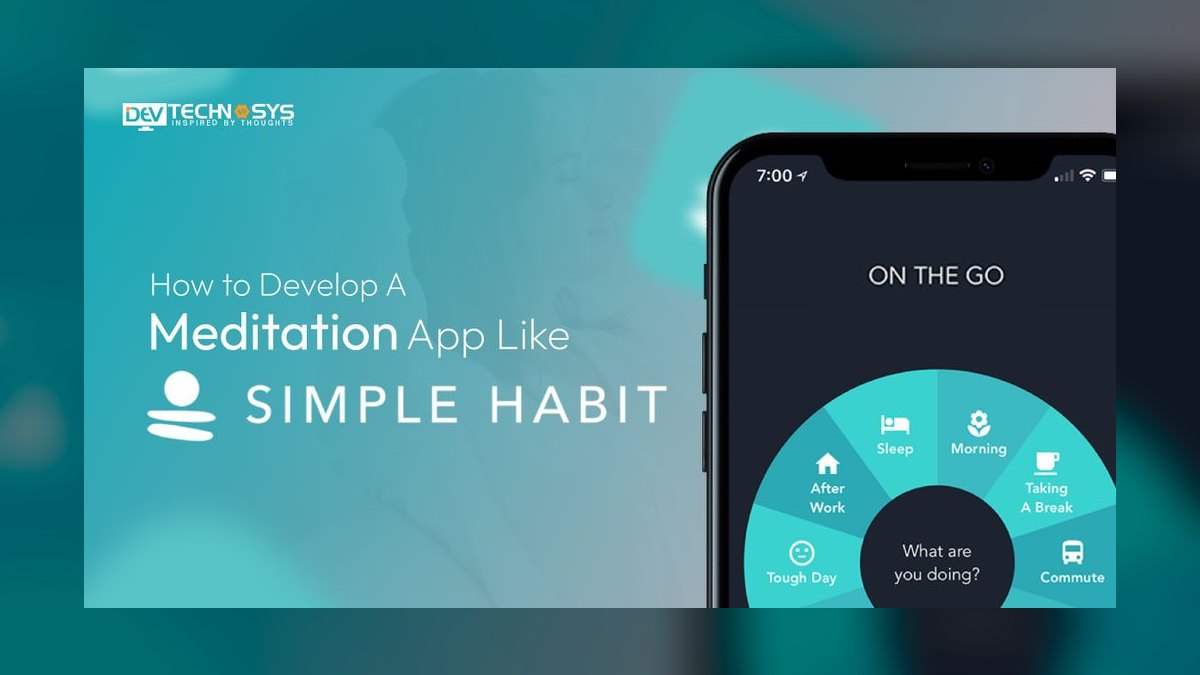
Type: App | Price: Free tier, then about $89.99/year | Best for: Busy people who want five-minute sessions | Where to buy: simplehabit.com, App Store, Google Play
Simple Habit is built around the idea that five minutes a day is enough to start. Its sessions are organized by situation — morning, commute, work break, before a tough call, bedtime — making it easy to grab the right meditation in the moment. It also offers sleep sounds and on-the-go series from a range of teachers. Reviewers highlight its time-efficient design for professionals with packed schedules who struggle to commit to longer sits.
The 2027 update introduces "Micro-Moments" — sessions as short as 90 seconds designed for specific high-stress situations. There's a session for "before a job interview," one for "after a difficult conversation," and even one for "waiting for test results." These hyper-targeted micro-sessions fill a gap that longer-form meditation apps ignore, and they've proven especially popular among healthcare workers and emergency responders who need immediate stress regulation tools between critical tasks.
Pros:
- Situation-based sessions for real moments
- Efficient five-minute format
- Useful sleep and on-the-go content
- Good range of contributing teachers
Cons:
- Annual price is on the higher side
- Library depth trails the largest apps
Verdict: The best fit for time-strapped professionals who need meditation that slots into a busy day.
10. Medito
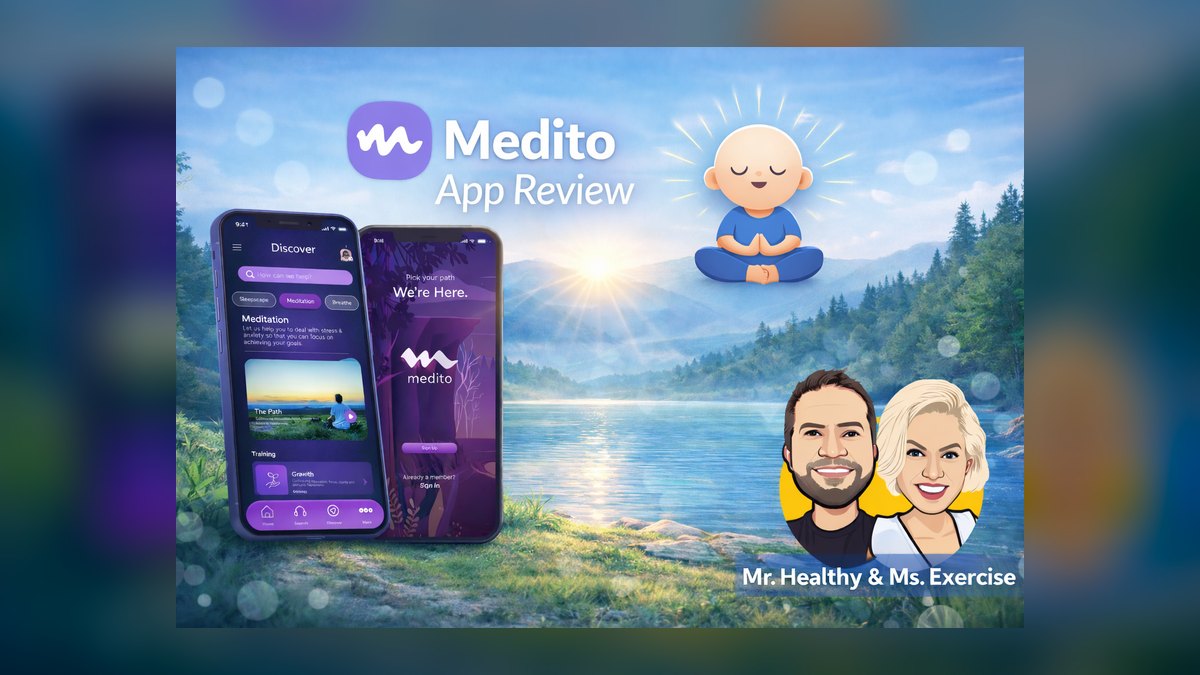
Type: App | Price: Free (nonprofit) | Best for: A no-cost, no-tracking option | Where to buy: medito.app, App Store, Google Play
Medito is a free, nonprofit, ad-free app built by a foundation that believes meditation should be accessible to everyone. It covers beginner courses, sleep, stress, focus, and daily sessions with a clean interface and no subscriptions or upsells. Privacy-minded users appreciate its minimal data collection. Reviewers recommend it as a credible, genuinely free alternative for people who want quality basics without a paywall.
What makes Medito stand out in 2027 is its transparent development model. The entire app is open-source, meaning anyone can inspect the code to verify that no data is being collected or sold. The foundation publishes quarterly impact reports showing exactly how donations are used, and all content is created by volunteer teachers who are vetted by the foundation's advisory board.
This radical transparency has earned it a loyal following among digital privacy advocates and users who are disillusioned with the data-hungry practices of commercial wellness apps.
Pros:
- Completely free and ad-free
- Solid beginner courses and sleep content
- Privacy-friendly with minimal tracking
- No subscriptions or upsells
Cons:
- Smaller catalog than commercial leaders
- Fewer advanced or specialized programs
Verdict: The best zero-cost, privacy-respecting pick for solid fundamentals.
Which One Is Right for You?
What to Look For in a Meditation App
- A real beginner path — Look for a structured introductory course, not just a pile of standalone tracks, if you're starting out. Headspace and Balance lead here.
- Library depth and variety — More content means less repetition over months of daily use. Insight Timer and Calm offer the most.
- Sleep and focus tools — If better sleep is the goal, prioritize Sleep Stories and soundscapes; Calm and Headspace are strongest.
- Honest free tier or trial — A meaningful free tier (Insight Timer, Smiling Mind, Medito) lets you test the fit before paying.
- Teacher and tone fit — The voice and style matter for consistency; sample a few sessions to find a teacher you'll return to.
- Privacy and price transparency — Check what data is collected and confirm the renewal price, not just the intro offer.
What matters less than marketing implies: flashy visuals, badge streaks, and celebrity narrators. The best app is the one whose voice and structure get you to actually practice most days — consistency beats any single premium feature.
FAQ
What is the best meditation app overall in 2027? Headspace, about $69.99/year, earns our top spot for its structured beginner curriculum, excellent Sleepcasts, and friendly coaching that makes a daily habit easy to keep.
What is the best free meditation app? Insight Timer offers the largest free library — over 180,000 guided tracks — making it the best free option, with Smiling Mind and Medito as fully free nonprofit alternatives.
Which meditation app is best for sleep? Calm leads for sleep thanks to the deepest catalog of Sleep Stories and soundscapes, with Headspace's Sleepcasts a close second.
Are meditation apps worth paying for? For many users, yes — a structured paid app like Headspace can make daily practice far easier to sustain, but excellent free options exist, so try a free tier first to see if the habit sticks.
Can a meditation app replace therapy or medical care? No. Meditation apps are wellness and stress-management tools, not treatment for any medical or mental-health condition. If you're struggling, consult a qualified clinician.
How much time per day do I need to meditate? Even three to five minutes daily can help you build the habit; apps like Simple Habit and Headspace offer short sessions designed to fit a busy schedule.
What meditation app has the most content for experienced practitioners? Insight Timer leads with over 180,000 tracks and live events, while Waking Up offers the deepest philosophical content for advanced users seeking intellectual engagement.
Do any meditation apps work offline? Most paid apps allow offline downloads, including Headspace, Calm, and Insight Timer's Member Plus tier. Among free apps, Medito supports offline access without any subscription.
Bottom Line
For 2027, Headspace is our Best Overall meditation app — about $69.99/year, it wins on structured teaching, Sleepcasts, and an onboarding experience that turns beginners into daily practitioners. Insight Timer is our Best Value, with a free library of more than 180,000 tracks that's hard to beat at any price.
If your priority is sleep, philosophy, personalization, or short busy-day sessions, use the decision tree above to route yourself to Calm, Waking Up, Balance, or Simple Habit instead. Pick the app whose voice keeps you coming back — consistency is what makes meditation work.
Related on PULSE
- [Top 10 Habit Tracker Apps 2027](/knowledge/wl0109)
- [Top 10 Breathwork Apps 2027](/knowledge/wl0110)
- [Top 10 Therapy Apps 2027](/knowledge/wl0041)
- [Top 10 Workout Apps 2027](/knowledge/wl0037)
Sources
- Wirecutter — The Best Meditation Apps
- CNET — Best Meditation Apps
- Healthline — Best Meditation Apps
- Verywell Mind — Best Meditation Apps
- Headspace — official site and pricing
- Calm — official site and pricing
- Insight Timer — official site
- Ten Percent Happier — official site
- Waking Up — official site
- NIH / NCCIH — Meditation and Mindfulness: What You Need To Know
*Meditation app review — best meditation apps 2027, rankings, ratings, prices, and a review of the top picks for beginners, sleep, and stress.*
People also search for: best meditation apps 2027 · top meditation apps 2027 · top rated meditation apps 2027 · top ranked meditation apps 2027 · highest rated meditation apps 2027 · meditation apps reviews 2027
@Kory-White- · if Venmo asks, the last 4 of my number are 2012
 pulse-moviesTop 10 Movies on Netflix 2027
 pulse-moviesTop 10 Movies on Max 2027
 pulse-moviesTop 10 Fantasy Movies of All Time in 2027
 pulse-moviesTop 10 Documentaries of All Time in 2027
 pulse-moviesTop 10 Superhero Movies of All Time in 2027
 pulse-moviesTop 10 Romance Movies of All Time in 2027
 pulse-moviesTop 10 Westerns of All Time in 2027
 pulse-moviesTop 10 Musical Movies of All Time in 2027
 pulse-moviesTop 10 Thriller Movies of All Time in 2027
 pulse-moviesTop 10 Crime Movies of All Time in 2027