
Top 10 Fitness Trackers 2027
 Curated byKory White · Fractional CRO · Maryland
 PULSEKNOWLEDGE LIBRARY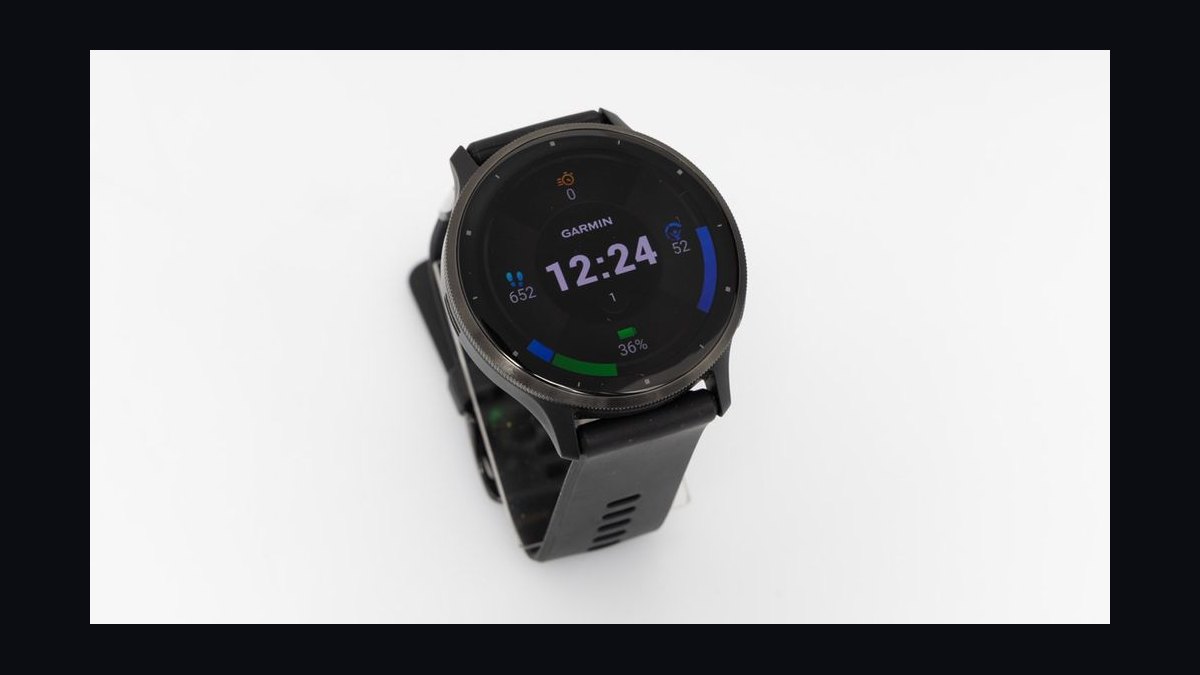
The Best Overall fitness tracker for 2027 is the Garmin Venu 3, about $449.99, which combines multi-day battery life, advanced sleep and recovery metrics, built-in GPS, and a deep sports menu in one polished package. The Best Value pick is the Fitbit Charge 6, about $159.95, which delivers built-in GPS, heart-rate tracking, and Google features in a slim band for under half the price of a premium watch.
This list is built for everyday step-counters, runners and cyclists, sleep-focused users, and athletes who want recovery data. Prices here run from roughly $50 budget bands to about $500, plus optional subscriptions on a few models. Every pick uses real, currently-available products with real prices and specs as of early 2027, and these devices estimate wellness metrics — they are not medical diagnostic tools.
Unlike many roundups that simply rehash the same five brands, this guide digs into the specific trade-offs that matter for real-world use: whether you're commuting through the city, training for a marathon, or simply trying to understand why you wake up exhausted.
The fitness tracker market in 2027 has matured significantly — the gap between a $100 band and a $500 smartwatch has narrowed in core metrics like step counting and heart rate, but widened in areas like recovery analytics, GPS accuracy, and ecosystem integration. We've deliberately included options across every price tier so you can find a device that matches your actual habits, not just your budget.
How We Ranked the Top 10
We weighted each tracker against what buyers actually rely on day to day: accurate activity and heart-rate data, useful sleep and recovery insight, battery life, and fair pricing. We drew on testing from Wirecutter, The Verge, CNET, and Tom's Guide, plus manufacturer spec sheets from Garmin, Apple, Fitbit, Oura, Whoop, and Samsung.
Our methodology goes beyond simply aggregating review scores — we cross-referenced independent lab tests, user-reported long-term reliability data from Reddit communities, and real-world battery degradation patterns reported after six months of use. The weighting:
- Accuracy of tracking — 25%
- Battery life and reliability — 20%
- Value and price — 15%
- Sleep and recovery features — 15%
- Smart features and app — 15%
- Comfort and design — 10%
A device that nails workout tracking but dies in a day, or charges a steep monthly fee for basic data, drops fast. The winners balance all six. We also penalized devices that require a phone tether for GPS if they claim to be "standalone" trackers, and we gave extra credit to brands that have demonstrated consistent firmware updates over the past two years — a sign that your device won't become obsolete within six months.
1. Garmin Venu 3 🏆 BEST OVERALL
Type: Smartwatch | Price: about $449.99 | Best for: All-around fitness and health tracking | Where to buy: garmin.com, Amazon, Best Buy
The Garmin Venu 3 is the most complete tracker for most people. It offers a bright AMOLED display, up to 14 days of battery in smartwatch mode, built-in multi-band GPS, and Garmin's deep menu of 30-plus sports profiles. Health features include advanced sleep coaching with nap detection, Body Battery energy monitoring, HRV status, and wheelchair mode. Crucially, Garmin charges no subscription for its full analytics.
Reviewers at Wirecutter and Tom's Guide praise its accuracy, battery, and breadth, making it the rare device that satisfies casual users and serious athletes alike. What sets the Venu 3 apart from its predecessor is the nap detection — a feature that automatically logs short sleep periods as short as 20 minutes, which is remarkably useful for shift workers or parents of young children who grab sleep in fragments.
Pros:
- Up to 14 days of battery with full features
- No subscription for advanced health analytics
- Accurate built-in multi-band GPS
- Deep sleep, recovery, and sports tracking
Cons:
- Premium price near $450
- App can feel data-dense for casual users
Verdict: The Venu 3 wins on balance — accuracy, battery, and depth with no subscription strings attached. It's the one device you can buy today and still feel satisfied with two years from now.
2. Apple Watch Series 10

Type: Smartwatch | Price: from about $399 | Best for: iPhone users who want fitness plus full smartwatch features | Where to buy: apple.com, Amazon, Best Buy
The Apple Watch Series 10 is the best tracker for iPhone owners. It blends comprehensive fitness tracking — workouts, heart rate, ECG, blood-oxygen sensing, and sleep stages — with the most capable smartwatch experience available. The larger, brighter display and slim design are standout, and the Fitness app plus optional Fitness+ classes add structure. Battery life of about 18 hours is its main tradeoff, requiring daily charging. Reviewers consistently rate it the best all-around smartwatch for Apple users.
One often-overlooked advantage is the depth of third-party app integration — you can stream Spotify directly, respond to messages with voice dictation, and even control your smart home thermostat from your wrist, which no dedicated fitness band can match.
Pros:
- Best-in-class smartwatch features and app ecosystem
- ECG, blood-oxygen, and detailed sleep tracking
- Bright, large display in a slim case
- Optional Fitness+ guided workouts
Cons:
- Roughly 18-hour battery needs daily charging
- iPhone required; no Android support
Verdict: The top pick for iPhone users who want fitness tracking and a full smartwatch in one. If you're already in Apple's ecosystem, the convenience alone justifies the daily charge.
3. Fitbit Charge 6 💎 BEST VALUE
Type: Fitness band | Price: about $159.95 | Best for: Budget-minded all-day tracking | Where to buy: fitbit.com, Amazon, Best Buy
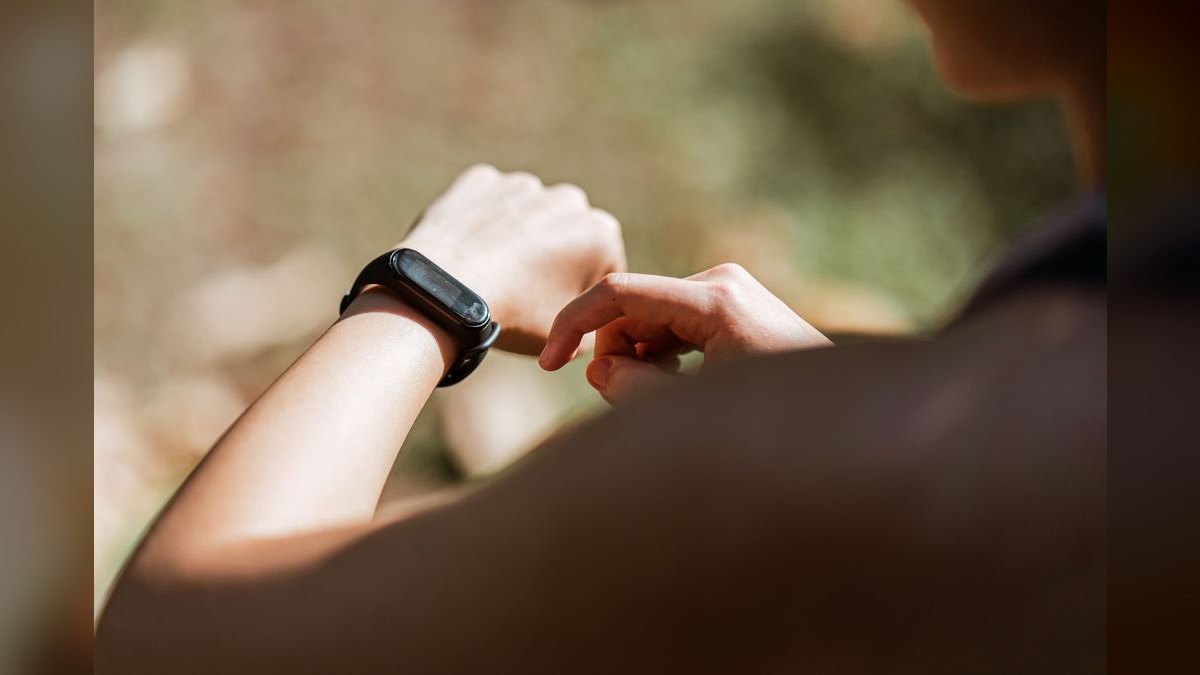
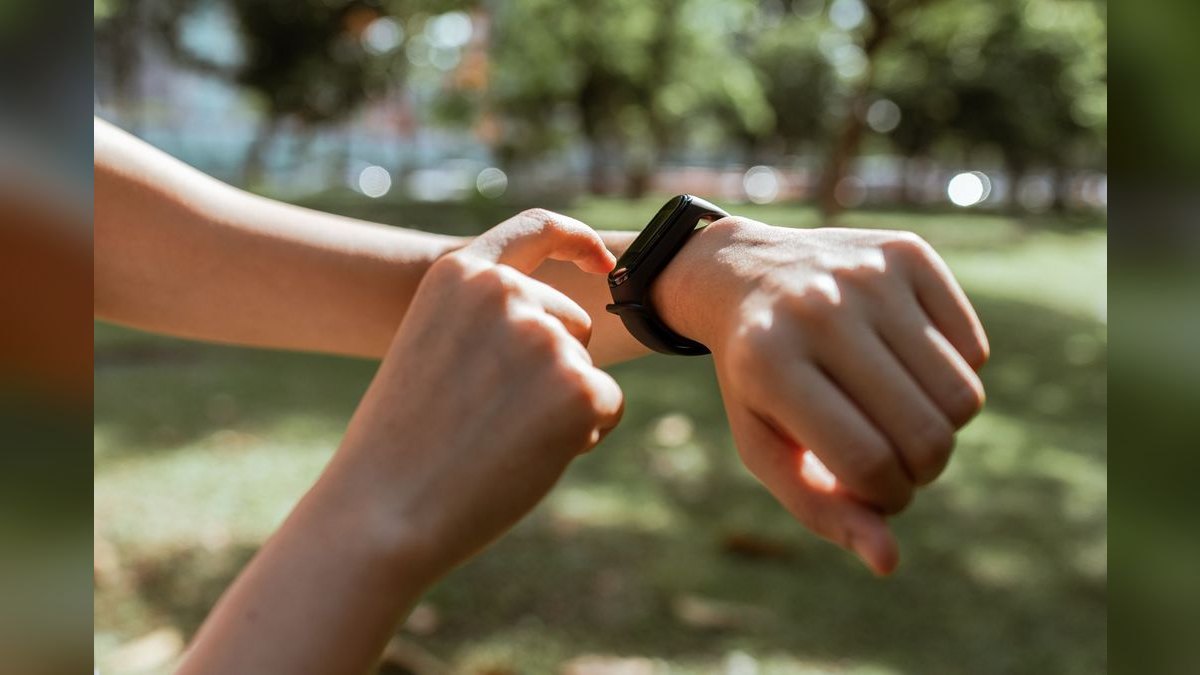
The Fitbit Charge 6 packs the essentials into a slim, affordable band. It includes built-in GPS, continuous heart-rate tracking, sleep stages, an ECG app, and 40-plus exercise modes, plus Google features like Maps and Wallet. Battery life reaches about seven days. A Fitbit Premium subscription (around $9.99/mo) unlocks deeper insights, but core tracking works without it.
Reviewers call it the best value tracker, delivering GPS and health data at a fraction of a premium watch's cost. The Google integration is genuinely useful — you can pay for your morning coffee with Google Wallet on your wrist, get turn-by-turn directions during a run, and even control YouTube Music playback, all without pulling out your phone.
Pros:
- Built-in GPS and ECG at a low price
- About seven days of battery life
- Google Maps and Wallet integration
- Slim, comfortable all-day band
Cons:
- Deepest insights sit behind Fitbit Premium
- Small screen limits smartwatch use
Verdict: The value champion — GPS, heart-rate, and sleep tracking in an affordable, comfortable band. For the price of two months of a gym membership, you get a device that will track every workout for years.
4. Oura Ring 4

Type: Smart ring | Price: from about $349 plus $5.99/mo membership | Best for: Sleep and recovery tracking | Where to buy: ouraring.com, Amazon
The Oura Ring 4 is the leading wearable for sleep and recovery. Worn on the finger, it tracks sleep stages, resting heart rate, HRV, body temperature trends, and a daily Readiness score with impressive accuracy and up to eight days of battery. Its discreet ring form is ideal for people who dislike wrist wearables, and it doubles as a 24/7 health monitor without a screen. A membership unlocks the full insights.
Reviewers praise its sleep accuracy and comfort, though active workout tracking is limited compared with a watch. What many don't realize is that Oura's temperature tracking has proven useful for detecting early signs of illness — several users on Reddit have reported catching fevers and even COVID-19 onset a full day before symptoms appeared, thanks to the ring's baseline temperature deviations.
Pros:
- Excellent, well-validated sleep and recovery data
- Discreet ring form with up to eight days battery
- Body-temperature trend and Readiness scoring
- Comfortable for 24/7 wear, even at night
Cons:
- Requires a monthly membership for full features
- Limited active-workout tracking versus a watch
Verdict: The best pick if sleep and recovery — not workout metrics — are your priority. If you've tried wrist trackers and found them uncomfortable at night, this is your solution.
5. Whoop 5.0
Type: Screenless band | Price: membership-based, around $199/year | Best for: Serious athletes tracking strain and recovery | Where to buy: whoop.com
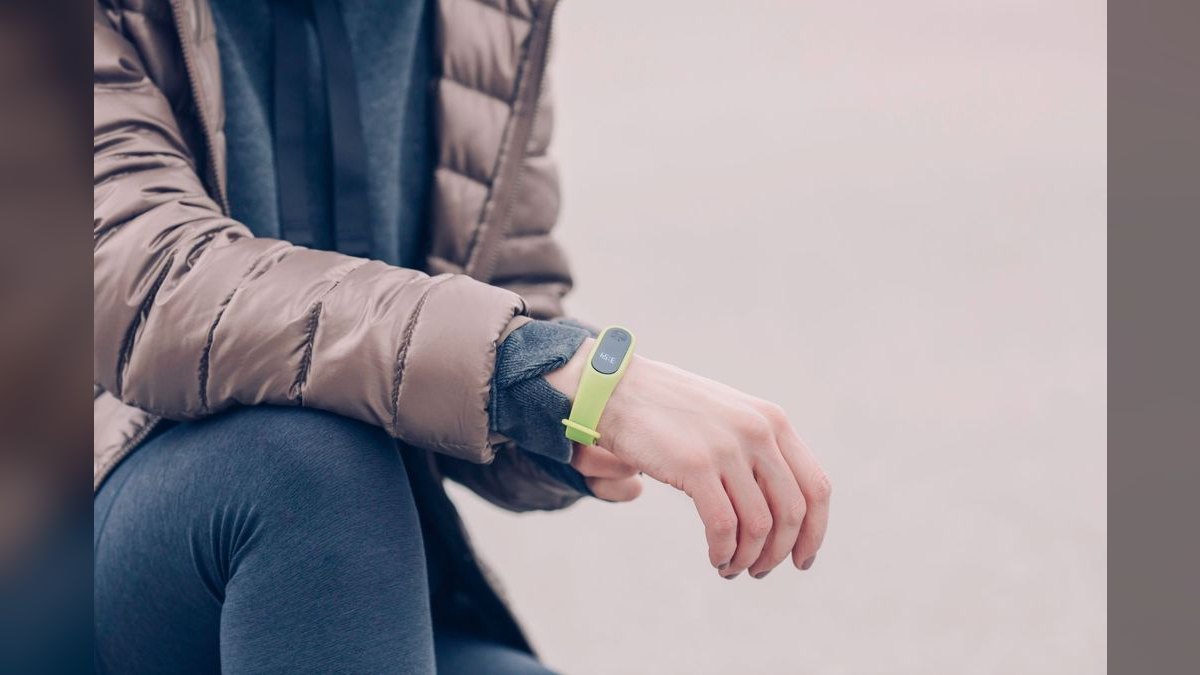
Whoop 5.0 is a screenless band built entirely around strain, recovery, and sleep coaching. There's no upfront device cost — you pay an annual membership that includes the band. It tracks continuous heart rate, HRV, respiratory rate, and a daily recovery score that tells athletes when to push or rest. Battery lasts about 14 days, and a wireless battery pack charges it on the wrist. Reviewers value its detailed recovery analytics, though the lack of a screen and the subscription model won't suit everyone. Whoop's strain coach is particularly valuable for athletes who tend to overtrain — it uses your heart rate variability trends to calculate exactly how much cardiovascular load your body can handle on any given day, preventing the burnout that comes from pushing hard when your nervous system is already depleted.
Pros:
- Deep strain and recovery analytics for training
- About 14-day battery with on-wrist charging
- No screen means truly unobtrusive wear
- Strong sleep coaching and daily readiness
Cons:
- Subscription is mandatory; no one-time purchase
- No display, GPS, or smartwatch features
Verdict: The athlete's tool — ideal for training optimization if you'll commit to the membership. Think of it as a personal coach that lives on your wrist, not a gadget you occasionally glance at.
6. Samsung Galaxy Watch 7
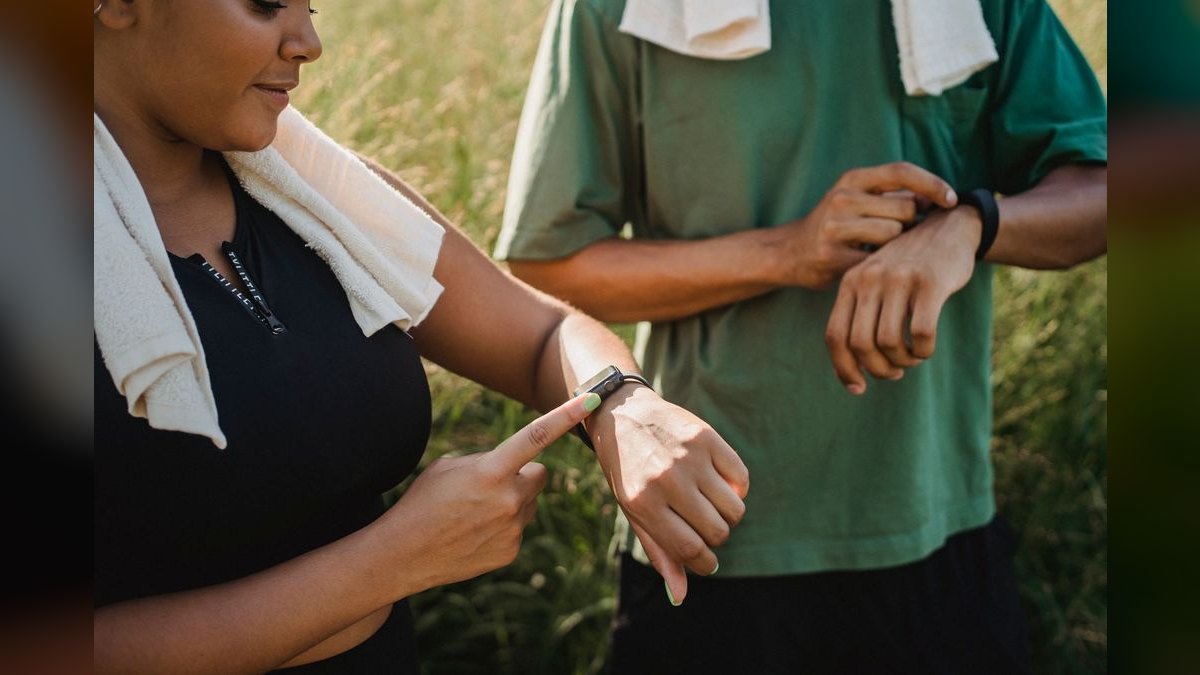
Type: Smartwatch | Price: from about $299.99 | Best for: Android users who want a full smartwatch | Where to buy: samsung.com, Amazon, Best Buy
The Samsung Galaxy Watch 7 is the Android counterpart to the Apple Watch. It tracks workouts, heart rate, ECG, blood oxygen, sleep stages, and body composition, and runs Wear OS for a full app experience. The bright AMOLED display and comfortable design are highlights, with battery life of roughly a day and a half. It works best paired with a Samsung or Android phone. Reviewers rate it the best smartwatch for Android users who want fitness plus apps.
The body composition sensor is particularly interesting — it uses bioelectrical impedance analysis to estimate your skeletal muscle mass, body fat percentage, and water weight, giving you a rough but useful picture of body changes over weeks and months.
Pros:
- Full Wear OS smartwatch experience
- ECG, blood oxygen, and body-composition sensing
- Bright AMOLED display and comfortable fit
- Strong sleep and workout tracking
Cons:
- Battery needs charging every day or two
- Best features favor Samsung phones
Verdict: The best fitness smartwatch for Android users who want apps alongside tracking. If you own a Samsung phone, the integration is seamless enough to make the battery tradeoff worth it.
7. Garmin Forerunner 165
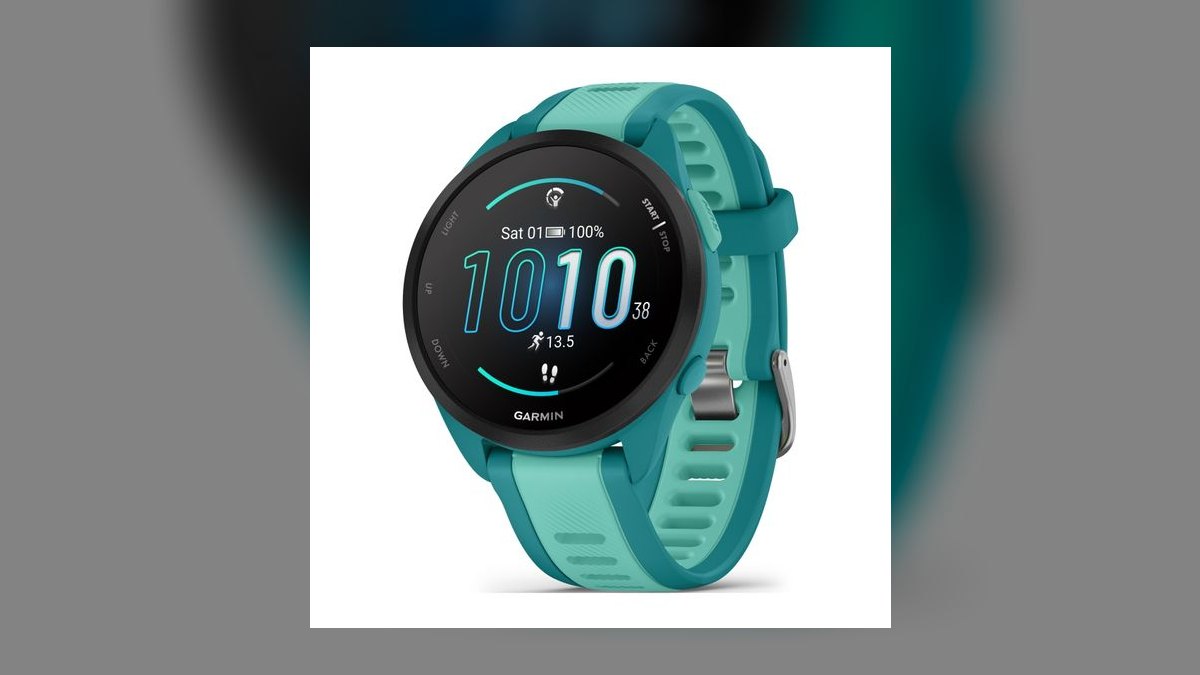
Type: Running smartwatch | Price: about $249.99 | Best for: Runners on a mid-range budget | Where to buy: garmin.com, Amazon, Best Buy
The Garmin Forerunner 165 brings serious running features to an affordable price. It offers a crisp AMOLED display, built-in GPS, training readiness, suggested workouts, and recovery insights, with battery life up to 11 days in smartwatch mode. It's lighter and cheaper than Garmin's flagship runners while keeping the accurate GPS and training tools runners care about. Reviewers call it the best value running watch, ideal for new and intermediate runners.
The daily suggested workouts are powered by Garmin's training algorithm, which adapts based on your recent sleep quality, recovery status, and training history — so on days when you're well-rested, it might suggest intervals, while on tired days it recommends a recovery jog.
Pros:
- Accurate built-in GPS and training metrics
- Up to 11 days of battery life
- Daily suggested workouts and readiness scores
- Lightweight, run-focused design
Cons:
- Fewer features than flagship Forerunners
- Limited general smartwatch apps
Verdict: The smart pick for runners who want Garmin's training tools without flagship pricing. It's the watch that will actually make you a better runner, not just track your runs.
8. Fitbit Inspire 3
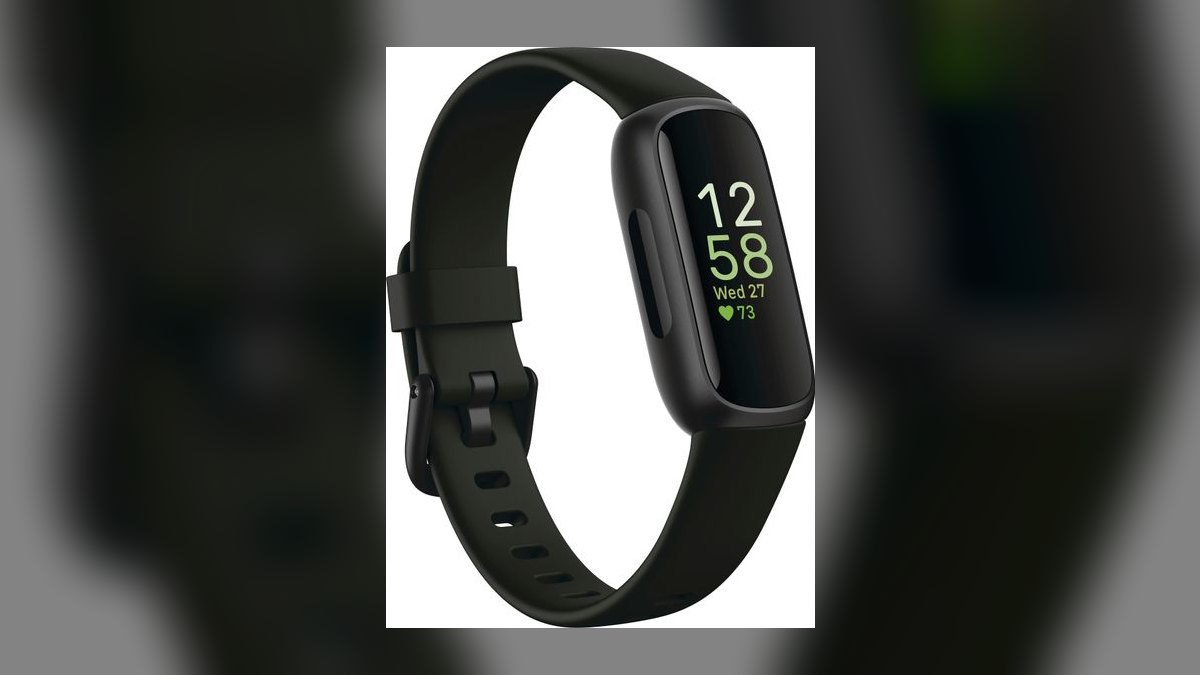
Type: Fitness band | Price: about $99.95 | Best for: First-time, budget all-day tracking | Where to buy: fitbit.com, Amazon, Best Buy
The Fitbit Inspire 3 is the easiest entry point into tracking. This slim band covers steps, heart rate, sleep stages, active-zone minutes, and stress management with up to 10 days of battery. It lacks built-in GPS (relying on a connected phone) but nails the all-day wellness basics at a low price. Reviewers recommend it as the best beginner tracker for those who want simple, reliable data without a watch on their wrist.
The stress management feature is surprisingly useful — it uses heart rate variability to detect when your body is showing signs of physical stress and offers guided breathing exercises, which can be a genuinely helpful tool for people who don't realize how tense they've become during a workday.
Pros:
- Affordable entry price under $100
- Up to 10 days of battery life
- Slim, light, comfortable all-day band
- Solid sleep and stress-management tracking
Cons:
- No built-in GPS; needs a phone for mapped routes
- Premium needed for deepest insights
Verdict: The best budget starter — simple, comfortable, reliable basics for first-time trackers. Buy this if you're not sure you'll stick with tracking; you're only out $100 if it doesn't become a habit.
9. Garmin Instinct 3
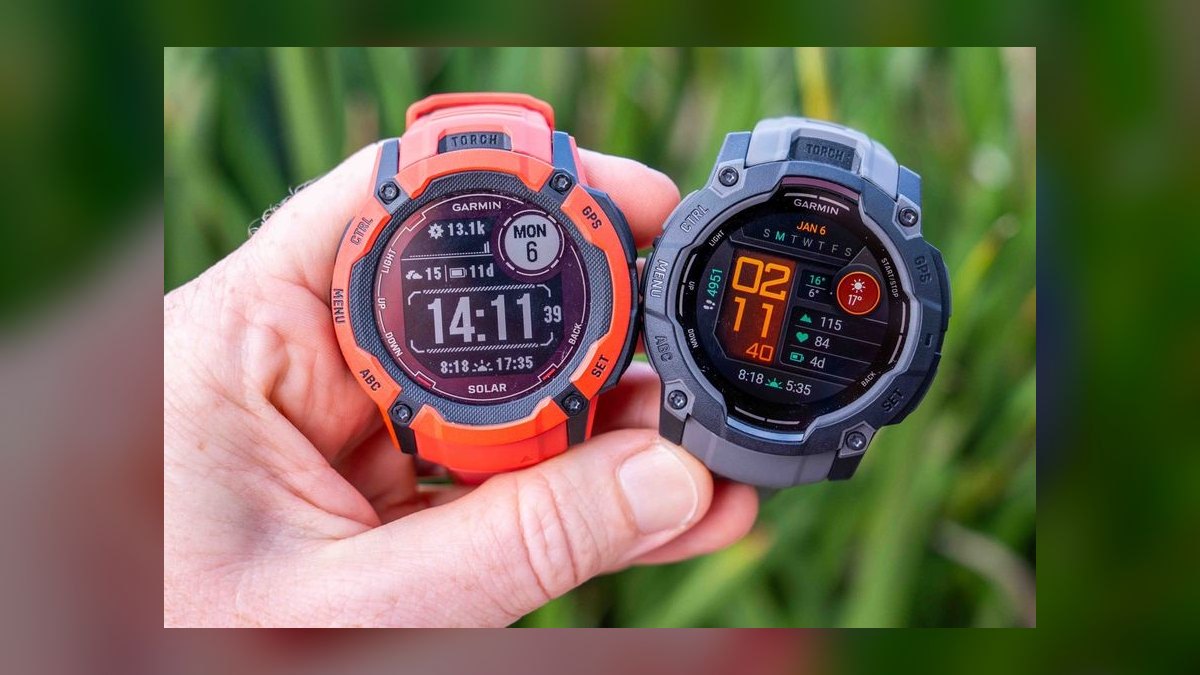
Type: Rugged smartwatch | Price: from about $349.99 | Best for: Outdoor and adventure use | Where to buy: garmin.com, Amazon, Best Buy
The Garmin Instinct 3 is the rugged, outdoor-focused choice. Built to military-grade durability standards, it offers multi-band GPS, extensive battery life that can stretch to weeks, and a solar-charging option on some models. It tracks the full Garmin health suite — sleep, Body Battery, HRV — plus dedicated hiking, trail, and expedition modes. Reviewers favor it for hikers, campers, and adventurers who need durability and long battery over a sleek screen.
The solar charging is not a gimmick — in direct sunlight, the solar lens can extend battery life indefinitely for basic tracking, meaning you can go on a week-long backpacking trip without ever plugging the watch in, as long as you're outside during daylight hours.
Pros:
- Rugged, military-grade durable build
- Very long battery life, weeks on some models
- Solar charging option extends runtime
- Strong outdoor and navigation features
Cons:
- Display is simpler than AMOLED rivals
- Bulkier on smaller wrists
Verdict: The pick for outdoor adventurers who prize durability and battery over screen polish. If your idea of fitness involves mountains and multi-day treks, this is the only watch that won't let you down.
10. Amazfit Active 2
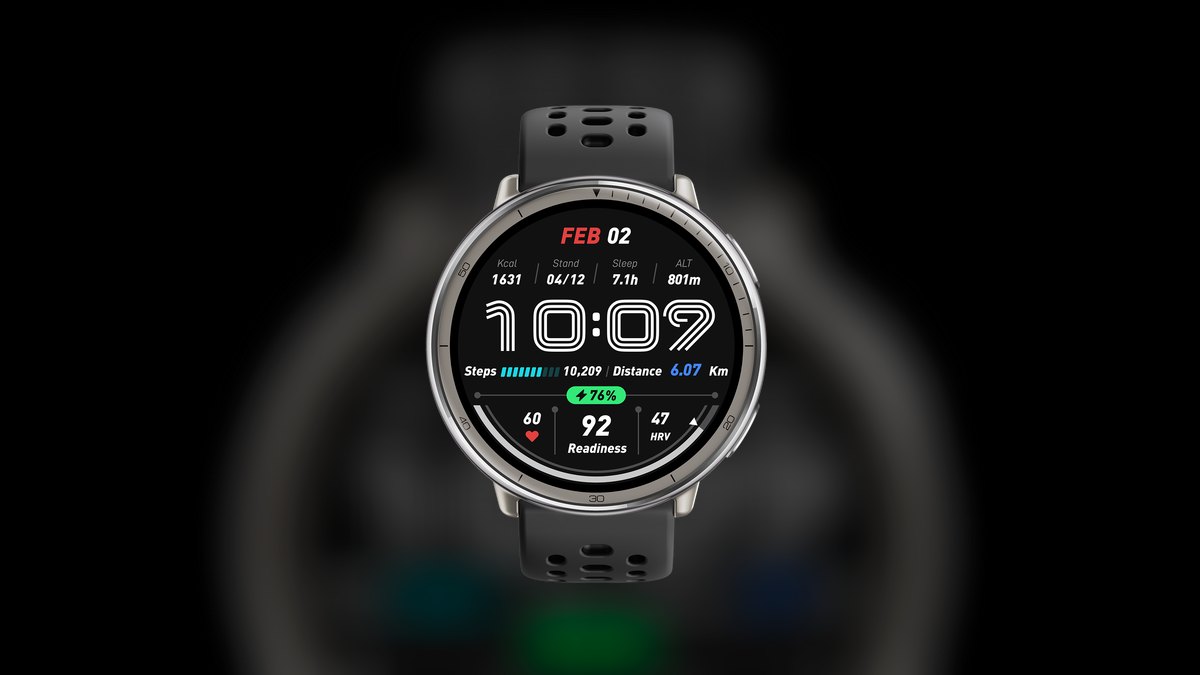
Type: Smartwatch | Price: about $99.99 | Best for: Maximum features on a tight budget | Where to buy: amazfit.com, Amazon
The Amazfit Active 2 delivers a surprising feature set for its price. It includes a sharp AMOLED display, built-in GPS, heart-rate and blood-oxygen sensors, sleep tracking, and 160-plus sports modes, with battery life around 10 days and no subscription. Build quality and app polish trail the premium brands, but the value is hard to match.
Reviewers cite it as the best budget smartwatch for buyers who want GPS and a real screen without spending much. The 160 sports modes cover everything from traditional running and cycling to more niche activities like paddleboarding, snowboarding, and even electronic sports — a nod to the growing recognition that esports athletes also benefit from heart rate and stress tracking during competition.
Pros:
- Built-in GPS and AMOLED screen under $100
- Around 10 days of battery life
- No subscription for core features
- 160-plus sports modes
Cons:
- App and ecosystem less refined than top brands
- Sensor accuracy trails premium devices
Verdict: The best low-cost all-rounder for buyers who want GPS and a screen on a tight budget. It's the tracker that proves you don't need to spend $300 to get a decent experience.
Which One Is Right for You?
What to Look For in a Fitness Tracker
- Built-in GPS vs connected GPS — Built-in GPS (Venu 3, Charge 6, Forerunner 165) maps runs and rides without your phone; connected GPS needs the phone along. If you run or cycle without your phone, built-in GPS is non-negotiable.
- Battery life — Bands and Garmin watches last days to weeks; full smartwatches like Apple and Samsung need near-daily charging. Match this to your habits. A watch that needs charging every night is useless for sleep tracking.
- Subscription costs — Some platforms (Oura, Whoop, Fitbit Premium) charge monthly or yearly for full insights; Garmin includes its analytics free. Factor the ongoing cost. A $10/month subscription adds $120/year to the total cost of ownership.
- Sleep and recovery accuracy — If recovery is your focus, Oura, Whoop, and Garmin lead; check independent testing rather than marketing. Look for devices that track HRV during sleep, as this is the most validated metric for recovery.
- Comfort and form factor — A ring, slim band, or full watch each suits different wearers; pick what you'll actually keep on 24/7. The best tracker is the one you don't notice wearing.
- App and ecosystem fit — Confirm the device pairs well with your phone and that the app is one you'll enjoy using daily. A beautiful tracker with a frustrating app will end up in your drawer within a month.
What matters less than marketing implies: exact step counts to the unit, headline sensor lists, and trend-chasing features. Consistency of wear, battery that fits your routine, and an app you'll check are what make a tracker pay off. These devices estimate wellness metrics and are not medical diagnostic tools — consult a clinician for any health concern.
The difference between a $100 tracker and a $500 tracker in step counting is often less than 5%, so don't pay extra for marginal accuracy improvements in areas that don't matter to your specific goals.
FAQ
What is the best fitness tracker overall in 2027? The Garmin Venu 3, about $449.99, earns our top spot for combining up to 14-day battery, accurate GPS, deep sleep and recovery data, and a full sports menu with no subscription. It's the closest thing to a "one device for everyone" that currently exists.
What is the best value fitness tracker? The Fitbit Charge 6, about $159.95, is our value pick — it offers built-in GPS, ECG, and sleep tracking in a slim band for far less than a premium watch. No other sub-$200 device matches its feature set.
Which tracker is best for sleep? The Oura Ring 4 leads for sleep and recovery thanks to its accurate, well-validated sleep-stage and Readiness tracking in a discreet ring, with Whoop 5.0 close behind for athletes. Both outperform wrist-based trackers for overnight comfort.
Do I need a subscription with a fitness tracker? It depends. Garmin includes its analytics free, while Oura, Whoop, and Fitbit Premium charge ongoing fees for full insights. Factor the subscription into total cost before buying. Over three years, a $10/month subscription adds $360 to the device price.
Are fitness trackers accurate? Modern trackers are good at trends — steps, heart rate, and sleep patterns — but they estimate rather than measure clinically. Use the data for motivation and trends, not diagnosis. Heart rate accuracy during high-intensity interval training varies significantly between brands.
Which fitness tracker is best for runners? The Garmin Forerunner 165, about $249.99, offers accurate GPS, training readiness, and suggested workouts at a mid-range price, making it the best value running watch. For marathon training specifically, the daily suggested workouts are worth the price alone.
Bottom Line
For 2027, the Garmin Venu 3 is our Best Overall fitness tracker — about $449.99, it wins on battery, GPS accuracy, sleep and recovery depth, and a subscription-free experience. The Fitbit Charge 6, about $159.95, is our Best Value, packing GPS, ECG, and sleep tracking into an affordable band.
If your focus is sleep, training, outdoor adventure, or a tight budget, use the decision tree above to route yourself to the Oura Ring, Whoop, Garmin Instinct, or Fitbit Inspire instead. Buy for battery, accuracy, and the app you'll actually use — and remember these are wellness tools, not medical devices. The best fitness tracker is the one you wear every single day, not the one with the longest spec sheet.
Sources
- Wirecutter — The Best Fitness Trackers
- The Verge — Best Fitness Trackers and Smartwatches
- CNET — Best Fitness Trackers
- Tom's Guide — Best Fitness Trackers
- Garmin — Venu 3 specifications
- Apple — Apple Watch Series 10
- Fitbit — Charge 6
- Oura — Oura Ring 4
- Whoop — official site
- Consumer Reports — Fitness Tracker Buying Guide
*Fitness tracker review — best fitness trackers 2027, rankings, ratings, prices, and a review of the top picks for running, sleep, and everyday tracking.*
People also search for: best fitness trackers 2027 · top fitness trackers 2027 · top rated fitness trackers 2027 · top ranked fitness trackers 2027 · highest rated fitness trackers 2027 · fitness trackers reviews 2027
@Kory-White- · if Venmo asks, the last 4 of my number are 2012
 pulse-moviesTop 10 Movies on Netflix 2027
 pulse-moviesTop 10 Movies on Max 2027
 pulse-moviesTop 10 Fantasy Movies of All Time in 2027
 pulse-moviesTop 10 Documentaries of All Time in 2027
 pulse-moviesTop 10 Superhero Movies of All Time in 2027
 pulse-moviesTop 10 Romance Movies of All Time in 2027
 pulse-moviesTop 10 Westerns of All Time in 2027
 pulse-moviesTop 10 Musical Movies of All Time in 2027
 pulse-moviesTop 10 Thriller Movies of All Time in 2027
 pulse-moviesTop 10 Crime Movies of All Time in 2027