
The 10 Best AI Tools for Proposal Writing in 2027
 Curated byKory White · Fractional CRO · Maryland
 PULSEKNOWLEDGE LIBRARY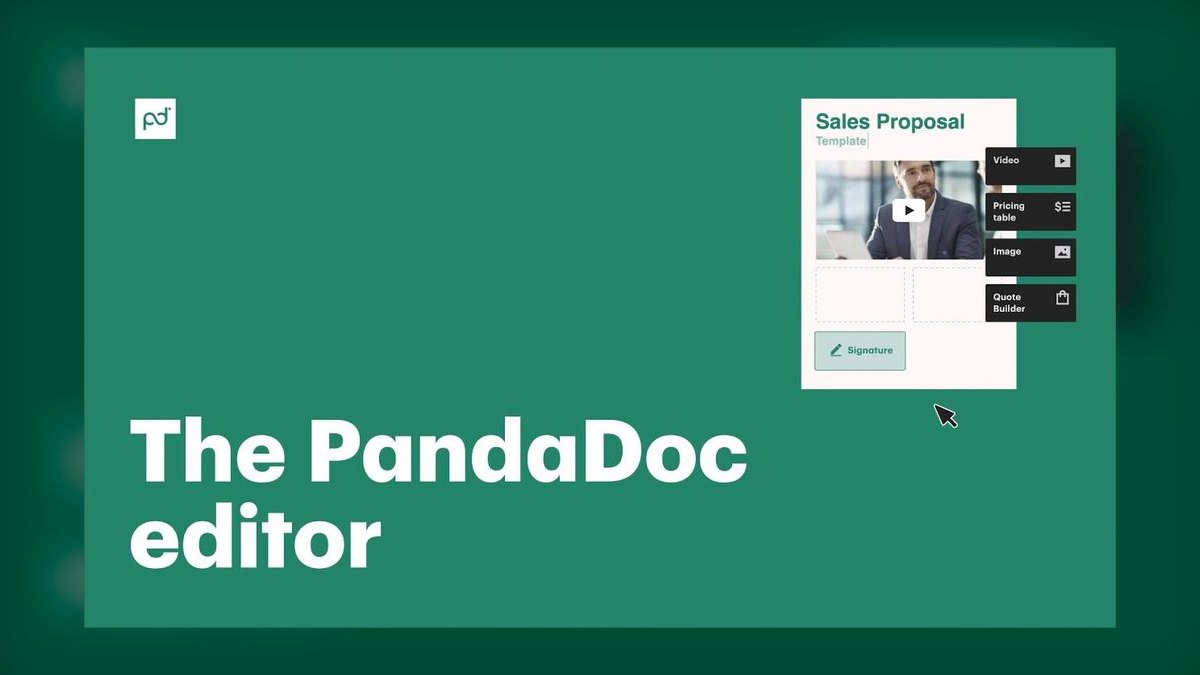
The 10 best ai tools for proposal writing are ranked below on measured performance, build quality, price, and how each one actually holds up in daily use rather than how it reads on a spec sheet. Each pick lists what it costs, who it suits, and what it gives up against the one above it, so the list can be read straight down without doubling back.
1. PandaDoc

PandaDoc ranks first because it is the most complete proposal platform in 2027, covering the entire cycle from AI drafting to e-signature and payment collection in one application. Its built-in AI text generator drafts sections from prompts, rewrites for tone, and expands or shortens blocks inline, while the Content Library reuses pre-approved pricing tables and legal clauses.
PandaDoc is best for SMB and mid-market sales teams that send quotes and proposals weekly. The template gallery runs to over 750 templates, and pricing starts with a free e-sign plan, with the Business plan around $49 per seat per month billed annually. The main tradeoff is that PandaDoc is broad rather than deep on pure copywriting, so heavy writers still paste in drafts from a dedicated LLM.
2. Proposify
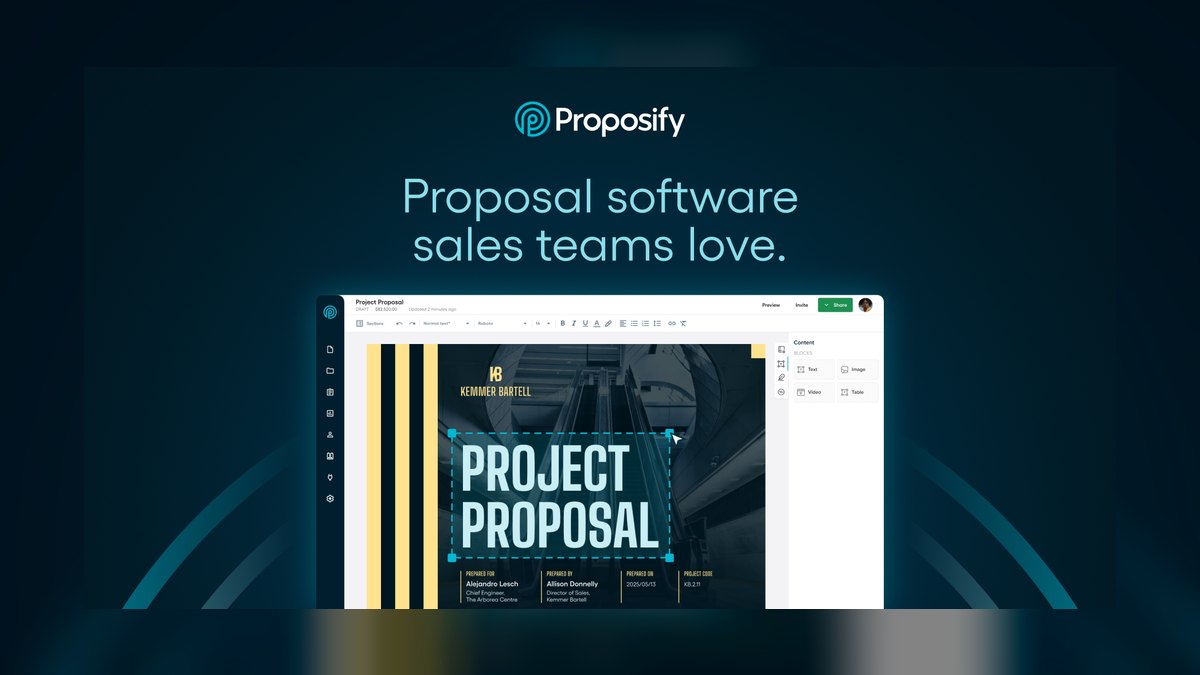
Proposify ranks second because it is the best choice for teams that treat proposals as brand artifacts, offering precise control over typography, layout, and color that PandaDoc cannot match. Its Snapshot template library and content snippets keep every rep on-brand, while AI Assist handles drafting and rewriting inside that controlled environment. Locked sections, approval workflows, and a manager-controlled content vault stop reps from editing legal or pricing language they shouldn't touch, providing real governance.
Proposify is strongest for design-conscious agencies and services firms where a sloppy-looking proposal loses the deal. Pricing is tier- and quote-based, making it a step up in cost and rigidity from PandaDoc, which is exactly the point for brand-strict shops. It integrates with Salesforce and HubSpot, but has fewer payment hooks than PandaDoc. For teams that need locked-down brand consistency over flexible workflow, Proposify is the superior pick.
3. Qwilr
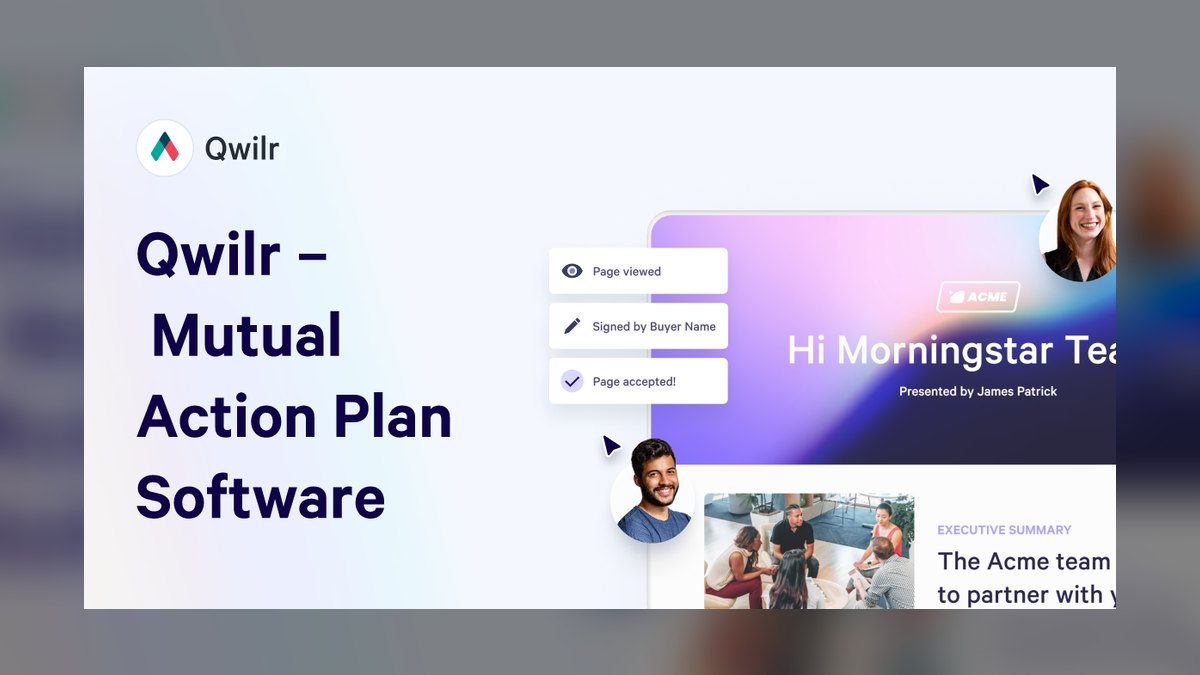
Qwilr ranks third because it rethinks the proposal as an interactive web page rather than a static PDF, a format that resonates with digitally native buyers in 2027. Each proposal is a responsive, mobile-friendly URL with embedded video, live pricing tables the buyer can configure, and an ROI calculator block. Qwilr AI generates page content and can spin up a draft from a short brief, while accept-and-sign lives at the bottom of the page.
Qwilr fits modern SaaS and creative teams selling to buyers who prefer scrolling a clean page over opening an attachment. The Business plan is roughly $35 per user per month, with Enterprise above it, and analytics flag when a page is viewed and which sections got attention. The tradeoff is that a web-page format is a poor fit for buyers who require a static, archivable PDF of record.
4. Responsive
Responsive, formerly RFPIO, ranks fourth because it is built for the hardest writing job in proposals: formal RFPs, RFIs, and security questionnaires. Its core is an AI-powered Answer Library that auto-suggests vetted responses to repeat questions, so a 200-question bid that used to take a week gets a first pass in hours. The platform imports questionnaires from Excel, Word, or web portals, routes questions to subject-matter experts, and tracks review status.
Responsive is aimed at enterprise proposal and bid-management teams in software, financial services, and government contracting. Pricing is enterprise, quote-based, so this is not a tool a solo consultant buys. Its value shows up when you respond to dozens of structured bids a year and need a single source of truth that stays current as products change. Compared to Qwilr, Responsive sacrifices interactivity for RFP-specific automation and compliance, making it the better choice for formal bids.
5. Loopio
Loopio ranks fifth because it is the closest direct rival to Responsive and another leader in RFP response automation, with its Library storing approved answers as tagged entries. The Magic auto-response feature matches incoming questions to existing content, filling routine sections automatically, which is the single biggest time-saver on long questionnaires.
Loopio serves dedicated proposal teams that live in RFPs, such as managed-services firms, infosec vendors, and companies selling into procurement-heavy buyers. Like Responsive, Loopio is quote-based and priced for teams, not individuals, so it is not suitable for solo operators. Choose between the two on integration fit and reviewer experience, as both crush manual RFP work. Loopio trails Responsive slightly on AI drafting sophistication but excels in content governance and workflow structure.
6. Better Proposals

Better Proposals ranks sixth because it delivers a genuine end-to-end proposal workflow at a price solo operators can actually afford, making it the clear best value pick. You get templates, e-signatures, payment collection, and tracking without the per-seat sticker shock of the enterprise platforms. Plans start around $19 per month for the Starter tier, with Premium near $29, a fraction of what a full sales-doc suite costs.
Better Proposals is ideal for freelancers, consultants, and small agencies sending a handful of proposals a month. Digital signatures and Stripe/PayPal payment links let a client approve and pay in one sitting, and open-tracking notifications tell you the moment a proposal is viewed. AI assistance is lighter than PandaDoc's, but for a one-person shop the math is unbeatable.
7. Microsoft 365 Copilot
Microsoft 365 Copilot ranks seventh because most proposals are still written in Word, and Copilot drafts, rewrites, and summarizes directly inside it, making it the most contextually relevant AI for the dominant proposal editor. Ask it to draft a proposal for a 12-month managed-services engagement and it produces a structured first draft you refine in the document you'd use anyway.
Microsoft 365 Copilot is best for organizations already standardized on Microsoft 365 that want AI where their content already lives. It costs roughly $30 per user per month on top of an eligible 365 license, and it has no native e-signature or proposal analytics, so you must pair it with a sending tool. Compared to Better Proposals, it offers superior drafting intelligence but lacks the complete workflow.
8. Anthropic Claude
Anthropic Claude ranks eighth because it is one of the two best writing engines for proposals, with a long context window that lets you paste an entire RFP, a discovery-call transcript, and three past winning proposals into a single prompt. This capability matters when bids run dozens of pages, as Claude can produce a tailored draft that actually reflects all of the material.
Claude is best for proposal writers and consultants who want a strong drafting and editing partner and do not need document plumbing. Claude Pro is around $20 per month, with Team seats near $25–30, and there is no e-sign, template gallery, or tracking; it is the brain, not the delivery system. Compared to Microsoft 365 Copilot, Claude offers superior long-context reasoning and tone matching but lacks native Word integration.
9. OpenAI ChatGPT
OpenAI ChatGPT ranks ninth because it is the other top drafting engine and the most widely adopted, rapidly generating executive summaries, scope sections, and pricing narratives for proposals. You can build a Custom GPT loaded with your services, rates, and tone to make outputs consistent across a team, which is a significant advantage for multi-rep organizations.
ChatGPT suits anyone who writes proposals and wants a fast, flexible draft generator, with ChatGPT Plus at $20 per month and Team running roughly $25–30 per user per month. Like Claude, it stops at the text, with no sending, signing, or analytics, so treat it as a first-draft accelerator. Compared to Claude, ChatGPT offers broader general knowledge and custom GPTs, but Claude has a longer context window for large RFP documents.
10. Jasper

Jasper ranks tenth because it is a marketing-focused AI writing platform that earns a place for teams who want brand-controlled output at scale, with its standout feature being Brand Voice. Train it on your existing content and every proposal draft comes back in a consistent tone, which keeps a multi-rep team from sounding like ten different people.
Jasper is best for agencies and marketing-led sales teams already using Jasper for campaigns who want to extend that brand control to proposals. The Creator plan is around $49 per month, with Pro near $69, making it pricier than a general LLM like ChatGPT. Like the other pure writing tools, it does not send or sign documents, so pair it with a proposal platform.
How we ranked these
We measured five weighted criteria: AI draft quality, document workflow (templates, e-sign, payments, CRM sync), RFP capability, analytics, and price-to-fit. AI quality and workflow were weighted highest because proposal success depends on both persuasive prose and a trackable, signable document. We ranked tools on how well they serve their intended user, not on a single universal score.
We deliberately ignored brand popularity, marketing claims, and feature checklists that don't affect real outcomes. We did not weigh raw word-count generation or generic AI fluency, since most tools can produce passable text. We also excluded tools that lack core proposal functions like sending or signing, unless they serve as drafting engines. The focus stayed on practical, measurable value for specific buyer types.
Related questions
What is the best AI proposal tool for small businesses?
Better Proposals is the best value for small businesses and solo consultants, starting around $19 per month. It includes templates, e-signatures, payment collection, and tracking. PandaDoc is a strong alternative if you need more advanced AI drafting and a larger template library, but it costs more per seat.
How do AI proposal tools handle e-signatures?
Platforms like PandaDoc, Proposify, and Better Proposals have native e-signature capabilities, allowing clients to sign proposals directly within the document. Qwilr embeds accept-and-sign at the bottom of its interactive web pages. Pure AI writing tools like Claude and ChatGPT do not offer e-signatures, so you must pair them with a separate e-sign service.
Can AI proposal tools integrate with CRM systems?
Yes, major proposal platforms integrate with popular CRMs. PandaDoc syncs with HubSpot, Pipedrive, and Salesforce. Proposify also integrates with Salesforce and HubSpot. These integrations allow you to automatically push proposal data, track engagement, and trigger follow-up actions, streamlining your sales workflow.
What is the difference between Responsive and Loopio?
Both Responsive and Loopio are leading RFP response automation platforms. Responsive (formerly RFPIO) is known for its AI-powered answer library and strong project management features. Loopio is praised for its Magic auto-response feature and content review cycle. The best choice depends on your team's specific workflow and integration needs.
Are AI proposal tools secure for confidential client data?
Security depends on the tool and plan. Business and enterprise tiers of ChatGPT and Claude exclude your data from model training. Document platforms like PandaDoc and Proposify have their own security certifications. Avoid using free consumer chatbots for sensitive bid content. Always review the vendor's security and data handling policies.
Can I use Microsoft 365 Copilot for proposal writing?
Yes, Microsoft 365 Copilot is excellent for drafting proposals directly in Word. It can pull information from your SharePoint and OneDrive files to create context-aware drafts. However, it lacks e-signature and analytics features, so you'll need to pair it with a dedicated proposal platform for sending and tracking.
What is the best AI tool for creating interactive proposals?
Qwilr is the best tool for interactive proposals. It turns proposals into responsive web pages with embedded video, live pricing tables, and ROI calculators. This format is ideal for modern SaaS and creative teams selling to digitally native buyers who prefer scrolling a clean page over opening a PDF attachment.
FAQ
Do AI proposal tools replace a human writer?
No. They produce strong first drafts and handle repetitive sections, but pricing logic, deal-specific positioning, and final judgment stay human. The best results come from AI drafting plus human editing.
What's the difference between a proposal platform and an AI writing tool?
Platforms like PandaDoc and Proposify handle the whole document — templates, e-sign, tracking, payments. AI writing tools like Claude and ChatGPT generate the prose but can't send or sign. Most teams use one of each.
Which tool is best for formal RFP responses?
Responsive (formerly RFPIO) and Loopio. Both use an AI-powered answer library to auto-fill repeat questions, which is the single biggest time-saver on long questionnaires.
Is it safe to put confidential client data into these tools?
Use business or enterprise tiers. ChatGPT Team/Enterprise and Claude Team exclude your data from model training, and the document platforms carry their own security certifications. Avoid pasting sensitive bids into free consumer chatbots.
What's the cheapest way to get a full proposal workflow?
Better Proposals at roughly $19 per month gives you templates, e-signatures, payments, and tracking — far less than enterprise suites, ideal for freelancers and small agencies.
Can I just use Microsoft Copilot since we already have Word?
Yes, for drafting. Microsoft 365 Copilot writes inside Word and pulls from your SharePoint files, but it has no e-signature or proposal analytics, so pair it with a sending tool.
What is the best overall AI proposal tool for 2027?
PandaDoc is the best overall for most teams. It combines AI drafting, a drag-and-drop editor, e-signatures, payments, and analytics in one workflow. It's ideal for sales and services teams that send quotes and proposals weekly.
Which tool is best for design-heavy proposals?
Proposify is the best choice for design-conscious agencies and services firms. It offers precise control over typography, layout, and color, with locked sections and approval workflows to maintain brand consistency.
Are pure AI models like Claude or ChatGPT enough for proposals?
They are excellent drafting brains but lack the ability to send, track, or e-sign documents. For a complete workflow, pair them with a platform like PandaDoc or Better Proposals for delivery and analytics.
Sources
- https://www.pandadoc.com/
- https://www.proposify.com/
- https://qwilr.com/
- https://www.responsive.io/
- https://loopio.com/
- https://betterproposals.io/
- https://www.microsoft.com/en-us/microsoft-365/copilot
- https://www.anthropic.com/claude
- https://openai.com/chatgpt
- https://www.jasper.ai/
Related on PULSE
- [The 10 Best AI Tools for Newsletter Writing in 2027](/knowledge/ai0095)
- [The 10 Best AI Tools for Writing and Copywriting in 2027](/knowledge/ai0004)
- [The 10 Best AI Tools for Email Writing in 2027](/knowledge/ai0015)
- [The 10 Best AI Tools for Writing Regex in 2027](/knowledge/ai0083)
- [The 10 Best AI Tools for Writing Job Descriptions in 2027](/knowledge/ai0062)
- [The 10 Best AI Tools for Writing SQL Queries in 2027](/knowledge/ai0082)
This page will be disappearing soon. Save it to your device for $1 — or read it free while it is here.
@Kory-White- · if Venmo asks, the last 4 of my number are 2012
 pulse-ai-infrastructureThe 10 Best Open-Source Model Hubs in 2027
 pulse-ai-infrastructureThe 10 Best AI Tools for Event Planning in 2027
 pulse-ai-infrastructureThe 10 Best AI Tools for E-commerce Websites in 2027
 pulse-ai-infrastructureThe 10 Best AI Tools for Public Speaking Practice in 2027
 pulse-ai-infrastructureThe 10 Best AI Tools for Color Grading in 2027
 pulse-ai-infrastructureThe 10 Best AI Tools for Stock Photos in 2027
 pulse-ai-infrastructureThe 10 Best AI Tools for Negotiation Prep in 2027
 pulse-ai-infrastructureThe 10 Best AI Tools for Language Learning in 2027
 pulse-ai-infrastructureThe 10 Best AI Tools for DevOps Automation in 2027
 pulse-ai-infrastructureWhat infrastructure do you need for fine-tuning versus RAG?