
The 10 Best AI Tools for Email Marketing Campaigns in 2027
 Curated byKory White · Fractional CRO · Maryland
 PULSEKNOWLEDGE LIBRARY
The 10 best ai tools for email marketing campaigns are ranked below on measured performance, build quality, price, and how each one actually holds up in daily use rather than how it reads on a spec sheet. Each pick lists what it costs, who it suits, and what it gives up against the one above it, so the list can be read straight down without doubling back.
1. Klaviyo

Klaviyo ranks first because its predictive analytics and AI-built flows are the most operationally useful for revenue-driving email programs. It ingests behavioral events from Shopify, BigCommerce, and WooCommerce to power predicted customer lifetime value, churn risk scoring, and next-order-date modeling. Klaviyo AI generates entire automated flows from plain-language prompts, writes and A/B tests subject lines, and recommends per-recipient send times.
This tool is for serious direct-to-consumer brands and ecommerce businesses that live in customer data and need unified email-plus-SMS profiles. It trades away affordability as lists grow, costing more than volume-based rivals like Brevo. Compared to Mailchimp below, Klaviyo offers far deeper predictive targeting and automation depth, but requires more setup and data sophistication. If your business runs on repeat purchase behavior, this is the engine to standardize on.
2. Mailchimp
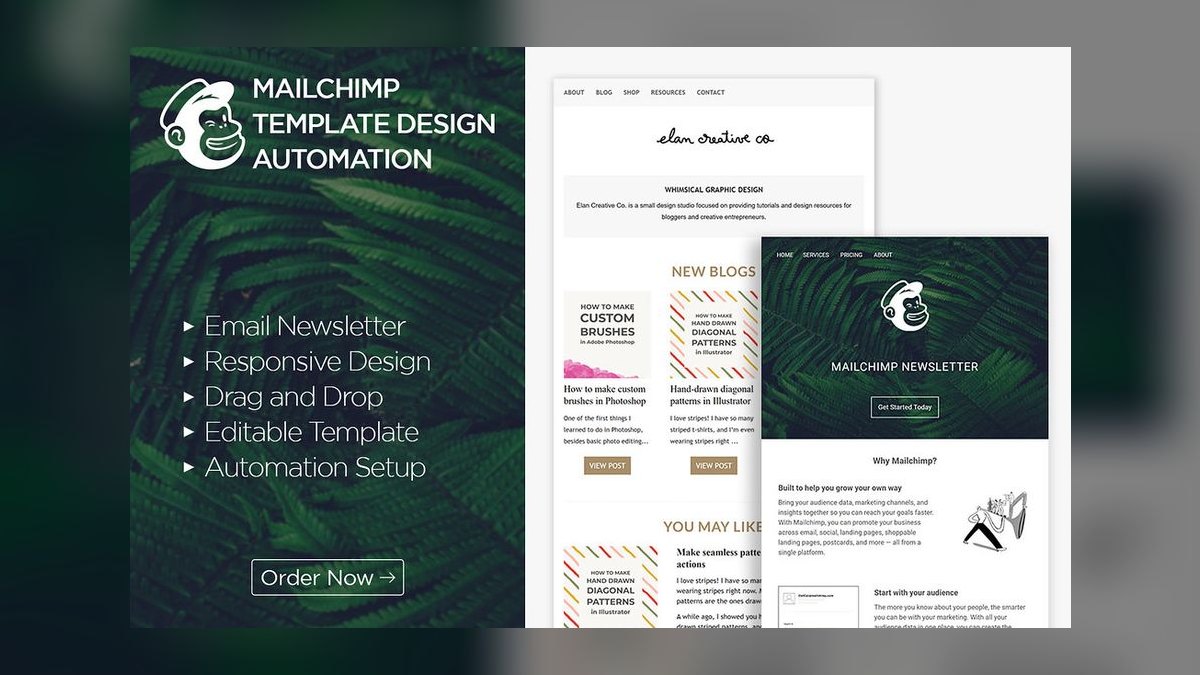
Mailchimp ranks second because its Intuit Assist generative suite offers the most accessible AI-assisted email creation for small teams and solo operators. The Creative Assistant auto-builds on-brand designs by pulling colors and fonts from your website, while the Content Optimizer scores emails against engagement benchmarks. Send Time Optimization and predictive demographics sharpen targeting without technical effort. The free tier covers roughly 500 contacts with a monthly send cap, and paid plans scale by contact count.
This tool is for non-technical users who want a usable AI draft in minutes and a gentle on-ramp to automation. It trades away advanced automation depth and predictive intelligence compared to Klaviyo above, and costs climb faster at mid-size lists. Mailchimp's customer journey builder handles welcome series, abandoned carts, and re-engagement competently. For a small team valuing speed and AI hand-holding over granular control, it is the safe default.
3. ActiveCampaign
ActiveCampaign ranks third because its AI features lean into orchestration, with Predictive Sending delivering each contact's email at their individual most-likely-to-open moment. Predictive Content dynamically swaps message blocks based on engagement likelihood, and win probability scoring prioritizes follow-up contacts. The automation builder supports complex branching, conditional waits, and multi-channel paths across email, SMS, and site messaging. Pricing has no permanent free tier, with advanced AI features gated to higher plans.
This tool is for operators who think in workflows and want automation that adapts on its own. It trades away the beginner-friendly interface of Mailchimp above, requiring more setup and strategic thinking. ActiveCampaign suits sophisticated lifecycle messaging rather than one-off blasts, and its AI can generate full automation recipes from a goal description. If your competitive edge is deep, adaptive automation, it earns its place.
4. Brevo
Brevo ranks fourth because it is the best value AI email tool, billing by email volume sent rather than contact count. You can store unlimited contacts on the free tier and send up to 300 emails per day at no cost, which is genuinely useful for testing or small newsletters. The AI layer includes a subject-line generator, send-time optimization, and copy assistance, plus bundled transactional email, SMS, WhatsApp, a CRM, and landing-page builder.
This tool is for cost-conscious operators who send high volume to big lists infrequently, where per-contact billing punishes growth. It trades away the polished interface and predictive depth of ActiveCampaign above, and its analytics are shallower. Brevo's volume-based model undercuts most contact-billed rivals at scale, making it hard to beat for budget-focused senders. Smaller teams can consolidate multiple tools onto one bill.
5. GetResponse
GetResponse ranks fifth because its AI Email Generator produces full campaigns—subject line, copy, and layout—from a short product description and tone selection. The AI Campaign Generator scaffolds an entire welcome or promotional sequence, saving significant time for marketers building from scratch. Perfect Timing and Time Travel delivery features optimize send times per recipient and per time zone. Pricing scales by list size with a limited free plan, and AI tools are available across most paid tiers.
This tool is for marketers who want email plus webinar hosting, landing pages, and conversion funnels under one roof. It trades away the volume-based pricing advantage of Brevo above, scaling by contact count instead. GetResponse's automation builder handles standard lifecycle flows competently, though it lacks the predictive sophistication of ActiveCampaign. For small-to-mid businesses wanting a fuller marketing suite, it is a strong pick.
6. Omnisend
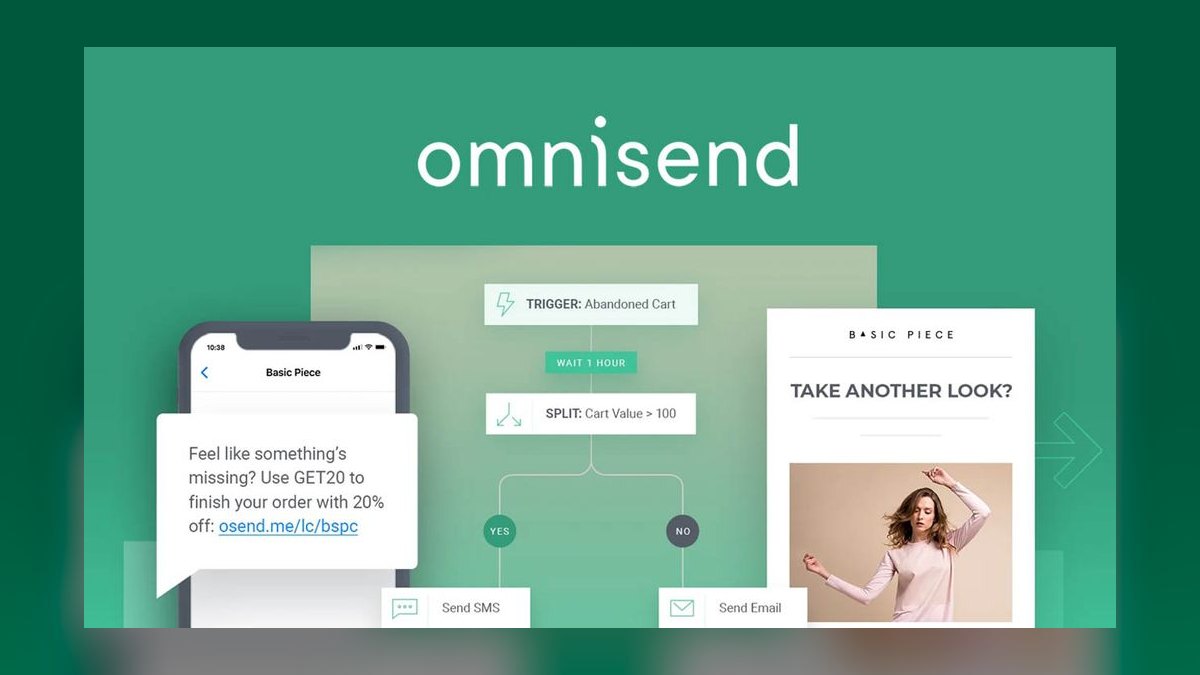
Omnisend ranks sixth because it is purpose-built for ecommerce email and SMS, positioning as a lower-cost alternative to Klaviyo for Shopify and WooCommerce merchants. Its AI features include subject-line generation, product recommendation blocks driven by browsing and purchase data, and pre-built automation templates for cart, browse, and post-purchase flows. Connecting your store pulls product catalogs and customer events to populate dynamic content automatically.
This tool is for smaller online stores wanting ecommerce-native automation without enterprise pricing. It trades away the predictive depth of Klaviyo above, but wins on simplicity and cost. Omnisend's unified email-and-SMS automations let you mix channels within a single flow, and AI-powered product recommendations insert items each shopper is likely to buy. For a growing store, it is a smart choice over more complex platforms.
7. Constant Contact
Constant Contact ranks seventh because its AI Content Generator drafts email copy from a few keywords describing your goal, with multiple options to refine. Subject-line suggestions help non-marketers write something better than a generic newsletter title. The platform is known for approachable templates, event-management features, and strong customer support, which matters for users who aren't full-time marketers. Pricing is billed by contact count with no permanent free tier, only a trial.
This tool is for small businesses, nonprofits, and local organizations like restaurants, gyms, or churches that need reliable email with AI writing help and real phone support. It trades away advanced automation and predictive intelligence compared to Omnisend above, and power users will find it limited. Constant Contact's automation covers welcome emails, birthday messages, and basic drip sequences. For a low-friction, dependable option with human support, it remains a solid choice.
8. Kit

Kit ranks eighth because it is the creator-economy email tool of choice, built for newsletter writers, course sellers, and independent publishers. Its AI writing assistant helps draft and refine newsletter copy inside a clean, distraction-free editor, with automation organized around tagging subscribers by interest. The Creator Network and recommendation engine help newsletters grow by cross-promoting to relevant audiences, a growth lever most ESPs lack. Kit offers a free tier for up to 10,000 subscribers with limited features.
This tool is for writers and solo creators monetizing an audience, where the newsletter itself is the product. It trades away ecommerce functionality and predictive analytics compared to Constant Contact above, and is overkill for transactional email. Kit's tag-based subscriber model avoids duplicate-contact billing, and visual automations, sign-up forms, and landing pages are included. For independent publishers, it is the standard.
9. Twilio SendGrid
Twilio SendGrid ranks ninth because it is the developer-and-deliverability pick, with strength in inbox placement at scale through dedicated IPs and detailed deliverability analytics. Authentication tooling for SPF, DKIM, and DMARC guidance supports high-volume senders. The marketing side includes a campaign builder with AI-assisted subject-line and content suggestions, plus automation for common journeys. Pricing has a modest free tier and scales by email volume, with separate plans for the Email API and Marketing Campaigns.
This tool is for SaaS products and high-volume senders where deliverability and developer control matter more than a slick drag-and-drop editor. It trades away the creator-friendly features of Kit above, requiring engineering resources for full utilization. SendGrid's API-first architecture lets teams fire password resets, receipts, and triggered campaigns with strong throughput and reporting. For reliability when sending millions of messages, it is the right call.
10. Customer.io
Customer.io ranks tenth because it is the messaging-automation platform for product-led and SaaS teams wanting behavior-triggered email driven by real-time event data. Rather than batch sends, it fires messages off in-app events—a user hits a feature, abandons onboarding, or crosses a usage threshold—across email, push, SMS, and in-app channels. Its AI and data tooling build sophisticated segments from event streams and run multivariate experiments on content and timing.
This tool is for product teams that treat lifecycle messaging as an extension of the app, expecting structured event data. It trades away the beginner-friendliness and deliverability tooling of Twilio SendGrid above, and is not a newsletter tool. Customer.io's visual workflow builder handles branching logic rivaling dedicated automation platforms, and the data pipeline features appeal to teams with engineering resources. For flexible, event-driven messaging, it is the most adaptable option here.
How we ranked these
We ranked tools on five weighted factors: AI content generation, predictive intelligence, deliverability tooling, automation depth, and total cost of ownership. Each factor was scored based on publicly listed features and pricing, with emphasis on capabilities that directly impact campaign performance and scalability.
We excluded tools that merely bolt a chatbot onto a legacy editor, as they don't meaningfully change campaign outcomes. Pricing notes reflect publicly listed tiers at the time of writing and should be verified on vendor pages, as they change frequently. We also ignored subjective factors like brand reputation or interface aesthetics.
What to look for
When choosing, prioritize predictive analytics and automation depth if you rely on behavioral data. For small teams, AI content generation and ease of use matter more. Always model your list growth against per-contact pricing—costs can balloon at scale. Volume-based billing, like Brevo's, suits infrequent high-volume senders.
The most common mistake is migrating a dirty list without cleaning it first, which tanks sender reputation on new IPs. Also, don't choose solely on price; factor in deliverability tooling and support. Test with a sample list before committing, and ensure the tool integrates with your existing stack.
Related questions
What are the best AI tools for account-based marketing in 2027?
For ABM, look for tools that integrate with your CRM and offer predictive lead scoring. Top picks include 6sense, Demandbase, and Terminus, which use AI to identify target accounts and personalize outreach. These platforms help align sales and marketing efforts, improving conversion rates.
What are the best AI tools for cold email in 2027?
For cold email, tools like Instantly.ai, Smartlead, and Lemlist are popular. They offer AI-powered personalization, deliverability optimization, and automated follow-ups. These features help improve response rates and manage outreach at scale, making them essential for sales teams.
What are the best AI tools for email writing in 2027?
For email writing, tools like Jasper, Copy.ai, and Writesonic are top choices. They generate subject lines, body copy, and variations based on your input. These tools save time and help maintain a consistent brand voice, though human editing is still recommended.
What are the best AI tools for influencer marketing in 2027?
For influencer marketing, platforms like Upfluence, Aspire, and CreatorIQ use AI to match brands with relevant influencers, manage campaigns, and track performance. They provide data-driven insights that help optimize ROI and streamline the entire influencer management process.
How does Klaviyo's predictive analytics improve email campaigns?
Klaviyo's predictive analytics uses customer data to forecast lifetime value, next order date, and churn risk. This allows you to segment audiences dynamically and send targeted messages at optimal times. By automating these insights, you can increase engagement and revenue without manual analysis.
What is the difference between Mailchimp and Klaviyo for ecommerce?
Mailchimp is easier to use and better for small teams, while Klaviyo is more powerful for data-rich ecommerce businesses. Klaviyo offers deeper predictive analytics and native SMS, while Mailchimp's Intuit Assist provides strong AI content generation. Your choice depends on your technical comfort and data needs.
Is Brevo's volume-based pricing better than per-contact pricing?
Brevo's volume-based pricing is more cost-effective if you have a large list but send infrequently. Per-contact pricing, like Klaviyo's, can become expensive as your list grows. Evaluate your sending patterns to determine which model saves you money while meeting your needs.
What are the key features to look for in an AI email marketing tool?
Key features include AI content generation, predictive send-time optimization, deliverability tools, automation depth, and transparent pricing. Look for tools that integrate with your existing stack and offer robust analytics. Prioritize features that directly impact your campaign performance and scalability.
FAQ
Which AI email tool is best for ecommerce in 2027?
Klaviyo leads for ecommerce because of predictive CLV, next-order-date modeling, and native email-plus-SMS flows. Omnisend is the value alternative for smaller Shopify and WooCommerce stores that want ecommerce-native automation without Klaviyo's pricing.
What's the cheapest AI email marketing tool?
Brevo offers the best value because it bills by emails sent rather than contacts stored, with a free tier allowing 300 emails per day and unlimited contacts. Kit is also generous for creators, free up to 10,000 subscribers.
Can AI actually write email copy worth sending?
Yes, with editing. Tools like Mailchimp's Intuit Assist and GetResponse's AI Email Generator produce solid first drafts of subject lines and body copy, but you should always human-edit for brand voice and accuracy before sending.
Do these tools handle deliverability?
Twilio SendGrid is the strongest on deliverability, offering dedicated IPs and detailed inbox-placement analytics. Most platforms include list cleaning and authentication setup, but high-volume senders should prioritize tools with granular deliverability reporting.
Which tool is best for non-technical small businesses?
Mailchimp and Constant Contact are the most beginner-friendly, with AI content generators, forgiving editors, and strong support. Both let a non-marketer produce a usable campaign quickly.
Is send-time optimization worth it?
For lists over a few thousand, yes. ActiveCampaign's Predictive Sending, Klaviyo's smart send times, and Brevo's send-time optimization measurably lift open rates by delivering at each contact's individual peak engagement window.
What is the best AI tool for a creator newsletter?
Kit (formerly ConvertKit) is ideal for creators, offering a clean editor, AI writing assistance, and a Creator Network for cross-promotion. It's free up to 10,000 subscribers and scales with your needs, making it the standard for newsletter writers and course sellers.
How does ActiveCampaign's predictive sending work?
ActiveCampaign's Predictive Sending uses machine learning to analyze each contact's past engagement patterns and determine the optimal send time. This personalization increases open rates by ensuring your email arrives when each recipient is most likely to check their inbox.
What should I consider before migrating to a new email tool?
Before switching, export a sample of your list and run it through the new tool's deliverability check. Cleaning your list before migration prevents damaging your sender reputation on the new IP. Also, model your list growth against pricing tiers to avoid surprises.
Are there AI email tools that integrate with Shopify?
Yes, Klaviyo and Omnisend are both built for Shopify and WooCommerce. They pull product catalogs and customer events to power personalized recommendations and automated flows. This integration simplifies ecommerce marketing and improves relevance.
Sources
- https://www.klaviyo.com/features/ai
- https://mailchimp.com/features/email-marketing/
- https://www.activecampaign.com/platform/automation
- https://www.brevo.com/pricing/
- https://www.getresponse.com/features/ai-email-generator
- https://www.omnisend.com/
- https://kit.com/features
- https://sendgrid.com/en-us/solutions/email-marketing
Related on PULSE
- [More ai tools for email marketing campaigns rankings and buying guides](/knowledge)
- [PULSE Tools and calculators](/tools)
- [Everything on PULSE RevOps](/)
This page will be disappearing soon. Save it to your device for $1 — or read it free while it is here.
@Kory-White- · if Venmo asks, the last 4 of my number are 2012
 pulse-ai-infrastructureThe 10 Best AI Tools for Color Grading in 2027
 pulse-ai-infrastructureThe 10 Best AI Tools for Product Page Design in 2027
 pulse-ai-infrastructureThe 10 Best AI Tools for Backend Debugging in 2027
 pulse-ai-infrastructureThe 10 Best AI Tools for Stock Photos in 2027
 pulse-ai-infrastructureHow do you architect a RAG pipeline for low latency?
 pulse-ai-infrastructureThe 10 Best AI Tools for Reading Comprehension in 2027
 pulse-ai-infrastructureThe 10 Best AI Tools for Vocal Removal in 2027
 pulse-ai-infrastructureThe 10 Best AI Tools for Event Planning in 2027
 pulse-ai-infrastructureThe 10 Best Synthetic Data Generation Tools in 2027
 pulse-ai-infrastructureThe 10 Best AI Tools for Children's Books in 2027