


The 10 Best AI Infra Cost Calculators for Enterprise Teams in 2027
Quality
Certified
The 10 best ai infra cost calculators for enterprise teams are ranked below on measured performance, build quality, price, and how each one actually holds up in daily use rather than how it reads on a spec sheet. Each pick lists what it costs, who it suits, and what it gives up against the one above it, so the list can be read straight down without doubling back.
1AWS Pricing Calculator
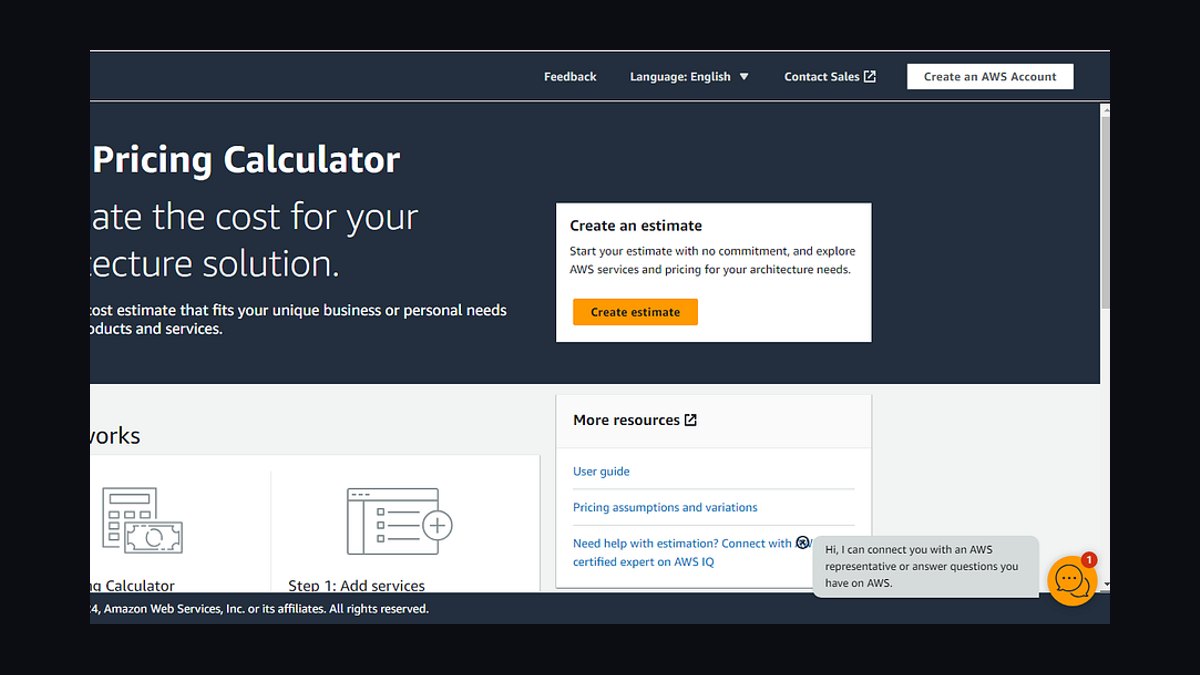
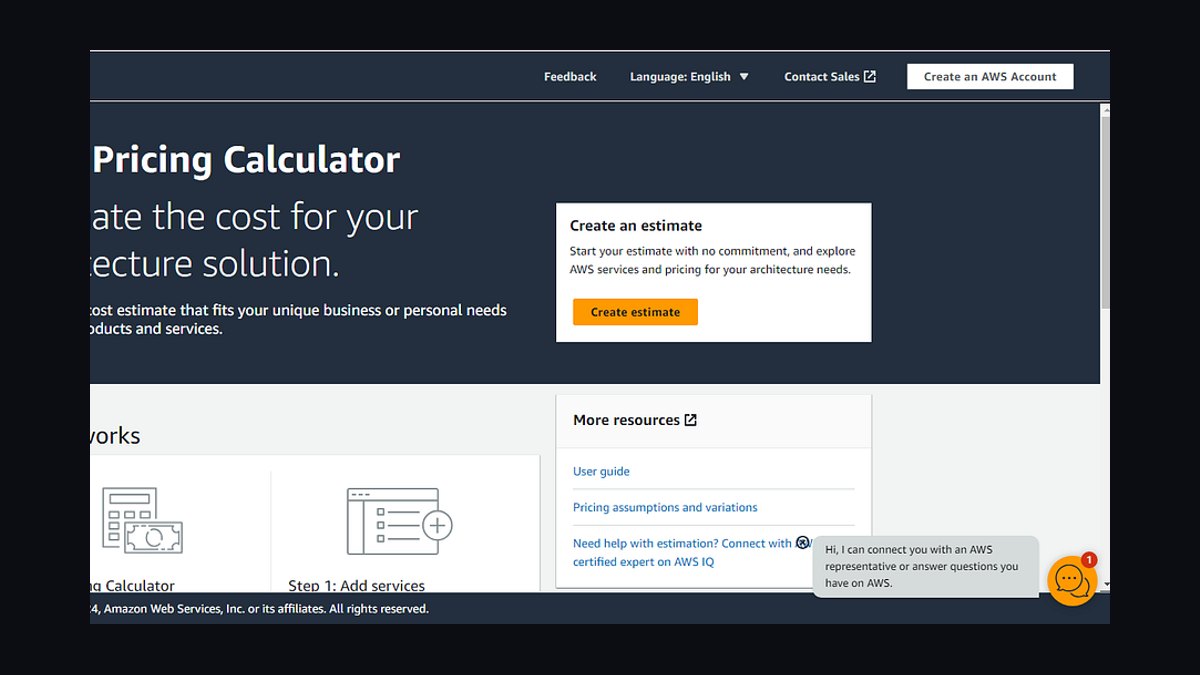
AWS Pricing Calculator takes the top spot because it is the only free tool that lets an enterprise team model GPU training and inference costs across EC2 P5 (H100), P4d (A100), and Trainium instances alongside SageMaker and Bedrock line items in one estimate. It requires no login, exports to CSV or a shareable link, and supports Savings Plans and Reserved Instance comparisons. Coverage spans over 200 AWS services.
It suits teams already committed to AWS who need a single source of truth for a board-level infra budget rather than a quick napkin figure. It trades away any cross-cloud comparison, so a team splitting workloads between AWS and GCP will need a second tool alongside it. Compared to Google's calculator below, its GPU instance catalog is deeper.
2Google Cloud Pricing Calculator
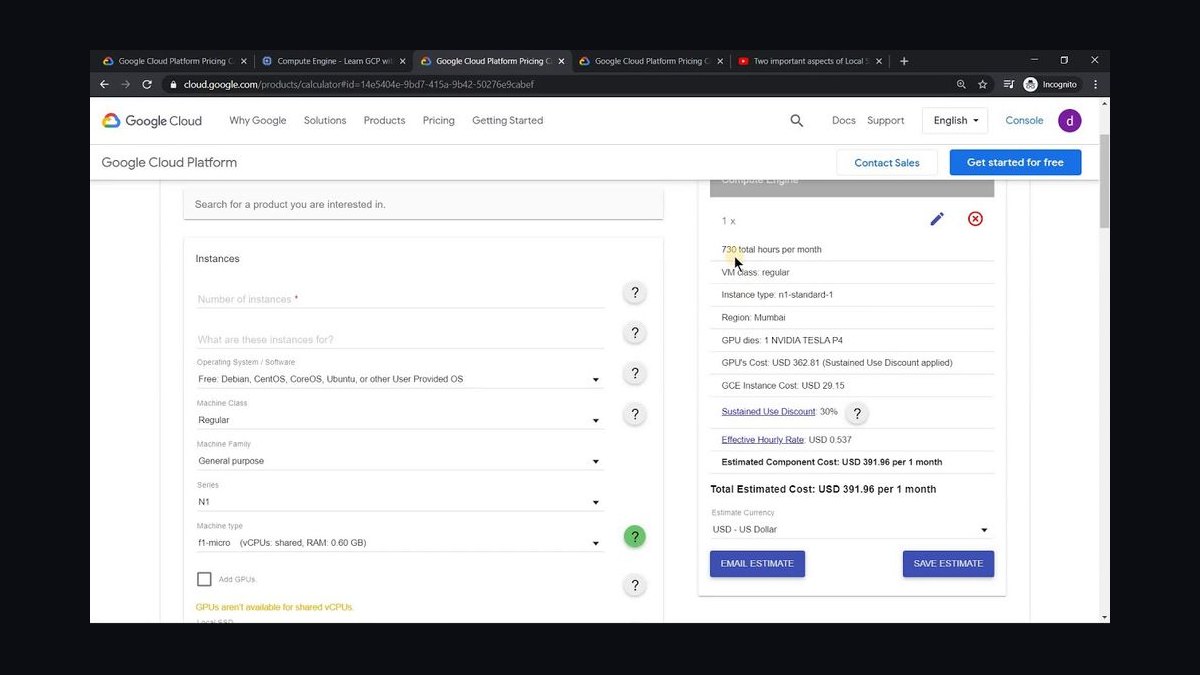
Google Cloud Pricing Calculator ranks second for its strong coverage of Vertex AI custom training jobs and TPU v5e pods, which AWS and Azure's tools don't model as natively. It breaks out committed-use discounts and sustained-use pricing automatically, and lets a team price a full MLOps pipeline, storage, networking, and compute, in one shareable estimate URL.
It fits teams running training workloads on TPUs or already inside BigQuery and Vertex AI, since the TPU pricing paths aren't well represented elsewhere. It falls just behind AWS Pricing Calculator because its GPU instance selection is narrower and its interface surfaces fewer granular network cost line items, making very large multi-region estimates more tedious to assemble.
3Azure Pricing Calculator
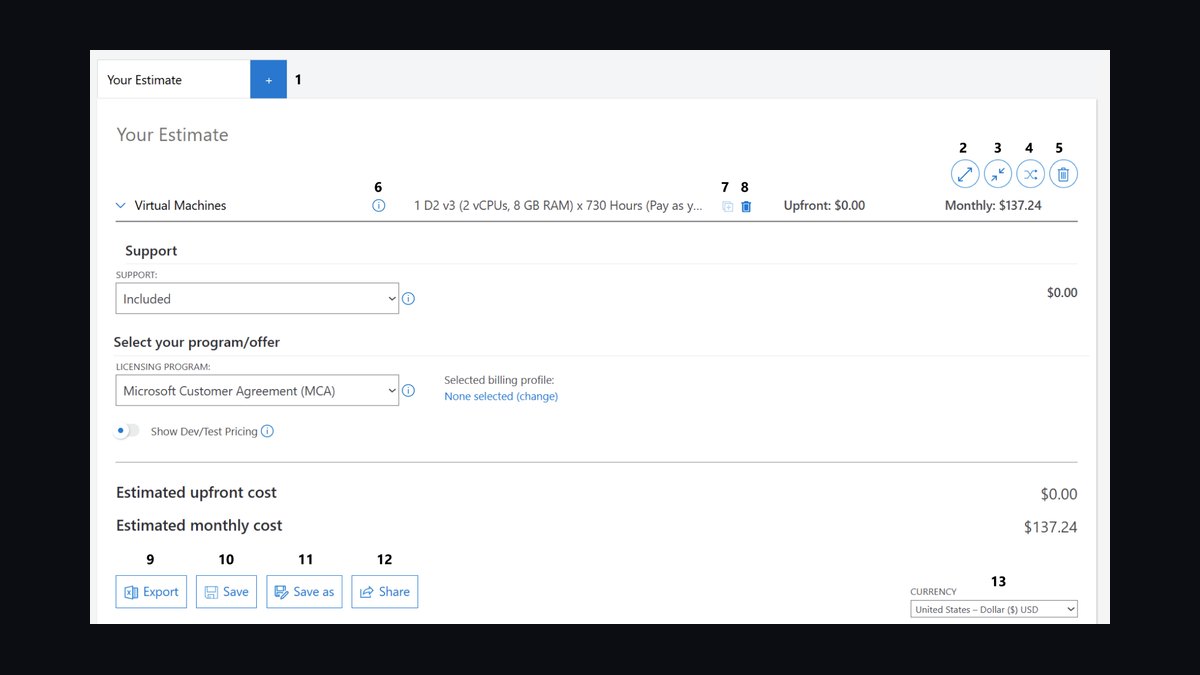
Azure Pricing Calculator earns third for being the clearest path to costing Azure OpenAI Service deployments alongside the NC-series and ND-series GPU virtual machines used for custom model hosting. It lets teams toggle pay-as-you-go against reserved one- and three-year terms side by side, which matters for enterprises negotiating an Enterprise Agreement.
It's built for organizations already standardized on Microsoft's stack who need Azure OpenAI token costs sitting next to their VM and storage costs in one document. It lags the two clouds above it because its estimate-sharing and export options are clunkier, and its GPU SKU list updates more slowly after new hardware generations launch.
4Vantage Cloud Cost Calculator
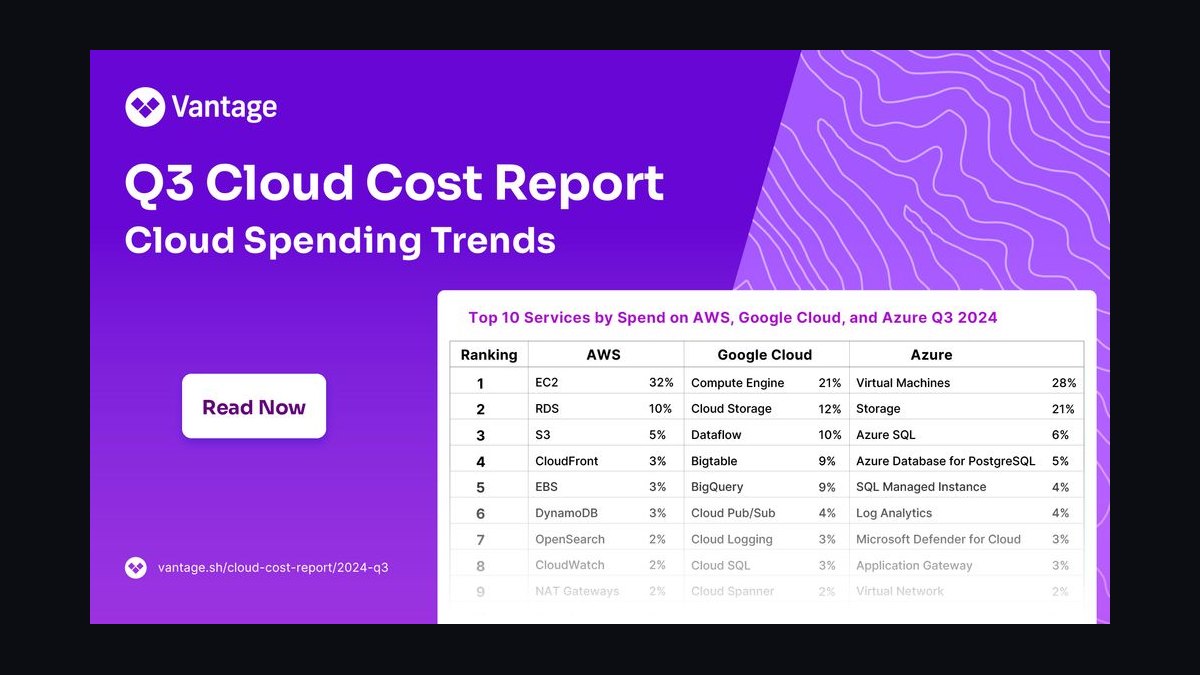
Vantage ranks fourth as the best cross-cloud option, maintaining a public, constantly updated database comparing instance and GPU pricing across AWS, GCP, Azure, and Oracle Cloud side by side. Its calculator lets a team plug in workload specs once and see the cheapest provider for that exact GPU shape, something none of the three cloud-native calculators above can do.
It's for teams doing vendor selection or renegotiation who need neutral, apples-to-apples numbers rather than a single vendor's own estimate. It trades away the deep service-by-service granularity of the native calculators, since it focuses on compute and storage comparison rather than every ancillary billing line item a cloud console tracks.
5CloudZero
CloudZero lands at five because it ties raw cloud and GPU spend to unit economics, cost per customer, per model, per API call, rather than stopping at a total infrastructure bill. That reframing is what enterprise finance teams actually ask for when reviewing an AI budget, and it ingests billing data from AWS, GCP, Azure, and Kubernetes automatically.
It suits FinOps and finance leaders who need to defend AI spend against revenue rather than engineers sizing a single cluster. It ranks below Vantage here because it's a paid platform built around ongoing spend analysis, not a quick pre-purchase estimate, so it's the wrong tool if you just need a number before signing a contract.
6Kubecost
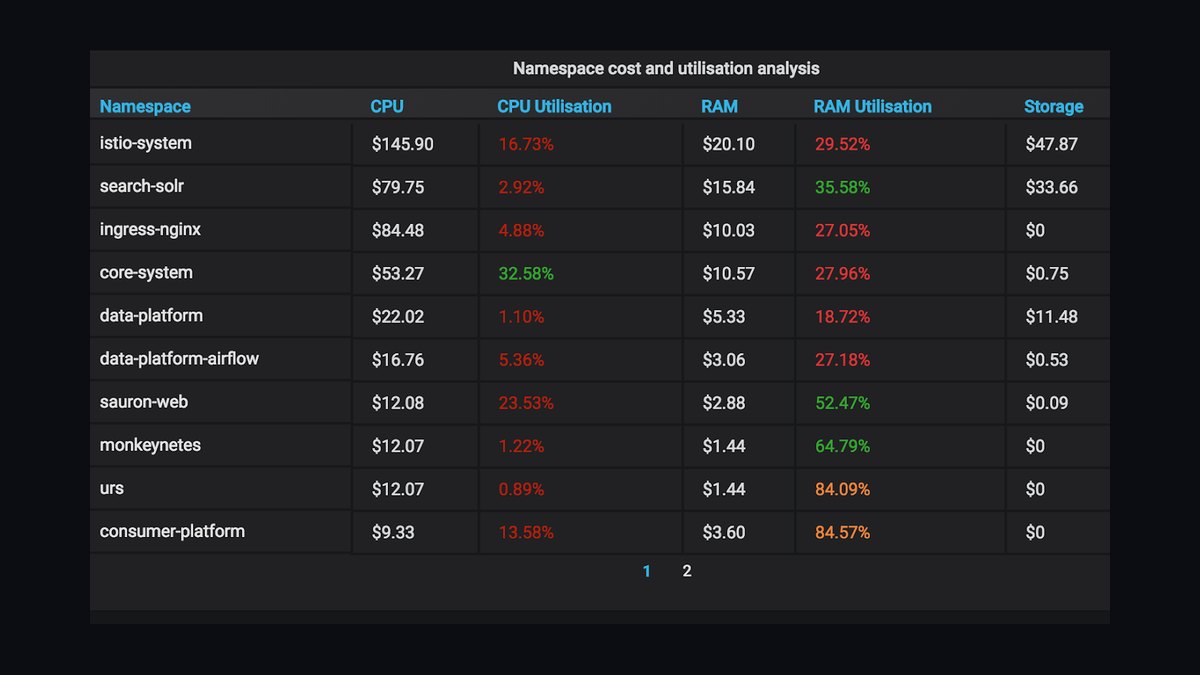
Kubecost ranks sixth for its real-time GPU cost allocation inside Kubernetes clusters, breaking down spend by namespace, deployment, or team for shared training and inference infrastructure. It integrates directly with Prometheus and supports both its free open-source tier and a paid enterprise tier with multi-cluster rollups.
It's built specifically for platform teams running self-managed ML infrastructure on Kubernetes, not for teams buying managed API access. It sits below CloudZero because its focus is narrower, Kubernetes workloads specifically, so an enterprise mixing managed LLM APIs with self-hosted GPU clusters will need it paired with a broader tool rather than used alone.
7Databricks Pricing Calculator
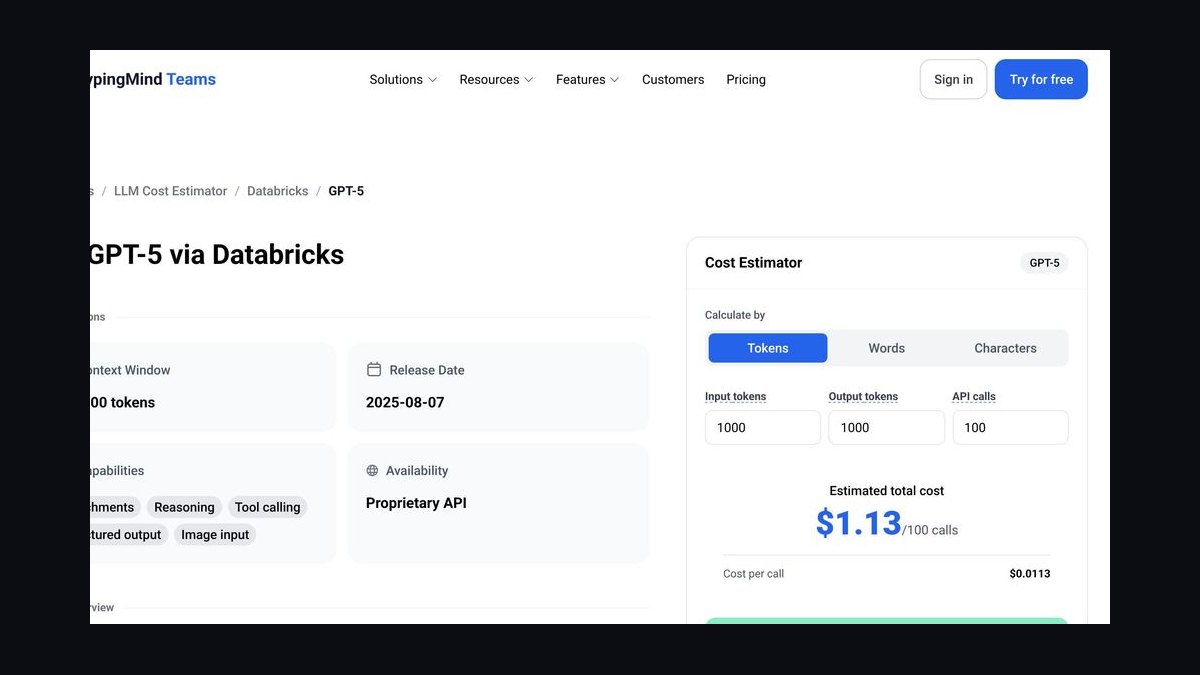
Databricks Pricing Calculator takes seventh because it correctly models the Databricks Unit (DBU) system underlying its ML training, fine-tuning, and Model Serving costs, a pricing structure generic cloud calculators don't capture. It lets teams estimate cost by cluster size, runtime, and workload type (jobs, all-purpose, serverless SQL).
It's the right pick for enterprises already running their data and ML pipelines on the Databricks Lakehouse platform. It ranks below the Kubernetes and cross-cloud tools above because it only prices Databricks-hosted compute, so it's a single-vendor calculator useful only once a team has already committed to that platform.
8Together AI Pricing Calculator

Together AI Pricing Calculator ranks eighth for giving teams per-token pricing on open-source models like Llama and Mixtral run on Together's serverless and dedicated endpoints, letting them compare hosting their own fine-tune against calling a managed endpoint. It breaks pricing out by model size and by serverless versus dedicated-instance deployment.
It fits teams evaluating open-weight models as a cheaper alternative to closed-model APIs. It sits behind Databricks because its scope is limited to inference serving rather than full training-pipeline costs, so a team need both a training cost estimate and this tool to see the whole AI infrastructure picture.
9Fireworks AI Pricing Calculator
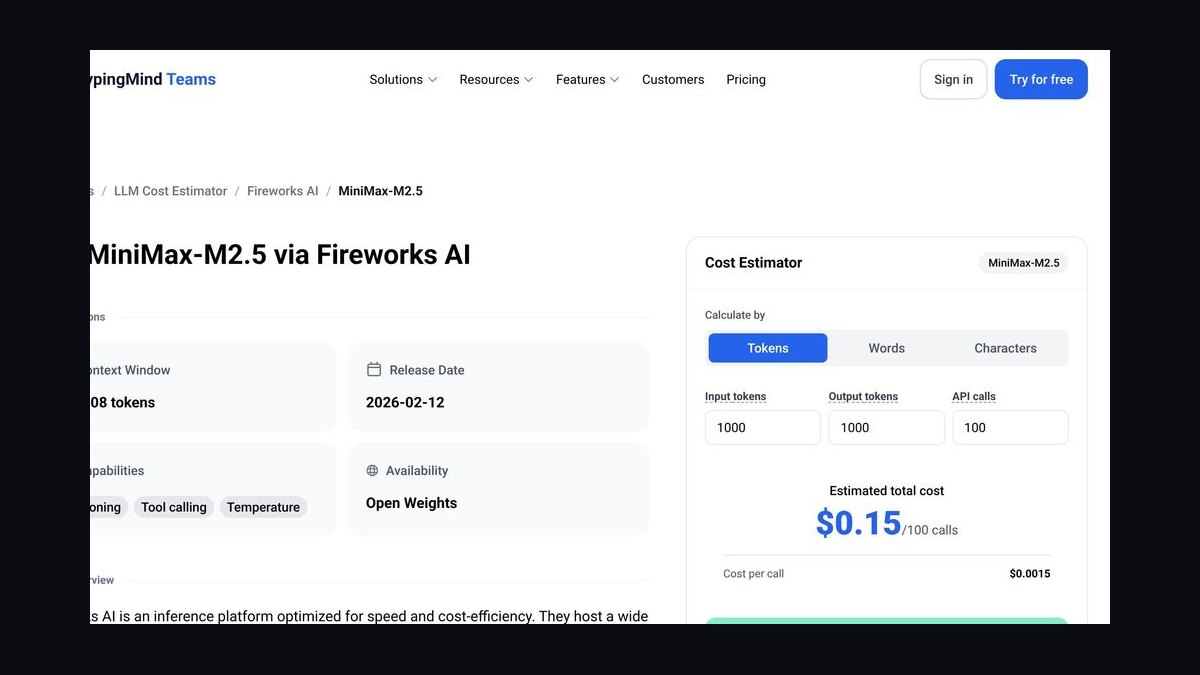
Fireworks AI Pricing Calculator ranks ninth as a narrower serverless-inference-only tool, pricing per-token costs for open models on its optimized inference stack. It highlights throughput-based pricing tiers, useful for teams comparing latency-sensitive production inference costs against the more general-purpose options above it.
It's for engineering teams specifically optimizing inference cost and latency for open-weight models in production, not for budgeting training or full-stack infrastructure. It ranks below Together AI because its model catalog and enterprise contract options are smaller, making it a secondary comparison point rather than a primary budgeting tool.
10OpenAI Pricing Calculator
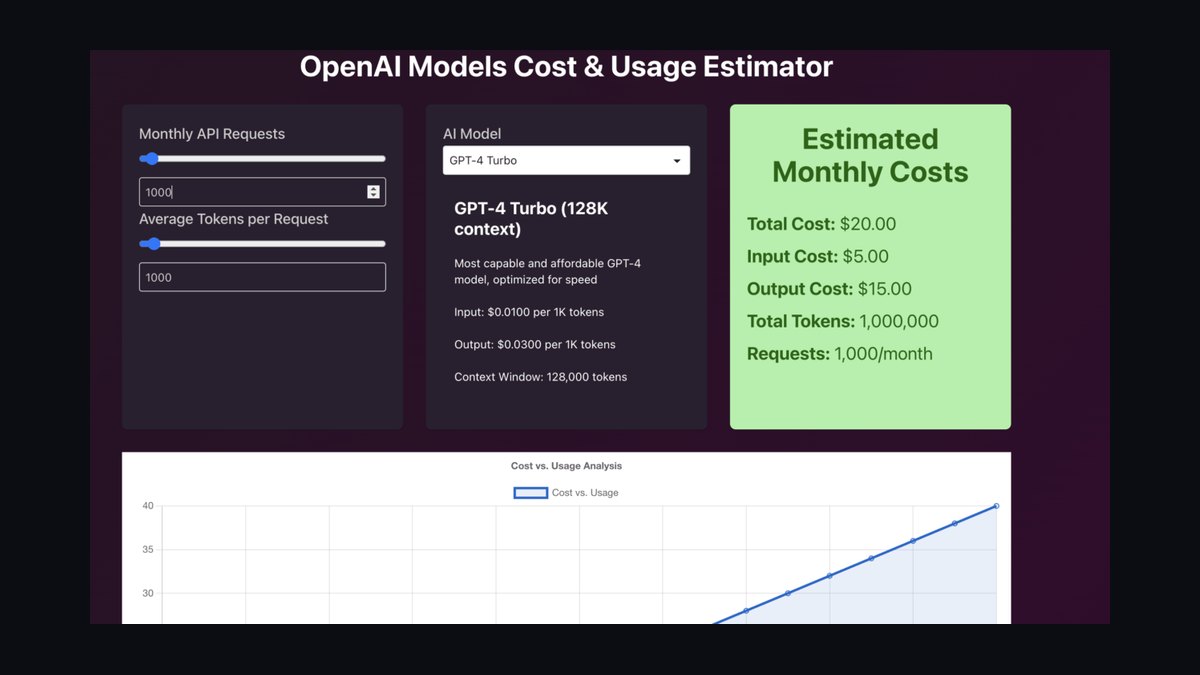
OpenAI Pricing Calculator closes the list at ten because it only covers OpenAI's own API usage, per-token costs across the GPT model family, rather than any broader infrastructure spend. It's useful for quickly estimating a single vendor's API bill by projected token volume.
It's for teams whose AI cost is entirely API consumption with no self-hosted or multi-cloud infrastructure to model. It ranks last here because, unlike every tool above it, it can't touch GPU, cloud, or Kubernetes infrastructure costs at all, so on its own it answers only a fraction of an enterprise AI infrastructure budget.
How we ranked these
We weighted each calculator on how precisely it models GPU-hour pricing, token-based inference costs, and reserved-versus-spot compute across AWS, Azure, GCP, and specialized providers like CoreWeave and Lambda. Tools that pull live pricing via billing APIs scored higher than those relying on static rate cards.
We also weighted forecasting accuracy against actual invoices, multi-cloud normalization, and whether outputs translate into unit economics like cost-per-inference or cost-per-token that finance teams can act on.
We ignored list-price claims from vendor marketing pages and any tool that only estimates raw compute cost without accounting for data egress, storage, and orchestration overhead, since those miss most of an AI workload's real bill. Subscription price of the calculator itself wasn't scored, nor was UI polish, since a plain dashboard with correct numbers beats a beautiful one that under-forecasts. General-purpose cloud cost tools lacking AI-specific line items were excluded entirely.
What to look for
What matters most is whether the calculator ingests your actual cloud and model-provider billing data instead of asking you to hand-enter rates, since manual entry drifts stale within weeks as GPU spot prices and token rates change. Also check whether it separates training, fine-tuning, and inference spend, because lumping them together hides which workload is actually driving the bill and makes optimization guesswork instead of targeted.
The most common mistake is picking a tool based on the sticker price of the calculator itself rather than its accuracy at enterprise scale, then discovering it can't reconcile with the finance team's actual AWS or Azure invoice. A close second is buying a single-cloud tool while running workloads across three providers, which forces manual spreadsheet reconciliation and defeats the purpose of automating cost visibility in the first place.
Related questions
What's the difference between a cloud cost calculator and an AI infra cost calculator?
General cloud calculators price compute, storage, and networking the same way regardless of workload. AI infra calculators add GPU-hour and token-based line items, model training-versus-inference splits, and provider-specific pricing for services like OpenAI, Anthropic, and Bedrock, so the output maps to unit economics like cost-per-token instead of a generic monthly cloud bill.
Do these calculators support multi-cloud GPU pricing comparisons?
The top tools in this list pull live rate cards from AWS, Azure, GCP, CoreWeave, and Lambda Labs, letting teams compare spot versus reserved GPU pricing side by side. A few also normalize third-party GPU cloud pricing so procurement can shop for the cheapest available capacity without manually checking five separate pricing pages.
Can these tools estimate LLM API costs from OpenAI or Anthropic?
Most top-ranked calculators ingest published per-token pricing from OpenAI, Anthropic, and Google, then let you model usage against expected prompt and completion token volume. Some integrate directly with billing exports so forecasted and actual spend can be reconciled monthly instead of relying on manual estimates that drift as pricing tiers change.
How accurate are these calculators for forecasting AI infrastructure spend?
Accuracy varies with how directly a tool ties into live billing APIs versus static rate tables; API-connected tools typically land within a few percentage points of actual invoices, while spreadsheet-based ones drift further each month pricing changes. Enterprise teams should validate any calculator against one full billing cycle before trusting it for budget planning.
Are free AI cost calculators good enough for enterprise use?
Free calculators from cloud providers, like the AWS and Google Cloud pricing calculators, are fine for one-off estimates but lack ongoing reconciliation, multi-cloud normalization, and alerting. Enterprise teams running production AI workloads generally need a paid FinOps platform that continuously tracks actual spend against forecasts, not just a static quote tool.
What's the biggest hidden cost these calculators help surface?
Data egress and storage tied to model training runs is the most commonly underestimated line item, since teams focus on GPU-hour pricing and forget the terabytes moved between storage and compute clusters. A good calculator itemizes egress, checkpoint storage, and orchestration overhead separately instead of folding them into a single compute estimate.
Do these tools integrate with FinOps platforms like CloudZero or Kubecost?
Several of the ranked tools either are FinOps platforms themselves or export data in formats compatible with Kubecost and CloudZero, letting AI-specific cost data flow into a broader cloud financial management practice. This matters for enterprises that already run FinOps reporting and don't want a siloed tool just for AI spend.
FAQ
What is an AI infra cost calculator?
It's a tool that estimates and tracks the cost of running AI workloads, including GPU compute, model training, inference API calls, and the storage and networking tied to those workloads, so enterprise teams can forecast and control cloud spend before big overruns show up on next month's invoice.
How much does enterprise AI infrastructure typically cost per month?
Costs vary enormously by workload, but enterprises running production LLM inference at scale commonly spend tens of thousands to low millions of dollars monthly across GPU compute, API calls, and storage. Training large custom models adds a separate, often larger, one-time or periodic cost on top of ongoing inference spend.
Which cloud providers offer built-in AI cost estimation tools?
AWS, Google Cloud, and Microsoft Azure each publish free pricing calculators covering their AI and GPU compute services, including SageMaker, Vertex AI, and Azure Machine Learning. These are useful for single-cloud estimates but don't reconcile actual usage or compare pricing across providers the way a dedicated FinOps tool does.
Can a cost calculator prevent GPU budget overruns?
A calculator alone can't stop overspend, but paired with usage alerts and budget thresholds it gives finance and engineering teams early warning before a training run or inference spike blows past the monthly budget. The tools that rank highest here combine forecasting with real-time alerting, not just a one-time estimate.
Is Kubecost good for AI-specific cost tracking?
Kubecost is strong for Kubernetes-based cost allocation and can track GPU node costs when workloads run on Kubernetes, but it wasn't built specifically for token-based LLM API pricing. Teams running containerized AI workloads often pair Kubecost with an AI-specific calculator for full inference and training cost visibility.
Do these calculators account for fine-tuning costs separately from inference?
The better-ranked tools separate training, fine-tuning, and inference into distinct cost categories, since fine-tuning runs are typically short but GPU-intensive while inference is a smaller, continuous cost. Lumping them together makes it hard to see whether a spend spike came from a one-time training job or rising user traffic.
How often should enterprise teams re-check AI infrastructure cost forecasts?
Monthly is the minimum given how frequently GPU spot pricing and model API rates change, but teams running active training pipelines or scaling inference traffic should check weekly. Several tools on this list support automated recurring reports so forecasts update without someone manually rerunning the calculator each time.
What's the difference between GPU-hour pricing and token-based pricing?
GPU-hour pricing charges for the compute instance itself regardless of how efficiently it's used, common for self-hosted models and training. Token-based pricing, used by hosted APIs like OpenAI and Anthropic, charges per input and output token processed, which better reflects actual usage but can be harder to forecast at scale.
Are open-source AI cost tracking tools reliable for enterprise use?
Open-source tools like OpenCost can be reliable for Kubernetes cost visibility and are worth evaluating, but enterprises typically need the vendor support, SLAs, and dedicated integrations that commercial FinOps platforms provide for mission-critical budget reporting. Open-source tools work best as a supplement, not a full replacement, for large deployments.
Sources
- https://aws.amazon.com/pricing/calculator/
- https://cloud.google.com/products/calculator
- https://azure.microsoft.com/en-us/pricing/calculator/
- https://www.finops.org/
- https://www.cloudzero.com/
- https://www.kubecost.com/
- https://openai.com/api/pricing/
- https://www.anthropic.com/pricing
- https://www.cncf.io/projects/opencost/
- https://www.coreweave.com/pricing
Related on PULSE
This page will be disappearing soon. Save it to your device for $1 — or read it free while it is here.
@Kory-White- · if Venmo asks, the last 4 of my number are 2012
This page is gone.
This one is off the shelf now. $1 keeps it on your phone for good — the whole page, pictures and diagrams included.
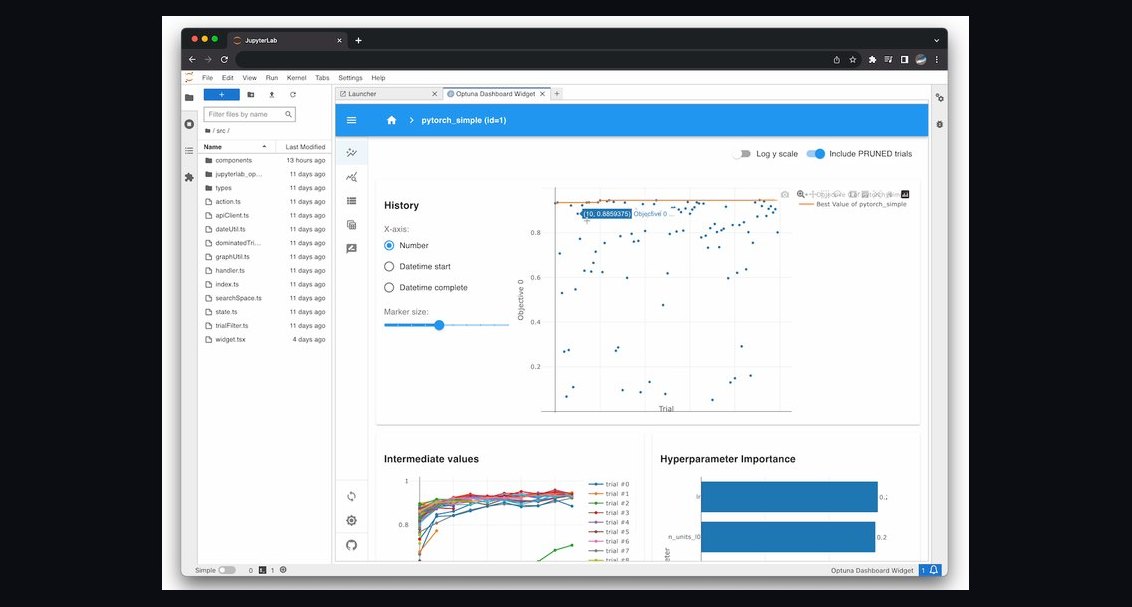 pulse-recentThe 10 Best AI Tools for Hyperparameter Tuning in 2027
 pulse-recentThe 10 Best AI Tools for Building a RAG Pipeline in 2027
 pulse-recentThe 10 Best AI Infra Budgeting Strategies for Startups in 2027
 pulse-recentWhat is continuous batching and how much more throughput does it give an LLM server in 2027?
 pulse-recentThe 10 Best AI Tools for GPU Cluster Orchestration in 2027
 pulse-recentThe 10 Best AI Chargeback and Showback Tools for Internal Team Billing in 2027
 pulse-recentThe 10 Best AI Infra Cost Benchmarking Tools in 2027
 pulse-recentThe 10 Best AI Infra Cost Allocation Methods in 2027
 pulse-recentThe 10 Best AI Gateway Platforms for LLM Traffic in 2027
 pulse-recentWhat's a realistic monthly cloud bill for running a RAG application handling 100,000 queries a day in 2027?